Bedtime Story (1964) ***

Con men at opposite ends of the grifter divide face off in a duel over territoriality in the French Riviera. Freddy Benson (Marlon Brando) is a low-level scam artist who is happy to scrounge a meal or talk his way into an innocent damsel’s bed. Lawrence Jameson (David Niven) is his polar opposite, posing as an impoverished aristocrat to relieve gullible women of their wealth, seduction an added extra.

Initially, Jameson gets the better of their encounters until Benson realizes just what a killing the Englishman is making. Initially, too, Benson is happy to pair up with Jameson, although that involves demeaning himself as a supposed mad brother kept in a dungeon, until the Englishman dupes him out of his share. Eventually, they agree a winner-take-all battle. Whoever can swindle heiress Janet Walker (Shirley Jones) out of $25,000 shall inherit the shyster kingdom.

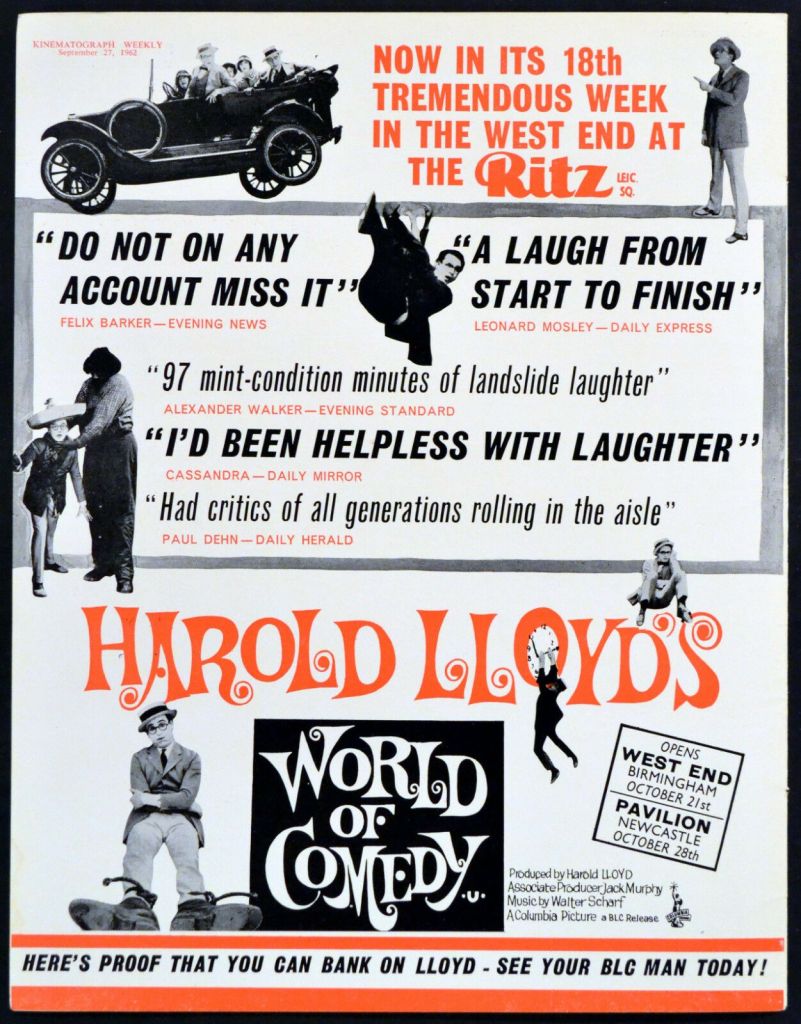
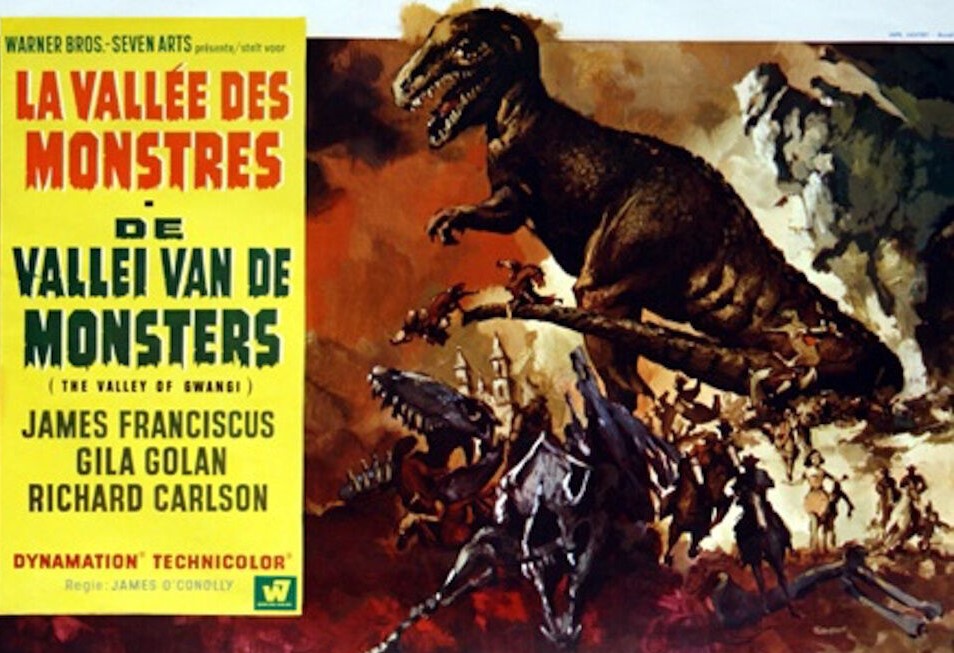
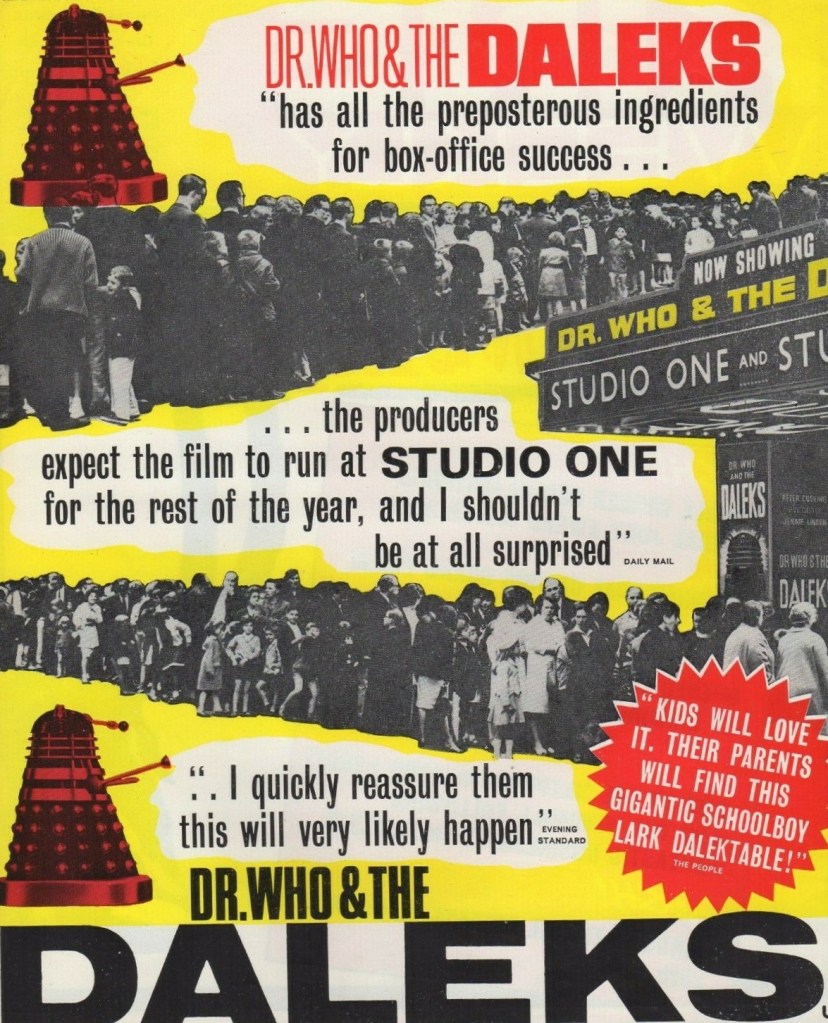
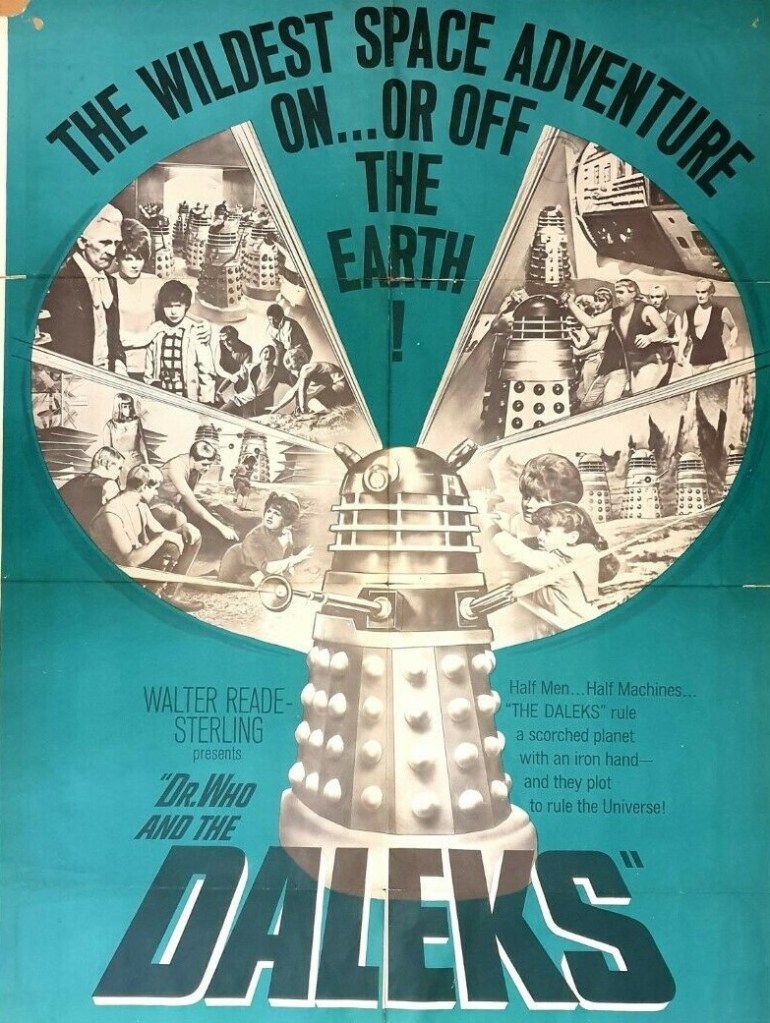
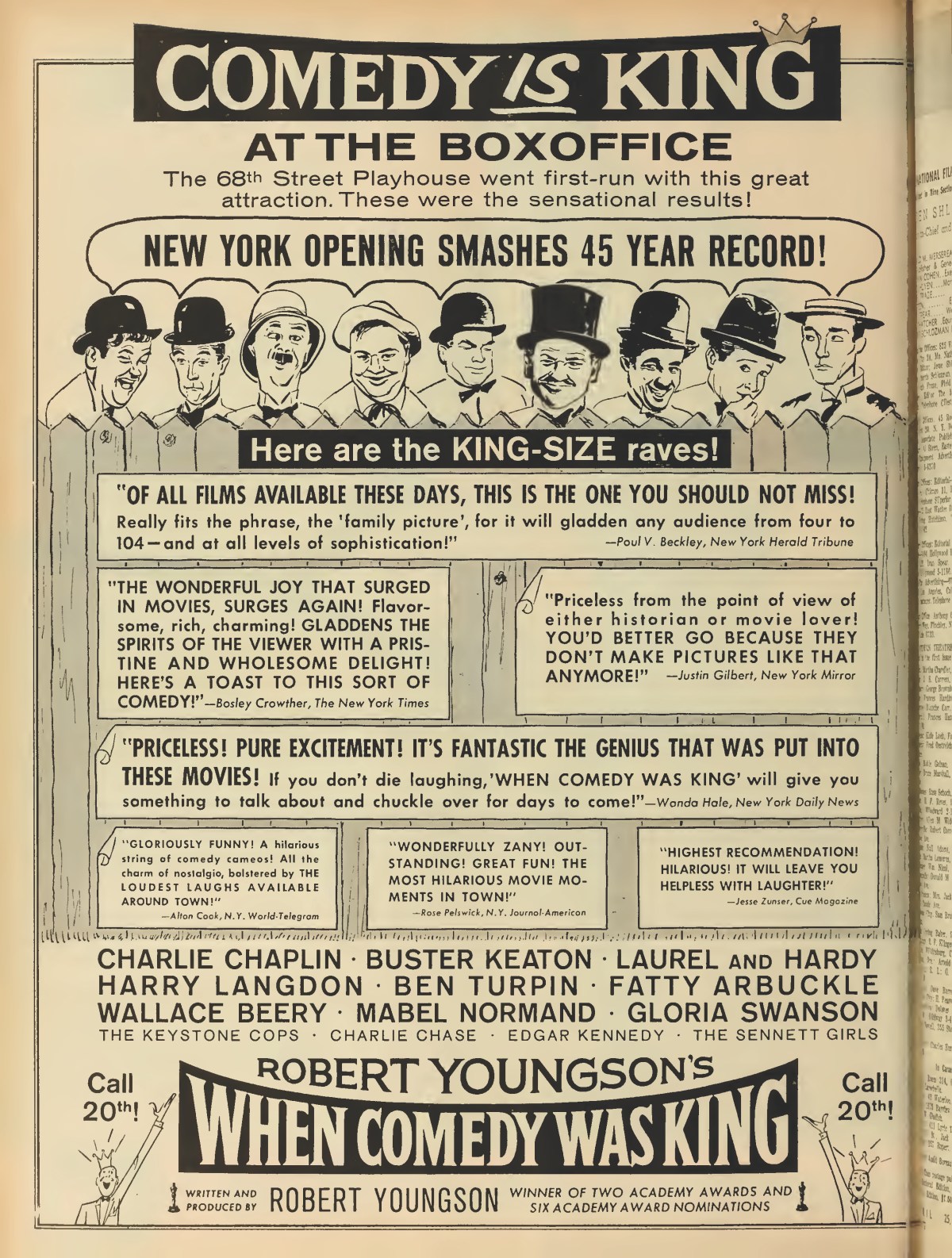
An example of the older style of British movie distribution. The prints started off in one section of London the first week and switched to another sector the following week. Even if the film was a big hit, it could not be retained since the prints were already promised elsewhere. Only after it had played London, would general release follow in the provinces. There was no point watching West End release dates for an idea of when a new movie would play in your local city, it would not be anywhere near you until it had completed the North and South London runs.

Benson takes the sympathy route to the woman’s heart, turning up in a wheelchair, while James adopts a psychological approach, persuading Ms Walker that Benson’s illness is psychosomatic for which he has the cure for the small consideration of $25,000. And then it’s one devious twist after another as the pair attempt to out-maneuver, out-think and generally embarrass the other. Both have a despicable attitude towards women, whom they view as dupes, but it is a woman who proves their undoing.

Most comedies rely on familiar tropes and you can usually see the twists coming, but this is in a different imaginative league and once the pair are in their stride I defy you to work out what they will come up with next. It is full of clever quips and a small dash of slapstick and because neither actor chases the laughs but plays their roles straight proves a very effective and entertaining morsel.

Director Ralph Levy in his movie debut knows more than where to just point a camera since he had decades of experience extracting laughs in television with top comedians like Jack Benny and Bob Newhart. Brando (Mutiny on the Bounty, 1962), free of the shackles of the angst he normally incorporated into his dramatic performances, looks as if he is having a ball and while teetering occasionally on the edge of mugging never quite overplays his hand. This was a conscious effort by Brando, whose company Pennebaker was involved on the production side, to shift his screen persona.

David Niven (The Pink Panther, 1963) was born with a stiff upper lip in his mouth and while this kind of aristocratic character is a doddle for an actor of his stature the portrayal here is much more like the sharpest tool in the box. While oozing charm, Niven exhibits deadly spite. Screenwriters Stanley Shapiro and Paul Henning had previously collaborated on Lover Come Back (1961) and Shapiro particularly made his bones on the Doris Day-Cary Grant-Rock Hudson axis so it is interesting to see him shift away from the romantic comedy cocoon into something with considerably more edge.

Enjoyable and original with excellent performances from the two principals and great support from Shirley Jones (The Music Man, 1962) as the mark and Egyptian Aram Stephan (55 Days at Peking, 1963) as an only too congenial French policeman.

Originally, it was lined up with a quite a different cast – Gregory Peck, Tony Curtis and Tippi Hedren. It was remade as Dirty Rotten Scoundrels (1988) with Steve Martin and Michael Caine.

CATCH-UP: The Blog has previously featured Brando in more dramatic vein in The Chase (1966) and The Appaloosa (1966) and also the dramatic side of David Niven in The Guns of Navarone (1961), Guns of Darkness (1962) and 55 Days at Peking (1963).

Nobody (2021) ****

Blistering stylish thriller in the Taken (2008) / John Wick (2014) tradition sees former secret service badass Hutch Mansell (Bob Odenkirk) trying to live a normal suburban life with wife Becca (Connie Nielsen) and two kids while working as a nerdy book-keeper in a small factory, the kind, should the need arise and with the right skill set, that can be turned into a fortress.  

Devised by John Wick writer Derek Kolstad, this is a more realistic twist on the sub-genre he helped create. Where John Wick and indeed Bryan Mills (Taken) tend to often escape pretty unscathed from violent episodes, Hutch is beaten black and blue. But like John Wick he wants to keep the past buried. And he would do except he gets mixed up with two inept burglars and from that encounter segues into a confrontation with the Russian mob, the head of which Yulian (Aleksey Serebryakov) is a candidate for the all-time gangster hall of fame as well as the oddball hall of fame since he fancies himself as a nightclub singer.  

Interestingly, it’s clear that living the boring life is guaranteed to turn your marriage stale and that relationship only recovers when Hutch gets his mojo back. Unusually, too, Hutch spends a good deal of his time trying to make or keep the peace, preferring compromise to a bullet tsunami. But you know what these Russians are like!

Like John Wick, we enter a completely new world of assassins and their codes and the way they operate – attacking a man in his own home a mortal sin – and Hutch can call on a bundle of characters who know their way around, including his father David (Christopher Lloyd) and unspecified relative Harry (RZA) not to mention a mixture of hard-asses like Eddie (Michael Ironside) and upper-class Brit with the usual unusual moniker in this case The Barber (Colin Salmon).

In his sophomore outing Russian director Ilya Naishuller (Hardcore Henry, 2015), while delivering a sufficient quota of fisticuffs and shootouts, brings a certain flair to the proceedings, Hutch as reliant on whatever pieces of metal prove handy as well as the normal selection of firearms and a more extensive supply of weaponry, committing violence to the unlikely accompaniment of classics from the American musicals songbook like “The Impossible Dream” and “You’ll Never Walk Alone.”

Naishuller has gathered a wonderfully eclectic cast with Connie Nielsen sprung back to leading lady status after bit parts in Wonder Woman (2017) and Justice League (2017). As if to remind myself of the emotional quality she brings to the movies, I happened to see her on the same day in a big-screen revival of Gladiator (2000) – part of my weekly cinematic triple bill. And you’re gonna love the reincarnation of Christopher Lloyd (Back to the Future, 1985), probably the only shotgun-toting inhabitant of an old folks home, off the big screen since 2018 and really without a decent movie role in nearly a decade.  

If you only know Bob Odenkirk from playing sleazeball lawyer Jimmy McGill in the television series Breaking Bad (2009-2013) and its offshoot Better Call Saul (2015-2021) and you wondered how he was ever going to break away from that typecasting, here’s the answer in spades. This is such a transformation you would forget he was ever McGill.

Nobody didn’t exactly hit the ground running when it was released in the U.S. in March during the pandemic but it will gradually build up a following on streaming and DVD and it’s almost certainly going to turn into a series. Remember, the first John Wick didn’t pack the commercial punch of the sequel. But once the word gets round, Nobody will attract a healthy fanbase.

Don’t miss this – highly recommended.

Not sure when the DVD is out but if you miss it in the cinema, you can get your order in now.

Claudelle Inglish (1961) ****

Simple small-town morality tale, brilliantly told, with a quiet nod to The Blue Angel and Citizen Kane. Shy dirt-poor farmer’s daughter Claudelle Inglish (Diane McBain) after falling for the handsome Linn Varner (Chad Everett) expects to be married when he returns from his Army stint until she receives a “Dear John” letter. Initially devastated, keeping all his letters and the dancing doll she had won with him at a fair, she decides that lying in bed all day and staring at the ceiling is not going to work. So she smartens up her frumpish look with lipstick and turns her simple wedding dress into a more attractive outfit.

She discovers that the boys are so desperate to come calling on this new-look creature that they will bring presents to every date, ranging from the biggest box of candy in the shop to a pair of red shoes. Encouraging her determined manhunt, dissatisfied mother Jessie (Constance Ford), who has endured twenty years of broken promises throughout marriage to hardworking Clyde (Arthur Kennedy),  beseeches her to go after a rich man. Luckily, there is one in the vicinity, the widowed S.T. Crawford (Claude Akins) who happens to be their landlord. Crawford tries to bribe Clyde with free rent and other benefits to put in a good word, but to no avail, the father believing that true love cannot be bought and, furthermore, will alleviate abject poverty.

Advertisement to the trade encouraging exhibitors to book for one
of the key dates on the U.S. release calendar.

Claudelle bluntly rejects Crawford as “too old and too fat” but takes his present anyway and, under pressure, agrees to go for a ride with him without allowing him to stop the car. Dennis Peasley (Will Hutchins), elder son of a store owner, believes he is the front runner, deluging her with gifts, naively believing she is his sweetheart until he realizes he is in competition with a horde of other local boys, including his younger brother, and outsider Rip (Robert Colbert). Jessie, seeing the prospect of a rich husband slip away, embarks on an affair with Crawford. Soon, Claudelle has the entire male population in the palm of her hand, piling up presents galore. However, tragedy, in the way these things go, is just round the corner.

What struck me first was the subtlety. Nothing here to bother the censor, beyond the immorality on show and despite Hitchcock breaking all sorts of sexual taboos with Psycho the year before. This isn’t an all-hot-and-bothered essay like the previously reviewed A Cold Wind in August or a picture that pivots on twists-and-turns like A Fever in the Blood, both out the same year. It is so delicately handled that took me a while to work out that Claudelle was actually having sex with all these guys.

Erskine Caldwell was America’s bestselling author at the time with over 40 million books sold and most famous, of course, for God’s Little Acre, filmed in 1958, and Tobacco Road (1941).

The initial shy girl blossoming under the first blush of love is done very well, a gentle romance ensuing, Claudelle still withdrawn in company, agreeing to an engagement even though Linn cannot afford a ring, waiting anxiously for his letters, adoring the dancing doll,  paying off a few cents at a time material for a wedding dress. It’s only after she receives a Dear John (Dear Jane?) letter that it becomes clear, though not crystal clear, that sex has been involved because that word is never spoken and that action never glimpsed. Only gradually do we realise that present-givers are being rewarded, and as her self-confidence grows she is soon able to pick her own presents.  One look is generally all it takes to have men falling all over themselves to give her what she wants, which is, essentially, a life where promises are not broken. But the closest she gets to showing how much she is changed from her original innocent incarnation is still by implication, telling a young buck she is “pretty all over.”

I was also very taken with the black-and-white cinematography by Ralph Woolsey. The compositions are all very clear, but in the shadows Claudelle’s eyes become glittering pinpoints. The costumes by Howard Shoup won an unexpected Oscar nomination, his third in three years. Veteran director Gordon Douglas (Them!, 1954) does an excellent job of keeping the story simple and fluent, resisting all temptations to pander to the lowest common denominator while extracting surprisingly good performances from the cast, many drawn from Warner Brothers’ new talent roster.

Diane McBain (Parrish, 1961) handles very well the transition from innocence to depravity (a woman playing the field in those days would be tagged fallen rather than independent) and holds onto her anguish in an understated manner. In some senses Arthur Kennedy (Elmer Gantry,1960) was a coup for such a low-budget production, but this could well have been a part he was born to play, since in his movie career he knew only too well the pain of promise, nominated five times for Best Supporting Actor (some kind of record, surely) without that nudging him further up the billing ladder. His performance is heartbreaking, working his socks off without ever keeping head above water, repairs getting in the way of promises made to wife and daughter, kept going through adoration for his wife.

Constance Ford (Home from the Hill, 1960) is heartbreaking in a different way, scorning her loving husband and dressing like her daughter in a bid to hook Crawford.  Television regular Claude Akins is the surprise turn. In a role that looked like a cliché from the off – i.e. older powerful man determined by whatever means to win the object of his desires – he plays it like he was auditioning for The Blue Angel, hanging on every word, being twisted round her little finger, demeaning himself as he is made to wait, sitting downcast outside the Inglish house like an rejected schoolboy. Of the younger cast, Will Hutchins was Sugarfoot (1957-1961), Chad Everett was making his movie debut, and Robert Overton had appeared in A Fever in the Blood (1961). Leonard Freeman (Hang ‘Em High, 1968) wrote the screenplay based on the Erskine Caldwell bestseller.

And where does Citizen Kane come into all this? The dancing doll Claudelle won at a fair when dating Linn is something of a motif, never discarded, as if a symbol of her innocence, and in close-up in the last shot of the film.

The Girl on a Motorcycle / Naked under Leather (1968) ***

An erotic charge deftly switched this picture from the Hell’s Angels default of violent biker pictures spun out cheaply by American International.  Where Easy Rider (1969) was powered by drugs, this gets its highs from sex. Rebecca (Marianne Faithful), gifted a Harley Davidson Electra Glide motorbike by lover Daniel (Alain Delon) two months before marriage to staid teacher Raymond (Roger Mutton), takes to the highways to find herself.

This ode to speed (of the mechanical kind) allows her to shake off her preconceptions and fully express her personality, beginning with the one-piece black leather outfit, whose zip, in one famous scene, Daniel pulls down with his teeth. The bike is masculine. “There he is,” she intones and there is a none-too-subtle succession of images where she clearly treats it as a male appendage.

She is both self-aware and lost. In some respects Raymond is an ideal partner since he respects her wild nature and gives her space, and she views marriage to him as a method of avoiding “becoming a tart.” In other words he represents respectability, just like her father (Marius Goring) who owns the bookshop where she works. But he is just too reasonable for her and, in reality, as she would inevitably discover that is just a cover for his weakness. The only scene in which she does not appear is given over to Raymond being tormented by young pupils who have him chasing round the class hunting for a transistor radio.

But Daniel is not quite up to scratch either. He believes in “free love”, i.e. sex without commitment and he is not inclined to romantic gestures and she knows she could just become another in a long line of discarded conquests should they continue. Raymond is a “protection against” Daniel and her ending up as an adulteress teenage bride and potential nymphomaniac. She seeks abandon not reality.

As well as sexy interludes with Daniel, her head is filled with sexual images, not to mention dabbling with masochism, in a dream her leather outfit being stripped off piece by piece by a whip-wielding Daniel, in a bar imagining taking off her clothes in front of the aged drinkers.

Jack Cardiff’s film is certainly an interesting meditation on freedom and sexual liberation at a time when such notions were beginning to take hold, but it suffers from over-reliance on internal monologue and Marianne Faithful’s lack of acting experience. Cardiff went straight into this from violent actioner Dark of the Sun (1968) and audiences remembering him from The Liquidator (1965) and The Long Ships (1964) would need reminded that he braced romance before in the touching and Oscar-nominated Sons and Lovers (1960). In that film he elicited an Oscar-nominated performance from Mary Ure, something that was unlikely here.

Pipe-smoking was generally the preserve of the old, or detectives, unless you were a young intellectual as Delon is here, but it does seem an odd conceit to force the actor into such a contrivance. Delon is accustomed to playing amoral characters, so this part is no great stretch, but, minus the pipe, he is, of course, one of the great male stars of the era and his charisma sees him through.

It was also interesting to compare Cardiff’s soundtrack to that of Easy Rider. Here, the music by Les Reed – making his movie debut but better known as a songwriter of classic singles like “Delilah” sung by Tom Jones – is strictly in the romantic vein rather than an energetic paeon to freedom such as “Born to Be Wild.” 

Cardiff’s skill as an acclaimed cinematographer (Oscar-winner for Black Narcissus, 1947) helps the picture along and clever use of the psychedelic helped some of the sexual scenes escape the British censor’s wrath, though not so in the U.S. where it was deemed an “X”. 

COMPETITION: Win a Signed Copy of “The Making of The Guns of Navarone”

To celebrate the 60th anniversary of the opening of The Guns of Navarone I am offering a copy of my book “The Making of The Guns of Navarone.” This is a revised and enlarged edition – the first time with illustrations (over 30 of them) – of the original version which was published in 2013.

The Royal World Premiere of the film took place at the Odeon Leicester Square, London, on April 27, 1961. But it was not released in the U.S. until June, opening at the Criterion and Murray Hill cinemas in New York. At all three cinemas it broke the box office record.

All you have to do to enter is guess from all the films reviewed in the Blog in April which five proved the most popular (judged from the number of views).

Put the five you have chosen in ascending order.

Email your answers to me at bhkhannan@aol.com

The person who gets the most right in the proper order will be declared the winner.

The book will be posted free of charge anywhere in the world and, being the author, I can arrange for it to be signed. The closing date is Monday, May 17.

Feel free to let your friends know.

Good luck.

Discover WordPress

A daily selection of the best content published on WordPress, collected for you by humans who love to read.

The Atavist Magazine

by Brian Hannan

WordPress.com Blog

News, Tips & Website Tutorials