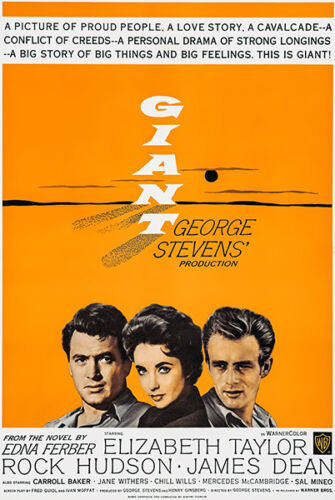
Giant (1956) ***** – Seen at the Cinema

Should James Cameron require any suggestions on how to structure a family saga featuring exclusion, rebellion, adolescence, revenge and racism without relying on repetitive action beats he could do worse than check out this towering epic. There’s a seamlessness to the screenplay that allows the director to move quickly along, drama and conflict that initially tear a family apart in the end bringing it back together.

The story charts the romance of Texan rancher Bick (Rock Hudson) to socialite Leslie (Elizabeth Taylor), their marital conflict as she exerts her personality in a male-dominated world, her battle with Bick’s older sister Luz (Mercedes McCambridge) for control of the household, and the infatuation of ranch hand Jett (James Dean) with Leslie.

First child Jordan (Dennis Hopper), pushed unwillingly into masculine pursuits by Bick,  bucks his father’s long-term plan by determining to become a doctor. Second child Judy rebels against the extravagant lifestyle and opts, along with husband Dace, for a small spread, the cattleman’s version of a mom-and-pop operation. Third offspring Luz the Second (Carroll Baker) romances the older Jett, now an oil millionaire, and Bick’s business rival.

Racism and exclusion form the core of the picture. Leslie is shocked to discover her father’s employees living in abject poverty, that he will not countenance the cost of improving living conditions, partly on racist grounds, partly on the American principle that it’s every man for himself, a race in which losers are left behind like sores to fester. Jordan marrying a Mexican brings these issues to the fore, especially when his grand heritage cannot protect her from humiliating racism. Bick and Leslie bicker, fall out, make up, are exploited by their children, who can always find one or the other to take their side in any dispute.

Sure there are some terrific lines but the best scenes are simply visually dramatic. Luz, furious at Leslie encroaching on her territory, lames her rival’s favorite horse by riding it with spurs digging into its flesh. A huge crowd welcomes home a white World War Two hero, a handful of people the Mexican equivalent, only when the train pulls away do we see the draped coffin. The introverted by now incoherent Jett unable to summon up the words to complete his proposal to Luz the Second. Terrified four-year-old Jordan atop a horse, not being able, or willing, to ride the worst sin in Bick’s world.

Bick, restraining himself from launching into a fistfight with Jett in the wine cellar of the oil man’s opulent hotel, throws an item at racks of bottles, only to see it topple back, the camera remaining on Bick’s face as we hear the successive toppling of rack upon rack upon rack. Jett, all the wealth he could ever want, wakens from drunken slumber to an empty banqueting room, guests long departed.

A tiny house, as grand as it is, sits in the distance on a massive plain. The passing of time is delineated in relation to horsepower. We are introduced to Bick staring out of a train window watching horses which almost match the speed of the train. Then it is a plane which outruns a car. Finally, when speed, as a demonstration of inherent power, is no longer of the essence the family, in a car, is happy to be overtaken by a speedster.  

The power of wealth, the power of power, its corrosive impact on those sharing in what it can bestow, the damage inflicted on those who get in the way, is the other great theme, spelled out not in dogma or speeches but in human cost. And no matter how powerful, someone is always bigger. The dominant Texan cattleman is easily overtaken in the wealth stakes by the oilman, whose political donations ensure tax exemption.

The vindictive Luz gains revenge on her brother by bequeathing Jett a small parcel of land, just enough to prevent the cattleman from owning everything as far as the eye can see and far beyond, just enough to cause irritation.    

And this is before we come to the performances. It’s hard to choose between the three principals. Elizabeth Taylor (The Comedians, 1967), fiery, humane, loving, submitting unwillingly to the superior male, arguing her corner, fighting for the rights of others, brings a superbly complex character to brilliant life. But Rock Hudson (Tobruk, 1967) , in a less showy part, is just as good, conflicted, stubborn, initially shy, forced to take on inherited stances, only at the end standing up against what he formerly believed. And you can hardly take your eyes off James Dean, hiding behind a Stetson or a bottle of whisky, inarticulate, lost, greedy, infatuated.

John Huston used to aver that in any given scene the camera did all the work, that with three or four people to choose from, all on screen at the one time, the strongest performer would attract audience attention. Here, that attention constantly flickered from Taylor to Hudson to Dean, as, almost without exerting an acting muscle, they battled for screen dominance.

Taylor was ignored come Oscar time, but Hudson and Dean split the vote allowing Yul Brynner to sneak in, Mercedes McCambridge nominated in the supporting category, Stevens winning his second Oscar. The supporting cast had tremendous depth: Carroll Baker (Station Six Sahara, 1963), Dennis Hopper (Easy Rider, 1969), Mercedes McCambridge (99 Women, 1969),  Sal Mineo (Escape from Zahrain, 1962), Rod Taylor (The Birds, 1963),  Jane Withers (Captain Newman M.D., 1963) and Chill Wills (The Alamo, 1960). Fred Guiol (Shane, 1953) and Ivan Moffat (The Heroes of Telemark, 1965) adapted the Edna Ferber bestseller.

I saw this on the big screen in a 4K restoration which means it’s probably heading for streaming and/or DVD but if your local arthouse chances to program this any effort to see it will be well worthwhile.
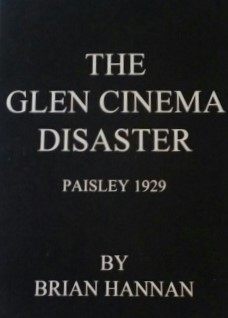
The Saddest Story I Ever Told: The Glen Cinema Disaster, New Year’s Eve, 1929

Celebration is always tinged with sadness in Paisley, Scotland, on New Year’s Eve. Nearly a century ago the town was rocked by the deaths of 71 children at a matinee showing of King Vidor silent film The Crowd (1928) at the Glen Cinema.

It was traditional in those days to pack children off to the cinema on the afternoon of New Year’s Eve (“Hogmanay” in the Scottish parlance) so that houses could be cleaned and food prepared for the expected visitors that evening. The Glen Cinema was ironically the town’s first licensed picture house. That was in 1910 and equally ironically licensing – the Cinematograph Act of 1909 – was brought in for safety reasons and to control fly-by-night operations in the exhibition wild west of the era.

By 1929, the town had seven cinemas although some mixed movie exhibition with other events and some operated part-time. Apart from the Glen the town boasted the La Scala, the only one equipped with sound, the Alex, West End, Palladium, Rink and Clark Town Hall. Over 700 kids, some as young as three, headed for the Glen to kick off the annual holiday. For some it was their first visit to the cinema. For many it would their last.

Everyone in the movie business knew that the the film used in movies contained a lethal substance – nitrocellulose. “Nitrate film is extremely flammable and once ignited cannot be extinguished because it creates its own oxygen as it burns giving off toxic fumes as it does so,” explained expert Michael Binder. But if people were not killed by a flame that wouldn’t go out or gas that grew stronger by the minute they would die from the one complication common to every fire – panic. 

Over 600 people had died in cinema fires, most trampled or suffocated during the panic, in the first three decades of the twentieth century. On the last day of the third decade the toll rose sharply.

In fact, the tragedy should never have happened for the simple reason it was, initially, under control. In those days, once a reel had been screened, it was the duty of the assistant projectionist to take it to the rewind room when it could be rewound,  ready for return to the distributor. In doing so, assistant projectionist McVey “small for his age” heard a hissing noise and spotted smoke escaping from the film canister. Aware the film could instantly combust, the brave lad headed for a side exit in the lobby. But it was locked.

So he left it there smouldering and ran through the crowded cinema and upstairs to the office of general manager Charles Dorward. Together they ran back through the cinema, diverting the audience’s attention from the screen. By the time the children turned round smoke had begun creeping in to the auditorium.

Panic ensued. They ran for the back exit. But that was locked. The ones at the back didn’t know it was locked and pressed forward on the ones at the front. The lucky ones broke windows and jumped out into the street.

By the time help arrived, corpses had piled up. Bodies were so tightly wedged together they had to be prised apart.

Alerted by screaming, the town ground to a standstill. The fire brigade and police and passersby rushed to the rescue, removing the canister, helping those still trapped to escape. Buses were commandeered to carry the tiny bodies to an overflowing mortuary. Terrified parents had to enter the mortuary hoping against hope that they would not have to identify their little boys or girls. Other parents were roaming the streets hunting for their offspring.

Despite being given artificial respiration, sixty-nine children were already dead; another two died later. Another 60 children, hysterical and in shock, received treatment, of these 40 were kept in hospital, some with broken bones, others with footprints embedded on their skin or whose injuries were so severe they could not walk again for two or three months.

There was no mental health counselling in those days of course so all the survivors remained haunted by their memories. Like soldiers returning from World War One they would not talk about what they had endured. Some of the older ones just disappeared, quitting school as soon as they could, heading anywhere other than Paisley.

The pain was unimaginable. Three-year-old Margaret Gielty returned home without her two brothers. Hugh Stewart sat stock still in shock in the middle of the panic until rescued. Of the children in his street who had gone to the cinema, ten-year-old William Porter was the only one to survive. Classrooms were decimated. Three-year-old Donald Gribbin was so terrified to go home without a shoe that he returned to the cinema and scrabbled among the sweet-wrappers, orange peel and abandoned clothing until he found it.

After a Government Inquiry new safety laws were passed but flammable film was not banned.

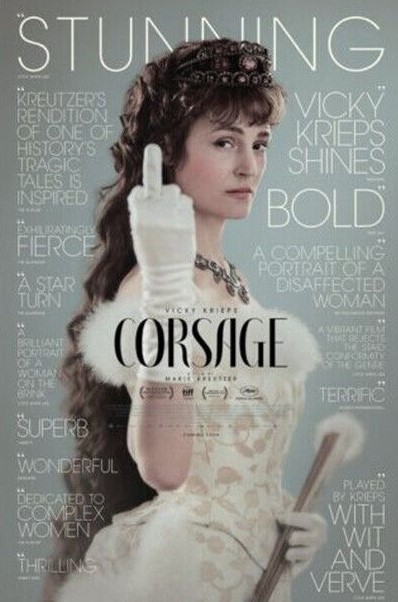
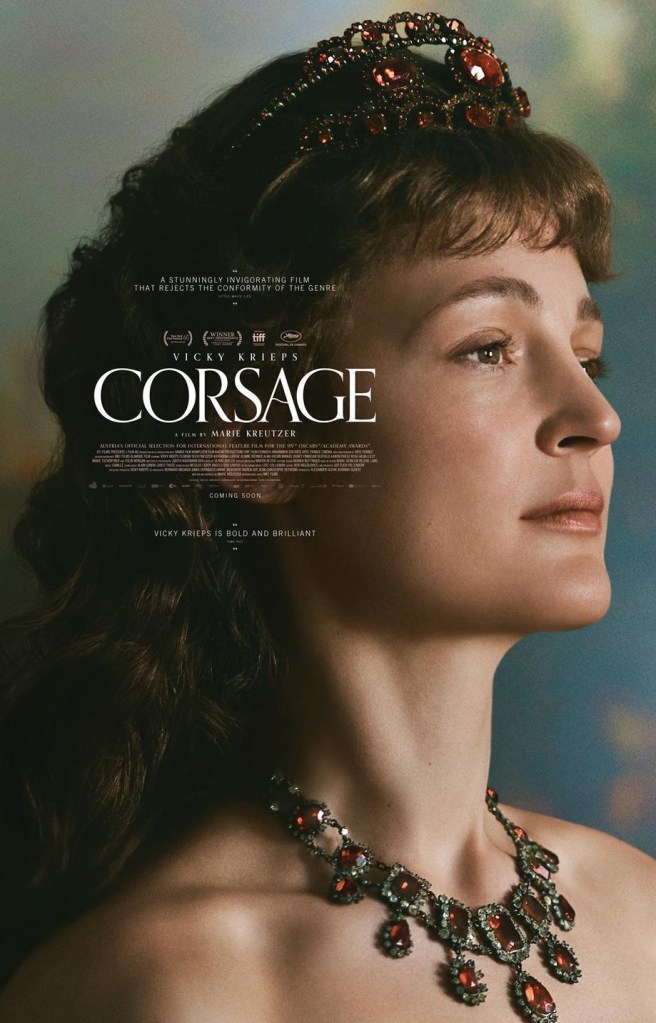
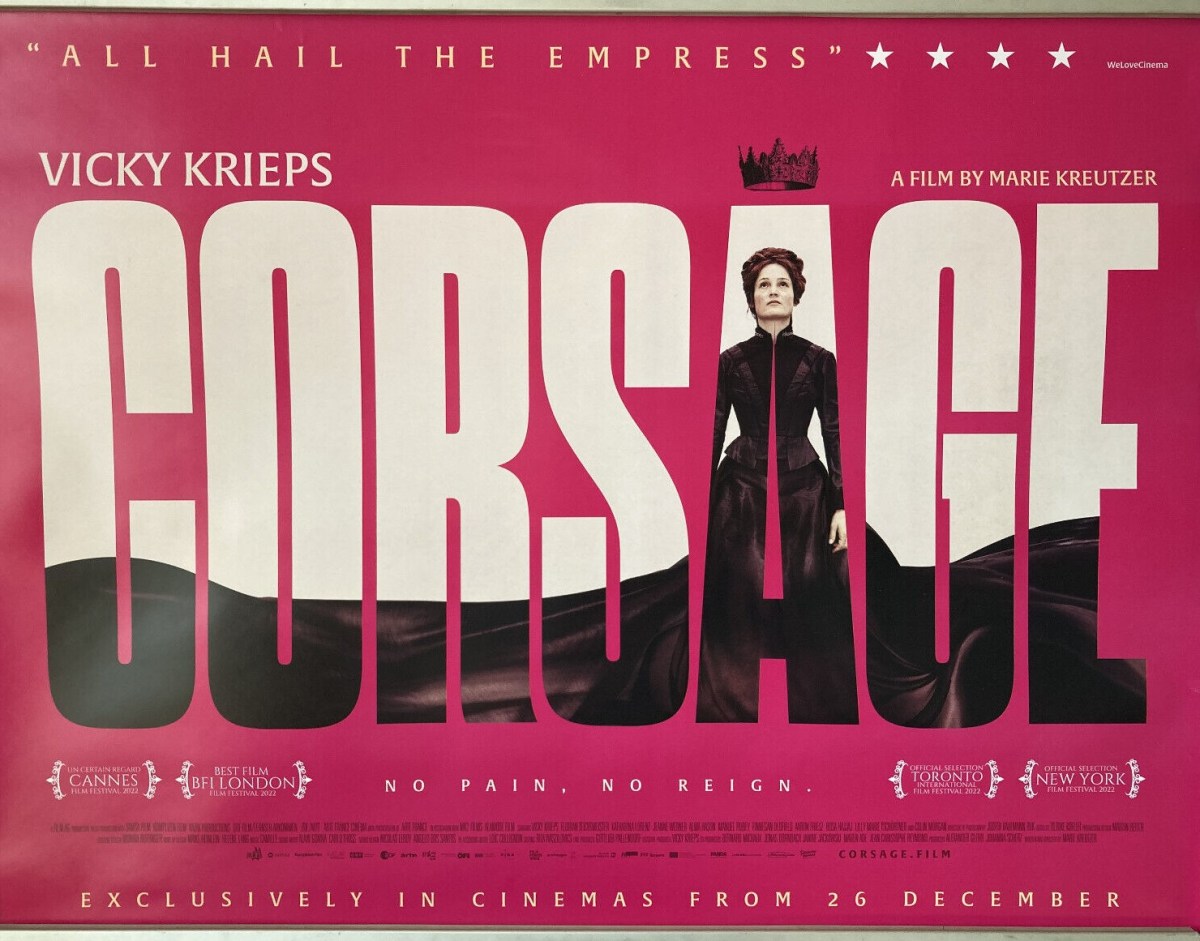
Corsage (2022) **

I half-expected paparazzi to leap out from behind bushes such was the anachronistic tone of this tale of royal entitlement and female repression. But I’m glad the plagiarism issues surrounding Kris Kristofferson and The Rolling Stones have been cleared up now that it’s been revealed that “Help Me Make It Through The Night” and “As Tears Go By” were originally composed in 1878 for mandolin and harp, respectively.

Empress Elisabeth of Austria lived such a hellish life it’s small wonder she committed suicide 20 years earlier than the history books dictated. Even the invention of the motion picture by an obscure photographer in 1878 – a decade before others made probably spurious claims to have come up with the idea – wasn’t enough to keep her going.

The Empress gives historical accuracy the finger.

The real Empress Elisabeth, now that I’ve had to go and look her up, actually did correspond somewhat to the character represented her. She was obsessed with beauty and diet, the exceptionally tight corsets of the title self-inflicted as she strove to keep a 16-19-inch waist. Quite where this kind of mania came from is never explained. Her general depression could have been traced to the death of a daughter but that doesn’t figure in this bold reimagining. I’ve got nothing against movie makers twisting facts for their own convenience, Hollywood did it all the time so why should arthouses audiences escape. But I spent half the time watching this wondering whether anything was real, which would make the whole enterprise some kind of dreamlike experience and would mean she didn’t risk a daughter’s life by exposing her to the freezing cold in the middle of the night because she, the Empress, had a penchant for darkness she wanted the child to learn to embrace.

In some kind of nod to Absolutely Fabulous, it is the child who appears the more grown-up, admonishing her mother for embarrassing her. And in a nod to whatever the Empress gives the middle finger. And naturally she gets hooked on heroin (don’t ask).

Anyway, enough of my moaning, let’s go back to the movie and assume it’s all got a point. Hating her empty life, the Empress exerts authority by feigning a fainting fit to avoid royal duties, keeps her devoted husband waiting, fancies like mad a cousin she doesn’t know is gay, is considered such a suicide risk by the prospective lover that he prohibits her from drowning in his lake.

She is indulged as much as is humanly possible, permitted to take off on her travels at a whim, but attempts to improve the welfare of institutionalised women – some committed for adultery – and visits wounded soldiers (all true, as it happens). While her husband is devoted to her (true), that is not reciprocated (true) and out of kindness she arranges for him to take a young lover (fiction).

This is a movie devoid of drama, determined, as if below the dignity of an arthouse filmmaker, to ignore some of the real facts of her life, namely the complicated politics of the era, clashes with her domineering mother-in-law, that her son Rudolf was the subject of the Mayerling tragedy and that she was assassinated by an anarchist in Italy.

If the point is to show she was an accomplished woman in an era when queens were doormats and submissive wives, that aim is certainly achieved. Elisabeth, beyond keeping her husband waiting at every opportunity, openly argues with him, is a very competent fencer, could have written a book on eating  (a Dieting DVD introduced into the proceedings would have been an anachronistic tour de force) as little as possible and the benefits of a healthy regimen.

As a portrait of a complex character it is certainly compelling and as the enigmatic is a tool of the artist, then little in the way of explanation is deemed necessary. But the problem, setting aside the anachronisms, is what we are presented with is a cross between Princess Di and Meghan.

Vicky Krieps (Old, 2021) plays the Empress. Marie Kreutzer (The Ground Beneath My Feet, 2019) wrote the screenplay and directed.

But you should be aware my views are very much in the minority and this has largely been acclaimed.

Year End Round-Up 2022: Top 30 Films Chosen By You

As is by now traditional (well, it’s the second full year) this isn’t my choice of the top films of the year, but yours, my loyal readers. This is a chart of the films viewed the most times over full calendar year of January 2022 – December 2022.

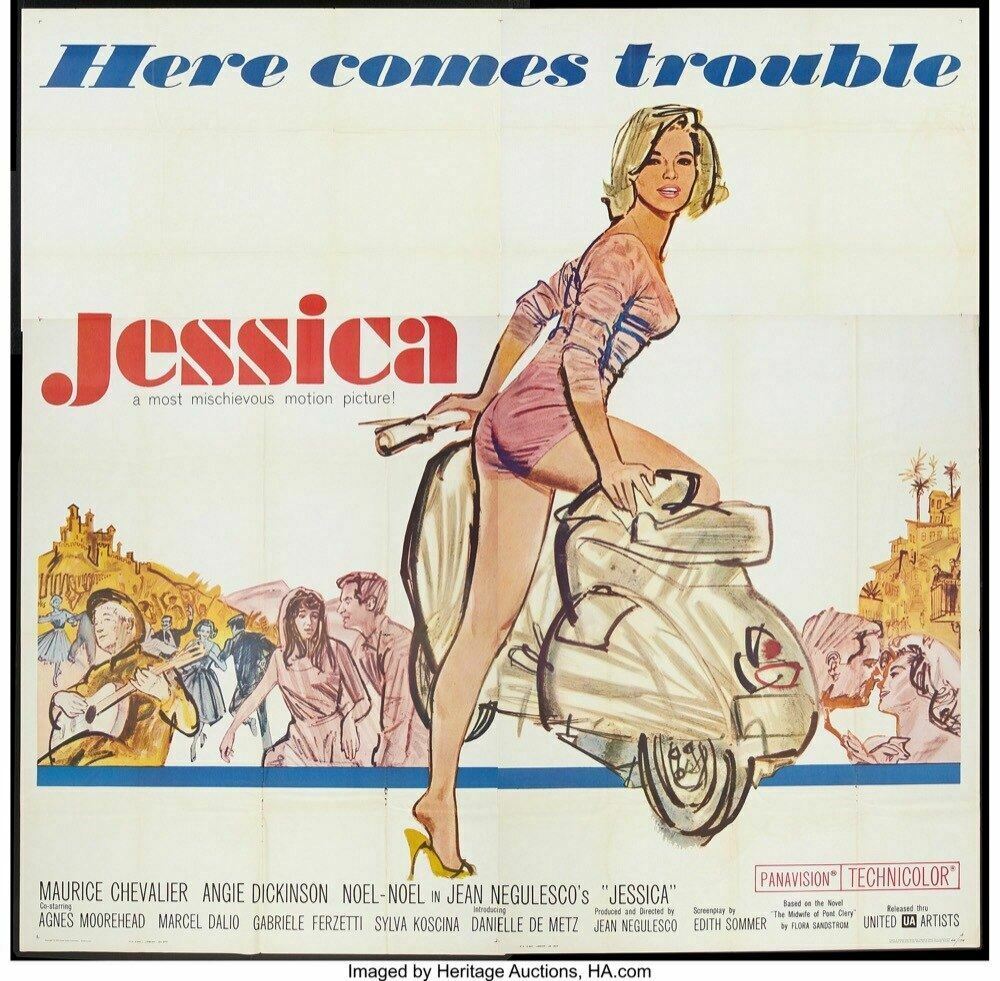
  1. Jessica (1962). Angie Dickinson plays a young widow who turns so many heads in a small Italian town that their wives seek revenge. The film had debuted at No 30 in the previous year’s chart so showed remarkable staying power.
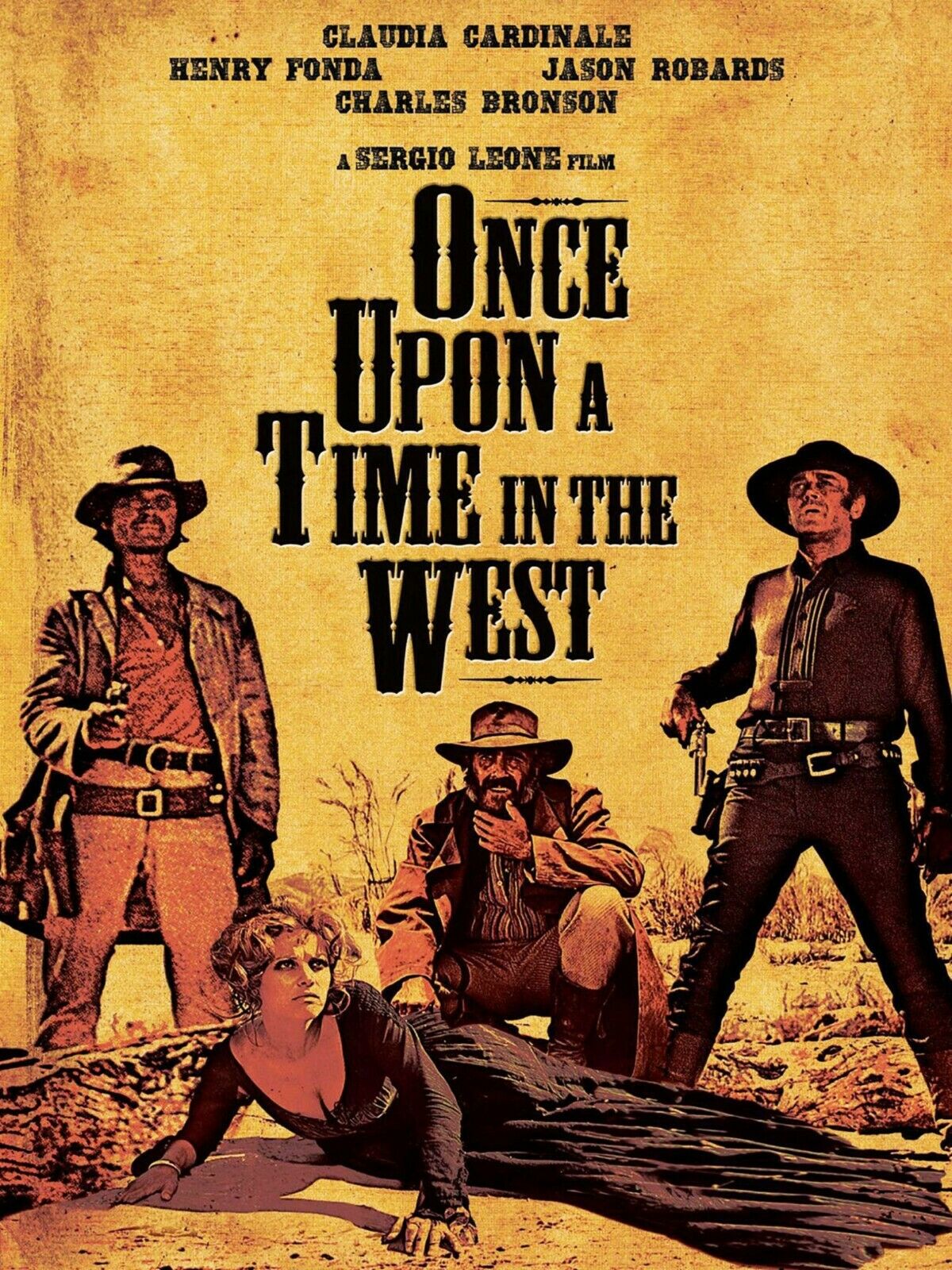
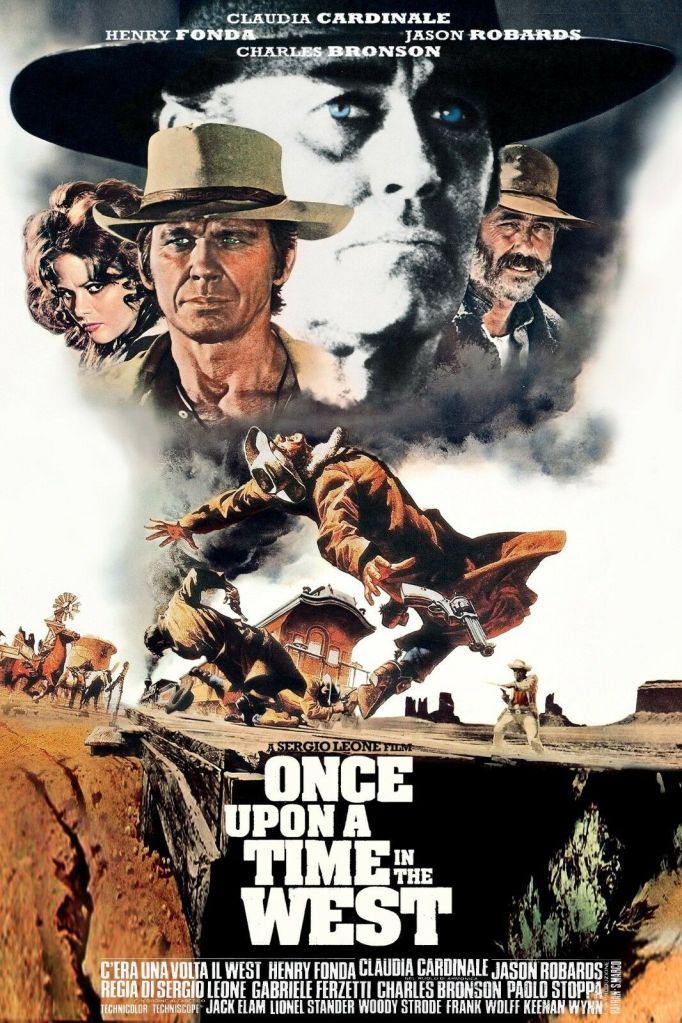
  2. Once Upon a Time in the West (1969). Sergio Leone’s masterpiece now acclaimed as the greatest western ever made. Top class cast – Claudia Cardinale, Charles Bronson, Henry Fonda and Jason Robards – and one of the greatest scores ever written courtesy of Ennio Morricone.
  3. The Swinger (1966). Ann-Margret sparkles as author reinventing herself by writing a sex novel.
  4. Fraulein Doktor (1969). Suzy Kendall as German spy outwitting the British during World War One.
  5. Can Heironymus Merkin Ever Forget Mercy Humpe and Find True Happiness? (1969). Fellini-esque musical with abundant nudity as writer-director-star Anthony Newley tries to unravel the meaning of life.
  6. Father Stu (2022). Under-rated biopic with Mark Wahlberg as unlikely priest.
  7. Blonde (2022). Andrew Dominik’s controversial reimagining of the life of Marilyn Monroe with Ana de Armas
  8. For a Few Dollars More (1965).Sergio Leone re-teams with Clint Eastwood in the second in the spaghetti western trilogy with Lee Van Cleef as a rival bounty hunter.
  9. A Place for Lovers (1968). Faye Dunaway and Marcello Mastroianni in Vittorio De Sica doomed romance.
  10. Fade In (1968). Burt Reynolds disowned this romance filmed against the backdrop of making the Terence Stamp western Blue but it’s better than he thinks.
  11. The Secret Ways (1961). Richard Widmark in spy thriller set in Hungary during the Cold War and adapted from the Alistair MacLean novel. Senta Berger has a small role. Top film for 2021, so demonstrating the ongoing popularity of films based on the author’s works.
  12. The Sisters (1969). Complicated menage a trois that borders on the semi-incestuous starring Nathalie Delon and Susan Strasberg.
  13. Pharoah (1966). Epic Polish picture about political shenanigans in ancient Egypt. Another film with legs – it was No 3 in the 2021 annual chart.
  14. Water Gate Bridge / Battle at Lake Changjin II (2022). Another epic, non-stop action from the Chinese point-of-view in a sequel to one of the most famous battles of the Korean War.
  15. Harlow (1965). Carroll Baker as the blonde bombshell who rocketed to fame in 1930s Hollywood.
  16. Baby Love (1969). Morality tale as orphaned Linda Hayden tries to fit into an upper-class London household.
  17. Moment to Moment (1966). Hitchockian thriller set in the South of France with adulterous Jean Seberg suspected of killing her lover.
  18. Secret Ceremony (1968). Elizabeth Taylor, Mia Farrow and Robert Mitchum in atmospheric Joseph Losey drama.
  19. Lady in Cement (1969). Gangster’s moll Raquel Welch steals the show in Frank Sinatra’s second outing as private eye Tony Rome.
  20. Subterfuge (1968). Suzanna Leigh steals the show as a sadistic henchwoman trying to prevent Gene Barry uncovering a mole in M.I.5.
  21. P.J. / New Face in Hell (1967). George Peppard taken to the cleaners as down-on-his luck private eye.
  22. The Golden Claws of the Cat Girl (1968). Cult French movie  starring Daniele Gaubert as a sexy cat burglar. This was No 6 last year.
  23. The Gray Man (2022). Spectacular Netflix misfire with Ryan Gosling and Chris Evans as rival assassins and Ana de Armas adding some spice.
  24. The Brotherhood (1968). Martin Ritt Mafia drama sees siblings Kirk Douglas and Alex Cord falling out.   
  25. Some Girls Do (1969). Richard Johnson returns as Bulldog Drummond battling archvillains Daliah Lavi and Beba Loncar.  
  26. Pressure Point (1962). Prison psychiatrist Sidney Poitier treats racist patient Bobby Darin. Very unusual imagery.
  27. The Double Man (1967). C.I.A. operative Yul Brynner battles Russian espionage in Switzerland with Britt Ekland providing the glamor.
  28. Operation Mincemeat (2022). Re-telling of “The Man Who Never Was” World War Two plot that duped Hitler over Sicilian invasion plans.
  29. Orgy for the Dead (1965). Bizarre cult horror tale where most of the female characters appear to be auditioning for a nudie film.
  30. Texas Across the River (1966).  Alain Delon acts against type in Dean Martin comedy western.

Now Showing: Xmas 70 Years Ago

This goes under the heading “fascinating snippet” rather than “shameless plug” and although it does refer to one of my books and is outside my normal bailiwick of the 1960s I thought you might be interested in what was showing at a provincial town – rather than New York or London which got the movies months ahead of anywhere else – seventy years ago, December 1952, long before, outside of White Christmas, anyone was making movies that targeted Yuletide as a subject.

Paisley, about 12 miles outside of the much larger Scottish metropolis Glasgow, had eight cinemas in 1952 with 13,000 seats to serve a population of 93,000. Six of the picture houses were devoted to first run and two to second run. If I say so myself, one of the delights, apart from the 120 illustrations, from the book – Paisley at the Pictures, Part III: 1952 from which this information is drawn – is that the appendix lists every movie shown, month-by-month cinema-by-cinema.

Only two of the smallest cinemas, the West End, in the town center, and the New Alex, about a mile away, and which often shared product, were screening what we would reocgnise today as Xmas pictures. Despite being animated features from Disney, the epitome of the holiday movie, neither program ran for a full week, in part because that was rare at these particular houses but also because a movie aimed at kids depended on matinee business and often turned off the adults venturing out in the evening.

The first three days (Mon-Wed since films didn’t show on Sundays) were devoted to Cinderella (1950), supported by Tim Holt western The Mysterious Desperado (1949). On the Thu-Sat portion of the week it was Alice in Wonderland (1951) backed by another Tim Holt western in the same series, Riders of the Range (1950). While this represented a repeat showing for Cinderella, it was the first screening of Alice in Wonderland.

Modern exhibitors would be shocked at Disney pictures being allocated not just such a short run but also not being snapped up by the town’s biggest houses, but Disney was far from the distribution powerhouse it is today.

So, neither was regarded as the top film over the two-week festive period. That honor went to pictures showing at the town’s biggest cinemas, the Kelburne, Regal, Picture House and La Scala, all except the first running along the main thoroughfare. Films here ran for a whole week mostly with a supporting feature.

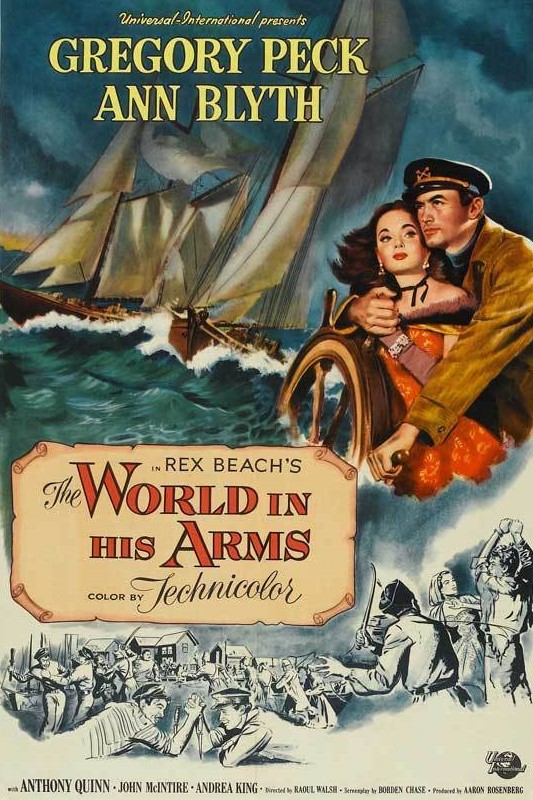
Biggest attraction of the season, courtesy of the fact it was simultaneously playing the La Scala and the Regal, was Gregory Peck nautical number The World in His Arms (1952) directed by Raoul Walsh. This was supported by the fourth in the popular series Ma and Pa Kettle at the Fair (1952) starring Marjorie Main.

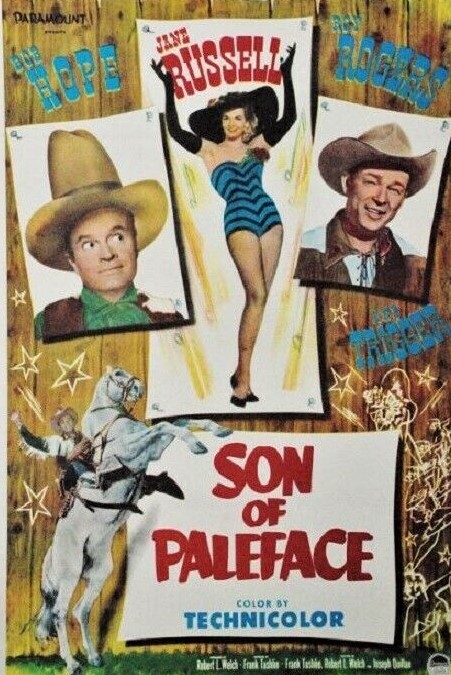
The Kelburne was screening comedy western sequel Son of Paleface (1952), with Bob Hope and Jane Russell re-teaming, but considered strong enough to be presented as the solo offering, no supporting feature ensuring more screenings. Although having what you might expect to be an out-and-out winner, the Spencer Tracy-Katharine Hepburn comedy Pat and Mike (1952), the Regal covered its back by supporting this with John Huston’s critically-acclaimed The Red Badge of Courage (1951). This was despite Tracy being on a box office roll following the success of Father of the Bride (1950) and its speedy sequel Father’s Little Dividend (1951).

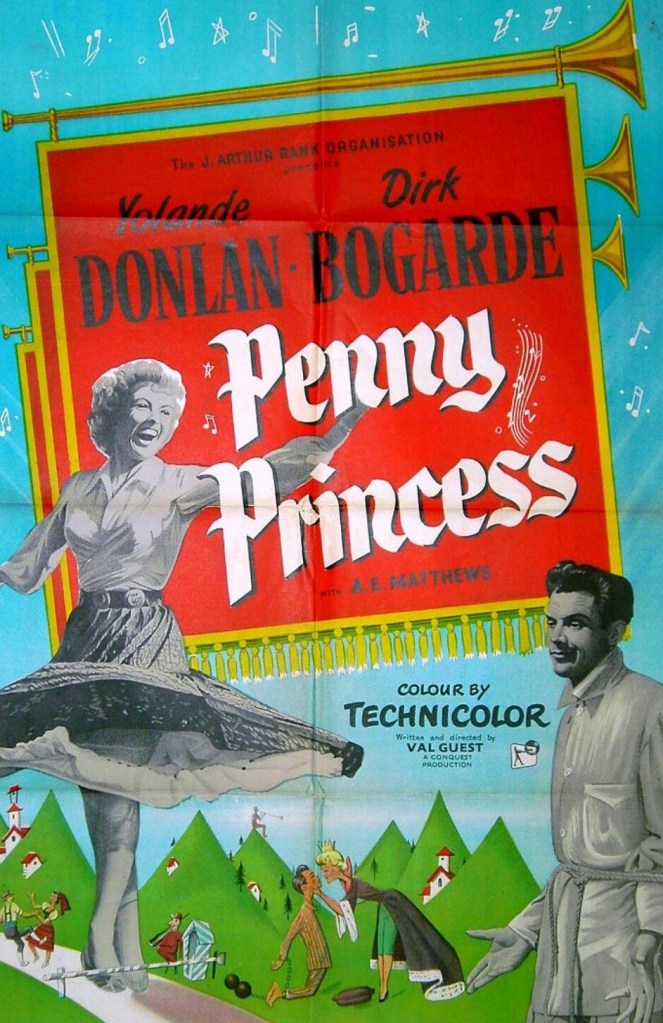
The following week audiences were offered interesting choices. The La Scala played it safe with British romantic comedy Penny Princess (1952), rising star Dirk Bogarde billed below top-billed American Yolande Donlan. Crime adventure The Whip Hand (1951) directed by William Cameron Menzies provided the support. The Kelburne presented comedy Dreamboat (1952) with Clifton Webb and Ginger Rogers plus, surprisingly, a French-made film Let’s Go to Paris (1950).

The Picture House was fanning the flames of the sci fi boom with a double bill of Red Planet Mars (1952) and German “shockumentary” Strange World (1951), forerunner of Mondo Cane, while the Regal had John Wayne battling Communists in Big Jim McLain (1952) with B-picture film noir The Secret of Monte Carlo (1951).

It might also come as something of a shock to find the cinemas not overwhelmed by one, or two, big movies as would be the case today.

I’m sure you’ve all already bought Paisley at the Pictures Part III: 1952 so there’s no need to plug it, and I’m sure you’ve done enough Xmas shopping to last a year, but just in case here’s the link.

There Is Nothing Like a Flop

The only thing Hollywood liked better than whooping with delight over a hit was crowing with delight over a flop. In the 1960s you couldn’t move for hindsight. And far from it being the end of the decade that Hollywood was kicked in the financial teeth, mostly from over-investment in musicals, there was also a sea of red ink at the start.

Comparing budget with rentals returned to the studios (i.e. their share of the takings once cinemas had taken their cut of the box office gross) produced a league table that nobody wanted to scale.

Atop the pillar of shame, sitting on a monumental $18.1 million loss (reached by comparing budget to U.S. rentals – see Note below) was  the last of the Samuel Bronston epics, The Fall of the Roman Empire (1964), directed by Anthony Mann and starring Alec Guinness, Sophia Loren and Stephen Boyd.

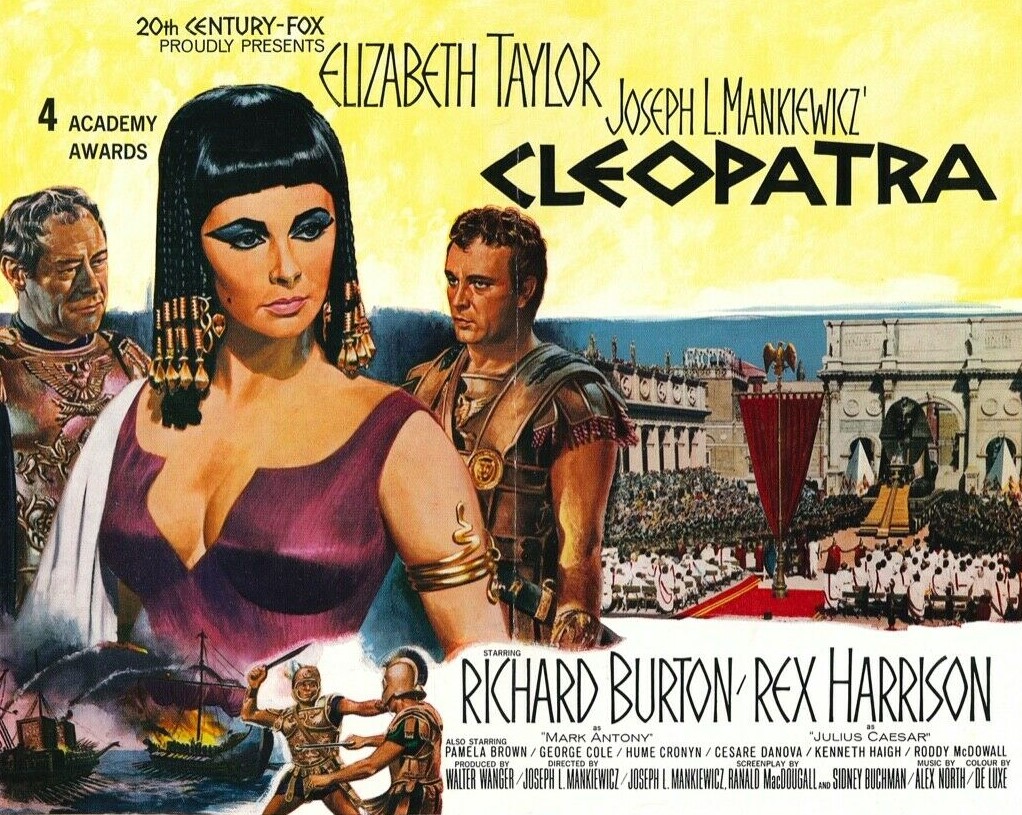
You won’t be surprised to find Cleopatra (1963), driven to publicity heights by the ruckus over the adulterous affair of stars Elizabeth Taylor and Richard Burton, in second place. If it hadn’t cost so much – $44 million – it might have easily turned a profit since box office rentals were a massive $26 million. But you can’t deny the arithmetic that meant this showed an $18 million shortfall, and therefore on paper a staggering flop.

Not far behind was Doctor Dolittle (1967), one of the biggest musical fiascos in an era of musical disasters. Although Oscar-winning Rex Harrison was the star, audiences couldn’t be persuaded it was anything more than a glorified Disney-style picture for children, and it lost $15.8 million.

The Greatest Story Ever Told (1965) should have been the greatest box office story ever told had director George managed to inject a bit more humanity into the sanctimonious retelling. Without a box office miracle this came in short by $13.1 million.

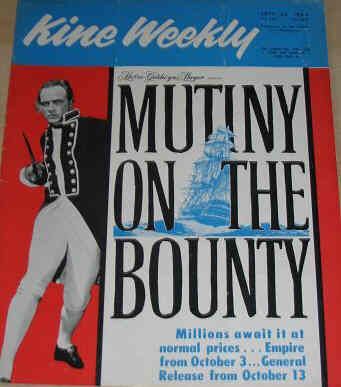
And no prizes for guessing that Mutiny on the Bounty (1962), with Marlon Brando stranded on an island by Trevor Howard, found income did not go far enough to offset cost. It underperformed to the tune of $12.6 million..

Star! (1968) must have seemed like a safe bet given Julie Andrews’ last three musicals had turned hefty profits. But it was so off the pace that it fell $10.8 million shy of break-even.

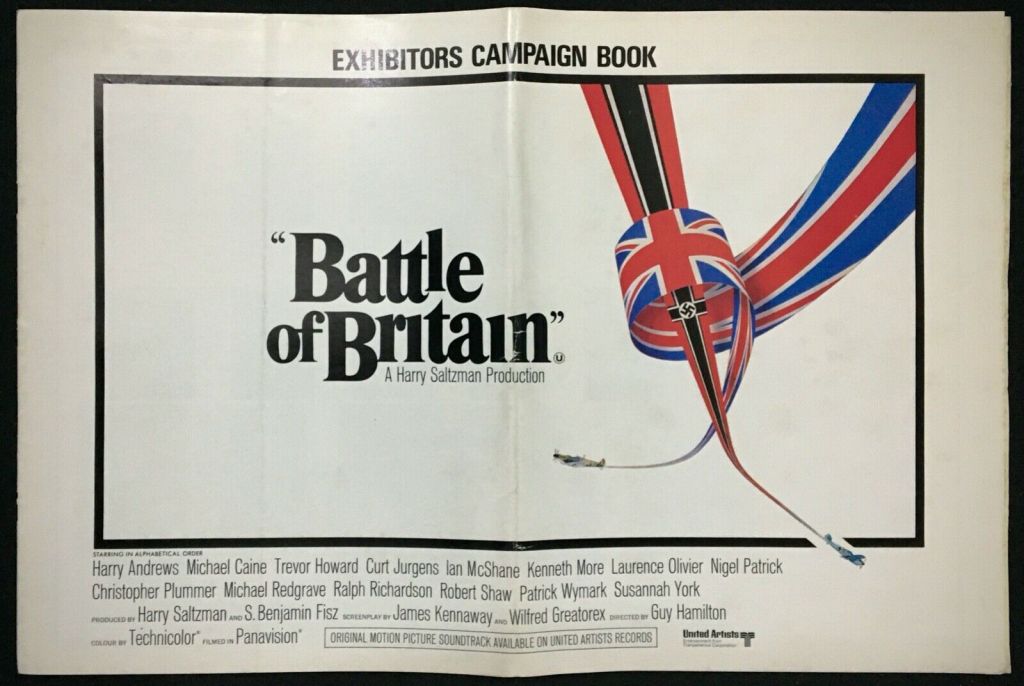
Bond producer Harry Saltzman was astonished, not to say humiliated, to discover there was such little appetite Stateside for an all-star version of how The Battle of Britain (1969) was won. Hadn’t every Hollywood movie insisted that war pictures only succeeded with a prominent Yank in the cast?  One of the biggest hits of the year in Britain, it would still have to go some to overcome a $10 million discrepancy.

The problem with Hollywood was it was greenlighting projects that had to do phenomenal business just to reach a profit. And although Barbra Streisand’s debut Funny Girl (1968) had struck box office and critical gold, even she could not save Hello, Dolly! when it racked up such high costs. The downside was $8.8 million.

The unlikely casting of three non-singers – Lee Marvin, Clint Eastwood and Jean Seberg – in the principal roles of Paint Your Wagon (1969) seemed an act of incalculable hubris, but surprisingly, the musical did better than expected, not enough to turn the corner into profit, but losses limited to $5.5 million in the U.S. part of the course.

In tenth place was a second Samuel Bronston miscalculation, 55 Days at Peking (1963). Why would American audiences be interested in an obscure war in China even if Charlton Heston took top-billing? Such disinterest ensured it fell $5 million short of the target.

Overruns on John Wayne’s pet project The Alamo (1960) meant he ended up in debt. His fans were disinclined to line up for a roadshow, which put the dampers on the launch. Hollywood was stunned that a John Wayne movie lost money – $4.1 million – it was such a career rarity.

Another Bond alumni Albert Broccoli took the financial tumble this time when Dick Van Dyke failed to work his Mary Poppins magic in another musical aimed more at children than adults, Chitty, Chitty, Bang, Bang (1968).

Three other pictures ended up in the red as the result of over-expenditure. The Bible (1966) missed break-even by $3 million, Spartacus (1961) by $1.7 million, and another musical, Camelot (1967) starring non-singer Richard Harris and Vanessa Redgrave by $1 million.

But if Hollywood thought it had weathered the worst of the financial storm it was in for a shock the following year when top-heavy star vehicles hit the skits. Waterloo with Rod Steiger and Christopher Plummer lost $23.6 million, The Molly Maguires with Sean Connery and Richard Harris $9.9 million and The Only Game in Town toplining Elizabeth Taylor and Warren Beatty $8.5 million

NOTE: It’s entirely possible that once you calculated a movie’s long tail all these films turned profit. The foreign performance of films on initial release often out-grossed their domestic revenues, especially if roadshown in Europe. Revenue from half a century’s worth of countless television sales in countless countries followed by satellite, VHS, DVD, satellite, syndication, Blu-Ray and streaming had the potential to turn any loss into profit.  

But there was a proviso. Generally, what a television station paid for a movie depended on its initial gross, box office seen to be indicative of public demand – and of advertising interest . The leasing of Cleopatra first time round to U.S. television, for example, added an extra $3 million to the coffers but that small screen executives were willing to pay such a record sum was driven by the vast numbers that had seen it at the cinema. And, to a large extent, future response to these movies still appeared to depend of how well they had done or how well they were known – a long-term version of word-of-mouth – at the time of their initial release..

On initial global release Cleopatra probably closed the gap between profit and loss but I doubt that would be the case for The Fall of the Roman Empire or The Greatest Story Ever Told or Doctor Dolittle or Mutiny on the Bounty. While The Battle of Britain was a huge success in Britain and in countries belonging to the British Commonwealth, I doubt it went into the black. But something like Spartacus or Camelot or The Alamo or Paint Your Wagon, which ran for a year in roadshow in London, most certainly turned a profit on overall worldwide receipts.

SOURCE: “Big-Buck Scorecard 1956-1987,” Variety, January 20, 1088, p64, 66.

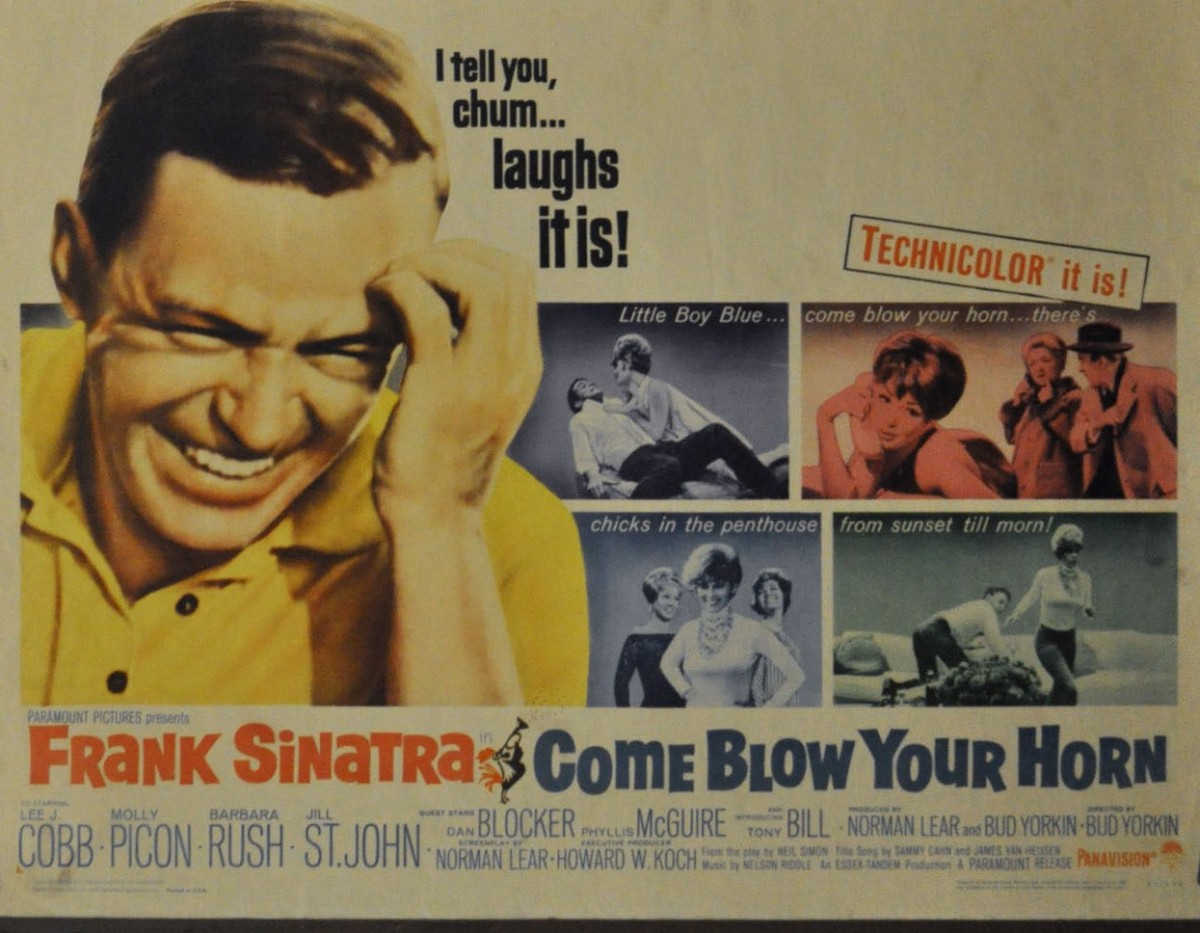
Come Blow Your Horn (1963) ***

Wonderful upbeat performance from Frank Sinatra lifts this out of a misogynistic pit where  women were either dumb, desperate to get married or passive-aggressive harridans. Bachelor playboy Alan (Frank Sinatra) has more women on a string than there is string. When younger brother Buddy (Tony Bill) moves in, Alan introduces him to the fun ways of the world, not expecting Buddy to be such an apt pupil.

Alan keeps main squeeze Connie (Barbara Rush) dangling while, pretending to have Hollywood connections, making hay with actress wannabe Peggy (Jill St John). He also keeps customer Mrs Eckman (Phyllis McGuire) sweet in transactional sex fashion and there’s no shortage of other women liable to appear out of the woodwork.

Meanwhile, his boss, apoplectic father Harry (Lee J. Cobb), goes around screaming at everyone, berating Alan for his lifestyle and moaning at harassed wife Sophie (Molly Picon). Most of the time it looks like it’s going to swerve into a more typical English farce with various women being hidden out of sight from various other woman or Harry or an equally apoplectic cuckolded husband (Dan Blocker).

But, with considerably more sophistication than that, the story takes the more interesting tack of character development. Alan, who might appear to be sitting pretty, woman at his beck and call, a glorious modern apartment, cocktails on tap, is brought up sharply by his brother’s delight at such a shallow life. Alan gets to play Hollywood honcho with Peggy while Connie delivers an ultimatum that threatens to bring Frank to his senses though, naturally, he believes it’s all hooey.

The fraternal business is well done, instead of the normal rivalry genuine affection and the older sibling offering guidance, though primarily in how to get drunk and get off with women rather than anything that might otherwise stand him in good stead. Though you might argue that being shown how to dress, and how converse with women, and organise a fun party might be as much education as a young gentleman in the Big Apple required.

The only thing better than one Frank Sinatra picture is two Frank Sinatras so to scoop up some extra cash these were paired for a speedy reissue.

Playwright Neil Simon, the toast of Broadway at this stage, exhibited such a keen sense of structure that the story never sagged. Any time that appeared a remote possibility, instead of a stranger coming in a la Raymond Chandler with a gun, it’s Harry stomping all over the place. There are some good catchphrases, genuinely funny moments, and some great lines, the best, I have to confess, from Peggy who bemoans the fact that she was stranded in a hotel room with Alan at a ski resort by all the snow outside. Redeeming factor: her homely kind of dumb serves narrative purpose, making the otherwise unbearably charming Alan come across as a heel.

This is quite a different Sinatra, like he’s channeling his record persona, none of the anguish, dramatic intensity or Rat Pack bonhomie he brought to other pictures. Often you hear of actors just playing the same character or a variation thereof, but this ain’t a Sinatra persona I’m familiar with and brings verve to the whole shebang.

Lee J. Cobb (Coogan’s Bluff, 1968) gives in to overacting. You can see how that loud style might work on the stage, but it’s less effective here. Jill St John (Tony Rome, 1967) is very good as the uncertain beauty, who could be incredibly seductive if only she could work out how, and not quite a victim either, and still managing vulnerability. Barbara Rush (Robin and the 7 Hoods, 1964) is wasted, though. Set up as a modern woman, she collapses at the first sniff of marriage, though framing her eyes in a mask of light in a taxi cab is about the only compositional mark of any note.

Quite what possessed director Bud Yorkin (Divorce American Style, 1967) to stick in the title song in the middle of the picture is anybody’s guess. Norman Lear (Divorce American Style) wrote the script but you can hardly go wrong with a Neil Simon template. 

End up: it’s mostly about family and people coming to terms with themselves and each other.

Thank You For Your Support

I certainly couldn’t have done it without you. This time last year I averaged 1,000 hits a month. Now it is over 4,000. To quadruple my figures in just one year is beyond my wildest imagination.

When I began this Blog I had no expectations. I certainly lacked the social media skills to artificially inflate my figures.

I started the Blog because in writing about individual films for The Gunslingers of 1969 and beginning the research for The Magnificent 60s: The Top 100 films of a Revolutionary Decade, I realised that without some other outlet there would be hundred of films from my favorite movie decade that I could never write about. A Blog devoted to the movies of the 1960s seemed a reasonable proposition.

I began with three Blogs a week but my enthusiasm for the era was such that I was pretty much watching a movie a night, not to mention the two or three contemporary films I saw on my Monday trip to the cinema. So it just seemed more sensible to publish a Blog a day rather than build up a mountainous backlog.

Initial reponse, two or three hits a day, was more in line with my expectations, but when, suddenly, I was receiving over 50 hits a day I reckoned I was on to something, that there was an audience out there as eager as I to find out how good (or bad) films of the Sixties films were. When I passed 100 views a day, I was over the moon. My daily average now stands at 131, but there have been days when the figure has topped 200.

I’ve scarcely scraped the surface of the 1960s and I plan to keep going, bolstered by your continued support, until there is nothing left to review.

So thanks very much and I wish you the compliments of the season.

Normal service will resume tomorrow.

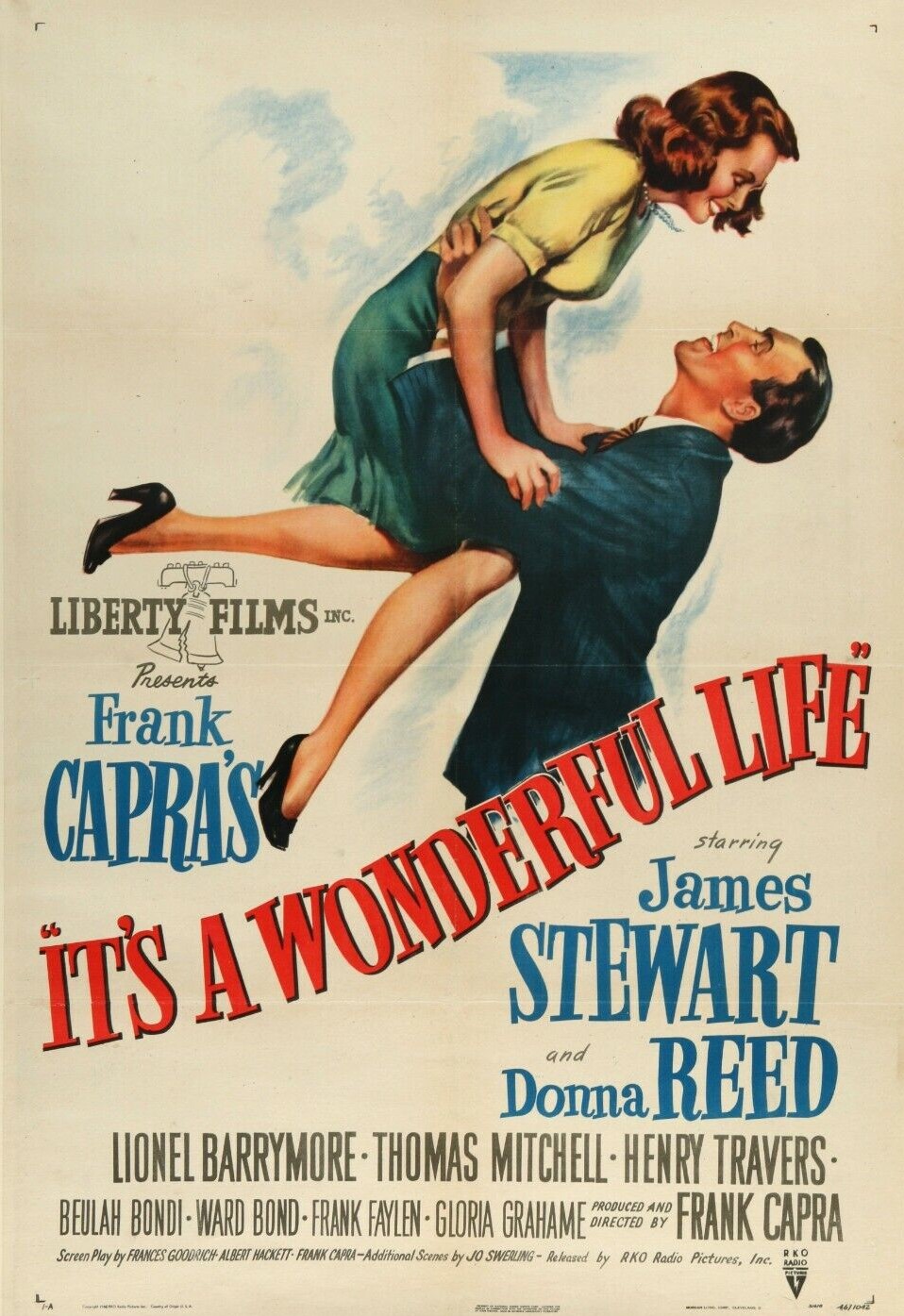
PS I hope you don’t feel duped by the use of the It’s a Wonderful Life poster. In the first place, it’s outwith the chosen scope of the Blog. In the second place, I couldn’t add anything to what’s already been said about the movie. And in the third this Blog always has at least one illustration and I felt this best conveyed my mood at being able to write a Blog for an appreciative audience.

Once Upon a Time in the West (1969) ***** Now Officially The Greatest Western of All Time

Having complained about lists and then recanted when one of my favorites got the nod at the top of the heap, I’m doing the same again.

The recent Sight & Sound once-in-a-decade Directors Poll did the unthinkable and placed Once Upon a Time in the West ahead of John Ford’s The Searchers (1956) which, virtually since release, had been anointed the top western of all time. The critics who participated in the Critics Poll, which ran concurrently with the Directors Poll, were not, I hasten to add, quite so convinced. According to the critics, the John Ford picture was still top dog, ahead of the Leone masterpiece in second place. But in a battle between directors, who make a living making pictures, and critics, whose only skill is writing about them, I know which side I would come down on. And in any case I had long sided with the directors on this issue.

A masterpiece to savor. The greatest western ever made. Sergio Leone’s movie out-Fords John Ford in thematic energy, imagery and believable characters and although it takes in the iconic Monument Valley it dispenses with marauding Native Americans and the wrecking of saloons. That the backdrop is the New West of civilisation and enterprise is somewhat surprising for a movie that appears to concentrate on the violence implicit in the Old West. But that is only the surface. Dreams, fresh starts are the driving force. It made a star out of Charles Bronson (Farewell, Friend, 1968), turned the Henry Fonda (Advise and Consent, 1961) persona on its head and provided Claudia Cardinale (Blindfold, 1965) with the role of a lifetime. And there was another star – composer Ennio Morricone (The Sicilian Clan, 1969)

New Orleans courtesan Jill (Claudia Cardinale) heads west to fulfil a dream of living in the country and bringing up a family. Gunslinger Frank (Henry Fonda), like Michael in The Godfather, has visions of going straight, turning legitimate through railroad ownership. Harmonica (Charles Bronson) has been dreaming of the freedom that will come through achieving revenge, the crippled crooked railroad baron Morton (Gabriele Ferzetti) dreams of seeing the ocean and even Cheyenne (Jason Robards) would prefer a spell out of captivity.

The beginnings of the railroad triggers a sea-change in the west, displacing the sometimes lawless pioneers, creating a mythic tale about the ending of a myth, a formidable fable about the twilight and resurgence of the American West. In essence, Leone exploits five stereotypes – the lone avenger (Harmonica), the outlaw Frank who wants to go straight, the idealistic outlaw in Cheyenne, Jill the whore and outwardly respectable businessman Morton whose only aim is monopoly. All these characters converge on new town Flagstone where their narratives intersect.

That Leone takes such stereotypes and fashions them into a movie of the highest order is down to style. This is slow in the way opera is slow. Enormous thought has gone into each sequence to extract the maximum in each sequence. In so doing creating the most stylish western ever made. The build-up to violence is gradual, the violence itself over in the blink of an eye.

Unusually for a western – except oddities like Five Card Stud (1968) – the driving force is mystery. Generally, the western is the most direct of genres, characters establishing from the outset who they are and what they want by action and dialogue. But Jill, Harmonic and Cheyenne are, on initial appearances, mysterious. Leone takes the conventions of the western and turns them upside down, not just in the reversals and plot twists but in the slow unfolding tale where motivation and action constantly change, alliances formed among the most unlikely allies, Harmonica and Cheyenne, Harmonica and Frank, and where a mooted  alliance, in the romantic sense, between Jill and Harmonica fails to take root.

There’s no doubt another director would have made shorter work of the opening sequence in Cattle Corner, all creaky scratchy noise, in a decrepit railroad station that represents the Old West, but that would be like asking David Lean to cut back Omar Sharif emerging from the horizon in Lawrence of Arabia (1962) or Alfred Hitchcock to trim back the hypnotic scenes of James Stewart following Kim Novak in Vertigo (1958). Instead, Leone sets out his stall. This movie is going to be made his way, a nod to the operatic an imperative. But the movie turns full circle. If we begin with the kind of lawless ambush prevalent in the older days, we end with a shootout at the Sweetwater ranch that is almost a sideshow to progress as the railroad sweeps ever onward.

No character is more against audience expectation than Jill. Women in westerns rarely take center stage, unless they exhibit a masculine skill with the gun. There has rarely been a more fully-rounded character in the movies never mind this genre. When we are introduced to her, she is the innocent, first time out West, eyes full of wonder, heart full of romance. Then we realise she is a tad more mercenary and that her previous occupation belies her presentation. Then she succumbs to Frank. Then she wants to give up. Then she doesn’t. Not just to stay but to become the earth mother for all the men working on the railroad.

Another director would have given her a ton of dialogue to express her feelings. Instead, Leone does it with the eyes. The look of awe as she arrives in flagstone, the despair as she approaches the corpses, the surrender to the voracious Frank, the understanding of the role she must now play. And when it comes to close-up don’t forget our first glimpse of Frank, those baby blue eyes, and the shock registering on his face in the final shoot-out, one of the most incredible pieces of acting I have ever seen.

And you can’t ignore the contribution of the music. Ennio Morricone’s score for Once Upon a Time in the West has made a greater cultural impact than even the venerated John Williams’ themes for Star Wars (1977) and Jaws (1975) with rock gods like Bruce Springsteen and Metallica among those spreading the word to successive generations and I wonder in fact how people were drawn to this big-screen showing by the opportunity to hear the score in six-track Dolby sound. There’s an argument to be made that the original soundtrack sold more copies than the film sold tickets.

The other element with the music which was driven home to me is how loud it was here compared to, for example, Thunderball (1965), which as it happens I also saw on the big screen on the same day. Although I’ve listened to certain tracks from the Bond film on a CD where the context is only the listener and not the rest of the picture, I was surprised how muted the music was for Thunderball especially in the action sequences. Today’s soundtracks are often loud to the point of being obstreperous, but rarely add anything to character or image.

If you live in the U.K. you should get the opportunity to see this once again on the big screen because the British Film Institute, which coincidentally owns Sight & Sound, is planning to screen all the 100 films in its latest poll. Other countries might take note.

Do We Really Need Another List?

I thought we were done with lists – all those Top 50, Top 250 and, just to ring in the changes and go post-modern, Top 28 or Top 113 or whatever. When everyone knows they are so easy to manipulate – social media polls in particular or simply by who is allowed to vote.

Maybe it felt time to challenge the authority of the recent Sight & Sound once-in-a-decade-poll especially in some bizarre fit of whatever the top movie (Jeanne Dielman… 1975) was a) one I had never heard of and b) hardly anyone had ever seen and c) was deemed better than Vertigo (1958) and The Godfather (1972) and three-quarters of the other hallowed movies on the rival Variety chart.

But, as ever, I fell into the trap. The minute a poll chimes with your own views, then of course that’s deemed worthwhile and correct.

So this is esteemed trade magazine Variety getting into the act.

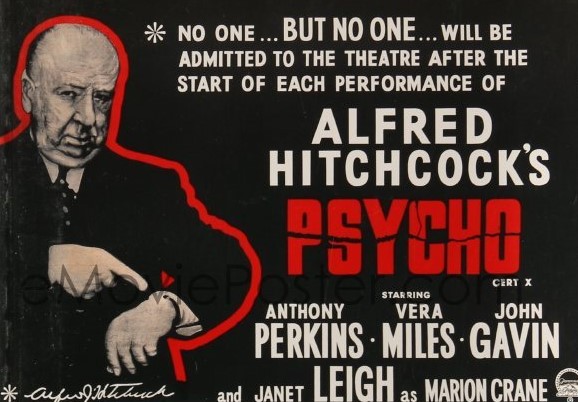
And it’s not Vertigo (1958), the dethroned Sight & Sound champ, at the top of the heap but Hitchcock’s other rule-breaker, Psycho (1960).    

You can always tell the movie education of critics by their choices. I doubt if the current Variety bunch have sat their way through all the movie classics of the last century the way their predecessors, including many of the older contributors to Sight & Sound; you’re talking the difference being maybe half a century of movie-watching. That’s a lot to ignore out of ignorance.  

Anyway, I’m not much interested in all the other decades and there are certainly some interesting/unusual/odd/flabbergasting choices which might have other critics in an uproar or at the very least achieve the expected soundbites/soundbytes.

But the 1960s comes out pretty good, although there’s no room for Once Upon a Time in the West (1969). The elegiac gets the nod over the operatic, The Wild Bunch (1969) No 41 on the list and no place for Sergio Leone. Also out in the cold The Searchers (1956) and in its place – at No 34, the highest western on the chart – another Ford classic Stagecoach (1939).    

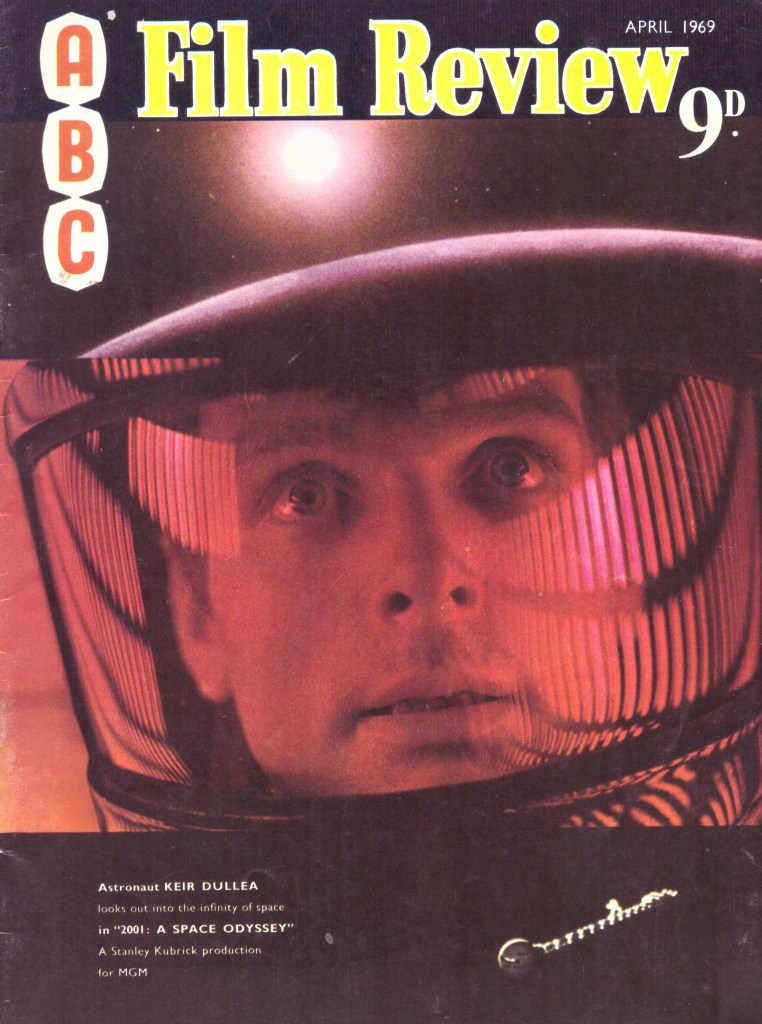
In order, the 1960s winners are: 2001: A Space Odyssey (1968) – at No 7 and therefore top sci fi movie of all time. Among the top foreign pictures of all time is Ingmar Bergman’s Persona (1966) – at No 18 and one spot above The Godfather Part II (1974). Billy Wilder’s The Apartment (1960) – at No 23 – takes the comedy gong.

Bonnie and Clyde (1967) wasn’t ever going to be the top gangster film not with two Godfathers and Goodfellas as the competition but still it slots in at No 27. Fellini’s 8½  (1963) grabs the 33rd spot, just below Vertigo. Lawrence of Arabia (1962) – at No 38 – is beaten to the top historical epic spot by Seven Samurai (1954) and Gone with the Wind (1939).

Antonioni’s L’Avventura (1960) docks at No 44; Jean Seberg and Jean-Paul Belmondo in Godard’s Breathless (1960) at No 50; and  Mia Farrow giving birth to Rosemary’s Baby (1968) is named best horror picture. Best spy picture? It’s a shoo-in for “Bond, James Bond” in Goldfinger (1964).

The Sound of Music (1965) can’t beat The Wizard of Oz (1939) and Singin’ in the Rain (1952) but frankly I’m astonished it made the cut – at No 87 – since for the last six decades it’s been blown many a critical raspberry. Two rungs below is Catherine Deneuve in Luis Bunuel’s sex drama Belle de Jour (1967).  Jean-Pierre Melville’s Le Samourai (1967) tops the assassin stakes at No 93. Top pop music picture is A Hard Day’s Night (1964) with the incomparable Beatles at No 96. Propping up the bottom of the list is The Graduate (1967).

Not that I should be doing Variety’s work for it, but the 1960s came joint-second in terms of the highest number of films charting from a single decade.

Should you be so inclined to check out the full Variety chart, you’ll find it here.  

https://variety.com/lists/best-movies-of-all-time/

Discover WordPress

A daily selection of the best content published on WordPress, collected for you by humans who love to read.

The Atavist Magazine

by Brian Hannan

WordPress.com Blog

News, Tips & Website Tutorials