Behind the Scenes: The Mirisch Meltdown

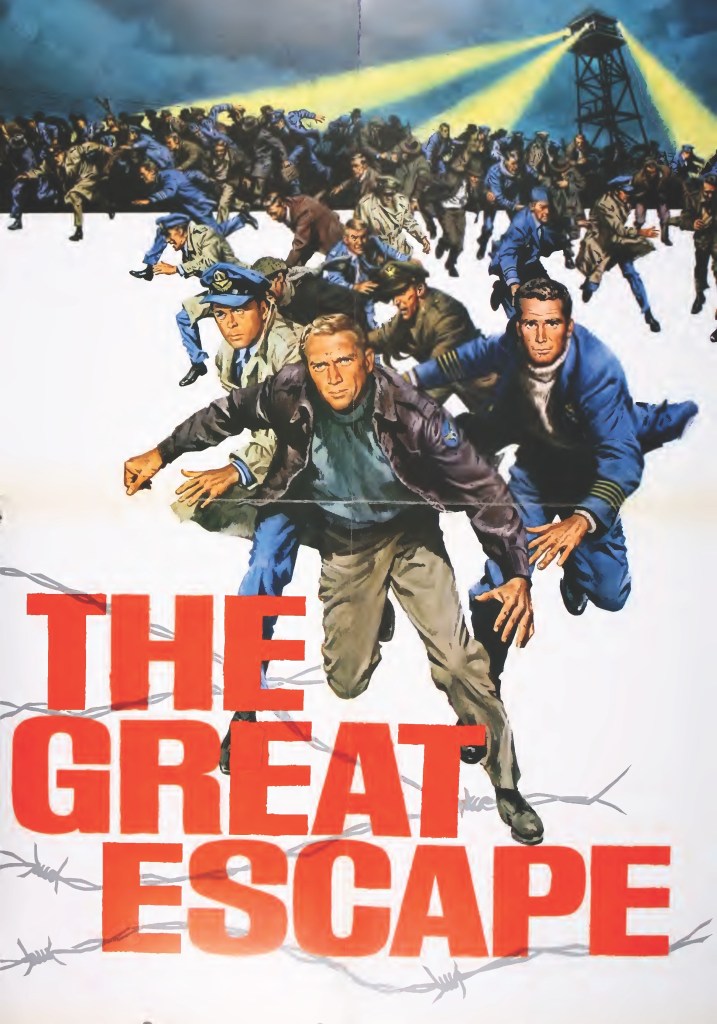
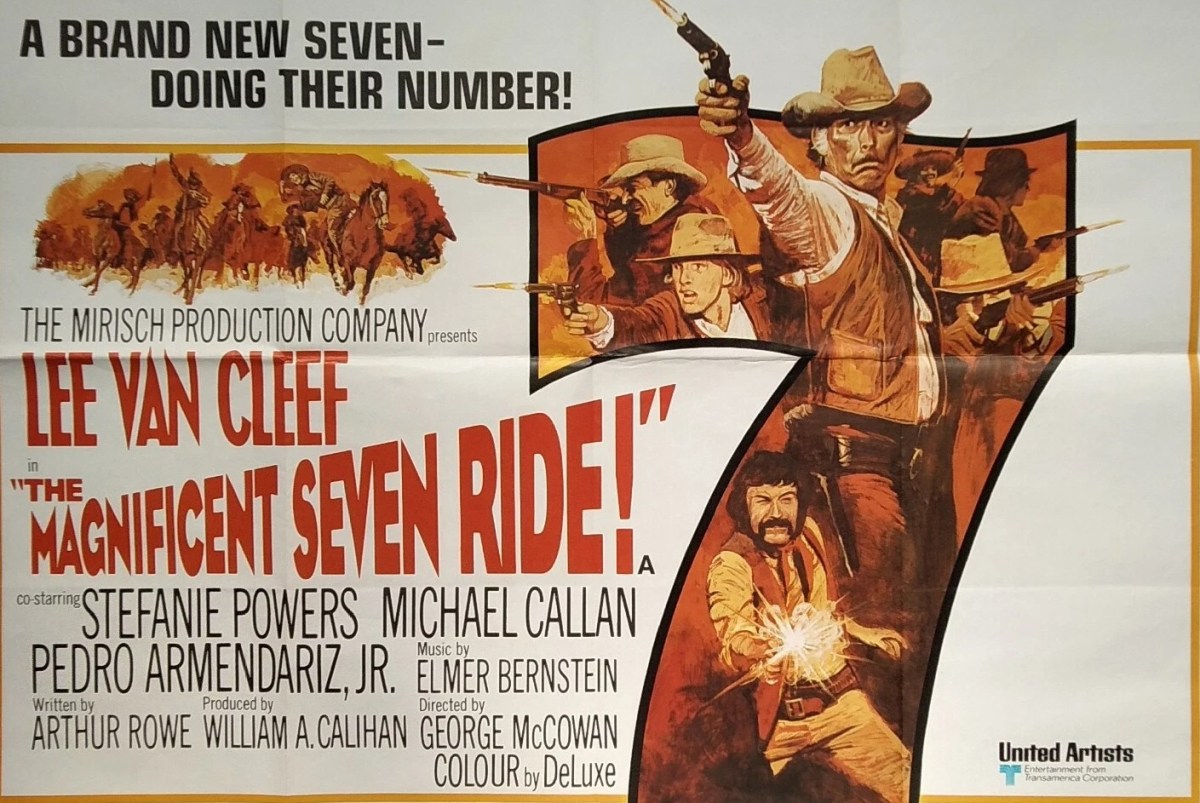
Independent production company Mirisch had enjoyed spectacular success in the 1960s both at the box office and the Oscars. Commercial successes included The Magnificent Seven (1960) and sequels, The Apartment (1960), West Side Story (1961), The Great Escape (1963), Hawaii (1966) despite its huge budget, and In the Heat of the Night (1967). Walter, who did the legwork on the production side – his brothers Harold and Marvin were more backroom boys – picked up the Oscar for In the Heat of the Night and two other films he was involved in won Best Picture. Their films were solely distributed through United Artists, with whom they had a profitable relationship for most of the decade. But cracks were beginning to show in the 1970s and in the final reckoning after a meltdown at the box office Mirisch and UA went their separate ways in 1974. Harold had died in 1968 and Marvin pulled back, leaving Walter to go it alone with Universal, with some success – Midway (1976) and Same Time, Next Year (1978).

The demise of the original Mirisch came as their business was spiralling out of control. With a total loss of $32.6 million covering 13 films made for United Artists between 1966 and 1972, it was small wonder it spelled the end of the road for the independent company. Norman Jewison musical Fiddler on the Roof, an adaptation of the Broadway hit, was one of only three movies to end up in the black, clocking up $6.8 million profit. Return of the Seven (1966) starring Yul Brynner earned a meager $37,000 in profit from cinema exhibition and its overall profitability of $588,000 depended on $1.6 million from sales to television. The Magnificent Seven Ride! (1972) with Lee Van Cleef only made a small profit of $236,000 thanks to television and even counting in sales to the small screen Guns of the Magnificent Seven (1969) didn’t reach that benchmark.
Television played a significant role in keeping losses down to $32.6 million. Fiddler on the Roof went to television for $3 million, The Hawaiians / Master of the Island (1970) starring Charlton Heston, a sequel to Hawaii, and They Call Me Mister Tibbs for $1.3 million and The Organization $1.1 million, respectively, the latter two films relying on Sidney Poitier reprising his role from In the Heat of the Night.

Various deductions, not always obvious to outsiders, come off the top of rentals and television sales. First there are the distribution fees paid to United Artists, then marketing costs, finance, and profit shares – Brynner and Poitier were on percentages as was Jewison (on a whopping 20 per cent), and these were often paid out against overall rentals rather than actual profits.

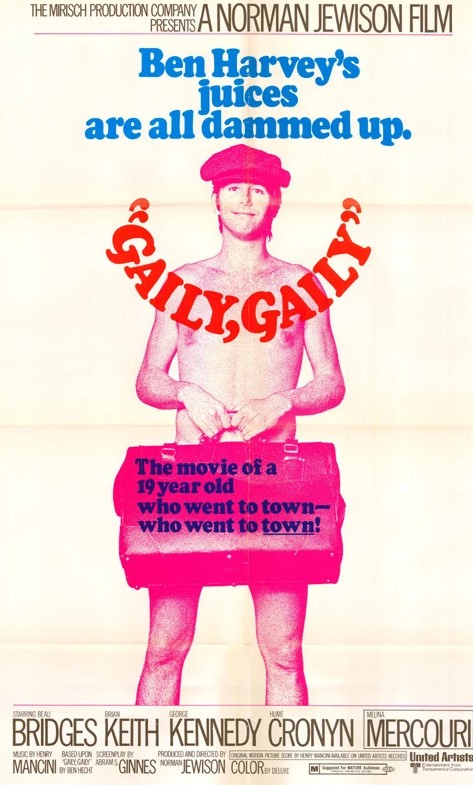
In an alarming shift from the glory days of the 1960s, Mirisch presided over some out-and-out disasters. Jewison’s rites-of-passage Gaily, Gaily / Chicago, Chicago (1969) starring newcomer Beau Bridges (The Fabulous Baker Boys, 1989) in his first top-billed role and Greek Oscar nominee Melina Mercouri (Topkapi, 1964) went completely down the tubes, racking up a colossal $10.3 million loss. The Hawaiians / Master of the Islands directed by Tom Gries (Will Penny, 1968) wasn’t far behind – $8.3 million in the red.

The Billy Wilder (The Apartment) touch couldn’t save The Private Life of Sherlock Holmes (1970) starring Robert Stephens (The Prime of Miss Jean Brodie, 1969) from plummeting to a $7.5 million deficit. George Peppard western Cannon for Cordoba (1970) co-starring Giovanni Ralli (Deadfall, 1968) haemorrhaged $3.1 million. Heist comedy Some Kind of Nut (1969), directed by the renowned triple Oscar nominee Garson Kanin (Where It’s At, 1969) and toplining Dick Van Dyke (Divorce American Style, 1967) and Angie Dickinson (Jessica, 1962) faced a shortfall of $3 million.
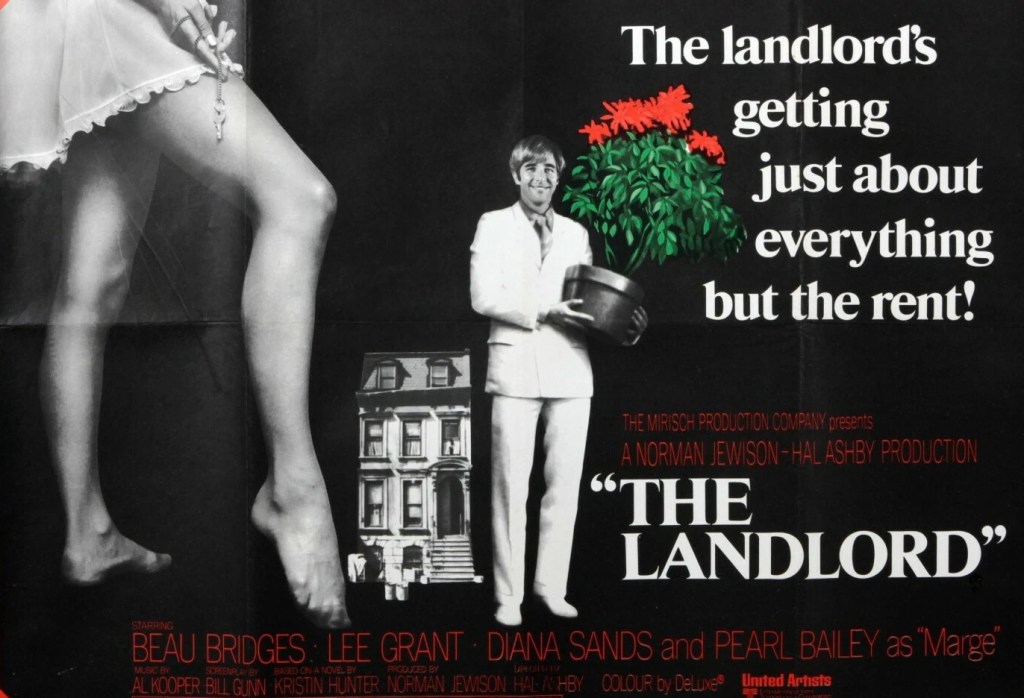
Beau Bridges was also the luckless star of Hal Ashby’s debut The Landlord (1970) which went down to the tune of $2.5 million. School drama Halls of Anger (1970) starring Calvin Lockhart (Cotton Comes to Harlem, 1970) as a tough teacher was $1.8 million in the red. Jacqueline Bisset (Bullitt, 1968) in her first top-billed role in The First Time (1969) wasn’t a big enough attraction to prevent this tumbling into a $973,000 quagmire.

Even Sidney Poitier at the peak of his fame was no hedge against box office calamity. They Call Me Mister Tibbs was $1 million below breakeven and The Organization $500,000.

It didn’t help the Mirisch bottom line that it had invested $5.1 million in projects that were never made, although half of this was accounted by The Bells of Hell Go Ding-A-Ling-A-Ling, a Gregory Peck (Mackenna’s Gold, 1969) starrer directed by David Miller (Lonely Are the Brave, 1962) that was abandoned in 1966 in the face of extreme weather conditions with $2.7 million already spent. The studio has also lavished $1.2 million on I Do, I Do without a single foot of film shot. John Sturges spent $267,000 unsuccessfully trying to put together The Yards of Essendorf in 1969 that would have, variously, starred Steve McQueen or Warren Beatty (plus Ursula Andress and Jean-Paul Belmondo) in another World War Two venture. Sturges also wasted $68,000 on Richard Sahib to feature  Spencer Tracy and Alec Guinness and $15,000 on The Artful Dodger, a sequel to The Great Escape.

Other projects sucking the well dry with nothing to show for it were Bandoola with an elephant as an unlikely World War Two hero to be filmed in Pakistan ($208,000 spent), Chinese Detective Story ($82,000) aka The Dragon Master with George Peppard lined up, The Egyptologist ($140,000), The Judgment of Corey ($185,000) with director Peter Yates (Bullitt), The Mutiny of Madame Yes ($110,000) with Ronald Neame (The Prime of Miss Jean Brodie)  attached, Nothing to Lose ($92,000) to be helmed by Franklin Schaffner (Planet of the Apes, 1968), Andrew V. McLaglen (Bandolero! 1968) signed up for Warhorse ($39,000) and Snatch ($239,000).

The poor run continued into 1972 when Billy Wilder’s Avanti (1972) with Jack Lemmon, while not in the dire financial straits of the famous sleuth, still dropped $1.8 million.

SOURCE: William Bernstein, “United Artists Office Rushgram,” July 16 1973 (United Artists Archive, Wisconsin University.)
Behind the Scenes: Biggest Films in Australia 1960-1969

Information about how films performed outside the United States in the 1960s was incredibly difficult to obtain. Foreign or worldwide grosses were not reported in any consistent fashion – if at all – during that decade. Even the box office I’ve been able to report on previously, i.e. United Artists, just listed foreign as one all-encompassing entity, not breaking it down by country. So, when the opportunity does arise, it’s fascinating to observe how audiences in different countries react to what comes down the line.

Probably it will come as no surprise to discover that the top film of the 1960s in Australia was The Sound of Music. The musical brought in $4.4 million in rentals (the amount returned to studios once cinemas have taken their cut of the gross). It was the number one film, by a considerable margin, in the United States as well. Astonishingly, given the population differential (12.5 million Aussie inhabitants by 1970 vs 203 million in the US) the rentals were, proportionately, on a par, the movie hauling in $72 million in rentals on home territory.

Second place in Australia went to David Lean blockbuster Doctor Zhivago (#3 in the U.S.) with $2.6 million followed by My Fair Lady (#7 Stateside) on $2 million, in both instances, pro rata, bettering their U.S. box office.

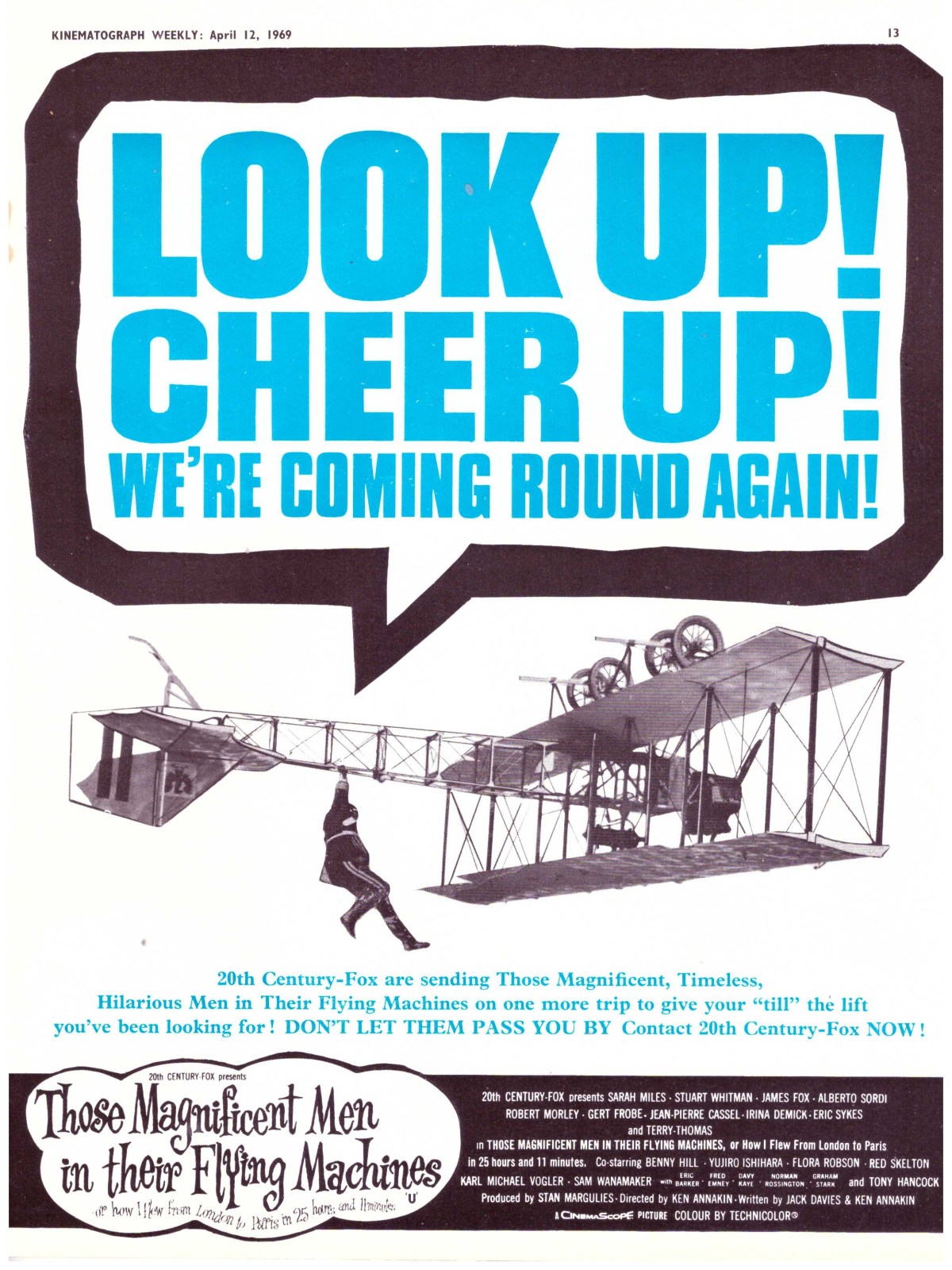
The biggest surprise of the decade was the performance of Those Magnificent Men in Their Flying Machines (#39 Stateside) which rocked up in fourth place with $1.7 million. You could probably say the same for the next picture on the list, Lee Marvin-Clint-Eastwood-Jean Seberg musical Paint Your Wagon, which struggled at the US box office. Australia rentals hooked $1.44 million.

Australians proved largely impervious to the flood of westerns that had struck pay dirt at the U.S box office. Big Stateside hitters like How the West Was Won (#12), True Grit (#47), Cat Ballou (#62), The Professionals (#69), The Alamo (#73) and Shenandoah (#77)  don’t feature on this list. The exception was Butch Cassidy and the Sundance Kid (#28) which raced to $1.31 million and placed seventh Down Under.

Whether humor would travel was difficult to predict. As well as  Those Magnificent Men,  comedies ranking better in Australia than in the U.S. were: It’s A Mad, Mad, Mad, Mad World (#18 Stateside) which took sixth spot here on $1.3 million; Tom Jones (#23) 10th here with $1.06 million; The Great Race (#54) 16th here on $884,000; and Irma La Douce (#43) 20th here with $832,000.

But The Graduate, the second-best performing movie in the U.S., failed to emulate that success, coming in 12th here with $1.02 million. Likewise, comedies that were massive in the U.S. made less of an impact, neither The Odd Couple (#14 Stateside) nor The Love Bug (#22nd) making this list.

Aussies were as appreciative as U.S. audiences of Sidney Poitier’s breakthrough duo Guess Who’s Coming to Dinner (#10) whose $1.08 million secured ninth position here and To Sir, With Love (#19) which took 11th spot on $1.05 million.

There was comparatively less interest in the spy genre that swamped American cinemas during the decade. James Bond was not the bonanza it was Stateside. Thunderball, ranked 8th in the U.S., Goldfinger ranked 11th, and You Only Live Twice ranked 20th were, 21st , 22nd and 30th, respectively here, and not commanding, proportionately, anything like similar rentals.

With $1 million in the kitty, Oliver! outranked both West Side Story ($902,000) and Camelot ($833,000) whereas in the U.S. the situation had been reversed. Here, respectively, they snapped up 13th, 15th and 19th spots whereas in America it had gone 55th, 17th and 45th.

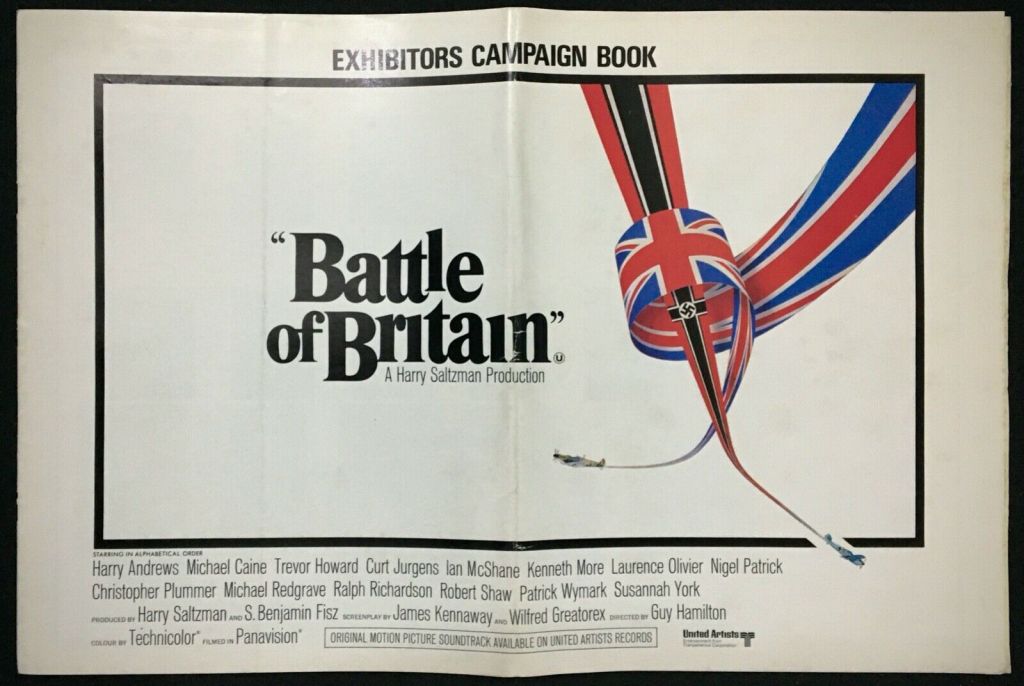
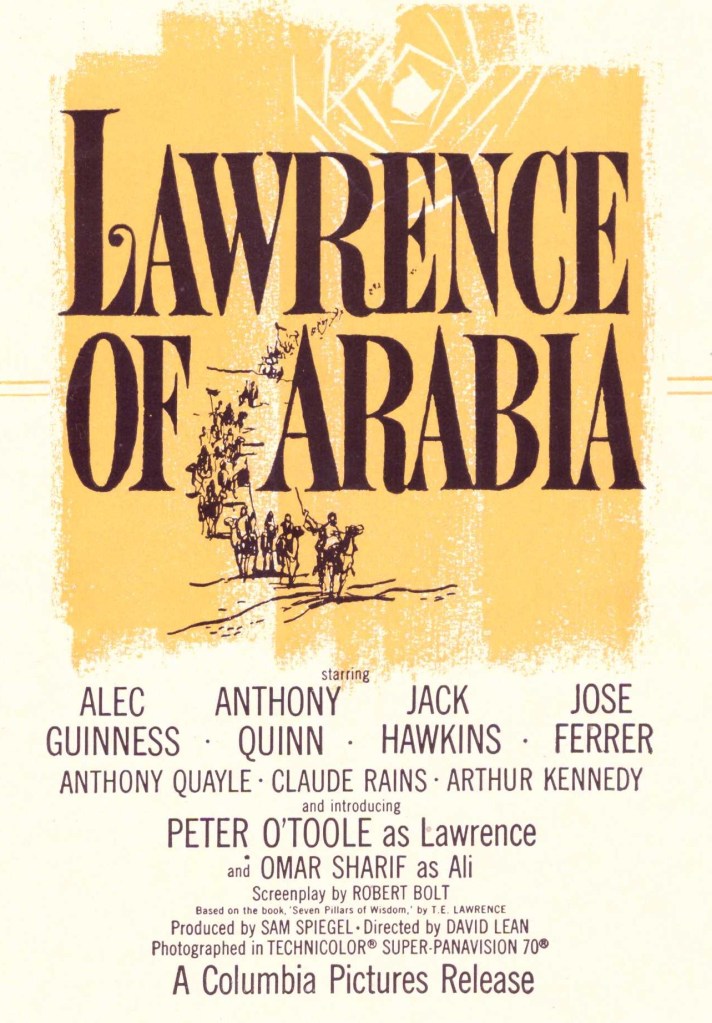
Three outliers which had not made the U.S. Top 100 performed far better in Australia:  Battle of Britain with $776,000 tallied up 23rd spot, Born Free with $721,000 homed in on 26th spot and The Great Escape shot up $543,000 for 32nd. Some other movies in the American Top 100 did considerably better in Australia. Lawrence of Arabia (#28) tracked to 8th spot in Australia with $1.1 million. Chitty Chitty Bang Bang and Hatari!, joint 92nd in the U.S rankings, topped out at 29th and 33rd, respectively, in the Aussie version.  

Controversy didn’t fly so well. Of pictures that fell into that category, the best results came from Midnight Cowboy. It was ranked 52nd in the U.S. rentals race but clocked up $846,000 in Australia to land 18th place. Conversely, The Dirty Dozen, 16th in the U.S., only managed  28th. But other movies laden with sex, drugs, profanity or violence proved to have less appeal. Bonnie and Clyde (#13 Stateside), Valley of the Dolls (#14), The Carpetbaggers (#26), Rosemary’s Baby (#28), Planet of the Apes (#28)  and Who’s Afraid of Virginia Woolf (#37) failed to make the cut.

SOURCES:  “All-Time Aussie Rental Champs,” Variety, May 5, 1982, p54; Brian Hannan, The Magnificent 60s, The 100 Most Popular Films of a Revolutionary Decade (McFarland, 2022).

There Is Nothing Like a Flop

The only thing Hollywood liked better than whooping with delight over a hit was crowing with delight over a flop. In the 1960s you couldn’t move for hindsight. And far from it being the end of the decade that Hollywood was kicked in the financial teeth, mostly from over-investment in musicals, there was also a sea of red ink at the start.

Comparing budget with rentals returned to the studios (i.e. their share of the takings once cinemas had taken their cut of the box office gross) produced a league table that nobody wanted to scale.

Atop the pillar of shame, sitting on a monumental $18.1 million loss (reached by comparing budget to U.S. rentals – see Note below) was  the last of the Samuel Bronston epics, The Fall of the Roman Empire (1964), directed by Anthony Mann and starring Alec Guinness, Sophia Loren and Stephen Boyd.

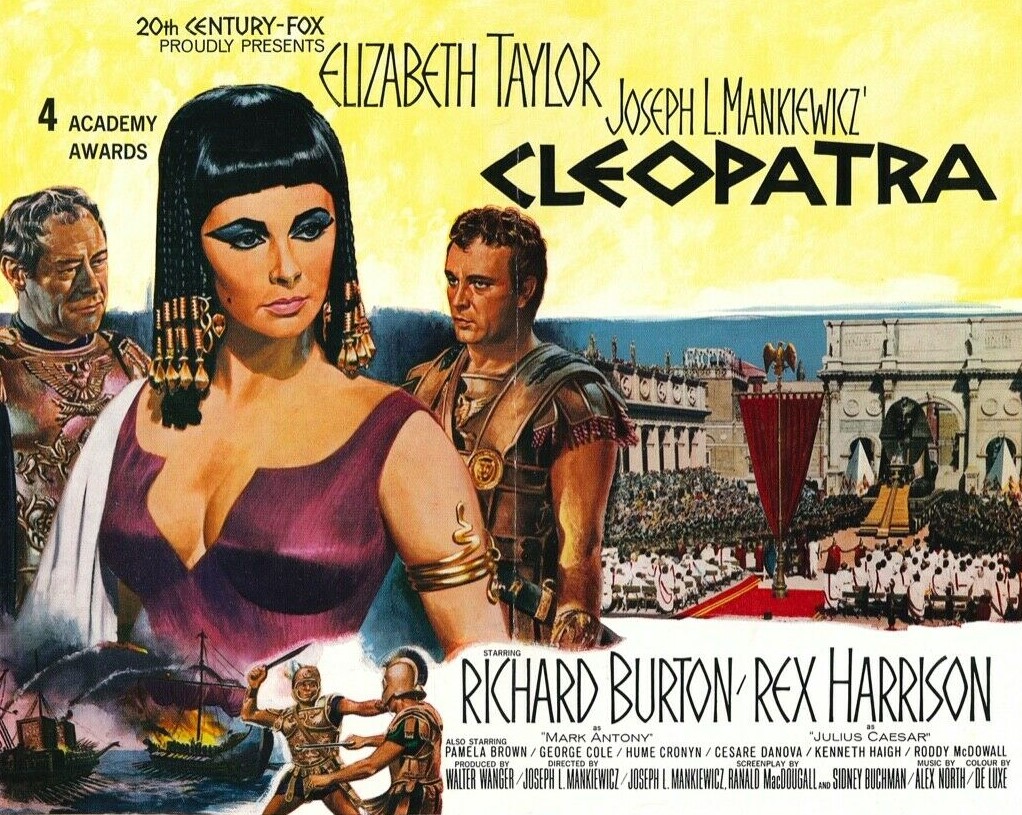
You won’t be surprised to find Cleopatra (1963), driven to publicity heights by the ruckus over the adulterous affair of stars Elizabeth Taylor and Richard Burton, in second place. If it hadn’t cost so much – $44 million – it might have easily turned a profit since box office rentals were a massive $26 million. But you can’t deny the arithmetic that meant this showed an $18 million shortfall, and therefore on paper a staggering flop.

Not far behind was Doctor Dolittle (1967), one of the biggest musical fiascos in an era of musical disasters. Although Oscar-winning Rex Harrison was the star, audiences couldn’t be persuaded it was anything more than a glorified Disney-style picture for children, and it lost $15.8 million.

The Greatest Story Ever Told (1965) should have been the greatest box office story ever told had director George managed to inject a bit more humanity into the sanctimonious retelling. Without a box office miracle this came in short by $13.1 million.

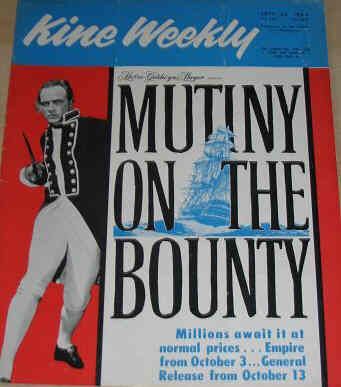
And no prizes for guessing that Mutiny on the Bounty (1962), with Marlon Brando stranded on an island by Trevor Howard, found income did not go far enough to offset cost. It underperformed to the tune of $12.6 million..

Star! (1968) must have seemed like a safe bet given Julie Andrews’ last three musicals had turned hefty profits. But it was so off the pace that it fell $10.8 million shy of break-even.

Bond producer Harry Saltzman was astonished, not to say humiliated, to discover there was such little appetite Stateside for an all-star version of how The Battle of Britain (1969) was won. Hadn’t every Hollywood movie insisted that war pictures only succeeded with a prominent Yank in the cast?  One of the biggest hits of the year in Britain, it would still have to go some to overcome a $10 million discrepancy.

The problem with Hollywood was it was greenlighting projects that had to do phenomenal business just to reach a profit. And although Barbra Streisand’s debut Funny Girl (1968) had struck box office and critical gold, even she could not save Hello, Dolly! when it racked up such high costs. The downside was $8.8 million.

The unlikely casting of three non-singers – Lee Marvin, Clint Eastwood and Jean Seberg – in the principal roles of Paint Your Wagon (1969) seemed an act of incalculable hubris, but surprisingly, the musical did better than expected, not enough to turn the corner into profit, but losses limited to $5.5 million in the U.S. part of the course.

In tenth place was a second Samuel Bronston miscalculation, 55 Days at Peking (1963). Why would American audiences be interested in an obscure war in China even if Charlton Heston took top-billing? Such disinterest ensured it fell $5 million short of the target.

Overruns on John Wayne’s pet project The Alamo (1960) meant he ended up in debt. His fans were disinclined to line up for a roadshow, which put the dampers on the launch. Hollywood was stunned that a John Wayne movie lost money – $4.1 million – it was such a career rarity.

Another Bond alumni Albert Broccoli took the financial tumble this time when Dick Van Dyke failed to work his Mary Poppins magic in another musical aimed more at children than adults, Chitty, Chitty, Bang, Bang (1968).

Three other pictures ended up in the red as the result of over-expenditure. The Bible (1966) missed break-even by $3 million, Spartacus (1961) by $1.7 million, and another musical, Camelot (1967) starring non-singer Richard Harris and Vanessa Redgrave by $1 million.

But if Hollywood thought it had weathered the worst of the financial storm it was in for a shock the following year when top-heavy star vehicles hit the skits. Waterloo with Rod Steiger and Christopher Plummer lost $23.6 million, The Molly Maguires with Sean Connery and Richard Harris $9.9 million and The Only Game in Town toplining Elizabeth Taylor and Warren Beatty $8.5 million

NOTE: It’s entirely possible that once you calculated a movie’s long tail all these films turned profit. The foreign performance of films on initial release often out-grossed their domestic revenues, especially if roadshown in Europe. Revenue from half a century’s worth of countless television sales in countless countries followed by satellite, VHS, DVD, satellite, syndication, Blu-Ray and streaming had the potential to turn any loss into profit.  

But there was a proviso. Generally, what a television station paid for a movie depended on its initial gross, box office seen to be indicative of public demand – and of advertising interest . The leasing of Cleopatra first time round to U.S. television, for example, added an extra $3 million to the coffers but that small screen executives were willing to pay such a record sum was driven by the vast numbers that had seen it at the cinema. And, to a large extent, future response to these movies still appeared to depend of how well they had done or how well they were known – a long-term version of word-of-mouth – at the time of their initial release..

On initial global release Cleopatra probably closed the gap between profit and loss but I doubt that would be the case for The Fall of the Roman Empire or The Greatest Story Ever Told or Doctor Dolittle or Mutiny on the Bounty. While The Battle of Britain was a huge success in Britain and in countries belonging to the British Commonwealth, I doubt it went into the black. But something like Spartacus or Camelot or The Alamo or Paint Your Wagon, which ran for a year in roadshow in London, most certainly turned a profit on overall worldwide receipts.

SOURCE: “Big-Buck Scorecard 1956-1987,” Variety, January 20, 1088, p64, 66.

Discover WordPress

A daily selection of the best content published on WordPress, collected for you by humans who love to read.

The Atavist Magazine

by Brian Hannan

WordPress.com News

The latest news on WordPress.com and the WordPress community.