Two or Three Things You Don’t Know About Me

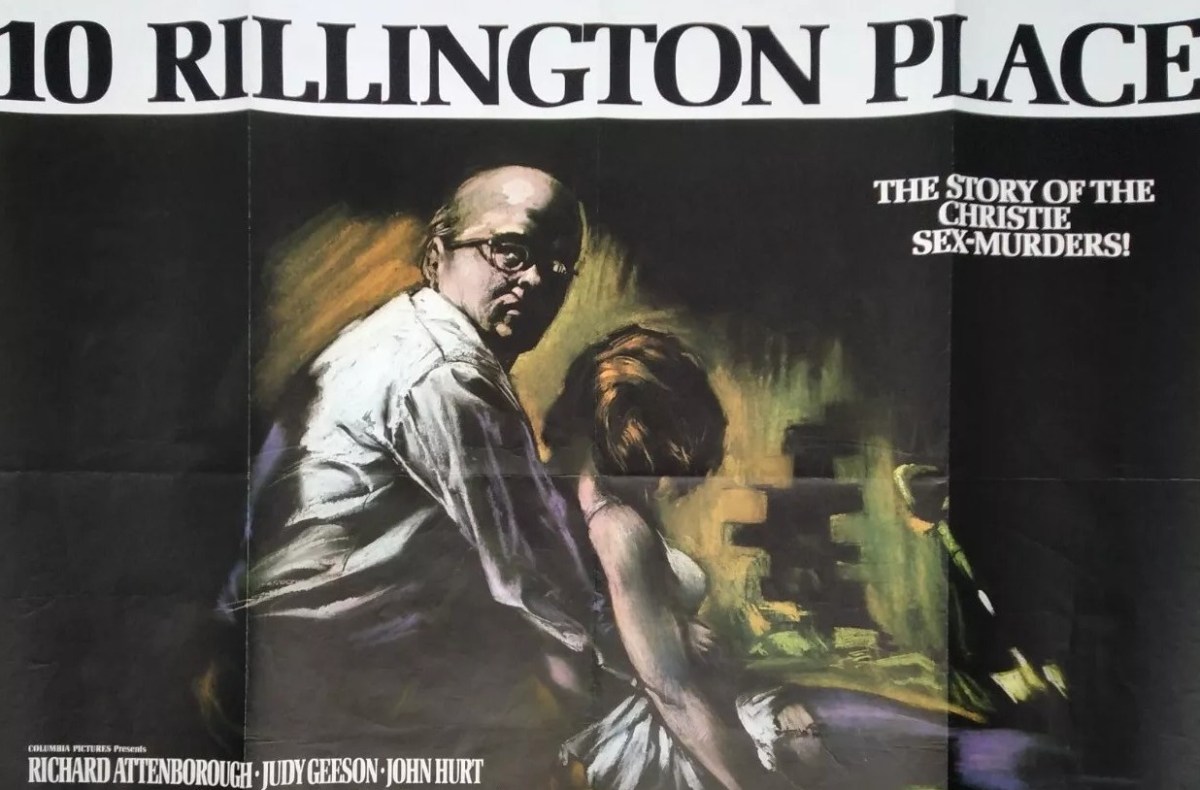
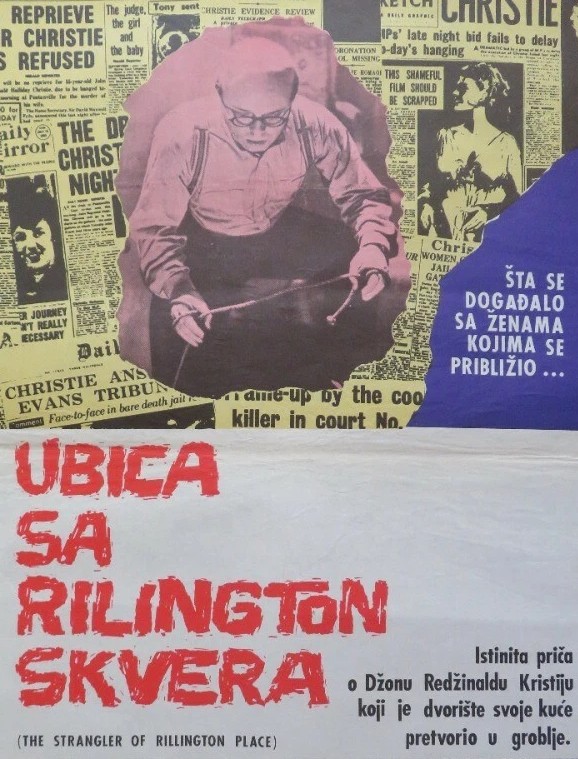
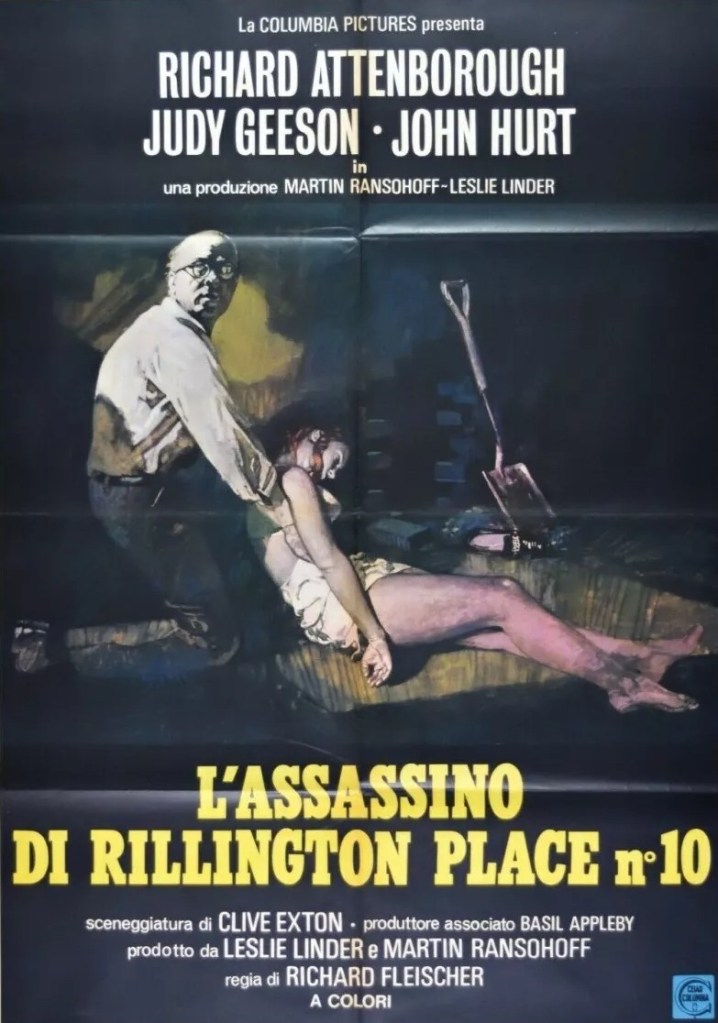
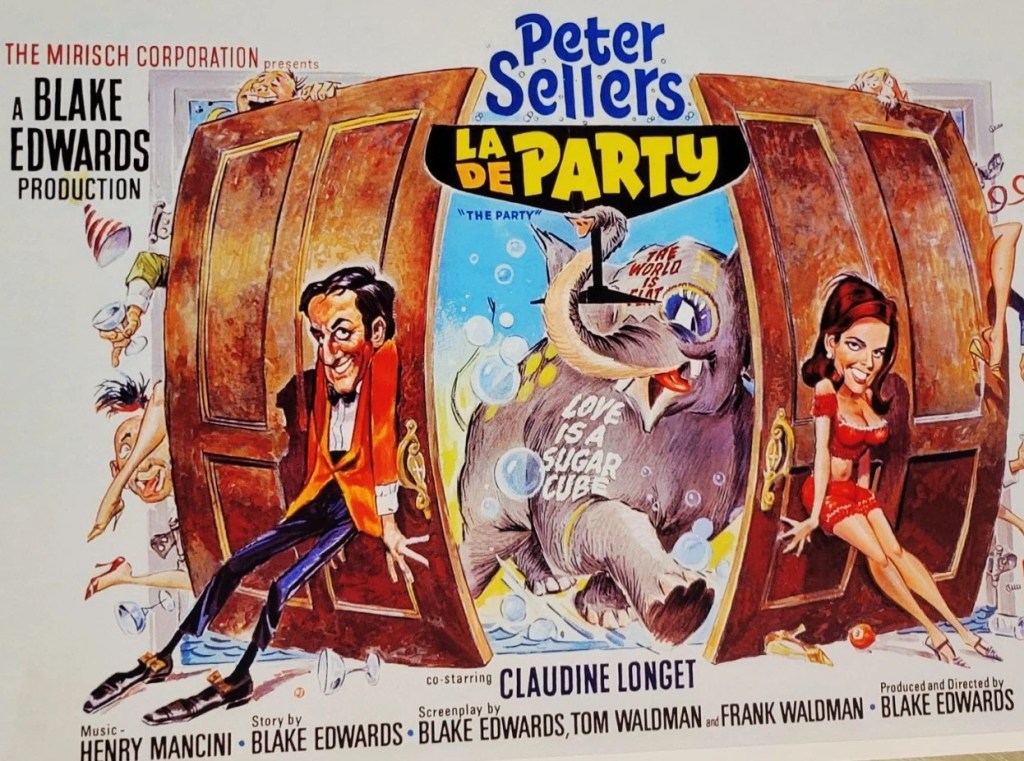
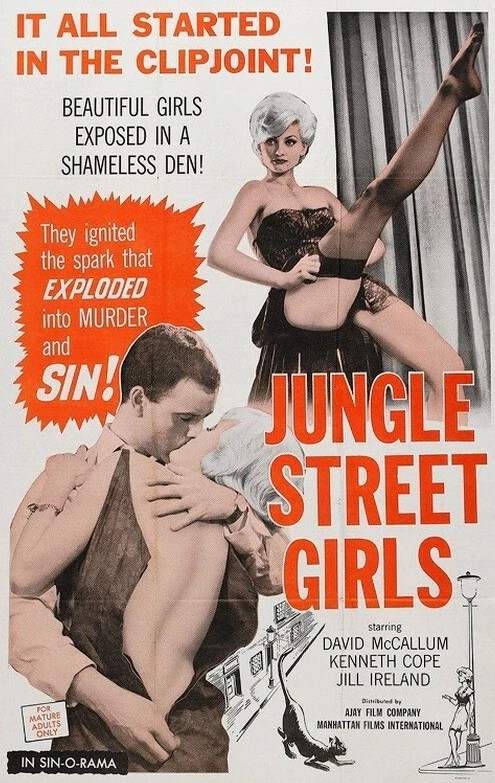
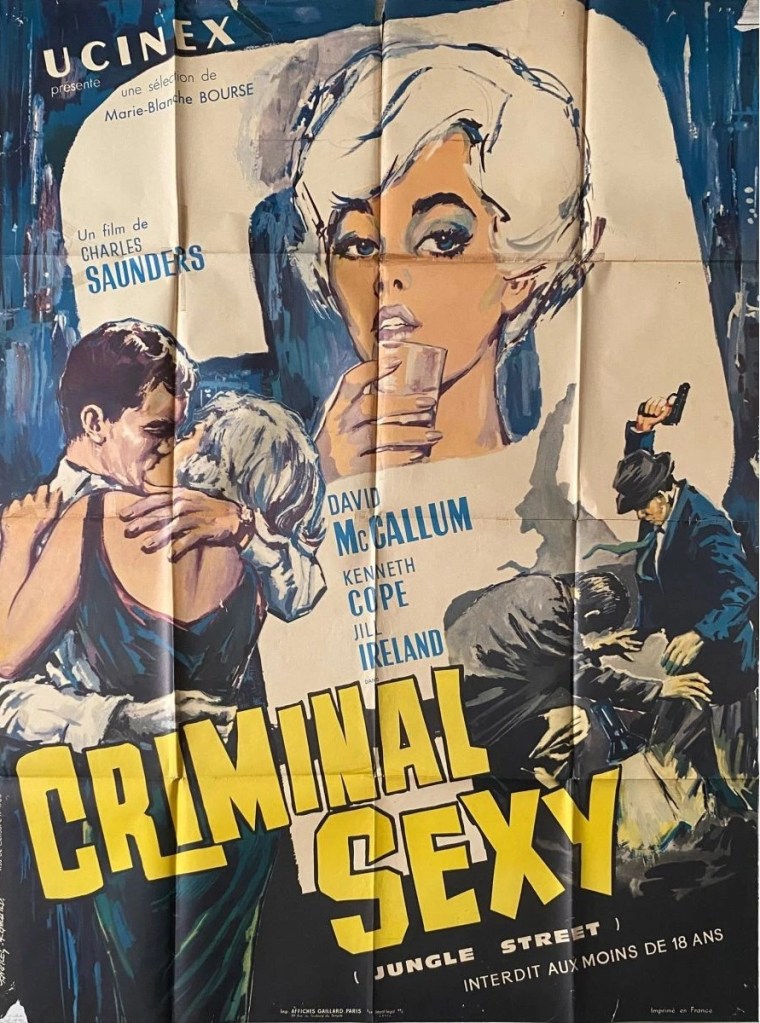
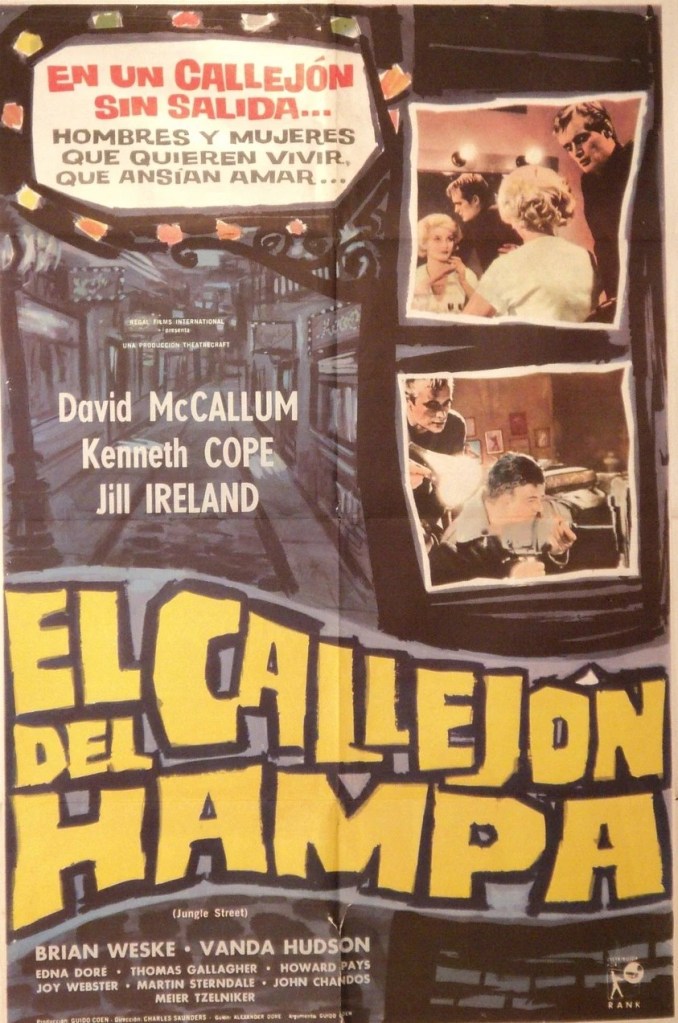
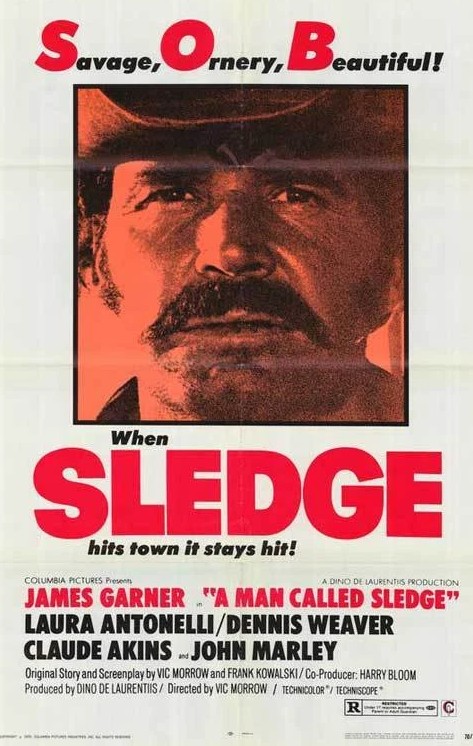
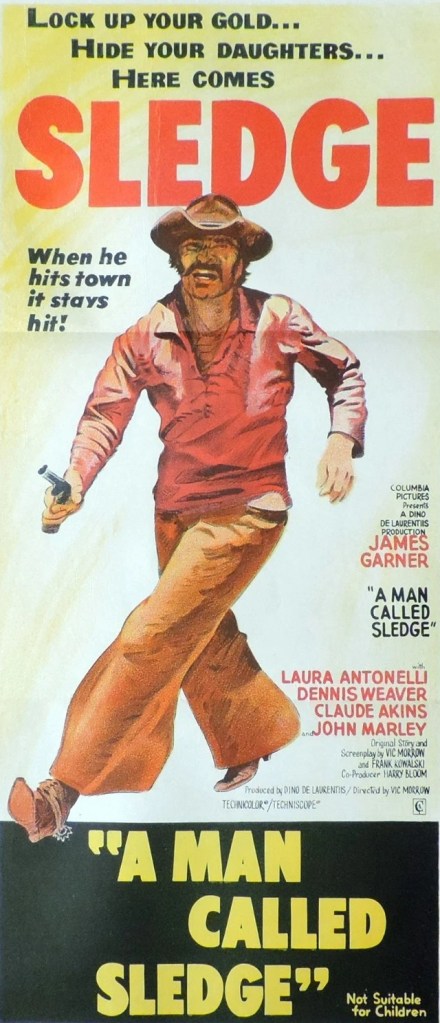
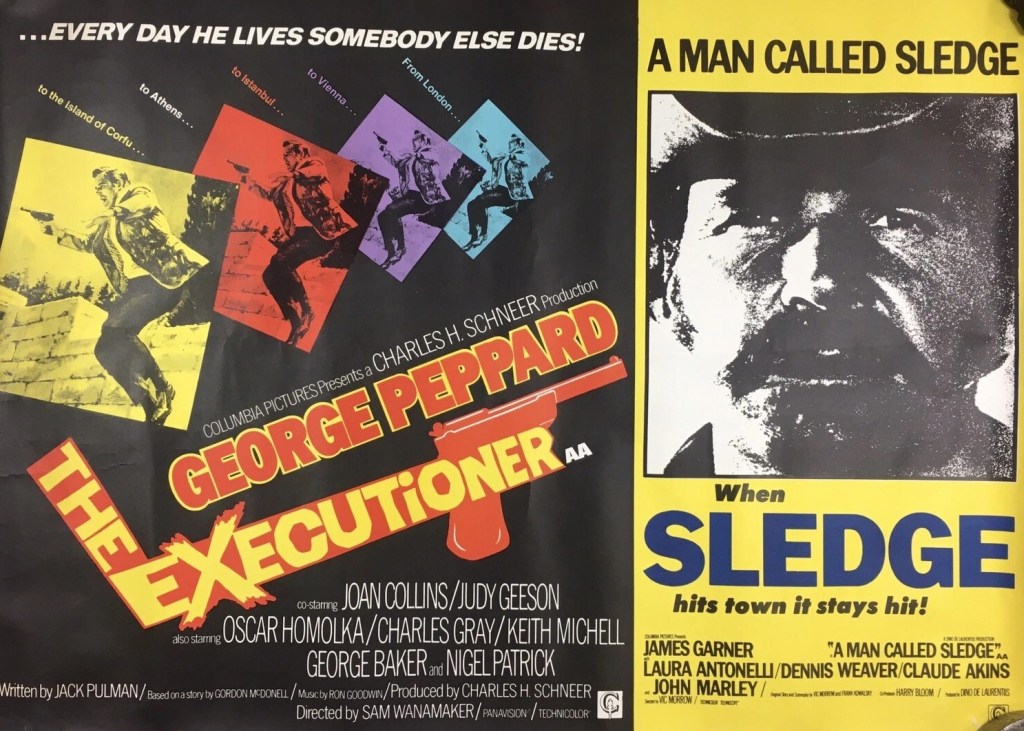
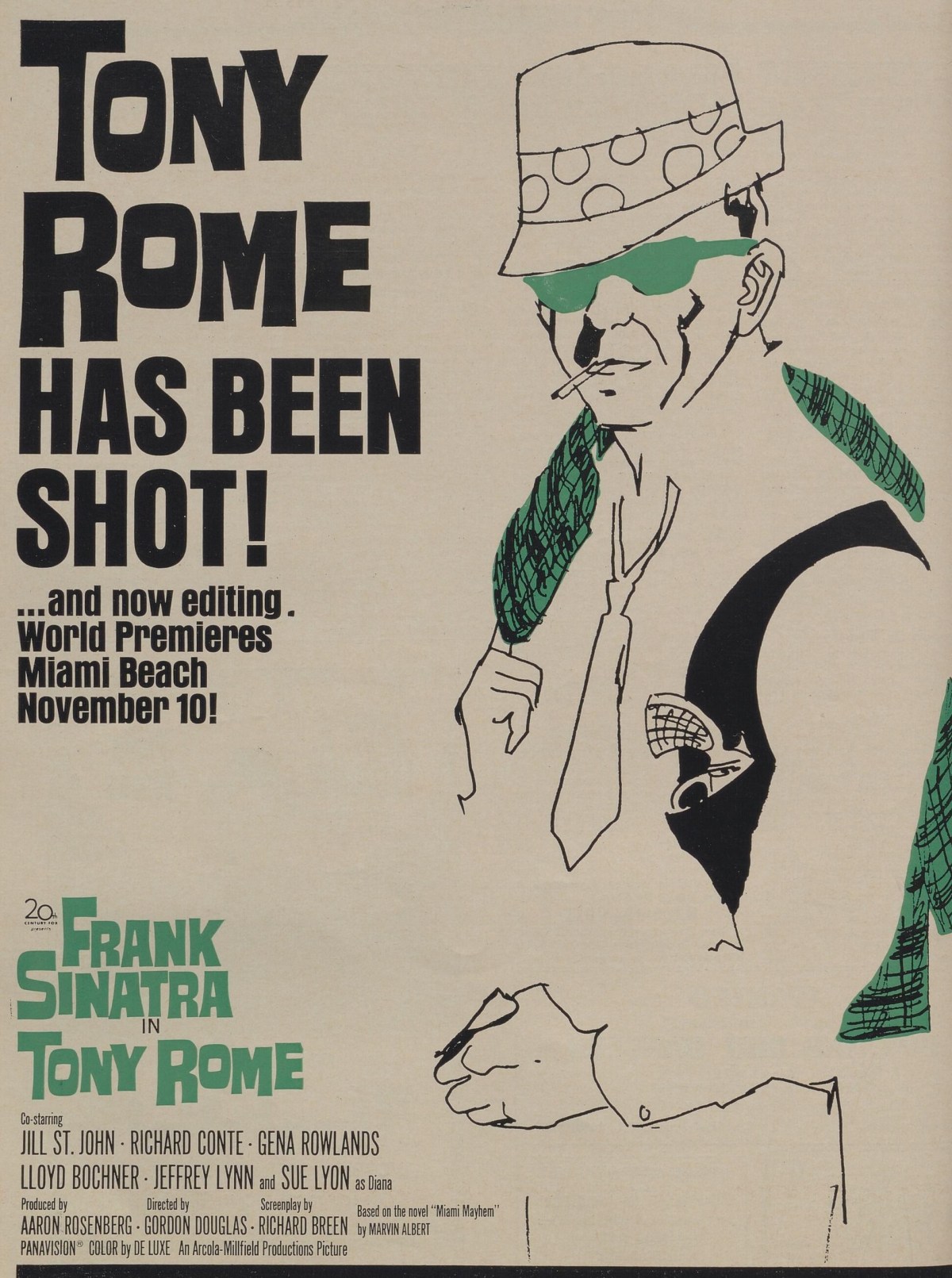
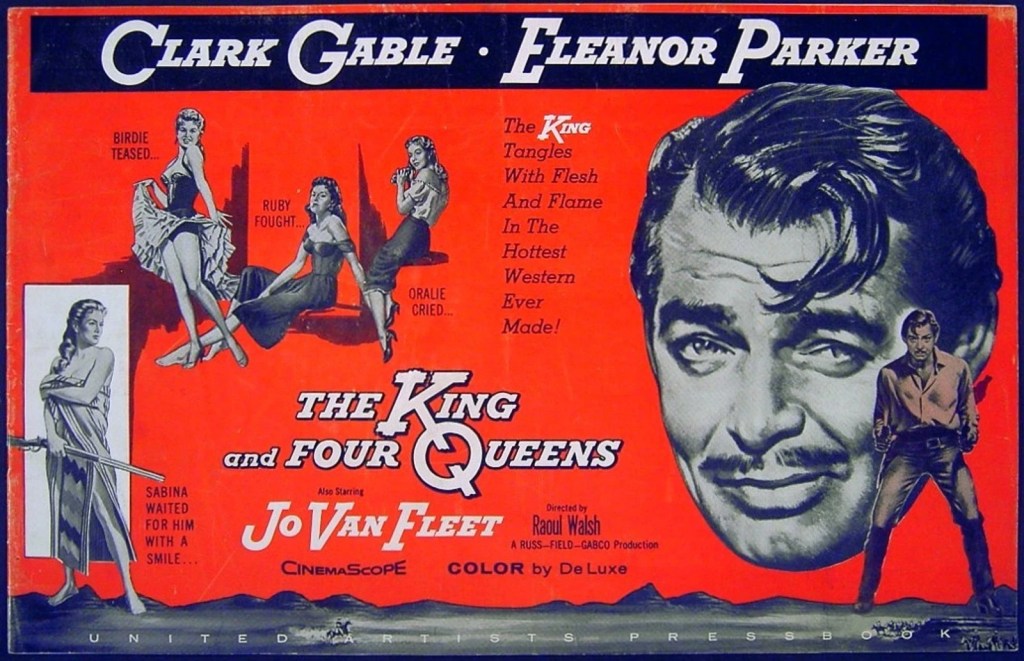
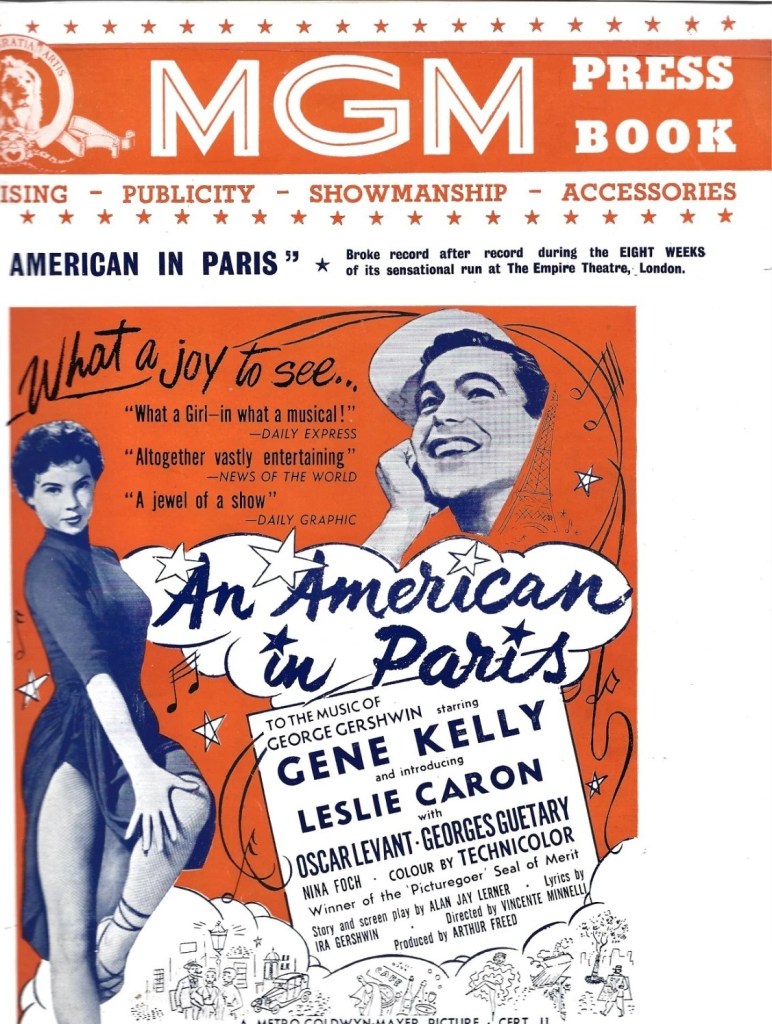
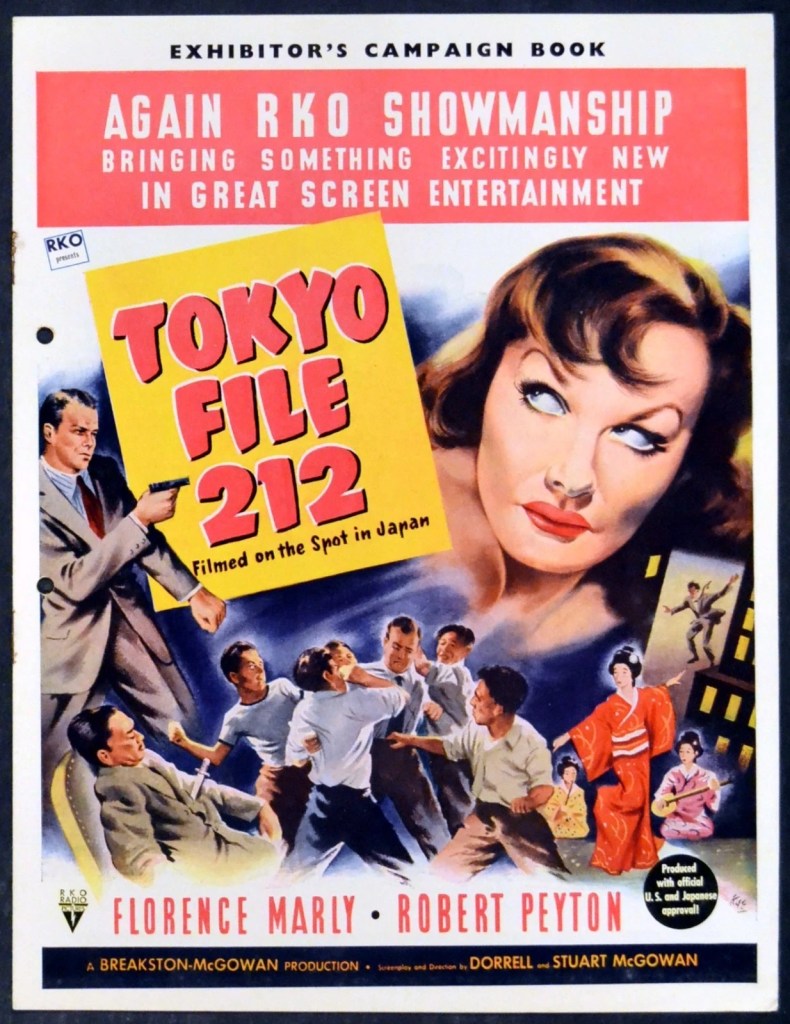
Two or three things you don’t know about me. Firstly, I run a second-hand bookshop in Paisley, Scotland, called Abbey Books. Secondly, I have a massive collection of movie posters, pressbooks, magazines and what-have-you. And, thirdly, I’ve connected these interests in an exhibition of movie memorabilia on the walls and bookcases of the shop.

1950 window card.

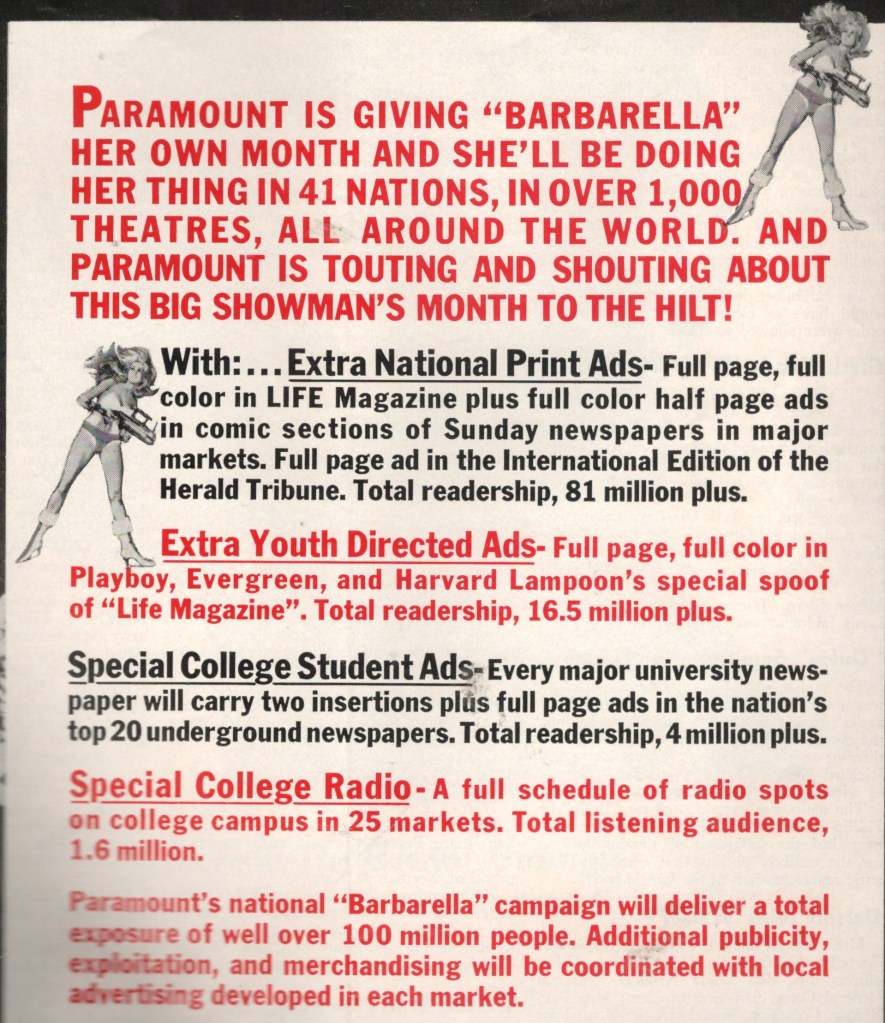
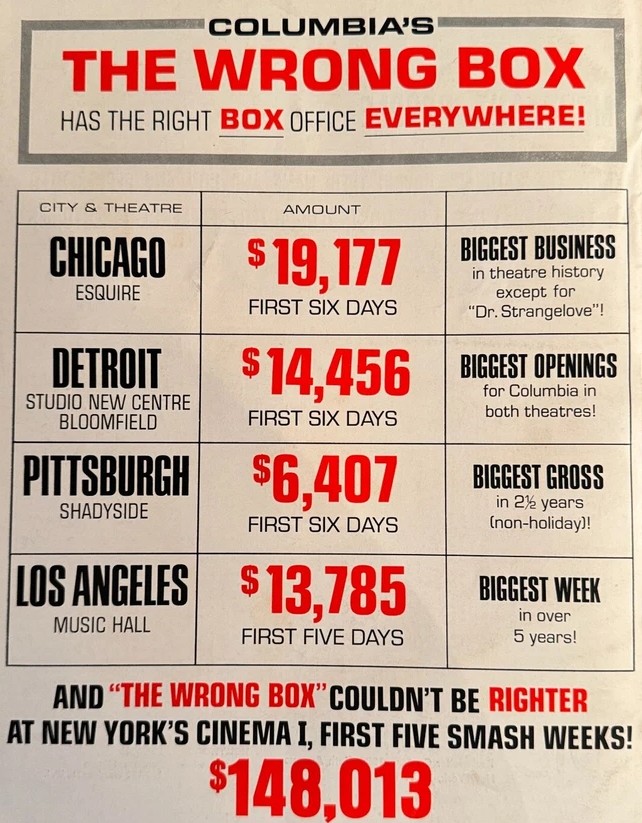
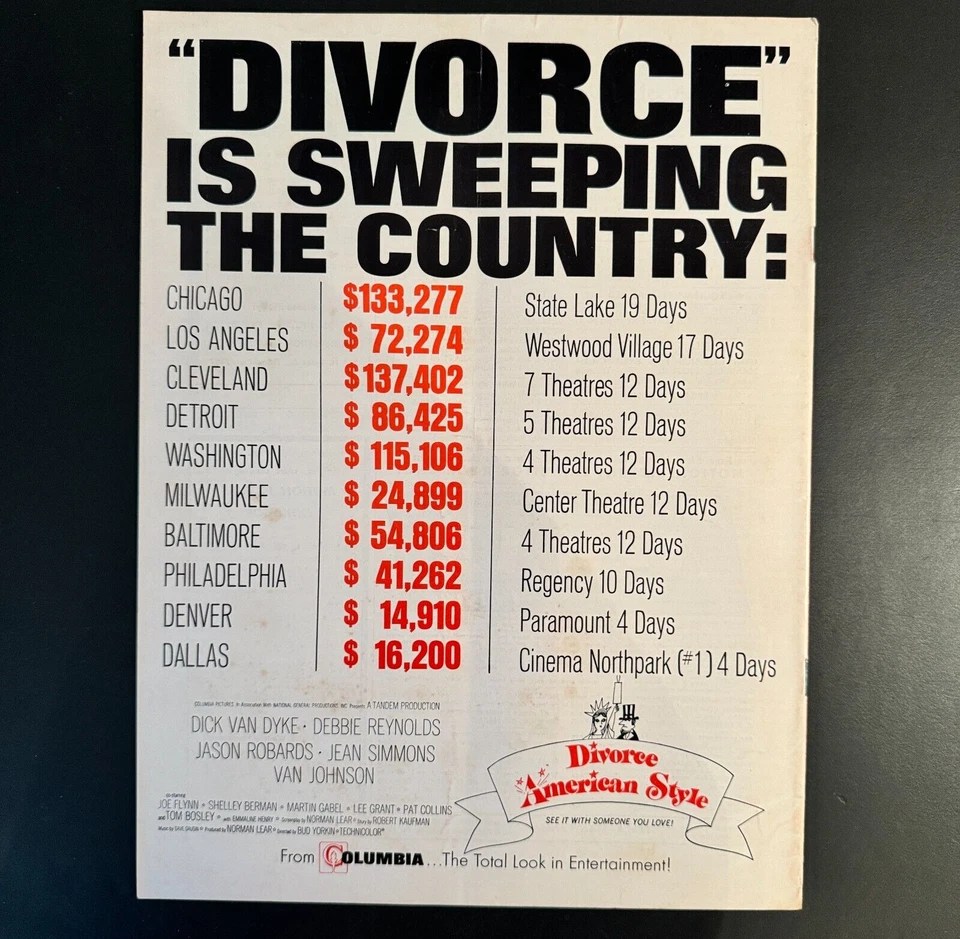
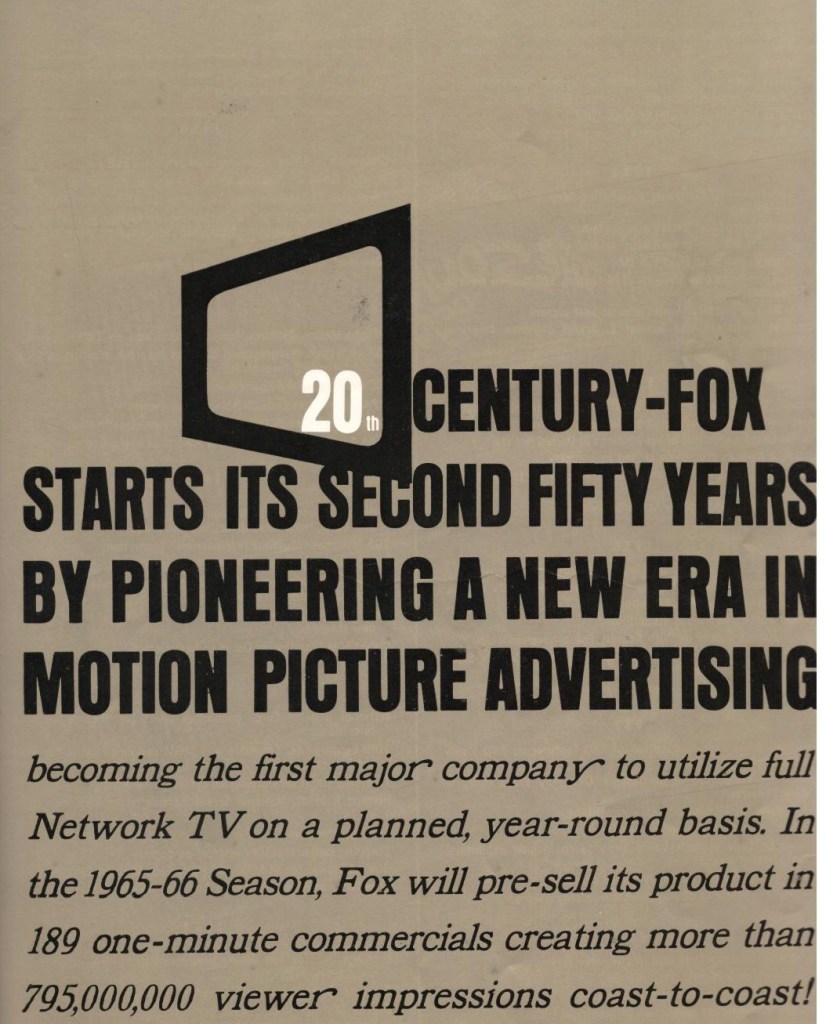
You’ll probably have seen my various Behind the Scenes articles on Pressbooks relating to a particular movie and perhaps not realized I was able to write it because I had the Pressbook (also known as a Exhibitor’ Campaign Manual) to hand. I’ve also got a stack of trade magazines which contain very rare material – ads that never saw the light of day in consumer magazines or newspapers, many of them pop-up, gatefolds or fold-outs.

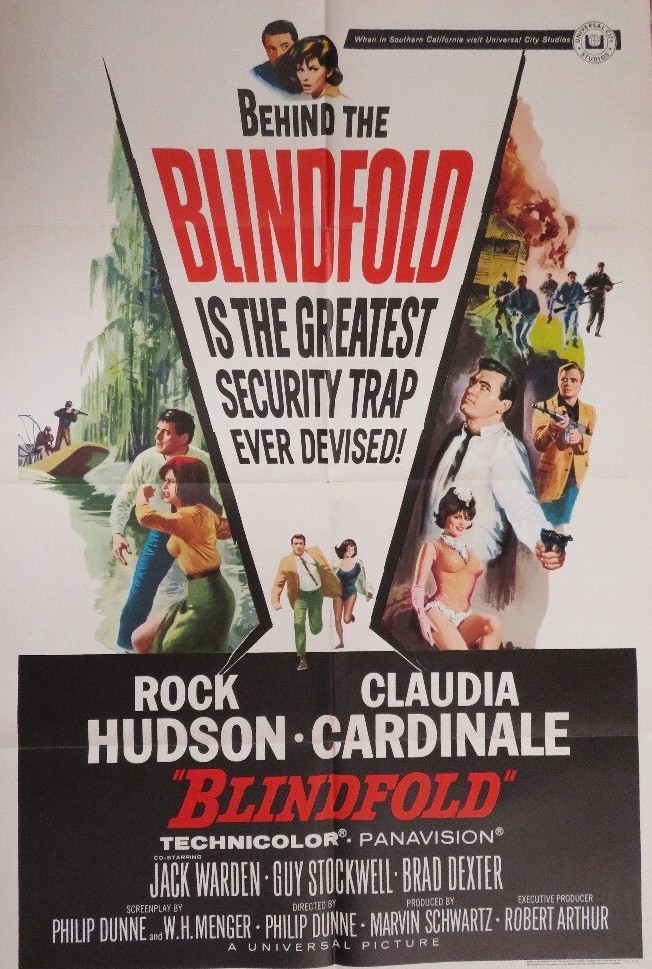
1965 insert poster.

My all-time favorite in that department is the four-page glossy pull-out teaser ad that ran in Box Office magazine in April 1977 that announced Close Encounters of the Third Kind would appear at Christmas 1977, unaware that by that point Star Wars would have rewritten the genre.

1955 quad poster.

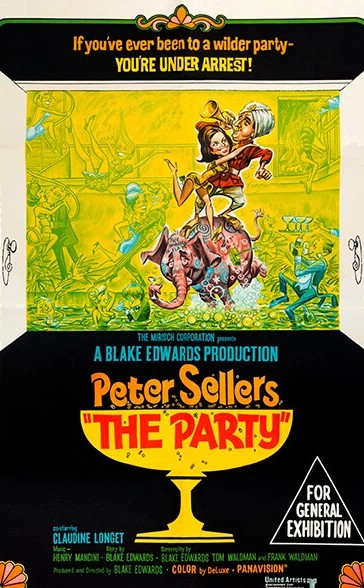
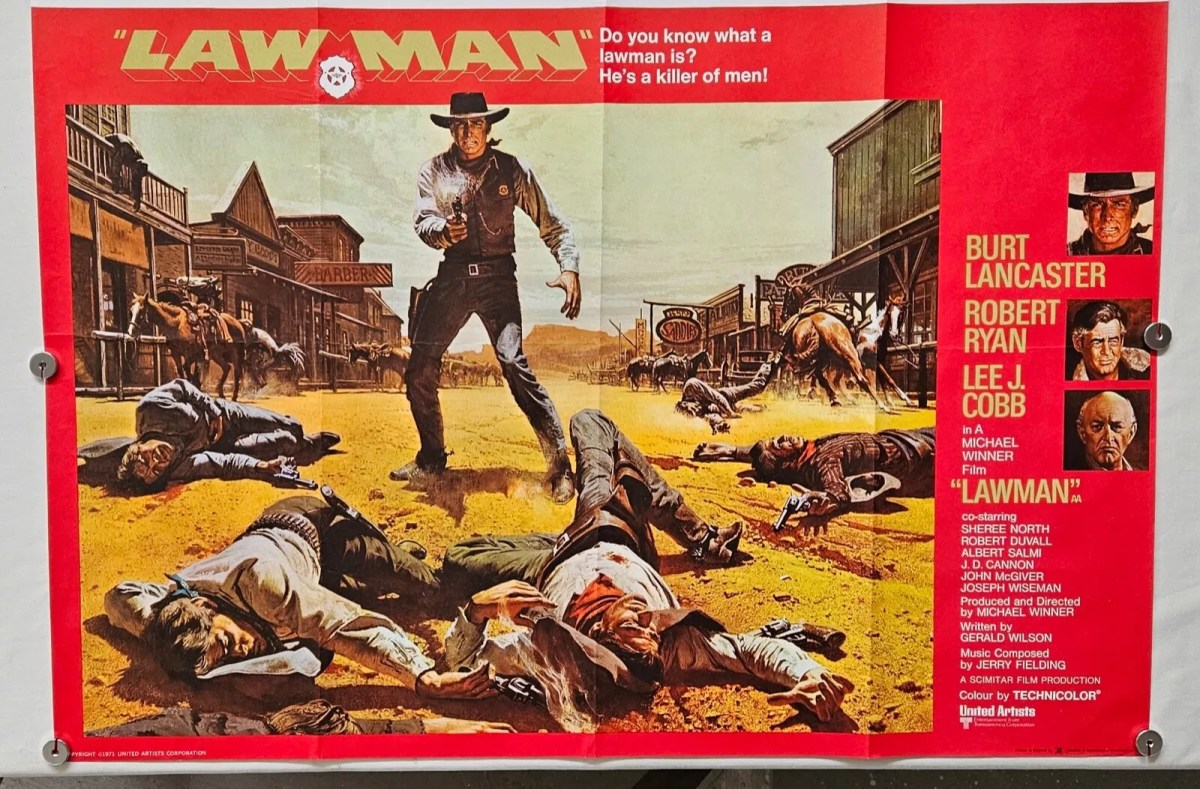
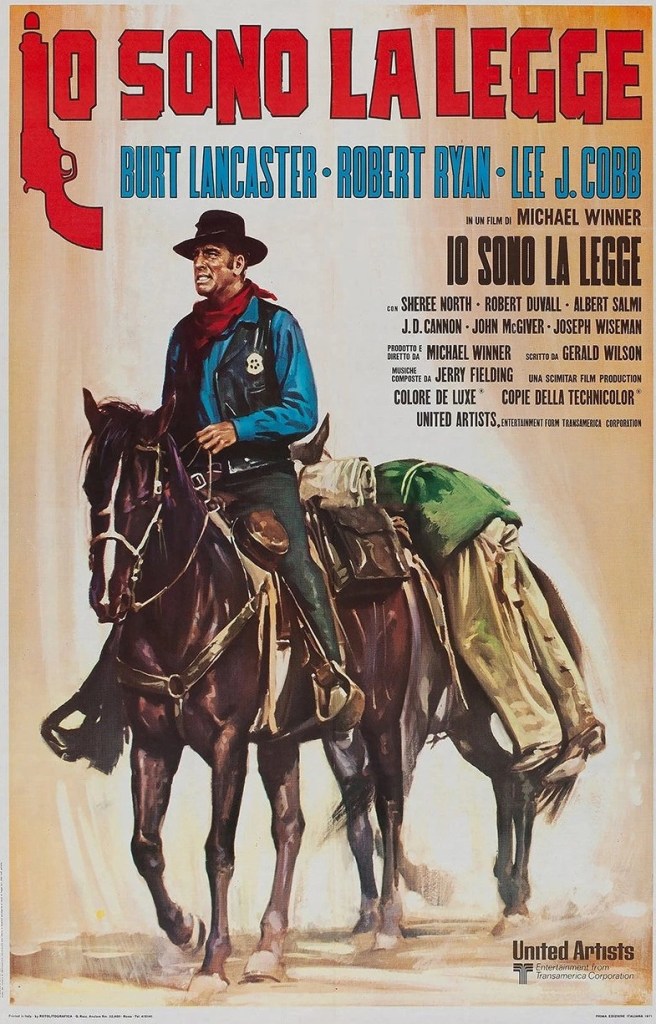
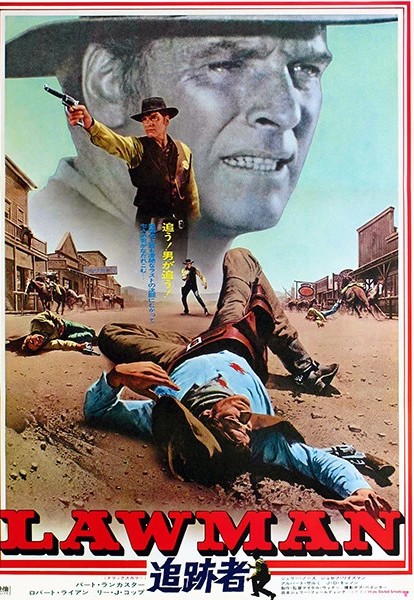
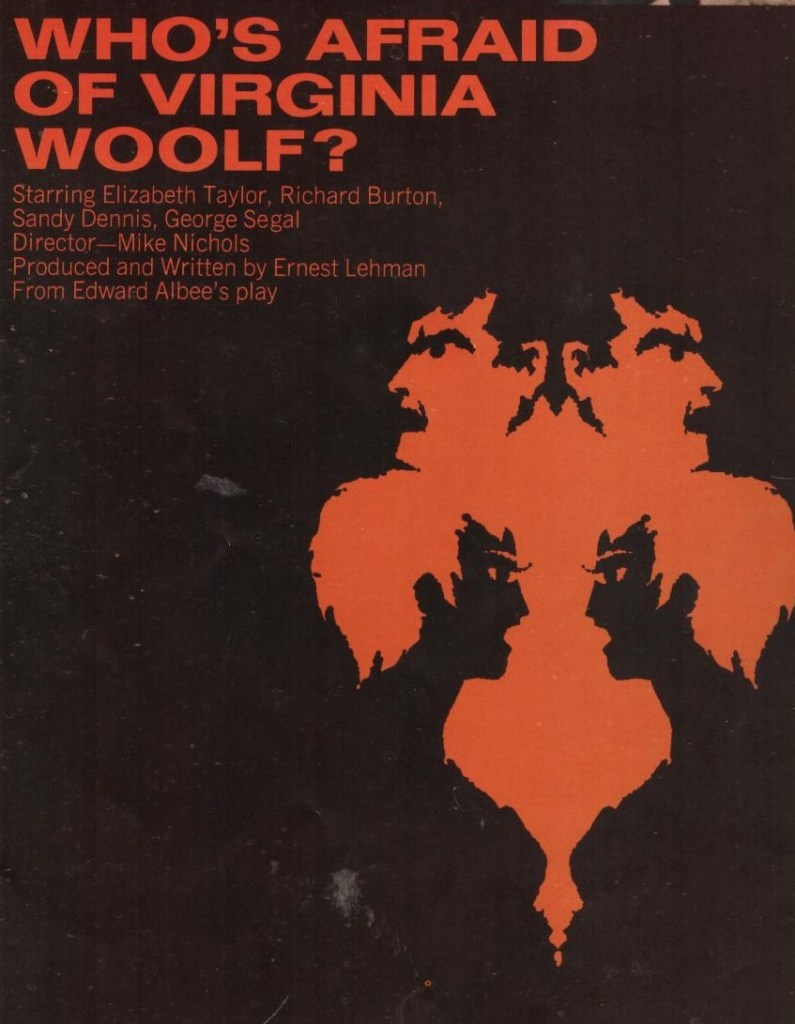
I’ve got quads (both vertical and horizontal), half-sheets, insert posters, heralds, window cards, stills, pressbooks, double-page spread trade mag ads and souvenir programmes. Among my magazine selections are Box Office, Motion Picture Herald, Kine Weekly, ABC Film Review, Films & Filming, Focus on Film, Cinema Retro, Sight and Sound, Star Wars magazine and books, Lord of the Rings magazines and various MCU and DC comics and graphic novels.

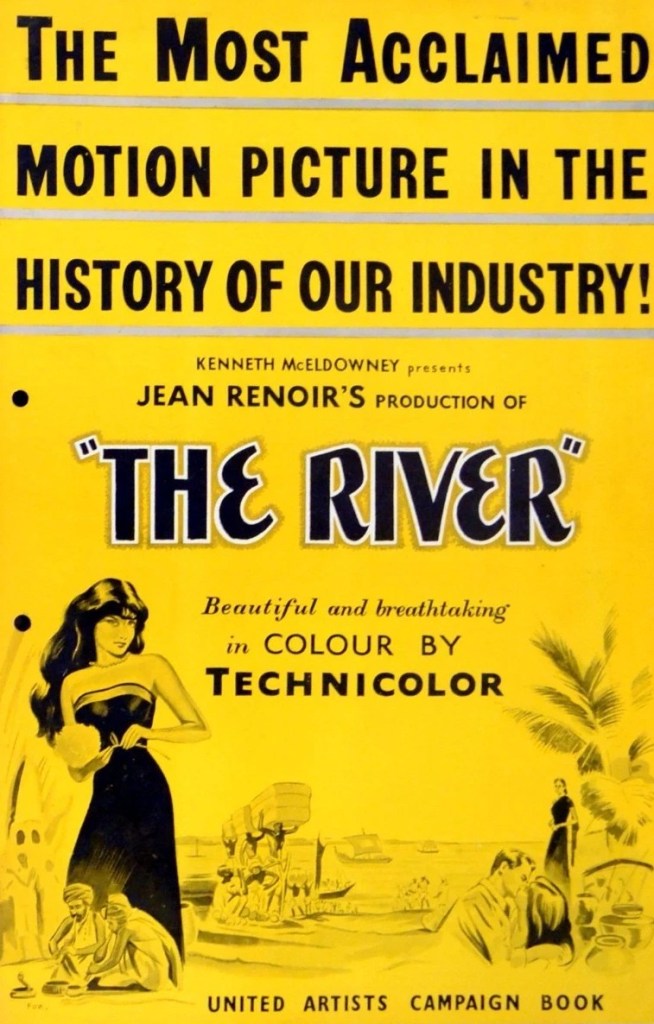
1951 Pressbook for Jean Renoir acclaimed picture.

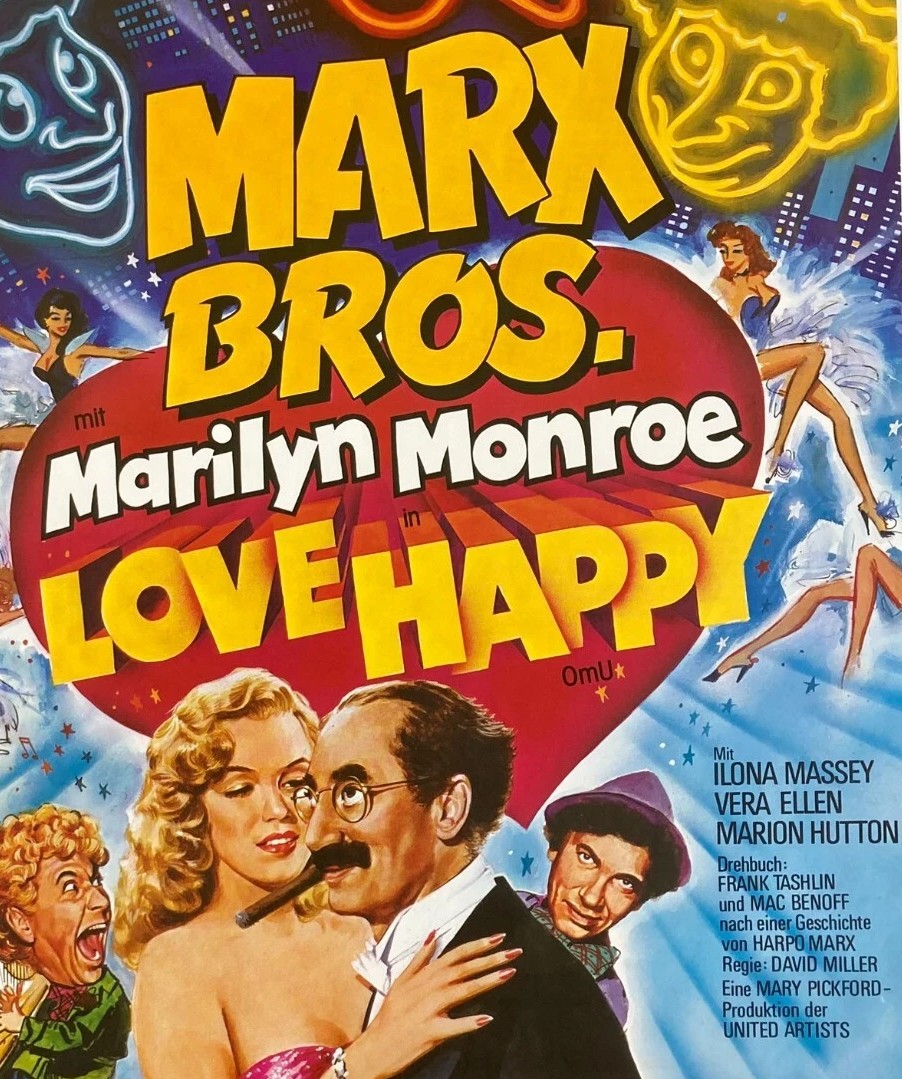
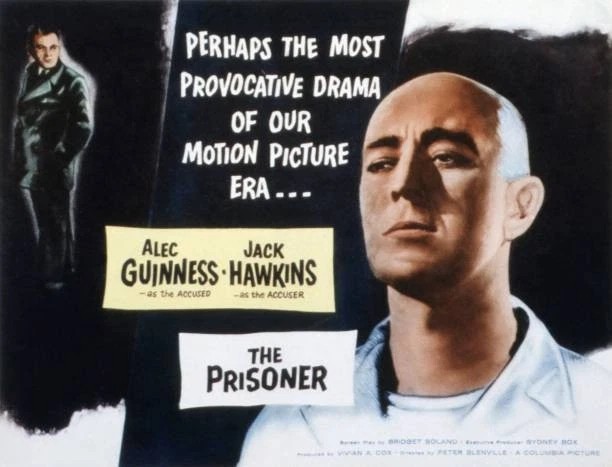
The exhibition covers the walls of the three rooms of the bookshop, so that’s around 12 walls of movie memorabilia. The oldest item is the Pressbook for Edward G. Robinson’s gangster picture Thunder in the City (1937). John Wayne in 1940 is represented by the insert poster for Dark Command and  window card for Seven Sinners with Marlene Dietrich. I’ve got a window card from For Whom the Bell Tolls (1943), the Pressbook for Love Happy (1949)  – Marilyn Monroe Meets The Marx Bros – and for the 1952 reissue of Hitchcock’s Rebecca, a half-sheet for The Rains of Ranchipur (1955) starring Lana Turner, and a quad for The Prisoner (1955) starring Alec Guinness.

Four-page herald from 1965.

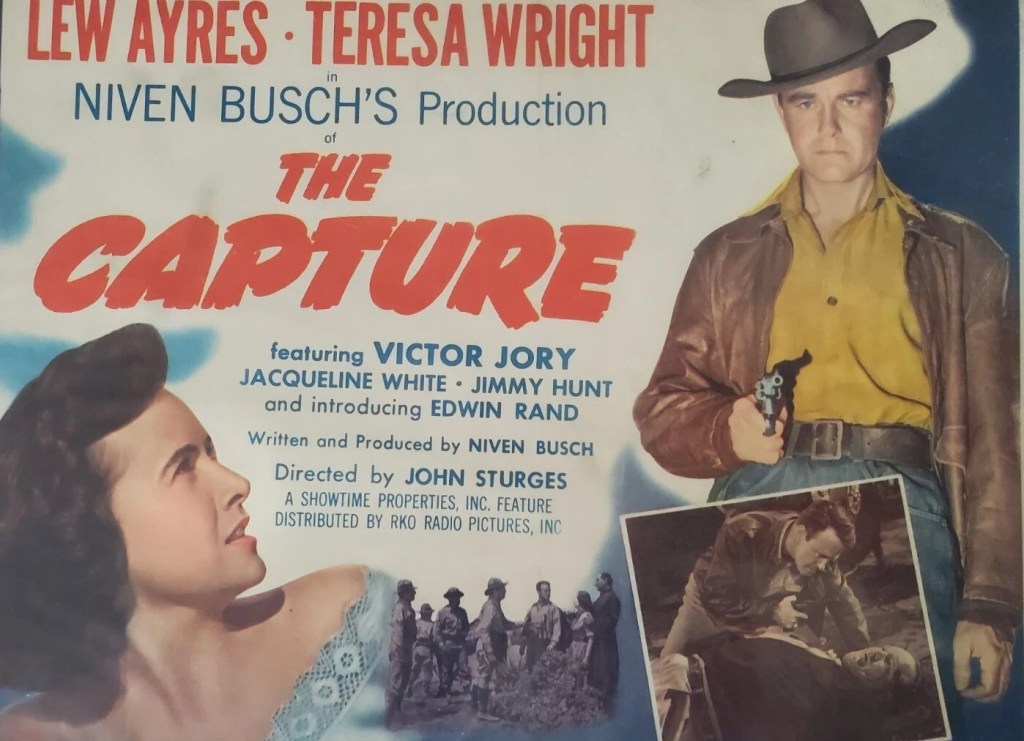
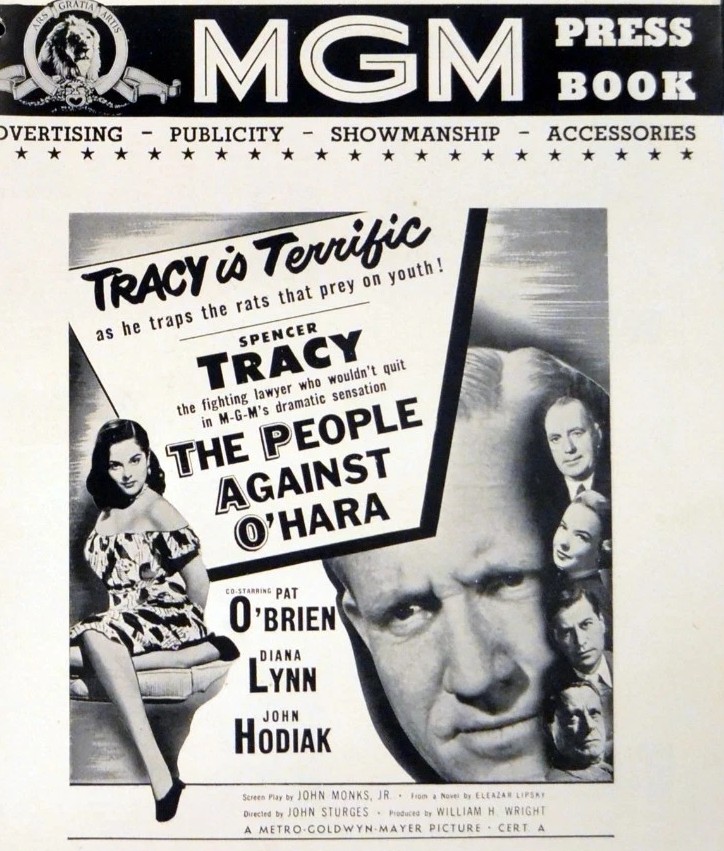
You might want to check out the Pressbook for Sudden Fear (1952) starring Joan Crawford  or Lady in Cement (1968) with Frank Sinatra tangling with Raquel Welch or window cards for another Gary Cooper effort Casanova Brown (1944) or Lew Ayres in early John Sturges western The Capture (1950). Or pressbooks for Dillinger (1973), The Female Bunch (1971), the original movie version of Westworld (1973), Clint Eastwood in The Beguiled (1971) and The Headless Ghost (1959).

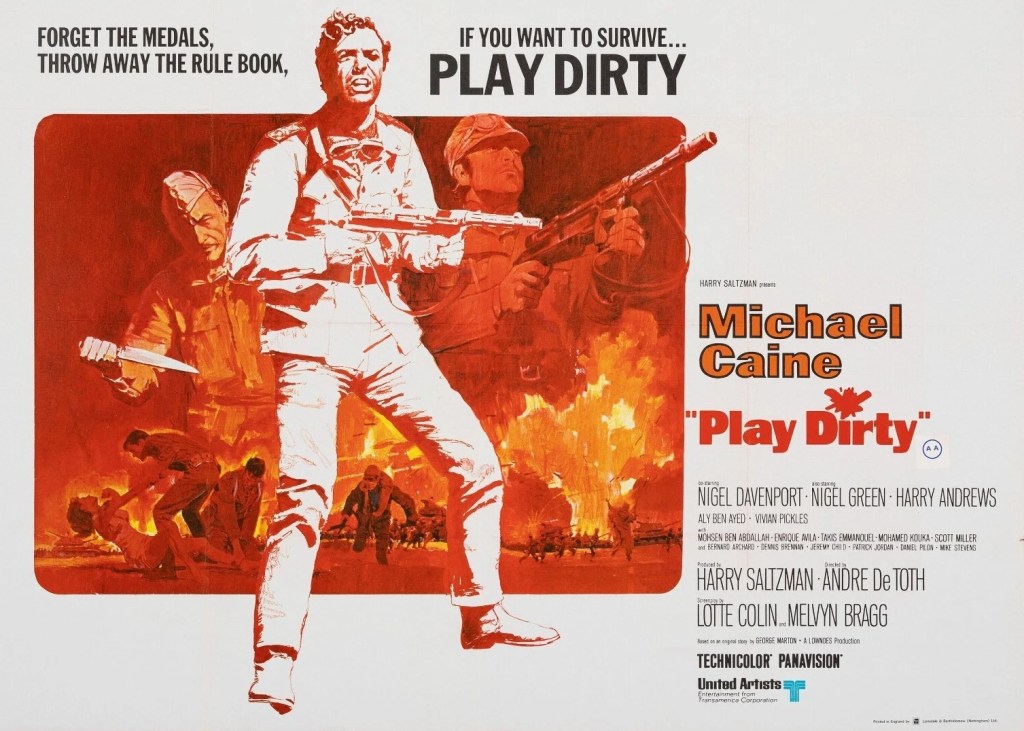
1968 quad poster

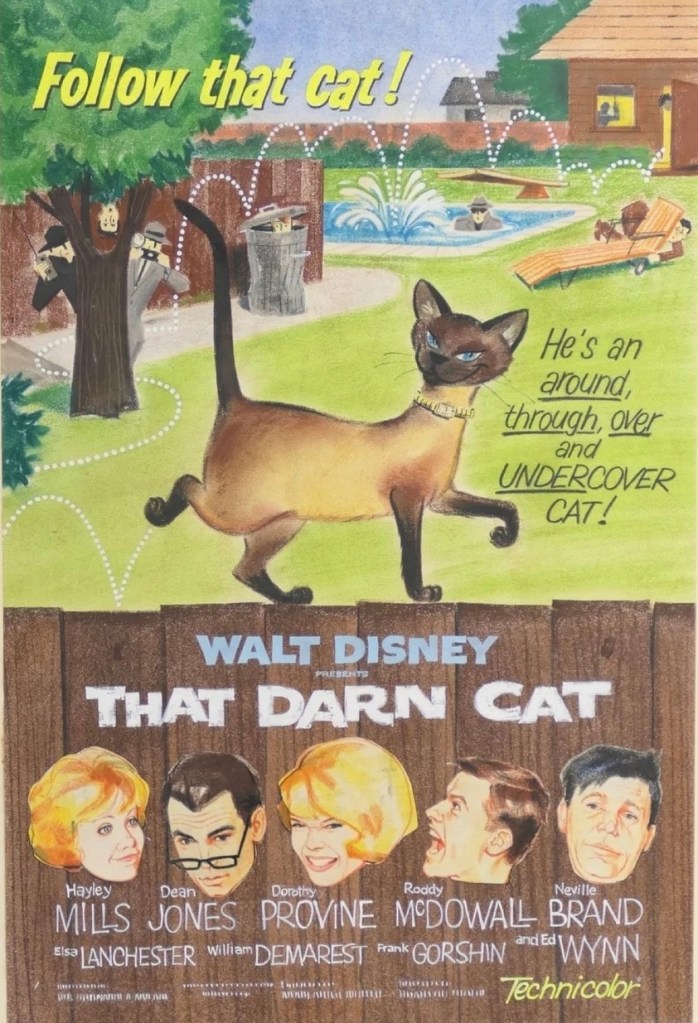
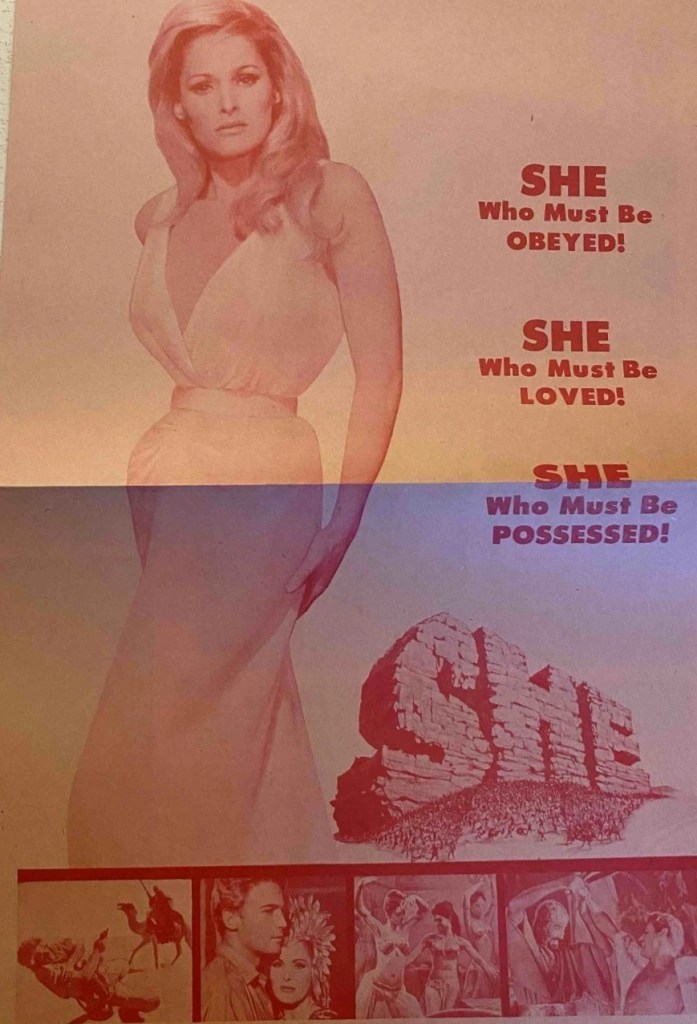
There also posters etc from Where Eagles Dare, She, War and Peace (1956), Bigger Than Life, Cat Ballou, That Darn Cat!, The Scalphunters, Marooned, Mackenna’s Gold, Lawrence of Arabia, Macao, Giant, Blindfold, Chinatown, Play Dirty, The Secret of Santa Vittoria, The Diary of Anne Frank, The Las Vegas Story, The Collector, Zulu Dawn, and so on and so on.

1951 Pressbook. Early film by John Sturges.

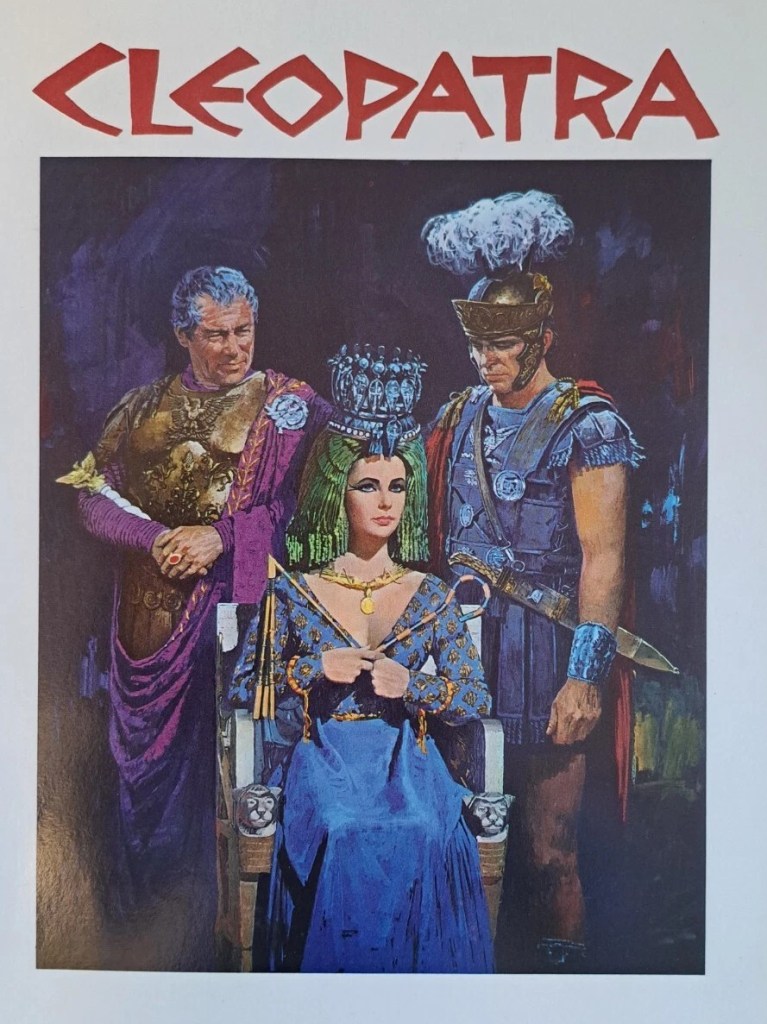
Among our selection of movie souvenir brochures are: The Guns of Navarone (1961), Lawrence of Arabia (1962), Isadora (1968), Paint Your Wagon (1969), El Cid (1961), The Agony and the Ecstasy (1965), Cleopatra (1963), Hawaii (1966), Cromwell (1970), Camelot (1967), Lord Jim (1965) and Far from the Madding Crowd (1967). I had imagined that souvenir brochures had disappeared at the end of the roadshow era but actually I have ones for The Horsemen (1971) and The Valachi Papers (1972).

1963 souvenir brochure.

Famous illustrators featured throughout the collection include Tom Chantrell, Robert McGinnis and Howard Terpning.

As far as I can see there are precious few movie memorabilia shops left anywhere in the world. Most items are now sold online or at auction. So here’s a very rare chance to see these old posters and memorabilia relating to favored movies or ones that trigger a memory.

1966 insert poster.

Pop in and see the exhibition. Everything is for sale.

Abbey Books, 21 Wellmeadow St, Paisley PA1 2EF. Opening hours – Tue-Sat 10.15am-17.15pm.

1956 window card.
1951 Pressbook.
1965 A3 pressbook.
1951 Pressbook.

Don’t wait.

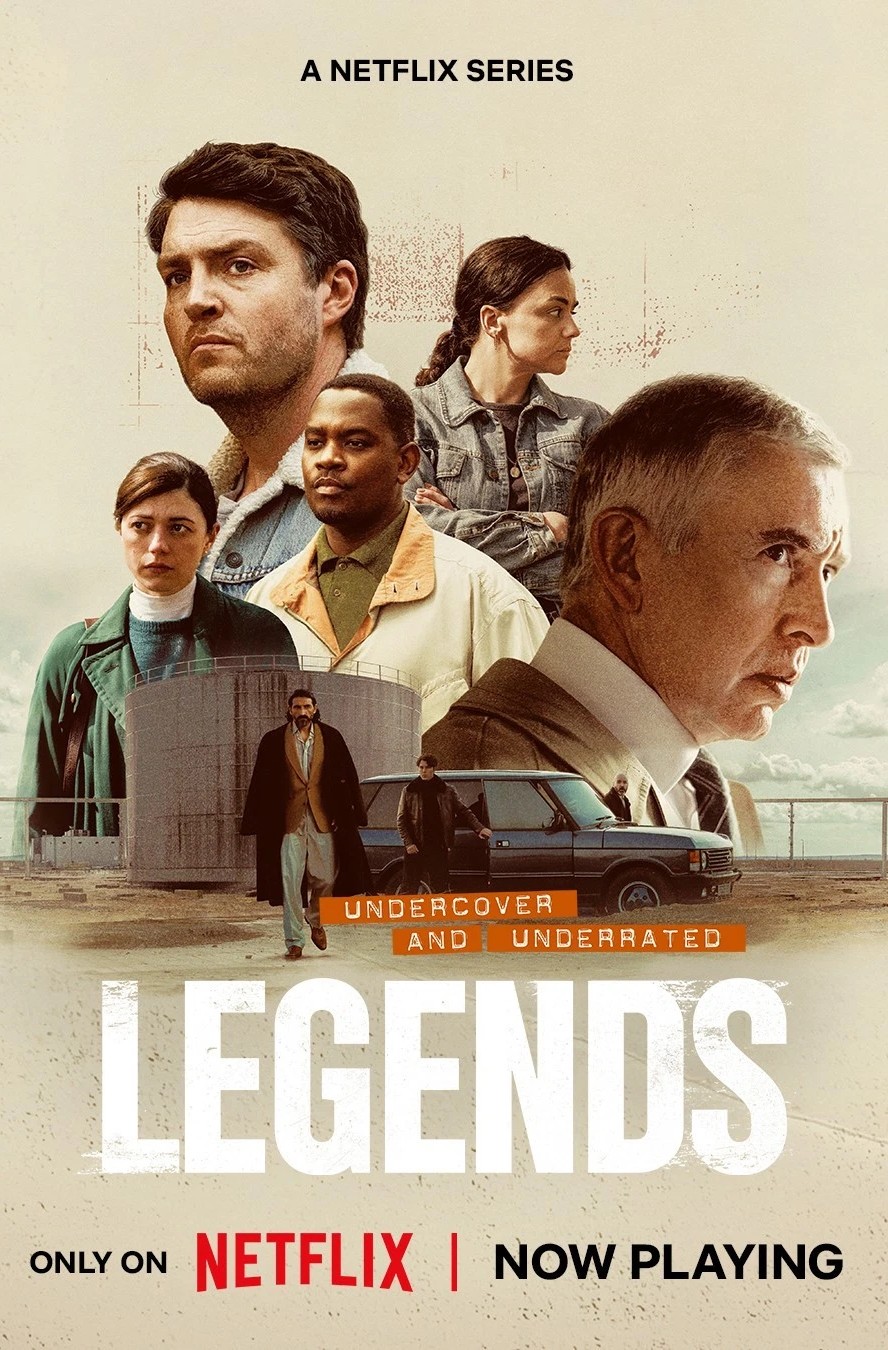
Should I Marry A Murderer? (2026) **** – Seen on Netflix

A great title for the most compelling true crime television tale since Staircase (2004). And for much the same reason. The main character is tricky. We are accustomed to fictional characters being economical, flexible or downright evasive when dealing with the truth and it seems that trend has spread out to non-fiction.

The odd thing is that this should be a straightforward, if tense, narrative. And it only turns into something else entirely thanks to the central character.

Sandy (left) and Robert.

The story beings in 2017 when charity cyclist Tony Parsons goes missing. For some reason – in the dead of night – he’s been traversing the remote twisting narrow roads near the Bridge of Orchy in the Scottish Highlands. Despite a massive manhunt he’s never found.

Fast forward to 2020 and forensic pathologist Dr Caroline Muirhead. She’s in that neck of the woods seeking romance having met on Tinder farm worker and hunter Sandy McKellar, who lives on the private Auch Estate with twin Robert. When not skinning deer they enjoy a party lifestyle. It’s a speedy courtship. After a few months she’s engaged and in the way of many a fiancé wonders if her potential partner harbors any secrets. She’s thinking an ex-wife, maybe a couple of kids squirreled away.

She’s not expecting him to fess up to having mown down Parsons while drunk and then burying the body. Later adding, the victim was still alive, if only briefly, after being knocked down. Fear of drink driving charges clearly were behind the burying.

So now we should be into the straightforward, thrilling, part. How does our heroine impart this information to the cops? Will they even believe her? She’s no idea where the body is buried. Bear in mind, too, she’s still in love with Sandy and can’t get her head round the fact that her handsome kind six-foot Highlander could be guilty of such a deed.

So then we get to the clever bit. She gets him to indicate roughly where the body might be buried – the twins used a digger so a fair amount of earth would have been shifted – and then, inspired, she finds way to roughly mark the spot with an empty drinks can.

But then we get entangled as she gets caught up in her emotions. Instead of running a mile from a callous murderer, she continues to live with him. Sandy is pulled in for questioning but without a body the case is going nowhere. The car that knocked him down is also long gone. The police carry out a lot of spadework and there’s elements of excitement when the cops prowl around the twins’ cottage armed to the teeth like they are breaking into a terrorist stronghold.

Vital evidence.

Caroline’s parents and the cops can’t work why she hasn’t run a mile. Sandy has no idea who’s fingered him so naturally he welcomes the solace she offers. She can’t explain to camera – and it’s mostly her talking to camera – why she can’t give him up. She’s just come out of an abusive relationship but no idea the previous boyfriend was in Sandy’s league.

Whether it’s fear of Sandy finding out or fear of losing him, she begins to unravel, so much so that she jeopardizes the eventual trial when, as the star witness for the prosecution, she fails to turn up on the opening day. She’s clearly such a liability that the prosecution cut and run, dropping the murder charge in favor of a lesser charge, still a prison sentence but a lot less severe.

And still we never find out what was in her mind. It’s enigma to the nth scale. Certainly, she vulnerable. But despite solving the case and bringing the killers to justice, she’s never hailed as the heroine because the rest of her behavior remains so baffling.

Naturally, this plays like a thriller, with plenty twists along the way, so it’s an easy watch in that regard. But it’s a very difficult watch in another sense, in that plainly someone is taking advantage of a vulnerable woman who wants to tell the story her way and perhaps, as she sees it, clear her name.

Just like Staircase or the recent Michael, you wonder what else might come out if the film-makers were more rigorous in pursuit and not so hogtied to the central character.

She mixes up so much making the right decisions with taking the wrong ones that you half expect there’s going to be a terrible tragic ending.

Certainly riveting stuff and what Netflix does best.

Sinbad and the Eye of the Tiger (1977) ***

You can usually rely upon Ray Harryhausen to rescue any picture. But he’s got his work cut out in this leaden enterprise weighed down by nepo kids. One nepo kid would be bad enough but some bright spark had the terrible idea of pairing the son (Patrick) of John Wayne with the daughter (Taryn) of Tyrone Power, only to discover that neither could act. That’s not usually necessarily a massive drawback in an adventure picture, but they have zilch to compensate in the way of screen personas.

To make up, rather than periodic interventions by Harryhausen, this time we’ve got two of his  creations with us virtually every step of the way – a baboon and a minotaur. The baboon playing chess is the highlight in terms of technical advances of Dynamation. To keep us on our toes when the narrative gets lost in exposition, every now and then we cut to the minotaur single-handedly rowing a ship or taking time out from such routine activity to spear some unwelcome visitor.

Given Harryhausen’s output switches from the mythical (Jason and the Argonauts, 1963) to the prehistoric (One Million Years B.C., 1966), he’s decided to mix it up this time round, with examples from both sub-genres. There’s a battle between a troglodyte (cave-man with what looks like a rhinoceros horn sticking out of his head) and a Smilodon (a sabre-toothed tiger)- and the baboon is so large it counts as prehistoric. Fulfilling the mythical end of the bargain a trio of ghouls with bulbous insect-like eyes arise from a fire, reminiscent of the skeleton army of Jason and the Argonauts. Halfway in between there’s a giant seagull, giant wasp, a miniature human and a very nasty cat.

Sinbad (Patrick Wayne) travels to the Arctic with sorcerer Melanthius (Patrick Troughton) who knows how to break the spell cast by the evil Zenobia (Margaret Whiting) that turned Prince Kassim (Damien Thomas), heir to the throne, into a baboon. Accompanying are the necessary ingredients for a love triangle – Kassim’s sister Farah (Jane Seymour) and Melanthius’s daughter Dione (Taryn Power).

Reversing the spell involves a sojourn to the icebound waste land of Arismaspi where the doors of temples look as if they have been constructed out of leftovers from King Kong (1976). Luckily, Zenobia isn’t as powerful as she thinks and after her outing as a seagull the witch can’t shake off the magic and is left with a bird’s foot. Every now and then her eyes glow like a cat.

There must have been some optimism at Columbia that Patrick Wayne could step into the shoes of John Philip Law (The Golden Voyage of Sinbad, 1973) and that Bond girl Jane Seymour (Live and Let Die, 1973) could be the equal of scream queen Caroline Munro. And while Wayne had some form in the fantasy line via Beyond Atlantis (1973) and been acting since 1950 with routine appearances in his father’s westerns, in terms of quality roles he would be hard put to come close to Law whose portfolio included Otto Preminger’s Hurry Sundown (1967), and cult items Death Rides a Horse (1967), Barbarella (1968) and Danger: Diabolik (1968) and top-billed in admittedly more trashy ventures like The Love Machine (1971).

As you know being a Bond girl can be a curse as much as a blessing – Seymour had been offered little since. And although she would later make her mark, all that was on show here was promise, and not much of that. Taryn Power hadn’t capitalized on her starring role in the Spanish-made romance Maria (1972).

Nobody would accuse Errol Flynn of being a great actor but he more than compensated for any deficiencies with his screen charisma. Since neither nepo had much to offer in that department it was left to older hands like Patrick Troughton (Dr Who, 1966-1985) and Margaret Whiting (The Password Is Courage, 1962) to provide the gravitas. Even so, there’s not they can bring as the movie lumbers – and sometimes slumbers – towards its endpoint.

It’s as much as director Sam Wanamaker (The File of the Golden Goose, 1969) can do to keep the ship above water. Screenplay by Beverley Cross (Jason and the Argonauts).

On the other hand this movie is very much like the westerns I watched as a kid where I couldn’t wait for the grown-ups to stop quarrelling with each other or kissing and cuddling so that we could get on with the meat of the movie which was a gunfight or a battle between the Cavalry and Native Americans. Here, everything in between the Harryhausen elements just gets in the way.

Harryhausen rules – just.

Behind the Scenes: Let’s Gripe – “The Exhibitor Has His Say,” March 1967

One of the most appealing features of Box Office trade magazine was that once a fortnight it cut out the baloney, ignored all the glossy ads trumpeting a studio’s next big hit and the editorial that promised a golden future, and got down to the nitty-gritty of how movies performed once they were way down the food release chain, far removed from the big city first run houses where they premiered.

While critics pontificated and effectively told their readers what worthy movies to head for and while studios spent their advertising bucks trying to persuade the public trying to do the same (though often the films chosen by critics were not those backed by the studios), exhibitors were caught in the middle. They were the bottom line. This was where the golden buck of promise stopped – and sometimes died.

The exhibitors who fessed up in the “Exhibitor Has His Say” section were the kind of movie theaters that you’d see in The Last Picture Show, the thousands that serviced small towns well away from the big cities and which might be playing new films many months after they were first shown in New York or Chicago or Los Angeles. Of the cinemas features in the March 13, 1967, edition of weekly trade magazine Box Office, only one serviced a population of more than 2,500, and even then it was only 6,000.

The movies shown in these houses didn’t run a full week. At best they’d last three days, but sometimes it was only two. These cinemas would change programmes three or four times a week. But the exhibitors who contributed to this section did so on a regular basis, so other exhibitors could compare notes and everyone felt they had a voice.

The biggest participating cinemas was the Star Theatre in St Johnsbury (population 6,000) in Vermont, run by Peter Silloway. He played his big pictures Wednesday through Saturday. He made reports on three. Khartoum starring Charlton Heston was “a pretty good action picture” and based on his experience he reckoned “adults should enjoy the picture very much.” He also had a positive response to William Holden western Alvarez Kelly which he deemed “an excellent outdoor action picture and enjoyed by everyone.” He was less sanguine about Hitchcock’s Torn Curtain. “People were very disappointed…they expected to see the mystery that Hitchcock is famous for.”

Another regular contributor was Arthur K. Dame who ran the Scenic Theatre in Pittsfield (pop 2,300) in New Hampshire. The Great Sioux Massacre (playing Fri-Sat) was an “okay western” but his audiences “just won’t buy secret agents here” so that affected The Second Best Secret Agent in the Whole Wide World (Fri-Sat). Flipper (Sat only) “wears well.”

Terry Axley at the New Theatre in England (pop 2,136) in Arkansas “wouldn’t especially recommend” Cary Grant comedy Walk, Don’t Run (Sun-Mon). There was “fair business” for Elvis Presley musical Spinout (Thu-Sat). How to Steal a Million (Sun-Mon) with the topline cast of Peter O’Toole and Audrey Hepburn had “no appeal,” racking up “one of the lowest grosses in my history of show business” while results for  for Rock Hudson thriller Blindfold (Sun-Mon) were “way off.”

The Calvert Drive-In at Prince Frederick (pop 2,500) in Maryland was run by Don Stott. Steve McQueen number Baby, the Rain Must Fall (Thu-Sat) “did pretty well.” But for How the West Was Won (Thu-Sat) despite the all-star cast and the marketing hullabaloo business was “only average” and the gross was “okay” for anthology The Yellow Rolls-Royce though many people left halfway through and another Steve McQueen picture Nevada Smith proved “not bad at all” and Hush, Hush, Sweet Charlotte was a “sure crowd-pleaser.”

S.T. Jackson of the Jackson Theatre in Flomaton (pop 1,480) in Alabama did “poor business” with the reissue of Butterfield 8 (Sun-Mon) and Glen Hall of the Hall Theatre in Cassville (pop 3,000) in Missouri received “many complaints” over Lady L.

Response to Herman’s Hermits picture Hold On! (Fri-Sat) was so good that Jim Townley of the Silver Hill Theatre in Oshkosh (pop 2,500) in Nebraska “ran an extra show after the basketball game.” For The Great Race (Fri-Sat) he received a “good haul to the bank” and The Singing Nun  “really drew the crowd” so much so that he “might even run it again.”
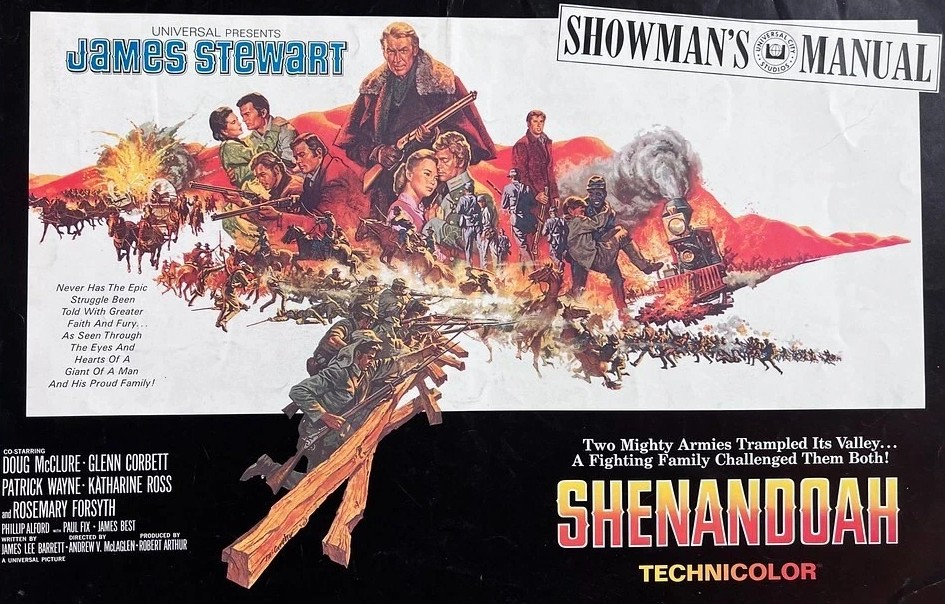
Bear in mind this is March 1967, so it gives an idea of how far down the queue such cinemas were in the food release chain. Khartoum opened in the United States in June 1966, as did Hold On! with Torn Curtain a month later. The Great Race, The Yellow Rolls-Royce and Baby, the Rain Must Fall dated back to 1965, Flipper to 1963. The Singing Nun opened in April 1966, Nevada Smith the following month. Spinout (three months) and Alvarez Kelly (six months) endured the shortest wait, How the West Was Won the longest, around four years.

SOURCE: Box Office, March 13, 1967, p42.

The Christophers (2026) ***

Britain has an unusually large quota of national treasures in the acting department. Manage to put the ageing Judi Dench, Helen Mirren, or Ian McKellen (Meryl Streep would be the only American contender and look at how she’s been re-born at the box office in The Devil Wears Prada 2)) in front of a camera and you’re pretty much guaranteed funding, media interest and at least an arthouse-style release. But given the dearth of interesting pictures – even though we are apparently in the midst of a mini-boom – such movies are just as likely to run up at your local multiplex and might even be given an advance screening – a “secret screening” was where I came upon this.

I’m a big fan of films about artists of all kinds, writers, musicians but especially the artists who paint – La Belle Noiseuse a big favorite as is Red (2018) – so I didn’t expect a picture where there’s no virtually no painting.  

The beauty of this is its main drawback. Ian McKellen gets to talk – and talk and talk  instead paint, and paint and paint. There’s hardly an actor alive who can hold the screen so well just by talking. And I suspect the Oscars will come calling. So it makes sense I would guess to just let him do that. It would be a two-hander except most of what Lori Butler (Michaela Coel) does is listen, her main task at the beginning to pick him up on lapses of modern etiquette, even though he’s gay he’s still not allowed to lounge around with his pyjama top open, reminded of the power dynamics of employment etc etc. But fair’s fair, when she does get to talk, she’s also allocated a lengthy monologue – and the only one that’s actually about the process of painting. The plot matters a lot less.

So, like Tar (2022), this has a lot to say about art and only latterly about how art infuses the emotions.

This would have been better if it had followed a simpler narrative instead of saddling the plot with Julian’s inane greedy children Barnaby (James Corden) and Sallie (Jessica Gunning) who have roped in penniless forger Lori to complete a set of famously unfinished portraits – “The Christophers”. But the sub-plot sets off too much improbability not to mention terrible acting.

It would have been better from the outset to set up what eventually takes place anyway, that somehow the presence of Lori inspires Julian to take up his brush again.

Most of Lori’s character, beyond being a poster person for woke sensibilities, is backstory. She was inspired to become an artist after seeing one of Julian’s most renowned works, “Boy Under a Cloud,” completed when he was only six. But then her confidence was destroyed when in some bizarre version of a television art talent contest her work is derided by Julian. Quite why she took to forgery is unclear and even less obvious is why she failed at that given she’s working shifts in a food truck.

There are some interesting nods to social media. Julian keeps the wolf from the door by despatching birthday greetings electronically and by delving into the internet finds out more about Lori than she wishes to reveal, including that she has excoriated his work. There’s not enough of the cut-and-thrust – think the play Art or even Sleuth (1972) – necessary to make this fly, although there are enough twists of a minor nature to keep it afloat.

But given that the wokeness has been a key element of the sorry it’s a shame it suddenly resorts to sentimentality including Lori giving Julian the kind of almighty hug that could have resulted in court proceedings had it been the other way. And even though the end has the kind of twist a film like this needs to survive, I wasn’t at all convinced that suddenly Lori had transformed herself into a multi-media artist given her work so far had been more straightforward.

Fans of Ian McKellen (The Critic, 2023) will revel in the latest in his series of louche characters, by virtue of age permitted to speak his mind without (as with the Meryl Streep character in The Devil Wears Prada 2) fear of censure. The frailties of old age are also to the fore. But given the lashings of dialog/monologue it’s worth noting that some of the best moments are devoid of  wordplay, facial expression carrying hidden emotion.

For all that we learn about Lori, her part is remarkably underwritten. Michaela Coel (Mother Mary, 2026) is a rising star so best to cut her some slack. But Jessica Gunning (Baby Reindeer, 2024) and James Corden (California Schemin’, 2025) are truly awful, their characters little more than cut-outs.

Director Steven Soderbergh (Black Bag, 2025) is still in his I’m-cleverer-than-you phase and seems to want to deny his intelligent audience the intelligence to pick holes in the absurd plot. The over-wordy script is written by Ed Solomon (Bill and Ted Face the Music, 2020).

Despite my gripes I did enjoy this, primarily for Ian McKellen rather than anything else who proves why, like Meryl Streep across the pond, he is to be accorded the elevated status of national treasure.

The Parallax View (1974) ****

The shocking ending ensures the need to re-evaluate everything you have seen. The middle film in Alan J. Pakula’s paranoia trilogy – after Klute (1971) with All the President’s Men (1976) to come – is a dark (in more ways than one) reflection in essence on the John F. Kennedy assassination. The superbly stylish, on occasion over-stylised, cinematography carries an undercurrent of fear.  

Ambitious reporter Joe (Warren Beatty) investigates the notion that too many witnesses, including ex-girlfriend Lee (Paula Prentiss), to a senatorial assassination have been dying. Joe’s boss Bill (Hume Cronyn), while turning up acceptable reasons for each death, reluctantly backs him. Other witnesses such as Tucker (William Daniels) have run for cover. But, as Joe soon discovers, nobody can hide forever.  

Joe’s initial foray leads him to a small-time small-town Sheriff Wicker (Kelly Thorsden) with an unexpectedly large bank balance and murderous intent. Finding a link to a mysterious company the Parallax Corporation, Joe takes a written psychometric test to become a potential recruit for a company that is seeking, apparently, to find the hidden talents of under-achievers. After preventing one attempt on the life of another senator (Charles Carroll), Joe realises Parallax will stop at nothing.

Effectively, it’s a straightforward private eye number, Joe moving from character to character, building up a case. But the way Pakula frames the film, peppered with unusual scenes, turns it into an exercise in tension. One of Joe’s contacts works in a lab that is trying to train chimpanzees to play video ping-pong. Another scene takes place, disconcertedly, on a miniature train. At times we can hear every word delivered, even with the camera far away from the speakers, other times we hear nothing. Ominous music appears sparingly. Every step Joe takes in solving the mystery pushes him further into a corporate heart of darkness.

Beatty in the bar he’s about to wreck after ordering a drink of milk.

Joe believes Parallax are recruiting assassins but in point of fact their aim is considerably more devious. And here I don’t see how I can avoid a SPOILER ALERT. Parallax already have their assassins on board. What they are looking for are dupes, a patsy to take the blame once the killing has been done.

So when you look back from the ending what you find is that the cocky reporter is in fact exactly the kind of under-achiever the Parallax web attracts. There’s no proof of Joe’s editorial pedigree. Bill can point to any number of stories where Joe got hold of the wrong end of the stick. And the audience can see for themselves that he’s not exactly a super-brain. Sure, he can easily, with the help of a psychiatrist, pass the psychometric test, but how is he going to fare when he is linked up to some kind of machine that measures his response to visual imagery?

And you have to wonder what kind of idiot gets on a plane he suspects has a bomb on board  instead of staying off the aircraft and making a phone call. Or how he managed, after surviving an explosion at sea, to swim several miles to shore and land on a beach without drawing attention to himself so that he can masquerade as a dead man.

There’s also a curious section where Joe triggers a fist fight that ends in a John Ford-style saloon-wrecking. After killing the suspicious sheriff and hijacking his car, Joe then, in true French Connection style, sparks a car chase, managing to evade his pursuers by (natch) jumping onto the back of a passing truck.

But for all these flaws, there is something hypnotic about the picture. A camera that moves with snail-like precision from extreme long shot to medium shot or close-up, a reining in of flamboyance in favor of discipline, and shadow given its biggest outing since the film noir golden era. Pakula was trying to make an obvious point about the shady authorities that exercise behind-the-scenes power. The government is either powerless or complicit, various hearings into assassinations discovering zilch. Paranoia is no less prevalent now, of course, but what makes the biggest impact is journalistic entitlement, the reporter who can change things because he is willing to go down those dark streets like an avenging angel, not realizing he is always going to one step behind.

Warren Beatty (Kaleidoscope, 1966) has lost all the acting tics, the mumbling and stuttering he used to inflict on a weaker director, and instead delivers a great performance. Which is just as well because it’s a one-man show. Paula Prentiss (Man’s Favorite Sport, 1964) barely appears before she’s bumped off. William Daniels (Two for the Road, 1967) eschews his normal harassed husband for a well-judged turn.     

David Giler (Aliens, 1986) and Lorenzo Semple Jr. (Three Days of the Condor, 1975) fashioned the screenplay form the novel by Loren Singer. Also worth a mention is the eerie score by Michael Small (Klute, 1971) who for a time was the go-to composer for paranoia pictures.

Blue (1968) *****

Easily the most underrated western of all time. Few people saw it on release and precious few since. If remembered at all, it’s for reasons of movie trivia. Robert Redford got into a legal fight with Paramount when he pulled out of the starring role. And it was what was being shot in the background of the Burt Reynolds movie Fade In (1968).

Decades before cultural appropriation was a major no-no, Americans didn’t take too kindly to Brits taking on top-billed roles in westerns. Audiences sniggered at Dirk Bogarde as a Mexican bandit in The Singer Not the Song (1960), John Mills proved an obstacle to audience acceptance of  Chuka (1967) and Shalako (1969) starring Sean Connery, the world’s biggest box office draw at the time, would become a huge flop Stateside.  

Yet there are some extraordinary moments here. Some, frankly, I’m astonished never rated a mention at the time nor since. The director’s use of natural sound is ground-breaking. For a start, there’s very little music, none of the triumphal brass that generally accompanies hordes of cowboys racing across plains. Often, here, all we get is hoofbeats. In terms of the aural Hitchcock would have applauded one scene, where a man is hunted through tall grass. All we hear is the crackling sound of the pursuers as they stalk him through the dried-out terrain.

Most times when in other films we see a bunch of cowboys charging along, it’s filmed from the front or the side. Reason being, shoot it from the back and you’ve got to deal with all the dust churned up by the hooves. Not so, here, bring on the dust. Let’s have something new.

There’s even a nod to The Searchers (1956), the famous doorway scenes, but here the main character is neither coming nor coming but cannot make up his mind whether to do either and so slouches against the doorframe.

The opening sequence is The Wild Bunch (1969) in reverse. It’s the good guys in the town, and the bandits who create the ambush and, minus Peckinpah’s obsession with bloodletting, treat their captives ever bit as brutally. Even here, there are two notable scenes. In the first, our hero Blue (Terence Stamp) has been sitting napping under his hat when a troop of Mexican soldiers arrive. Once they hunker down inside the saloon he throws a huge red scarf in the hair, signal to the watching bandits. Then, after the soldiers have been routed, and their leader is still trying to make a stand, Blue races up behind and whips away first his upraised gun, then his hat, then the man himself.

And these are not ordinary bandits. You might think they are given our post-action  introduction to them shows them whoring, gambling and fighting. But actually they are revolutionaries and leader Ortega (Ricardo Montalban) has a strategic brain and realizes that they have to take the fight across the river to the Americans – on their most important day of the year, July 4th, Independence Day – and get them so riled up they do something about the inequities in Mexico.

And he has his work cut out to rein in his rebellious son and the concerns raised by his number two that the life, hiding out in the hills and sleeping in caves, is losing its appeal to his followers. So, intelligent bandits.

The Americans might not be particularly bothered by their neighbors, but still they’ve got a stuffed mannikin hanging from a noose with the word “Greasers” written upon its chest. The bandits break up the party, rob the Yanks, but for some reason leave the enemy with all their weapons, allowing the farmers to form an immediate posse and set off in pursuit.

Blue is shot but makes his way to a farmhouse where, luckily for him, he is tended by farmer’s daughter Joanne (Joanna Pettet) whom he previously saved from rape. It’s a bit of a tip-off that the fugitive goes by the name Azul (the Spanish word for “blue”) to the Mexicans given, I’m assuming, all Mexicans are brown-eyed. So he must be an outlander. And so he is, brought up by the Mexican bandits.

At first he appears to be of the Clint Eastwood persuasion, monosyllabic to the point of dumbness, but, eventually, in a quite brilliant scene, forced to utter a word before Joanna cuts his throat with a razor, an idea that found its way, as I recall, into Alan Parker’s Mississippi Burning (1988).

And if ever action carries more meaning than words, it’s in the scene where Joanne discovers Blue has apparently fled only to spy him ploughing the fields. As you might expect, whether an American male or female is brought up by Native Americans (Hombre, 1967) or as here Mexicans, they find it hard to be accepted. The issue is forced upon his new countrymen when the bandits return, and Blue has to choose a side.

Blue was an orphan thanks to racism against his American parents when they settled in Mexico. And he suffers, unfairly you would say given he was born in the U.S., from racism again when he crosses the border.

The sex scene is brilliantly handled, relying both on sight and sound. It’s Joanna who has to instigate it, instinctively knowing that he won’t make any move in case it is wrongly interpreted. The father, noting her bedroom is empty, begins to walk along the corridor to Blue’s room. Hearing his footsteps, Joanna turns out the light. Seeing the light go out, the father retreats – on tiptoe.

There’s also the best demonstration of pistol shooting this side of Butch Cassidy and the Sundance Kid the following year. And without taking anything away from the Robert Redford scene, it’s remarkably similar.

And Blue proves himself to be a brilliant tactician. He sets up a stunning ambush and the bandits are slaughtered from both sides of the river when they attempt to cross. His leadership, unusually, sets up emotional issues. When Joanne reacts against this new tough side of him, it’s her father that calms her. But that isn’t the peach. Blue confesses that he enjoys killing, it “pleasures” him.

I’m afraid to say the ending of Butch Cassidy also has remarkable similarities to this. There it’s the freeze frame that encapsulates the death of the heroes. Here, the camera draws back and back into the sky as Joanne holds her dead lover in the river.

Terence Stamp (The Collector, 1965)  doesn’t quite have enough going on behind the eyes to become a top-class actor so sensibly director Silvio Narrazino (Georgy Girl, 1966) avoids going in too close on the baby blues and allows the actor freedom of movement to reveal his feelings, the slouching in the doorway one example, another being Blue’s slow realization that much of what he sees in the farmer’s house is familiar. Stamp acquits himself well in the action scenes.

But Joanna Pettet (The Best House in London, 1969) is the revelation. We’re quite used to spunky or feisty females in westerns. But I don’t think I’ve ever seen one who takes control with subtlety. Her father Doc Morton (Karl Malden) can’t get a word out of Blue no matter the threats uttered and violence threatened. But when Joanna takes up a cut-throat razor for the first time in her life and begins to trim his stubble, deliberately making a hash of it, that’s as novel a meet-cute as you’re going to find as well as one of the best definitions of female character that you’ll see in a western.

Written by Meade Roberts (The Stripper, 1963) and Ronald M. Cohen (The Good Guys and the Bad Guys, 1969).

One of the most stylish and innovative westerns you’ll ever see and you need to watch it with your ears attuned to sound.

A true find.

Della (1964) ***

At this point in her career Joan Crawford was more of a holy terror than a femme fatale. So audiences came at her movies expecting the worst even when she was still dolled up to the nines, hair coiffed within an inch of its life, outfits immaculate or someone would pay the price. Oddly enough, unlike most actresses of her generation, she had embraced age. Her hair was a solid grey, not an ounce of original color. So, given her propensity to tweaking her screen persona, expectation might be that on initial appearance she could still be more femme than fatale, only to later trap an unsuspecting victim.

The convoluted opening to this one is explained by it being a pilot for a television series that was never aired so the producers just pitched it out onto the cinema screen. It’s surprising it wasn’t picked up by a television network because the theme was one – family conflict in big business – that later made television studios absolute fortunes (Dallas etc) and retains a hold on the small screen today, witness Succession.

This autobiography left out the bits the media pounced upon in her daughter’s memoir Mommie Dearest published in 1978 and filmed in 1981 starring Faye Dunaway.

Once the narrative settles down it’s a twist on Wild River (1960),  the titular Della (Joan Crawford) appearing immoveable in the face on necessary community progress, and a hint of Mildred Pierce (1945) with an over-protective mother guarding daughter Jenny (Diane Baker) from potential suitor Barney Stafford (Paul Burke), an attorney. Jenny must be the only person in the annals of Hollywood who, shunning daylight, does not have a vampiric tendency.

Rich recluse Della owns most of the local town, but developers want to shake things up. In the past she had a fling with Barney’s father Hugh (Charles Bickford). At first she resists all moves by Barney who’s working for the developers but changes her tune when she notices how much Barney brings her daughter out of her shell. Eventually, we realize Jenny’s daylight intolerance is due to a rare skin condition.

The twin elements, the clash of big businesses and the nascent romance, would be enough fuel for this particular fire but given the movie did not originate as a feature film but as the first episode in a television series – to be called Royal Bay after the name of the town –  it was duty bound to rope in a lot of other characters, ignite various personality clashes, and feed the audience on other issues that would resolved further down the line.

Joan Crawford starred in “Rain” in 1932.

So, quickly, we learn that, tough as she is, Della is exceptionally vulnerable when it comes to her daughter and tough as Barney would like to be his business snse goes haywire after touching base with Jenny. Della’s skirmishes with Barney are old-school, but the holy terror part is kept to a minimum, while if the femme fatale appears at all it’s only to hook Barney to care for her daughter.

Naturally, not much goes to plan. Della can’t control her daughter once romance enters her head, nor can she put the squeeze on Barney. But, for his part, the attorney thinks he’s smarter than he is and miscalculates just how right the mother is in protecting the daughter from herself. Once Jenny rebels, there’s tragic consequence.

Top Hollywood female stars hadn’t imposed themselves on television yet. Barbara Stanwyck’s sojourn as the matriarch in The Big Valley was still a year off and although Lucille Ball turned into a television entrepreneur of considerable note (producing a bunch of major series apart from I Love Lucy) she did not have the movie marquee stature of Crawford. How much Crawford would have featured in further episodes is unclear but a running battle between herself and Barney, who she was likely to blame for her daughter’s death, would be standard material for such soaps.

Joan Crawford (Whatever Happened to Baby Jane, 1962) is in her element, serving up a ruthless operator with a softer side. Paul Burke (Daddy’s Gone A-Hunting, 1969) lacks the screen persona to take her on while veteran Charles Bickford (A Big Hand for the Little Lady, 1966) doesn’t get to tangle with her often enough. Hitchcock protege Diane Baker (Mirage, 1965) continues to show promise.

Directed by Robert Gist (An American Dream / See You in Hell, Darling, 1966) does better with Crawford than the rest of the cast. Written by Richard Alan Simmons (Juggernaut, 1974).

It’s lean on the running time but Crawford is worth it.

Battle of the Bulge (1965) ***** – Seen at the Cinema in Cinerama and 70mm

Cinerama was the IMAX of the day and far superior in my view in many aspects not least the width of the screen. IMAX goes for height but I’m not convinced that compensates for lack of the widest screen you could imagine. So the chance of seeing this in the original Cinerama print, 70mm and six-track stereo, at the annual Bradford Widescreen Festival yesterday was too good to miss. And so it proved. A thundering experience. Much as I enjoyed it on DVD, this was elevated way beyond expectation.

Superb even-handed depiction of war, far better than I remembered. Most war films of this era and even beyond showed the action primarily from the view of the Americans/British – even the acclaimed The Deer Hunter (1978) and Apocalypse Now (1979) show nothing of the skills of the Vietnam forces that would prove victorious. And while The Longest Day (1962) shows reaction to the invasion, the Germans are revealed as caught on the hop. Given the basis for this picture is the unexpected German offensive in the Ardennes, France, in December-January 1944-1945, you might expect the Germans to be accorded some attention. But hardly, given as much of the picture as this, so that in the early stages the Germans are portrayed as powerful, clever and patriotic while the Americans are slovenly and complacent, their greatest efforts expended on preparing for Xmas.

With tanks the main military focus, Cinerama is deployed brilliantly, the ultra-wide screen especially useful as the unstoppable vehicles rampage through forests and land and allowing true audience involvement when opposing armies meet head-to-head. Of course, it being Cinerama, there are a couple of scenes that play to the strength of this particular screen, a car careening round bends and a train racing along twisting tracks, the kind of scenes that previously would have had the audiences out of their seats with excitement, but here mainly used to raise the tension in the battle.

It’s to the film’s benefit that the all-star cast doesn’t feature a single actor who is truly a star in the John Wayne/Gregory Peck/Steve McQueen mould so that prevents the audience rubbernecking to spot-a-star that afflicted The Longest Day. The biggest name, technically, is Henry Fonda, and although he received top billing in many pictures, you would have to go back to The Wrong Man (1956) to find an actual box office hit. The only previous top billing for Robert Shaw (From Russia with Love, 1963) had been in The Luck of Ginger Coffey (1964), a flop few had seen. And the top-billing days of Robert Ryan (Horizons West, 1952) and Dana Andrews (Laura, 1944). In fact, the actor with the biggest string of hits was Disney protégé James MacArthur (Swiss Family Robinson, 1960). Anybody who had seen The Magnificent Seven (1960) and The Great Escape (1963) would recognise Charles Bronson in a supporting role. So fair is the movie that it’s the blond-haired Shaw who steals the show with a dynamic performance.

So it helped the almost documentary-style of the film that it was filled with familiar faces rather than dominant stars and the director was not bound to give a star more screen time or provide them with one brilliant scene after another, or establish a redundant love story in order to provide them with more emotional heft. In fact, the only romance goes to a sly black marketeer who views his relationship more as a business asset.

Initially, the role of Lt. Col. Kiley (Henry Fonda), a former cop, seems only to be to rile his superiors General Grey (Robert Ryan) and Colonel Pritchard (Dana Andrews), his pessimistic view contrasting with the accepted notion that the Germans are well and truly defeated and the war would be over soon. On airplane reconnaissance he takes a photograph of an officer later identified as Panzer tank genius Colonel Hessler (Robert Shaw). While Grey and Pritchard over-ride his conclusions, the movie concentrates on the German build-up, their discipline, efficiency, leadership and determination juxtaposed to the American inefficiency and sloppiness.

Where the Americans just want to get home, Hessler – more charismatic than any of the dull Yanks – is in his element, wanting the war to never end, convinced at least that a tank-driven assault would drive a wedge between the Allied forces, and reaching the target Antwerp in Belgium in the north would extend the war by another year by which time Germany’s V2 rockets would give them greater firepower. The Germans also have a clever idea, the type that the British were always coming up with and would make a film of its own, of parachuting American-born Germans behind enemy lines, dressed in American uniforms to carry out vital sabotage and hold crucial bridges across the River Meuse.

In one of the best scenes in the film, his tank commanders spurt spontaneously into a patriotic song with much stamping of boots. And while Hessler’s immediate superior (Werner Peters) , ensconced in a superior bunker, can enjoy a comfortable lifestyle, no more illustrated by the fact that he has courtesans to hand, one of whom, offered to Hessler, is furiously dismissed. And the clock is ticking, the Germans have limited supplies of fuel and must reach the enemy’s supply dumps before they run out of gas.

The maverick Kiley manages to be everywhere – the River Meuse bridge, in the air in the fog determinedly hunting for the panzers he believes are hidden, is the one who realises how critical the fuel situation is for the enemy, and at the fuel depot for the movie climax. Otherwise, the picture uses its cast of supporting characters to cover other incidents, the massacre of prisoners of war at Malmedy, the chaos  as the Germans over-run American-held towns.

Best of all is the human element. It would be easy on a picture of this scope to lose emotional connection, as you would say was the prime flaw of The Longest Day. Not only is Kiley the outsider trying to beat the system, but we have the cowardly Lt Weaver (James MacArthur) who would rather give up without a fight than lose his life, the weaselly Sgt. Guffy (Telly Savalas) representing the worst instincts of the grunts, the confused General Grey can’t make up his mind how to respond to the sudden attack, and Hessler’s driver   Conrad (Hans Christian Blech) who is fed up with paying the price of war.

The action scenes are outstanding. If you’ve never been up against a tank in full flight, you will soon get the idea how fearsome these metal battering rams are, as the rear up, crash over trees, race across open fields, and either with machine gun or shells wreak havoc. As with the best war films, you are given very precise insights into the battles, the tactics involved, the ultimate cost. Wolenski (Charles Bronson) is in the thick of the fighting.  

While Robert Shaw is easily the biggest screen personality, Henry Fonda is solid, and holds the various strands of the picture together, while Charles Bronson enjoys a further scene-stealing role. But the pick of the acting, mostly thanks to bits of improvisation, is Telly Savalas (The Slender Thread, 1965) as the thieving Guffy. In one memorable scene he kicks out in resentment at his collection of hens and in another shakes his body at the tanks. No one else, beyond Shaw, comes close to his infusing his character with elements of individual personality.

Pier Angeli (Sodom and Gomorrah, 1962) as Guffy’s mistress and Barbara Werle (Krakatoa, East of Java, 1968) as the courtesan are inexplicably billed above Charles Bronson, Telly Savalas and James MacArthur perhaps in a ploy to deceive audiences into thinking there was more female involvement.

Full marks to British director Ken Annakin (The Biggest Bundle of Them All, 1968) for visual acumen and for simplifying a complicated story and peppering it with human detail. His battles scenes are among the best ever filmed. Credit for whittling down the story into a manageable chunk goes to Philip Yordan (The Fall of the Roman Empire, 1964), Milton Sperling (The Bramble Bush, 1960) and John Melson (Four Nights of the Full Moon, 1963).

A genuine classic, with greater depth than I ever remembered.

Murder in Eden (1961) ***

Had there been the budget to spare for more stylish cinematography and a director more inclined to tip the wink to the audience, this would have been recognized as a late addition to film noir. As it is, thanks to keeping the viewer largely in the dark, there’s an almighty twist at the end that aficionados of the unexpected climax would relish.

Although aficionados of another kind might have been happy to sit through a less-well-worked thriller for the sake of watching a “bubble car” in all its glory. In some eyes, the three-wheeler Italian-made Isetta should take center stage. Or you might consider an early appearance by Irish actor Ray McAnally (My Left Foot, 1990) an extra bonus.

The Isetta bubble car.

An investigation revolving round art forgery might seem initially less than an interesting starting point. But when the expert who pointed out the forgery is bumped off and Inspector Sharkey (Ray McAnally) is called in, the investigation seems to take second place to his budding romance with French journalist Genevieve (Catherine Feller) especially after a meet-cute where she, literally, falls into his arms.

Suspicion falls upon gallery owner Arnold Woolf (Mark Singleton), art dealer Bill Robson (Jack Aranson) and paintings restorer Michael Lucas (Norman Rodway). A fellow called Frenchman Jack (Noel Sheridan) might also have made it onto the suspect short list except he is murdered.

Sharkey isn’t much of an ace detective and the investigation plods along except to throw out the occasional red herring. Director Max Varnel (A Question of Suspense, 1961) spends most of the picture keeping his powder dry. Much of what we learn seems incidental.

So what if Arnold’s glamorous wife Vicky (Yvonne Buckingham) is having a fling with Lucas? So what if Genevieve seems a shade too industrious for a journalist working for a newspaper whose trademark is soft features about the rich, famous and glamorous? So what if this looks like a plan to stitch up and bankrupt Arnold? And what are we to make of what might these days be called a “panic room,” a secret part of a house hidden behind a two-way mirror?

When the denouement comes it looks like Varnel has sold us short, kept us out of the loop about what’s been going on behind the scenes when Genevieve is revealed not just as a femme fatale but a dupe herself. The last five minutes is a story all by itself, of betrayal, lust and revenge.

It’s one of these films where at the end you look back and think it was much better than you imagined and the director has been too slick for you.

Especially as there’s been a certain innocence about the proceedings. Although the background, as we eventually discover, is decidedly murky, this appears to take place in a world where upright cops don’t just jump into bed with seductive Frenchwomen but have to go about wooing her the old-fashioned way.

Ray McAnally, who in his later screen persona, was a much tougher character, comes over as a juvenile lead, a rising star in an era that was full of them. The gravitas that was later a significant part of his onscreen presence is nowhere in evidence and in stringing him along Catherine Feller (Waltz of the Toreadors, 1962) is not permitted to be as seductive as she is later revealed to be while the role of Yvonne Buckingham (The Christine Keeler Story, 1963) appears to have been edited down so as to not give the game away.

The bubble car looks like it’s been included as product placement. You enter it from the front, literally peeling back the entire front of the car, engine in the rear a la Volkswagen, and it can whiz into the tightest of parking spaces, never mind race along main road.

Written by John Haggarty (The Killer Likes Candy, 1968) and, in his sole screenplay, E.L. Burdon. Won’t take up much more than an hour of your time.

Another welcome contribution from the Renown B-picture crime portfolio which has found a home on Talking Pictures TV.

Discover WordPress

A daily selection of the best content published on WordPress, collected for you by humans who love to read.

The Atavist Magazine

by Brian Hannan

WordPress.com News

The latest news on WordPress.com and the WordPress community.