Two or Three Things You Don’t Know About Me

Two or three things you don’t know about me. Firstly, I run a second-hand bookshop in Paisley, Scotland, called Abbey Books. Secondly, I have a massive collection of movie posters, pressbooks, magazines and what-have-you. And, thirdly, I’ve connected these interests in an exhibition of movie memorabilia on the walls and bookcases of the shop.
1950 window card.

You’ll probably have seen my various Behind the Scenes articles on Pressbooks relating to a particular movie and perhaps not realized I was able to write it because I had the Pressbook (also known as a Exhibitor’ Campaign Manual) to hand. I’ve also got a stack of trade magazines which contain very rare material – ads that never saw the light of day in consumer magazines or newspapers, many of them pop-up, gatefolds or fold-outs.
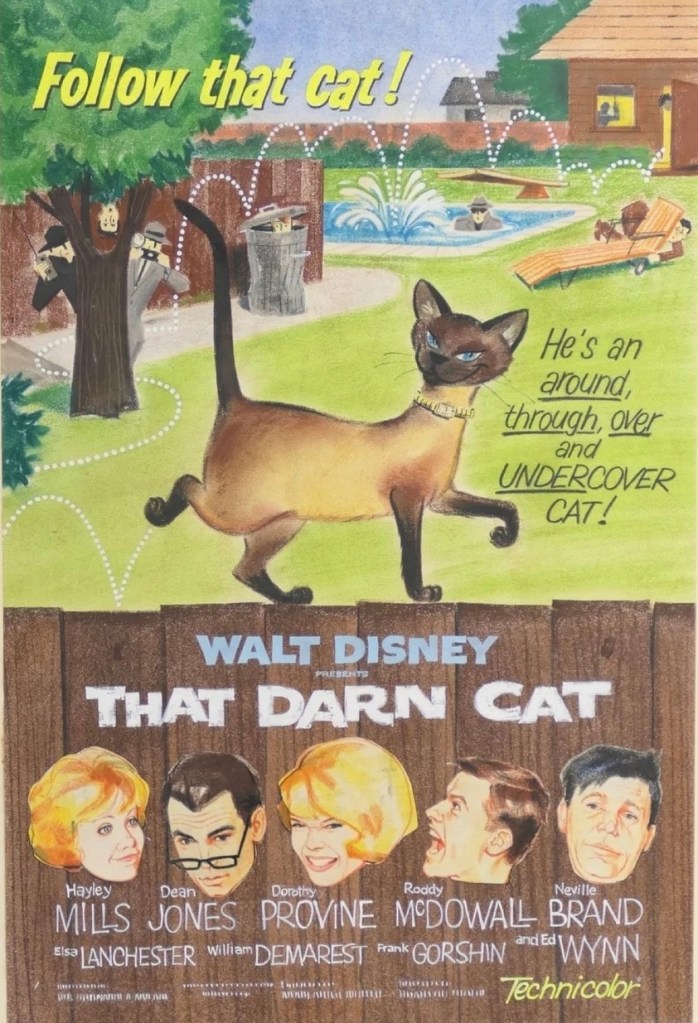
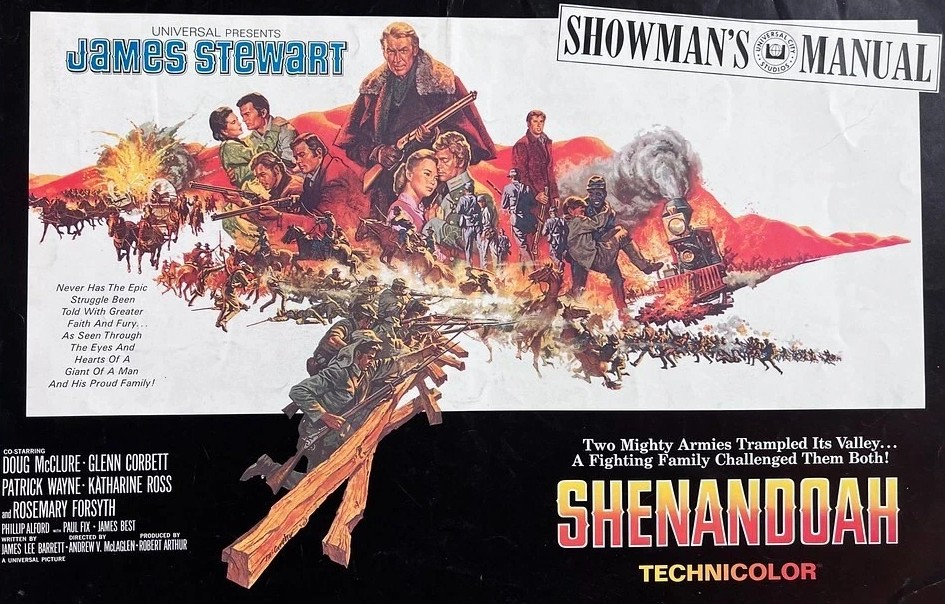
1965 insert poster.

My all-time favorite in that department is the four-page glossy pull-out teaser ad that ran in Box Office magazine in April 1977 that announced Close Encounters of the Third Kind would appear at Christmas 1977, unaware that by that point Star Wars would have rewritten the genre.
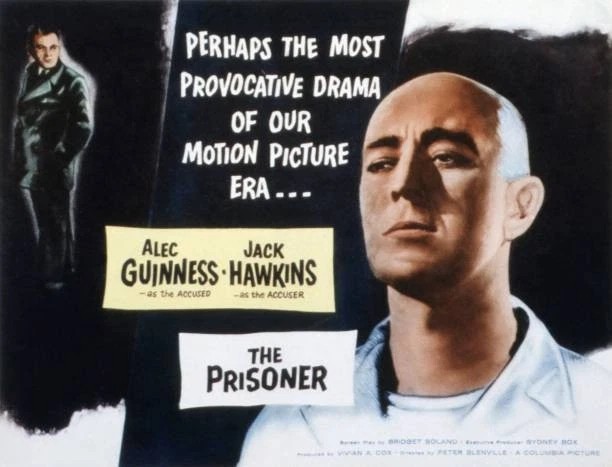
1955 quad poster.

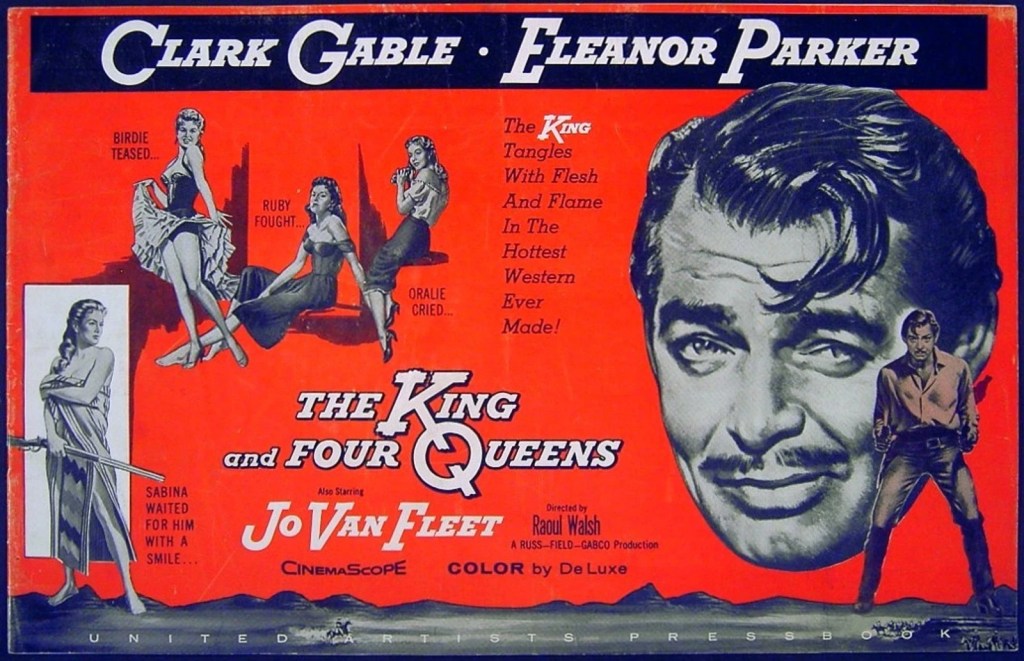
I’ve got quads (both vertical and horizontal), half-sheets, insert posters, heralds, window cards, stills, pressbooks, double-page spread trade mag ads and souvenir programmes. Among my magazine selections are Box Office, Motion Picture Herald, Kine Weekly, ABC Film Review, Films & Filming, Focus on Film, Cinema Retro, Sight and Sound, Star Wars magazine and books, Lord of the Rings magazines and various MCU and DC comics and graphic novels.
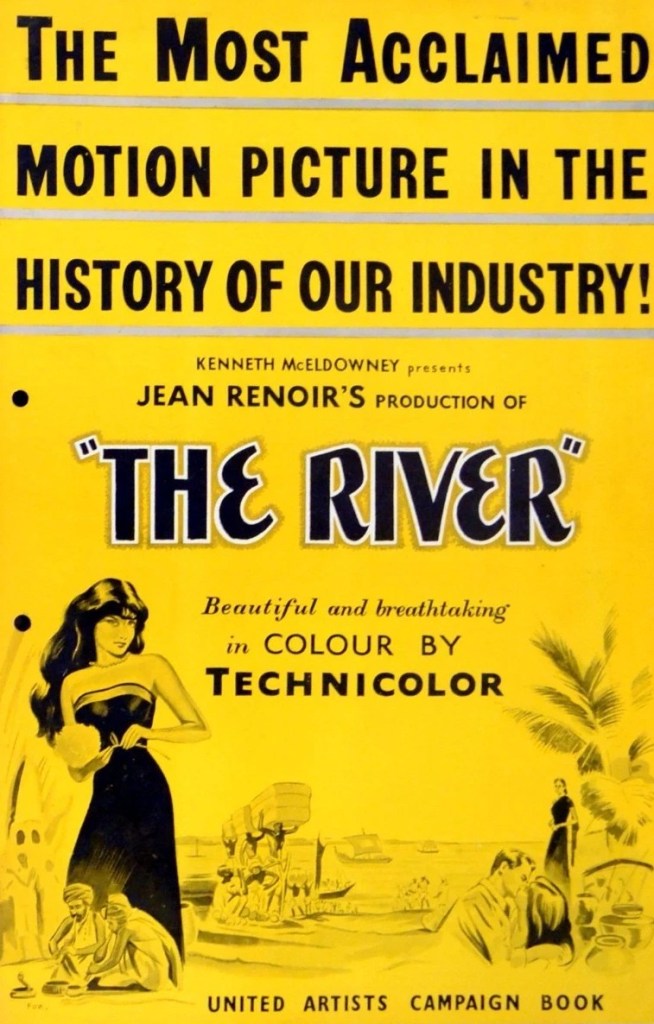
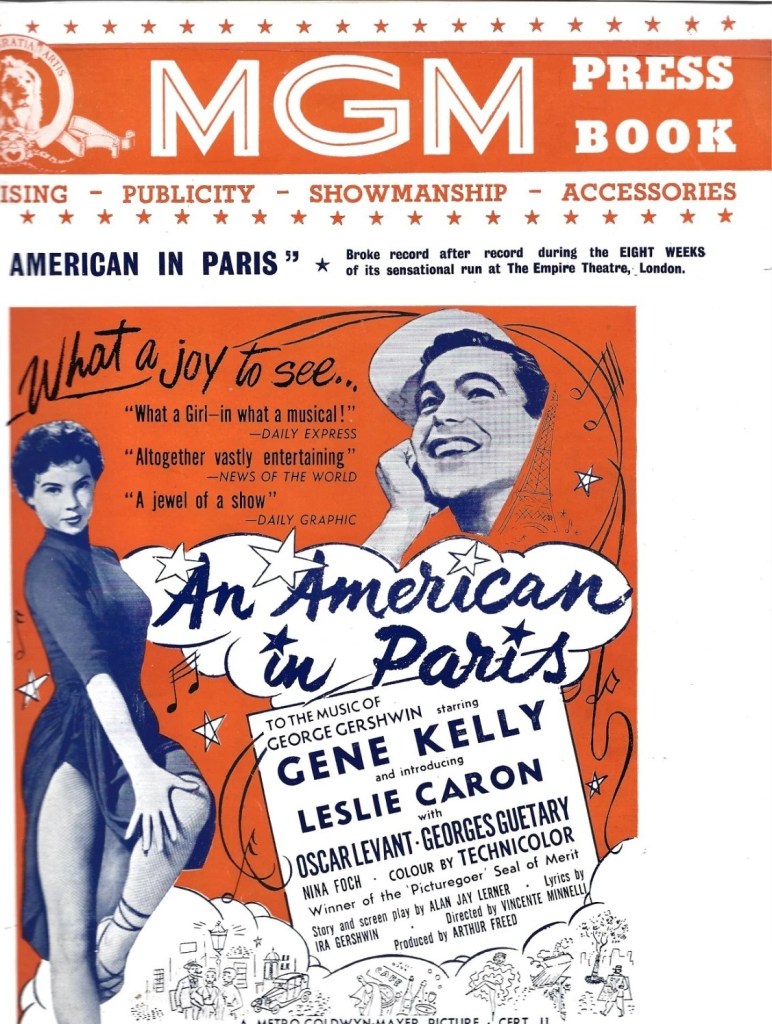
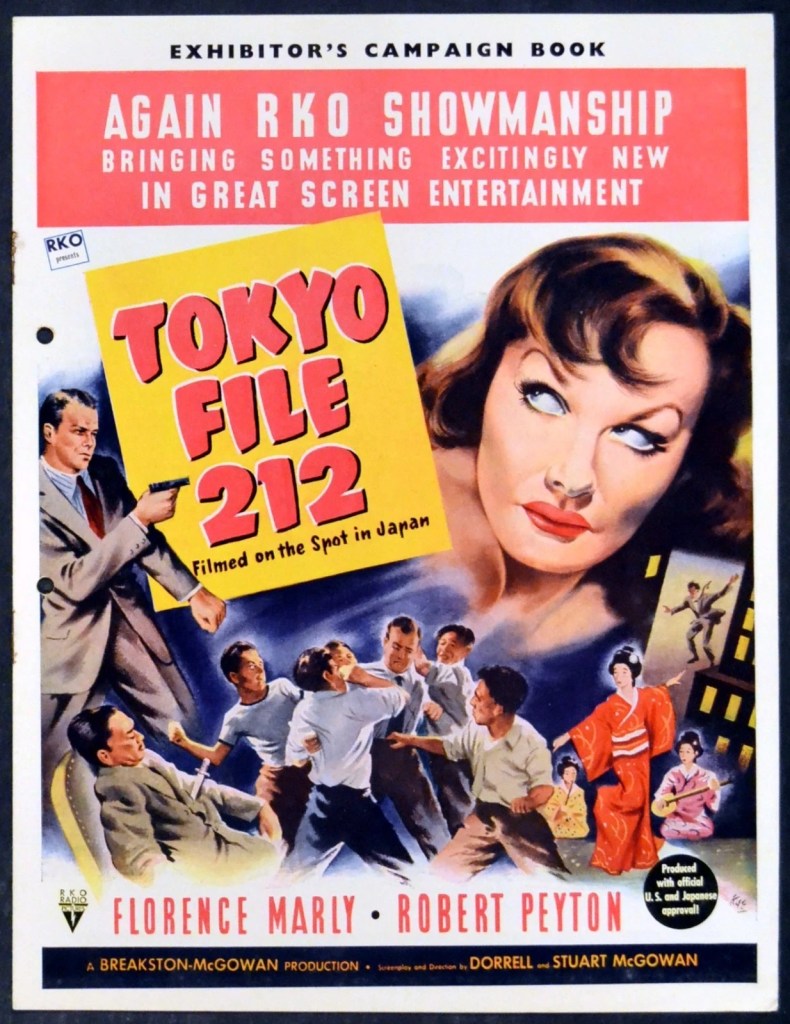
1951 Pressbook for Jean Renoir acclaimed picture.

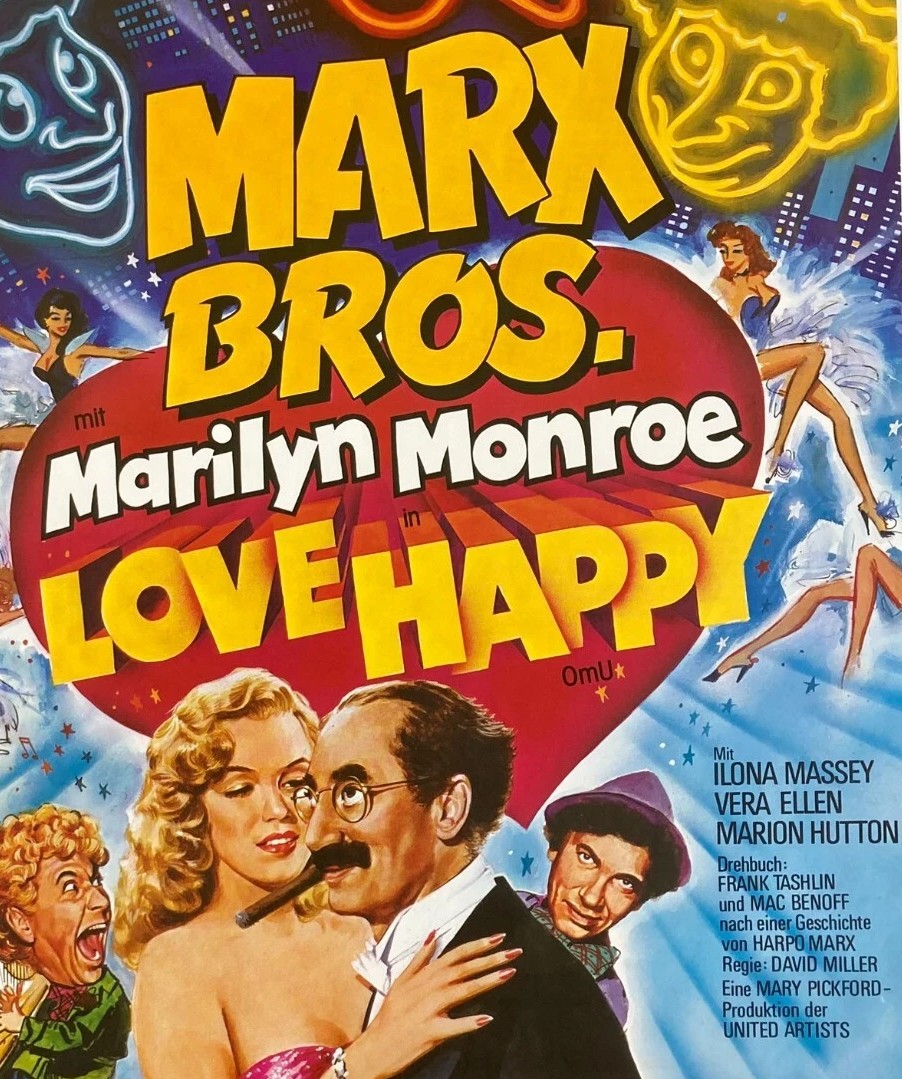
The exhibition covers the walls of the three rooms of the bookshop, so that’s around 12 walls of movie memorabilia. The oldest item is the Pressbook for Edward G. Robinson’s gangster picture Thunder in the City (1937). John Wayne in 1940 is represented by the insert poster for Dark Command and  window card for Seven Sinners with Marlene Dietrich. I’ve got a window card from For Whom the Bell Tolls (1943), the Pressbook for Love Happy (1949)  – Marilyn Monroe Meets The Marx Bros – and for the 1952 reissue of Hitchcock’s Rebecca, a half-sheet for The Rains of Ranchipur (1955) starring Lana Turner, and a quad for The Prisoner (1955) starring Alec Guinness.
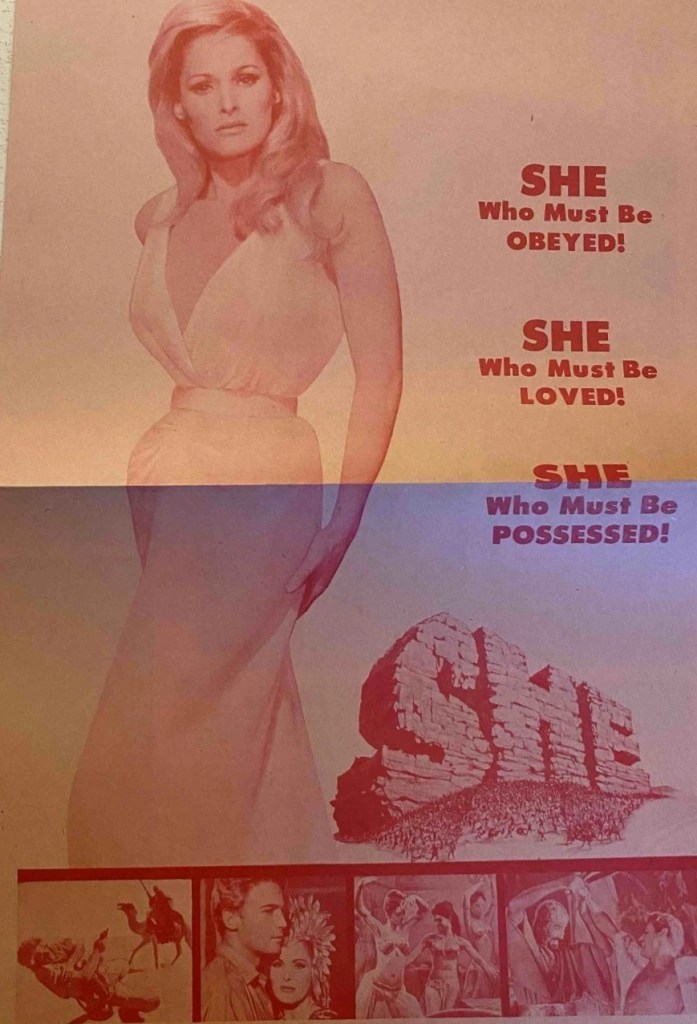
Four-page herald from 1965.

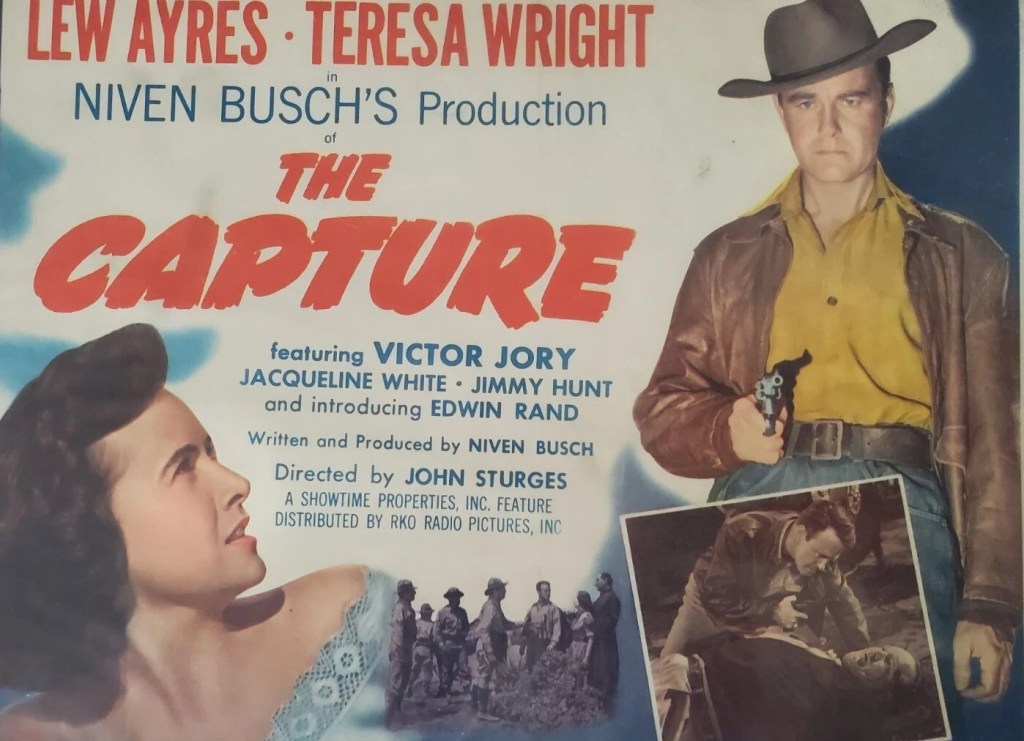
You might want to check out the Pressbook for Sudden Fear (1952) starring Joan Crawford  or Lady in Cement (1968) with Frank Sinatra tangling with Raquel Welch or window cards for another Gary Cooper effort Casanova Brown (1944) or Lew Ayres in early John Sturges western The Capture (1950). Or pressbooks for Dillinger (1973), The Female Bunch (1971), the original movie version of Westworld (1973), Clint Eastwood in The Beguiled (1971) and The Headless Ghost (1959).
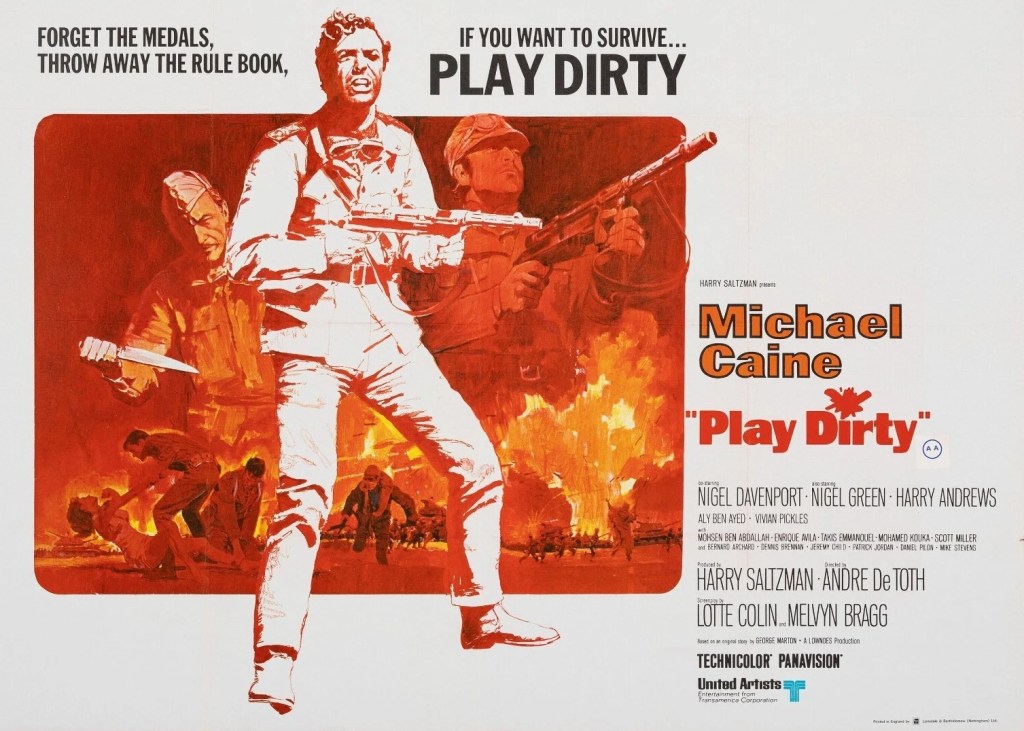
1968 quad poster

There also posters etc from Where Eagles Dare, She, War and Peace (1956), Bigger Than Life, Cat Ballou, That Darn Cat!, The Scalphunters, Marooned, Mackenna’s Gold, Lawrence of Arabia, Macao, Giant, Blindfold, Chinatown, Play Dirty, The Secret of Santa Vittoria, The Diary of Anne Frank, The Las Vegas Story, The Collector, Zulu Dawn, and so on and so on.
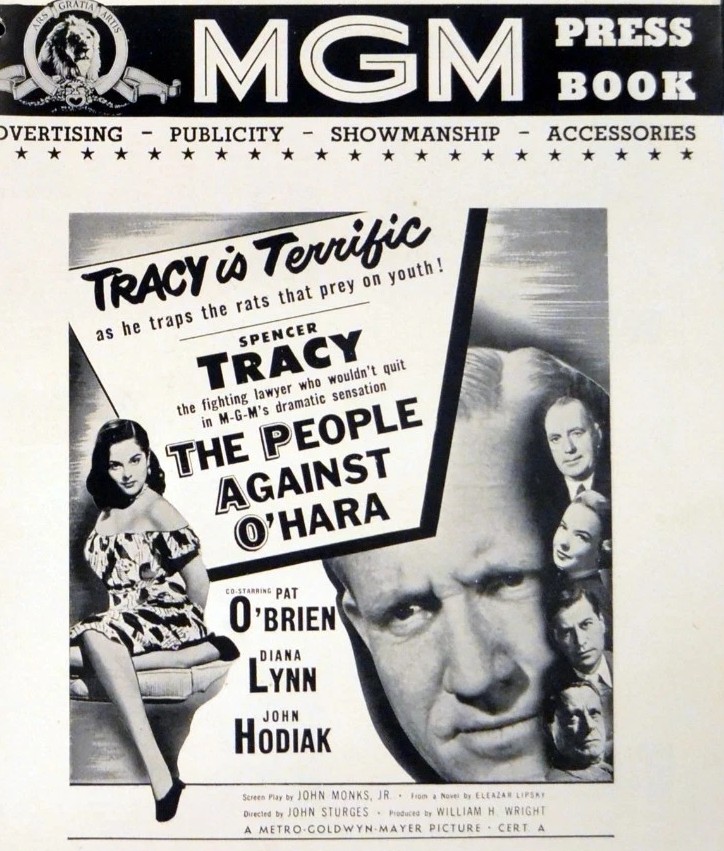
1951 Pressbook. Early film by John Sturges.

Among our selection of movie souvenir brochures are: The Guns of Navarone (1961), Lawrence of Arabia (1962), Isadora (1968), Paint Your Wagon (1969), El Cid (1961), The Agony and the Ecstasy (1965), Cleopatra (1963), Hawaii (1966), Cromwell (1970), Camelot (1967), Lord Jim (1965) and Far from the Madding Crowd (1967). I had imagined that souvenir brochures had disappeared at the end of the roadshow era but actually I have ones for The Horsemen (1971) and The Valachi Papers (1972).
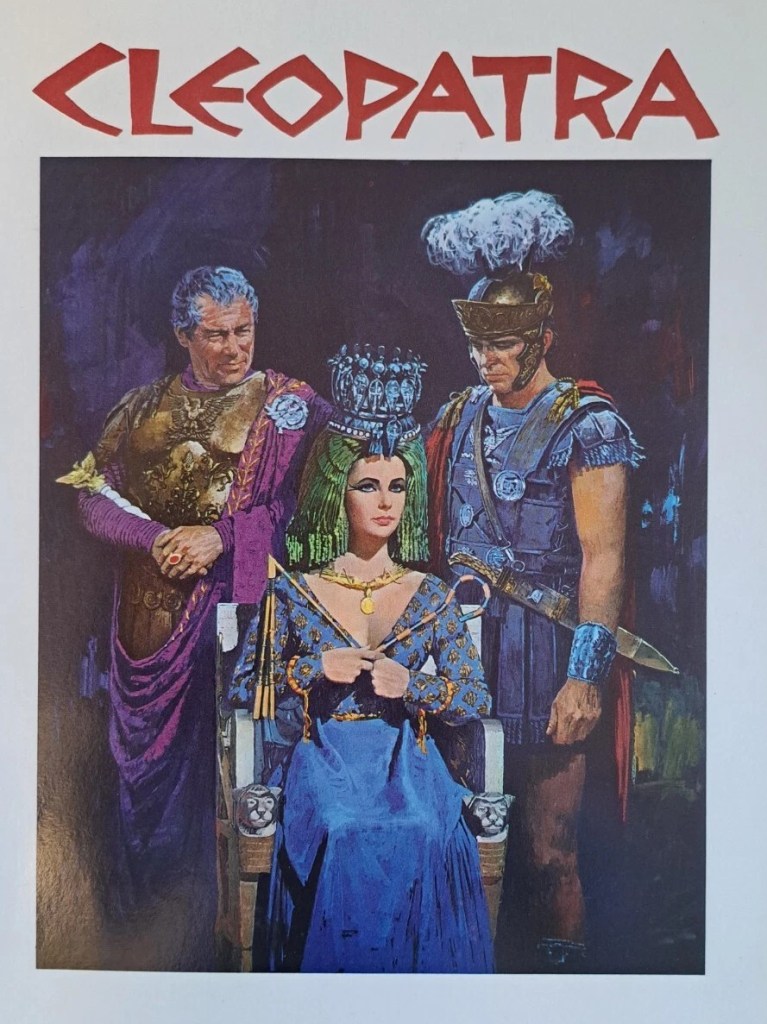
1963 souvenir brochure.

Famous illustrators featured throughout the collection include Tom Chantrell, Robert McGinnis and Howard Terpning.

As far as I can see there are precious few movie memorabilia shops left anywhere in the world. Most items are now sold online or at auction. So here’s a very rare chance to see these old posters and memorabilia relating to favored movies or ones that trigger a memory.
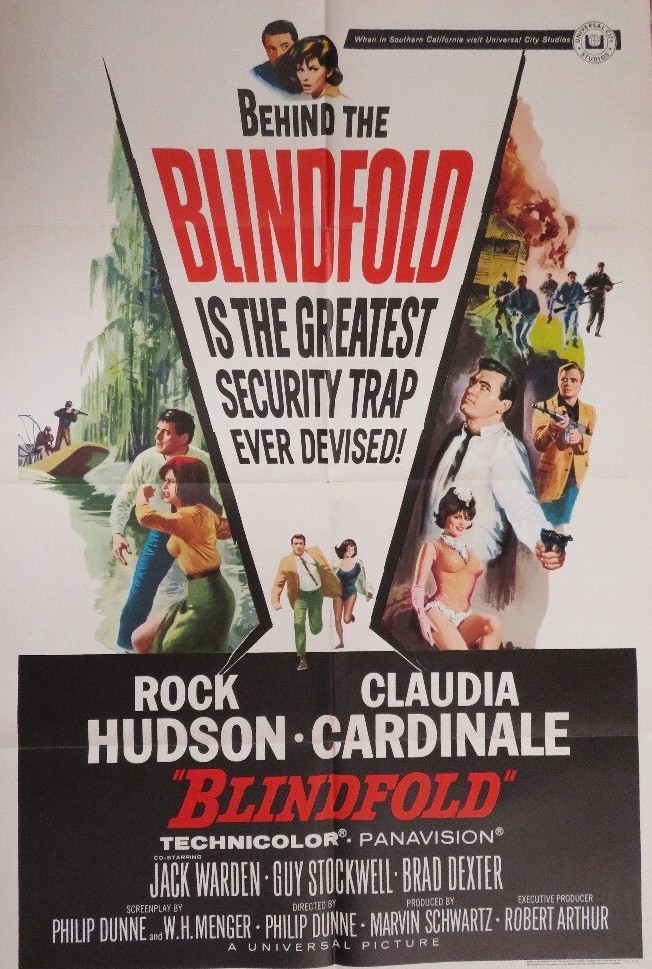
1966 insert poster.

Pop in and see the exhibition. Everything is for sale.

Abbey Books, 21 Wellmeadow St, Paisley PA1 2EF. Opening hours – Tue-Sat 10.15am-17.15pm.
1956 window card.
1951 Pressbook.
1965 A3 pressbook.
1951 Pressbook.

Don’t wait.

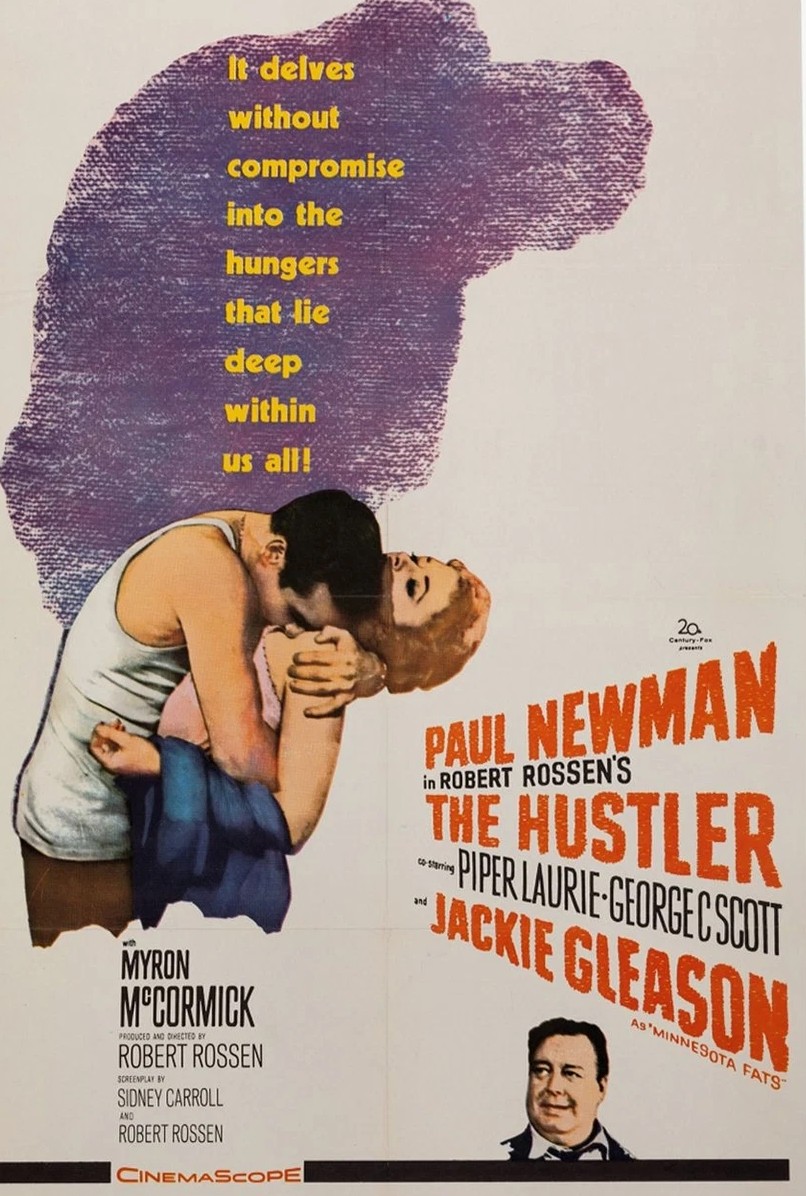
Behind the Scenes: Selling the New-Look Paul Newman – Pressbook for “The Hustler” (1961)

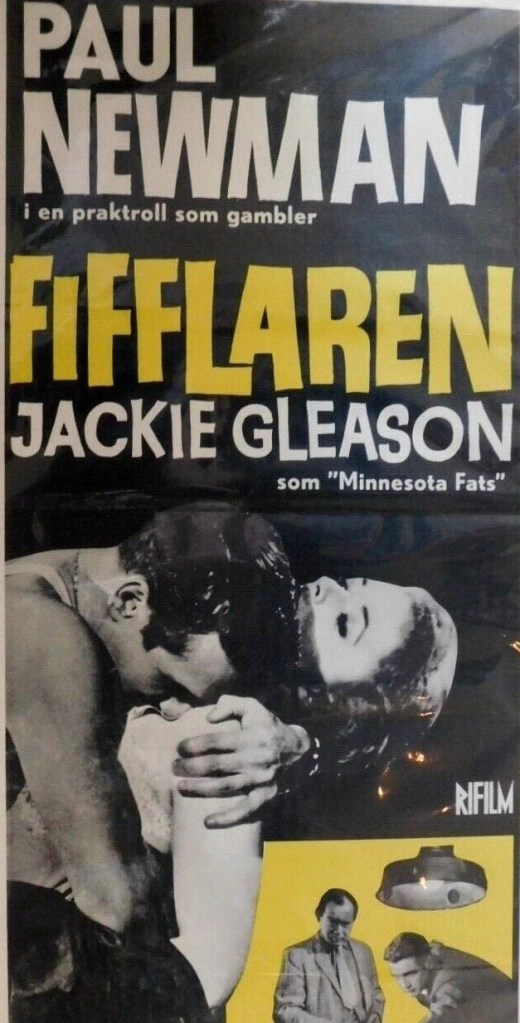
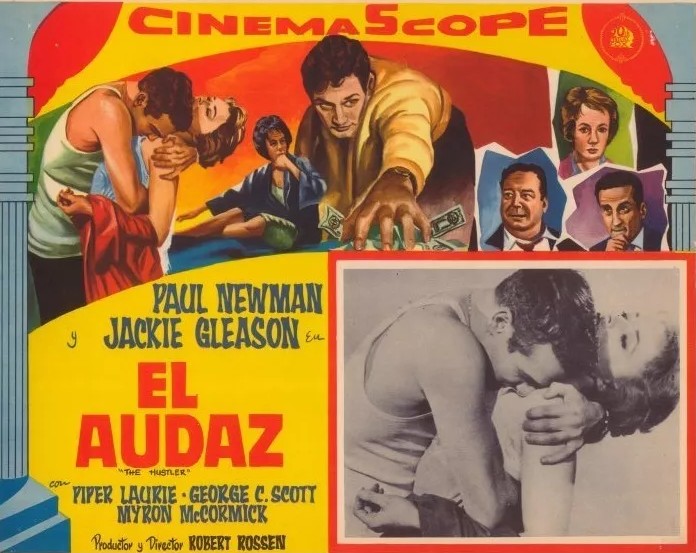
While Twentieth Century Fox head honcho Spyros Skouras initially balked at the title, with its connotations of prostitution, by the time the movie appeared that subject matter was less contentious thanks to critical and commercial big hitters Butterfield 8 (1960) and Never on Sunday (1960). Given that the idea of a movie set in a poolroom was going to be a hard sell to a female audience, despite the marquee lure of Paul Newman, the studio gave marketeers free rein to pitch it as a raw, sex-oriented drama.

There’s little sign of a pool cue in some of the artwork. Instead, we have Paul Newman lustily nuzzling Piper Laurie’s neck or bosom. The taglines promise something far removed from a sports picture.

“It probes the stranger…the pick up…the  savage realities,” screamed the main tagline. Another tempted with: “It delves without compromise into the inner loneliness and hunger that lie deep within us all!” In other words we’re talking about sex, not love, and casual sex at that, the world of the one-night stand between consenting adults for whom marriage is the last thing on their minds. “The word for Robert Rossen’s The Hustler is prim-i-tive” suggested out of control lust.

Fast Eddie Felson (Newman) has “the animal instinct.” Sarah (Piper Laurie) has a “bottle, two glasses and a man’s razor always in her room.” Bert (George C. Scott) is on the look-out for the “sucker to skin alive.”

Those images which did show a cue and pool balls did not suggest an august sport like football or baseball, not with a tagline like “he was a winner, he was a loser, he was a hustler.”

With such talented actors to hand, the Pressbook wasn’t short of good stories relating to the actual movie rather than the kind of snippets that might appeal to an editor on a slow news day. So we learn that Piper Laurie continually limped, Method-style, around on the set. “When I limp in the picture, I don’t want to act it. It’s something that has to be a part of me, something of which I am no longer conscious, apart from its being a physical defect. I must be able to limp as if I had a bad foot from birth.”

Laurie had made so few pictures that her name wouldn’t be on any director’s wanted list and what she was best known for – ingénue roles when a contract player for Universal (who gave out that she bathed in milk to keep her skin soft) opposite  the likes of Tony Curtis – wouldn’t have inspired confidence. Robert Rossen might well have spotted her in two Emmy-nominated performances in successive years including Days of Wine and Roses (1958), but instead said he remembered her for “a sensitive characterization” from a stage production of Rosemary.

Ames Billiards Academy had once been a Chinese restaurant so boasted a balcony. This was unseen in the picture but allowed director Robert Rossen to shoot from widely varied overhead angles. The crew took over the Manhattan Bus Terminal for a day and a night. A row of lunch booths was constructed in front of the existing lunch counter. “It looked so real,” we are told, “that passers-by sat down and waited for their orders to be taken.” A nice story, and the kind often furnished by Pressbook journos, but rather fanciful, since it would be obvious what with the crew milling around and the lights and cameras and miles of cable that this was a movie set with security posted to prevent trespassing.

Just how good a pool player was Jackie Gleason, who came to the picture with a reputation for handling a cue? Well, at one point, the affable television comedian with a top-rated show, potted 96 consecutive balls.

Paul Newman plays the iconic hero as a “figure cut from the fabric of our time.” He had a firm grasp of the character. “With him it’s a question of commitment. He is so wrapped up in his drive to win and be somebody that he has no time to give of himself that which others need. It is a disease of our time, both the ambition and the isolation. I want him to be understood.”

Needless to say there was no mention of author Walter Tevis. That wasn’t so unusual in the make-up of Pressbooks, but if the marketeers these days were looking for something to write about the eclectic Tevis would be prime. He followed up The Hustler, published in 1959, four years later with sci fi The Man Who Fell to Earth, filmed in 1976 with David Bowie. A sequel to The Hustler, The Color of Money, was directed in 1986 by Martin Scorsese with Newman reprising his role and managing Tom Cruise. Tevis also wrote The Queen’s Gambit, turned into an acclaimed television mini-series in 2020 with Anya Taylor-Joy.

Discover WordPress

A daily selection of the best content published on WordPress, collected for you by humans who love to read.

The Atavist Magazine

by Brian Hannan

WordPress.com News

The latest news on WordPress.com and the WordPress community.