I am a published author of books about film - over a dozen to my name, the latest being "When Women Ruled Hollywood." As the title of the blog suggests, this is a site devoted to movies of the 1960s but since I go to the movies twice a week - an old-fashioned double-bill of my own choosing - I might occasionally slip in a review of a contemporary picture.
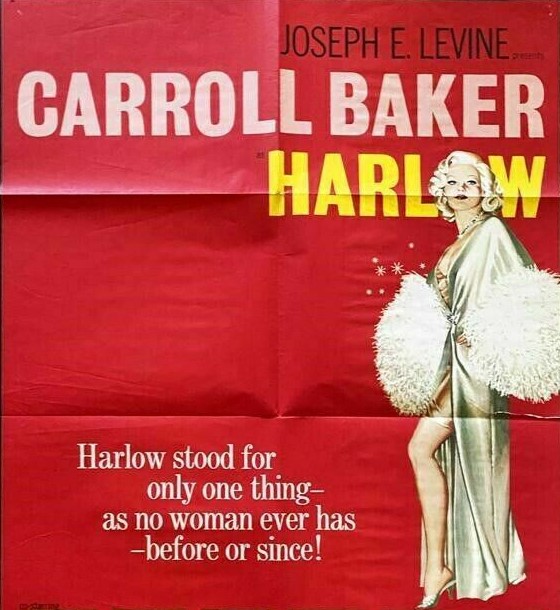
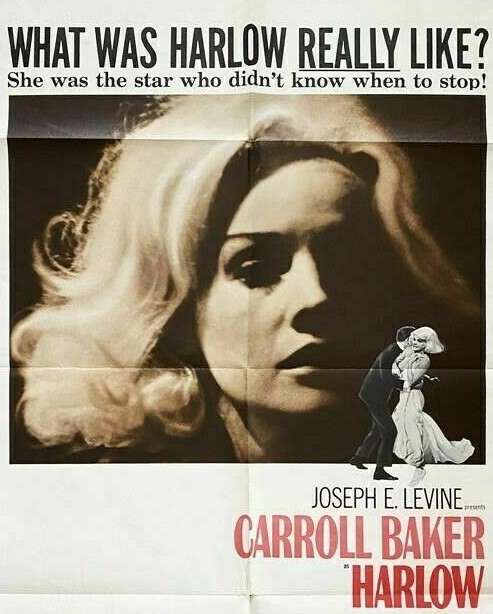
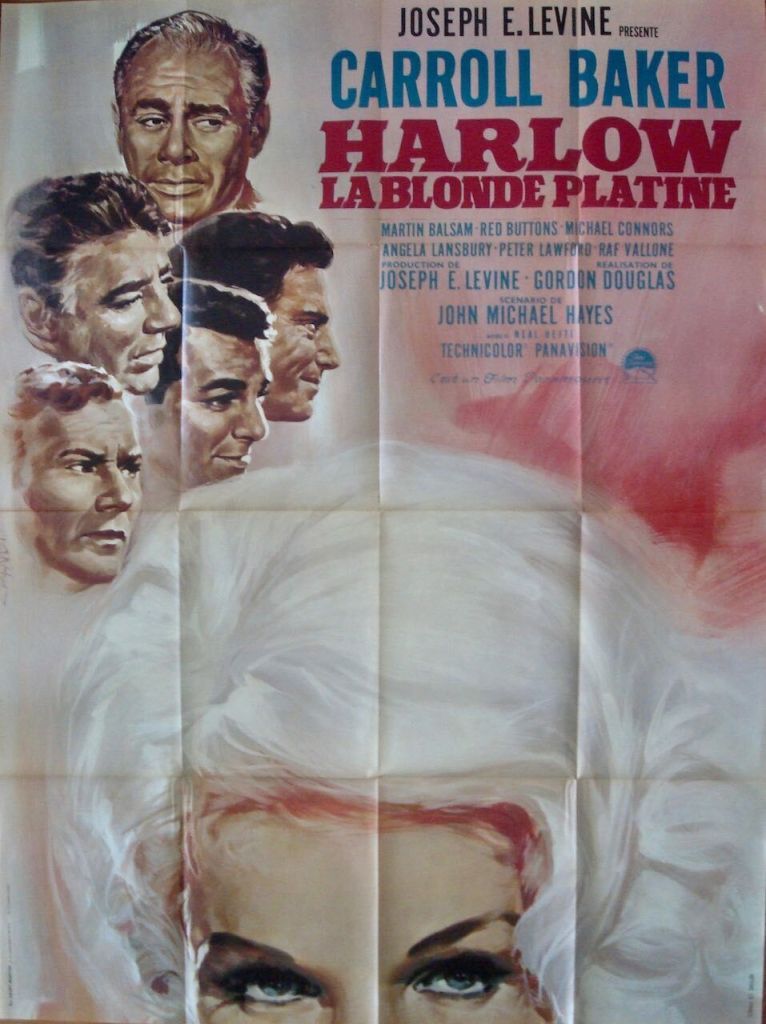
Harlow presents such a convincing picture of Hollywood abuse that I was astonished to discover that it was not entirely truthful where the title character was concerned.
Jean Harlow was a hugely popular star in the 1930s before her untimely death at the age of 36. This film depicts her as a virgin (not true) who turns neurotic (not true) after her impotent husband commits suicide (debatable) on their wedding night (not true) leading to her go off the rails and die from pneumonia (not true). But in terms of the Hollywood system a great deal rings true and if the Me Too movement had existed in the late 1920s the finger would be pointed at a huge number of men.
The film is at its best when dissecting the movie business. A five-minute opening sequence demonstrates its “factory” aspect as extras and bit players clock in, are given parts and shuffle through great barns to be clothed and made up, often to be discarded at the end of the process.
No sooner has this version of Jean Harlow (Carroll Baker) been given a small part than she encounters the casting couch, operated by a lowly assistant director, who bluntly offers five days’ work instead of one if she submits to his advances. When she turns him down, work is hard to come by and she resorts to stealing lunch before rescued by agent Arthur Landau (Red Buttons). After tiny parts that mostly consist of her losing her clothing, receiving pies or eggs in the face and displaying her wares in bathtubs, she geta a big break only for that producer to demand his pound of flesh – “I’ve already bought and paid for you.” Here she has “the body of a woman and the emotions of a child” and ends up choosing the wrong suitor which leads to a calamitous outcome.
However, the pressures of stardom are well-presented: she is the breadwinner for her unemployed mother Jean (Angela Lansbury) and lazy stepfather Marino (Raf Vallone) and soon box office dynamite for studio chief Everett (Martin Balsam) who sees in her the opportunity to sell good clean sex. The negotiations/bribery/blackmail involved in fixing salaries are also explored.
But the film earns negative points by mixing the real and the fictional. The agent and husband Paul Bern (Peter Lawford) existed but most of the others are invented or amalgamations of different people. MGM is represented as “Majestic” and among her films there is no Red Dust (1932) or China Seas (1935) but lurid inventions like Sin City.
Director Gordon Douglas was a versatile veteran, with over 90 films to his credit, from comedies Saps at Sea (1940) and Call Me Bwana (1963) to westerns The Iron Mistress (1952) and Rio Conchos (1964) and musicals Follow That Dream (1962) and dramas The Sins of Rachel Cade (1961) and Sylvia (1965) which also starred Baker. The opening scene apart, which is a seamless construction, he is adept at this kind of helter-skelter drama. John Michael Hayes (Rear Window, 1954) has produced a punchy script based on the book by Arthur Landau and Irving Shulman.
In the title role Carroll Baker (Sylvia) has probably never been better, comedian Red Buttons (Stagecoach, 1966) excellent in a straight role while the smarmy Raf Vallone (Nevada Smith, 1966) is the stand-out among an excellent supporting cast that also includes Angela Lansbury (In the Cool of the Day, 1963), Peter Lawford (Sylvia), Leslie Nielsen (Beau Geste, 1966), Martin Balsam (Seven Days in May, 1964) and Mike Connors (Stagecoach, 1966).
Except that virtually none of the movie is true, I would have given it four stars for its portrayal of Hollywood but I have come to expect that biopics, while moving facts around for dramatic purposes, are required to be good more faithful to their subjects than this.
So I’m going to start with a SPOILER ALERT. To give you a moment to digest that, I’m going to explain that if I included half points in my ratings system, this would be a three-and-a-half rather than a four. But it’s certainly better than a three, so it automatically becomes a four. Okay, now that we’ve got that out of the way let’s take the plunge.
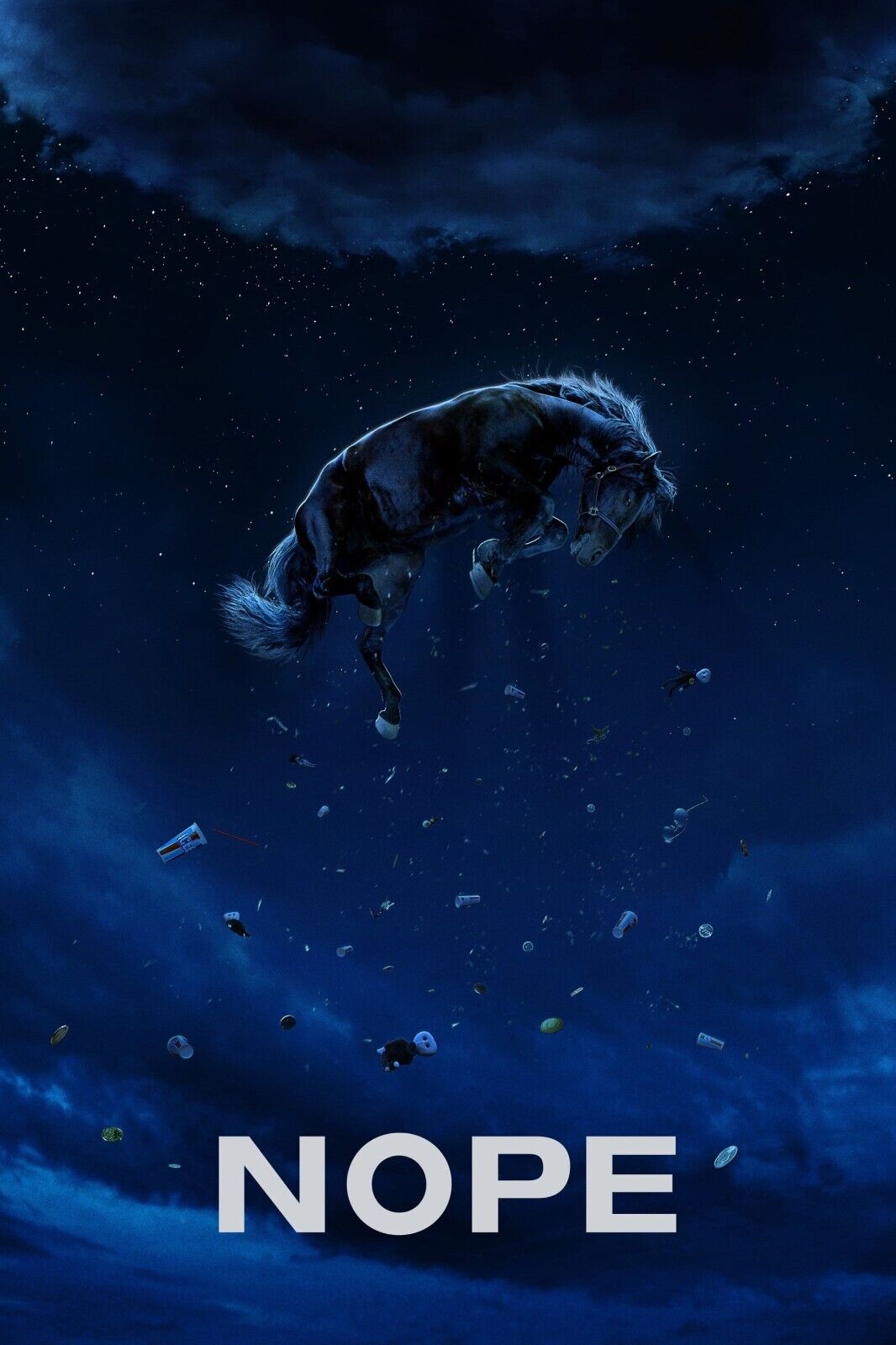
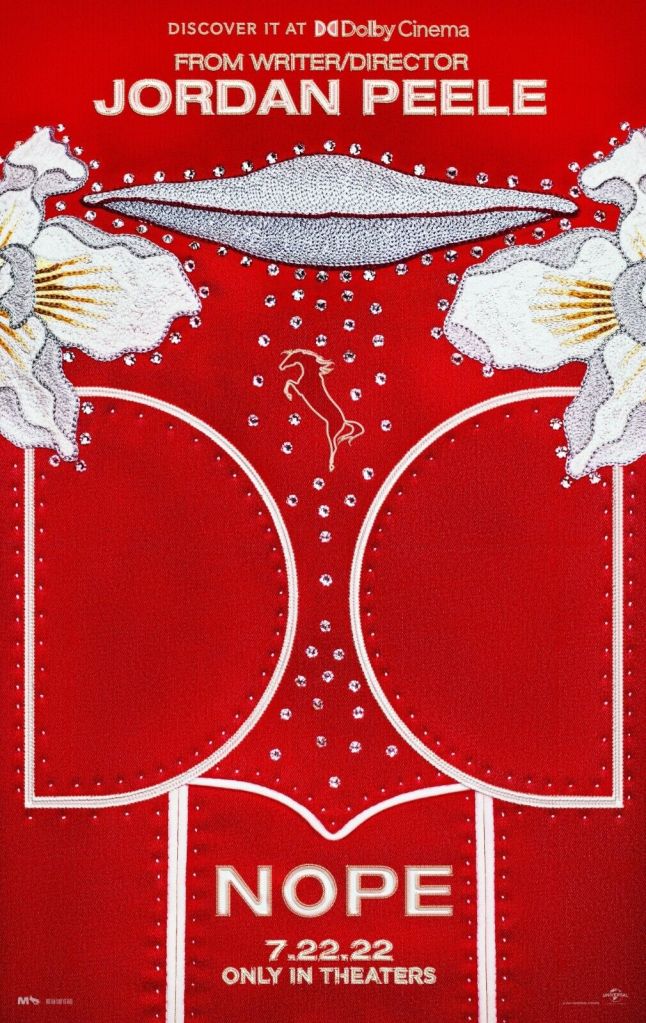
After a pretty good build-up, invoking elements of Close Encounters of the Third Kind (1977), Alien (1979) and, yes, Predator (1987), the mysterious spaceship goes from being a cloud that doesn’t move for six months to a flying saucer (yawn!) to a giant stetson with a hole in the middle to the kind of piratical sail that might have been shredded in a storm. And for an alien that’s flown a gazillion miles to get to this spot of wilderness, it’s pretty dumb, falling for the old trick of swallowing a balloon. Yep, didn’t make much sense to me neither.
But that’s most of the downside because it’s anchored by an absolutely outstanding performance from Daniel Kaluuya who is not far off being this generation’s Tom Hanks.
And there’s a lot of pretty neat stuff, a couple of sizzlers of a red herring, some clever moves at the end by our beleaguered team as they turn from hunted to hunters. And there a host of stunning images, blood drenching a house, a pig on a roof, the deflation of inflatable stick figures, a guy wrapping himself in barbed wire, a boy trapped under a table by a chimp terrorizing a television studio, a shoe that stands up on its end, a horse statue rammed through a windscreen, a bug on a camera that might just be the alien and innovative sound effects.
O.J. Haywood (Daniel Kaluuya) runs a ranch specializing in supplying horses for the movies. But it’s on its last legs after the mysterious death of his father (Keith David). He’s not helped by his sister Emerald (Keke Palmer), as wacky as he is sombre. Amateur Ufologist Angel (Brandon Perea) invites himself to the party while sometime cinematic genius Antlers (Michael Wincott) is a late recruit, but in the end a bit too close to the nutters atop skyscrapers in Independence Day (1996) desperate to welcome aliens.
It does veer too often from sci-fi to horror but instead of Spielbergian awe the characters, while intrigued by the prospect of aliens, are just as likely to be shit scared, too worried about consequence to actually come clean about what they may have witnessed. Emerald and Angel are the enthusiasts, OJ the naysayer. Turns out the sassy Emerald, prone to unearned self-importance and acting too often on whims, annoys the alien by planting in a field a statue of a horse, stolen from a Wild West tourist attraction run by Ricky Park (Steven Yeun), a one-time child television star. Turns out Ricky has the same sensitivity to the presence of the cloud as OJ but instead of leaving well alone plans to publicize its existence to help market his ailing venture.
I’m not sure where the rampaging chimpanzee fits into the equation since that incident occurred in 1998 and Ricky was the youngster hiding under the table.
But once the quartet turn their attention to attempting to lure the alien onto a camera, previous efforts ruined by the alien’s ability to knock out any electricity supply, it turns into quite a cinematic spectacle, the kind of equivalent to Apollo 13 (1995) or The Martian (2015) where survivors of catastrophe have to come up with ideas out of left field.
Adding a bit of spice surprisingly enough is some interesting comedy, OJ and Emerald rubbing each other up the wrong way, Angel complaining of being dumped by a model-turned-actress, and some deadpan one-liners.
There’s a certainly a welcome freshness in terms of the characters, all superb inventions, recognisable as only too human, some of the family dysfunction but none of the obsession of Roy Neary from Close Encounters, nor the enclosed world of the space travellers from Alien whose personalities are generally revealed only in relation to their reaction to the predator, and none of the governmental mumbo-jumbo of ID4.
As I mentioned, the acting is a huge plus. Often sci-fi characterisation is paper-thin, the director thinking, wrongly, that audiences just want to get to the monsters. Daniel Kaluuya (Get Out, 2017) is top-notch but energy-on-a-stick Keke Palmer (Alice, 2022) runs him very close. Brandon Perea (American Insurrection, 2021) and Steven Yeung (The Humans, 20201) are also excellent, investing their characters with considerable ambiguity, while veteran character actor Michael Wincott has his first movie outing since Forsaken (2015).
I take issue with the notion that director Jordan Peele (Get Out) has fallen into the M Night Shyamalen (The Sixth Sense, 1999) trap of following an inspired debut with subsequently less inspiring pictures. This is a very bold effort for his third outing and only really let down by the fact that, in carrying out the roles of writer, producer and director, he doesn’t have anyone to rein him in when the ideas go off-piste. Trimming twenty minutes out and losing the self-consciously arty elements and adding a bit more clarity and spending a bit more on CGI and this might have been a real winner.
So good that immediately on finishing a screening I pressed the re-watch button. But then this proved such compulsive viewing on original release that I saw it at the cinema four times in as many weeks. High-octane pedal-to-the-metal drama that easily takes the chequered flag from such illustrious predecessors as Grand Prix (1966), Le Mans (1971) and Rush (2103).
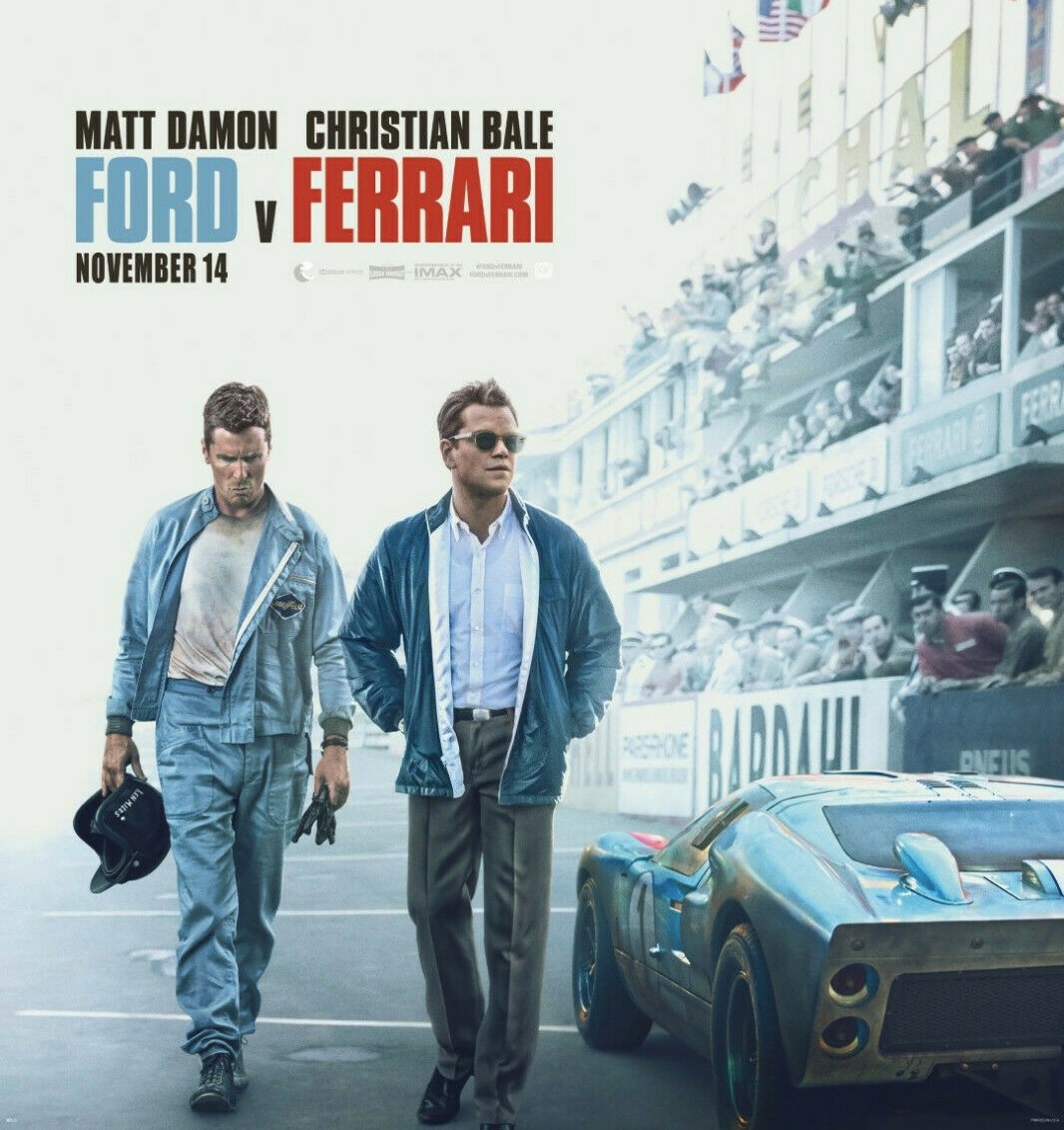
Astonishing racing footage is matched by a gripping narrative of ambition and revenge played out at the highest level by a quartet of terrific performances. Henry Ford II (Tracy Letts), humiliated by competitors in the domestic market and thwarted by his plan to take over Ferrari, decides to steal the Italian giant’s crown at Le Mans, the 24-hour race considered then the pinnacle of motor racing achievement rather than Grand Prix.
He hires Carroll Shelby (Matt Damon), the only American winner of Le Mans, who now runs a sports racing construction business and in turn he recruits maverick English driver Ken Miles (Christian Bale). Putting a spanner in the works at every possibly opportunity is oily Ford top executive Leo Beebe (Josh Lucas) who constantly shifts the goalposts because he’s just mean that way or to win commercial advantage. Driven as much by personality conflict as anything else, the narrative pivots on Shelby shouldering the job of placating both big business and his maniac driver while outmanoeuvring all in sight to achieve his goals.
Jargon overload should be the kiss of death but that bold decision to involve the viewer in the minor and major technicalities of motor sport – proven and unproven techniques such as applying strips of paper to a car or battering the car boot with a hammer to increase its capacity and so comply with an arcane rule – pays off big time so that the picture can actually cover in greater depth the reality of running a racing team. Winning can be a matter of millimetres, tiny alterations amounting to massive differences during a race.
And it helps the narrative thrust that Le Mans is a single race rather Grand Prix or Nascar where over a season inevitably attention and excitement will sag. Other races are easily accommodated because they are vital to the end result, either in personal or technical terms. This is the ultimate battle against the odds, not just novice Americans taking on the big boys of Italy, but the ageing driver needing to prove himself again and again and the constructor sometimes giving in, sometimes not, to big business.
It’s pretty difficult to retain audience involvement with the competitors masked up but (as Top Gun: Maverick would later prove) little works better than having your half-hidden driver (or pilot) reveal his emotions by talking to the machine, providing a commentary on the action, though Miles’s favoured expression of “giddy-up” may not qualify as a technical term.
Interestingly enough, the principals are all indifferent, not to say occasionally shady, businessmen, Henry Ford II laboring in the shadow of his father, the repair shop run by Miles shut down by the taxman, Shelby selling the same car over and over to multiple buyers. But this is a richness of character rarely seen in action films, flaws usually restricted to sexual or alcoholic peccadilloes. Nor is there any sign of the old trope of wife/lover unable to watch drivers race, and marriages/relationships buckling under that pressure. Instead Miles’ wife Mollie (Catriona Balfe) rejoices in his skills while Henry Ford II clearly has a string of lovers.
The contrast between the romance and the reality of speed is no better expressed than when Ford is taken for a spin by Shelby or between the devil-may-care and the safe than when Shelby takes control of an aeroplane.
So many internal obstacles, Beebe’s manoeuvrings for a start, remain to be overcome never mind complications on the track that it is pretty much one twist after another with one awful ironic twist left for the climax of the race.
Christian Bale (Thor: Love and Thunder, 2022) picked up most of the acting plaudits, nominated for a Golden Globe, but I thought Matt Damon, Tracy Letts and Josh Lucas ran him close. Damon (The Last Duel, 2021) delivers a restrained performance that occasionally cuts loose to reveal the carefully camouflaged daredevil. Letts (Lady Bird, 2017), better known to me as a playwright, brings the right mixture of arrogance and power. One-time matinee idol Josh Lucas (A Beautiful Mind, 2001) eases back on the shit-eating grin and is one of the most self-righteous business bad guys you could encounter.
Sterling turns also from Jon Bernthal (Those Who Wish Me Dead, 2021) as Lee Iacocca (who later wrote a book about brilliant he was, although there’s little evidence of that here); Catriona Balfe (Belfast, 2021) and Noah Jupe (A Quiet Place, 2018) as her son. Special mentions for Ray Mackinnon (News of the World, 2020) as Shelby’s number two and Remo Girone (The Right to Happiness, 2021) as Enzo Ferrari.
Distinguished career as director James Mangold has enjoyed – from Walk the Line (2005) and 3.10 to Yuma (2007) to Logan (2007) – this has to be the peak, brilliantly bringing the human side into a movie that could easily have concentrated on the machines. He drew on an equally brilliant screenplay by Jez Butterworth (Spectre, 2015), John-Henry Butterworth (Edge of Tomorrow, 2014) and Jason Keller (Escape Plan, 2013).
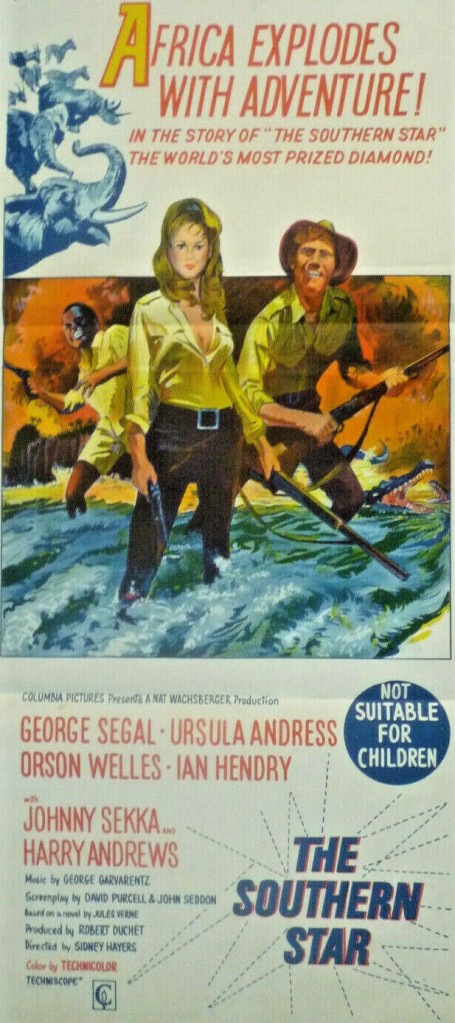
There’s a surprisingly good movie here once you strip out the cliché jungle stuff and the racist elements. The diamond of the title is actually a MacGuffin, just enough to get you started on two parallel tales of revenge.
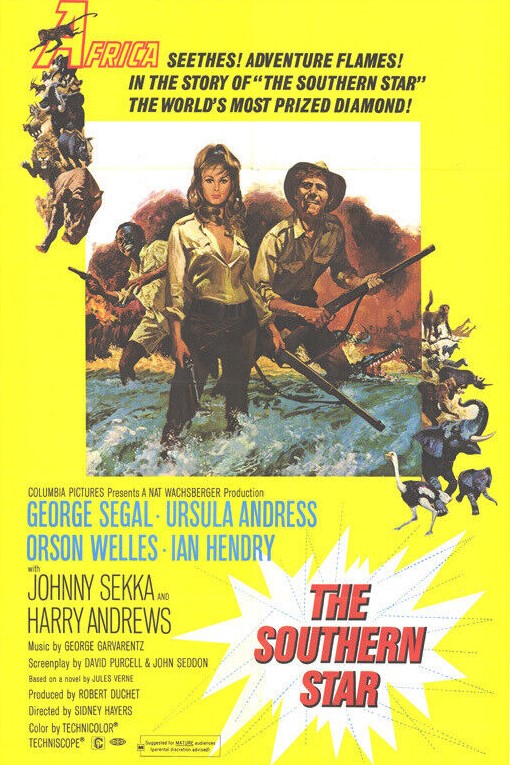
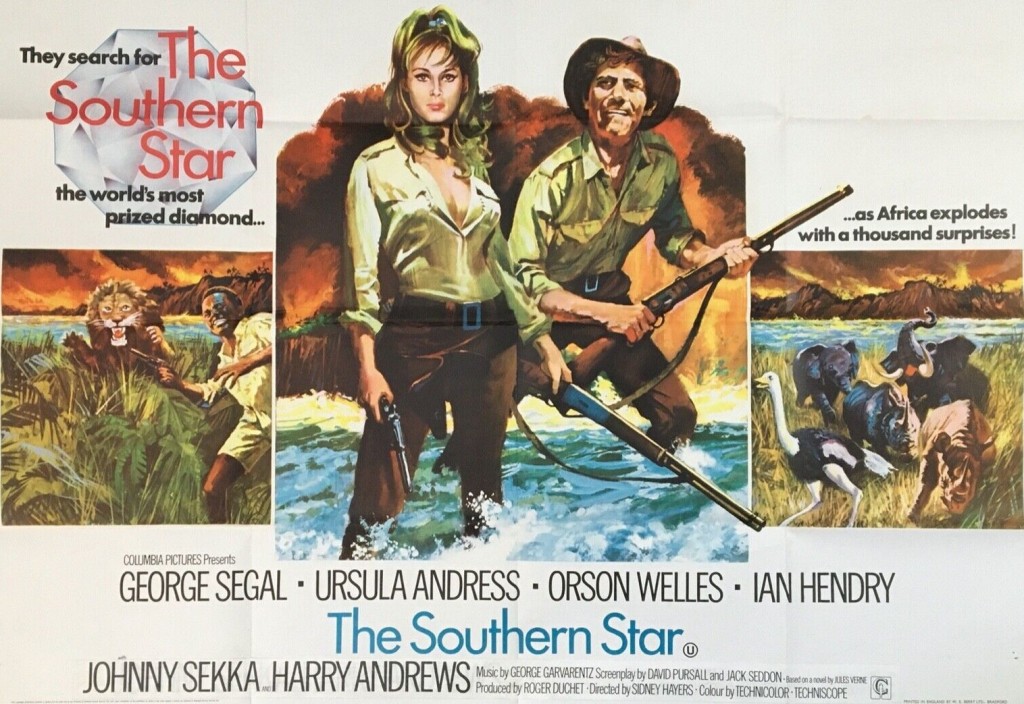
Dan (George Segal) is a mining engineer-cum-adventurer and Erica (Ursula Andress), daughter of mine owner Kramer (Harry Andrews), as far from the traditional jungle heroine (except in one regard) as you could get. She saves him from crocodiles, rescues him from jail and quicksand, swims across a hippo-infested river and is a better shot than him (or anybody for that matter) with a rifle. This is female empowerment with a vengeance.
Suspected of stealing the diamond, he is hunted by ranger Karl (Ian Hendry), Dan’s love rival, who intends to win Erica back using the simple expedient of killing the thief. Lying in wait is all-purpose rogue Plankett (Orson Welles) who seeks revenge on Karl. The second unit had a whale of a time filming anything that moved – lions, leopards, zebras, giraffes, buffaloes, monkeys, antelopes, the aforementioned hippos and crocodiles and what looked like a cobra – and at one point everything does move in coordinated fashion if you can call a stampede coordinated.
But the main focus is an Erica who constantly confounds Dan’s sexist expectations. Docility is her disguise. Anytime she appears to be doing what she’s told you can be sure she’s planning the opposite. While Dan does have his own specific set of jungle skills, he often looks a fool. But they do make a good screen partnership and their dialogue is lively.
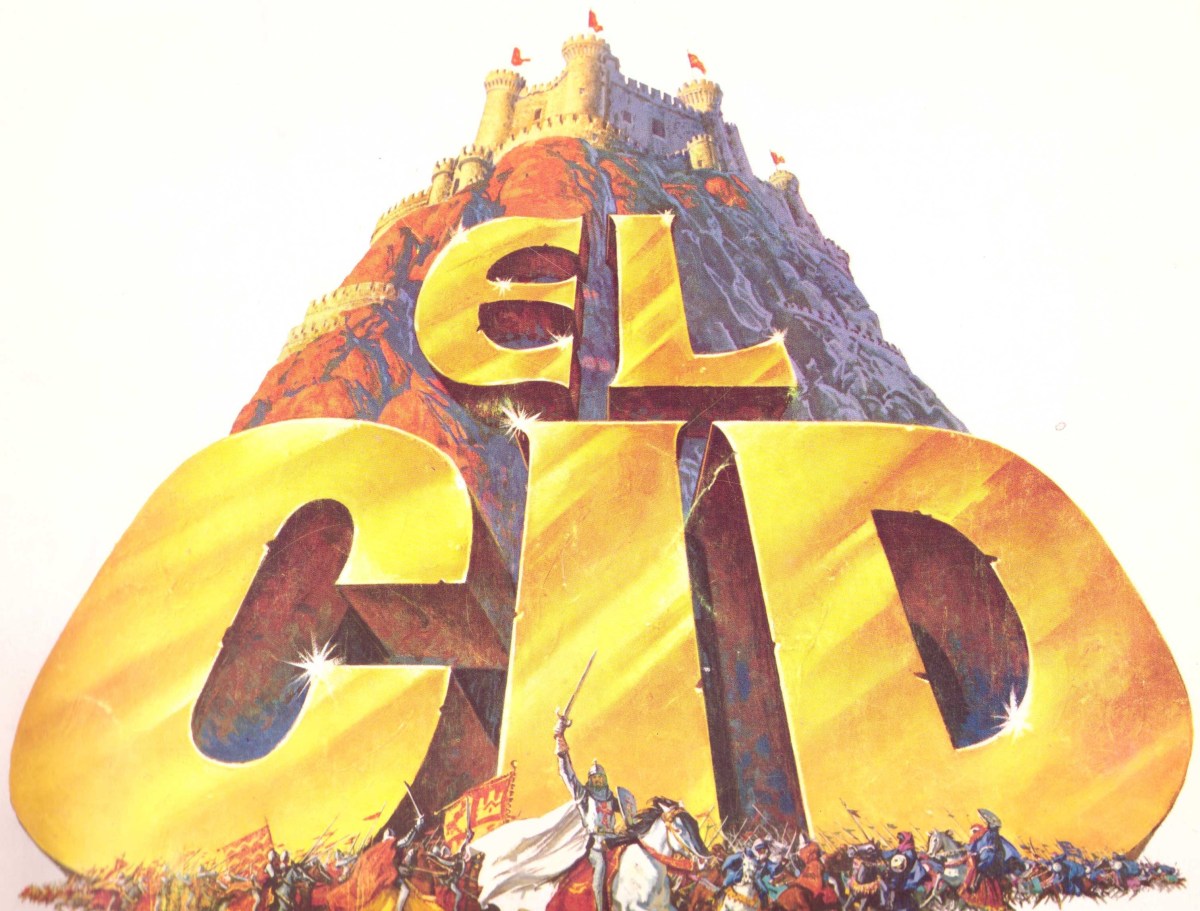
Hollywood spent millions of dollars trying to create screen chemistry between various stars and although it seemed to work very well in the industry’s golden age with Clark Gable and any number of MGM female stars, Bogart/Bacall and Tracy/Hepburn and I guess you could chuck John Wayne-Maureen O’Hara into that particular mix, the formula seemed to have gone awry by the 1960s discounting the Doris Day/Rock Hudson combo, big budget romances like El Cid (1961) and Doctor Zhivago (1965) and an occasional home run with whomever Cary Grant was romancing on screen. So it was usually hit-or-miss whether any sparks flew between the stars.
Andress had certainly been a European femme fatale par excellence as seen in Dr No (1962) and The Blue Max (1966), but it was certainly not a given that she would more than hold her own for an entire picture. Segal was nobody’s idea of a romantic leading man although the notion had been given a tryout in The Girl Who Couldn’t Say No (1968) with Virna Lisi. But here the whole enterprise works in an It Happened One Night vein with the supposedly superior male recognizing that perhaps his companion was more than a match.
Harry Andrews and Orson Welles both try to steal the picture, with polar opposite characterizations, Andrews loud and menacing, Welles soft and menacing. You can tell Scottish director Sidney Hayers (The Trap, 1966) was an editor because he cuts for impact and mostly does an efficient job of sticking to the story. Supposedly, Orson Welles directed his own scenes, but that might be to make sure he got to hog the camera. He has enough choice lines and bits of business to keep him happy and gives his venomous character a camp edge. Matakit (Johnny Sekka), Dan’s buddy, who actually has the diamond, is separately pursued and subjected to racism and being whipped.
Despite my reservations, this is well constructed and keeps one step ahead of audience expectation with plenty twists to subvert those, although the music by Johnny Dankworth gets in the way, offering musical cues opposite to what is required.
As it is a jungle picture there is the obligatory heroine’s bathing scene – and to balance the books on that score Segal does whip off his shirt at one point. Except for the clichés and the racism, it would have gone higher in my estimation for by and large it is well done and Andress is once again (see The Blue Max) a revelation.
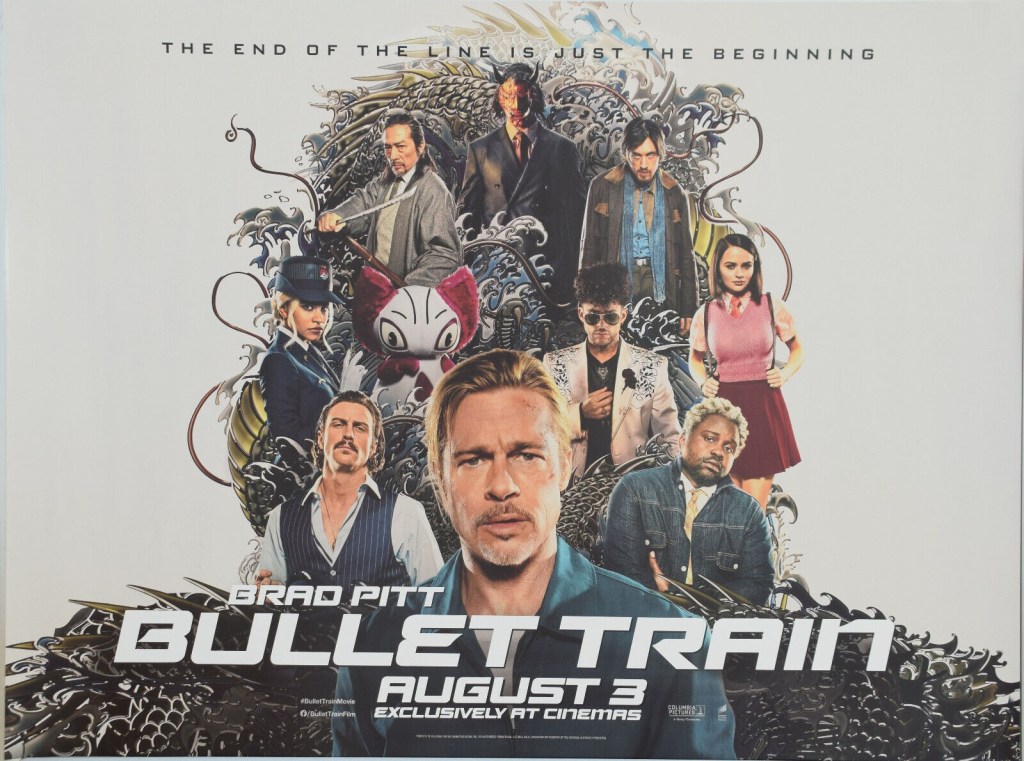
What a blast! What a gas! And what the heck’s wrong with critics? Complaining Hollywood lacks originality and turning their noses up at this helter skelter of a thriller that hits eleven from the outset, maintains a hectic pace, and boasts gut-busting laughs.
The plot’s as complicated as it is simple. A bunch of assassins on a train trying to steal a suitcase containing ten million dollars discover they are taking the ride for another reason. Finding out they have competition, not just on board, but on various train station platforms, lends to the complications as they – and the viewer – try to work out just what the hell is going on. While there’s some great dialogue, for most of these guys fists and guns are their easiest means of communication so cue some fabulous action sequences.
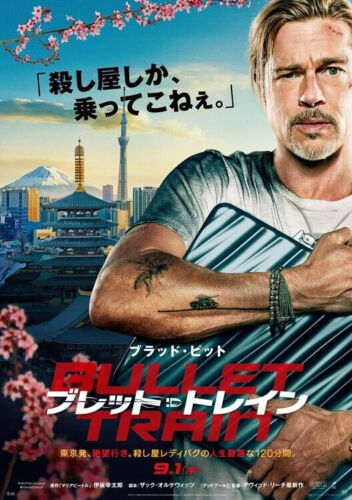
Twin English hitmen Tangerine (Aaron Taylor-Johnson) and Lemon (Brian Tyree Henry) are the original messenger boys, tasked with delivering the loot from Tokyo to Kyoto on the titular train along with the son of a notorious gangster. Lemon, not the brightest gun in the arsenal, has left the case on a communal luggage rack where first off it is snaffled by Ladybug (Brad Pitt), as ethereal an assassin as you could wish for, and one in denial, preferring a more spiritual outlet for his skills. But guys who are good at killing people are less efficient at holding onto suitcases.
And so the prize bounces from character to character, including Kimura (Andrew Koji), the Wolf (Bad Bunny), Hornet (Zazie Beetz) and Prince (Joey King). Did I mention there was a deadly snake aboard and that the ultimate gangster going by the moniker of The White Death (Michael Shannon) was lying in wait? No? I didn’t want to overcomplicate matters.
Every time the various assassins, who specialize in different murder techniques, think they are getting to the bottom of the mysterious goings-on the movie virtually jumps track to head down a different route, but it does so with such elan and verve that you can’t wait for the next wrong turn.
The characterisation is as good as anything dreamt up by Tarantino, the oddbeat characters dancing to their own odd beat, the squabbling Tangerine and Lemon almost steal the show from Ladybug who believes he is suffering from a run of bad luck. And like he’s caught up in the wrong movie, Ladybug confides his thoughts to his offscreen handler Maria (Sandra Bullock). Wistful schoolgirl Prince can talk her way out of any situation. But as I said, the others prefer to just beat up their rivals.
So stand by for some of the greatest action this side of Jason Bourne and John Wick. And some of the dumbest moves this side of Dumb and Dumber. You’d think the action/comedy fusion wouldn’t work at all but the way director David Leitch plays with our expectations the whole shebang works beautifully. Though I wouldn’t describe it as such, more like an action picture that happens to make you laugh.
Part of the reason the action is so terrific is Leitch is a former stuntman, who must dream fights in his sleep, because he’s certainly dreamt up some original mano a mano stuff here. But he’s also the uncredited co-director of John Wick (2104) and sole helmer of Deadpool 2 (2018) and Fast and Furious Presents: Hobbs and Shaw (2019) so he’s no stranger to mixing action and comedy. And he takes a fluid approach to narrative.
But the laidback Brad Pitt (Ad Astra, 2019), almost a Bill Murray throwback, is absolutely superb, an Oscar worthy performance, a character re-examining his life in the midst of an assassins convention, and trying not to blame anyone attempting to kill him. Brian Tyree Henry (Joker, 2019) is the pick of the supporting cast. It’s a step up for Aaron Taylor-Johnson (The King’s Man, 2021), who plays the most irascible gangster since Daniel Day-Lewis in Gangs of New York (2002). The outstanding supporting cast is mostly made up of up-and-comers – Joey King (The Kissing Booth 2, 2020), Zazie Beetz (Lucy in the Sky, 2019), Andrew Koji (Snake Eyes, 2021) – plus Michael Shannon (Heart of Champions, 2021) and Sandra Bullock (The Lost City, 2022) and cameos from Channing Tatum (The Lost City) and
The only minor quibbles are overuse of references to British kids fave Thomas the Tank Engine which may not be such a global phenomenon as the director would like, leading I would guess to some audience bafflement in the U.S., as might occasional mention of London soccer team West Ham, both key to the lives of Tangerine and Lemon.
Leitch owes an almighty vote of thanks to screenwriter Zak Olkewicz (Fear Street, Part Two -1978, 2021) who not only pulls the whole package together but springs brilliant lines and situations though how much was lifted directly from the source book by Kotaro Isaka I couldn’t tell you.
Can’t wait for the sequel. Brad Pitt has created a brilliant screen character that deserves a second outing.
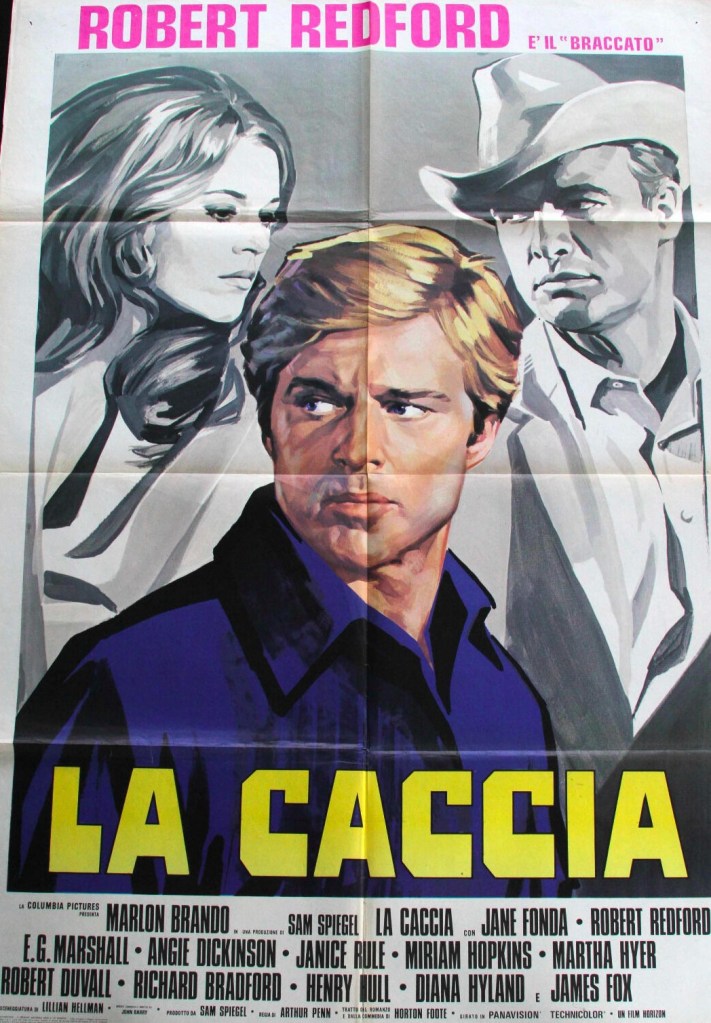
Arthur Penn’s movie came with a lot of baggage. Notwithstanding that he was in need of redemption – he was fired from The Train (1964) and Mickey One (1965) had flopped – he virtually disowned The Chase a week before it opened, denouncing Hollywood in the media, complaining that films were being made by committee. Producer Sam Spiegel was desperate to prove he could make big pictures without David Lean, who had decamped to Carlo Ponti and MGM for Doctor Zhivago (1965) and the knives were out, as always by this point, for Marlon Brando.
So it’s quite astonishing that the finished picture carries such visceral power. It’s a rich, meaty movie, part drama, part thriller, part social comment. Thematically it covers racism, power, adultery, civic apathy, injustice and integrity. At the same time it’s action-driven and the acting from a stunning cast is uniformly excellent. Theoretically, covering so much ground, it should be all over the place.
But three elements keep it grounded. The first is Lillian Hellman’s screenplay. Only using the bare bones of the source material (Horton Foote’s novel and play), she creates a fabulous intermeshed canvas wherein every character no matter how small has an integral part to play. As Coppola would do later with The Godfather she employs the device of large gatherings (two parties, in fact, one for the rich and one for the lower classes) to expose frailties.
The second is Brando, in a thoughtful performance, as an ex-farmer turned sheriff who despises the people he represents and battles to maintain his integrity. And third is Penn’s classical direction. Regardless of the interference he detected, nobody told him where to point the camera. It is noticeable that characters are often centered on the screen, rather than the more arty off-center compositions gaining in popularity. This creates an onscreen equality.
Basically, the narrative revolves around a small Texan town’s reaction to the return of escaped prisoner Bubber (Robert Redford), now wanted for a murder he did not commit, which both brings the past to light and exposes existing tensions within the community. That Bubber takes a good while to return allows those tensions to gently simmer. By the time he does the town is at fever pitch.
Meanwhile, his wife Anna (Jane Fonda), taking advantage of his absence to indulge in an affair with millionaire’s son Jake (James Fox), fears her adultery will be discovered. Timid banker Edwin (Robert Duvall) dreads Bubber finding out that he was initially imprisoned for a crime Edwin committed. Edwin’s sexy wife Emily (Janice Rule) taunts him with her exhibitionism, openly flaunting her affairs. Bubber’s mother (Miriam Hopkins) expects her son’s arrival to bring further humiliation.
Adding further bile to the proceedings are Anna’s venomous stepfather (Bruce Cabot), real estate manager and gossip-monger Briggs (Henry Hull) who preys on adversity, and Emily’s lover Damon (Richard Bradford) who drums up racial hatred against Bubber’s friend. And throw in the distraught Ruby (Angie Dickinson), Calder’s wife.
The incorruptible Sheriff Calder (Marlon Brando) is faced with keeping the lid on a number of potential explosions.
Hellman’s script and Penn’s empathetic direction prevent it from falling to a swamp of melodrama. All of Bubber’s mother’s maternal despair is captured in one shot of her sitting on a stool. Millionaire Val (E.G. Marshall) is building a local college so “young men do not have to leave here like my son.” The poor Anna and wealthy Jake are genuinely in love but she holds it against him that he married someone else (of his own class) first while she waited “all those bad years.” When Calder imprisons Bubber’s African American friend (Joel Fluellen) for his own protection, he lets him find his own way to the cell and trusts him to lock himself up.
Instead of descending into a ramped-up Peyton Place of the Deep South this tackles serious issues in a gut-wrenching manner. In some ways a modern take on High Noon (1952) with townspeople deserting the Sheriff, and more vicious in its violence this highly-underrated picture (at the time critical response appeared to give too much weight to highly-publicized production problems), develops into a searing drama, with terrific performances all round, especially from Marlon Brando, a slow start building through mounting tension to a blistering finale.
And there even time is an ample wit. A drunk confronts Calder with “the taxpayers of this town pay your salary to protect this place.” The Sheriff’s response: “If anything happens to you, we’ll give you a refund.”
While Brando (The Appaloosa, 1966) is without doubt the linchpin, Robert Redford (This Property Is Condemned, 1966), while relegated to dipping in and out of the story to keep tension high, produces a memorable performance. Jane Fonda (Hurry Sundown, 1967)and James Fox (Tamahine, 1963) are class acts. Martha Hyer (The Happening, 1967) is estimable as an alcoholic wife while Angie Dickinson (Jessica, 1962) extends her acting credentials with an untypical role as a domesticated wife.
John Barry’s score, dismissed by the Variety critic as having “no particular theme that lingers in the ear,” is in fact it is a triumphant piece of work, with a central melody that is in turn jarring and romantic.
But it is Arthur Penn who brings home the bacon, bringing together a disparate tale in fine style, drawn tight to a stunning conclusion, and proving he had a mastery of both style and material that would stand him in good stead for his next picture Bonnie and Clyde (1967). Lillian Hellman (The Children’s Hour, 1961) wrote the screenplay from the novel by Horton Foote.
What if redemption isn’t enough? When shame is buried so deep inside the psyche it can trigger no release? That’s the central theme of Richard Brooks’ adaptation of Joseph Conrad’s classic novel.
The title character’s shame comes from, as a young officer, abandoning a ship he believed was sinking only to later discover it had been rescued with a cargo of pilgrims who point the finger of blame. He is branded a coward and kicked out of the East India Trading Company, plying his trade among the debris of humanity.
You might think he later redeemed himself by foiling a terrorist plot at great risk to his own life. But that cannot erase his shame. Nor can helping revolutionaries overthrow a despotic warlord (Eli Wallach), enduring torture and again at great risk. What other sacrifice must he make to rid himself of the millstone round his neck?
Writer-director Brooks had a solid pedigree in the adaptation stakes – The Brothers Karamazov (1958), Cat on a Hot Tin Roof (1958), Elmer Gantry (1960) and The Sweet Bird of Youth (1962) – but sometimes you felt the writer got in the way of the director. That’s the case here. There was enough here to satisfy the original intended roadshow customers, great location work, grand sets, length, a big star in Peter O’Toole, but there is no majestic camerawork. There are good scenes but no great sweep and the result is a slightly ponderous film relieved by stunning action, some moments of high tension, the occasional twist to confound the audience and ingenious ways to mount a battle.
Hired killer Gentleman Brown (James Mason) has many of the best lines – “heroism is a form of mental disease induced by vanity” and “the self-righteous stench of a converted sinner” – all in reference to Jim. Everybody has great lines except Lord Jim, as introverted as Lawrence of Arabia, face torn up by self-torture, fear of repeating his original sin of cowardice and convinced he will be cast out again should people discover he had abandoned hundreds of pilgrims.
Apart from the storm at the outset, the central section in the beleaguered village is the best part as Jim finds sanctuary, love and purpose, and conjures up the possibility of burying the past.
Part of the problem of the film is the director’s need to remain faithful to the source work which has an odd construction and you will be surprised at the parts played by the big-name supporting cast of James Mason, Jack Hawkins and Curt Jurgens. Many of the films made in the 1960s were concerned with honor of one kind or another and, despite my reservations about the film as a whole, as a study of guilt this is probably the best in that category, in that this character’s conscience refuses to allow him an easy way out.
Peter O’Toole (Lawrence of Arabia, 1962) is chock-full of anguish but finds it difficult to create a character of similar heroic dimensions to the David Lean picture. James Mason (Age of Consent, 1969) is surprisingly good in an unusual role. Eli Wallach (The Magnificent Seven, 1960) as The General plays a variation of a character he has essayed before.
This may have been a step up the Hollywood ladder but it was backward move in acting terms given Daliah Lavi’s performance in The Demon (1963) – reviewed here some time ago. Her talent is somewhat wasted in an underwritten part. Also in the supporting cast: Curd Jurgens (Psyche ’59, 1964), Akim Tamiroff (TheLiquidator, 1965), Andrew Keir (Quatermass andthe Pit, 1967) and Jack MacGowran (Age of Consent).
Director Richard Brooks was also on screenwriting duties.
Although the weekly computerized box office system covering the Top 50 pictures and drawing on information supplied by nearly 1,000 cinemas in the United States did not appear, courtesy of Variety magazine, until 1969, there still existed a weekly tabulation, based on receipts from a smaller base from which the magazine produced a weekly Top Ten. And although box office watching was not yet a recognized leisure activity, what movies made and their rankings on the weekly box office chart were compulsive reading for the thousands of cinema owners hoping to snap up the next big one and the Hollywood studios gambling they had released the next big one.
So I thought it might be fun to track box office throughout the year, based on that weekly chart.
By 1963 Hollywood had turned into a casino. To beat the growing threat of television, the movie industry was committed to bigger pictures with, unfortunately, bigger budgets, heralding in the roadshow era, the 1960s equivalent of 3D or Imax with premium prices and reserved seats and two shows a day. Despite John Wayne’s 1960 epic The Alamo proving such gambles could spectacularly backfire, studios had a slate of movies that, if failures, could clean them out. Already fears were mounting that Brando’s Mutiny On The Bounty, opened in October 1962, would never recover its $19m cost.
Cinerama staked a fortune on its first story-led movie How The West Was Won and Columbia Pictures had bet the house on a 3-hour 20-minute opus Lawrence of Arabia that starred a complete unknown. The latter had opened at Xmas 1962 and if it was to make its money back had to play well night through most of 1963 on the roadshow circuit. If that wasn’t enough, blizzards mashed up the country and a three-month newspaper strike in New York meant – in the days before television marketing – there was nowhere to promote big new movies, delaying the U.S. opening of How the West Was Won. .
But Lawrence was monumental, playing to capacity crowds for a dozen weeks at the Criterion in New York, clearing $43,000 – equivalent to over $400,000 now – every week. In in the fifth week, by dint of adding an extra show, it broke its own record.
Roadshows opened in a handful of cinemas – knocking up revenues today’s exhibitors would envy – and playing seemingly forever (in the UK, for example South Pacific was being readied for general release four years after its premiere).
So big movies were slow-burners and Lawrence didn’t top the charts till week six of the 1963 box office calendar . Its reign lasted only two weeks, replaced by Gregory Peck’s To Kill A Mockingbird which in one cinema alone, New York’s legendary 6,000-seater Radio City Music Hall, had taken $160,000 (about $1.5 million now). That was knocked aside by the season’s first surprise hit, Disney’s Son of Flubber which went on to become the year’s seventh top grosser – ahead of Mockingbird. It wasn’t the only surprise. Biblical tango Sodom and Gomorrah went to number one in its first week, a rarity, although it quickly faded. The third surprise chart topper, in March, gave comic mainstay Jack Lemmon his first serious role in Days of Wine and Roses. Hitchcock’s The Birds took over the perch in mid-April before How The West Was Won which reigned for weeks.
Over the January-April period, other hits, that is enjoying some weeks in the Top 12 chart, in their opening stanzas were Charlton Heston’s Hawaiian movie Diamond Head, Yul Brynner and Tony Curtis squaring up in Taras Bulba, Laurence Olivier drama Term of Trial, Anthony Quinn in Barabbas, Dean Martin comedy Who’s Got The Action, small-budget David and Lisa and the pairing of Robert Mitchum and Shirley Maclaine (sparking their affair) in the adaptation of Broadway hit Two For the Seesaw. Bear in mind, however, that initial success was no guarantee – what played to packed houses in New York or Los Angeles might empty theatres in Arkansas.
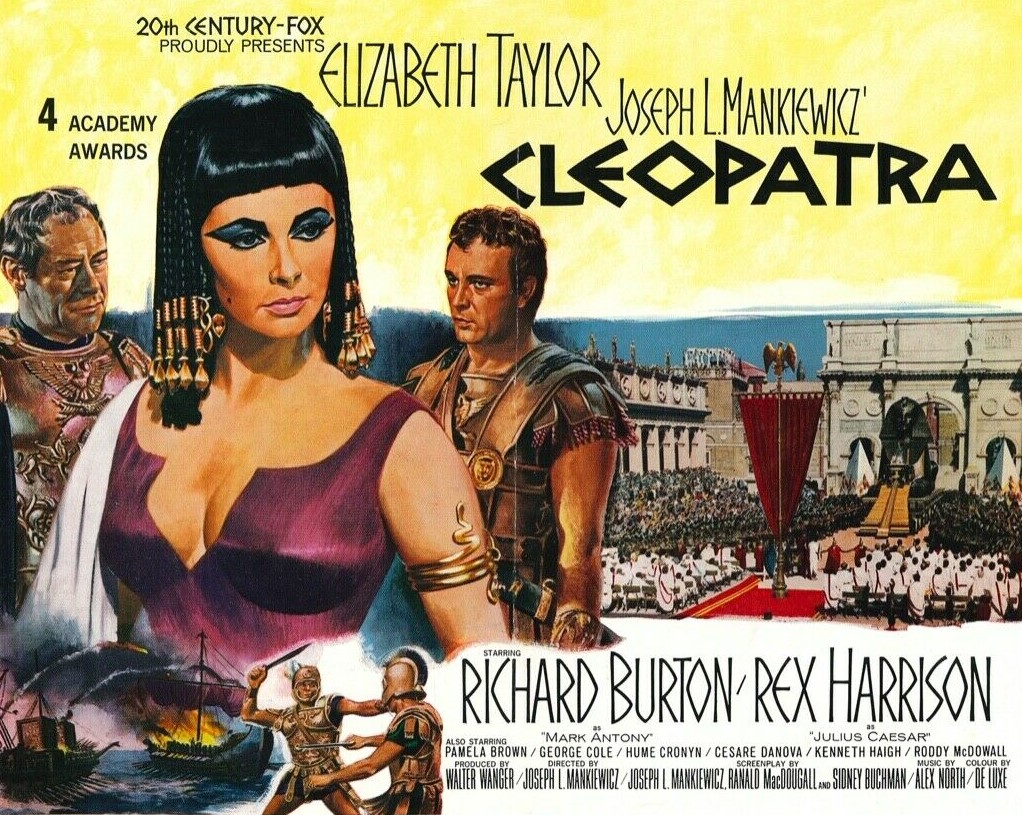
But the year’s biggest gamble appeared to be already paying off. Cleopatra had sold out its first 19 nights six months ahead of its June premiere and taken $8m in cash advances from cinemas in 20 cities. And there was also the little matter of the forthcoming release of the British box office sensation Dr No.
The summer period – May through to the end of August – was marked by three enormous gambles as How The West Was Won,Cleopatra and 55 Days At Peking took center stage. The western boasted John Wayne, James Stewart and Debbie Reynolds. Cleopatra was the most expensive film ever, at four hours nearly the longest and, thanks to Burton-Taylor’s shenanigans the most scandal-ridden.
Summer as we know it – with Memorial Day and Independence Day massively important – did not exist in the 1960s. Until the roadshow, opening dates were not juggled, movies simply released as soon as made. The importance of advance bookings for roadshows altered the pattern. Unlike now when saturation screening means nobody is turned away on opening weekend, the definition of a hit was being made to wait . Epics like El Cid, Lawrence of Arabia, and How The West Was Won were publicized months ahead and Cleopatra set the marketing bar at insane levels.
That’s Irma, by the way, of “Douce” fame.
How the West Was Won was No 1 in the Variety chart for eight weeks, notching up fabulous returns, but nothing to match Cleopatra which peaked for nine weeks and grossed $3.1 million in 33 days – faster than any roadshow before. 55 Daysat Peking, Samuel Bronston’s follow-up to El Cid, surprisingly not roadshown, grabbed No 1 in its opening week but tumbled fast. Dr No, pulverizing the UK box office the previous year, suffered by going on release too fast. Unable, like roadshows, to groom an audience, it didn’t hit number one and lasted only four weeks in the Top Ten. In his last hit for a decade, Brando did better – The Ugly American managing eight weeks, again not a chart-topper..
Others featuring in various slots in the Top Ten were a mean Paul Newman in Hud, Frank Sinatra in Come Blow Your Horn, the Jack Lemmon-Shirley Maclaine non-musical adaptation of the Broadway musical Irma La Douce,The Great Escape (charting for 13 weeks), and Doris Day in The Thrill of It All. Surprise appearances included Ray Harryhausen’s Jason and the Argonauts, Peter Sellers’ The Wrong Arm of the Law, Hayley Mills in Summer Magic, Sandra Dee in Tammy and the Doctor and teen dreams Frankie Avalon and Annette Funicello in Beach Party. Biggest disappointment was John Wayne’s Donovan’s Reef which only lasted one week at in the chart and then on its lowest rung – No 10.
But taboos were broken that summer, changing cinema forever. Sneaking into the Top Ten were the original ‘shockumentary’ Mondo Cane, adult fare like Lillian Hellman’s Toys in the Attic, the first of the British kitchen-sink dramas The L-Shaped Room (“Sex Is Not A Forbidden Word!” the catchy catchline) starring Leslie Caron as an unmarried mother, Joanne Woodward in The Stripper and most, astonishingly of all, Fellini’s 8½.
How studios must have loved the release system in those days. Instead of movies being whipped off screens after three or four weeks or to fit into a preconceived streaming showing, big hits, especially roadshows, could hold onto their screens for months and months.
For the September-to-December period of 1963, the biggest stars were Elizabeth Taylor and Richard Burton. Cleopatra spent another seven weeks at No 1 in the Top Ten, The VIPs three weeks. But Jack Lemmon ran them close as star of the year. Just after Irma La Douce ended a 21-week Top Ten run, Under The Yum Yum Tree snapped top spot in December. Cleopatra was hardly innocuous, and Irma was a prostitute, but Yum Yum went much further with Lemmon playing a lascivious landlord renting rooms to nubile girls.
Bubbling under the American psyche was a desire for the illicit. What else explained the appearance in the Top Ten of films about mental illness – Sam Fuller’s Shock Corridor and The Caretakers starring Robert Stack. Even Paul Newman’s latest hit A New Kind of Love pivoted on Joanne Woodward being mistaken for a call-girl. The Top Ten seethed with ‘Adult’ or ‘Continental’ themes – ‘shockumentary’ Women of the World, children as feral monsters in Lord of the Flies, the title of the Italian Cannes-winner The Conjugal Bed said it all while In The French Style with Jean Seberg only hinted at it. Fellini’s 8½ paved the way for arthouse break-out Visconti’s The Leopard starring Burt Lancaster which, incredibly, peaked at No 5. Sophia Loren led a star-studded European cast in The Condemned of Altona based on the Jean-Paul Sartre book. Robert Wise’s seminal horror film The Haunting spent a week in Top Ten. More significantly, Sidney Poitier broke through the glass ceiling to become the first African American actor to have a significant hit with Lilies of the Field.
Back in the mainstream, Debbie Reynolds’ Mary Mary, based on the Broadway hit, spent two weeks at No 1. Hollywood stalwarts charting successfully included Kirk Douglas in For Love Or Money, James Stewart (with Sandra Dee) in Take Her She’s Mine, Robert Mitchum (plus sexpot Elsa Martinelli) in African adventure Rampage, John Wayne in spanking good form with Maureen O’Hara in McLintock and Elvis in Fun in Acapulco. . Surprise successes were The Incredible Journey and television’s Dr Kildare Richard Chamberlain in courtroom drama Twilight of Honor plus two Disney reissues – Fantasia and Kirk Douglas in 20,000 Leagues Under The Sea.
The year’s blockbusters showed astonishing legs – How The West Was Won playing 52 weeks in the Top Ten, Lawrence of Arabia 41.
The Top Ten grossing films of the year were (in order) – Cleopatra, The Longest Day, Irma La Douce, Lawrence of Arabia, How The West Was Won, Mutiny On The Bounty, Son of Flubber, To Kill A Mockingbird, Bye Bye Birdie and Come Blow Your Horn.
Cary Grant was coming off a commercial career peak, comedy Houseboat (1958) with Sophia Loren, Hitchcock thriller North by Northwest (1959) and war comedy Operation Petticoat (1959) all among the top box office hits of their years. He was in enormous demand. In 1960 Jerry Wald wooed him for Tender Is the Night, eventually made in 1962 with Jason Robards. He went so far along considering Can-Can (1960) that he began working with a voice coach and passed on Let’s Make Love (1960).
The prospect of Lawrence of Arabia – he had been lined up to play the lead over two decades before – reared his head with producer Sam Spiegel eyeing him up for Allenby (played in the 1962 picture by Jack Hawkins). He turned down Lolita and a remake of The Letter. The biggest letdown was John Huston’s The Man Who Would Be King which would have teamed him with Clark Gable. Of the screenplay, Grant commented: “I’ve read it twice and am still uncertain whether it’s fair, good, or perhaps, even excellent.” (It would not be filmed until 1975.)
Also in the pipeline was an intriguing original screenplay in which he and Ingrid Bergman would essay dual roles and his alternative company, Granart, also purchased The Day They Robbed the Bank. (Neither project was made.)
In the face of such indecision it’s not surprising he decided to play safe. The Grass Is Greener would be made by his own company, Grandon, a production outfit set up with director Stanley Donen – they had previously made Indiscreet (1957) – at that point still best known for musicals including Singin’ in the Rain (1951), though he had also directed Grant in the comedy Kiss Them for Me (1957).
Initially Grant cast himself as the American, with Rex Harrison (The Honey Pot, 1967) and his real-life wife Kay Kendall (Once More with Feeling, 1960, also directed by Donen) the titled British couple. Harrison would certainly have brought more natural acidity to the part but he pulled out after his wife died prematurely. Deborah Kerr, the most English of actresses, was ideal for the Earl’s wife.
Robert Mitchum, with whom Kerr had just appeared in The Sundowners (1960), was a late addition as the Yank even though it meant him dropping to third billing for the first time in over a decade. For The Sundowners he had ceded top billing to Kerr on the basis it would be better for the poster, not realizing he would be viewed as the male lead rather than the acknowledged star (not quite as subtle a difference as you might imagine in the cut-throat credits business). Kerr was at an artistic peak, winning her sixth Oscar nomination for The Sundowners. Mitchum, by contrast, nominated in a supporting role for The Story of G.I. Joe (1945) had nary a sniff of peer recognition since.
Jean Simmons (Spartacus, 1960) was a surprise choice for Grant’s character’s ex-lover but was willing to accept lower billing because she was desperate to extend her range by doing comedy. The foursome already had considerable experience working with each other, Mitchum paired with Simmons for Angel Face (1952) and She Couldn’t Say No (1953) while Kerr and Grant had dallied in Dream Wife (1953) and An Affair to Remember (1957). To round things off Kerr had played opposite Mitchum in Heaven Knows, Mr. Allison (1957) and, as mentioned, The Sundowners.
Although the picture was financed by Universal, director Donen was more of a Columbia favorite. On top of Once More with Feeling and Surprise Package for the latter studio, he was contracted to make another four, all to be filmed abroad, the director having set up home in London. Deborah Kerr was involved in Cakes and Ale, based on the Somerset Maugham novel, with George Cukor and was announced as starring in Behind the Mirror (neither film made). Mitchum was also diversifying, the first of a three-picture deal between United Artists and his company being North from Rome (never made), based on the Helen MacInnes thriller.
Shooting began at Shepperton in London on April 4, 1860, but this time round, the personalities did not quite gel. Simmons complained that Grant was “a fuss-budget, everything must be just so.” Although she did admit that his preparation worked wonders. “He’d come forth with the most amusing, polished take, everything so effortless.” Mitchum complained Grant lacked a sense of humor. “He’s very light and pleasant but his humor is sort of old music-hall jokes.”
Despite the high-class cast, Grant had very definite ideas about his star status. In one scene that called for both actresses to be bedecked in expensive jewelry, he instructed the jewels be removed in case the audience was distracted from him.
Grant and Mitchum had one thing in common, a liking for experimenting with drugs. Mitchum’s preference for marijuana was well-known. Although he had been previously jailed for his “addiction,” Mitchum still grew his own. Grant’s drug of choice, on the other hand, was LSD. He had been on a course of LSD treatment since 1958 and was in the middle of coming off the drug. “He was a little weird,” noted Mitchum.
Fittingly, their personality clash was very English, “a mild, undeclared, rivalry.” The battleground was costume, Grant perturbed that Mitchum’s laid-back style was making him look over-dressed while Mitchum complained that he was a glorified feed, employed simply to make non-committal comments in the middle of a Grant monologue.
Grant’s parsimony was also a bit extreme. As part of his invoice for doing publicity on the picture, “not only did he turn in his hotel bills and meal receipts for those four extra days but also the costs of the suits” he had had made in Hong Kong. In other words, he billed his own company. Money paid for these expenses would be deducted from any potential profit he would receive.
Kerr, however, had no complaints. “Between Cary’s superb timing and Bob’s instinctive awareness of what you’re trying to do, this was a very happy film.” But there was one other source of contention. The British media were barred from the set on by Stanley Donen on the grounds that journalists of the more sensation-seeking newspaper were apt to needle actors. Grant softened the blow by arranging to be interviewed once filming was complete.
However, Variety was able to give the picture a publicity boost by hailing stately home tourism as “a new type of British show business,” reckoning the 400 operations raked in $4 million a year. Average admission prices of 35 cents meant over 10 million visitors a year.
Ironically, the infidelity theme cost The Grass Is Greener a lucrative Xmas launch at the prestigious Radio City Music Hall in New York. The cinema felt the content was not in keeping with Yuletide and opted for The Sundowners instead, the Donen picture shifting to the much smaller and semi-arthouse Astor. Just how important the Hall was to a movie’s public reception could be judged by the takings the previous year for Operation Petticoat (a Granart release), a whopping $175,000 opener. The point was made when The Sundowners grossed $200,000 in its first week, three times as much as The Grass Is Greener.
SOURCES: Scott Eyman, Cary Grant, A Brilliant Disguise (Simon & Schuster, 2020) p339-343,363-368; Lee Server, Robert Mitchum, Baby I Don’t Care (Faber and Faber, 2002) p204-207, 429; Eric Braun, Deborah Kerr (WH Allen, 1977) p176-177; “Deborah’s Cakes & Ale,” Variety, July 15, 1959, p3; “Grant in Original, with Himself and Bergman in Dual Roles,” Variety, September 30, 1959, p10; “Nativity and Grant Combo at Hall,” Variety, December 9, 1959, p9; “Maugham-Hurst Film Location in Tangier,” Variety, January 6, 1960, p167; “Col Extending Donen,” Variety, May 25, 1960, p20; “400 Stately Homes of England,” Variety, June 1, 1960, p2; “Needling and Smartalec British Interviewers Not Allowed In By Donen,” Variety, June 22, 1960, p2; “Infidelity Theme Cancels Grant’s Comedy at Hall,” Variety, September 21, 1960, p7; “Cary Grant’s,” Variety, November 9, 1960, p20; “B’Way soars,” Variety, December 28, 1960, p9.
You are the star of the show so the last thing you want is to team up with a scene-stealer, but if you want to work with such an renowned talent, what can you do but let him steal.
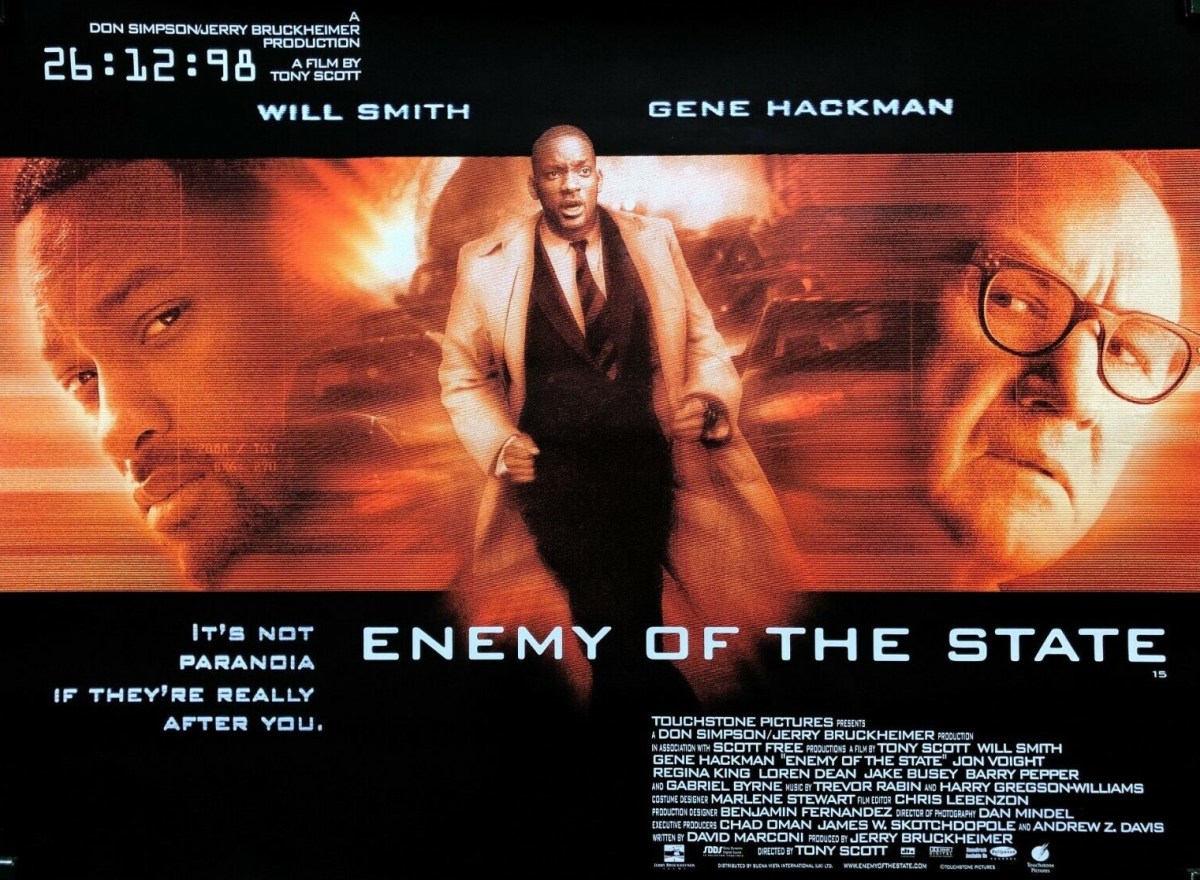
It says a lot for Gene Hackman’s legendary status that, long past his box office peak in this fast-paced surprisingly contemporary paranoia thriller, his appearance late in the day turns up the heat on Will Smith at an early career pinnacle and at his charming best. You need someone as easy on the eye as Smith to lead the audience through a tortuous plot, centering on the collusion of big business and government to push through a commercially-motivated U.S. Government Act promoting greater surveillance, and someone as inherently gutsy as Hackman to carry the film over the line.
Ironically, the McGuffin is surveillance of the most benign kind, a camera trained on ducks at a river inadvertently picking up evidence of corrupt politician Reynolds (Jon Vogt) overseeing the murder of Representative Hammersley (Jason Robards) who stands in his way. The tape finds its way to an investigative reporter who, pursued by Hammersley’s goons, drops it into the shopping bag of labor lawyer Robert (Will Smith).
Unaware of the reasons why, Robert’s life unravels, Hammersley’s guys fabricating evidence that he has revived an affair with former lover Rachel (Lisa Bonet) and is involved in Mafia money-laundering, resulting in wife Carla (Regina King) throwing him out and being fired from his job. Bank accounts frozen (natch!), Robert turns to Rachel for help and she puts him in touch with her source Brill a.k.a Edward Lyle (Gene Hackman), an undercover communications expert who has been feeding Rachel information. When Rachel is eliminated, Lyle teams up with Robert and together they come up with a daring plan to incriminate Reynolds and absolve Robert.
Although brim-full of twists and turns, and a relentless government hit squad, the real joy of the picture is Tony Scott’s direction. Using his trademark speedy cuts, and scaring the life out of the audience regarding the depth of available surveillance, this is a thriller tour de force. The Top Gun (1986) director is at the top of his game, seamlessly shifting keys, racketing up the tension, the NSA’s encroachment on civil liberty so extensive it appears nobody can escape a web that is inexorably drawn tighter.
And it’s a fabulous double act, the innocent but slick Robert coupled with the world-weary but clever Lyle, the non-stop-talker versus the virtually silent. It’s the cat and mouse game where the mice turn out to hold the aces. Just brilliantly done and at such a speed. A plot that could easily become convoluted is superbly handled.
Will Smith (Independence Day, 1996) is given free rein and he’s good value for money, holding audience attention seamlessly, and until Gene Hackman (Crimson Tide, 1995) enters the frame he is running away with the picture. Their acting styles are completely different and you shouldn’t really be comparing them but when it comes to the crunch Hackman nails it every time and with hardly doing anything. Lisa Bonet (Angel Heart, 1987) makes a welcome return to the big-budget Hollywood scene. Jon Voigt (Midnight Cowboy, 1969) enjoys one of his better supporting roles.
The screenplay by David Marconi (The Dark Side of the Moon, 2015) is quite superb, not just with a whole series of riveting set-pieces and some terrific dialogue, but also with more humane touches, such as Robert’s encounter with his kids or his embarrassment shopping for lingerie in Victoria’s Secret.
And if there were not bonuses enough, there’s a virtual smorgasbord of talent in the supporting cast starting with 26-year-old Regina King (Boyz in the Hood, 1991) through Barry Pepper (Saving Private Ryan, 1998), Scott Caan (Ocean’s Eleven, 2001), Jake Busey (Starship Troopers, 1997), Jason Lee (Vanilla Sky, 2001) and Jamie Kennedy (Scream, 1996) all the way to Gabriel Byrne (The Usual Suspects, 1995), Ian Hart (Backbeat, 1994) and Jack Black (School of Rock, 2003).
Stone cold classic not to be missed and worth another watch if you have viewed it already.