We’ve all felt that frisson, returning to a much-loved movie. Was your initial enthusiasm misplaced? Does what originally felt fresh and vibrant now revealed as tired and cliche? I’ve not seen this for over two years, not added it to my DVD collection, I noticed, so wondered if that in itself was a sign of misgiving. When it turned up last week on a streamer, I was definitely hesistant.
As it turned out, there was no reason for any apprehension. Below is my original review.
A franchise is born. John Wick may or may not rise again, Jason Bourne is dead in the water, so the gap exists. True, the new film certainly riffs on elements of that pair, the retired assassin, bare mention of whom elicits fearful reaction, who belongs to a secret government elite, and is jolted into action by someone stupidly preying on the sole beloved aspect of his lonely life.
Eqaully true, Jason Statham (Meg 2, 2023) is certainly viewed in many quarters as the poor man’s Bruce Willis, but, like Liam Neeson, he is one of the few action actors who you would not want to meet in person, on a dark night; he looks as though he growls in his sleep.

But it touches on themes that will strike a chord – the data mining to which we all involuntarily subscribe and which governments and villains alike will employ for their own purposes; the computer nerd multi-millionaire; the politically powerful with overly entitled offspring; and those in control who discover not every annoying person can be easily swatted away.
And the beekeeping part turns out also to have meaning, not too much gobbledegook about hives, which is just as well because most people we encounter haven’t a clue how honey is made, least of all pay attention to the intricate structure of that insect’s lifestyle, or that there could be a Queenslayer (and this doesn’t originate from Game of Thrones) whose purpose is to remove a dis-functioning head bee. And just when that metaphor looks as though it’s going to run dry, it turns out to have a deeper meaning.
Just as well, too, that we’re not expecting much finesse from re-awakened assassins. Like John Wick, Adam Clay (Jason Statham) takes no prisoners, but whereas the former confined his murderous activities to the underworld, the latter downs anyone who gets in his way, though in fairness, many of the supposed righteous are in the involuntarily thrall of the country’s justice departments. It helps, too, that F.B.I. investigators, Agents Parker (Emmy Raver-Lampman) and Wiley (Bobby Naderi), while not incompetent, are certainly slovenly and bicker like billy-o, and that Parker is inclined to set aside civil liberties.

So, a scammer steals a couple of million from an elderly woman, who has taken a maternal interest in her beekeeping neighbor. Since she is only caretaker of the cash, which belongs to a charity, in shame she commits suicide. Initially, the number one suspect, Clay has dark forces on his side, too, able to access secret information denied both the F.B.I. and the C.I.A.
And he takes route number one to resolving any issues, turning up at the first scammer operation armed with a couple of cans of gas and proceeding to drench any employee not smart enough to scarper. That’s, of course, after he’s disabled any security guards so low down the pecking order they wouldn’t even be aware of the name that should strike fear in their hearts.
Luckily, we’ve got retired C.I.A. chief Westwyld (Jeremy Irons) to explain enough about the government’s secret beekeeping operation to keep us on our toes. But quite why he’s involved with said nerdy multi-millionaire Danforth (Josh Hutcherson) is cleverly kept from us until the twists begin to mount. But as in the High Table, he can call in top-level assassins to rid him of an irritant.
There’s some clever comedy, too, as Danforth’s equally geeky underlings don’t quite realize exactly what they’re up against, even while, like gameboys ramping up to participate in a computer game, they hire muscle. But, most of it is Clay daringly outwitting everyone in his path until he ends up at a Presidential hideaway and the extent of the corruption becomes clear.
There’s nothing desperately new here, there rarely is, and scarcely an ounce of sophistication (and who cares about that). Remember that even John Wick (before it developed into the High Table malarkey) was a bare-bones riff on Bourne. But who needs anything that original, a believable character is all, because there will always be murk that needs cleaned up, and a hero who can take on all-comers. John Wick One, as I recall, was not such a big initial blockbuster, finding a bigger audience on DVD, and it was only when the makers went back to the well, with a bigger budget and expanded the concept, that it really took off.
I can see the same thing happening here. The big surprise of the weekend was not so much the heavily-promoted Mean Girls doing better than expected, but the scarcely-promoted The Beekeeper doing way better than expected, and when it comes to the foreign markets, the latter will blow the former out of the water, because, overseas, action speaks louder than lyrics.
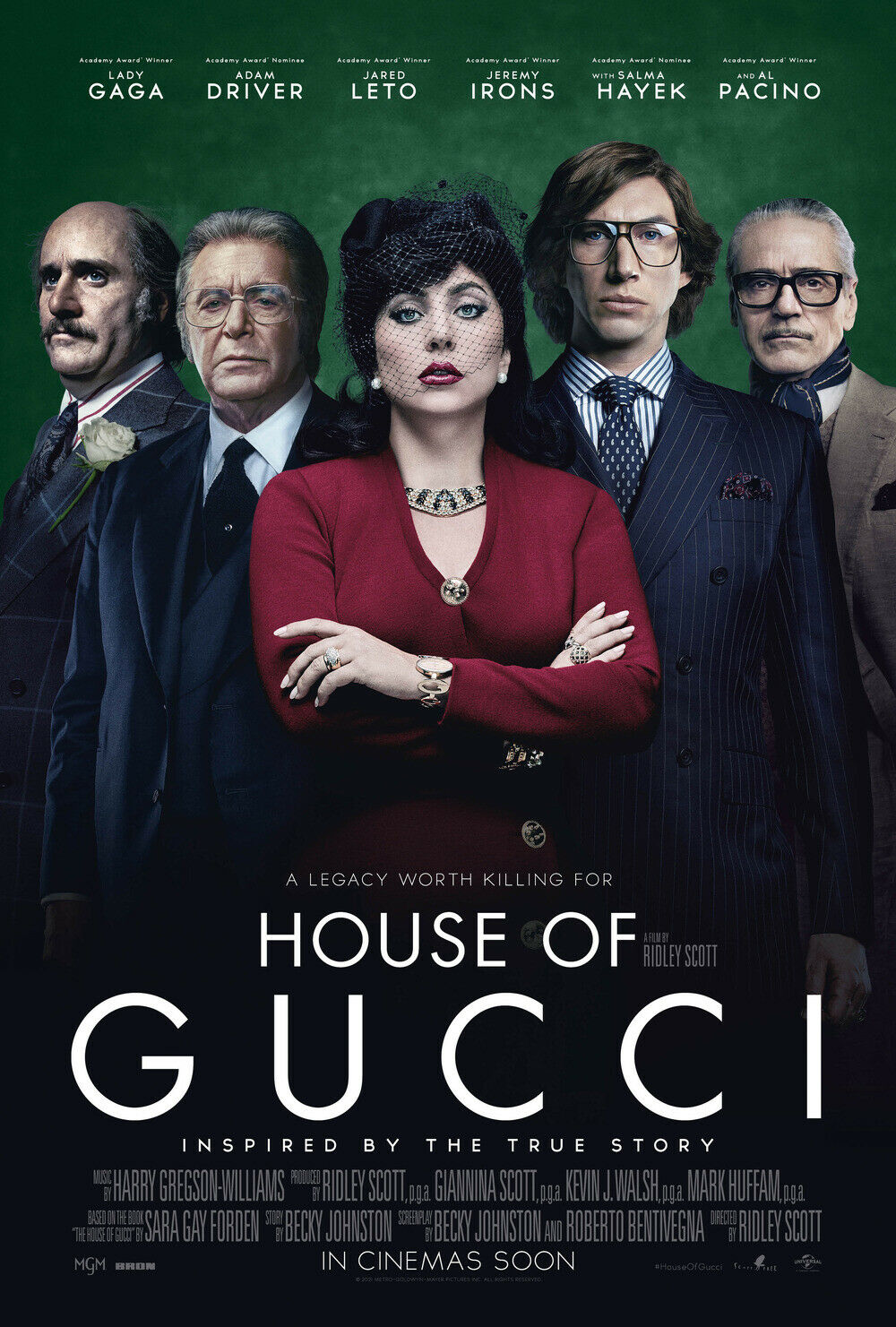
Not entirely sure why this is so heavily pickled with Brits, but as well as Statham, we have Oscar-winner Jeremy Irons (House of Gucci, 2001) with his silky steely tones, Jemma Redgrave (I’ll Be There, 2003) in her biggest movie role in two decades and Minnie Driver (Chevalier, 2002) as a hard-nosed slinkily-dressed top cat. I can see all three returning as the series develops.
I’ve a sneaky feeling the role of Parker, grieving daughter going all kick ass, was edited down as it became apparent Statham was going to kick all the ass any audience would need, but Emmy Raver-Lampman (graduating from the The Umbrella Academy TV series) brings a good dose of authenticity to the part, avoiding the usual glamor and potential romntic subplot.
It’s in very capable hands, director David Ayer bringing a Fury (2014) directness to proceedings rather than being swamped all-ways-up by character overload as in The Suicide Squad (2016). Kurt Zimmer (Salt, 2010) has all the correct experience to layer this with more than eternal action beats.
Let’s hear it for the bee-busters.