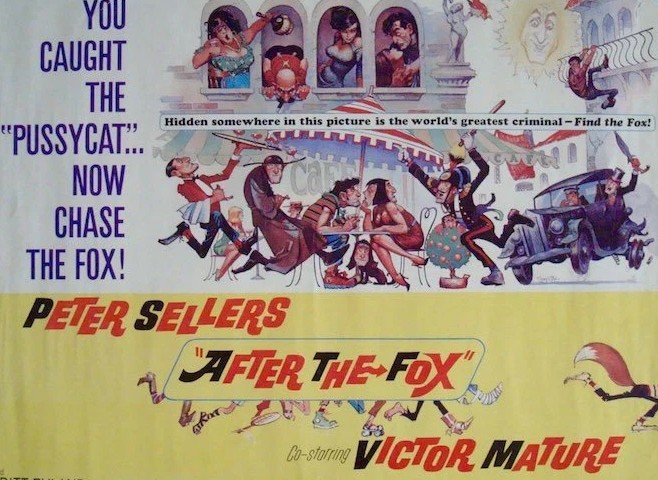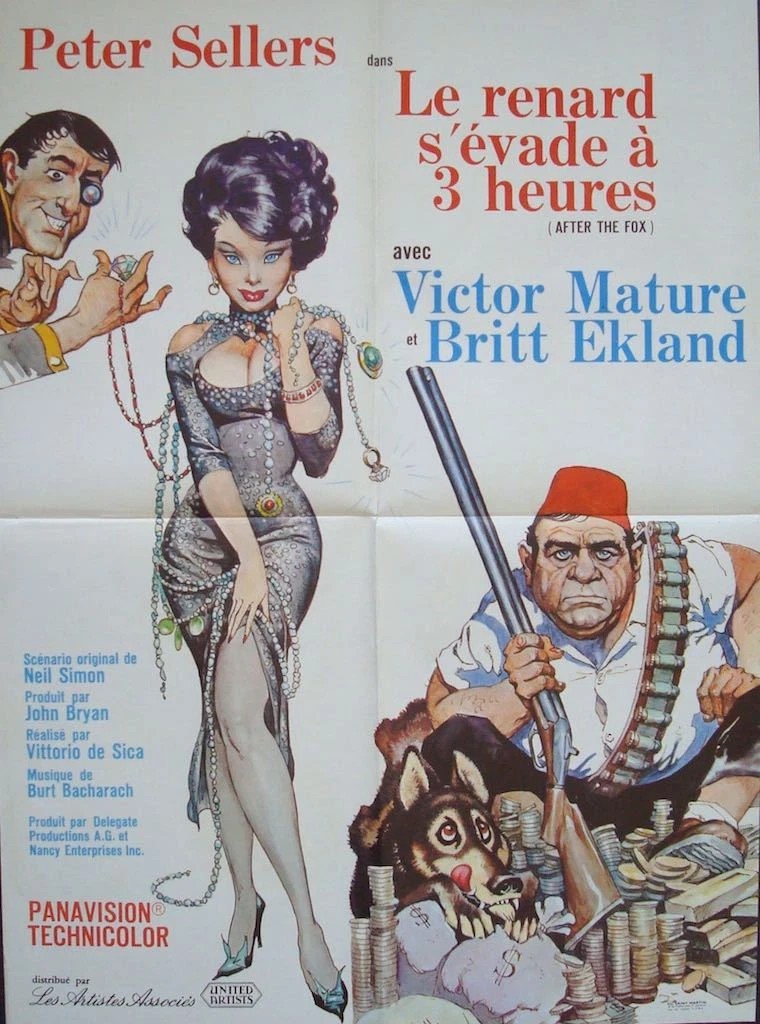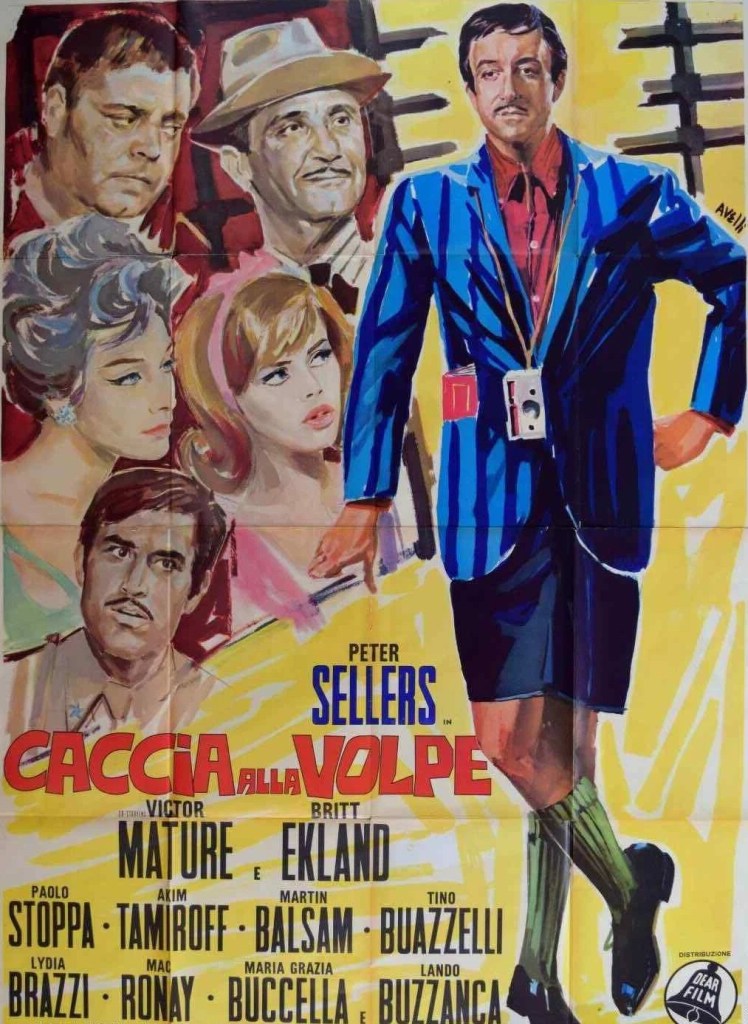
After the Fox (1966) ****

There’s a classic MacGuffin in here somewhere, but I can’t make out if it’s the heist serving the satire on movies or the satire on movies serving the heist. Whatever, this is about the funniest picture you’ll watch on the movie business (much better than Paris When It Sizzles two years earlier). You can keep your royalty and your top politicians dropping in from every corner of the globe, but it’s hard to beat Hollywood landing on your doorstep to transform everyone into a sycophant. To facilitate filming, individual streets and solid blocks will be closed and even businessmen whose businesses are threatened will stick their nose out into the road in the hope of being captured by a stray camera. Everyone wants to be in the movies and how brazenly the movies exploit such naked need.

Before we get to the movie part of the story, we find imprisoned top criminal Aldo Vanucci aka “The Fox” (Peter Sellers) escaping from confinement so that he can assist robber Okra (Akim Tamiroff) transport 300 solid gold bars from a heist in Cairo to Italy. Though the heist is deceptively simple (and might even have influenced The Italian Job, 1969), for a time it looks as if this will canter along going nowhere fast while we get bogged down in a subplot concerning the burgeoning acting career of Vanucci’s sister Gina (Britt Ekland). There’s a whole bunch of standard Italian comedy tropes – the dominant Mama, the incompetent crooks and the brother too controlling of his sister.

But once Vanucci hits on a movie shoot as the ideal way to disguise the bringing ashore of the loot into the Italian island of Ischia, he strikes pure comedy gold. The townspeople who might otherwise easily see through a con man are putty in his hands. The local cop comes onside when persuaded he has the cheekbones of actor. Aging vain star Tony Powell (Victor Mature) wearing a trademark trench coat like a latter-day Bogart is an easy catch once you play upon his vanity and even hard-nosed agent Harry (Martin Balsam) is no match for the smooth-talking Vanucci.

Vanucci has mastered the lingo of the film director and can out-lingo everyone in sight. The very idea that he has a hotline to Sophia Loren goes undisputed and Powell is even persuaded that Gina, who has never acted in her life, is the next big thing.

Pick of the marvelous set-pieces is the scene in a restaurant where Vanucci is astonished to find a peach of a girl (Maria Grazia Buccella) speaking in a deep male voice because while she’s opening her mouth the words are being supplied by Okra seated behind her. Not all the best scenes involve Vanucci. Harry tartly batting away Tony’s vanities is priceless while the theft of film equipment while a film director (played by the movie’s director) calls for more dust in a sandstorm is great fun.

Also targeted is the self-indulgence of the arthouse filmmaker determined to add meaning to any picture. Vanucci’s versions of such tropes as lack of communication or a man searching for identity and running away from himself are a joy to behold and one scene of Tony and Gina sitting at opposite ends of a long table at the seashore just about sums the kind of pointless but picturesque sequence likely to be acclaimed in an arthouse “gem.” And you might jump forward to villagers hiding the wine in The Secret of Santa Vittorio (1969) for the sequence where townspeople load up gold into a van, singing jauntily all the time.

Most of all Sellers (A Shot in the Dark, 1964) hits the mark without a pratfall in sight – the only pratfall in the picture is accorded Harry. Unlike The Pink Panther, Sellers doesn’t have to improvise or be funny. He just follows the script and stays true to his character and the one he has just invented of slick director. There’s even a great sting in the tail.

Sellers shows what he can do with drama that skews towards comedy. Though criticized at the time for, effectively, some kind of cultural appropriation – she was a Swede playing an Italian, what a crime! – Britt Ekland (Stiletto, 1969) is perfectly acceptable. Victor Mature (Hannibal, 1960) has a ball sending up the business as do Akim Tamiroff (The Vulture, 1966) and Martin Balsam (The Anderson Tapes, 1971).

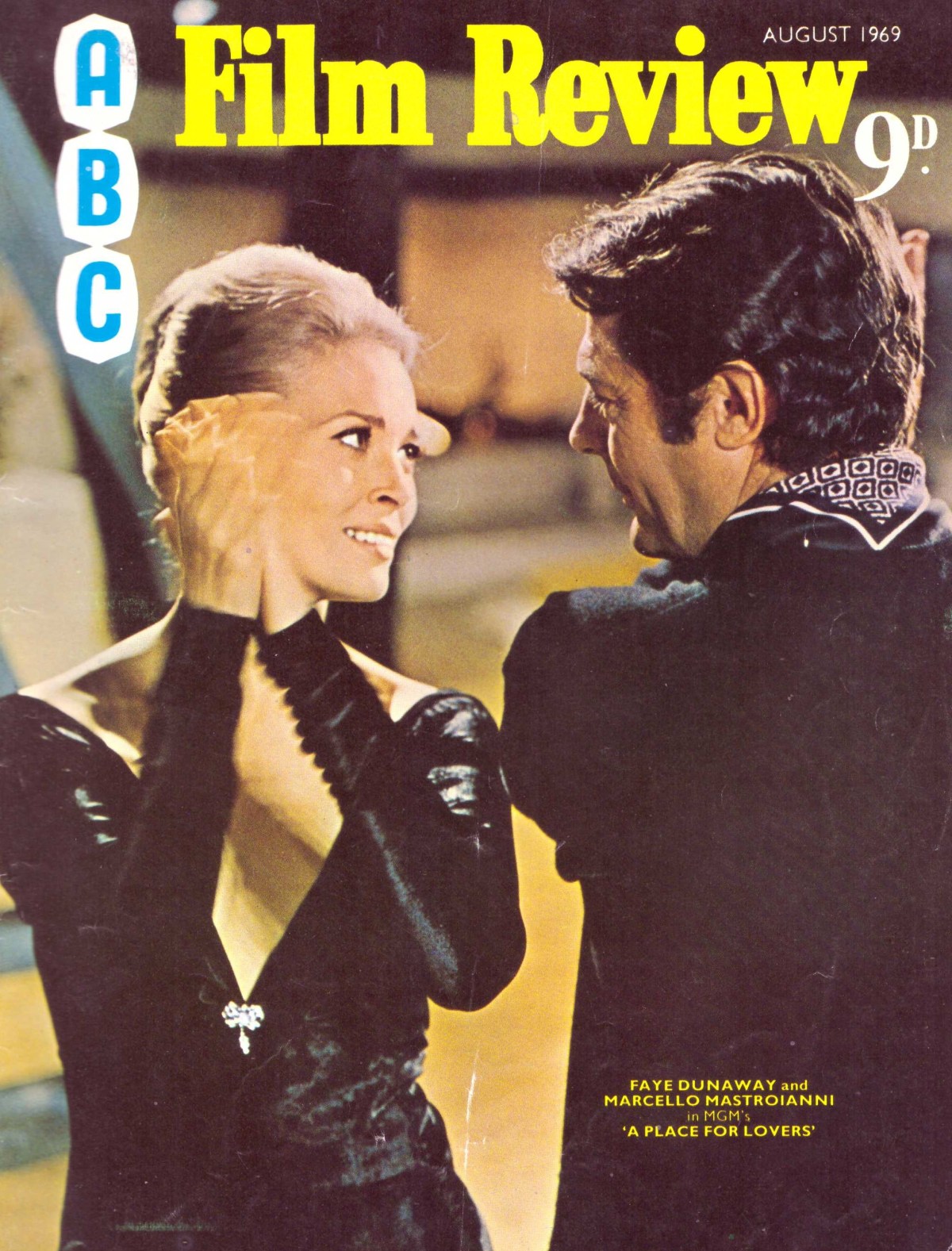
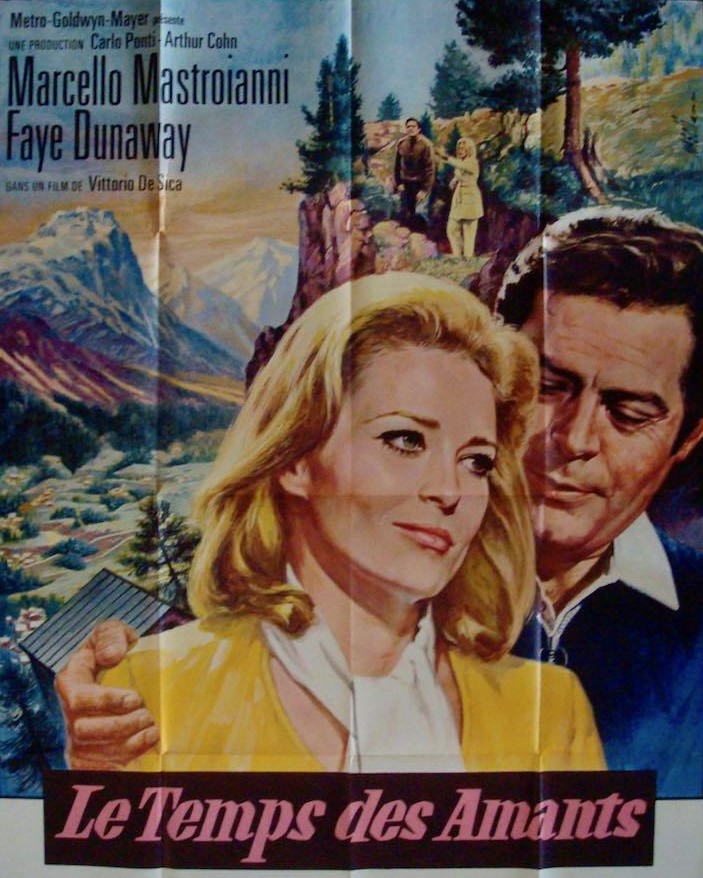
Vittorio De Sica (A Place for Lovers, 1969) does pretty well to merge standard Italian broad comedy with several dashes of satire. The big surprise is that Neil Simon (Barefoot in the Park, 1967) wrote the script, helped out by De Sica’s regular collaborator Cesare Zavattini (A Place for Lovers).

I saw this and A Shot in the Dark on successive nights on Amazon Prime. I hadn’t seen either before. They had been received at either ends of the box office spectrum, the Clouseau reprise a big hit, the Hollywood satire a big flop, so I expected my response might reflect that. But, in reality, it was the other way round. I appreciated this one more.

Go figure.  

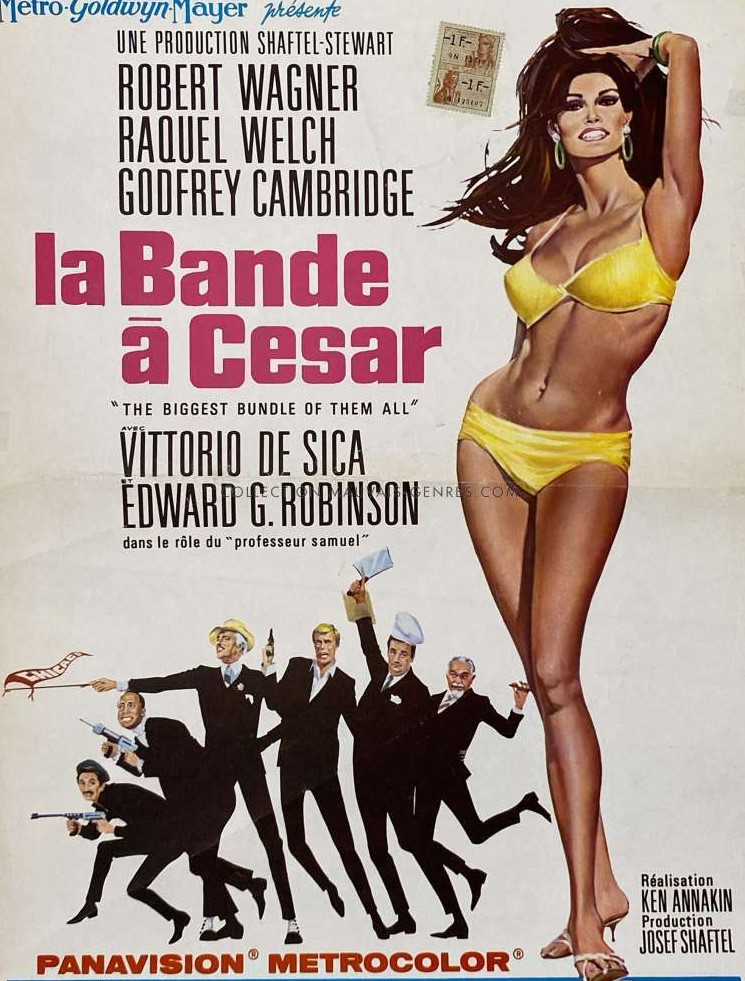
The Biggest Bundle of ‘Em All (1968) ***

Bunch of incompetent crooks kidnap an impoverished Mafia boss who pays his ransom by setting up a major heist. By a stroke of casting alchemy this brings together Cesare (Vittorio De Sica), the epitome of old world Italian charm, knock-out gangster’s moll and scene-stealer-in-chief Juliana (Raquel Welch) replete with scanty knock-out outfits and criminal mastermind Professor Samuels (Edward G. Robinson). In order to acquire the funds necessary to steal $5 million of platinum ingots from a train – the plan involving a tank and an WW2 bomber – the crew, initially headed by American Harry (Robert Wagner), need to carry out smaller jobs.

Problem is, none of them are any good, not even Cesare, who has lost his flair and botches an attempt to rob an old flame of her jewels. They can’t even carry out a simple theft from a restaurant. The heist itself is pretty spectacular and innovative. And the movie is quirky, with a darker edge. While there are few belly laughs, the light tone is enough to carry the gentle humor, mostly inspired by the misplaced team, amateurs for various reasons, not necessarily outright lawbreaking, on the run. These include London Cockney mechanic Davey (Davy Kaye), chef Antonio (Francesco Mule) distracted by hunger at every turn, cowardly violinist Benny (Godfrey Cambridge) and Joe (Mickey Knox) with a helluva brood to feed.

The story does a good bit of meandering, as does the camera, much of its focus on the voluptuous charms of Juliana, but the hurt pride of Cesare and the grandiose machinations of the professor keep it on course. The Italian settings, incorporating grand villas and ruins, do no harm either. The heist is terrific and there is a final twist you may or may not see coming. The interplay of characters works best when it involves Juliana, who attempts to twist Cesare around her little finger, that tactic mutual it has to be said, who keeps the professor on his toes by dancing with him in a disco, and it soon becomes apparent that she has the upper hand over loverboy Harry.

You could be forgiven for thinking the title refers to Raquel Welch – a cinematic infant at this stage with only One Million Years B.C (1966) in her locker – especially when her cleavage and looks receive such prominence, but the caper is classy and different. As well as being obvious she is both sinuous and seductive and clearly has a mind of her own, possibly the most criminally intent of the entire outfit, with weapons the others lack. By this point, she had invented the pop-out bikini, pictures of which had flooded Europe, making her the pin-up par excellence, but those who came to simply gawp quickly realised there was talent behind the body.

De Sica (The Shoes of the Fisherman, 1968) constantly plays around with the idea of being a defunct godfather and Robinson (Grand Slam, 1967) is the antithesis of the gangster roles on which his fame relied. Robert Wagner (Banning, 1967) is less effective, miscast and out of place in such august acting company and losing out to welch in every scene.

This was a considerable change of pace for British director Ken Annakin after Those Magnificent Men in Their Flying Machines (1965) and Battle of the Bulge (1965) and he brings to this the comedy of the former coupled with the narrative complications of the latter, wrapping everything up in an easy inviting style that makes the most of his stars and the locations. Screenwriter Sy Salkowitz was a television veteran (Perry Mason, The Untouchables et al) , this marking his first venture into the big screen.        

Come September (1961) ***

The quite superb concept that underpins the traditional unsettling of Rock Hudson is sabotaged by the inclusion of an unnecessary generation gap element and because one of the youngsters is singer Bobby Darin that throws a musical spanner into the works. The basic set-up is that Lisa (Gina Lollobrigida), the Italian lover of wealthy American Robert (Rock Hudson), is fed up with the part-time nature of their relationship. Although their affair dates back six years, it only lasts for the one month (September) he vacations each year in his luxurious villa on the Ligurian coast.

She’s so annoyed at his lack of commitment that she’s about to marry posh Englishman Spencer (Ronald Howard), that imminent event only put off by the unexpected earlier-than-usual arrival of Robert. Matters are further complicated because his enterprising Italian butler Maurice (Walter Slezak) hires out the villa to paying guests for the other eleven months. To explain the owner’s sudden arrival, Maurice persuades his guests to go along with the notion that Robert is a former owner fallen on hard times deluded into thinking he still possesses the property.

The guests are a gaggle of young women, including psychology major Sandy (Sandra Dee) who proceeds to analyze Robert, and they are herded around by formidable chaperone Margaret (Brenda de Banzie) who prevents Lisa sneaking into her lover’s bedroom.

So enough plot to be getting on with. You’d assume Spencer is going to turn up, maybe with his equally formidable sisters, to cause ructions at the villa. Lisa appears to enjoy making Robert wait the way he has kept her wait, so a gentle shift in power, and there’s going to be an inevitable bust-up so we expect a quick shift into the will-she-won’t-she scenario. Plus, there’s the whole issue of Robert claiming back his villa and dealing with the over-entrepreneurial Maurice.

Instead, the second act enters a whole new realm. Unless one of the girls was going to make a play for Robert, there’s not much reason for them to be there except for the nuisance value and to allow Margaret to flex her authority. An unwelcome quartet of young men, led by Tony (Bobby Darin), embark on the equally unwelcome task of wooing of the young ladies, Tony having his eyes on Sandy. Although various romantic entanglements are enacted, that’s not what takes center stage.

Instead, the bulk of the middle section scarcely involves the Robert-Lisa quandary and instead it’s devoted to an endless battle between Tony and Robert as the younger specimen attempts to prove he is mentally and physically superior. Now the one element that had made these Rock Hudson comedies work was his helplessness. He may occasionally be smart or wealthy but the whole point of these stories was for a woman to run rings around him or at the very least drag him way out of his comfort zone.

Seeing Robert best Tony – endlessly – takes the shine off the picture and it’s not until Robert is revealed as a sanctimonious hypocrite, living by a double standard, that the movie catches fire again as Lisa storms off in a huff and we can settle down to some good old-fashioned will-she-won’t-she.

This proves a very successful change of pace for Gina Lollobrigida, and she reveals herself to be such a splendid comedienne that it became part of her repertoire – reunited with Hudson for Strange Bedfellows (1965) and leading a pack of men a merry dance in Buona Sera Mrs Campbell (1968).

There’s nothing particularly wrong with Rock Hudson. He’s good comedy value, but the second act ruins it. Bobby Darin (Pressure Point, 1962) and Sandra Dee (A Man Could Get Killed, 1966) act as if they’re in a completely different movie, of the frothy beach variety. Walter Slezak (The Caper of the Golden Bulls, 1967) is an adept scene-stealer. Look out for Joel Grey (Cabaret, 1972) in an early role and Brenda de Banzie (I Thank a Fool, 1962).

Directed by Robert Mulligan (The Stalking Moon, 1969) with a screenplay by Oscar-winning Stanley Shapiro (Bedtime Story, 1964) and Maurice Richlin (All in a Night’s Work, 1961).

A hybrid that rocks the wrong boat.

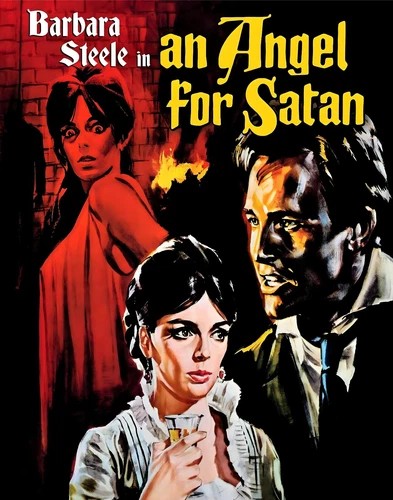
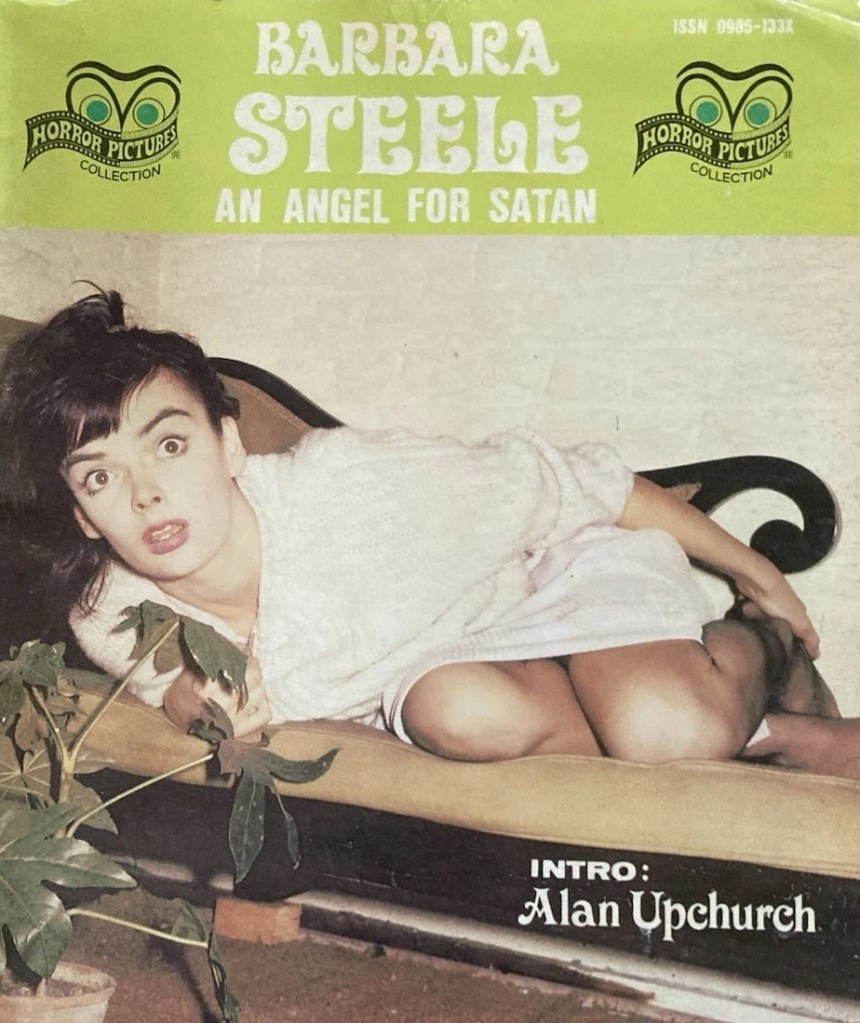
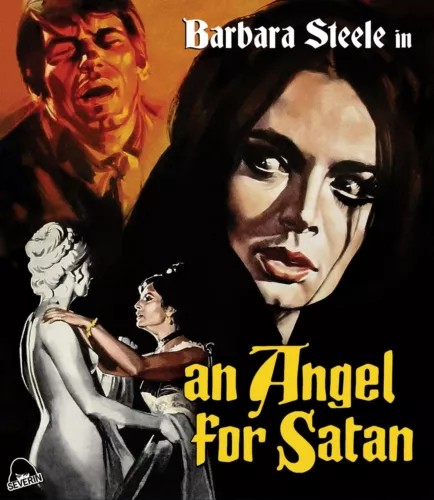
An Angel for Satan / The Devil’s Angel (1966) ***

Scream Queen Barbara Steele (The Crimson Cult / Cult of the Crimson Altar, 1968) is the big attraction in this heady brew of witchcraft, ancient curse, hypnotism and plain ordinary seduction, with an ingenious double twist. And elegantly mounted, crisply photographed as if a Hollywood picture of the 1940s.

After a drought lowers the water level, a 200-year-old statue of the beautiful Countess Melena is recovered from the seabed. The locals fear it carries a curse. Artist Roberto (Anthony Steffen),  hired to restore the artwork, arrives only days before the young countess Harriet (Barbara Steele) returns to claim her inheritance. With some clever sleight-of-hand, veteran Italian director Camillo Mastrocinque (Crypt of the Vampire, 1964) misleads the audience into thinking this is all about secret love affairs, Harriet’s uncle the Count (Claudio Gora) in an illicit relationship with housekeeper Ilda (Marina Berti), maid Rita (Ursula Davis) tempting timid schoolteacher Dario (Vassilli Karis), nascent love between Harriet and Roberto hitting a stumbling block and various shades of unshackled lust from woodcutter Vittorio (Aldo Berti) and village strong man Carlo (Mario Brega).

But pretty quickly, the picture takes a different turn. Turns out it’s not Melena who’s the problem – but her jealous ugly cousin Belinda who threw the statue into the water in the first place. Whatever the cause, there’s an outbreak of malevolence, mostly emanating from Harriet.

She strips naked for Carlo then savagely beats him for daring to stare at the nude body. She seduces Dario, looks like she’s making a play for Rita, goads Roberto and tells him she likes violence and has Carlo in her thrall.

In short order a female villager is raped and murdered, another barely escaping a similar fate, the schoolteacher commits suicide, several villagers are axed to death,  the strong man sets fire to his cottage, killing wife and seven children, and the woodcutter is speared by pitchforks.

You can tell this is a classier number because the violence is minus any gore and there’s little attempt at deliberate shock, more of a slow burn as Harriet torments those around her. Roberto is permitted small touches of investigation, and there’s a clever special effect of a painting appearing to talk.

The traditional horror elements – lightning, slamming windows, storms – are primarily employed to nudge Harriet and Roberto together;  it just so happens that she is scared of lightning and he’s the person most conveniently placed to comfort her. There’s a hint of the narcissism found in Hammer’s later lesbian horror pictures, and only the censor or the director’s discretion prevents more full-blown nudity as a prelude to seduction of both male and female. Harriet’s a dab hand at inveigling males to be in the wrong place at the wrong time invariably with her clothes in disarray to lend substance to her claims of being attacked.

While, as regular readers will know, I’m generally in favour of the climactic twist – the more the merrier – here I’m not so sure this was the road to go down. As Roberto already knows that the curse applies to wicked cousin Belinda rather than Melena, it would have been enough for him to declare this and find a way of removing it, most likely adopting the simple solution of chucking the statue back in the sea, which is what the villagers have been demanding all along.

It’s quite clear that much of the rape and killing is down to hypnotism by Harriet, but once we discover she’s being hypnotized by the Count, in one fell swoop what had been an intriguing horror story transforms into a more run-of-the-mill crime tale since if Harriett is committed to an asylum then he can continue to rule the roost.

But he’s in the thrall of Ilda who turns out to be the ancestor of Belinda. So not quite the satisfactory ending unless the criminal element had been introduced earlier on.

I doubt if Barbara Steele fans will care as the actress is very much in her element and, although in the end a victim, for the bulk of the picture she is in total – and seductive – command. Nobody’s going to compete with her and sensibly nobody tries. Anthony Steffen didn’t need any help with his career because had had already headed down the spaghetti western route.

Classically directed – excellent composition and camera movement – from a script by Mastrocinque and Giuseppe Mangione (Anzio / Battle for Anzio, 1968) from a novel by Antonio Fogazarro.

Superior stuff in which Barbara Steele shines.

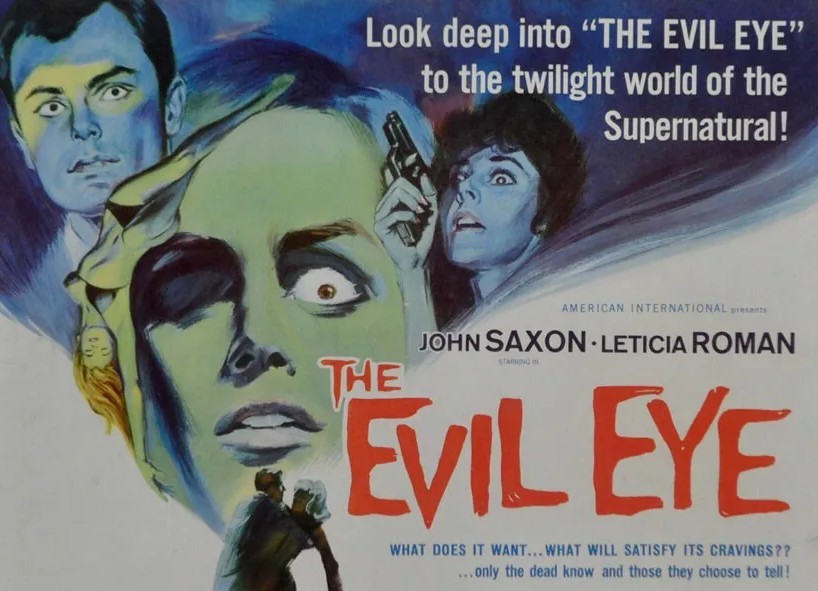
The Evil Eye / The Girl Who Knew Too Much (1963) ***

Don’t be taken in by claims that, since it was directed by Mario Bava, it kicked off the giallo sub-genre. More of the tropes come from mainstream horror – windows banging shut, locked doors, disembodied voices, stalkers, gaslighting, mysterious phone calls, premonition, retrocognition. And just for good measure, striking compositions that wouldn’t be out of place in an arthouse picture. But essentially it’s neo-noir – a woman can’t prove she’s witnessed a murder.

The Evil Eye was the American title, which makes little sense, although eye-popping eyes were in fashion from movies like Village of the Damned (1960), but in fact the original title of The Girl Who Knew Too Much is much more appropriate. This film is about a female character and what she discovers that threatens her life. The American version was chopped about by the distributor but, apparently, copies of that have gone astray so if locate a copy of the picture what you are likely to see if the Italian original.

American tourist Nora (Leticia Roman) is knocked out by a robber in Rome. On waking up she sees a murderer sticking a knife into a woman’s back. Only problem is – there’s no corpse to be found. But, strangely, a murder was committed on that spot a decade ago. So she might be having a vision of the past. But the murderer Straccianeve was caught.

The victim was the sister of Laura (Valentina Cortese), a new friend, whose apartment Nora temporarily occupies. There, Laura discovers newspaper clippings relating to the “alphabet killer”, a serial murderer whose victims’ surnames began with A, B, and C. Once Nora begins her investigations, it looks like she’ll be next on the list since her surname begins with “D”.  Meanwhile, she has struck a romantic vibe with Dr Marcello Bassi (John Saxon). But, of course, he might be not what he seems, sneaking off for assignations with strange women, following her.

Much of this is played out on deserted streets where the tourist sites acquire a dangerous veneer.

The finger points at journalist Landini (Dante DiPaulo), who has been following her. But he is as much a basket case as a potential murderer. He was instrumental in collecting the evidence that trapped the murderer but now believes Straccianeve was innocent.

In due course, after some more deaths, Nora traps the murderer, who comes out of left field, one of those where you think the writer has decided to pin the blame on the least likely suspect and come up with a spurious reason for the murders, so the twists pile up in helter skelter fashion at the end, including one which suggests Nora might well have the gift of seeing into the future.

Leticia Roman, in her debut, is mostly called upon to look baffled or frightened, there’s rather too much of the pop-eyes, and John Saxon (The Appaloosa, 1966) has the rare opportunity to play a hero. Valentina Cortese (Barabbas, 1961) drifts in and out of the tale. Written by future director Sergio Corbucci (Django, 1966), Oscar-winner Ennio De Concini (Divorce, Italian Style, 1963) and Eliana De Sabato (Marco Polo, 1962).

If it hadn’t been directed – and occasionally so stylishly – by Mario Bava (The Whip and the Body, 1963), it would have attracted considerably less contemporary attention. One of this main themes – the conflict between illusion and reality – is given a good airing. You can well believe that Nora is going mad. But it’s atmospheric enough and the director makes unusual use of the standard Rome tourist traps and this picture gives notice that he will move onto greater movies.

Buona Sera Mrs Campbell (1968) ****

Works a treat. And works like clockwork, the set-up so meticulous, it doesn’t put a comedic foot wrong and even allows space, at exactly the right time, for the ticking timebomb to be sorted out. Gags galore. Sight gags, sound gags and observational gags, but most, unusually, are snippy, the kind of sharp remarks that people make under tension. And, heaven help us, there’s farce, and that works, too. It rarely does in American movies because it’s usually an adaptation of a Broadway play and the movie director feels hidebound by stage conventions. Here, this is an original screenplay, so writer-director Melvin Frank (Strange Bedfellows, 1963) works to his own beat.

You’ll remember the “who’s the father” narrative ploy from Mamma Mia (2008) – though this preceded the Abba bash by four decades. Twenty years after the Yanks liberated an Italian village in World War Two they are back to commemorate the event. Amongst the soldiers, three men desperate to meet the daughter, Gia (Janet Margolin), they each think they sired with Carla (Gina Lollobrigida) and have been supporting with monthly cheques ever since. They don’t know about each other’s involvement but between them have provided an excellent upbringing for Gia who speaks perfect English, having attended American School in Geneva, with enough left over for Carla to live in a fancy house with a maid.

The guys are a disparate bunch. Justin (Peter Lawford) is a philanderer whose wife Lauren (Marian McCargo) dare not let him out of her sight. Phil (Phil Silvers) has a brood and hardly escapes emotional Shirley (Shelley Winters) without one – or all – being attached. The loudmouth exuberant Walter (Telly Savalas) has to bite his tongue when wife Fritzie (Lee Grant) constantly reminds him she hasn’t provided her with a child, when, secretly, he believes she’s the infertile one and Gia the proof.

Initially, this goes the way you expect – and then it doesn’t, confounding all audience expectations. Carla, who had planned to skip town until the celebrations are over, is forced by other circumstances to remain. She’s involved in two subplots – Gia is planning to run off with an older married man to Brazil, and Gina can’t resist the opportunity to get one over on the sniffy local Contessa (Giovanna Galletti). Actually, there’s three subplots if you include Gina trying to keep hold of handsome lover Vittorio (Phillipe Leroy), who initially fears one of the returning soldiers will sweep Carla off her feet and whisk her off to the States, but then becomes very dismissive of her taste in men.

When the secret is revealed, rather than turning on their deceitful husbands, the women are full of praise for them. But that’s only because it’s not the whole secret. They think they discover that out of the goodness of their hearts the men have been sending cash to Carla in memory of their (fictitious) colleague Eddie Campbell who died in the war. The guys, meanwhile, turn against Carla when they become aware of each other’s existence and the fact that not so much just that they have been rooked, collectively, out of $200,000 but that they have individually been helping to bring up what could be another man’s child. Gia, too, on learning of the deceit, is furious and runs away, leaving Carla distraught.

When the true secret emerges, naturally there’s one almighty bust up, with wives and husband and daughter all railing against Carla until Vittorio steps in and explains just what a wonderful mother she has been.  This neatly steps over the timebomb, just what possessed Carla to have sex with three men in ten days beyond that they pumped up her ego and brought her food and treats.

There are some brilliant scenes – the streetwalker, the hospital, the car horn that doesn’t work, the missing laundry, the mean Contessa finding a clever way to put down Carla – but mostly it’s held together with the stiffest of glues by an inspired performance by Gina Lollobrigida. Telly Savalas (The Assassination Bureau, 1969) is the pick of the others, playing against type.

Class act from Melvin Frank.

The Leopard (1963) *****

Masterpiece. No other word for the way director Luchino Visconti commands his material with fluid camera and three terrific performances (four, if you count the wily priest). An epic in the old-fashioned sense, combining intelligence, action and romance, though all three underlaid by national or domestic politics. And if you’re going to show crumbling authority you can’t get a better conduit than Burt Lancaster (check out The Swimmer, 1969, for another version of this), physical prowess still to the fore but something missing in the eyes. And all this on sumptuous widescreen.

Only a director of Visconti’s caliber can set the entire tone of the film through what doesn’t happen. We open with a religious service, not a full-scale Mass but recitations of the Rosary, for which the family is gathered in the massive villa of Prince Don Fabrizio Salina (Burt Lancaster). There is an almighty disturbance outside. But nobody dare leave or even react, children silently chided for being distracted, because all eyes are on the Prince and he has not batted an eyelid, worship more important than domestic matters.

Turns out there’s a dead soldier in the garden, indication of trouble brewing. Italy has been beset with trouble brewing from time immemorial so the Prince isn’t particularly perturbed, even if the worst comes to the worst an accommodation is always reached between the wannabes and the wealthy ruling elite.

There’s a fair bit of political sparring throughout but this is handled with such intelligence it’s involving rather than off-putting. Rebel Garibaldi is on the march, it’s the 1860s and revolution is on the way. But it’s not like the French Revolution with aristocrats executed in their thousands and when Garibaldi’s General (Guiliano Gemma) comes calling he addresses the Prince as “Excellency.”

The Prince is a bit of a hypocrite, not as devout as he’d like everyone to believe. He’s got a mistress stashed away for one thing and for another he blames his wife for the need to satisfy his urges elsewhere, complaining that she’s “the sinner” and that despite him fathering seven children with her he’s never seen her navel. Furthermore, the person he makes this argument to is the priest Fr Pirrone (Romolo Valli), who, knowing which side his bread is buttered on, doesn’t offer much of a challenge.

If you’re not going down the more perilous route of taking up arms, advancement in this society is still best achieved through marriage and the Prince’s ambitious nephew Don Tanacredi (Alain Delon), more politically astute, does this through marriage to Angelica (Claudia Cardinale), daughter of Don Calogeo Sedara (Paolo Stoppa).

Brutality and elegance sit side by side. You’re not going to forget the mob of women hunting down and hanging a Government police spy nor, equally, the astonishing ball that virtually concludes proceedings, showing that, whatever changes in society take place, those with money and privilege will still hold their own. But that’s only if they do a little bit of bending the knee to the new powers-that-be, something that Tancredi, by now a rebel hero wounded in battle, is more than happy to do, since that procures him even further advancement, but a step too far for the Prince, who at the end retreats into his study, as if this will provide sanctuary from the impending future.

Don’t expect battle on the scale of Lawrence of Arabia (1962), this action is a more scrappy affair, undisciplined red-shirted hordes sweeping through a town and eventually overwhelming cavalry and ranks of infantry.

But if you’re aiming to hold an audience for three hours, a decent script, romantic entanglement and camerawork isn’t enough. You need the actors to step up. Luckily, they do, in spades. Burt Lancaster is easily the pick, towering head and shoulders, and not just in physicality, above the rest, a man who sees his absolute authority draining away in front of his eyes. Alain Delon (Once a Thief, 1965) comes pretty close, though, not afraid to challenge his uncle’s beliefs nor point out his hypocrisy, and adept at picking his way through the new emerging society, his potential ascension to newfound power demonstrated by wearing a war wound bandage wrapped piratically around one eye, as though keeping a foot in both camps. Though American audiences never quite warmed to Delon, he was catnip for the arthouse brigade, courtesy of being anointed by Visconti and Antonioni in, respectively, Rocco and His Brothers (1960) and L’Eclisse  (1962).

Far more than U.S. cinemagoers could imagine, Claudia Cardinale (The Professionals, 1966) also easily straddled commercial and arthouse – Rocco and His Brothers, Fellini’s (1963) – and on her luminous performance here you can see why. You might also spot future Italian stars Terence Hill (My Name Is Nobody, 1970) and Giuliano Gemma (Day of Anger, 1967). Adapted from the bestseller by Giuseppe Tomasi de Lampedusa by the director and his Rocco and his Brothers team of future director Pasquale Festa Campanile (The Libertine, 1968), Suso Cecchi D’Amico,  Enrico Medioli and Massimo Franciosa.

I can’t quite get my head round the audacity of Netflix in attempting a mini-series remake. I’m assuming they’ve had the sense to buy up the rights to the Visconti to prevent anyone comparing the two.

One of the decade’s greatest cinematic achievements.

Jessica (1962) ***

Roman Holiday (1953), Three Coins in a Fountain (1956) and Boy on a Dolphin (1956) had set a high bar for Hollywood romances set in Italy. Since Jean Negulesco had directed the last two, he was expected to sprinkle box office magic on this slight tale of young American midwife Jessica Brown Visconti (Angie Dickinson) adrift in a rustic village in Sicily.

She’s the kind of beauty who’s going to raise male temperatures except Jessica, having been widowed on her wedding day, is not romantically inclined. Unfortunately, that doesn’t stop the entire male population becoming so entranced that their wives become so enraged that led by Maria (Agnes Moorehead) they embark on a sex strike, assuming that without any pregnancies (contraception being frowned upon in a Catholic domain) to deal with Jessica will become redundant and go away. And that so annoys Jessica, who is doing a good job as a midwife, that she turns on the flirting to get back at her female tormentors. Luckily, there’s a reclusive landowner (Gabriele Ferzetti) who happens to be a widower, although romance takes a while to stir. There’s also a priest (Maurice Chevalier), in part acting as narrator, who turns to song every now and then.

So it’s a surprise that this unlikely concoction works at all. It’s charming in the obvious ways, the lush scenery, a traditional wedding, gentle comedy. But it’s a decade too late in taking an innocent view of sex. There’s no crudeness, of course; it doesn’t fall victim to the 1960s  need to sexualize in an obvious manner. And not every husband is continuously ogling Jessica so Nunzia (Sylva Koscina) and young bride Nicolina (Danielle De Metz) are in the awkward situation of potentially betraying the sisterhood.

But in resolving the central issue the story develops too many subplots and introduces too many characters, often leaving Jessica rather redundant in terms of the plot, with not much to do, especially when her prospective suitor is absent for a long period going fishing.

Angie Dickinson is delightful as the Vespa-riding innocent turned mischievous. However, in some way though this seemed a backward step for Dickinson, a rising star in the Lana Turner/Elizabeth Taylor mold after being John Wayne’s squeeze in Rio Bravo (1959) and Frank Sinatra’s estranged wife in Ocean’s Eleven (1960) and after a meaty supporting role in A Fever in the Blood (1961)  elevated to top billing in The Sins of Rachel Cade (1961). It seemed like Hollywood could not make up its mind whether it wanted her to be like Gidget or be given free rein to express her sexuality.

A charmer like Maurice Chevalier (A Breath of Scandal, 1960) was ideal for what was in effect a whimsical part. The singing probably met audience expectation. Perhaps like Sean Connery’s perennial Scottish accent, nobody ever asked Chevalier to drop his pronounced French accent even to play an Italian. But the picture is whimsical enough without him.

There’s a surprisingly strong supporting cast in four-time Oscar nominee Agnes Moorehead (Pollyanna, 1960), Gabriele Ferzetti (Once Upon a Time in the West, 1969) and French actor (and sometime writer-director) Noel-Noel. Yugoslavian Sylva Koscina (Deadlier Than the Male, 1967), Frenchwoman Kerima (Outcast of the Islands, 1951) and Danielle De Metz (The Scorpio Letters, 1967) all make a splash. Screenplay by Edith Sommer (This Property Is Condemned, 1966) from the bestseller by Flora Sandstrom.

Terrific turn from Angie Dickinson.

The Roman Spring of Mrs Stone (1961) **

Dreary miscalculation. Ever since Tennessee Williams hit a home run with Cat on a Hot Tin Roof (1958), studios, directors and stars had clamored for his works, so much so that Hollywood had greenlit seven adaptations in five years. While box office was one consideration, the playwright was catnip to the Oscar, racking up 17 nominations with a hefty number in the Best Actress category.

However you dressed it up, his work contained a substantial number of portraits of sadness and malevolence and often teetered on the murky, so making them work at all depended not just on the acting and direction, but the initial story. Rather than being based on a play, this was sourced from his first novel, a bestseller.

But the tale never shifts out of first gear and it’s difficult to summon up sympathy never mind interest in any of the characters. The middle-aged romance had proved a cumbersome fix for studios, and since May-December numbers featuring ageing male and younger female had proved popular, Cary Grant set up with an endless supply of woman nearly half his age, it seemed only fair to give middle-aged actresses the opportunity to romance younger men.

Usually, however, this followed a more straightforward path, involving genuine feelings on both sides. But Hollywood was also digging into another cesspit, the female sex worker, somewhat dressed up in Butterfield 8 (1960) and Go Naked in the World (1961), treated more straightforwardly in Never on Sunday (1960) and Girl of the Night. So it only seemed fair to introduce the gigolo.

Stage actress Karen Stone (Vivien Leigh) heads for Rome with her wealthy husband to recover from the failure of her latest play, a Shakespearian outing. When her husband dies on the plane, Karen decides to hang on in the Italian capital, which, after a year, brings her into the orbit of gigolo Paulo (Warren Beatty) and his unscrupulous mentor/manager Contessa Magda (Lotte Lenya). While Karen isn’t entirely a dupe and quickly sees through Paulo, nonetheless a year of loneliness has taken its toll.

Plus she understands the attraction of the older lover, her husband being a good two decades older and willing to subsidize her theatrical and cinematic ambitions. Despite not falling for Paulo’s more obvious con tricks, Karen finds herself enmeshed in a one-sided romance, ignoring the warnings of friend Meg (Coral Brown) on the dangers of becoming the talk of the town with her lover clearly more attracted to rising movie star Barbara (Jill St John). Paulo quickly dumps the Contessa, leaving her free to pour bile into Karen’s ear.

Inevitably, the younger lover tires of the older, but generally such pairings work well enough because initially at least there is attraction on both sides. But when it’s as lop-sided as this no amount of long drawn-out close-ups of the disenchanted provide sufficient compensation for a story that overstays its welcome.

While there are hints of the decadence of La Dolce Vita (1960) that Fellini explored, here it’s more of a surface examination until the surprising ending, where you would think Karen is doing little more than willingly opening the door to a potential serial killer.

The only redeeming element, which might reverberate more easily today, is of the woman demonstrating her independence by being the one to choose, and to some extent discard, the man. While not for most of the movie a sexual predator, she may well have turned into one at the end.

Oscar-winner Vivien Leigh, in her first movie in six years, essays her role well but is compromised by portraying a character that fails to elicit sympathy. Warren Beatty (Promise Her Anything, 1966) avoids the trap of thickening his Italian accent and going wild with the gestures which lends his character more of a thoughtful personality but there’s not much here to write home about. Lotte Lenya (From Russia with Love, 1963) steals the show and was rewarded with an Oscar nomination. Jill St John (Tender Is the Night, 1962) plays the ingénue like an ingénue.

Unless you’re a student of theater I doubt if you’ll have come across Panamian director Jose Quintero. This was his only movie and he was more famous for staging some of Williams’ plays and for resurrecting Eugene O’Neill on Broadway. His inexperience shows in lingering on faces at the expense of creating drama. Gavin Lambert (Inside Daisy Clover, 1965) adapted the novel.

Disappointment.

The Devil’s Brigade (1968) ***

I couldn’t get my head around the idea of the U.S. Army recruiting a bunch of undisciplined misfits, many with jail time, in order to link them up with a crack Canadian outfit. Turns out this part of the film was fictional, the Americans in reality responding to advertisements at Army posts which prioritized men previously employed as forest rangers, game wardens, lumberjacks and the like which made sense since the original mission was mountainous Norway.  I should also point out the red beret the soldiers wear is also fictional and while depicted on the poster sporting a moustache commanding officer Lt. Col. Frederick (William Holden) is minus facial hair in the film.

But, basically, it follows a similar formula to The Dirty Dozen (1967), training and internal conflict followed by a dangerous mission. The conflict comes from a clash of cultures between spit-and-polish Canucks and disorderly/juvenile Yanks though, as with the Robert Aldrich epic, the leader taking some of the brunt of the discontent.  Collapsible bunk beds, snakes under the sheets and a tendency to fisticuffs are the extent of the antipathy between the units, which is all resolved, as with The Dirty Dozen, when they have to take on people they jointly hate, in this case local bar-room brawlers in Utah.

The movie picks up once they are sent to Italy. Initially employed on reconnaissance, Frederick challenges Major-General Hunter (Carroll O’Connor), who prefers to do things by the book, and in a maverick move sets out to take an Italian position by trekking two miles up a riverbed, creeping into town by stealth and capturing the location without firing a shot. 

Next up is the impregnable Monte la Difensa. Taking a leaf out of the Lawrence of Arabia playbook, in a brilliant tactical move, the Americans attack the mountainous stronghold from the rear by way of a mile-high cliff.  But that’s the easy part. The rest is trench-by-trench, pillbox-by-pillbox, brutal hand-to-hand fighting.

The battle scenes are excellent and the training section would be perfectly acceptable except for the example of The Dirty Dozen which set a high bar. That said, there is enough going on with the various shenanigans to keep up the interest, but we don’t get to know the characters as intimately as in The Dirty Dozen and there is certainly nobody to match the likes of Telly Savalas, Charles Bronson, Jim Brown and John Cassavetes. That also said, the men do bond sufficiently for some emotional moments during the final battle

At this point William Holden’s career was in disarray, just one leading role (Alvarez Kelly, 1966) and a cameo (Casino Royale, 1967) in four years, and although his screen persona was more charming maverick than disciplined leader he carries off the role well, especially solid when confronting superiors, exhibiting the world-weariness that would a year later in The Wild Bunch put him back on top. Ironically, Cliff Robertson was coming to a peak and would follow his role as the strict disciplinarian Major Crown, the Canadian chief, with an Oscar-winning turn as Charly (1968). Vince Edwards (Hammerhead, 1968) as cigar-chomping hustler Major Bricker makes an ill-advised attempt to steal scenes.

This was the kind of film where the supporting cast were jockeying for a breakout role that would rocket them up the Hollywood food chain – as it did with The Dirty Dozen. Jack Watson (Tobruk, 1967) is the pick among the supporting cast, but he has plenty of competition from Richard Jaeckel (The Dirty Dozen), Claude Akins (Waterhole 3, 1967), Jeremy Slate (The Born Losers, 1967), Andrew Prine (Texas Across the River, 1966), Tom Stern (Angels from Hell, 1968) and Luke Askew (Cool Hand Luke, 1967). Veterans in tow include Dana Andrews (The Satan Bug, 1965) and Michael Rennie (Hotel, 1966).

William Roberts (The Magnificent Seven, 1960) adapted the bestselling book by Robert H. Ableman and George Walton. Director Andrew V. McLaglen (Shenandoah, 1965) was more at home with the western and although there are some fine sequences and the battle scenes are well done this lacks the instinctive touch of some of his other films.

Dirty Dozen-lite.

Discover WordPress

A daily selection of the best content published on WordPress, collected for you by humans who love to read.

The Atavist Magazine

by Brian Hannan

WordPress.com News

The latest news on WordPress.com and the WordPress community.