Behind the Scenes: Coppola, Lucas, Speielberg, “The Last Kings of Hollywood”

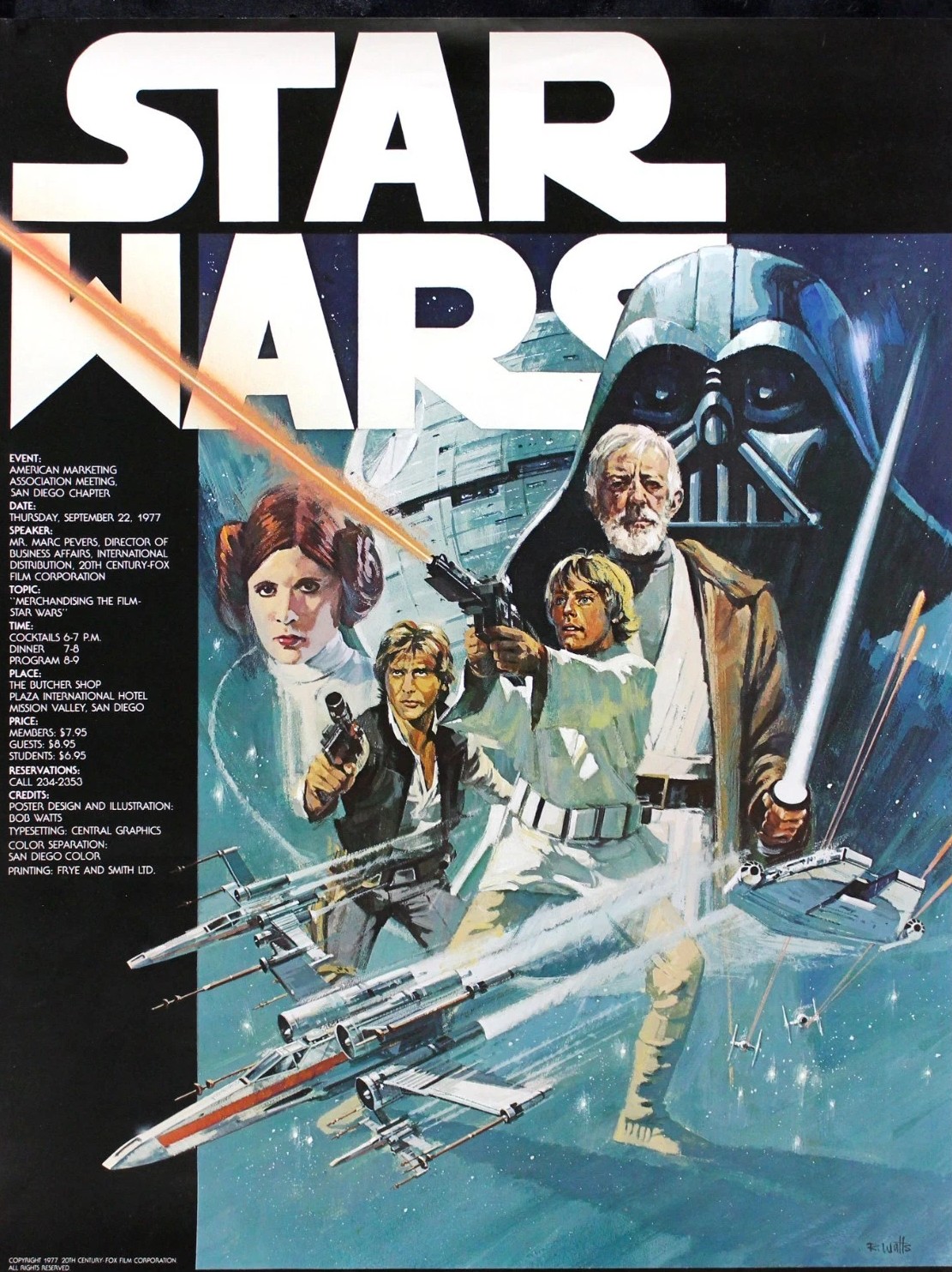
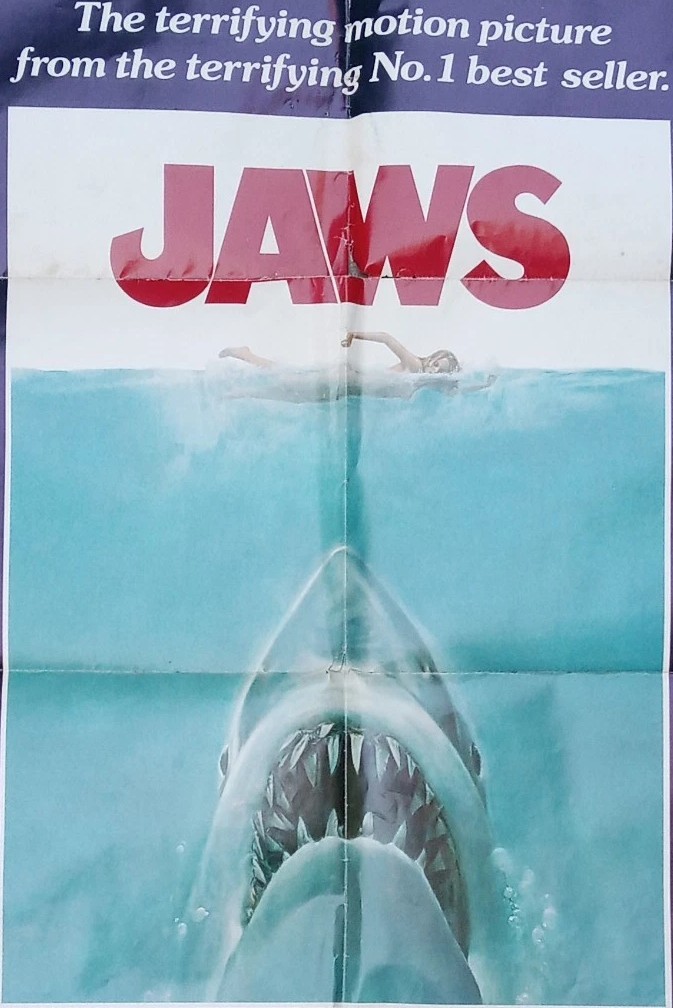
There’s no connection between Robert Wise, Mike Nichols and David Lean, responsible for the three biggest  movies of the 1960s, respectively The Sound of Music (1965), The Graduate (1967) and Doctor Zhivago (1965). No ostensible link these days between uber directors James Cameron and Christopher Nolan. Yet the three directorial gods of the 1970s – makers of the three biggest films of that decade namely The Godfather (1972), Jaws (1975) and Star Wars (1977) – lived out of each other’s pockets for a considerable period, relied on each other for support, encouragement and even finance, and while aiming to create a new path for the independent director ended up inventing the blockbuster which, ironically, made directors even more dependent on studios.

Paul Fischer’s new book The Last Kings of Hollywood, The Battle for the Soul of American Cinema delves into the background that saw Francis Ford Coppola bankroll George Lucas and Steven Spielberg and George Lucas work together, examining the ruptures, fallouts and lingering resentments that fueled their incredible rise.
All three were the hot kids in the cinematic sense. Coppola and Lucas were held up to generations of film school students for what they had achieved in film school, Spielberg’s juvenile attempts at movie making were incredibly accomplished.

Coppola was “something of a legend” after studying at Hofstra University in New York, “he’d won awards for his directing and all but remodeled the college’s entire drama department after himself. At UCLA film school he’d made all the best films” and then skipped out without graduating to work on Roger Corman pictures, learning by work rather than by attending lectures. Lucas’s student film THX 1138 was hailed as the best student film ever made. As a sophomore in high school, Spielberg made his calling card, Firelight.

Coppola was the visionary entrepreneur, persuading Warner Brothers to cough up the best part of $7 million for the director to set up his own independent operation American Zoetrope in San Francisco, distant from the prying and interfering eyes of Hollywood. All he had to show for the dough for the feature film version of THX 1138 (1971), which was a flop.
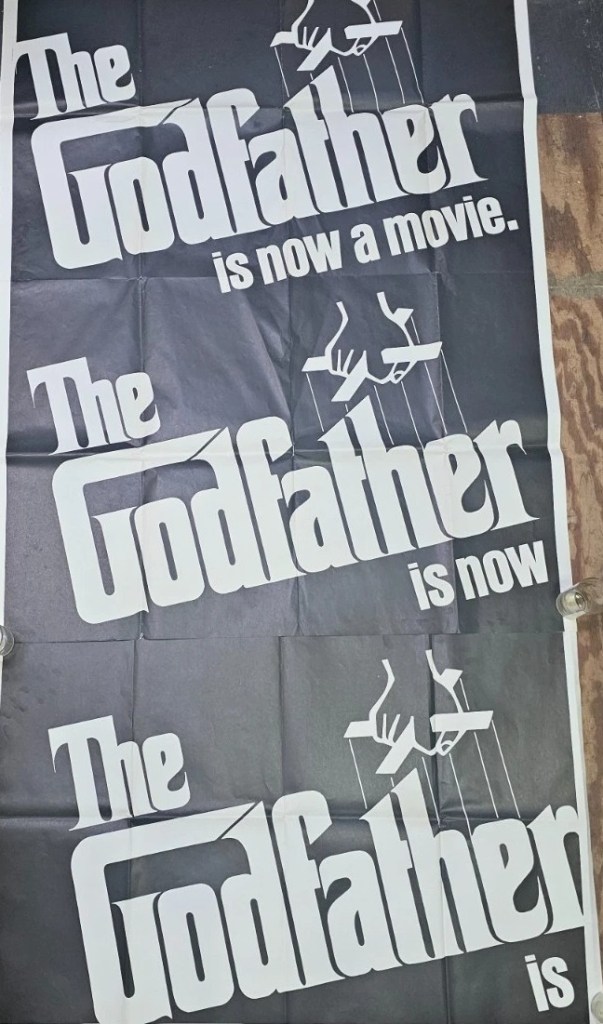
At USC, Lucas befriended John Milius and encouraged him to adapt Joseph Conrad’s novel Heart of Darkness into a Vietnam film that became Apocalypse Now and originally was being written for Lucas to direct. Lucas and Coppola fell out when the latter took over the film, even after Lucas had made a deal with Columbia. Screenwriter Robert Towne watched four hours of dailies from The Godfather and not only told the beleaguered director “this is without question the best footage I’ve ever seen” but suggested the film needed another scene between Brando and Pacino, the one where the father tells the son “Barzini will move against you first.”

After American Graffiti (1973) was rejected by United Artists, Universal was interested but only if  Coppola lent his name to it. After The Godfather, Coppola could have afford to finance it himself – the budget was only $777,000. But his wife Eleanor didn’t like the script so he passed and lost out on a fortune. Harrison Ford, who legend says was making a living as a carpenter, was actually doing better dealing dope.

Coppola had an affair with his babysitter Melissa Matheson, who turned into a screenwriter though after the failure of The Black Stallion (1979) had given up until Spielberg approached her to write E.T. (1982), having rejected John Sayles original script except for two ideas, the tip of the alien’s finger glowing and the notion of the alien left behind.

Other figures like Martin Scorsese and Brian DePalma are brought into the compelling narrative that touches upon every major creative player of the era. Many of the gang were present for the first showing of Star Wars, in Lucas’s plush screening room – Spielberg, Milius, DePalma, Gloria Katz and Willard Huyck who’d written American Graffiti, Hal Barwood and Matthew Robbins who’d written The Sugarland Express (1974). Scorsese had an excuse not to attend perhaps out of fear of “hating the film and having to break George’s heart.” The communal response was not what Lucas expected.  

“The silence afterward made George uneasy.” DePalma was the most vocal, not just making fun of the movie but of its essential ingredients such as the concept of The Force and the stormtroopers. But his tirade did spur Lucas into introducing the film with the same kind of text that used to crawl up the screen at the start of a Flash Gordon episode. Spielberg was encouraging, but not in public, only after taking Lucas aside.

As well as the special effects making the film and conjuring up a script that worked, Star Wars triggered huge rows between Lucas and his wife Marcia over the editing. This is probably the first book about the making of the movies where time is spent on editing, and its importance to the finished film. “Marcia shaped scenes around the characters’ emotions…George, on the other hand, was motivated by a mixture of cerebral logic and a subject sense of rhythm.”

Fischer covers the making of every important film in the early careers of the trio plus Scorsese and DePalma and a few others in a way that’s totally absorbing by mixing together the behind-the-scenes information and technical aspects with gossip about their love lives, drug habits and creative development. We get Spielberg laughing out loud when he first hears John Williams’ idea for the score of Jaws, that Coppola hid his affair with Matheson for a decade, how Spielberg turned his original ideas for what eventually became E.T. into Poltergeist (1982), whose idea it was to add the climactic twist to Carrie (1976), how Kathleen Kennedy became a dominant producer in a misogynistic business, at the Oscars we see The Godfather producer Robert Evans and Coppola standing side by side “hating each other’s guts.”

While you may have read dozens of articles or books about all movies like The Godfather, Jaws, Taxi Driver (1976), Carrie, Star Wars and Apocalypse Now (1979), what they lack is context. These movies did not appear out of nowhere. As well as camaraderie there was creative rivalry, peer pressure and its partner peer acceptance. Although everyone made big bucks, money was never the driving force. Film was. They ate and slept movies and all they wanted to do was make another, better, one.

The only part of Fischer’s argument I disagree with is the notion that somehow these directors were bucking the system when, in fact, in displacing the old system they replaced it with a new one that didn’t necessarily mean a better one. The blockbuster, the idea of the summer “tent-pole” grew out of not just what profits these movies made but set up the concept of sequels – two for The Godfather, three for Jaws, four for Raiders of the Lost Ark, ten for Star Wars, not to mention side hustles like computer games and television series. While Lucas has cashed in his lucrative chips, Coppola and Spielberg are still making movies.

It’s a long time since I’ve enjoyed a book as much.

The Last Kings of Hollywood, The Battle for the Soul of American Cinema by Paul Fischer is out now, from Faber & Faber in the U.K. and Celador in the U.S.
Behind the Scenes: Dear Mr Scorsese…or Mr Nolan

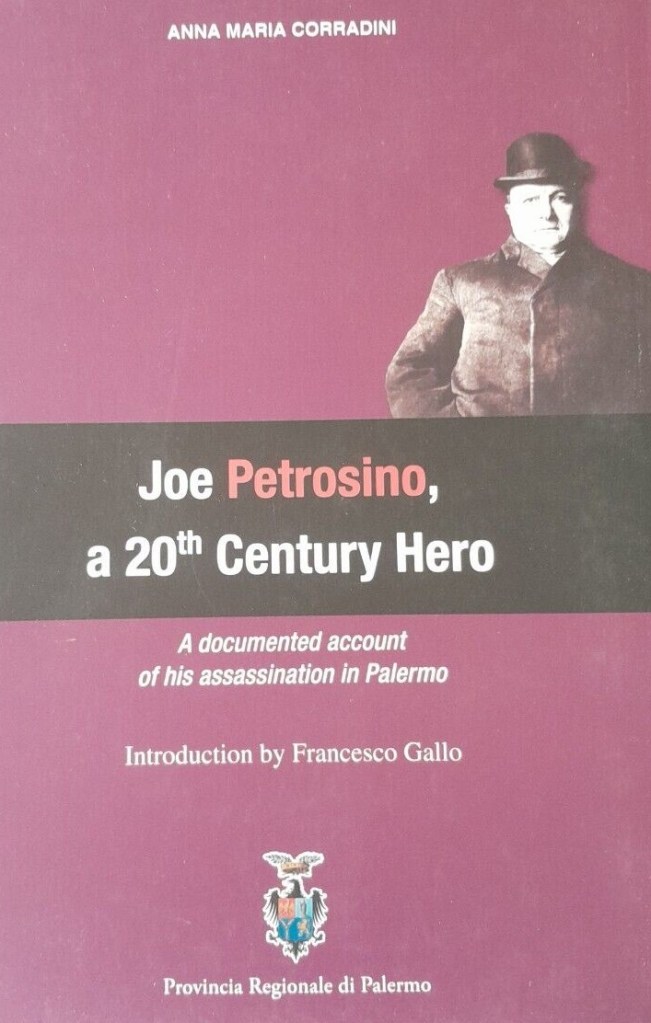
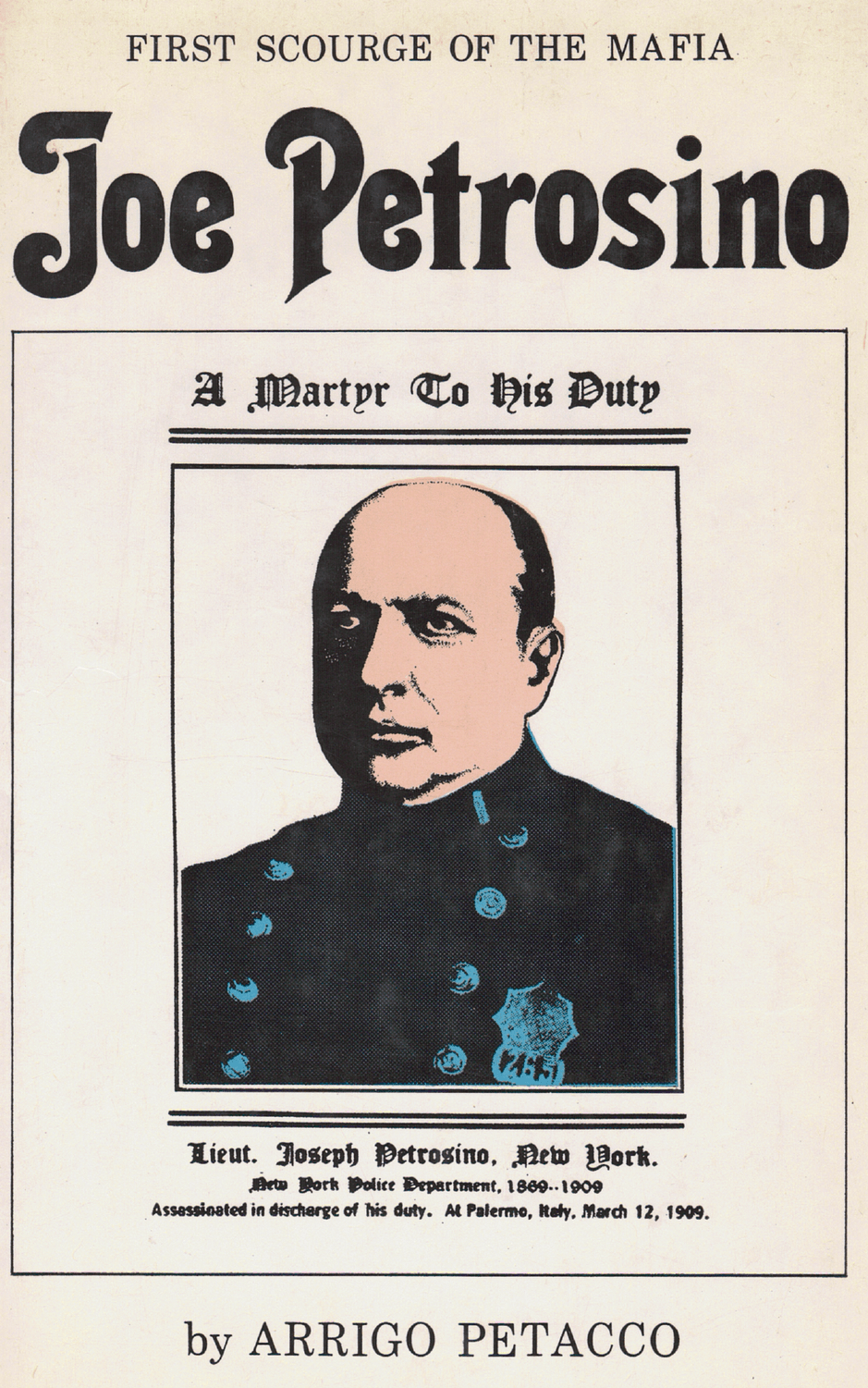
Should you be in the mood for atonement after a lifetime of deifying gangsters, Mr Scorses, you might wish to consider a biopic of the greatest cop, outside of Elliott Ness and Serpico, in American history. I’m sure Leonardo DiCaprio, who was at one time attached to a filmization of the bestseller The Black Hand (2017) by Stephen Talty, has brought the subject matter to your attention. Although Pay or Die (1960) covered similar territory, its budget and restrictions of length denied it the opportunity to properly explore the historical depth and social comment, for which in Killers of the Flower Moon (2023) you now seem more at home.

After the success of Oppenheimer (2023) audiences might be receptive to a true story about a cop who took on the Mafia a.k.a. the Syndicate a.k.a. the Cosa Nostra before it was known by any of those names and there is, to boot, a heart-rending romance that the Ernest Borgnine picture barely touched upon.

I’ve even dreamed up an opening.

A horse pulls a wagon laden with oranges and apples through a congested New York street circa 1883. As the driver pauses to make a delivery, a child, Claudia, watches from the window of her father’s shop – F. Fellini Jeweller. The horse collapses. The fruit scatters. Malnourished kids race to scoop up the merchandise. Claudia races out and strokes the horse’s mane.

We cut to a man in brown overalls striding towards the camera armed with a cleaver. The crowd parts. The child clings to her father in terror. The man raises the cleaver high over his head and slams it into the horse’s haunch. The child screams. The jeweller remonstrates with the man. The man removes his cleaver and says, “Not dead enough.”

As the credits roll, we see Claudia chasing away the flies that gather over the corpse, being pushed away by a man chiselling out the horse’s hoof, another sawing off its tail. Some days later as she is trying to pick off wriggling maggots, the man returns, this time driving a wagon. She hides behind her father.

His cleaver flashes in the sun as he hacks away at the horse. By now decomposition is so bad that the legs easily part from the body and the man is able to drag the horse bit-by-bit onto the back of his cart. Claudia watches as he leaves with the steaming carcass. We follow the wagon through the streets down to the river. A boat is waiting. The man heaves the meat onto the boat. The boat sets sail. Far out in the channels, the man begins chucking the meat overboard.

Back on dry land, the man cleans his cleaver and removes his brown overalls. Underneath he is wearing the uniform of a cop.

This is Joe Petrosino.

In those days cops also ran the Sanitary Dept in New York. Removing dead horses – they were too heavy to lift manually so you had to wait till the meat rotted sufficiently to fall from the bones – was a job for new recruits.

When Petrosino reaches the police precinct you’ll notice two things about him. He is short, well below the standard police requirement, and all the accents except his are Irish. In fact, he’s the only Italian cop on the force and only recruited because he can speak Italian and get information from all those immigrants who still can’t speak a word of English.

But he’s also very unusual especially to a contemporary audience because we’ve all been acclimatized to thinking that all Italians of this and successive generations accepted the Mafia rather than as Petrosino hating them and all they stood for. So this is effectively the tale of a silent majority who came from the same locale as the Mafia, understood their position in society in the home country, but loathed the fact that they had been allowed to infiltrate American society in part at least because they spoke a secret language (Italian) that few Americans understood or made an effort to understand with all the underlying racism that suggested.

But Petrosino’s not like a contemporary cop, forced to work within the tight constraints of the law and he’s not even like the cops of the 1930s-1960s who might have lawyers breathing down their necks and in the later decades accused by the media of breaching civil liberties. Petrosino was a good old-fashioned two-fisted cop, think James Cagney or Lee Marvin or Clint Eastwood but on the side of law and order. He thought nothing of beating up hoods, humiliating them in public as a way of showing that society was not going to stand by and let them terrorize the public.

Eventually, Petrosino was able to set up a specialist Italian-speaking squad to tackle The Black Hand/Mafia.

But he was also a superb detective. The Black Hand’s main line of business was kidnapping – little Claudia would come back into the story as a victim. Don’t pay the ransom and your business or your house would be blown up, the kidnappee killed. You may remember from old kidnapping movies that the kidnappers always cut out words from newspapers to write their demands.

Well, the only reason they ended up doing that was because of Petrosino. Prior to that, they just wrote out their demands in pen and ink. But he started to round up suspects by the hundreds and find an excuse to get samples of their handwriting. And then using the samples on file, whenever a new demand appeared he would scout the files to match the samples and go an arrest an astonished hood. So the gangsters wised up and started using newspapers.

He was also the guy who worked out that immigrants didn’t suddenly take up crime on arriving in America but they may well have criminal records back home and therefore could be extradited.

On top of that was the heart-rending love story. Petrosino had fallen for the daughter, Adelina, of a restaurant owner. Every night he dined in the restaurant. But she had been married before. She was a widow. Her husband had died young and she couldn’t contemplate marrying again to someone who was in such constant peril. So it took years of wooing, nightly meals, before she agreed to marry. The marriage lasted a year, ended by his death. He was assassinated while going into the lion’s den, the Mafia strongholds of Italy.

And all this is before you deal with the social issues of immigrant integration, of racism, of finding the new world as guilty of betrayal of trust as the old, of those complicit in murderous actions of the Mafia by turning a blind eye.

I’m suggesting Martin Scorsese because he’s covered this ground before but on second thoughts this might appeal more to the likes of Christopher Nolan who is comfortable with complexity and constantly seeks a wider perspective and who, whether through the Batman chronicles or Oppenheimer, is happy for his principal character to be in the main an upholder of justice.

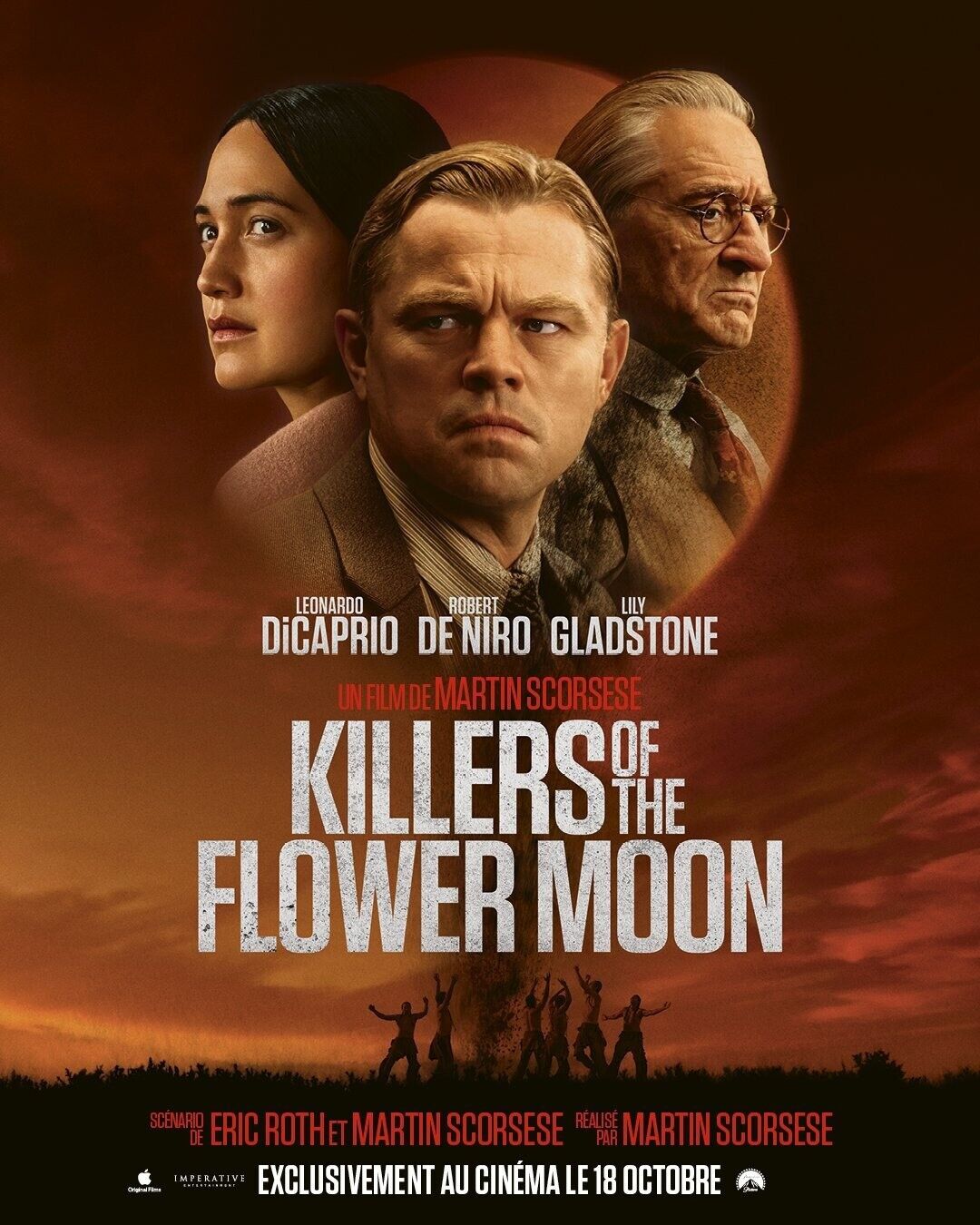
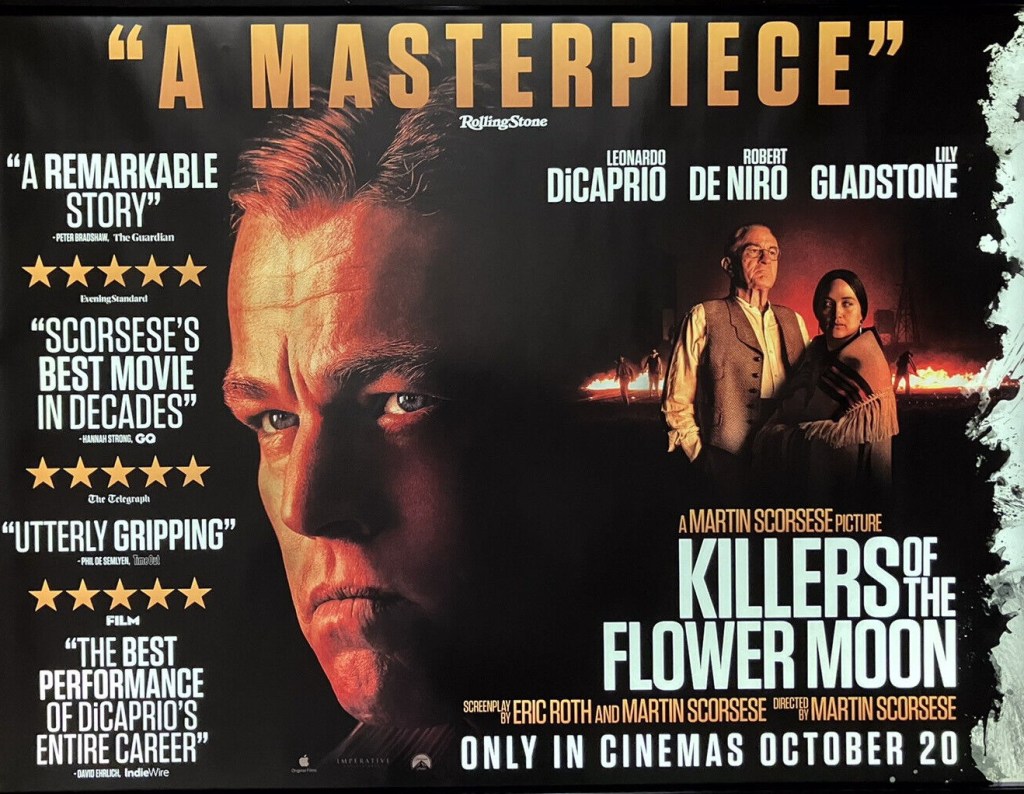
Killers of the Flower Moon (2023) *****

Let me stop you right there. This isn’t a review of this particular movie, you’re probably sick to death of those already, and it’s not some kind of Scorsese retrospective, but an expression of what it’s like to live through the transformation of one of the greatest directors Hollywood has ever produced. That zipping excitement when you first encounter a new Hollywood animal and when he charges down a different track or seems to lose control.

Catching up on a director’s life work via a carefully-curated retrospective hasn’t got an ounce of the flavor of living through it, from the days when film festival break-outs were not the carefully-orchestrated distribution and publicity machines they are now.

I first encountered Scorsese before a clever journalist had coined the rather derisory notion of a  Brat Pack, when the director was just another new voice clamoring for attention in a world of considerably more cinematic noise than exists today, when MCU and streaming didn’t exist, and audiences could find massive variety every time they attended the cinema.

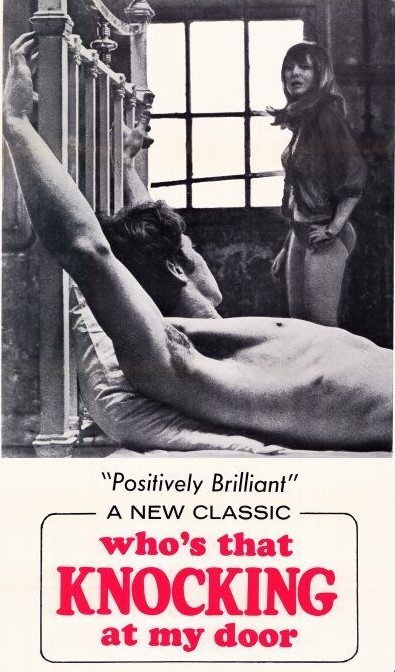
Who’s That Knocking at My Door slipped through the arthouse cracks in 1967 – the year of The Graduate, Guess Who’s Coming to Dinner, In the Heat of the Night, The Dirty Dozen and El Dorado. I didn’t see it then. I would be surprised if anyone did. Nobody was ready for that brash style with its insistent use of pop/rock music. I caught up with a few years later when the Scorsese we know now was still in embryo form.

Sure, Mean Streets (1973) gave strong indication of the gangster path towards which Scorsese was inclined, but it wasn’t so obvious then that he would make that genre his own, not when he interspersed that with a tale of Depression-era hobos, Boxcar Bertha (1972), and Alice Doesn’t Live Here (1974), a proto-feminist narrative whose stunning tracking opening set out his technical directorial credentials. And it was anybody’s guess which way he’d go from here. 

And I doubt if anyone expected Taxi Driver (1976), the moody glimpse of the New York underbelly with a psychopath hero, and certainly after that exploded at the box office and had critics purring, nobody would guess his career would take a musical turn, New York, New York and The Last Waltz in consecutive years. You might consider Raging Bull (1980), prototypical Scorsese. But the truth is, he was never typical. He jumped from project to project in a manner that only appeared to make sense to himself.

Some choices were so atypical you wondered if there had been any through-thread – what possibly connected King of Comedy (1982) to The Age of Innocence (1993) and Hugo two decades later. Certainly, when he imbibed a deep spiritual draft, you could make a thematic connection between The Last Temptation of Christ (1988), Kundun (1997), and Silence (2016).

But by this point he had achieved Hollywood nirvana, the mixture of critical adulation that put him top of the hitlist of those studios with one eye on the Oscars and bouts of box office glory that kept the same studios sweet. If he ever felt the need to revive a fading career he could churn out the likes of apparently mainstream but dark-tinged Cape Fear (1991), The Aviator (2004), Shutter Island (2010) and The Wolf of Wall Street (2103). And at the back of your mind, as a fan, was the question of how long would it take him to return to the gangsters. If you had Goodfellas (1990) forever etched on your mind, Casino (1995), Gangs of New York (2002), The Departed (2006) and The Irishman (2019) seemed almost always within reach.

Of course, he can hardly be separated from Robert DeNiro, his go-to star, ten teamings in all including the current number. And for a DeNiro substitute, Scorsese didn’t go far wrong with Leonardo DiCaprio, six including the new one. Stars with an edgy side were attracted to Scorsese and vice-versa.

It’s perhaps no coincidence that DeNiro and DiCaprio play murderous relatives in Killer of the Flower Moon, but the performances both deliver are so subtle, so far removed from what Scorsese’s asked of them before, as to point them both in the direction of the Oscar.

You think you kind-of know what you’re going to get with Scorsese, but, more than any other director, he whips the ground out from under you. Killers of the Flower Moon is bereft of the Scorsese trademarks, voice-over, exuberant violence, thumping soundtrack.

So when you’ve been watching his movies for over half a century, you look on him as you might a favored son, delighted in his achievement. But you don’t want him to stop, you want him to keep going. There must be one more film in him. Like Ridley Scott, he’s more bankable than ever, especially if the streamers are looking for a short-cut to hooking up with the best talent available.

Like Oppenheimer, this one is unmissable.

https://amzn.to/3MeEe9U

https://amzn.to/3Q6Lw0p

Discover WordPress

A daily selection of the best content published on WordPress, collected for you by humans who love to read.

The Atavist Magazine

by Brian Hannan

WordPress.com News

The latest news on WordPress.com and the WordPress community.