Behind the Scenes: Coppola, Lucas, Speielberg, “The Last Kings of Hollywood”

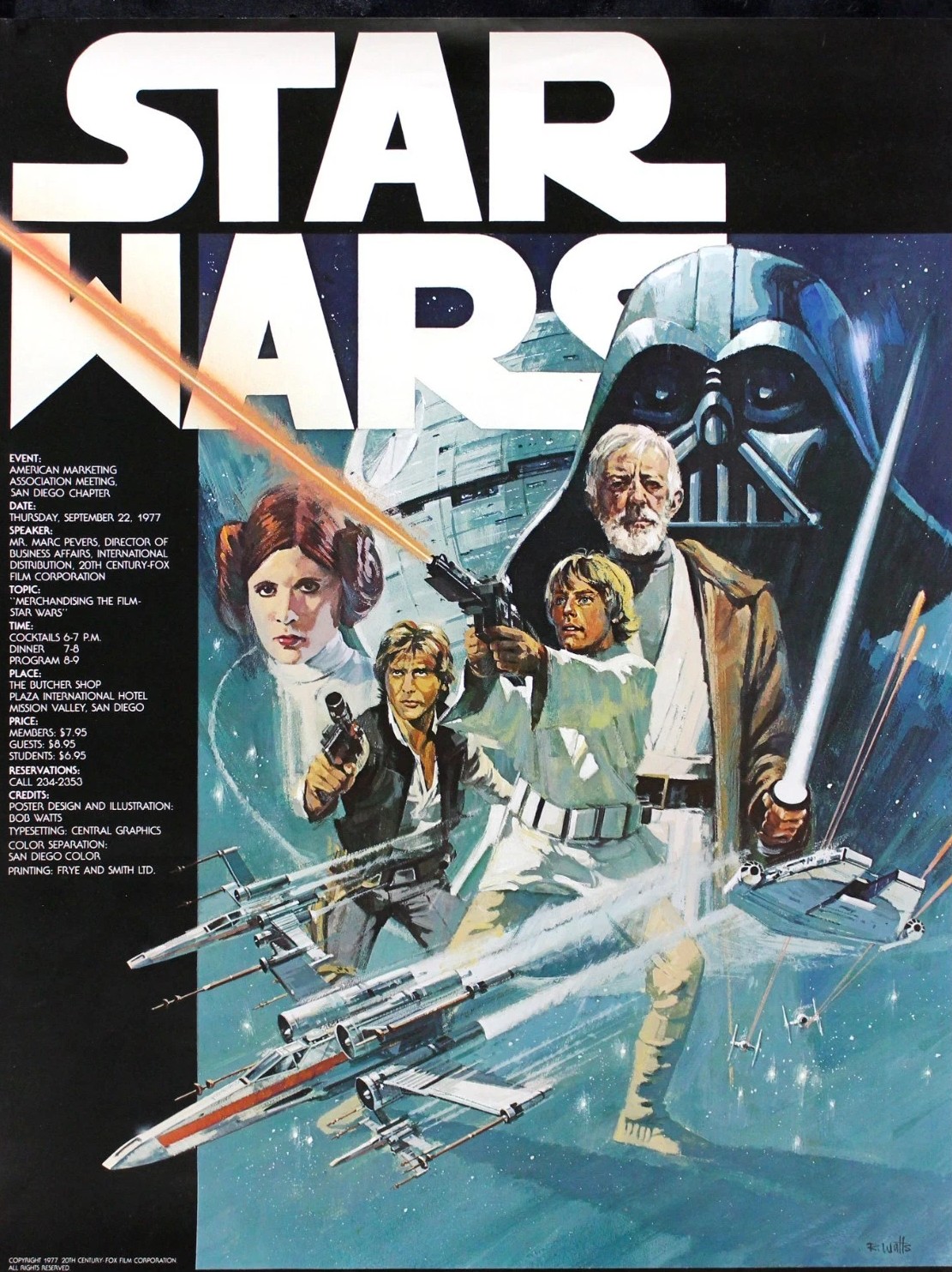
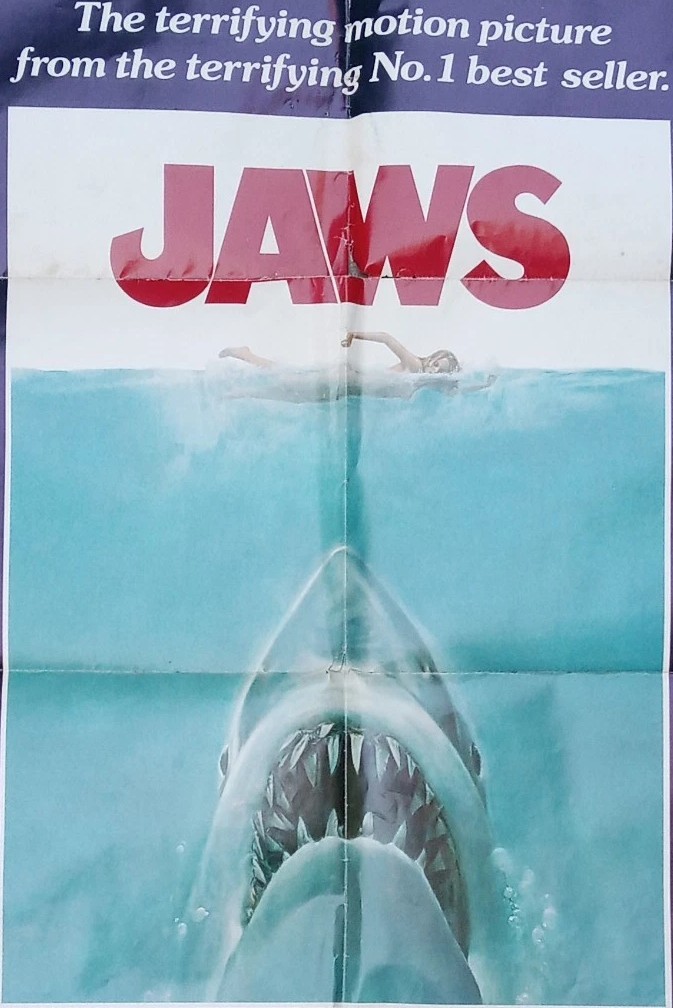
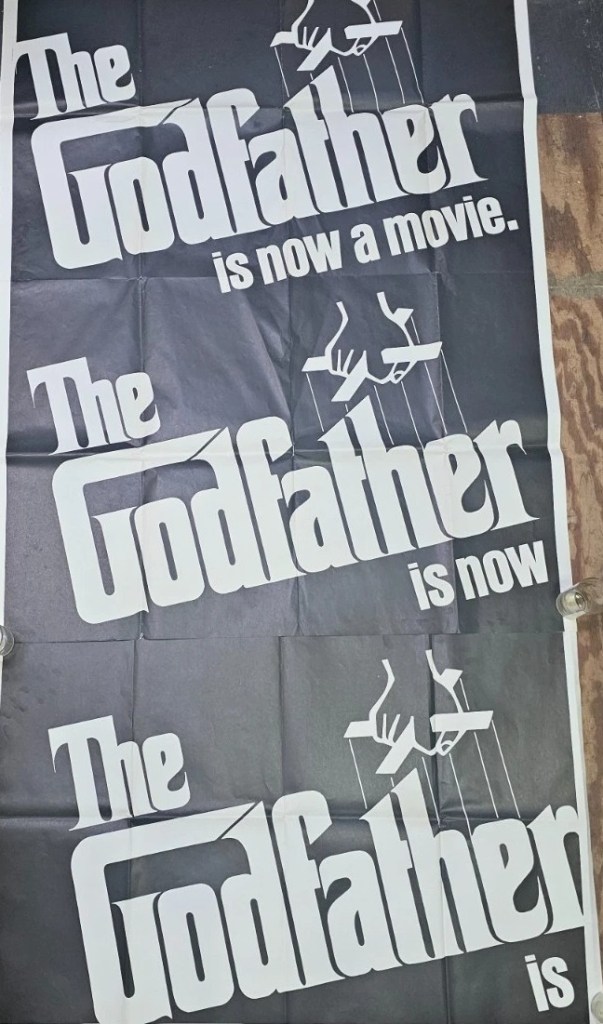
There’s no connection between Robert Wise, Mike Nichols and David Lean, responsible for the three biggest  movies of the 1960s, respectively The Sound of Music (1965), The Graduate (1967) and Doctor Zhivago (1965). No ostensible link these days between uber directors James Cameron and Christopher Nolan. Yet the three directorial gods of the 1970s – makers of the three biggest films of that decade namely The Godfather (1972), Jaws (1975) and Star Wars (1977) – lived out of each other’s pockets for a considerable period, relied on each other for support, encouragement and even finance, and while aiming to create a new path for the independent director ended up inventing the blockbuster which, ironically, made directors even more dependent on studios.

Paul Fischer’s new book The Last Kings of Hollywood, The Battle for the Soul of American Cinema delves into the background that saw Francis Ford Coppola bankroll George Lucas and Steven Spielberg and George Lucas work together, examining the ruptures, fallouts and lingering resentments that fueled their incredible rise.

All three were the hot kids in the cinematic sense. Coppola and Lucas were held up to generations of film school students for what they had achieved in film school, Spielberg’s juvenile attempts at movie making were incredibly accomplished.

Coppola was “something of a legend” after studying at Hofstra University in New York, “he’d won awards for his directing and all but remodeled the college’s entire drama department after himself. At UCLA film school he’d made all the best films” and then skipped out without graduating to work on Roger Corman pictures, learning by work rather than by attending lectures. Lucas’s student film THX 1138 was hailed as the best student film ever made. As a sophomore in high school, Spielberg made his calling card, Firelight.

Coppola was the visionary entrepreneur, persuading Warner Brothers to cough up the best part of $7 million for the director to set up his own independent operation American Zoetrope in San Francisco, distant from the prying and interfering eyes of Hollywood. All he had to show for the dough for the feature film version of THX 1138 (1971), which was a flop.

At USC, Lucas befriended John Milius and encouraged him to adapt Joseph Conrad’s novel Heart of Darkness into a Vietnam film that became Apocalypse Now and originally was being written for Lucas to direct. Lucas and Coppola fell out when the latter took over the film, even after Lucas had made a deal with Columbia. Screenwriter Robert Towne watched four hours of dailies from The Godfather and not only told the beleaguered director “this is without question the best footage I’ve ever seen” but suggested the film needed another scene between Brando and Pacino, the one where the father tells the son “Barzini will move against you first.”

After American Graffiti (1973) was rejected by United Artists, Universal was interested but only if  Coppola lent his name to it. After The Godfather, Coppola could have afford to finance it himself – the budget was only $777,000. But his wife Eleanor didn’t like the script so he passed and lost out on a fortune. Harrison Ford, who legend says was making a living as a carpenter, was actually doing better dealing dope.

Coppola had an affair with his babysitter Melissa Matheson, who turned into a screenwriter though after the failure of The Black Stallion (1979) had given up until Spielberg approached her to write E.T. (1982), having rejected John Sayles original script except for two ideas, the tip of the alien’s finger glowing and the notion of the alien left behind.

Other figures like Martin Scorsese and Brian DePalma are brought into the compelling narrative that touches upon every major creative player of the era. Many of the gang were present for the first showing of Star Wars, in Lucas’s plush screening room – Spielberg, Milius, DePalma, Gloria Katz and Willard Huyck who’d written American Graffiti, Hal Barwood and Matthew Robbins who’d written The Sugarland Express (1974). Scorsese had an excuse not to attend perhaps out of fear of “hating the film and having to break George’s heart.” The communal response was not what Lucas expected.  

“The silence afterward made George uneasy.” DePalma was the most vocal, not just making fun of the movie but of its essential ingredients such as the concept of The Force and the stormtroopers. But his tirade did spur Lucas into introducing the film with the same kind of text that used to crawl up the screen at the start of a Flash Gordon episode. Spielberg was encouraging, but not in public, only after taking Lucas aside.

As well as the special effects making the film and conjuring up a script that worked, Star Wars triggered huge rows between Lucas and his wife Marcia over the editing. This is probably the first book about the making of the movies where time is spent on editing, and its importance to the finished film. “Marcia shaped scenes around the characters’ emotions…George, on the other hand, was motivated by a mixture of cerebral logic and a subject sense of rhythm.”

Fischer covers the making of every important film in the early careers of the trio plus Scorsese and DePalma and a few others in a way that’s totally absorbing by mixing together the behind-the-scenes information and technical aspects with gossip about their love lives, drug habits and creative development. We get Spielberg laughing out loud when he first hears John Williams’ idea for the score of Jaws, that Coppola hid his affair with Matheson for a decade, how Spielberg turned his original ideas for what eventually became E.T. into Poltergeist (1982), whose idea it was to add the climactic twist to Carrie (1976), how Kathleen Kennedy became a dominant producer in a misogynistic business, at the Oscars we see The Godfather producer Robert Evans and Coppola standing side by side “hating each other’s guts.”

While you may have read dozens of articles or books about all movies like The Godfather, Jaws, Taxi Driver (1976), Carrie, Star Wars and Apocalypse Now (1979), what they lack is context. These movies did not appear out of nowhere. As well as camaraderie there was creative rivalry, peer pressure and its partner peer acceptance. Although everyone made big bucks, money was never the driving force. Film was. They ate and slept movies and all they wanted to do was make another, better, one.

The only part of Fischer’s argument I disagree with is the notion that somehow these directors were bucking the system when, in fact, in displacing the old system they replaced it with a new one that didn’t necessarily mean a better one. The blockbuster, the idea of the summer “tent-pole” grew out of not just what profits these movies made but set up the concept of sequels – two for The Godfather, three for Jaws, four for Raiders of the Lost Ark, ten for Star Wars, not to mention side hustles like computer games and television series. While Lucas has cashed in his lucrative chips, Coppola and Spielberg are still making movies.

It’s a long time since I’ve enjoyed a book as much.

The Last Kings of Hollywood, The Battle for the Soul of American Cinema by Paul Fischer is out now, from Faber & Faber in the U.K. and Celador in the U.S.

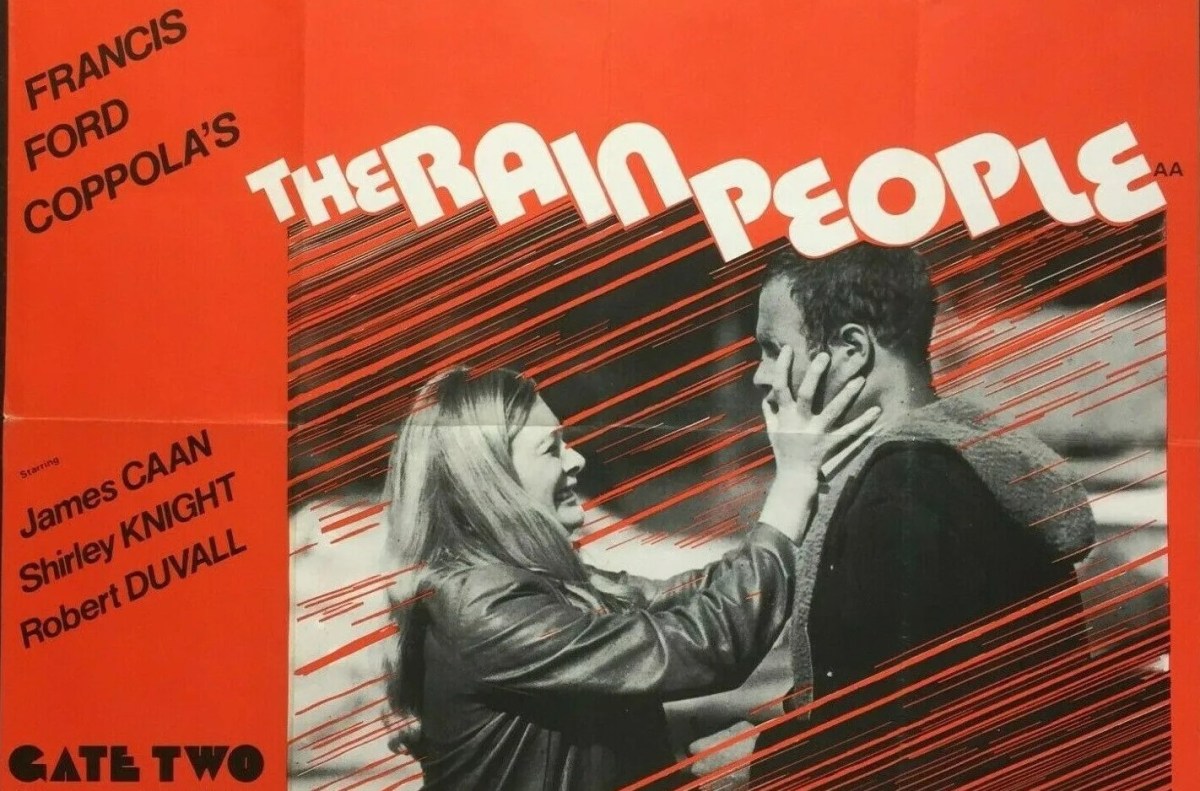
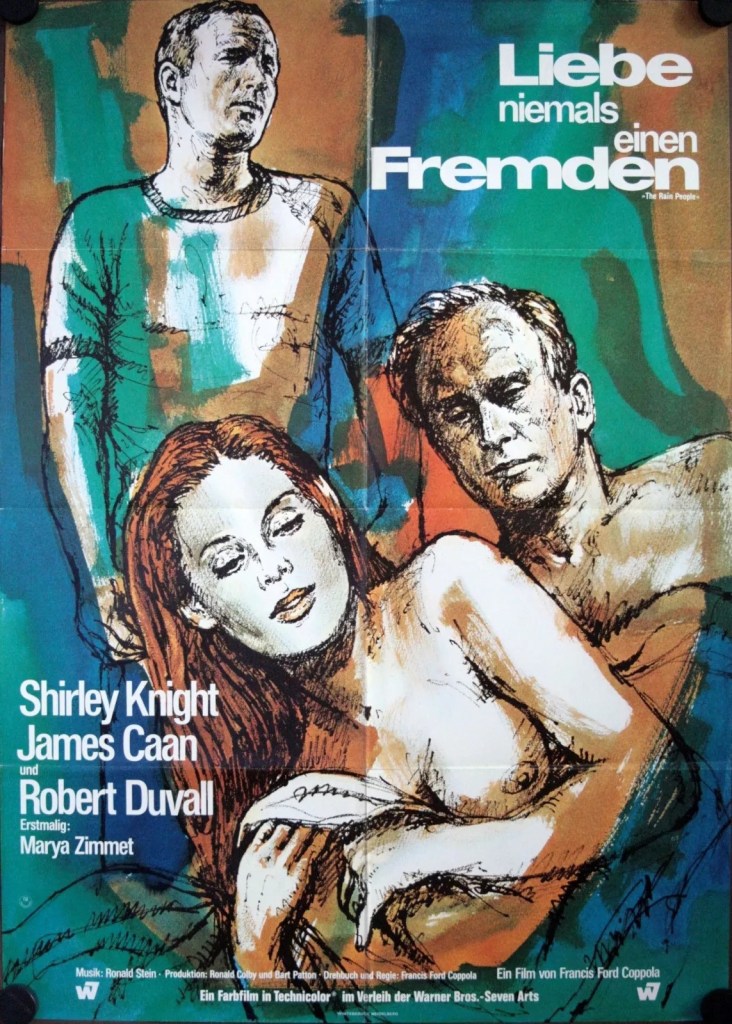
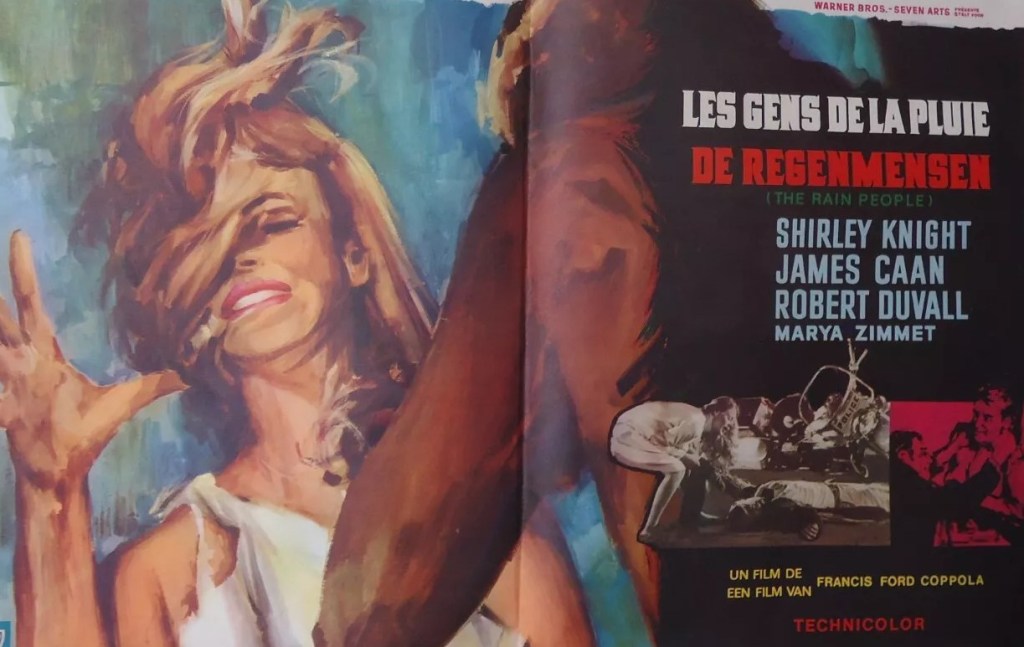
The Rain People (1969) ****

You could argue that grandiose ambition sucked the life out of Francis Ford Coppola. That if he had continued along the more intimate trajectory suggested here there might have been  a more consistent output, perhaps on an even higher plane. Even if grounded in American life, this has a distinct European sensibility and while you won’t find a single memorable image you will definitely find characters of substantial depth drowning in agonizing circumstance.

That’s not to say you won’t find outstanding sequences. I defy you to find a more cruel and character-defining scene than the one where our heroine Natalie (Shirley Knight),  running away from the chains of domesticity, takes dominance to a new extreme by demanding that muscular ex-college footballer Jimmy (James Caan) crawl round on the floor beneath her feet.

There’s no excuse for such behavior except that she wants some kind of revenge on her husband, whom she accuses of trapping her into said domesticity by the old-fashioned route of making her pregnant. This is before she discovers that Jimmy is simple-minded as the result of brain damage following an American football injury, and that it’s easier now for him to obey people rather than as before argue and stand his ground.

F. Scott Fitzgerald once famously said there were no second acts in American acts. What he failed to mention was that some people barely got to the end of the first act. Jimmy is an outcast, nobody willing to take responsibilty for him, everyone dodging such commitment. Because American scoiety has no place for losers, they fall through the cracks and stay there.

As a result of his injury Jimmy was given a thousand bucks and “told to leave.” So, he went. He’s got a destination in mind, salvation of some kind, I guess, heading towards a drive-in where he has been promised a job by the father, previously a huge fan, of his ex-girlfriend Ellen (Laura Crews).

Natalie is on a road trip to find herself, firstly at the very least just to escape, secondly requiring the seclusion to decide if she wants to keep the baby, but also to have fun, pick up other men for sex. That’s how she happens upon Jimmy. But there’s no sex, not with the shame she feels after humiliating him and realizing just how dumb he now is.

But the alpha horse-riding girlfriend doesn’t want him, she’s humiliated that anyone would associate her with this shambling hulk, and the promised job flies out the window. Natalie dumps him at a reptile zoo where the duplicitous owner appropriates his thousand bucks, leaving Natalie so delighted to be rid of him she races off and is pulled over for speeding by lovelorn cop Gordon (Robert Duvall). Circumstance forces a return to the zoo where Jimmy has caused chaos by freeing all the livestock.

But she’s taken enough by Gordon and desperate for the sense of freedom that illicit sex brings that she ends up in his trailer. Only his rebellious young daughter doesn’t take kindly to him bringing home his conquests and while he’s trying to bed Natalie, initially very complicit despite the awkward presence of the awkward child, causes a ruckus outside. Natalie would still be up for it except she takes umbrage that Gordon’s unable in his lovemaking to forget his dead wife, killed along with his son in a house fire.

The scene turns ugly and she’s rescued by Jimmy who proceeds to put his football playbook moves on Gordon, picking him up and throwing him to the ground and ramming him in the stomach, none of your standard fisticuffs here. But given Gordon’s a cop, there’s a gun on the loose and the daughter picks it up and shoots Jimmy stone dead.

That last scene comes out of nowhere and stops the audience as dead as it does Jimmy and in a bitter ironic twist wraps up a scenario where the lost never find what they’re looking for. You might find similar in, despite their power, later characters such as Michael in The Godfather (1972) and Col Kurtz in Apocalypse Now (1979).

Compare the Caan and Duvall of The Godfather and you’ll think they’ve swapped their personalities from here, Caan adopting the firmness and overt masculinity of Gordon and Duvall the soft-spoken tones of Jimmy.

I mispoke when I said there were no memorable images. There are, but their meaning comes later. We see Jimmy sweeping up leaves in playful fashion and only later discover that’s all he’s fit for. We see Natalie as trapped in a phone booth as in her marriage trying to talk her way out of returning to her husband, whose tone changes from angry to whining and desperate, and all we get of him is his voice. There are a few of those lingering shots of rainwater and drab early morning scenery that you would get in an arthouse picture but this quickly grows out of them and into the meat of the situation.

James Caan is particularly superb, completely altering is screen persona. Shirley Knight (The Group, 1966) delivers on previous promise and Robert Duvall demonstrates his range. Original screneplay also by Coppola.

Lost in the acclaim for Coppola’s more grandioise efforts but well worth digging out.

Discover WordPress

A daily selection of the best content published on WordPress, collected for you by humans who love to read.

The Atavist Magazine

by Brian Hannan

WordPress.com News

The latest news on WordPress.com and the WordPress community.