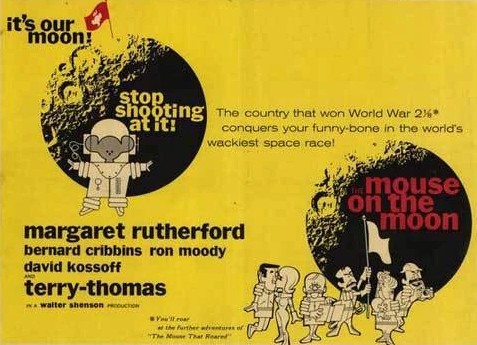
The gentle comedy for which the British were famous prior to the more raucous offerings from the Carry On team always contained an element of satire. Sometimes that has bite, but as often not, and almost, in a continuation of the gentleness of the format, appears like an afterthought. However, it’s not hard to skewer incompetence or hypocrisy or the foolish grandeur of nations, regardless of size.
There’s no blunderbuss required here – not with such easy targets as the space race, politics and the Cold War – just a gentle poke here and there at ambition, grandiosity and grandstanding as the tiny (barely comprising 15 square miles) country of the Duchy of Grand Fenwick somewhere in central Europe shows up global giants Russia and the United States. Sensibly, this doesn’t try to place one character at the center of the morass. Instead, stupidity is spread far and wide, as various characters cede vanity to the next.
The central conceit is one of those barmy ones that any scientist could make plausible – think of growing potatoes on Mars in The Martian or the nimble invention at play in Project Hail Mary (2026). The chemical reactions of bad wine set off the kind of explosions that could provide a substitute for rocket fuel and send a spaceship to the moon.
But that the idea is given oxygen in the first place by the superpowers wanting to be seen to be bigger than anyone else and by maintaining their rivalry when there’s little need.
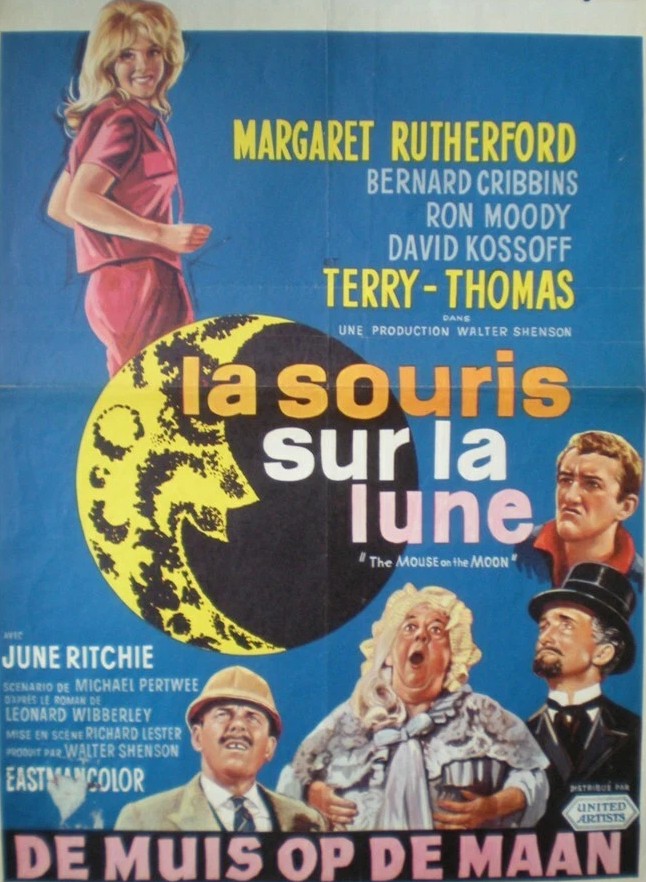
Grand Fenwick is not just the type of place where nothing works – palace plumbing erratic, parades catastrophic, politicians corrupt and we are treated to a battalion of incompetents from Grand Duchess Gloriana (Margaret Rutherford), apt to nod off at state functions, Prime Minister Mountjoy (Ron Moody) who places having a hot bath about the needs of the populace and whose niece Cynthia (June Ritichie) is an agitator for reform, his untrustworthy political rival Benter (Roddy McMillan), and British spy Bender (Terry-Thomas) for whom bumbling is an art form.
Romance is in there somewhere when Mountjoy’s ineffective son Vincent (Bernard Cribbins) falls for Cynthia. But mostly it’s a concoction that relies on everything going wrong at the right time and anything that goes right nonetheless manages to cause appropriate chaos.
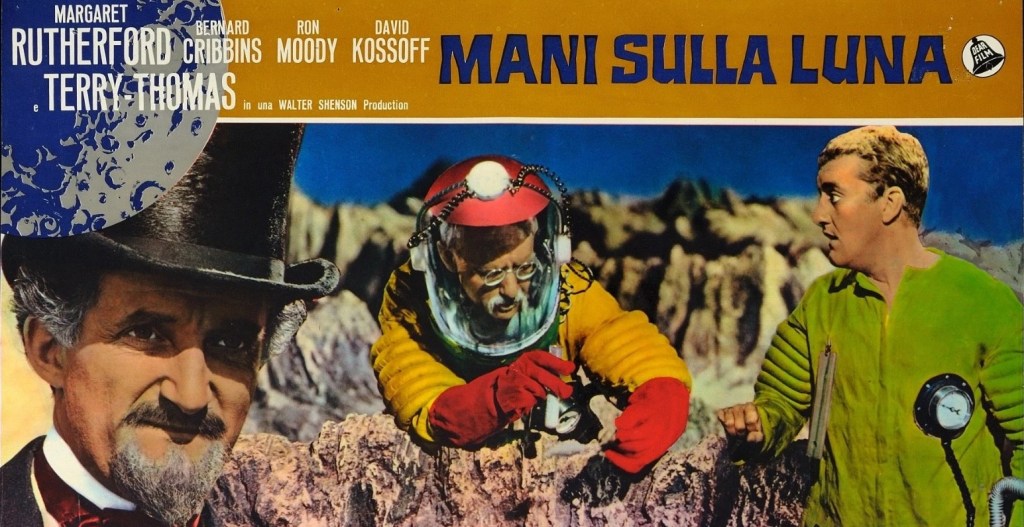
Having secured a million bucks in funding from America to purportedly send a rocket, a useless one donated by the Russians in a riposte to American generosity, to the moon, Mountjoy intends to pocket the cash by ensuring the rocket blows up on launch. However, it takes off, propelled by the wine with Vincent and scientist Professor Kokintz (David Kossoff) on board, triggering a genuine space race involving the two superpowers, propaganda the prize for the winner.
Naturally, nothing goes the way you expect and the little guys outwit the big guys.
This was an early directorial venture from Richard Lester (Petulia, 1968) so that accounts for some of the bite. Given this is populated in the main by character actors, Lester allows them do their thing while ensuring that the comedy is as much reliant on satire as buffoonery. No need here for double entendres or slapstick, the original set-up works out just fine.
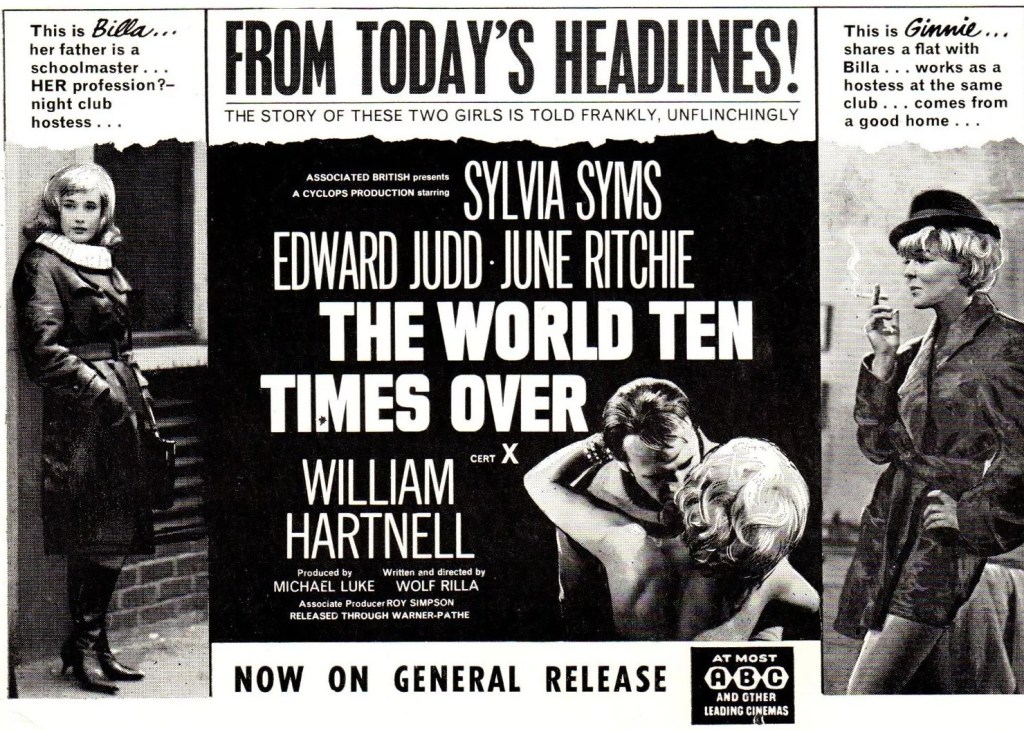
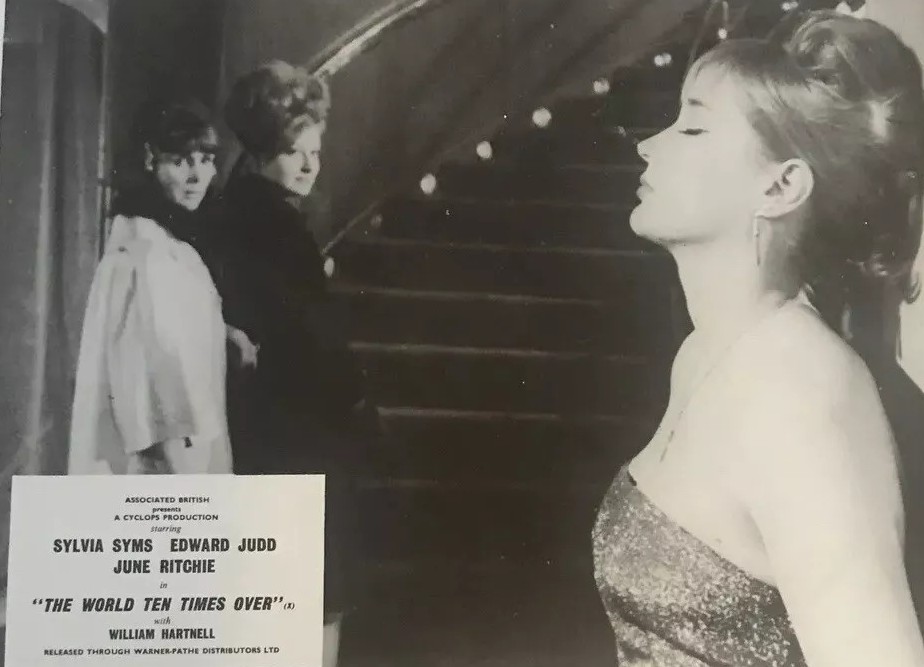
Margaret Rutherford (Murder Ahoy, 1964) could have run away with this picture but her natural instinct to dominate is kept in check. Ron Moody (Oliver!, 1968) heads a cast of movie also-rans, some of whom made a successful transition to television like John Le Mesurier (Dad’s Army), Hugh Lloyd (Hugh and I) and Roddy McMillan (The Vital Spark). Terry-Thomas (Our Man in Marrakesh/Bang! Bang! You’re Dead, 1966) would have stolen the picture if given more scenes. Bernard Cribbins (Carry On Spying, 1964) offers another of his hapless characters while June Ritchie (The World Ten Times Over, 1963) adds a note of glamor.
This was a sequel to The Mouse That Roared (1959) and had to make do without original star, Peter Sellers, who had played three roles. Two of those roles were allocated to other players, with the third character axed. And where that film benefited from Sellers’ presence, this one definitely benefits from his absence.
Written by Michael Pertwee (Strange Bedfellows, 1965) from the bestseller by Leonard Wibberley.
Engaging.