I am a published author of books about film - over a dozen to my name, the latest being "When Women Ruled Hollywood." As the title of the blog suggests, this is a site devoted to movies of the 1960s but since I go to the movies twice a week - an old-fashioned double-bill of my own choosing - I might occasionally slip in a review of a contemporary picture.
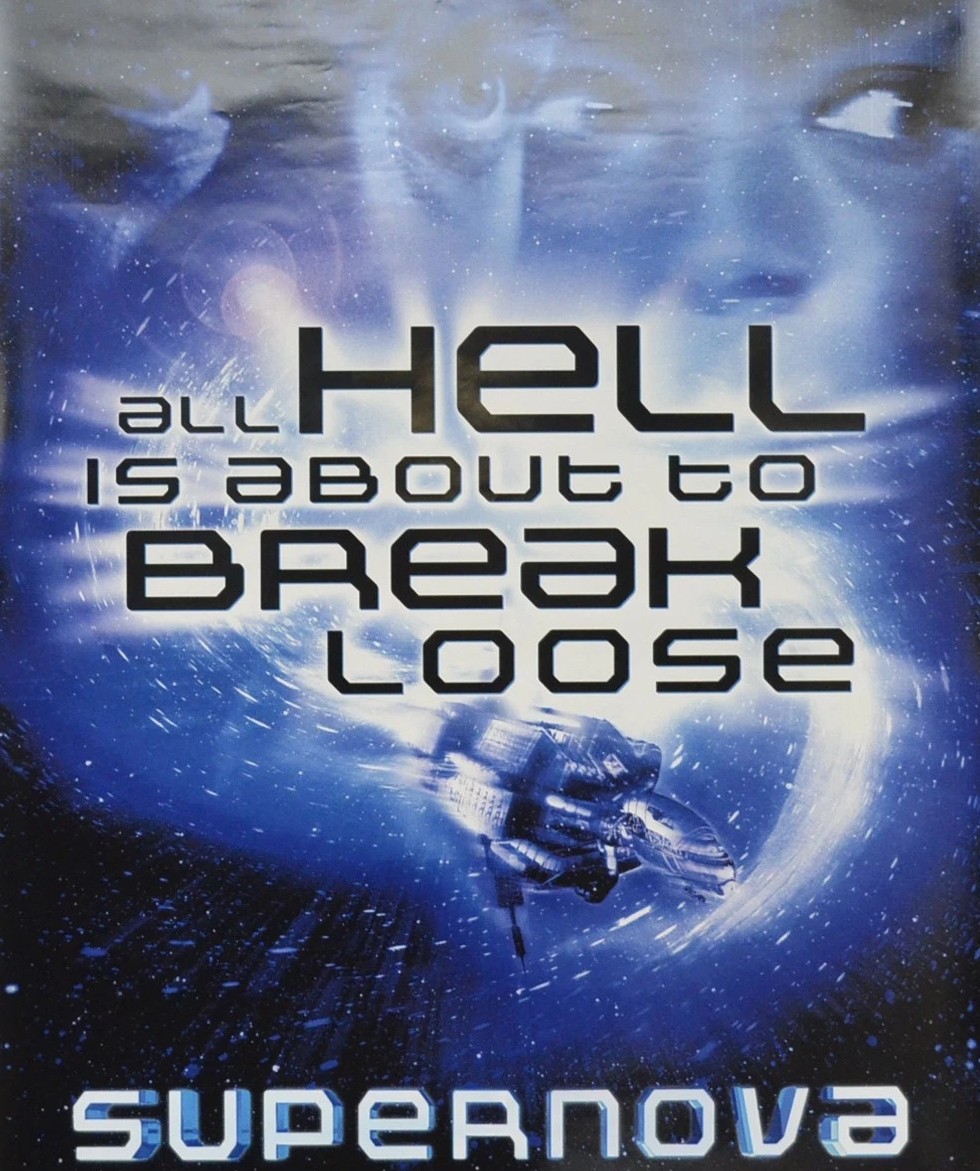
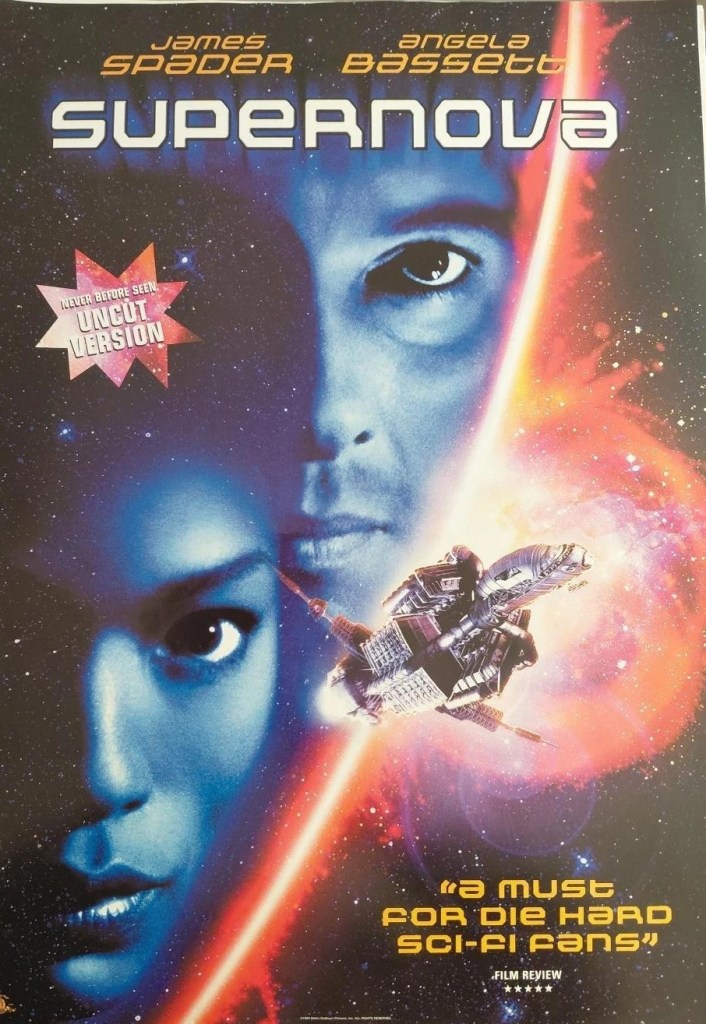
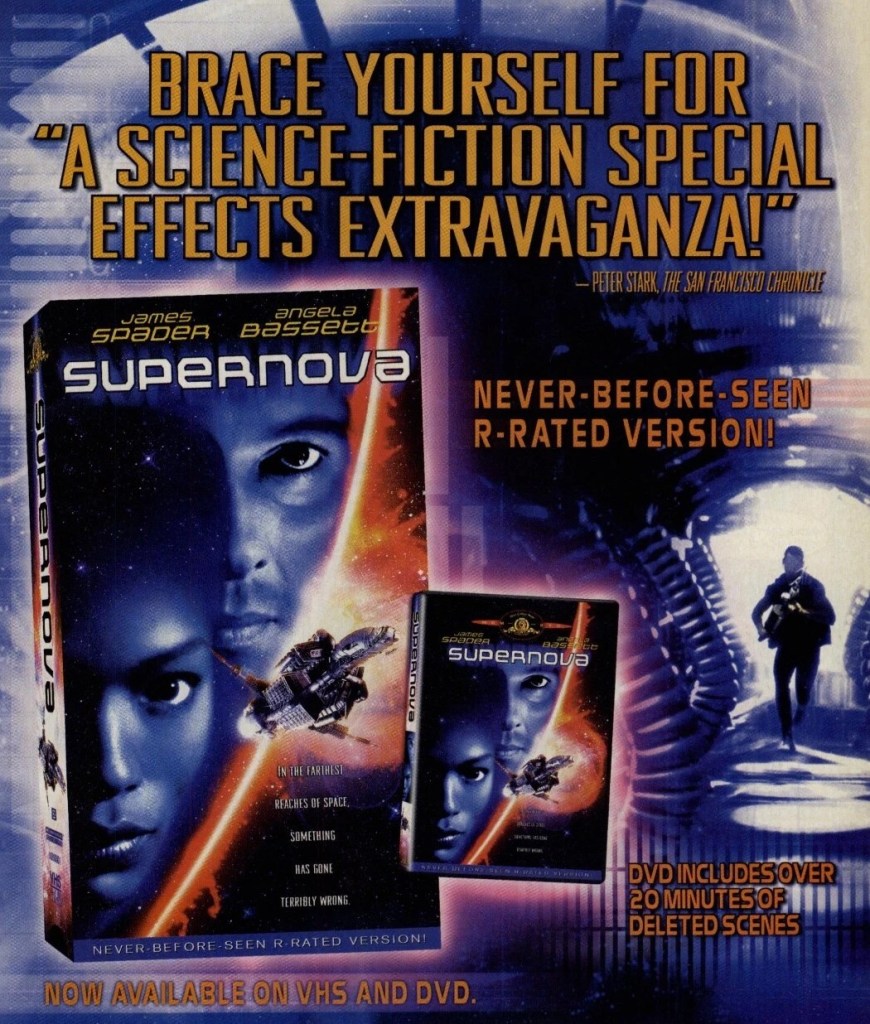
Under-rated for sure but still light years ahead of such sci fi nonsense as The End of Oak St (2026). Doesn’t hang around either, story told in 82 minutes flat. And instead of wasting time and stretching credibility just comes straight out and says the crew on this space ship and the audience for that matter aren’t smart enough to understand even in pure mathematical terms what is going on in the ninth dimension, which is where the narrative threat comes from.
Plays around with the Alien series conceit of alien aboard a space ship but doesn’t require a toothy monster and doesn’t fall for that old canard of dropping what you’re doing and responding to a distress signal from outer space. For the simple reason that this is medivac operation, its purpose to rescue people in distress.
There’s some interesting stuff about evolution and quite a nice line about the human race being effectively composed of stardust gathered from the previous millions of years. And it’s gone truly hyper in terms of the threat – I mean Project Hail Mary (2026) level of threat. We’re not talking about invading Earth or blowing it up, what’s at stake from this item from the ninth dimension is our solar system as a blue giant (sun) or supernova intends to wipe out anything it perceives as a rival.
Given that our brains, as noted, are too small to conceive of such a concept, the main narrative concentrates on dealing with a refugee from a mining planet and his “treasure” worth billions, plus an “11-minute window” at the end of the tale for the crew to escape. The Nightingale space ship has performed what’s termed a “dimension-jump” which permits it in pure lightspeed style to cover 3,000 light years in a flash.
However, the ship’s captain dies during the jump and recovering drug addict Nick (James Spader) takes command. On board we’ve got Dr Kaela (Angela Bassett), lovers Danika (Robin Tunney) and Yerzy (Lou Diamond Phillips), and Benji (Wilson Cruz) who plays chess with computer control Sweetie. First hint of impending trouble is that Karl (Peter Facinelli), the fellow being rescued, was the abusive partner of Kaela. Then it turns out he’s Karl’s son. Then it turns out he’s actually Karl, grown younger and somewhat superhuman, a charmer, who manages to seduce Danika, though her lover doesn’t seem to mind, too entranced by the “treasure”, a spherical artefact containing the aforesaid ninth dimensional matter.
Nick wants to dump the treasure out the window. The ship’s got enough problems, having lost most of its fuel during the jump and liable to be incinerated in 17 hours by the blue giant which is sucking it into its high-gravity atmosphere.
Nick returns to the mining planet to find extra fuel supplies, not realizing this is a trap of Karl’s devising, allowing the invader to weaponize all manner of equipment against Nick. Meanwhile, Karl gets rid of Danika and Yerzy by the simple measure of ejecting them into space. He gets the better of Kaela and Benji. The best scene is Benji pleading with the computer to override its controls to deal with Karl, on the grounds that she’s done this once before to wake him up to play chess.
Naturally, Nick has a few tricks up his sleeve or the ending would be pre-ordained. Although you probably wouldn’t expect to see Nick and Kaela stuck in the same pod, buck naked, for the journey home. Whether they then exchange bodily fluids is unclear, but they do swap eye color.
There’s also an interesting kicker. If the artifact reacts with the blue giant, it will create a supernova which will reach Earth in 51 years and either destroy it or lead it into a new form of evolution.
This doesn’t have a good rep, mostly on account of the shenanigans relating to its shooting – more about that tomorrow – but I found it to be pretty serviceable. James Spader (Secretary, 2002) was always better when he could exude menace of sexual creepiness so playing the hero just doesn’t seem right. Peter Facinelli (Viper, 2026) exudes a Spader kind of menace – with a smile. Oscar-nominated Angela Basset (What’s Love Got To Do With It, 1993) ensured there was at least one class act aboard. Robin Tunney (End of Days, 1999) is landed with the overly-emotional scenes. Lou Diamond Philips (La Bamba, 1987) and Wilson Cruz, better known for television, are effective.
There was a whole hoohah surrounding the direction so I’m dealing with that tomorrow in a Behind the Scenes.
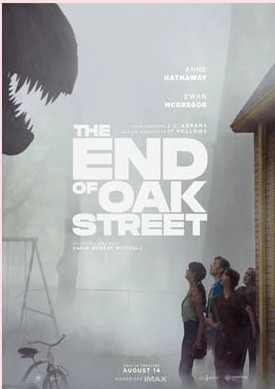
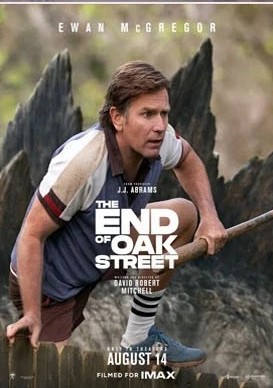
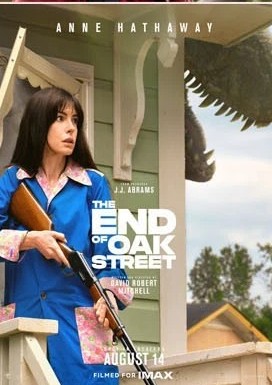
Truly terrible. When your standout scene is two dinosaurs humping each other or having their snouts covered in ice cream or a slithosaurus slithering through a house your picture is in dire trouble. Basically, it’s like a random selection of Steven Spielberg offcuts – the dazzling overhead light from Close Encounters of the Third Kind (1977), the kids cycling in E.T (1982), the heaps of dinosaur pooh from Jurassic Park (1993). Plus being trapped in a car and feral threats in the kitchen, also from Jurassic Park.
This feels like a sci fi B-movie from the 1950s when the plot comprises preposterous nonsense. I laughed out loud when I listened to the stars, clearly barely able to contain themselves when they had to do the exposition. A wormhole or a ripple in the universe had either transported a small town back 200 million years to the prehistoric period or the reverse, transported the prehistoric period complete with jungle and swamps to 1982.
And someone’s being trimming the budget. Once the dinosaurs go on the attack there’s barely a dozen people around for them to prey on, you’d have expected an entire feast awaiting them on the streets.
The cast are required to do little more than run and scream and the screenwriter little more than find ways of the cast getting in the way of the dinosaurs rather than doing their level best to hide. And there’s one of those dumb twists at the end to provide us with a happy ending, so that one of the stars, whose been munched by a dinosaur, can be reunited with his family.
The wormhole bounces around a bit, from house to house, garden to garden, for some reason. It’s this big wobbly ball and minus any of the sensible mumbo-jumbo analysis or assessment of other big-budget sci fi pictures this relies on someone deducing that if they jump into this big wobbly ball they’ll end up back where they came from.
Anne Hathaway has blown all the esteem she’s earned from this year’s The Devil Wears Prada 2 and The Odyssey and unless it was her heart’s desire to make the kind of picture that is cannon fodder for Netflix or Amazon rather than 20th Century Fox it’s an awful decision. This is Ewan McGregor’s first picture since the low-budget Mother Couch (2023) and it’s not done him any favors unless a casting director is looking for someone who can run and scream and both at the same time.
Trying to fill out the story we have dissatisfied couple Denise (Anne Hathaway) and Greg (Ewan McGregor). She’s a budding writer, but her novel reveals that she’s desperate to leave husband and two kids. He’s lost his job but hasn’t told his wife, making ends meet by making pizza deliveries and he’s prone to secret nips of whisky.
Daughter Audrey (Maisy Stella) is a big fan of Carl Sagan and astronomy and can chip in with nonsensical mumbo-jumbo should the need arrive. Son Brian (Christian Convery) is being bullied by a bigger boy, but that’s because he broke the arm of the bigger boy’s younger brother, so not quite as straight-on a victim as he appears. And there’s a dog, improbably called Starbucks, which both goes missing and turns up as the narrative requires.
Apart from the slithosaurus and the dinosaurs shagging each other there’s nothing new here. The premise is as barmy as One Night Only (2026), so maybe studios believe they’ve dumbed down the movies sufficiently for audiences to accept the dumbest of plots.
Nobody comes out of this well, least of all uber-producer J.J. Abrams (Star Wars – Episode VII: The Force Awakens, 2015). Lazy rip-offs did not seem to fit into his portfolio.
Writer-director David Robert Mitchell made a splash with It Follows (2014) but doesn’t carry this off.
The best you can say is that maybe it will be candidate for the So-Bad-It’s-good subgenre.
Since I’m in celebratory mode and let’s face it everyone doing a blog has an educational bent, wanting to push subscribers into favoring the movies I favor, I thought I would crave your indulgence a little more and remind you of the films I think you should see. I was going to add, “if that doesn’t sound a little pompous,” until I realized that “pompous”, not to perhaps say, a tad “hectoring”, is exactly what it is.
In reviewing close on 2,000 movies in the past five years, these are the movies I most thoroughly recommend – the ones that achieve in my eyes at least the ultimate accolade in my eyes of being considered in the five-star bracket. Virtually every genre is represented – western, crime/thriller, drama, sci fi, fantasy, historical epic, war, horror, espionage, road films and comedy. The only exception is musical, though, admittedly, there might be some takers there if I’d actually got round to reviewing every musical made in the decade.
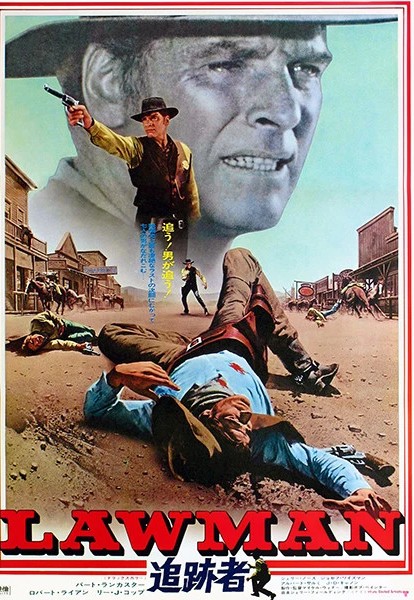
Of westerns, these are my top choices – John Wayne and Rock Hudson in Andrew V. McLaglen’s underrated The Undefeated (1969), Wayne again with James Stewart in John Ford’s The Man Who Shot Liberty Valance (1962), Sergio Leone’s immaculate Once Upon a Time in the West (1969), The Magnificent Seven (1960), John Huston’s modern western The Misfits (1961), Burt Lancaster in Valdez Is Coming (1971) and Lawman (1971), and the spectacular How the West Was Won (1962).
War is represented by Otto Preminger’s In Harm’s Way (1965) – John Wayne again – The Guns of Navarone (1961), Battle of the Bulge (1965), Tora! Tora! Tora! (1970), aerial epic The Battle of Britain (1969) and I guess Zulu (1964) fits in here more easily than historical epic.
Horror is represented by The Skull (1965) with Peter Cushing, Alfred Hitchcock’s The Birds (1963) and the ground-breaking Psycho (1960) and The Demon/Il Demonio (1963) with Daliah Lavi in mesmeric form.
You might say drama is over-represented once you take in Otto Preminger’s Hurry Sundown (1967) with Michael Caine and Jane Fonda, Marlon Brando and Fonda again in Arthur Penn’s The Chase (1966), Rod Steiger as The Pawnbroker (1964), Burt Lancaster and Deborah Kerr in John Frankenheimer’s The Gypsy Moths (1969), Lancaster again in The Swimmer (1969) and his Oscar-winning turn as Elmer Gantry (1960), Steve McQueen as The Cincinnati Kid (1965) and Jean Seberg as Lilith (1964).
In the crime/thriller department have a look at French gangster picture The Sicilian Clan (1969) headlining Alain Delon, Richard Burton in Villain (1971), Rock Hudson and Claudia Cardinale in Blindfold (1966), Hudson again in John Frankenheimers Seconds (1966), Alfred Hitchcock’s Marnie (1964), and Cary Grant and Audrey Hepburn in Charade (1963). Add in Claude Chabrol’s Les Biches (1968), Robert Redford and Faye Dunaway caught up in conspiracy in Three Days of the Condor (1973), Dunaway again tracking down thief Steve McQueen in The Thomas Crown Affair (1968), Fred Zinnemann’s Day of the Jackal (1973), Terence Stamp kidnapping Samantha Eggar in William Wyler’s The Collector (1965), Sean Connery and Nicolas Cage in The Rock (1996) and Jules Dassin’s Topkapi (1964)
It’s surprising that two road films – Easy Rider (1969) and Vanishing Point (1971) – have an existential bent. John Frankenheimer’s Grand Prix (1966) fits in more easily here I guess.
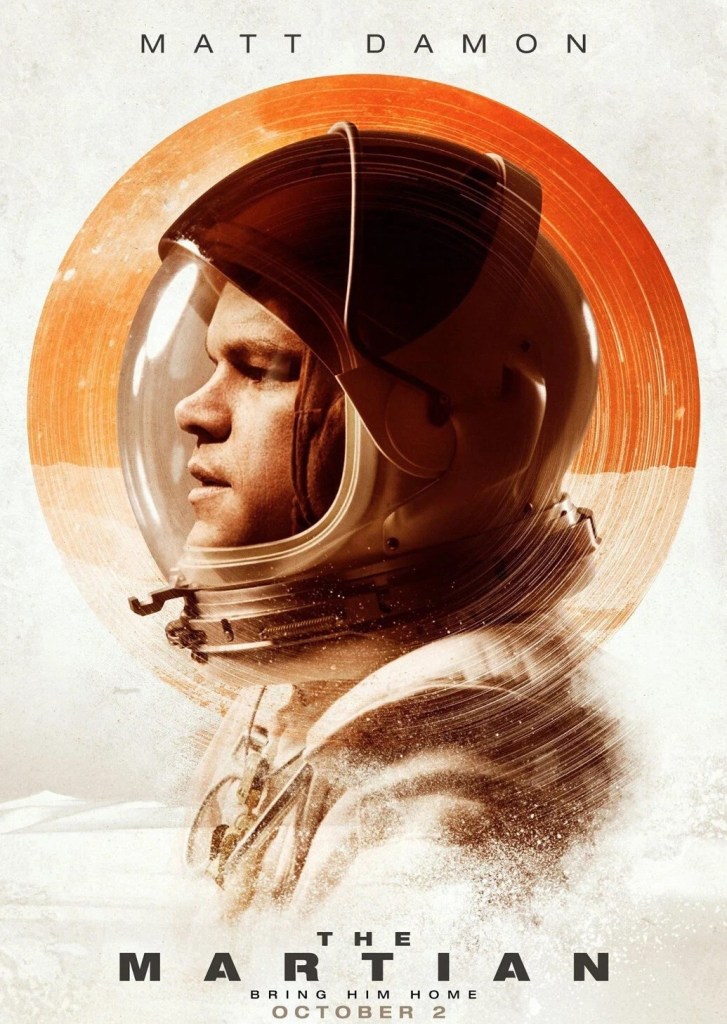
Sci fi is represented by Charlton Heston stranded on Planet of the Apes (1968), Matt Damon stranded on Mars in Ridley Scott’s The Martian (2015) and Ryan Gosling stranded who knows where in Project Hail Mary (2026).
Numbered among the historical dramas are include Luchino Visconti’s The Leopard (1963) with Burt Lancaster and Claudia Cardinale, James Cameron’s Titanic (1997), The Odyssey (2026) -though you might consider it more suited to fantasy – and Richard Burton and Peter O’Toole in Becket (1964)
In some genres, only one film gets a mention. For fantasy there is Jason and the Argonauts (1963) with Ray Harryhausen in majestic form. Dr No (1962) is the standard-bearer for spy pictures. Billy Wilder’s Some Like it Hot (1959) with Marilyn Monroe, Jack Lemmon and Tony Curtis performs the same role for comedy.
You might note that the star most often mentioned is Burt Lancaster.
It took me five years to reach the half a million mark and less than a year since then to hit the 750,000 mark. Add to that another 110,000 from referrals to various of the social media – primarily X and Facebook – that have also come completely out of the blue. For my first-ever month I attracted a total of 179 views. Last month the tally was just short of 25,000 and my record month (in February this year) was 78,000.
My pleasure in cinema – the physical act of going to a cinema as well as the watching of movies – has not diminished. As you will be aware I still see around 2-3 movies a week at my local multiplex and another 4-5 sitting at home either catching them on a streamer or working my way through the huge stack adorning my shelves. I don’t know how many I’ve still got to get through before I run out of 1960s movies.
One of the benefits of a site like mine is that it draws attention to movies discarded as unworthy of academic attention or not fitting into some other sub-section of interest such as cult or horror or whatever star happens to still be attracting public interest. But, as you know, from my general astonishment at the movies that fill my twice-yearly Top 100 feature, I’m not chasing the popular vote. I’ve no idea, generally, how viewers will respond to the films I’ve chosen to watch.
I tend to be aware that one of the movies I’ve reviewed has turned up on a streamer somewhere in the world because suddenly one of the titles will generate a heck of a lot of views. In the last three months, for instance, ten films in particular have enjoyed massive spurts in the viewing figures.
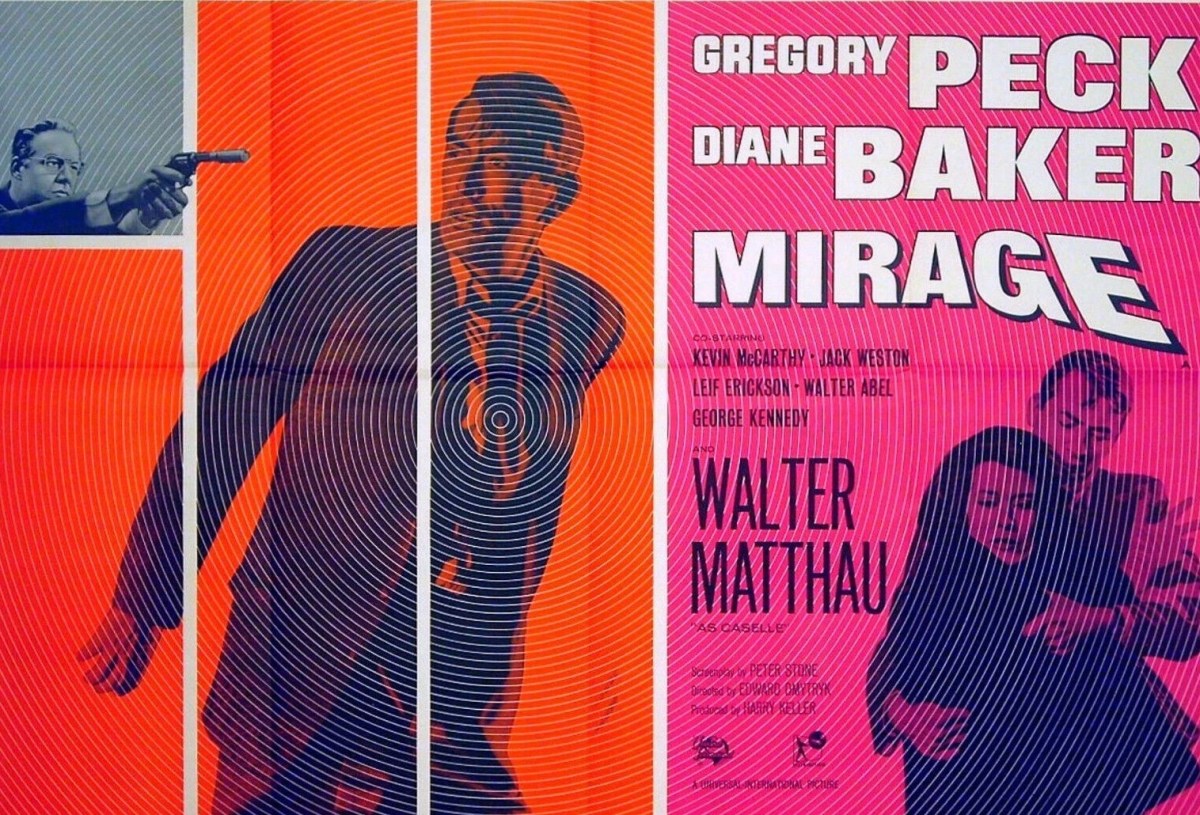
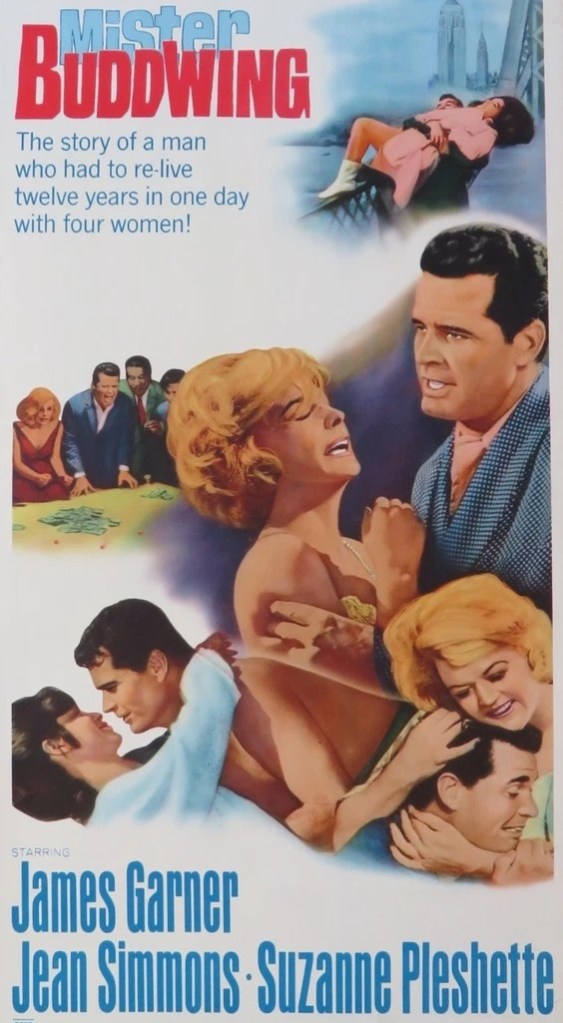
And they could not be more varied. James Garner as the amnesiac Mister Buddwing/ Buddwing (1966) struggling with his identity rubs shoulders with Toys in the Attic (1963) where Dean Martin is battling to save his marriage. Sergio Leone’s majestic Once Upon a Time in the West (1969) headlining Claudia Cardinale and Charles Bronson duking it out with empire-builder Henry Fonda shares space with Carroll Baker as tempestuous Hollywood star Harlow (1965) and Gregory Peck also knocked sideways by identity issues in thriller Mirage (1965).
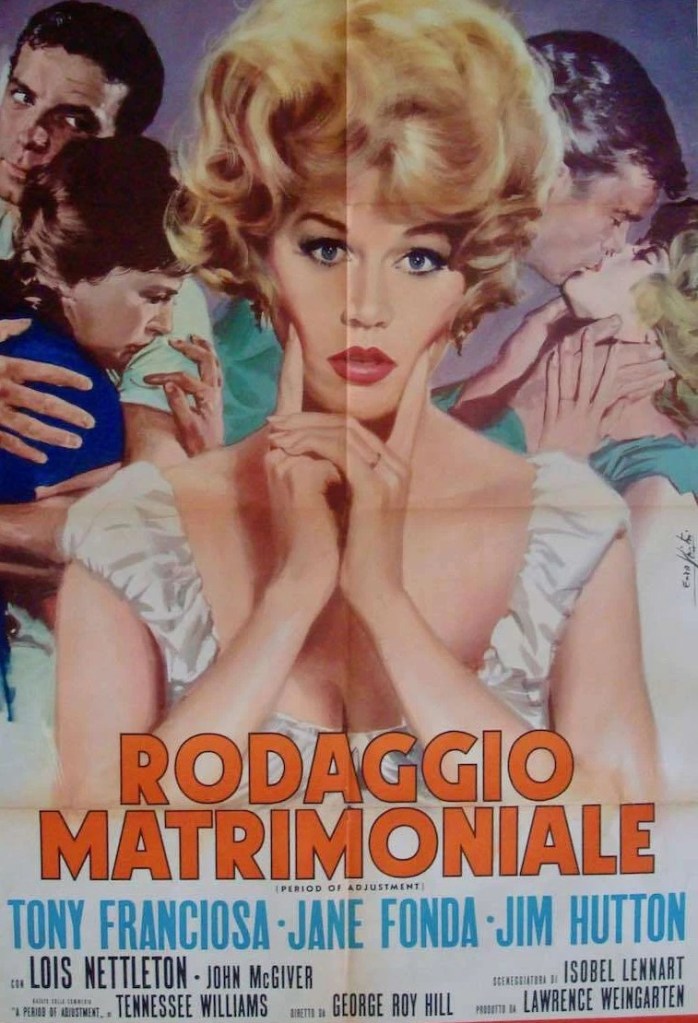
Frank Sinatra’s last top-billed role as a cop hunting a serial killer in The First Deadly Sin (1980) also jumped up the charts along with Montgomery Clift and Lee Remick in Elia Kazan’s Wild River (1960), Barbara Hershey leading a pack of teenagers enjoying an idyllic Last Summer (1969) before it turns sour on them, and George Roy Hill’s Period of Adjustment (1962) with rising stars Jane Fonda and Tony Franciosa.
For some reason, the remake of Stagecoach (1966) had continued in all three months to add substantial numbers to its figures – so much so that it is head-and-shoulders above any other film in the listings – and whether that is due to Ann-Margret in a straight role or maybe even Alex Cord or because audiences welcomed a Technicolor version of the John Ford classic is anybody’s guess.
Of course like any reviewer I’ve got an ego, but I’ve quickly learned that not everyone responds to my attempts to educate the public on the merits of a specific movie. It’s been glaringly obvious that my five-star picks rarely sit close to the top of the Top 100. I’ve pushed the boat out, for example, on Andrew V. McLaglen western The Undefeated (1969) with John Wayne and Rock Hudson on opposite sides of the Civil War fence.
Except for Vertigo, Alfred Hitchcock’s luster has foundered and even my enthusiastic response to The Birds (1963) and Marnie (1964) has not been shared by the larger section of my readers. Not that many have responded either to Burt Lancaster as the bewildered The Swimmer (1969), nor to a pair of steamy dramas set in the Deep South – Arthur Penn’s The Chase (1966) featuring Marlon Brando, Robert Redford and Jane Fonda and Otto Preminger’s Hurry Sundown (1967) starring Michael Caine and Fonda again and Faye Dunaway.
I hope that if I pick out some under-rated gems they might attract further notice. This week, for example, long-ignored Dear Heart (1964) with Glenn Ford has enjoyed a sudden spike in views as has underrated western Five Card Stud (1968) with Robert Mitchum and Dean Martin, Steve McQueen as Nevada Smith (1966) and Paul Newman drama From the Terrace (1960).
To be honest, it’s more interesting for me, as I keep going, to see how unexpectedly my Top 100 shapes up and which films almost come out of left field to give a good account of themselves in reader response.
Thank you all for reading the Blog and for passing the word.
Imax is making box office waves again thanks to Christopher Nolan’s The Odyssey (2026), which has garnered about 20 per cent of its receipts from that format, and media seem obsessed by how long the movie can keep running in Imax, especially 70mm Imax.
Quiz question: what connects King Kong (1933) to Cinerama? Follow-up quiz question: what connects Lawrence of Arabia (the man not the film) to Cinerama? Tie-breaker: what connects Cinerama, which had its heyday in the 1950s-1960s, to the current Imax.
Merian Cooper, the producer behind King Kong, and Lowell Thomas, the broadcaster whose fame was built on the dramatic footage he took of Lawrence of Arabia during World War One, were both vital to the development of the new screen sensation Cinerama, which made its debut two years before Twentieth Century Fox unveiled Cinemascope.
Both Cinerama and Imax began as vehicles for documentaries, the cinematography they involved initially considered too cumbersome for Hollywood directors to use. Initially, also, both formats were presented in cinemas specifically designed for showing films made in the process.
But, effectively, both Cinerama and Imax followed the same business model, one that Hollywood only too readily appreciated. They were premium priced products. Whereas most items you buy are the same price wherever you make the purchase, movies followed an extended version of the way publishers sold books. Readers had to pay extra to be first in the queue for a favorite author’s latest work, the hardback version of a novel appearing about a year in advance of the cheaper hardback.
In the silent era, Paramount instituted a food chain for movie presentation. Pictures opened first in the big city center theaters at top dollar prices ($2 – the equivalent to $35 now – not unusual in the 1920s) before working their way down a dozen different pricing levels until they reached the cheapest cinemas. As the business developed, although the U.S. cinema capacity grew to around 20,000 outlets, Hollywood reckoned that 70 per cent of a movie’s income came from a fraction of those houses, primarily from the more expensive first- or second-run cinemas.
Treatment of audiences is more democratic now. All tickets cost the same and the food chain is long gone, but in the 1950s and 1960s when Hollywood was battling the beast of television it appeared that audiences could be wooed back to the movies by giving them something bigger and better – and they were happy to pay the price. Imax follows the same pricing strategy.
Cinerama was not just the ultimate in widescreen but it offered visceral thrills. Given camera point-of-view audiences raced down a rollercoaster in This Is Cinerama (1952) and were astonished to see different global vistas presented in their full glory rather than as mere backdrops to actors. And while audience response was astonishing even by industry standards, and receipts tumbled in hand over fist, the concept soon lost popularity as audiences moved on to the more dramatically-accessible Cinemascope and its imitators and by the 1960s the format was more or less dependent on the company spinning out its back catalog in endless reissues.
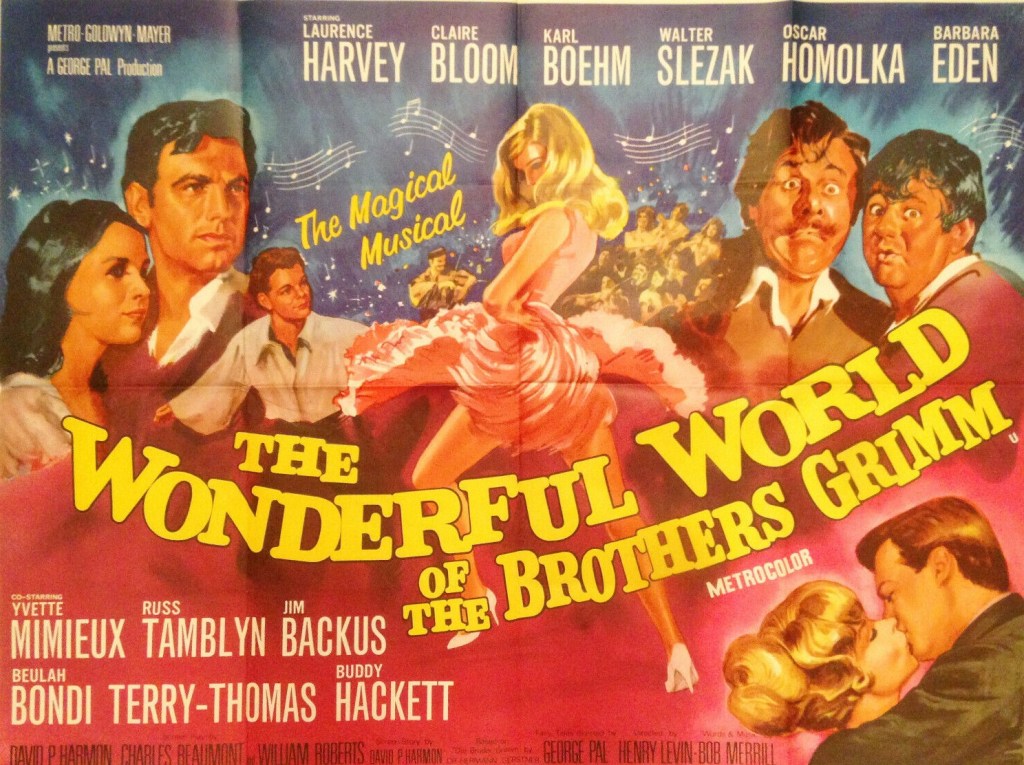
Hence, the move towards dramatic storylines as instanced by How the West Was Won (1962) and The Wonderful World of the Brothers Grimm (1962), both initially presented in the premium-priced roadshow, separate performance, format. In quick fashion, too, Cinerama dispensed with the cumbersome three-lens camera and invented a single-lens alternative which made it much easier for directors.
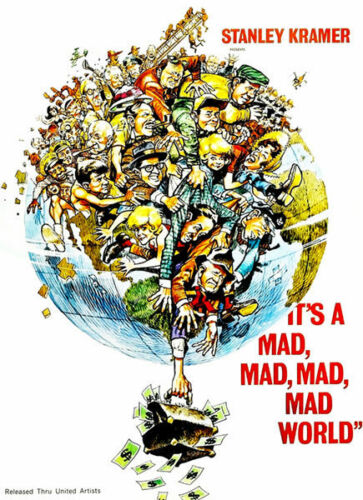
During the 1960s Cinerama presented another eleven big Hollywood pictures ranging from It’s a Mad, Mad, Mad, Mad, World (1963) and Grand Prix (1966) to Ice Station Zebra (1968) and Krakatoa, East of Java (1969). But as the industry hit the financial buffers at the end of the decade, the writing was on the wall, and although Cinerama invested in 35mm movies like Straw Dogs (1971) the game was over for the format by 1972.
Imax was pretty soon positioned as its natural successor, unveiled in 1970 in Japan with Tiger Child, the first purpose-built cinema opening in Toronto in 1971 with North of Superior. The screen was much bigger than anything Cinerama or 70mm had offered. It was over three times the size of Cinerama. But it was of different dimensions; where Cinerama went wider, Imax went taller.
But again, the camera was an obstacle for Hollywood use. And like Cinerama, the format’s attraction was sheer spectacle. All the initial output was documentary-based, often with an educational purpose, though soon progressing to what was termed “entertainment” (Everest, 1998) and the movies were short by Hollywood standards, often less than an hour, which permitted Imax theater operators to present a greater number of daily screenings than an ordinary cinema.
Initially, they were not specifically premium-priced, but potentially more profitable because of the number of daily showings. Theaters typically kept 80 per cent of the box office which limited cinematic entrepreneurial interest since budgets for these movies were in the $6 million-$12 million range, not low enough to easily turn a profit. The movies could run for months, but there was the same problem as before – shortage of new product.
By 1990 Imax had largely pulled out of exhibition, ownership limited to nine theaters, and out of production.
Oddly enough, it was reissue that revived Imax. Disney planned a reworked version of its classic Fantasia (1940) as a method of generating more money from a picture that had already grossed $184 million on video. Traditionally, Fantasia got its best results from limited release, its previous revival outing shown in a maximum of 500 houses. Nor did Disney agree to the usual financial terms, demanding a 50 per cent share of the box office, rather than the normal 20 per cent.
Fantasia 2000 (2000) was released in 54 cinemas willing to commit to an 18-week run. While every Imax record was smashed, the picture, at a cost of $90 million, didn’t break even. But it did usher in Imax as a reissue vehicle. Disney used Imax for the 10th anniversary relaunch of Beauty and the Beast (1992), bringing in an extra $25 million in rentals. Two years later The Lion King (1994) in Imax brought in $15.6 million and Apollo 13 (1995) $1.7 million.
Naturally enough, Disney recognized the potential for Imax for new films and made Treasure Planet (2002) in an Imax version. But the big boost came with The Matrix sequels. Both The Matrix Reloaded (2003) and The Matrix Revolutions (2003) were digitally remastered for Imax, the latter the first to be shown simultaneously with the ordinary print.
Cinerama and its successor 70mm were created as the original “event cinema”. Imax has just continued to carry the torch.
Nowadays, Imax is part of the release mix, bringing a hefty chunk of premium-priced box office to the overall gross and as with the 70mm output generally generating more business through selected reissue, Interstellar (2014) in particular benefitting from that development. But while other studios routinely put their biggest-budgeted movies into Imax cinemas, Nolan is unique in being the format’s champion. Most other films simply convert to Imax. The Odyssey is the first film to be made completley with Imax cameras. And it’s paid off.
It’s reckoned The Odyssey will easily eclipse Avatar, the current Imax box office record holder with $270 million. Other Imax standard bearers include Avatar: The Way of Water ($259 million), Star Wars: The Force Awakens ($214 million), Avengers: Endgame ($207 million), Nolan’s Oppenheimer ($183 million), Avengers: Infinity War ($144 million), Avatar: Fire and Ash (estimated $120 million), Star Wars: The Last Jedi ($115 million), Top Gun: Maverick ($110 million), Rogue One ($105 million), The Dark Knight Rises ($105 million), and Interstellar ($100 million) – the last two Nolan being enterprises – and Spider-Man: Now Way Home ($100 million).
Nolan is so dominant in the format that The Odyssey did not have to cede any Imax cinemas to Spider-Man: Brand New Day on its opening weekend, though that didn’t appear to harm its record box office. Imax will continue to boost The Odyssey. It can’t hold onto to its massive theater count for much longer, but when opportunities to see it in regular cinemas diminish, it will continue in Imax.
SOURCES: Brian Hannan, Coming Back to a Theater Near You, A History of Hollywood Reissues (McFarland, 2016) p5, 10, 12, 295, 297-298; Kim R. Holston, Movie Roadshows (McFarland, 2013 )p 112-113; James B. Stewart, Disneywar (Simon and Schuster, 2008), p346-347; “A Decade of Limited Release,” Variety, February 18, 1998, p23; “Eric J. Olson, “Fantasia Signs Up Increase,” Variety, May 24, 1999, p32; Joseph Horowitz, “A Fantasia for the MTV Generation,” New York Times, January 2, 2000; “Fantasia Hits Imax Record,” Variety, January 4, 2000, p7; “Top 125 Worldwide,” Variety, January 15, 2001, p24; “The Top 250 Worldwide,” Variety, January 6, 2003, p26.
Several years ago, I received a wonderful surprise in the post. The package had come all the way to Scotland from New Zealand, a mere 11,000 miles, and it contained the ledgers of cinemas run by legendary New Zealand exhibitor Allan Webb, whom I had befriended online. Not only did it contain lists week-by-week and day-by-day of all the programs run by Allan at various cinemas, it also detailed how much money each movie made, and, later on, the figures also included the earnings from refreshments.
Since I’ve always been interested in the minutiae of the movie business, this was manna from heaven. I had grown up in an era and an area where cinemas, at the most, changed movies twice a week (three times if you counted the occasional Sunday night horror double bill). So I had no idea how an exhibitor way down the distribution food chain managed to keep a business going.
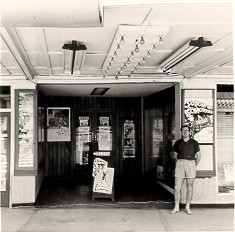
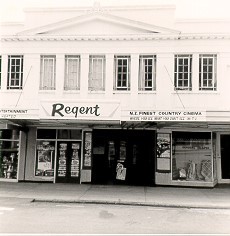
Allan Webb outside the Regent. Main picture, Allan Webb today.
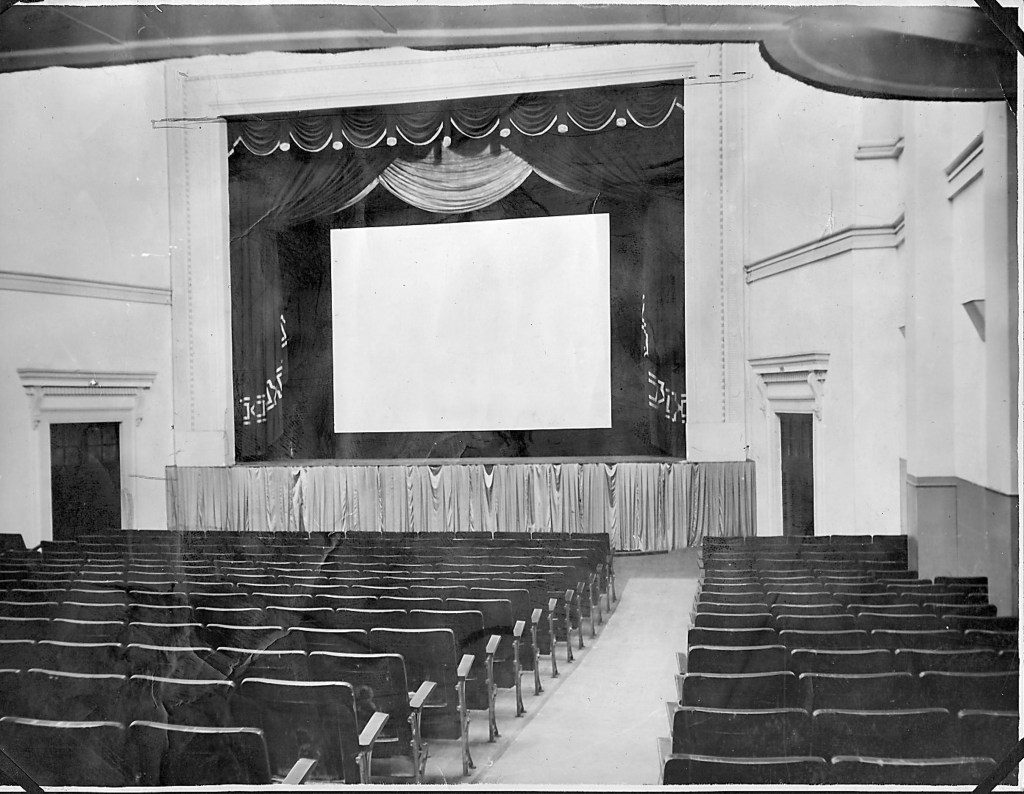
Since 1970 Allan Webb had been running the 250-seater Regent in Te Aroha, a small rural town (population around 3,000) in the north island of New Zealand. The cinema, which had opened in 1927, had shut down at Xmas 1969, and in Easter 1970 Allan took it over on a three-month trial basis at a rent of NZ$13 a week (enough to cover the local rates, as the owners just wanted it open).
“The place was a dump,” recalled Allan, “but I made so many improvements on a very limited budget, kept the light lows, ran a good ship and had an eccentric programming. I had circuit cinemas on either side of me getting the films much earlier.”
The cinema was licensed to show movies four days a week. When he started out, he limited screening films to Friday and Saturday. Prices for adults were 45c for matinees and 50c for evenings and for children 25c for matinees and 30c for evenings.
However, getting movies was a problem from the outset. Recalled Allan, “Te Aroha was considered to be the ‘Exhibitor’s Graveyard’ and some film distributors were very indifferent about supplying film there.” Various studios refused to supply him or their rental rates proved too high. It took years before United Artists, for example, took him on as a customer. Paramount was more amenable offering flat-rate hires ranged from NZ$6-10, with repeats NZ$5. And, initially, he had to pay in advance.
The film shown on re-opening was western Villa Rides starring Yul Brynner and Robert Mitchum which attracted 117 customers, including 51 children.
At the Regent in Te Aroha, in 1973, it would be rare to get by with just two movies showing, separately of course. In 1973, the cinema screened 176 movies including double-bills, averaging out at around 3.5 movies a week. In total the box office brought in NZ$12,557 (that’s New Zealand dollars) at an average of NZ$241.48.
The best week (beginning July 12th, 1973) brought in NZ$611.8 split between The Cowboys (1972) starring John Wayne and The Godfather (1972).
But, as I said, it was rare for the Regent to be able to just screen two movies in a week. The second-best week (April 25th – Easter) hit NZ$615.35 – but it required a total of six pictures to reach those figures. The sextet comprised a double bill of Bonnie and Clyde (1967)/Bullitt (1968) and separate programs featuring Disney’s The Barefoot Executive (1971), the Oscar-laden Ben-Hur (1959), French war comedy Don’t Look Now, We’re Being Shot At (1966) with Bourvil and Louis de Funes and Fred Astaire musical Finian’s Rainbow (1968).
A James Bond tribute (October 4th), each film a separate program, comprising From Russia with Love (1963), Goldfinger (1964), Thunderball (1965), You Only Live Twice (1967), On Her Majesty’s Secret Service (1969) and Diamonds Are Forever (1971) still wasn’t enough to sate demand and Carry On Doctor (1967) was added to the mix, the seven pictures in total pulling in NZ$266.45.
On two other weeks were six films shown, with varying results. The combination – each film shown in a separate program – of comedy It’s A Mad, Mad, Mad, Mad World (1963), French gangster picture Borsalino (1970), musical The Student Prince (1954), Judy Garland classic The Wizard of Oz (1939), Clint Eastwood and Donald Sutherland in Kelly’s Heroes (1970) and Bing Crosby, Grace Kelly and Frank Sinatra in musical High Society (1956), knocked up NZ$445.85 for the week of August 30th.
Oddly enough, High Society also featured in the six-picture week of September 2nd which could only manage a take of NZ$284.4 from the combined efforts of that musical, Willie Wonka and the Chocolate Factory (1971), a John Wayne double bill of Rio Lobo (1970)/Big Jake (1971) and the horror duo of Frankenstein Created Woman (1967)/The Mummy’s Shroud (1967).
The Student Prince was also part of a five-picture week (April 23rd) which rustled up NZ$364.9 thanks to World War Two POW drama The Great Escape (1963), weepie Love Story (1970), and a Beatles double bill of A Hard Day’s Night (1964)/Help (1965).
It was virtually impossible sometimes to guess which films would draw an audience and which would not. The most dependable performers turned out to be the British Carry On comedy series. During the year Carry On Henry (1971) ran as a main feature. So did Carry On Doctor (1967) and Carry On Loving (1970) – so successful it was rebooked as a main feature later in the year. Carry On Camping (1969) was teamed, in the same week, with both Carry On Up the Jungle (1970) and Carry On Screaming (1966). Acting as supports were Carry On Cowboy (1965) and Carry On Constable (1960).
John Wayne was another banker. Apart from the previously mentioned The Cowboys, the Duke turned up in Chisum and The Sons of Katie Elder (1965). Rio Lobo and Big Jake had both played, separately, as main features before being brought together in a double bill. Clint Eastwood was beginning to dog his footsteps, the entire spaghetti western trio was shown, as was Where Eagles Dare, Kelly’s Heroes, Two Mules for Sister Sara (1970), Dirty Harry (1971) and Play Misty for Me (1971).
Richard Harris as A Man Called Horse (1970) also received a repeat booking – the second time as a support to Shalako (1968) – while the sequel Man in the Wilderness was screened. Other westerns in the exhibition mix in 1973 were: They Call Me Trinity (1970), Dustin Hoffman as Little Big Man (1970), Charles Bronson and Toshiro Mifune in “eastern-western” Red Sun (1971), James Stewart and Henry Fonda in The Cheyenne Social Club (1970), Elvis Presley as Charro! (1969), Sam Peckinpah’s The Ballad of Cable Hogue (1970), Wild Rovers (1971) starring William Holden, Robert Mitchum in The Good Guys and the Bad Guys (1969), 100 Rifles (1969) with Jim Brown and Raquel Welch, The Great Bank Robbery (1969), Jim Brown in El Condor (1970), God Forgives…I Don’t (1967), Burt Reynolds as Sam Whiskey (1969), Gregory Peck in The Stalking Moon (1968), Sean Connery and Brigitte Bardot in Shalako and Lee Van Cleef as Sabata (1969).
The Regent could rely on westerns. Several of those shown in 1973 had returned for a repeat performance. Shown in the period 1971-1972 were: A Man Called Horse (twice), Shalako (twice), The Stalking Moon, Two Mules for Sister Sara, 100 Rifles, Little Big Man, God Forgives…I Don’t. The Carry On films were as commonly repeated.
“It’s a wonder I survived with so many weak titles and getting them so late,” said Allan. “Many of the films I showed didn’t screen anywhere else, but they were very good films. The first year was sustainable but by the end of the second year, it was dire. I asked Paramount for Love Story but was told it was frozen until the next year. I pleaded and said I probably wouldn’t be there next year, so I got it at a rental of 50 per cent for a Friday and Saturday night at Xmas and it filled.
“From then on people started to come back. I also agreed to show it in the January holidays at 50 per cent as part of the deal. The Godfather – shown in 1973 – resulted in the biggest take over the seven years I ran the cinema.
“British comedies always played to good sized audiences as well as the ‘big’ films. Double features of two ‘B’ movies or one ‘B’ film and a popular repeat would usually perform satisfactorily on a Friday. Popular films could be repeated several times and often coupled up with other ones.
“The programming was considered to be fairly obscure, but it worked. A lot of films were played especially for the few days it operated.” Two films held the single session attendance record – Easy Rider and Helga which both played to capacity.”
“It was the school of hard knocks, but I learned a lot on how to survive.”
Allan Webb sold the cinema in 1977. He was awarded the Queen’s Medal in 2014 for services to the New Zealand film industry. He had run The Regent in Te Awamutu for 48 years.
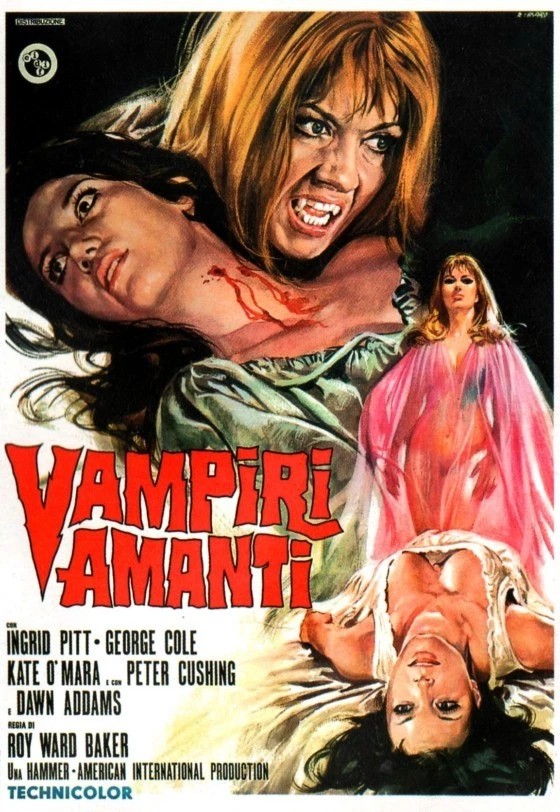
These days you’d call The Vampire Lovers a genre mash-up. The main problem with mixing up the genres is explaining to the audience what they’re going to see. The marketeers solved the issue of selling this to both the horror audience and those who didn’t care in what form female nudity and sex came at them. The problem was if you targeted the sexploitation market, which was quite straightforward, you were going to miss out on a heck of a lot of big city first run business.
So Hammer/AIP came up with a clever plan. They would tag the female vampires “blood nymphos.” Exhibitors weren’t provided with much more of a hook than the prospect of naked female bloodsuckers and, as if were a James Bond picture, a battalion of female beauties kitted out not in the traditional bikini but in diaphanous gowns.
The cover of British fan mag ABC Film Review.
The marketeers reckoned, correctly, that the media were not going to fall in line by publishing juicy snippets regarding the stars or interesting details from the production, so nobody bothered in the Pressbook of drumming up much in the way of that, hoping that photos of said beauties, in as much disarray as newspapers would accept, would do the trick.
The best they could come up with was suggesting exhibitors hold a midnight screening. However, the gender switch was played up. “Do you know what a vampire looks like?” was the headline marketeers were hoping for, expecting to generate column inches or public interest in the cinema lobby by pointing out, vampires could be of either sex.
The rest was standard vampire marketing fare – deck out the cinema with fangs, capes and such, dress up staff. Cinemas were encouraged to stick teaser posters on abandoned buildings and fences.
Luckily, by this point, while mainstream media ran shy of the “permissive society”, fan magazines were less rigid in their attitudes. The traditionally staid ABC Film Review was happy to go down the diaphanous route and magazines like the more liberal Continental Film Review regularly featured nude pictures of stars inside. The conservative Photoplay made hay by playing up the licentiousness of the movie.
Humor rarely worked in Pressbooks, but here the awful pun was in evidence on the cover, “Cut yourself a slice of profit and get ahead” (Get It?).
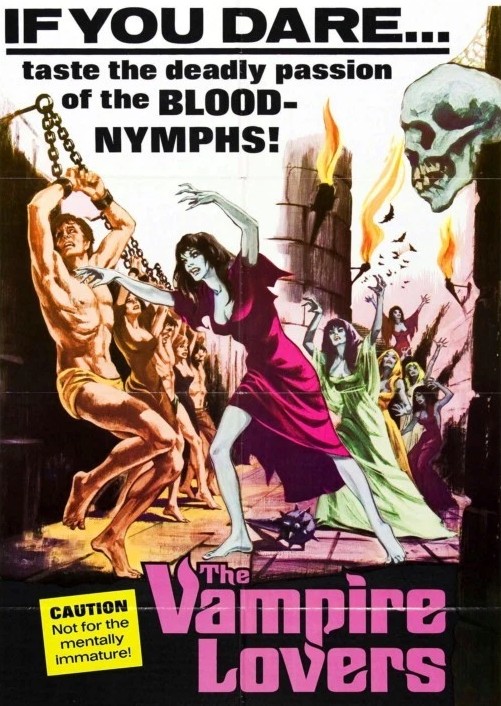
But the bulk of the promotional work came from the adverts. Taglines included “Taste the deadly passion of the blood nymphs.” And “Not for the mentally immature.”
“Torture crypt of the blood nymphs…hiding an erotic nightmare of tormented lusts that throb in headless undead bodies,” could not have provided a more obvious target.
“Even the loveless can love…even the dead can desire.” And, as usual, the ad team would take the best of the taglines and mix them up, so you’d end up with “An erotic nightmare of tormented lusts…where even the lifeless can love…even the dead can desire.”
“Even the dead can love…and with lifeless lips drain the living of their passion and their blood.” Throw in “A bloodstained tale of terror and revenge…an erotic nightmare of the undead” and “Terror and torture embrace in ungodly blood lust.”
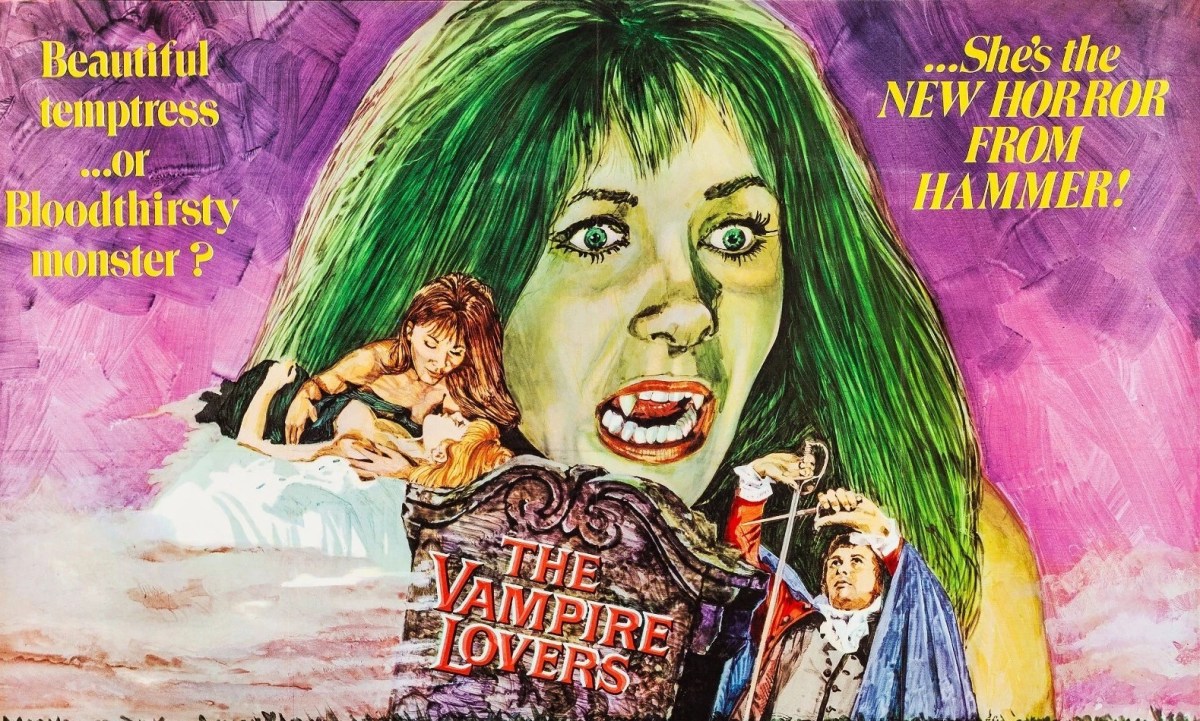
“Beautiful temptress or bloodthirsty monster…she’s the new horror form Hammer.”
Interestingly enough, while the diaphanous and traditional cleavage made a continuous appearance, in many of the posters there was little evidence of female-on-female activity.
There was greater emphasis on the woman as a terrifying image, which, of course, was not in itself groundbreaking.
Should have a lot more going for it. Female empowerment for a start. This would also, in today’s terms, be called a reboot of the Dracula legend, though it does originate from a different source than Bram Stoker. Or you could look at the bold exploration of lesbianism, none of the angst of The Killing of Sister George (1968) or the lyricism of The Fox (1967). Or you could fall back on that old chestnut – a camp reinterpretation of the vampire world, where female breasts rather than necks are the prime target. At the very least, it should have set up Ingrid Pitt (Where Eagles Dare, 1968) for stardom.
And while all these hold true, it lacks the key ingredient of the horror picture, any kind of tension or imminent threat. Nor does it carry the emotional weight of Countess Dracula (1971) – also starring Pitt – a twist on Dorian Gray, of a woman trying to hold age at bay with infusions of virgin blood.
So, in the end, it comes off as little more than a commercial decision to revive a fading genre with lashings of nudity, sex and lesbianism. Director Roy Ward Baker (Moon Zero Two, 1969) brings significant style to the proceedings even though the backdrops look as if they’ve been picked from a cast-off bin.
The tale is based on a story Carmilla by Sheridan Le Fanu, that predated Bram Stoker. On the production side, Hammer and its American rival AIP teamed up, with the latter blamed for insisting on the sexual overdose. Although on that score you could as easily point the finger at the British censor known for his liberal approach to such shenanigans.
While it’s true that Dracula, especially as interpreted by Christopher Lee in Hammer offerings, carried a sexual frisson, there was never anything more than that, allowing the audience to determine whether the vampire was ever interested in a woman except for the purpose of sucking blood from her neck. Previously, diaphanous gowns and cleavage had been the extent of the sexual element. To switch the target from the neck to the breasts is a determined commercial move.
So, basically, with a gender twist, we’re following the old story – vampire stalks victims, finds acolytes, and falls victim to a vampire hunter. In the 19th century, the beautiful Carmilla (Ingrid Pitt), traveling with her mother, a countess (Dawn Adams), is adept at inveigling herself into high-class households where she seduces the daughters and staff of the rich. Her first victim Laura is niece to General Spielsdorf (Peter Cushing) who subsequently enlists the help of vampire hunter Baron Hartog (David Wilmer), who mistakenly believes he had rid the world of the female vampire clan.
Next for the bloody breast treatment is a Mademoiselle Perrodot (Kate O’Mara), governess to Emma (Madeleine Smith). Perrodot becomes her lover and accomplice. Carmilla is an inclusive kind of vampire and if need be will seduce any male obstacle such as Morton’s suspicious butler Renton (Harvey Hall) while sucking the blood out of any passing male of more modest means.
Carmilla has the same get-out-of-jail-free as any male of the species and can take refuge in her grave until the heat passes. However, this time she’s intent on taking Emma with her. By now Baron Hartog has filled the general in on the threat, explaining that the Karnstein clan go back to the sixteenth century, and that he has dispatched many of the breed in traditional fashion, decapitation or stake through the heart, but he had been unable to find the night-time resting place of Carmilla.
So when Carmilla heads off to Karnstein Castle with Emma, she’s not expecting vampire hunters lying in wait. This time it’s the general who does the killing, making doubly sure by both cutting off her head and driving a stake through her heart. Emma recovers.
Given that any version of Dracula was essentially a franchise, Hammer/AIP managed to keep the Karnsteins going for another two episodes, Lust for a Vampire (1971) – which gave Yutte Stensgaard a shot a stardom – and Twins of Evil (1972) starring Playboy Playmates the Collinson twins.
While The Vampire Lovers was a launching pad for Ingrid Pitt as a new top-billed femme fatale, her marquee attraction didn’t last beyond the superior Countess Dracula. However, Pitt certainly brings gusto to the part and there’s an argument that the contemporary world deserved more explicit expression of that previously restrained sexual frisson. The counter-argument is that it’s blatant sexploitation.
Kate O’Mara (The Horror of Frankenstein, 1970), a future Scream Queen, would have been an obvious contender for the main role rather than a supporting one except that she refused to take off her clothes. Madeleine Smith (Taste the Blood of Dracula, 1970) became another future Scream Queen.
With Ingrid Pitt’s physical allure to the fore that limited the involvement of Peter Cushing (Frankenstein Created Woman, 1967). The more prominent of the wannabes was Jon Finch (Macbeth, 1971).
Written by Tudor Gates (Danger: Diabolik, 1968).
Still the argument continues – groundbreaking approach to the genre or mere sexploitation.
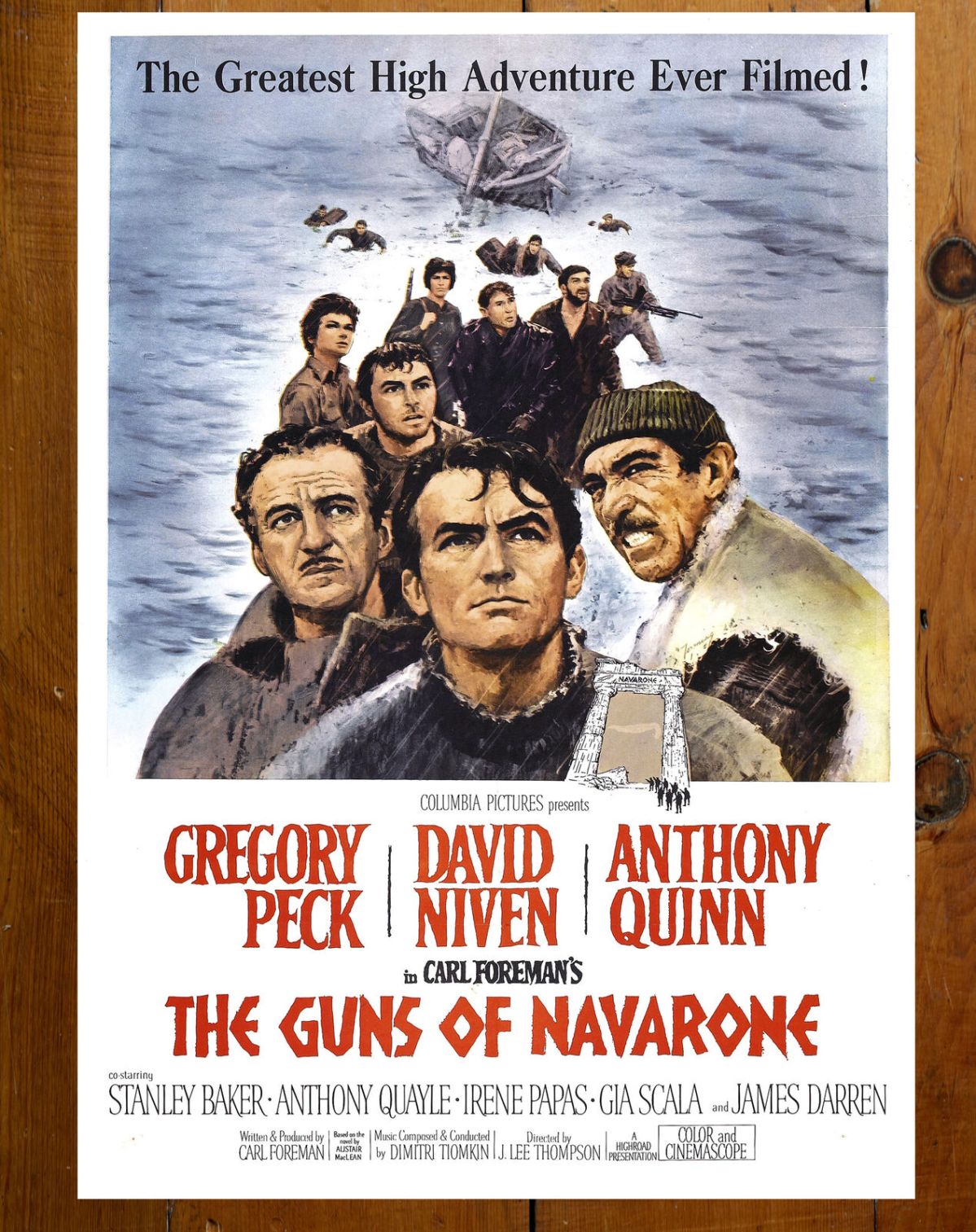
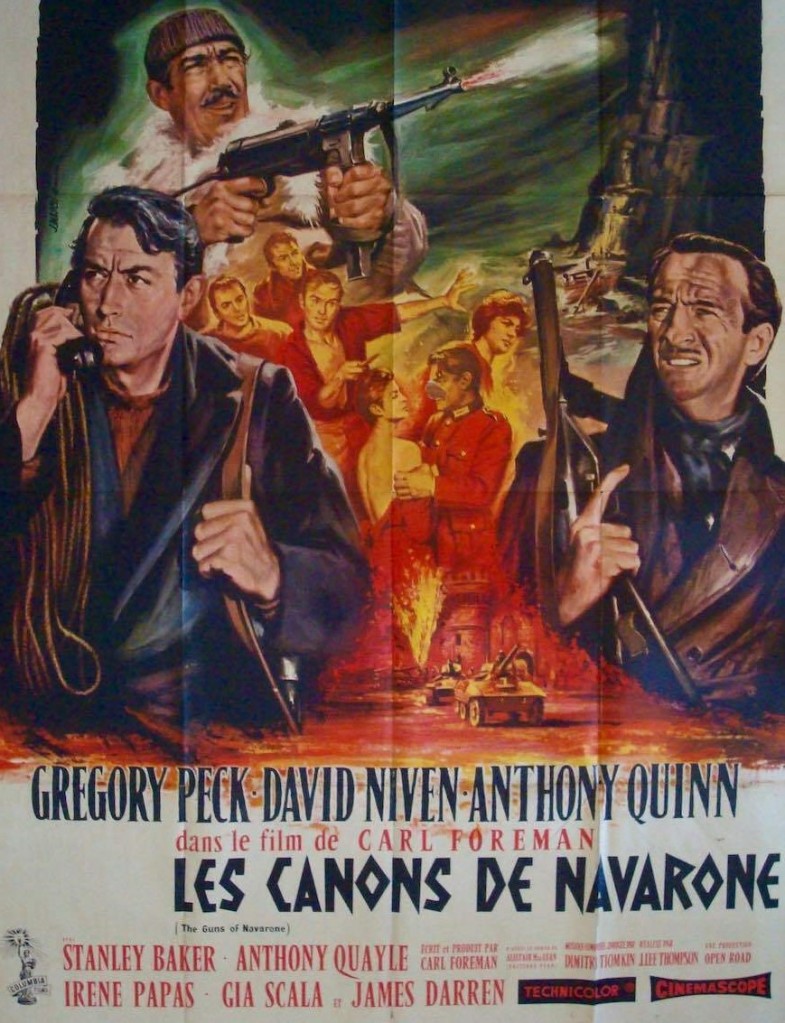
It’s time to celebrate the 65th anniversary of The Guns of Navarone – world premiere on April 27, 1961, in London and New York opening on June 22, 1961. Although the picture set a new benchmark in high-octane entertainment, a fast-moving war thriller packed with twists and a genuine all-star cast, it was far – very far – from the sure thing it appears in retrospect.
Box office smash in Britain.
For a start, U.S producer Carl Foreman, a victim of the McCarthy anti-communist witch-hunt of the early 1950s, was unable to assemble any of the talent he had set his heart on. He lost his preferred male cast of William Holden and Cary Grant and original scriptwriter Eric Ambler, the thriller writer famed for The Mask of Dimitrios and other novels.
He had a registered a major publicity coup by engineering the screen debut of opera diva Maria Callas, one of the most famous people in the world, but she also dropped out as did his other initial choice for leading lady. On top of that, once filming began he lost his director, Alexander Mackendrick, who had not only achieved a critical and commercial success with the British Ealing comedy The Ladykillers (1951) but also crossed the Atlantic to make the acclaimed The Sweet Smell of Success (1957) starring Burt Lancaster and Tony Curtis, to prove he could handle big Hollywood stars.
On top of that David Niven nearly lost his life during production and by the time the picture appeared Gregory Peck had suffered so many box office flops that he was a potential liability. And Foreman’s own marriage was in trouble.
Building the massive guns set.
It was a wonder it was made at all for Foreman was nobody’s idea of a sure thing. Although he had made his name as a screenwriter with three Oscar nominations for Champion (1949), The Men (1950) and High Noon (1952), his career was in ruins after being slung out of America for his supposed communist sympathies. He set up in London where he wrote screenplays under pseudonyms. But in 1956 won a four-picture production deal with Columbia at a time when that studio was investing heavily in making films in Britain to take advantage of the government’s Eady Levy (effectively, a tax rebate) and cheaper costs. But his first film, The Key (1958) with William Holden and Sophia Loren flopped in the U.S. Columbia persevered, seeing Foreman as the man to tackle its biggest-ever European production.
The Guns of Navarone almost fell at the first hurdle. Foreman’s first choice of location was Cyprus which was threatening to erupt into a civil war. At the last minute, he changed his mind and shifted production to Rhodes. Foreman, who also acted as screenwriter, made considerable changes to the book by British bestselling thriller writer Alistair Maclean, not least of which was introducing female characters to a story that had been resolutely all-male.
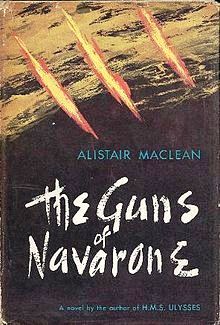
Original hardback book cover.
There was tension on set – four-time Oscar nominee Gregory Peck was annoyed at sharing the screen with two winners David Niven (Best Actor for Separate Tables, 1958) and Anthony Quinn (twice Best Supporting Actor for Viva Zapata, 1952, and Lust for Life, 1956). Replacement director J. Lee Thompson (Ice Cold in Alex, 1958) managed to sink a ship on loan from the Greek navy. The Actor’s Strike in Hollywood nearly forced the departure of the two younger stars.
The set for the titular guns was the largest ever built, costing £100,000, and even though that proved a design miracle, that, too, was not exempt from disaster, having to be rebuilt after a thunderstorm destroyed part of the set. The injury to David Niven was so severe he nearly died, putting the production in jeopardy. Even when the film approached completion there were other obstacles in the way, composer Dmitri Tiomkin (The Alamo, 1960), for example, demanding a record fee and Foreman locking horns with Columbia over his insistence on launching the picture as a roadshow, request which was ultimately denied, and one of the reasons for the film’ release delay,
I’ve written a book about The Making of The Guns of Navarone. Originally published in 2013, it has been revised with over 30 illustrations added for a new edition to tie in with the 65th anniversary – available both in print and Kindle versions.
If you’re interested in this kind of book, you might like to know that I’ve also written The Making of The Magnificent Seven.
To celebrate this film now streaming on Netflix I thought i’d re-run a previous review.
Stone-cold action classic that blazed a trail for the big-budget men-on-a-mission war picture like The Dirty Dozen (1967) and Where Eagles Dare (1968). Brilliantly structured, written and directed, and featuring a sea battle, storm, shipwreck, mountaineering, chase, interrogation scenes, infiltration of an impregnable fortress, a pair of romances, two traitors, and an awe-inspiring climax make this a candidate for one of the greatest war pictures ever made.
The set-up is simple. Knock out the gigantic guns at Navarone or two thousand men will perish. It’s mission impossible and the clock is ticking. You don’t know who to trust and the enemy is ruthless.
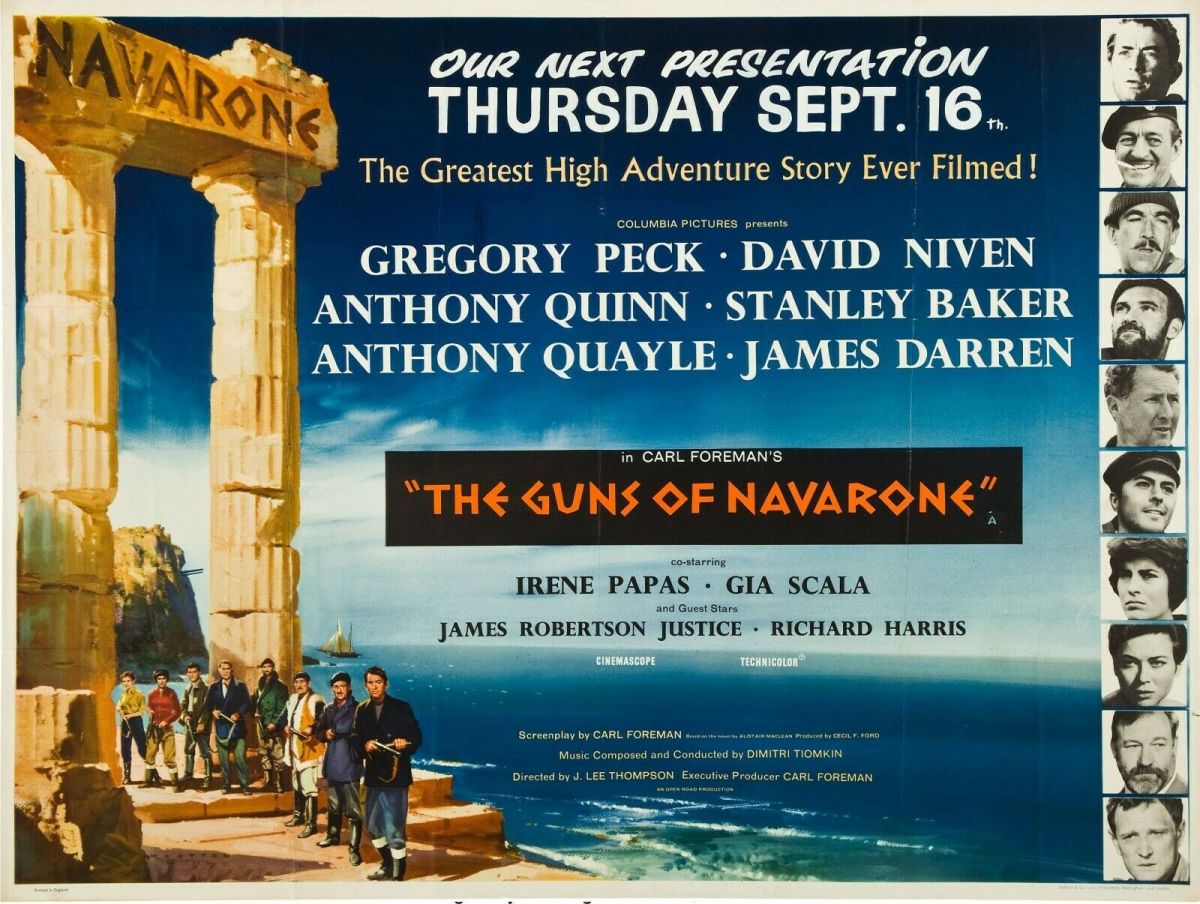
In the early days of the all-star-cast, producer Carl Foreman rounded up an astonishing line-up, bulking out the bestseller by Scottish thriller maestro Alistair Maclean (The Secret Ways, 1961) with three top stars in five-time Oscar nominee Gregory Peck (The Big Country, 1958), double Oscar-winner Anthony Quinn (Heller in Pink Tights, 1960) and Oscar-winner David Niven (Please Don’t Eat the Daisies, 1960). Add in British household names Anthony Quayle (Ice Cold in Alex, 1958), Stanley Baker (The Concrete Jungle, 1960) and James Robertson Justice (Doctor in Love, 1960), a sprinkling of rising stars in James Darren (Let No Man Write My Epitaph, 1960), Gia Scala (I Aim at the Stars, 1960) and Richard Harris (The Night Fighters, 1960) and renowned Greek actress Irene Papas (Antigone, 1961).
Each man is a specialist. Capt. Mallory (Gregory Peck) the mountaineer whose climbing skills are essential to completing the fist part of the mission, explosives expert Corporal Miller (David Niven), mechanic ‘Butcher’ Brown (Stanley Baker), Greek patriot Stavrou (Anthony Quinn) and the ruthless killer Pappadimos (James Darren) who has the contact with the Greek resistance. The stakes are ramped up when we learn both Mallory and Stavrou have bounties on their heads, not to mention the fact they are sworn enemies, and that before the mission even gets under way, spies are discovered in the camp. The ostensible leader of the group Major Franklin (Anthony Quayle) is wounded early on, turning him into a liability and making Mallory the de facto leader.
The stakes are ramped up further – this time through relationships. Their Greek contact turns out to be a woman, Maria (Irene Papas), brother of Pappadimos. She brings with her a mute girl Anna (Gia Scala) for whom Mallory develops romantic feelings while Stavrou has eyes for Maria. Mallory is also torn about Franklin, his best friend.
And from there it pitches into one disaster after another. They are too easily hunted by the Germans. They are shelled with mortars and attacked by dive bombers as they race across open mountains and through caves to reach their destination. They have to shoot their way out of traps and finagle their way into the fortress. There are twists and turns all the way, the clock ticking in almost James-Bond-style as the deadline for the destruction of the troops approaches.
And although this is clearly a war picture it is also as obviously an anti-war one, no end to the killing in sight, people dying pointlessly.
Although the acting was ignored come Oscar time, each of the stars delivers and it is a communal tour de force. Director J. Lee Thompson (Ice Cold in Alex) ensures that in visual terms none of the stars dominates, each given equal screen time while the strong supporting cast each has their own narrative arc. With over two-and-half-hours’ running time, Thompson has both the bonus of time to allow each element to be fully played out and the problem of keeping the picture taut and he succeeds brilliantly in both aims. It is a masterpiece of suspense. And it looked fabulous, the guns themselves, by which the picture might succeed or fail, were awesome.
Thompson was Oscar-nominated as was producer Carl Foreman for both Best Picture and the screenplay, Dmitri Tiomkin for the score (one of the longest-ever), John Cox for sound, Alan Osbiston for editing. Bill Warrington who did the visual special effects and Chris Greenham who did the sound effects were the only winners on the night.
It was a commercial smash, top picture of the year in the U.S., the biggest picture of all time at the British box office and breaking records all over the world.





 The Magnificent 60s