I am a published author of books about film - over a dozen to my name, the latest being "When Women Ruled Hollywood." As the title of the blog suggests, this is a site devoted to movies of the 1960s but since I go to the movies twice a week - an old-fashioned double-bill of my own choosing - I might occasionally slip in a review of a contemporary picture.
There was one in every town: a woman, rich (Sanctuary, 1961) or poor (Claudelle Inglish, 1961) or in between (Butterfield 8, 1960), with a predilection for sex. There were several men in every town, queuing up to take advantage. The woman was inevitably a shameful creature, the men the envy of their peers. You don’t have to look further than Frank Sinatra’s tom-catting in Come Blow Your Horn (1963) or Omar Sharif as the romantic star of the decade with two women in tow in Doctor Zhivago (1965) for an idea of the double standards in play. Welcome to hypocritical Hollywood.
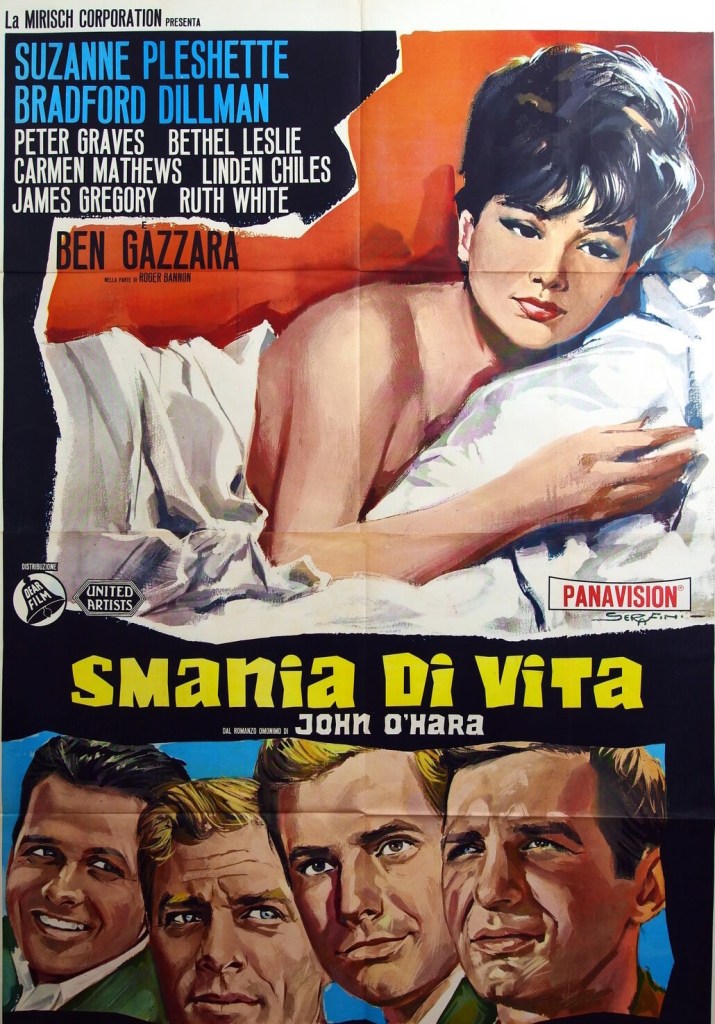
Grace (Suzanne Pleshette), father dead and stuck with a domineering mother, finds escape and fulfilment in sex, and just to give hypocrisy a final tug discovers that while boyfriends are keen to help her explore such physical needs, they take the hump when they discover they might not be the first – or the only. Parents, naturally, are appalled, and discovery of Grace’s antics – and she’s not particularly particular, a passing waiter will do – leads her mother to collapse.
Having confessed to potential husband Sidney (Bradford Dillman) that he will not be marrying a virgin and almost bursting with gratitude that he is willing to overlook her behavior, Grace becomes a farmer’s wife and then a happy mother, until construction owner Roger (Ben Gazzara) comes on strong. She might well have been able to have her cake and eat it but Roger, having fallen in love, reacts badly to being dumped and it’s only a matter of time before her world implodes.
Made a couple of years later, when the independent woman was being exalted, this would have been a different kettle of fish. Here, the boot on the other foot, the woman who picks and chooses her lovers seemed a step too far for that generation.
Before the big trouble begins, the movie does explore, though somewhat discreetly, the almost taboo notion that a woman might just enjoy sex for the sake of it. Sure, Grace likes being wanted and likes being held, but if she was around today, nobody would bat an eyelid if she just came out and expressed her preference.
Less discreetly, the subject of consensual sex comes up, but not as a question of debate, more as a matter of fact, that when Grace says no she actually means yes. There’s a very uncomfortable moment at the beginning when in a Straw Dogs-scene, though nothing like as violent, Grace appears to welcome a rape. Whether this is as bad as it sounds, or is just Hollywood hiding the blush that a woman would not seek out sex but could only discover its pleasures when forced upon her, is hard to say.
Nor is Grace a walking sex machine. She knows enough about men that she only has to put out feelers and any susceptible male will take the bait. And given the restrained times, she’s got no female pal with whom she can discuss her unseemly desires.
Of course, if this was a man, nobody would be batting an eyelid. Sure, once caught, he’d come up with all sorts of excuses, denials, begging for forgiveness, but an audience would give him a free pass. It’s only because this is a woman that it causes ructions. The movie just about gets close to what does make Grace happy and why she needs the thrill of extra marital sex but by that point the melodrama has taken over and there’s little time left for discussion, what with Roger intent on revenge and another lovelorn wife, mistakenly imagining her husband has fallen victim to Grace’s charms, also on the warpath.
Small town constraints play their part, too. Washing your dirty linen in public the worst of all offences. Author John O’Hara, on whose bestseller this is based – and whose other works Butterfield 8, Ten North Frederick (1958) and From the Terrace (1960) explored similar worlds – knows only too well that while wealth brings freedom and privilege it comes with chains attached.
And there’s some interesting role reversal, an illicit lover falling in love with a married person normally a starting point for a movie to explore happiness and its opposite rather than being the one act Grace will not tolerate in a lover, she wants strings-free sex, not anything with encumbrance. While Grace would like to act like a man, and has the wealth to shield herself from the worst of the fall-out, as a mother she is extremely vulnerable, and in this particular era could risk losing her child if seen as maternally unfit.
While lacking the sexual combustibility of Elizabeth Taylor or Lana Turner or other Hollywood heartbreakers, Suzanne Pleshette (Nevada Smith, 1966) gives a decent enough performance especially when it comes to her straightforward attitude to sex, aware she might be causing upheaval, but finding it impossible to ignore desire, or imagine a life in which that does not play an impulsive part.
Bradford Dillman (Sanctuary) has less room for character maneuver and is mostly called upon to suck it up. He comes into his own in the movie’s latter stages when bewilderment at betrayal and public humiliation clashes with continued love for his wife. Ben Gazzara (The Bridge at Remagen, 1969), trademark leer and smug face kept in check, has a showier role especially when the violent aspects of his character explode.
Director Walter Grauman, while better known for war picture 633 Squadron (1963), had just come off another picture dealing with female trauma (Lady in a Cage, 1964) and does quite a decent job here, the camera intensely focusing on the leading actress and then as the tragic outcome unfolds drawing away from her. There’s one great piece of composition. He had used tree branches and the countryside to frame Grace and Sidney at the height of their love. And he does the same again when Grace is abandoned.
Asks some difficult questions without quite getting to grip with the real subject of female sexuality. There was a sense that Hollywood was just on the cusp of accepting the independence of women, but didn’t want to go the whole hog just yet, because, apart from anything else, where would it leave the guys?
The legend is knotty. On the one hand it’s the most chivalric period in history. Excalibur, The Holy Grail, the feudal-tyranny-busting power-sharing democracy of The Round Table, and before Harry Potter came into view the most celebrated wizard of all time in the shape of Merlin. On the other hand, love was a pawn. Women were traded to cement relationships between rival kingdoms. And humans were all too fallible.
For a start, you had a king, Arthur, who couldn’t keep it in his pants and had already sired a bastard son Mordred who had his own ideas about inheritance. Then you had the king’s champion, Lancelot, who had a similar problem, except in his case he couldn’t keep his hands off the king’s new wife, Guinevere.
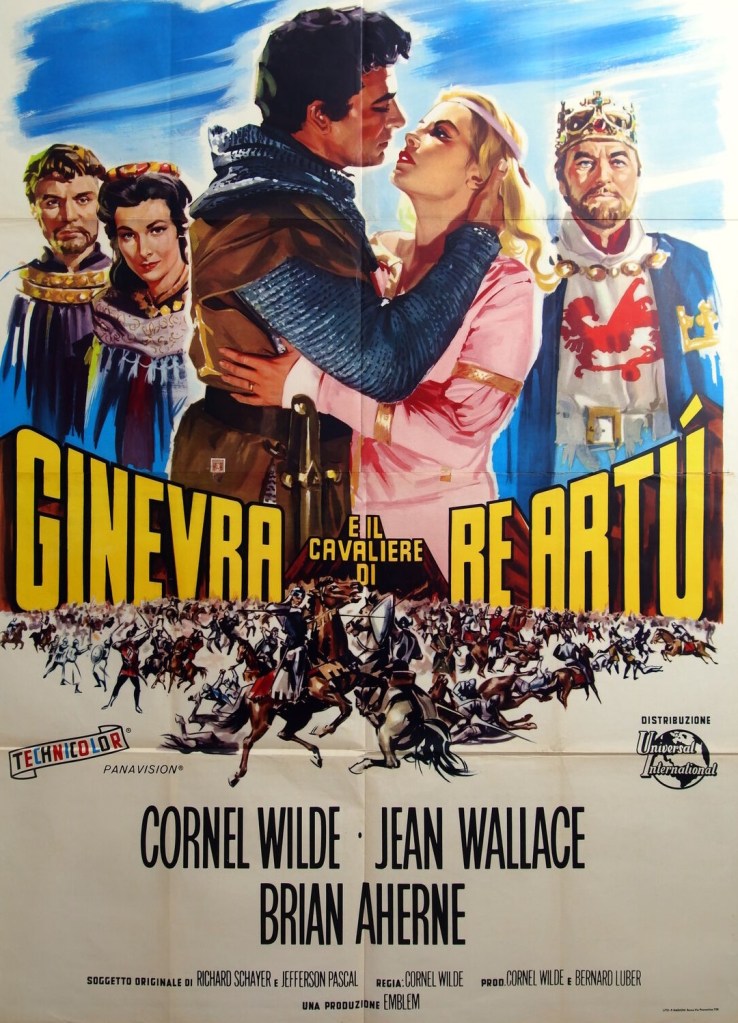
To pull off this love story, and keep the audience onside, you needed actors of a high caliber otherwise it sinks to a tawdry tale of adultery and betrayal. Unfortunately, there’s no Robert Taylor-Elizabeth Taylor (Knights of the Round Table, 1951) to hand and the combination of Cornel Wilde and his wife Jean Wallace doesn’t have the same ring or impact.
So, wisely, Cornel Wilde who doubles – make that quadruples – as director, co-writer and co-producer as well as star, concentrates on action, far more than in other swashbucklers of the decade such as Pirates of Tortuga (1961) and King’s Pirate (1967). Wilde has genre credentials, outside of Errol Flynn and Tyrone Power, with At Sword’s Point (1952) to his credit.
And you can’t help taking a liking to a swashbuckler which begins with a joke about soap, and then carries the same riff through to the obligatory bathing scene, where the act of physical washing, rather than merely splashing about in the nude for audience titillation purposes, sparks the relationship between the doomed couple.
This version of the story begins with the French king reneging on the deal to marry his daughter to King Arthur and demanding the matter be settled in the traditional manner, one-to-one combat. Lancelot is elected the English champion. By the time he returns home, complication lies in his wake. It’s not long before suspicions are aroused, Guinevere unable to keep emotions in check when she imagines Lancelot wounded in battle. Indiscretion gets the better of them and when Lancelot is discovered leaving her bedchamber, it’s all lovelorn systems go. Condemned to death for adultery, she needs rescued from a burning pyre.
Guilt ruins exile. Lancelot is now a reluctant rebel. And sex is off the agenda. Matters are only settled in the most drastic fashion, one that ensures an ending to rival Casablanca (1942). Action compensates for acting – Wilde runs the gamut of emotions from grimace to grin while Wallace over-acts – with a number of well-managed battle scenes.
The pick is Lancelot leading an army against raping pillaging Vikings. Apparently impregnable behind a lake that prevents attack on three sides, the Vikings don’t expect the English to block off their escape by setting the forest on fire, forcing them to charge through the water to Lancelot’s waiting troops. Another pitched battle is equally well-handled with thundering horses, each side trading volleys of arrows, and a clever flanking movement.
Although a relative novice behind the camera, Wilde is not afraid to experiment. Tracking cameras are extensively used as is limited point-of-view (opponent viewed through a vizor) although he does resort on occasion to older tricks like speeding up film so foot soldiers resemble Olympic sprinters.
And there is a sprinkling of other jokes and observations. A courtier mangles a visitor’s name in Court Jester fashion. Church bells ring because someone is battering the hell out of the iron casing. A rhymer is on hand to mock. A trumpeter is killed before he can sound the retreat. An old crone chomping on an apple settles in to watch a burning at the stake.
Obviously, in my search for a 1960s swashbuckler, I take the blame for bringing this to your attention. While lacking the charisma of Doug McClure and Jill St John in King’s Pirate and the acting not rising much above the levels of Pirates of Tortuga, this outshines both in the action department.
Highly under-rated. Mostly because star Frank Sinatra has the audacity at the age of 65 to play an older cop as an older guy, with none of the wisecracking or physical zap of his previous crime movies like Tony Rome (1967) and The Detective (1968). Deliberately downbeat and surprisingly compassionate with a gallery of unusual and realistic supporting characters.
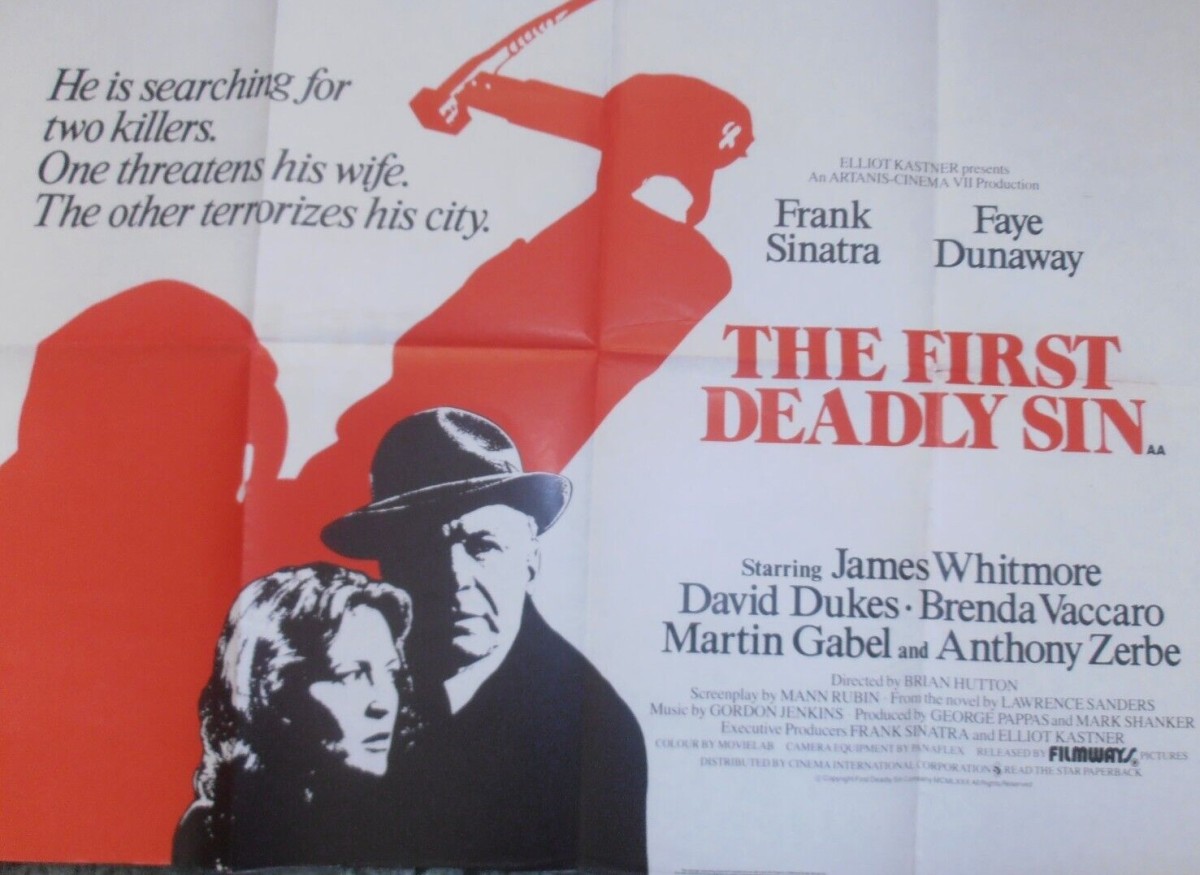
Sure, we start off with a cliché, cop Delaney (Frank Sinatra) about to retire sniffs out a serial killer operating across New York. But that’s about as far as the cliches go. His boss (Anthony Zerbe) is highly territorial and doesn’t want Delaney doing work that might benefit any precinct other than his own. On top of that an operation on artist wife Barbara (Faye Dunaway) has gone seriously wrong and now she’s hooked up to all sorts of machines in hospital, Delaney sitting by her bedside reading from a book.
Unable to use the department’s facilities, Delaney is forced back on improvisation and enlists a museum curator Langley (Martin Gabel), an expert on weaponry, to find the specific type of tool the assailant is using to crack open heads. Langley is old, too, lacking in either wisecracks or physical zap, likely to doze off at inopportune moments.
Delaney isn’t above taking the law into his own hands, gaining admittance by devious means to the apartment of suspect Daniel (David Dukes) only to be told in no uncertain terms that not only has he no just cause to arrest Daniel, a high-flying executive with legal connections, but that any judge would immediately throw out the case thanks to the cop’s law-breaking.
So the movie settles into two parallel stories, both, if you like about observation. Delaney follows the suspect and he watches his wife die, in both instances unable to intervene, not able to prevent the murderer killing again unless he should happen to catch him in the act and as far as the hospital is concerned having to listen to a doctor (George Coe) tell him that doctors aren’t infallible and often get it wrong. Even his only ally, forensic expert Dr Ferguson (James Whitmore), is warning him off.
And where you might expect in another film a bit of romance between Delaney and witness Monica (Brenda Vaccaro) that doesn’t go anywhere either because he is a faithful husband and doesn’t need any distractions from a dying wife and she’s not the kind of woman that often turns up in crime pictures to form an adulterous relationship. If anything, she turns her attention to mothering Langley.
So this isn’t a fast action tough-talking crime picture of the kind audiences had been familiar with from the late 1960s/early 1970s, there’s no car chase to add entertainment heft. In fact, Delaney is an old-fashioned cop, I don’t think you even see him in a vehicle, he’s mostly pounding a beat of one kind or another.
And it’s oddly compassionate. There’s a lot of cross-cutting between the two narrative strands, and it soon becomes pretty clear that this is a different kind of killer, not one carefully planning his next murder, or taking sexual delight from the agony he inflicts, and he isn’t into abduction either, nobody corralled away in a basement or attic, night-time providing murky cover for his activities.
What we’re actually witnessing, it turns out, is a killer’s meltdown, as he hunkers naked in a bath or hides under bedclothes in a closet. And Delaney recognizes that insanity and that this is someone who needs treatment rather than being locked up in a prison. Daniel justifies his acts as a kind of purity. His victims are “all living inside me, I love them and they love me.”
The idea of sacrifice is embedded in the initial image of a neon-lit cross hanging above a street, the crucifix cross-referenced in several other scenes, and Xmas wet and miserable rather than Hollywoodized snow and ho-ho-ho.
So get your downbeat boots on and join the trudge and don’t start complaining this is lazy acting from Sinatra when actually he is delivering one of his finest performances. Nobody complained that Tom Hanks was lazy when he acted old in A Man Called Otto, where sorrow is similarly repressed, or that Hanks had a shade too much zest for a man his age. Faye Dunaway (Three Days of the Condor, 1975) has made an equally bold decision to play a woman who never gets out of bed and she makes no attempt, as an actress, to invoke your sympathy, there’s none of the cuteness you might expect from doomed romance. Critics, in general, have been put off by the fact that she plays a dying woman as if she is actually dying rather than about to spring into a song-and-dance.
You might be surprised to learn that director Brian G. Hutton (Where Eagles Dare, 1968) came out of a self-imposed seven-year retirement to make this picture, in some respects a companion piece to the equally down beat Night Watch (1973). And he makes a terrific virtue out of keeping characters realistic. Add Martin Gabel to the principals for playing old and slow when age dictates he’s old and slow. Screenplay by Mann Rubin (The Warning Shot, 1967) from the Lawrence Sanders bestseller.
Thoughtful, brooding picture, fitting finale to Sinatra’s career. This is the last hurrah without any forced Hollywoodized hurrah.
“It won’t be the same without you,” says the reception desk cop as Delaney hands in is papers. “It’s always the same,” retorts the world-weary cop.
But please go into it with your eyes open and not in expectation of the more typical 1970s crime movies.
Incidentally, I had thought this one of the lost movies, out of circulation due to legal shenanigans, so was pleasantly surprised when it popped up on YouTube.
What the enemy do to an Allied spy is nothing compared to his friends. Blood brother to The Spy Who Came in from the Cold (1965) and The Quiller Memorandum (1966) where agents are mere pawns in a bigger game, this is set on the eve of D-Day. The old trope of sending a spy in with misleading information is turned upside down in that this isn’t a corpse as in The Man Who Never Was/Operation Mincemeat, but live bait.
Except the agent doesn’t know he’s being used and has been chosen because he is deemed to have sufficient courage to stand up to initial torture but not hold out forever so that when he inevitably breaks the secrets he spills are believable.
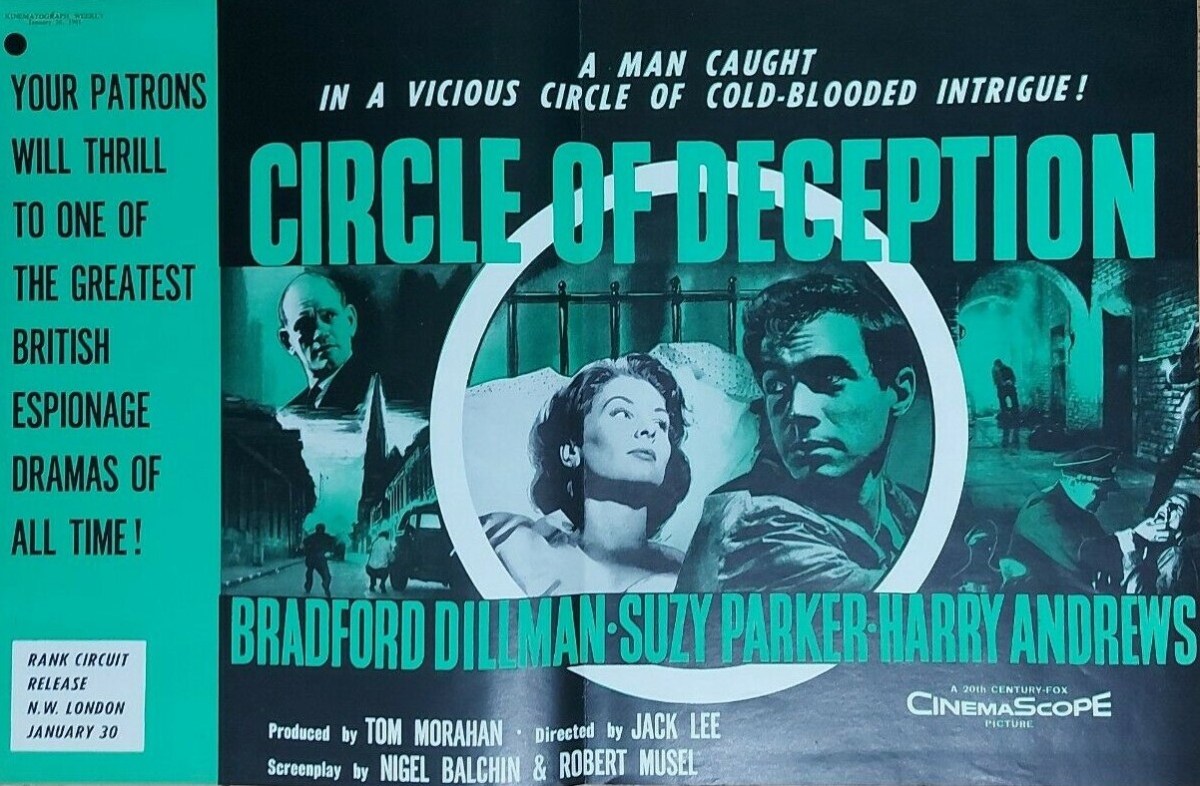
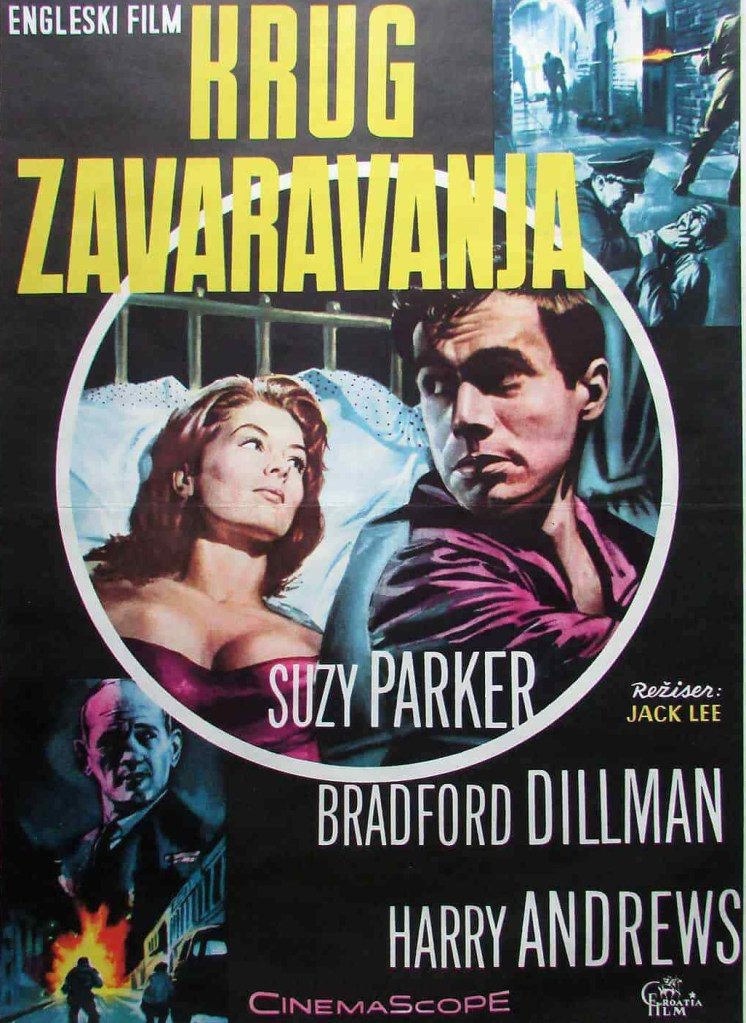
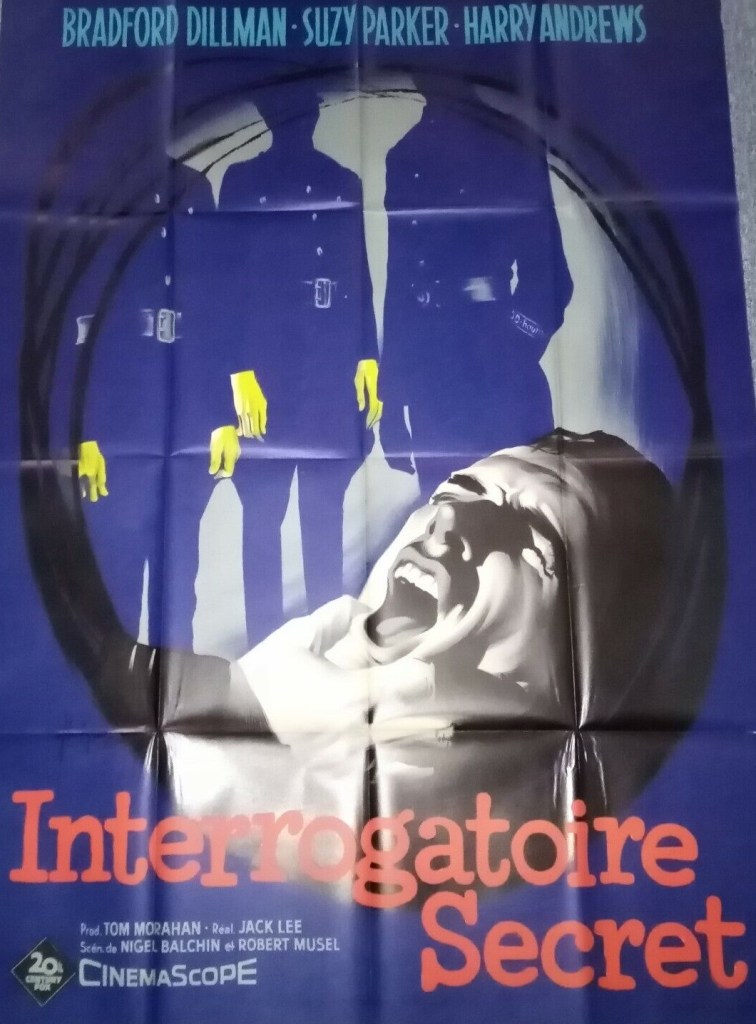
As you might expect, being accustomed now to misleading posters, Suzy Parker, given top-billing here, is nothing like as wanton, nor for that matter as bosomy.
Ruthless Capt Rawson (Harry Andrews) who devises the cunning plan employs psychiatric assessment and the romantic wiles of his secretary Lucy (Suzy Parker) to select the correct victim, Paul Raine (Bradford Dillman). “A perfectly good man is exactly what we don’t want,” expounds Rawson.
War is gender-neutral. Although from the off, Rawson is unscrupulous, with only a modicum of conscience, Lucy is more human, and when she is drawn into the deception, initially just to report on Raine’s qualities, she proves as ruthless, though afflicted more by conscience, a factor her boss dismisses as making women “singularly unsuited” for war, despite the fact that she is making greater sacrifice, having fallen in love with Raine.
Orphaned, Raine covers up the emotional instability detected by psychiatrists with derring-do, battling through terror out of fear that he will be consumed by fear. A Canadian who speaks French he is the right “wrong man” for the job.
Considerable effort goes into ensuring he won’t be caught out by detail. His French-bought watch has an English strap, for example. And although, once on enemy territory, his innate skills mean he evades capture for longer than intended. He slips off a train, passes himself off as a woodcutter’s temporary assistant.
Unaware of the plot against him, when captured and brought before “good” German Capt Stein (Robert Stephens), who respects a gentleman officer, he refuses to give up his secrets, undergoing a whipping, electrocution and a primitive though equally effective form of water-boarding. At the very last, courage long gone, he aims to deprive his captors of victory by biting on a cyanide pill hidden in his tooth only to discover this is missing.
After that, all that is left is irony. He is treated as a hero, officially accorded a medal, but post-war hiding behind a bottle in Tangiers because he can’t face the truth. Lucy, scarred by her experience, knowing she is as guilty as her superior in destroying a man, tries to retrieve an irretrievable situation.
After only really knowing Bradford Dillman as often a one-note supporting actor, I’ve been surprised to discover he has a greater range of acting skills to offer. A Rage To Live (1965) provided one insight and Sgt Ryker (1968) another but this is on a different plane, mean-budgeted B-picture though it is. It’s a difficult part to pull off, afraid that his bold exterior hides a cowardly personality, and that in the final analysis his soul will be laid bare. There’s not much help in the script. He doesn’t get to explore his fears with Lucy except in the most basic fashion. He has to rely on facial expression, rather than screaming his head off, to get across the rest of it. And he is pretty exemplary on that score. And since he’s Canadian that can hardly be put down to having learned the British stiff-upper-lip.
Suzy Parker (The Interns, 1962) , formerly the world’s highest-paid model (and soon to be Mrs Dillman), has mastered her stiff-upper-lip as well as a passable British accent. She’s not permitted much in the way of anguish script-wise, and lacks Dillman’s acting skills in presenting interior feelings. But, equally, her character is a subordinate and a well brought-up English lass, as she would need to be to qualify for such a post, would not make her feelings known too forcefully to her commanding officer.
A Richard Burton or a Peter O’Toole might have injected more into the part, but Dillman does more than enough. It’s a shame Hollywood failed to recognize his talent. In his final picture Jack Lee (A Town Like Alice, 1957) directs admirably, though I could have done without the flashback structure, it might have added more tension to not know the outcome, and the rescue sequence seemed an anomaly.
Otherwise, crisply told and a precursor to the cold-blooded spy stories to come.
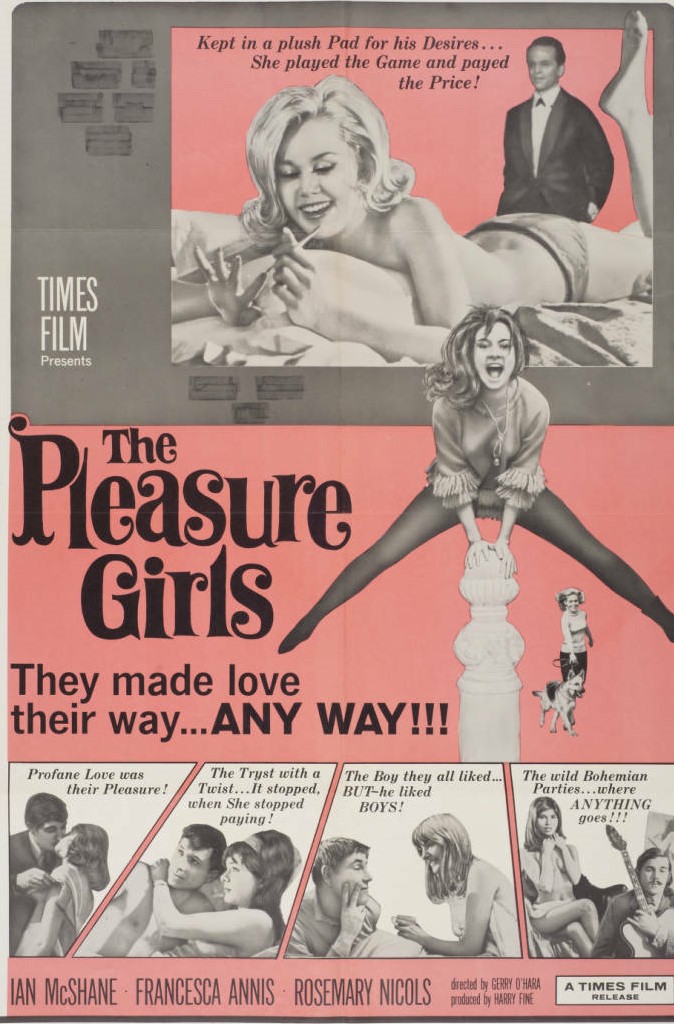
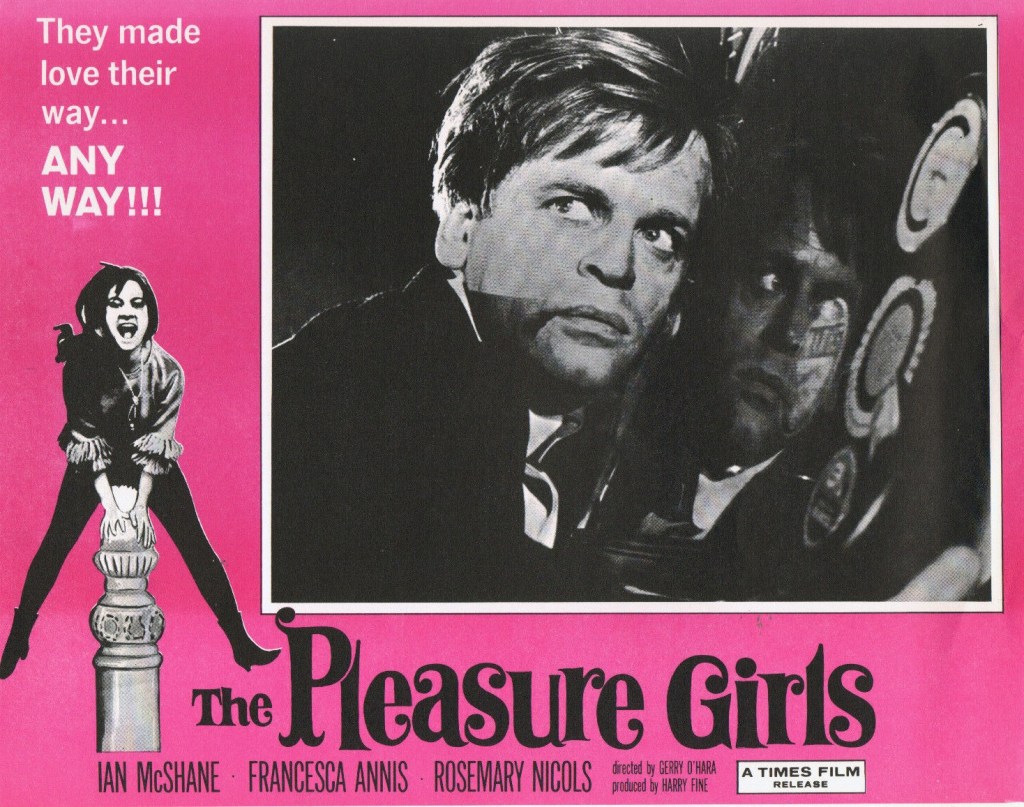
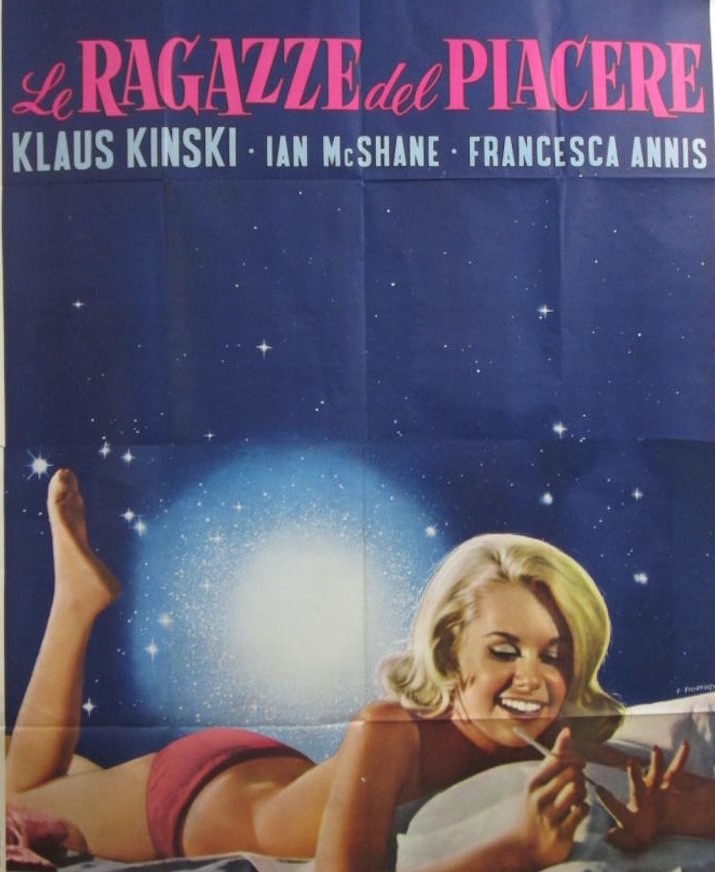
Klaus Kinski and The Pleasure Girls. What depraved mind dreamed up that concoction?
In reality, given this is early onset Kinski, before he was a fully-developed beast, and because it just precedes the British censor throwing off his shackles to accommodate the likes of Blow Up (1966) and The Fox (1967) it’s pretty tame stuff.
Klaus Kinski – what more did any B-picture of the decade need?
The girls might parade in night attire, and, should they happen to sleep in the nude, flash a bit of less rude skin, but that’s as far as it goes although at least couples are permitted to share a bed unlike the U.S. where that was outlawed by the Production Code (hence, in case you didn’t work it out, why there was so much frolicking via censor loopholes such as the outdoors or in the surf a la From Here to Eternity).
And you might find it hard to believe that John Wick’s Ian McShane has been a star for nearly half a century. Though here on the shifty side here and a shade fresh-faced his trademark cynical eyebrow is perpetually raised. He’s one of the suitors of a posse of girls sharing a house in London. A year later and a photographer like him would have had girls throwing themselves at him rather than primly trying to hold onto their virginity.
A weekend of drama awaits model wannabe and suburban lass Sally (Francesca Annis) on her arrival at the house, a whirlwind of parties beckoning, though drugs and booze in little evidence. Among her flatmates glamorous Dee (Suzanna Leigh) is mistress of slum landlord Nikko (Klaus Kinski) and while happy to be wined and dined and presented with jewellery, fur coats and cash, draws the line at being put up in an apartment. Compliant Angela (Anneke Wills) is enmeshed with unscrupulous gambler Priddy (Mark Eden).
While there are plenty good-time girls to hand in casinos and there is some discreet nudity at a party it’s not exactly high-end stuff what with scenes set in launderettes and street markets and girls cutting themselves shaving their legs. And while proclaiming himself sex-mad, Keith (Ian McShane) is rather more romantic than he would like, prepared to wait for Sally, even while spouting self-conscious lines like “surely every girl wants you to want to even if she doesn’t want to,” the kind of hypocritical male double standard of the day.
The Sally-Keith relationship doesn’t get much beyond will she-won’t she so the real drama takes place in the lives of Dee-Nikko and Angela-Priddy and Dee’s very outgoing brother Paddy (Tony Tanner). Nikko collects debts with the help of thugs and an Alsatian, while Priddy sells his girlfriend’s precious brooch.
There’s more violence than sex. One man beaten up and tied to the hood of a car to be whipped with a belt. Another is tied to a chair and hung out a window. And, for the time, one man’s homosexuality is unusually tenderly expressed while the prospect of a career being more attractive than marriage is given a fair airing.
It’s surprisingly well acted, all the characters believable with enough development twists to keep you interested, and of course it’s not the degrading or unseemly world the posters would have you believe although in a pre-Pill world the dangers of unprotected sex are only too obvious.
Producers Tony Tenser (later founder of Tigon) and Michael Klinger (Get Carter, 1971) had made their reputations on exploitation pictures like the previously-reviewed London in the Raw (1964) and this attempts, at least for marketing purposes, to go down a similar seedy route, but is confounded by a storyline that is more Peyton Place than Bad Girls Have Sex.
It’s more an opportunity for rising stars to be put though their paces rather than characters put in their place. Ian McShane’s (Sky West and Crooked/Gypsy Girl, 1966) twinkle is never far from view and he demonstrates the charm that will keep him in demand for the next near-50 years. Klaus Kinski (Five Golden Dragons, 1967) is remarkably restrained given his later work, proving he doesn’t have to over-act to make his mark.
Of the others in the talent shop window, Suzanna Leigh (Deadlier than the Male, 1967) makes the biggest impact. It didn’t make a star out of Francesca Annis though Mark Eden (Curse of the Crimson Altar/The Crimson Cult, 1968) had marginally better luck.
Gerry O’Hara (Maroc 7, 1967) directed from his own script.
Every genre produced a B-movie spin-off and the pop music sub-genre, revitalized by the appearance of The Beatles, was soon submerged in quick knock-off numbers that acted primarily as a showcase for various, hopefully, up-and-coming bands and, alternatively, whoever was to hand at the time. They were not viewed as star-making vehicles and the chances of, for example, a debuting player like Raquel Welch in A Swingin’ Summer (1965) hitting the big time was remote.
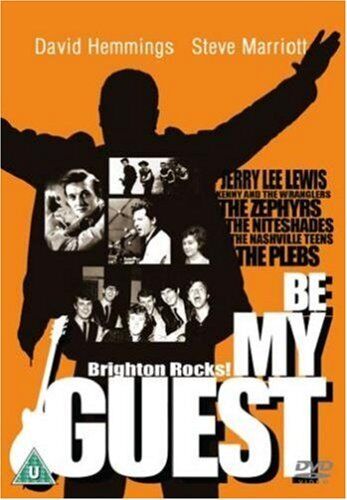
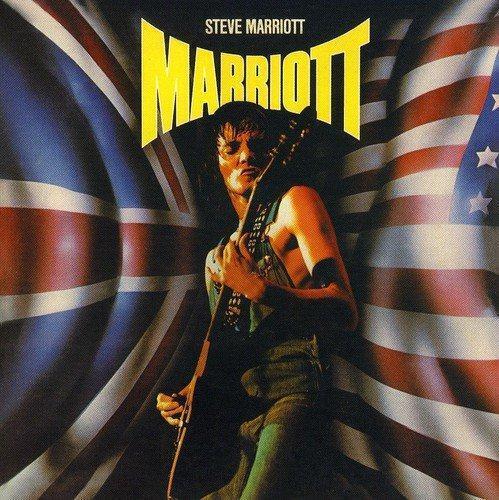
So nobody was counting on floppy-haired youngster David Hemmings (Blow-Up, 1966) making a breakthrough in this ho-hum-plotted let’s-put-on-a-show hardly-slick production set in the musical netherworld of Brighton, England. Had he not surfaced as a potential future star it would remain better known for the appearances of Jerry Lee Lewis and Steve Marriott, predating his fame as guitarist with The Small Faces and Humble Pie.
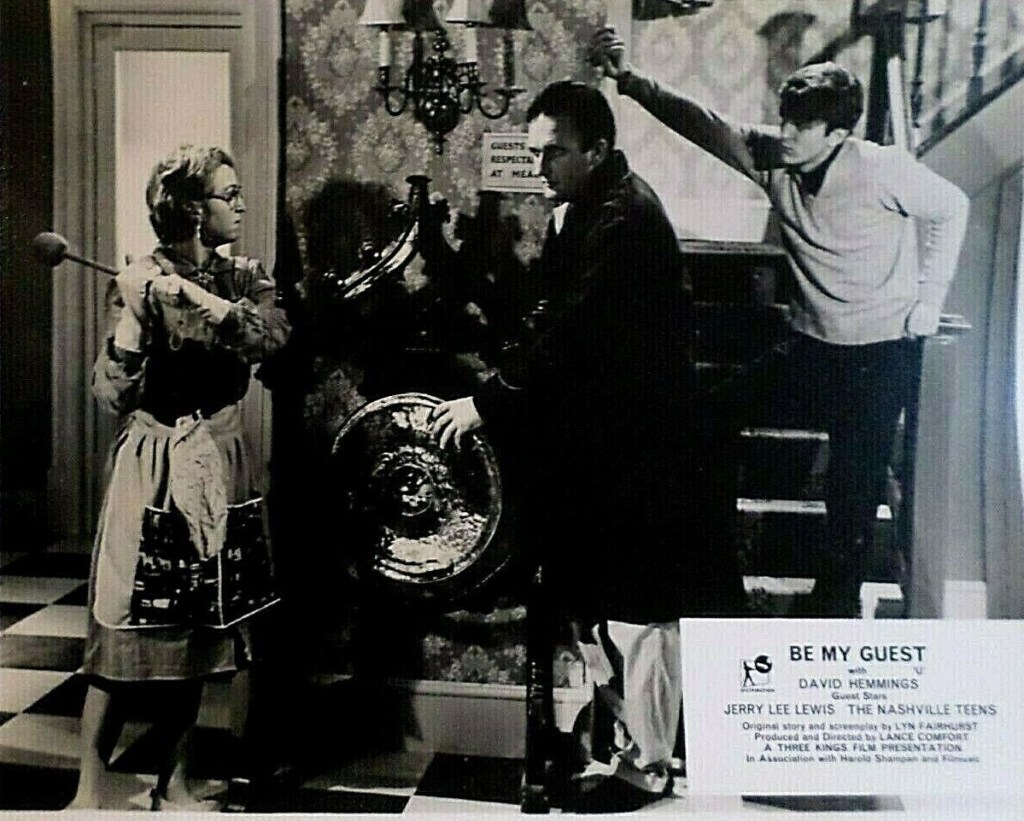
Astonishingly, this was actually a sequel, Hemmings reprising the character Dave from Live It Up (1964) in which he played a band member. Here, relocated to Brighton where his parents have taken on a hotel, Dave, now an ex-musician, tries his hand at journalism and in due course re-forms his group to participate in a talent contest.
There’s the requisite American lass, Erica (Andrea Monet), a dancer, and the usual baloney reason for her ending shacked up (though not with Dave – too early in the decade for such blatant permissiveness) in the parental hotel. Most of the running time is taken up with Dave and his band getting into scrapes such as falling out with the local planning officers and blameless ideas misconstrued by those with more lascivious minds.
There’s a marvellous almost 1940s Hollywood innocence about the entire endeavour coupled with a brave, though failed, attempt to inject Beatles-style humor into the proceedings. And if you had any doubt, Hemmings has definite screen appeal. The hair became a trademark, almost a sign of inherent rebelliousness, which suited many of the characters he played. He had a very open face and eyes that, more than revealing internal conflict, were better for reflecting what he saw.
Interesting, too, the difference the camera makes of a persona when an actor is the lead rather than a support. There’s time to play on the features, to let the actor relax, rather than pushing himself forward to steal what few scenes he is in. Previously, he had always been noticeable. Now he acquires an aura and even in a bauble like this he shines. Andrea Monet, in her only movie role, is certainly no rival in the star-building stakes.
And since the movie is not filled with the usual run – or quality – of British character actors there’s no one trying to steal scenes from him, though you might look out for veteran Avril Angers (The Family Way, 1966).
Of course, there’s only so long you can admire an actor when there’s not much genuine acting to do, and this script does him no favors drama-wise. But luckily the music covers up most of the other deficiencies. Apart from Jerry Lee Lewis and Steve Marriott, there’s a chance to gawp at The Zephyrs, The Nashville Teens, Joyce Blair and Kenny and the Wranglers.
Director Lance Comfort (Devils of Darkness, 1965) does his best.
What a potential cinematic coup. Upstanding Gary Cooper (High Noon, 1952) a villain? That’s the entire premise and a bold one at that.
Businessman George (Gary Cooper) is the key witness in the trial of alcoholic colleague Donald Heath (Ray McAnally) on charges of murder and theft of £60,000. But after Heath is convicted, George’s wife Martha (Deborah Kerr) begins to suspect the wrong man has been found guilty. Her husband has suddenly come into a large sum of money from, he claims, playing the stock market and at the trial’s conclusion is accosted by a stranger, Jeremy Clay (Eric Portman).
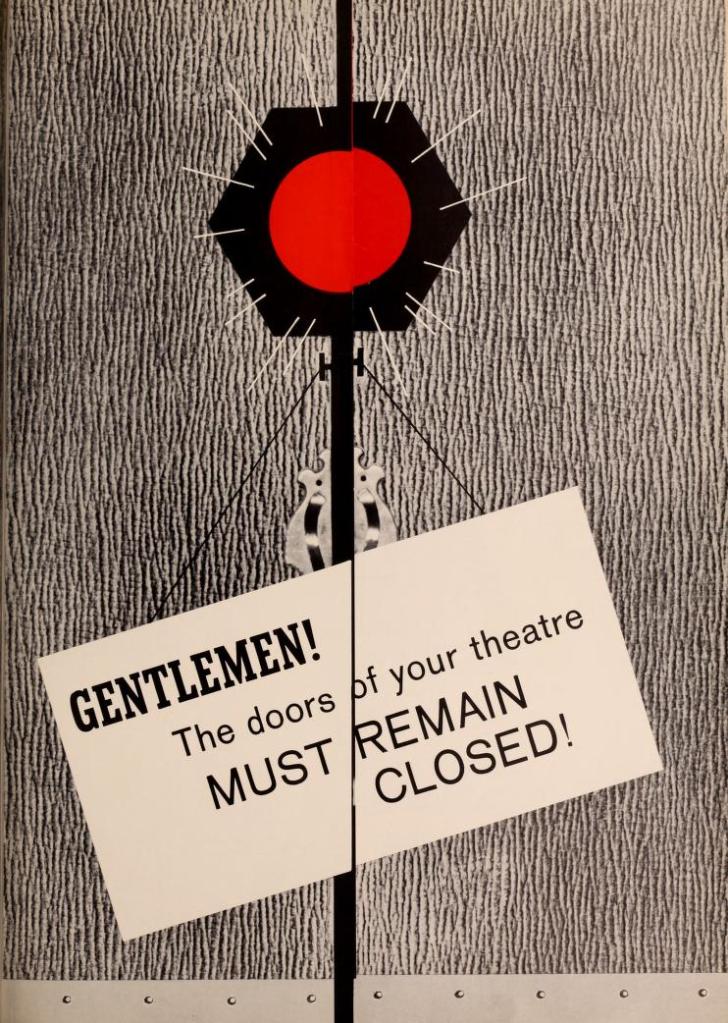
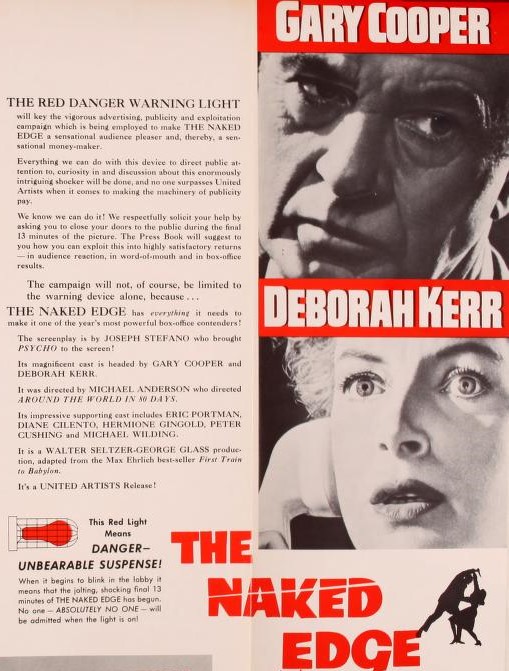
The “red danger warning flashing light.”
Several years a later blackmail letter comes to light, increasing Martha’s doubts. After all this time, George can’t quite lay his hands on the documents regarding his stock market claims. He is spotted in London when he should be abroad.
Martha is so convinced something is wrong that she writes a cheque to Heath’s wife (Diane Cilento) not realizing how shady this would look if the case was revisited. Alarming incidents mount up – her husband’s razor, an invitation to walk along a clifftop. Much of the pressure is self-generated. She has put so much faith in her husband that she would be destroyed if he was guilty, so he must be innocent. Except she can’t quite get rid of the nagging voice.
For his part, George behaves so oddly, being caught out in lies about his whereabouts, and except, conversely, on his insistence that for the sake of their love she must trust him, he does little to shake the doubts especially when Clay pops up again reasserting his misgivings. Since there is no sign of a police investigation, Martha is solely responsible for creating the tension. And, with her out of the way, life might be a lot easier all-round.
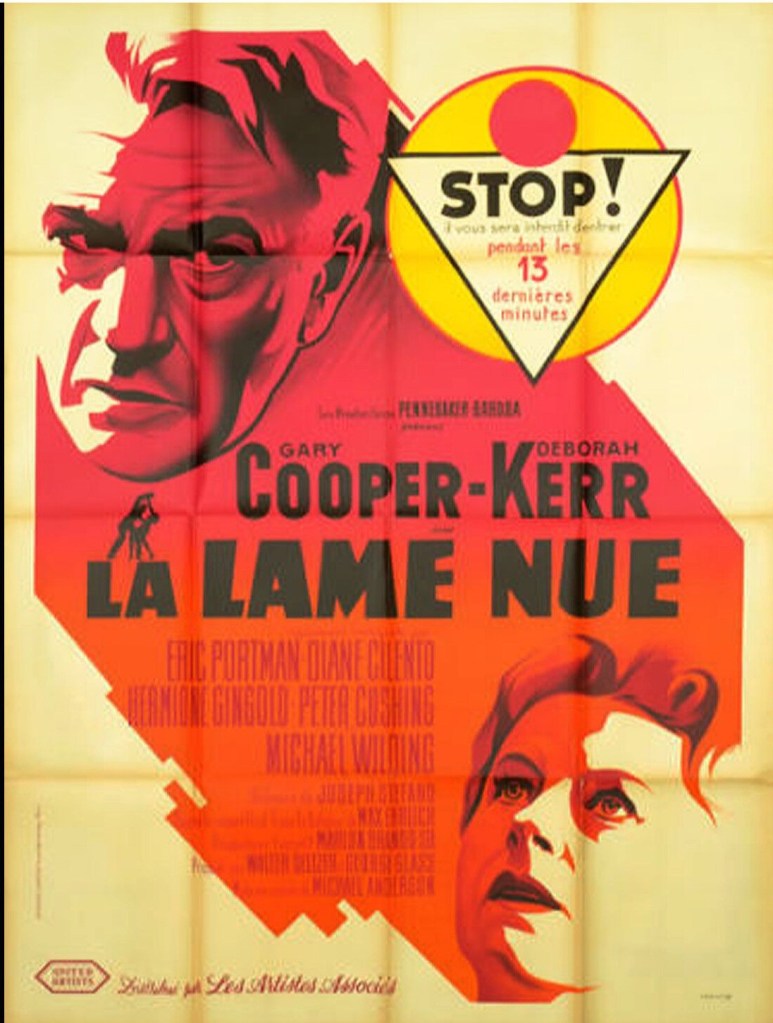
The much-vaunted “final 13 minutes” – as promoted in the poster – certainly justifies the tension but outside of whatever’s going on in Martha’s head much of that has been created by bursts of melodramatic music, sudden close-ups and continued emphasis on her point-of-view.
This was Gary Cooper’s final film and it wasn’t the kind of triumphant send-off achieved by Clark Gable (The Misfits, 1961) or Spencer Tracy (Guess Who’s Coming to Dinner, 1967). It might even have been a surprise choice, audiences more accustomed to find him in westerns – add Vera Cruz (1954) and Friendly Persuasion (1957) to his star turns in that genre. But although he had made nine westerns in the previous decade, he also starred in six non-westerns, including a politician-businessman in Ten North Frederick (1958), and wasn’t averse to playing less than straitlaced characters.
That grim determination that become a hallmark when upholding law and order easily transitioned into just grim determination against whatever threatened his well-being. Of course, the whole enterprise relies on sleight-of-hand but that’s par for the course.
Deborah Kerr had ended the 1950s as a strong-minded female but now seemed to be hell-bent on exploring her fragility and this role seems a direct line to characters played in The Innocents (1961), The Chalk Garden (1964) and TheNight of the Iguana (1965).
Audiences were used, by now, to being told when they could enter a theatre. Remember, this was in the glory days of the continuous performance when customers could take their seats at any time during a screening not, as now, before the picture started. You might think it odd that people were barred from entry during the final 13 minutes, as if anyone would consider this a good time to enter, but it was very common for people to take their seats at any odd time. Just in case people didn’t have watches to hand, cinemas were instructed to install a red light and have it flashing in the lobby to prevent interlopers entering. Alfred Hitchcock, of course, invented this clever marketing ploy of annoying the customers for Psycho (1960) but it was still going on as late as Return from the Ashes (1965).
Not Cooper’s greatest film but a decent two-hander that might have worked better if there had been more of a sense of gaslighting Kerr. That it works at all is down to the actors, not a bad achievement when you consider the director was asking the audience to go completely against type in accepting Cooper as a potential killer.
British director Michael Anderson (The Quiller Memorandum, 1966) had the sense to ignore the attractions of tourist London and concentrate on suspense. Joseph Stefano (Psycho) based the screenplay on a novel by Max Ehrlich.
Smorgasbord of paranoia, Kafka and the surreal, set in an American netherworld. Cue trampolines, a mime, what these days we’d call installations, a comic without a decent joke, a wrecker’s yard, organic food, catering kitchens. You could call Arthur Penn (Bonnie and Clyde, 1967) a visionary director just for including some of these aspects. Or you could go for another contemporary word: “random.”
We are pretty used to people being on the run be they innocent of the crime of which they are accused or small-time hoods trying to evade punishment. The notion here is of small-time hood Mickey One (Warren Beatty) fleeing Detroit for Chicago but with no idea for what crime, though the list could include gambling debts and stealing a bigger gangster’s moll.
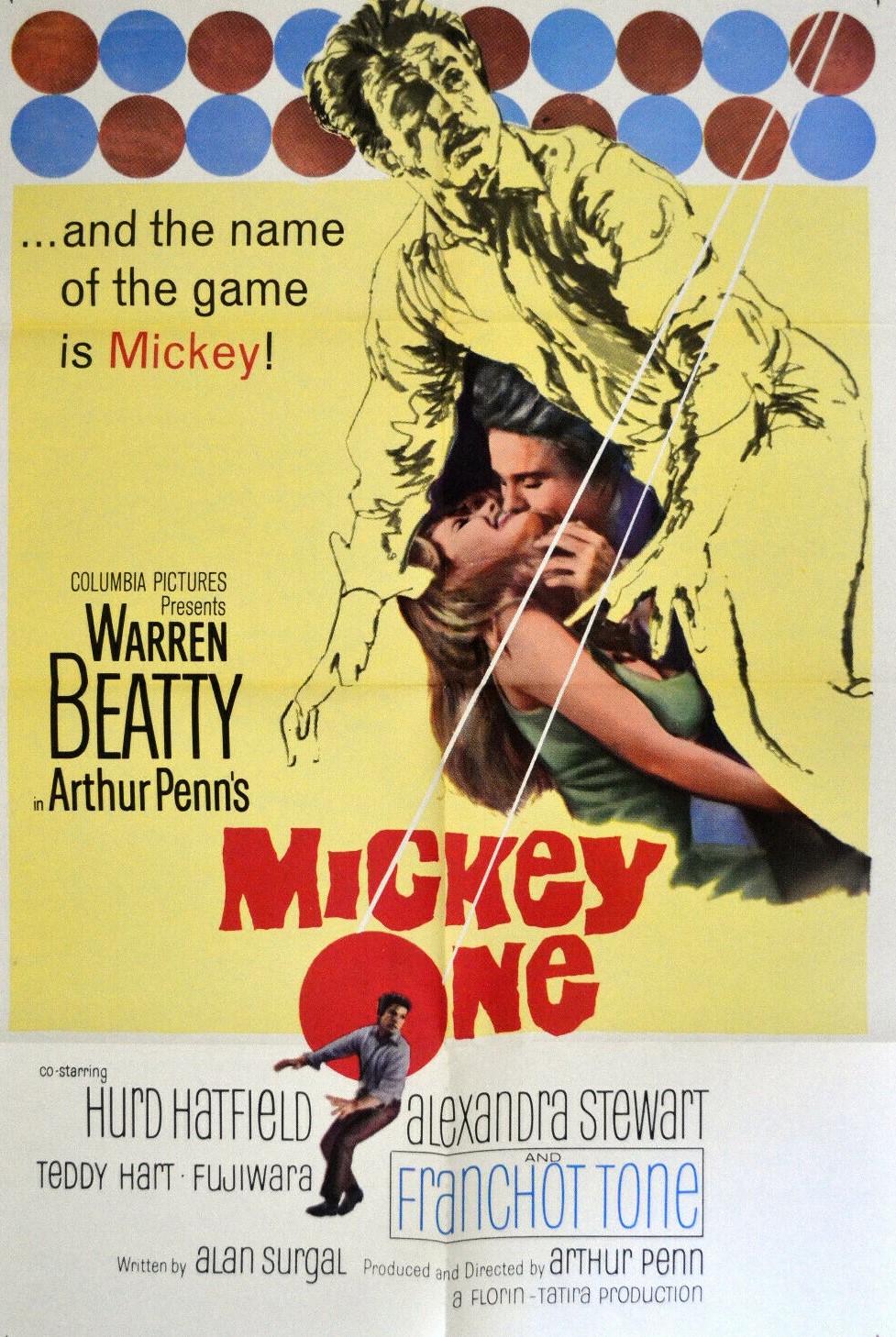
A misleading tagline if ever.
His situation is spelled out often enough in case you’ve not got the picture. “Hiding from you don’t know who for a crime you don’t know you committed,” remarks girlfriend Jenny (Alexandra Hay). In a particularly Kafkaesque moment, Mickey espouses: “The only thing I know is I’m guilty – of not being innocent.”
Smart with the words but not so smart with the actions. Even though he can just about get by as a kitchen wash-up, he gets sucked back into his former profession of stand-up comedian, hardly the most anonymous of jobs. So he is all angst-on-fire when success in some low dive, keeping clients entertained between strippers, attracts interest from a classier joint which naturally sees marketing the new prospect as part of the deal.
Some of this paranoia might just be in his head were it not for being stalked by car-crunching cranes in the wrecker’s yard, spotlights on stage (though you could point out that’s an occupational hazard) and a silent rag-and-bone man.
It says something for the acting of Warren Beatty (Kaleidoscope, 1966) that this is in any way believable. The fast-living lothario of the opening sequence, with gals and booze aplenty, segues into a bum without missing a beat. His paranoia is consistent and he makes some attempt to find out what the heck he has done to end up this way, though it has to be said there’s no actual evidence of pursuit, just the fear of it, and the notion that he owes somebody maybe twenty grand or that the lass tempted into stripping for him was stepping out of line.
Pretty good plug from a top critic and an arthouse opening – what else could you ask for?
His breadline living is realistic, too, hitching a ride on a train, bumming food from a mission, sleeping among bags of rubbish, a world where down-and-outs steal the clothes from the back of other vagrants and his job is scraping leftover food from plates in a cafeteria. And there’s always someone at the scam, his landlady dumping another tenant (Jenny) in his tiny apartment.
Maybe less realistic that club owners are lining up to hire him when there’s nary a laugh in his schtick. The biggest joke is in the casting, some kind of infernal joke on audiences to put the likes of the uber-handsome Beatty through mental and physical torture, albeit that he’s perceived as man of abundant talent and collects with ease women willing to put up with the depressive side of his nature.
The movie doesn’t quite fit the Kafka mold because being on stage represents freedom and nobody in Franz’s world ever had a sniff of that. And you wouldn’t call it a thriller either. And if it’s a homage to the French New Wave you’d have to watch a stack of French pictures from this decade to work out what it’s mimicking.
And it’s not like Penn’s work is always on this kind of edge, he’s not the David Lynch of his generation. Every top director is permitted at least one turkey, and this would have been Penn’s except critics in the 1990s started to give it the old reassessment treatment, Penn being a big enough name from his other works to have a stab at how this fits into his repertoire/oeuvre.
So, far from being an intolerable mess. Doesn’t quite ask the big questions Penn hopes it does. More of a curate’s egg of a picture, some interesting ideas, and an excellent performance from Beatty. Alexandra Hay (Only When I Larf, 1968) was part of the French connection, a Canadian model who had hit it big in Paris, with roles in French pictures and an affair with director Louis Malle. But actually she’s good, not the kind of submissive woman Mickey has perhaps been used to, but thoughtful and capable of challenging his illusions.
Screenwriter Alan Surgal was not prolific, this being his only movie.
Arguably the slickest thriller ever made. Two stars at the top of their game, three rising stars giving notice of their talent, more twists than you could shake a Hitchcock at, the chance to frighten the life out of the most fashionable actress of her generation, and standout scene after standout scene.
Three characters are presented upfront as bad guys, but whole enterprise is so laden with suspicion you are not all surprised when the finger points at Peter (Cary Grant) and Reggie (Audrey Hepburn), not least because Peter keeps changing his name, but also because audiences with lingering memories of film noir could easily imagine Reggie as a femme fatale especially when she comes on to a man whose got three decades on her.
Basic story: Reggie returns from a ski holiday where she met divorced Peter to find her husband dead and Parisian apartment empty. She is menaced by three men – Tex (James Coburn), Herman (George Kennedy) and Leopold (Ned Glass) – convinced she knows the whereabouts of $250,000 they lay claim to. Bartholomew (Walter Matthau) of the C.I.A. also stakes a claim. Tex has a nasty habit of throwing lighted matches at her, Herman threatening her with his steel hand. And there are doubts about Peter, initially perceived as a savior.
It is a film of such constant twists, you never know quite where you are, and forced to follow the lead of a befuddled and confused Reggie you question everything, so it’s an unsettling watch. Given the permutations, you could easily come up with a number of different endings.
And although this is virtually thrill-a-minute stuff it has the most endearing light romance, full of beautifully-scripted sparkling cross-purpose banter, and managing to work in marvellous scraps of Parisian atmosphere, some tourist-hinged (a market, boat ride on the Seine), others (a subway chase) less exhilarating. At times, Reggie turns spy and comes up with clever ruses to evade pursuit.
You can have this amount of conflict – baffling clues, perplexed French Inspector Grandpierre (Jacques Marin) kidnap, rooftop fight – without corpses soon mounting up. Alleviating the tension are a myriad of little jokes: a small boy with a water pistol, time out in a night club to play the rather frisky orange game, Peter showering with his clothes on. The romance might have helped except every time Reggie trusts Peter he gives her good reason to distrust him. And, of course, she could as easily have squirreled the money away herself.
The whole ensemble is delivered with such style and attention to detail (a bored man at a funeral clips his nails, cigarettes are expensive in France, voices echo when a boat passes under a bridge, phone booths are both refuges and traps) that it’s as if every single second was storyboarded to achieve the greatest effect.
It’s not just the entrance of the bad guys, door slamming in an empty church, that signals a director alert to every nuance, but the fact they all proceed, in different ways, to check Reggie’s husband is actually dead. A man has drowned in his bed. “I sprained my pride,” explains Peter after coming off worse in a fight. Apart from the core tale of suspicion, betrayals, theft and murder, everything else in the thriller genre is completely revitalized, in dialog and visuals this is nothing you have ever seen before.
The principals invest it with a rare freshness. Cary Grant (Walk, Don’t Walk, 1966) and Audrey Hepburn (Two for the Road, 1967) are such natural screen partners you wonder why (expense apart) the exercise was never repeated. And in typical John Wayne fashion, to minimise the May-December romance element, it’s Hepburn who makes all the running in that department, and you get the impression that she had been married to an older man anyway. Grant’s character is surprisingly adept at the old fisticuffs while Hepburn is more feisty than helpless, and devious, too, not above using the old screaming routine as a device to bring Grant running for romantic reasons.
James Coburn has his best role since The Magnificent Seven (1960), Walter Matthau (Lonely Are the Brave, 1962), at this point not considered comedian material, brings very human touches to his role, and George Kennedy (Mirage, 1965) presents a memorable villain.
And that’s not forgetting an absolutely outstanding score by Henry Mancini (Hatari!, 1962), jaunty one minute, romantic the next, and for the most thrilling sequences creating the type of effect David Shire achieved in All the President’s Men (1976) of steadily mounting tension rather than instruments shrieking terror. And the Saul Bass-style title credits were actually conceived by Maurice Binder of James Bond fame.
Outside of his musicals, this is the peak of Stanley Donen’s (Two for the Road) career. The gripping screenplay was the work of Peter Stone (Mirage), based on a story by Marc Boehm (Help!, 1965).
One of the few twist-heavy thrillers that rises effortlessly above the material.
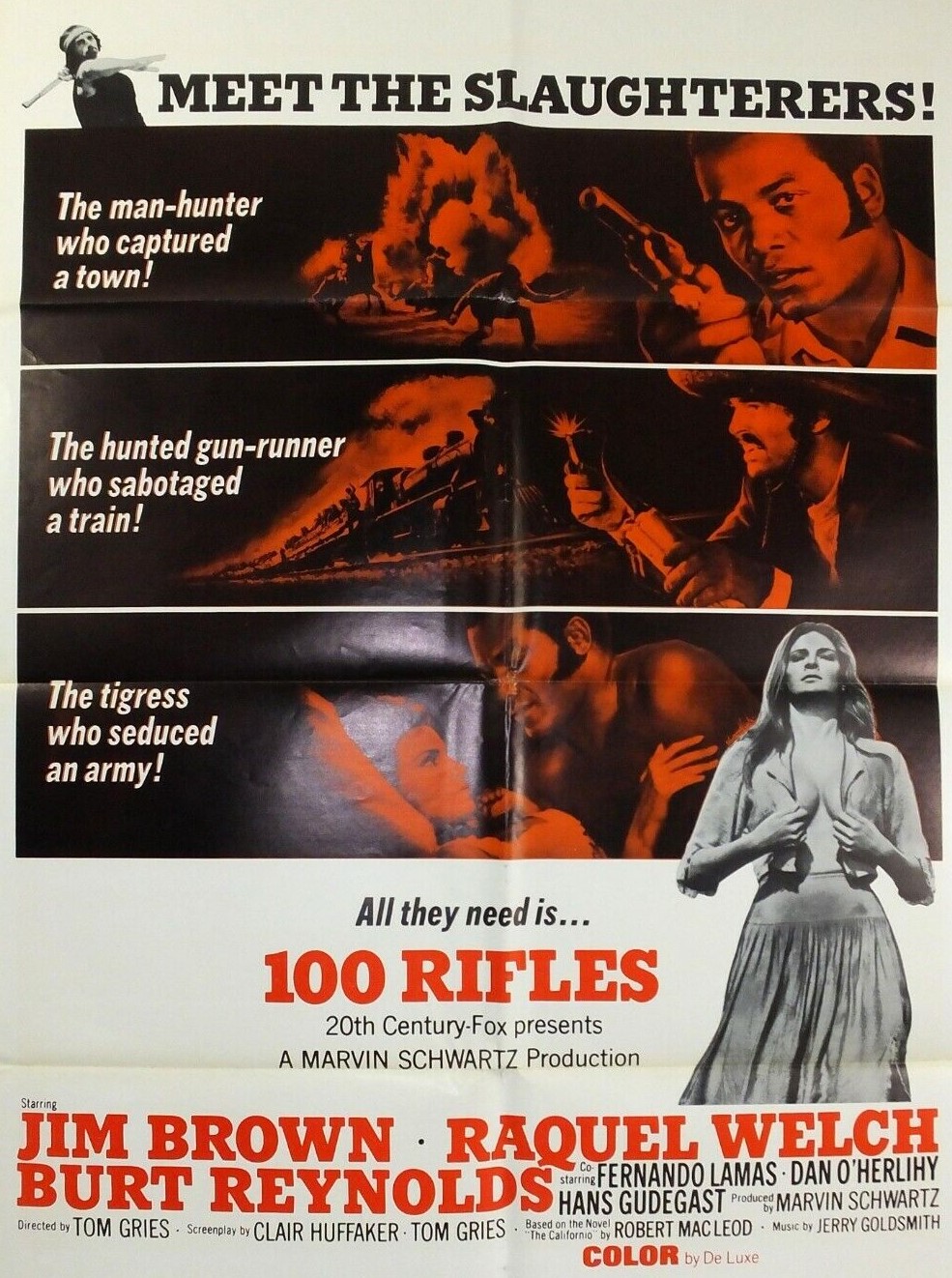
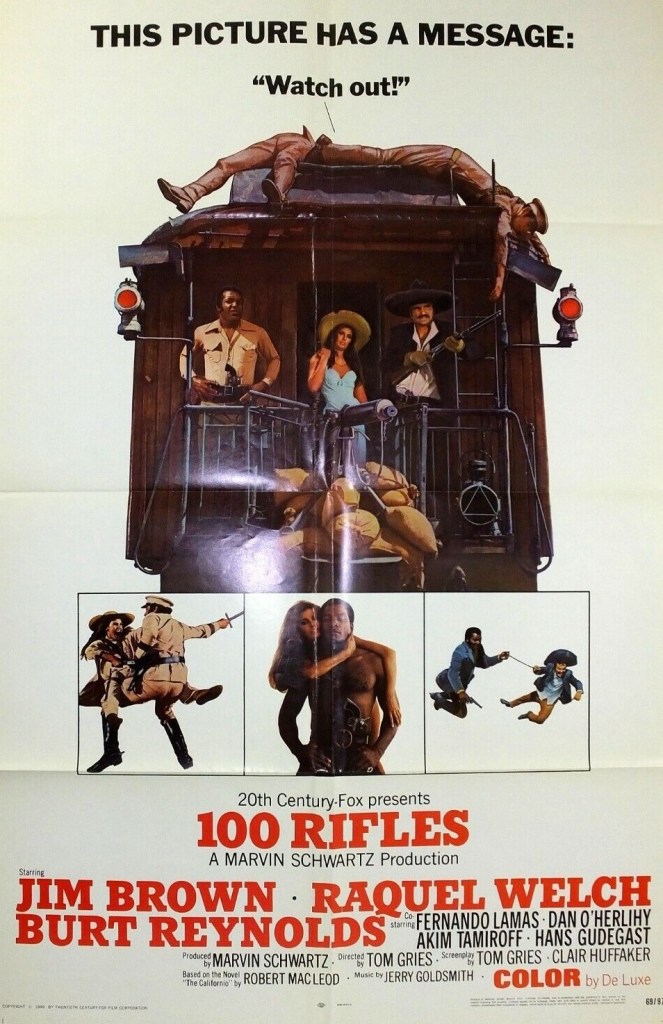
100 Rifles was easily the most underrated film of the year. Even if the sum of all its parts did not add up to greatness, it had a lot more going for it than has generally been attributed. For a start, there was the attempt to build Jim Brown into a mainstream African American star. Secondly: the return of the bold female character that had largely disappeared since the heyday of Barbara Stanwyck, and Joan Crawford. Thirdly: the conjunction of these first two elements in a sex scene raised the issue of miscegenation that Hollywood had otherwise sought to avoid.
Fourthly, and perhaps most hard- hitting of all: the issue of genocide, the mass slaughter of the Yaqui Indian population providing an uneasy parallel not just to the United States treatment of its own indigenous Native American population but also to its actions in Vietnam.
But there was a danger that, without both incisive direction and potent performances, the movie would spiral downwards into another simple case of “When Beefcake (Jim Brown) Met Cheesecake (Raquel Welch).” Since nobody had expected Sidney Poitier to ascend the Hollywood ladder so fast, and in so doing set a trend, the industry had nobody lined up to ride in his wake and exploit what now appeared to be, at the very least, acceptance of African Africans as stars in their own right, with an audience ready to embrace a new kind of hero. Although MPAA president Jack Valenti called for more African Americans in more African American films, the number of highly touted big- budget African American–oriented pictures that offered stardom potential rarely made it out of the starting blocks.
But there was one potential crossover star waiting in the wings: Jim Brown. While lacking Poitier’s acting chops, he had the physique, looks and charisma. Cleveland Browns football legend with strong supporting roles in The Dirty Dozen (1967), Dark of the Sun (1968) and Ice Station Zebra (1968), top-billing had been limited to low-budgeters like Kenner (1968), The Split (1968) and Riot (1969).
But Variety had singled him out at the start of 1969 as one of its “new stars of the year” and judged him “the strongest contender to inherit some of Sidney Poitier’s earning power.” 100 Rifles had double the budget of any of his previous pictures.
Raquel Welch was in a similar situation to Jim Brown regarding Hollywood acceptance. However, she was not in a minority as far as female stars were concerned. The 1960s had been dominated by the likes of drama queen (in more ways than one) Elizabeth Taylor, comedy queen Doris Day and musical queen Julie Andrews, not to mention Audrey Hepburn, (Breakfast at Tiffany’s, 1961), Italian import Sophia Loren (El Cid, 1961), Jane Fonda (Cat Ballou, 1965), Natalie Wood (Sex and the Single Girl, 1964) and Shirley MacLaine (Sweet Charity, 1968). There was also an overabundance of new talent in Julie Christie (Doctor Zhivago, 1965), Vanessa Redgrave (Blow Up, 1966), Lynn Redgrave (Georgy Girl, 1965), Mia Farrow (Rosemary’s Baby, 1968) and Faye Dunaway (Bonnie and Clyde, 1967).
But those stars had more to offer than mere beauty, whereas Welch, having made her name primarily as a pin- up and as eye candy in movies like One Million Years B.C. (1966) and Fantastic Voyage (1966), had trouble shaking off the idea that she won more parts on the basis of her body than for the acting skills, appearing in a dry bikini in Fathom (1967) and a wet one in Lady in Cement (1968).
However, like Jim Brown, she was actively looking to fill a niche, and set out her stall as a player of dramatic intensity, and she found it in the most unlikely of places: the western. That she chose 100 Rifles was interesting given her other choices. She was offered the Katharine Ross part in Butch Cassidy and the Sundance Kid when the lead roles had been offered to Steve McQueen and Warren Beatty and again when Paul Newman came into the frame. She was also up for the Faye Dunaway role for The Crown Caper (title later changed to TheThomas Crown Affair), again with McQueen, and a film with Terence Stamp (which was never made). But she clearly felt those roles were more decorative.
At one time, the female western star had been a staple. Claire Trevor was the star of Stagecoach (1939) and Texas (1941). Gene Tierney made her name with The Return of Frank James (1940) and Belle Starr (1941). Barbara Stanwyck carved out her own niche as a western icon after taking top billing in Union Pacific (1939), California (1947), The Furies (1950), Cattle Queen of Montana (1954), The Maverick Queen (1956) and Forty Guns (1957). While Maureen O’Hara took second billing in Rio Grande (1950), McLintock! (1963) and The Rare Breed (1965), she was the star of Comanche Territory (1950), The Redhead from Wyoming (1953) and The Deadly Companions (1961). Yvonne De Carlo headlined Black Bart (1948), The Gal Who Took the West (1949) and Calamity Jane and Sam Bass (1949). Rhonda Fleming had the female lead in The Redhead and the Cowboy (1951), The Last Outpost (1951), Pony Express (1953) and Gunfight at the O.K. Corral (1957). Johnny Guitar (1954) achieved classic status largely on the performance of Joan Crawford.
There had even been modern precedent: Inger Stevens had nearly cornered the recent market after A Time for Killing (1967), Firecreek (1968), Hang ’Em High (1968) and 5 Card Stud (1968) while Claudia Cardinale went from a supporting role in The Professionals (1966) to top billing in the forthcoming Once Upon a Time in the West.
Raquel Welch set out to follow suit. In Bandolero (1968) she proved capable not only of holding her own against veterans James Stewart and Dean Martin but as adept on the pistol- packing side of things. While Welch professed herself “no Anne Bancroft,” she was pleased that she was not “running around half- naked all the time.” After that punched a hole in the box office, she was offered the female lead in 100 Rifles to be directed by Tom Gries who had made his name as a director with his unflinching portrayal of the cowboy in Will Penny (1968).
The basis of the film was Robert MacLeod’s The Californio, published in 1966, and the essence of the story concerned a “reckless stranger” who refused to turn the other cheek while innocent people were being killed. After Clair Huffaker turned in his screenplay, Gries wrote two further drafts. It is safe to assume that the casting of Jim Brown came after the Huffaker script had been handed in. When Huffaker did not like the way his work had ended up on screen, he insisted on using the pseudonym Cecil Dan Hansen, as he had done on The Second Time Around.
For 100 Rifles, he was so upset at the end result that he demanded either his name removed or the pseudonym installed, complaining that the finished product “bears absolutely no resemblance to my script.”
The story of The Californio bears little resemblance to 100 Rifles. Not only is the hero of the book, Steve McCall, white, he is a rawboned young man and not a lawman in his 30s. He is not a gunman either, being more proficient with the lasso. In fact, when forced into bloody action, he discovers that he abhors violence. The book could more aptly be described as a “rite of passage” novel where a young man, sent south “on legitimate business in the interests of the (U.S.) Federal Government,” leaves home for the first time, becomes a man, loses his virginity and kills his first man.
Nor is Yaqui Joe a bank robber in the book, and after meeting up with McCall, they embark on further legitimate business. Maria, named Sarita in the film, is most like her feisty movie counterpart, and although in the MacLeod version she is married, that does not prevent her taking Steve’s virginity. Of the villains, Verdugo (the name means “Hangman”), while not elevated to general, is still as ruthless, but the foreign adviser is not.
Most of the film’s action was invented by the screenwriters, including the concept of the 100 Rifles, Sarita’s sexy shower as a way of stopping the troop train, and the children being taken hostage (although in one episode in the book, children are shot). Trying to reshape the book to suit the new requirements of the characters makes the picture unnecessarily complicated. Burt Reynold’s solution was simpler: “Keep his shirt off and her [Raquel Welch’s] shirt off and give me all the lines,” he reportedly advised producer Marvin Schwartz.
The movie was shot over a ten- week period in Spain beginning in July 1968. Although that country had become a viable alternative for westerns looking to keep budgets low, in part in 1968 due to the devaluing of the peseta against the dollar, the volume of films shot there had declined by nearly a third compared to the previous year.
Despite the popularity of the location, Almeria, the actual area of countryside where most spaghetti westerns were shot, was very small. This resulted in a limited variety of available landscapes compared with films shot in the U.S. such as The Stalking Moon. The actors had to contend with extreme heat, and Gries was laid low for three days after contracting typhus. Gries decided to get the sex scene out of the way on the first day of shooting, probably to ensure that tension about the content was not allowed to linger until later in the shoot. However, it had the opposite effect. Neither Brown nor Welch had been given time to get to know one another nor to adjust to different styles of acting and to understand the perspectives of each other’s characters. Welch was not happy with the scene and tensions between the two stars continued throughout the film, some press reports putting this down to squabbles over close- ups, others to unresolved sexual tension. Welch later complained that scenes edited out of the picture had reduced audience understanding of her motivations. The MPAA also did some judicial trimming, axing Welch’s shrieks during lovemaking.
Critical reception ranged from sniffy to downright hostile. Perhaps like The Stalking Moon, advance publicity, although not this time pointing in the direction of the Oscars, had served to put critics off what sounded like an exploitative film. For the western traditionalist, sex scenes were off- putting, and although naked breasts had started appearing in a handful of movies, there were precious few full- on sex scenes, never mind one that featured miscegenation. Variety judged it a “routine Spanish- made western with a questionable sex scene as a possible exploitation hook.” On the plus side, Welch’s performance was “spirited” as was the Jerry Goldsmith score; Brown and Reynolds were just “okay.” The Showmen’s Servisection took a different view: “Fast pace, fine performances lift western several notches above the ordinary.” Roger Ebert in the Chicago Sun- Times called it “pretty dreary.” Howard Thompson, the New York Times’ second- string reviewer, said it was a “triumphantly empty exercise.”
Twentieth Century–Fox had been affected by recent financial disasters such as Doctor Dolittle (1967) and Star! (1968); the former collecting $6.2 million in domestic rentals on a budget of $17 million, the latter $4.2 million in rentals after costing $14.5 million. To counter mounting exhibitor panic about production being slashed, Fox had drawn up an ambitious program for 1969, promising one new movie every month. The program kicked off with a $7.7 million adaptation of the Lawrence Durrell classic Justine with Dirk Bogarde (January), followed by Michael Caine and Anthony Quinn in the $3.77 million film of the John Fowles bestseller The Magus (February) and the trendy $1.1 million Joanna from new director Mike Sarne (March). British star Maggie Smith in the $2.7 million The Prime of Miss Jean Brodie (April) came next with 100 Rifles (May) and another Marvin Schwarz production, Hard Contract starring James Coburn, costing $4 million (June). Summer highlights were Omar Sharif in the $5.1 million biopic of Che! directed by Richard Fleischer (July) and Gregory Peck in the $4.9 million Cold War thriller The Chairman (August). Come fall it was the turn of Paul Newman and Robert Redford in the western Butch Cassidy and the Sundance Kid coming in at $6.8 million (September), Richard Burton and Rex Harrison as aging homosexuals in The Staircase costing $6.3 million (October) and Warren Beatty and Elizabeth Taylor in George Stevens’ $10 million The Only Game in Town (November). The year ended with John Wayne and Rock Hudson in the $7.1 million Civil War western The Undefeated (December).
The studio needed several box office home runs because the following year it was already committed to three roadshows—Tora! Tora ! Tora!, Hello, Dolly and Patton—costing over $60 million. By spring it was clear that the first two movies in the schedule had been major flops, Justine bringing in only $2.2 million in rentals, The Magus $1 million. Income from Joanna and The Prime of Miss Jean Brodie barely exceeded costs.
By the time 100 Rifles swung into action with two largely untried leads and a director making only his second major picture, the pressure was on. “
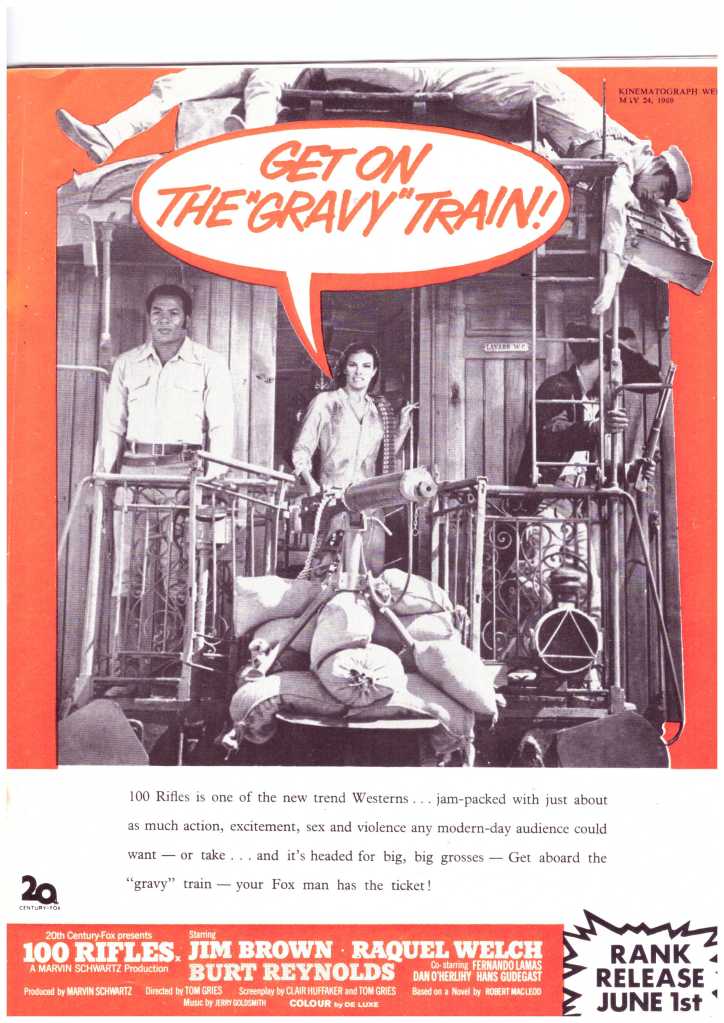
At the box office 100 Rifles got off to a great start and Twentieth Century–Fox reported with delight that it had outgrossed Bandolero! by 40 percent in Washington (and by 500 percent in the ghetto areas), and by 300 percent in Philadelphia. In Baltimore it grossed $50,000 from a single theater compared to $80,000 from eight for Bandolero! and in Atlanta first run it had been $61,000 for the new film compared to $38,000 for the previous one. However, while Brown and Welch fans were out in force in certain areas, that did not make up for less interest in regions where westerns were associated with bigger or more traditional names. Ultimately, 100 Rifles fell short of expectations given the budget. U.S. rentals amounted to $3.5 million, and it registered in 29th position on the annual chart— the sixth highest- grossing western of the year and ahead of Mackenna’s Gold, The Stalking Moon, Paint Your Wagon and Once Upon a Time in the West.
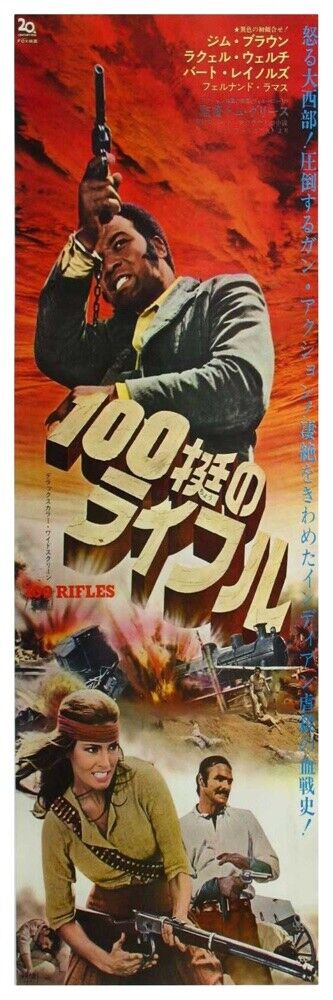
But, of course, the domestic performance did not take into account the popularity of westerns overseas and the distinct following Raquel Welch had accumulated. So where some of the studio’s major dramas stumbled in the global market, 100 Rifles hit the ground running.
SOURCES: This is an abbreviated version of much longer chapter devoted to the film that ran in The Gunslingers of ’69: Western Movies’ Greatest Year (McFarland, 2019) by Brian Hannan (that’s me). All the references mentioned can be found in the Notes section of that book.









 The Magnificent 60s