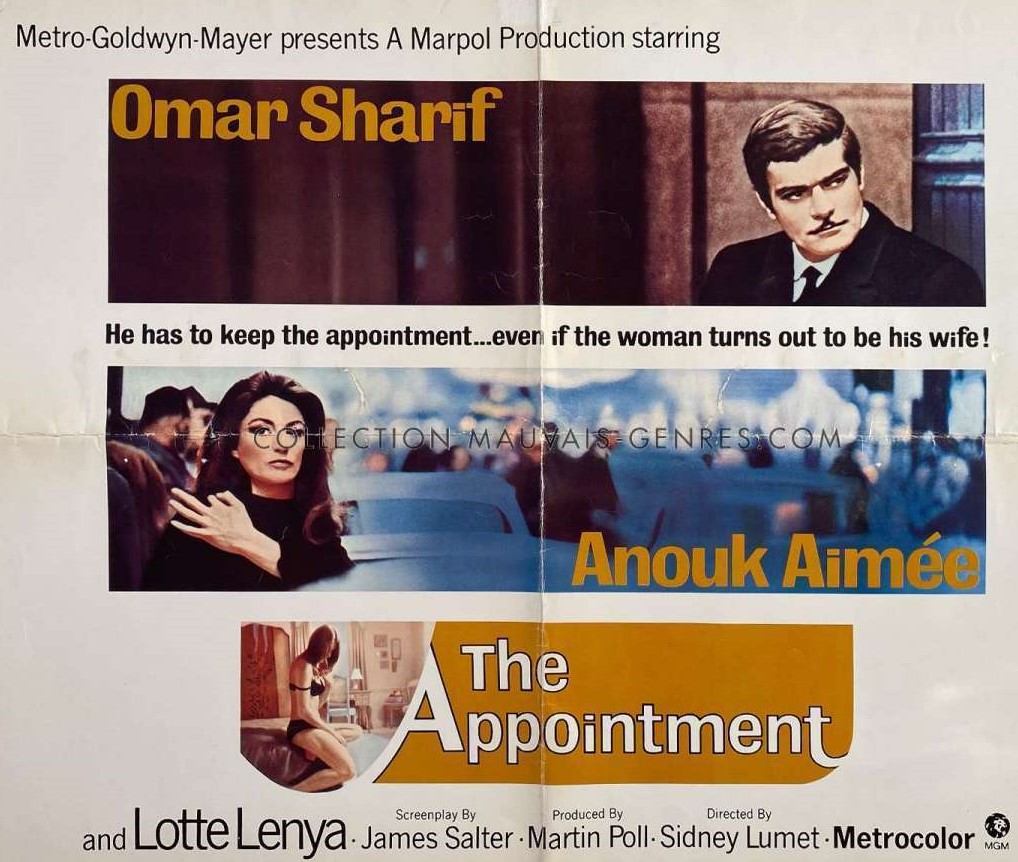
You can see why MGM dumped this. Just as easily as you can see its attraction for star Omar Sharif, his boldest-ever role, completely against type, burying the romantic hero in one fell swoop. It wasn’t just the arthouse pretensions – the absurdly long, by Hollywood standards, long shots held for an insanely long time and the greatest aerial shot, almost to the moon and back, ever devised – that made the studio cut and run faced with the impossibility of selling Omar Sharif as a creepy, repressed guy who drives his wife to suicide.
Luxuriant moustache trimmed to look like a ramrod British colonel, often bespectacled, unmarried middle-aged lawyer Federico (Omar Sharif) takes a fancy to the withdrawn Carla (Anouk Aimee), fiancée of legal buddy Renzo (Fausto Tozzi). She works as a model in a high-class fashion house.
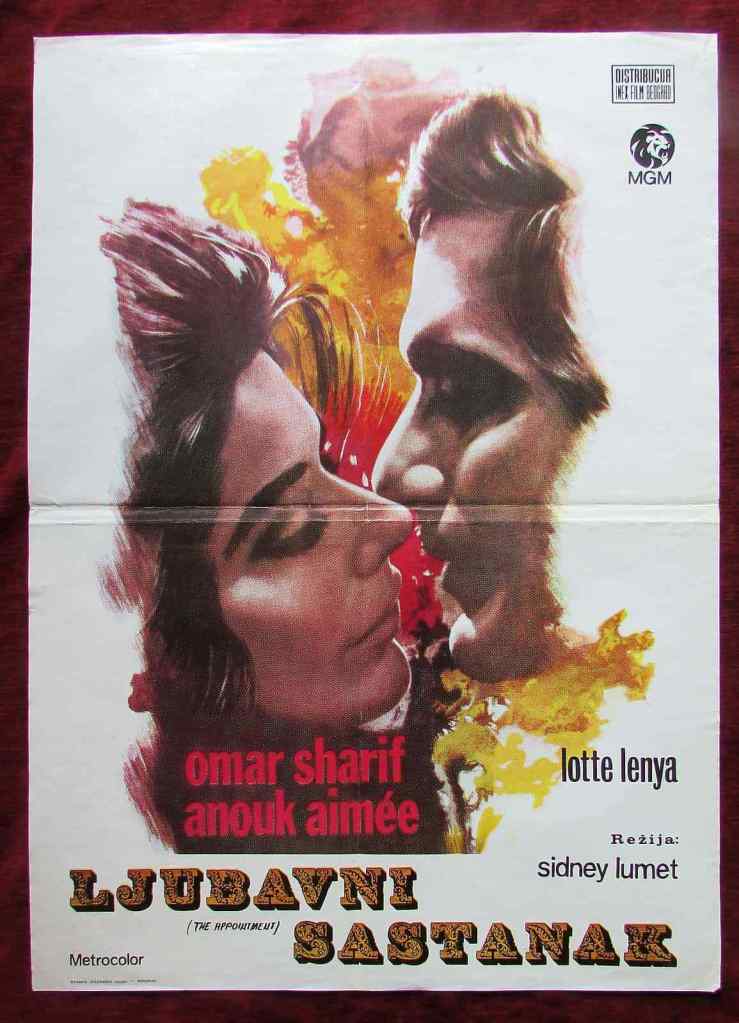
So Federico is shocked to discover that Renzo has dumped her after discovering evidence, somewhat circumstantial it has to be said, that she moonlights as an equally high-class sex worker who takes occasional assignments from antiques dealer Emma (Lotte Lenya). Now that Carla is unencumbered in the marital stakes, Federico undertakes to discover whether the accusation is indeed correct. If not, then he reckons, she might well fall for him, if only on the rebound, after all he is very successful and, despite the geeky haircut and moustache, a handsome dude.
It’s left to your imagination whether Federico actually has sex with the young woman – who “could pass for 17” and arrives clutching schoolbooks – for whom he pays 100,000 lire (around $1,000) but my guess is he does, getting her to pretend he’s her Latin schoolmaster. So that’s the Omar Sharif romantic persona killed off right there and from then on it’s hard to muster any sympathy for the character, every bit as obsessive, say, as James Stewart in Vertigo (1958).
This has a Hitchcockian aura, an atmosphere of stealth and secrecy and chill. He ends up marrying her, turns into a control freak, refuses to let her go out to work, complains about her make-up, asks where she’s been. He gets it into his head that she’s back to her old tricks and rekindles the investigation. She becomes more withdrawn and eventually commits suicide. The ideal ending, the arthouse ending, would have left Federico forever puzzled, not knowing whether he had married a hooker or not, whether, for all his caution, he had been duped. But that’s not the way with what you would otherwise describe as a psychological thriller – calling it a big-budget arthouse picture from a major studio by a relatively unacclaimed (outside of The Pawnbroker, 1964) mainstream director would not be an option – so we get a twist at the end.
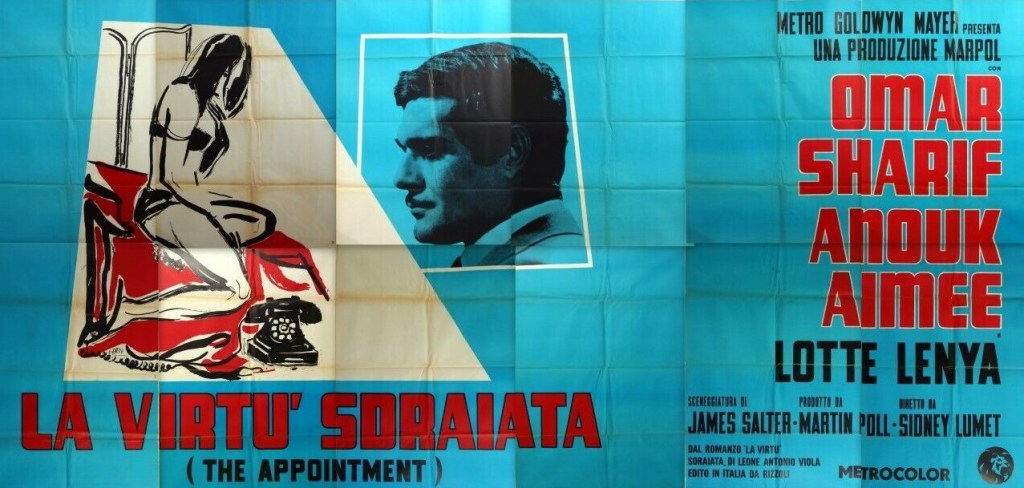
This isn’t your usual Italy either, it’s not set in a sun-drenched land with impeccable beaches and ladies wandering around with cleavage abounding. This is the Italy of traffic jams and rain and wind and huge brown waves battering the shore and buttoned-up women.
And audiences have rarely been presented with such a depressing insecure female character. You get the impression she wears fabulous clothes to hide, not glorify, her body. She might come across as playing with Federico, pretending to be asleep when he comes to bed during a romantic weekend on a remote island, the woman way out of his league who wants to keep him at a distance while she makes up her mind. But that interpretation would only be from Federico’s perspective. Otherwise, an attendant viewer would note that she doesn’t seem at all comfortable with life, and that abandoned by one lover without finding out why she can’t risk losing her heart to another.
Had this been made by Visconti or Antonioni (Blow-Up, 1966, went down a similar suspicious route) it might have been acceptable as a distribution vehicle for MGM (after all, they did pump millions into Zabriskie Point, 1970). The odd thing was, the arthouse mob didn’t like it either, showing disdain in the most publicly humiliating manner possible, audiences at Cannes booing it off the screen.
But once you accept the odd premise and equally fall in with the seedy character depicted by Omar Sharif, you begin to feel its power. The daring camerawork is exceptional, some of the scenes in extreme long shot contain as their essence elements of intimacy, and the world’s greatest aerial shot pulls away from the picture’s most romantic scene, as if giving indication of what is not well, rather than enveloping the characters with the usual background of nature at its most rapturous. And it’s pretty much silent, a John Barry theme dips in and out, but scarcely swells when it does, on a rare occasion, appear, so this plays out without much in the way of musical nods to the audience.
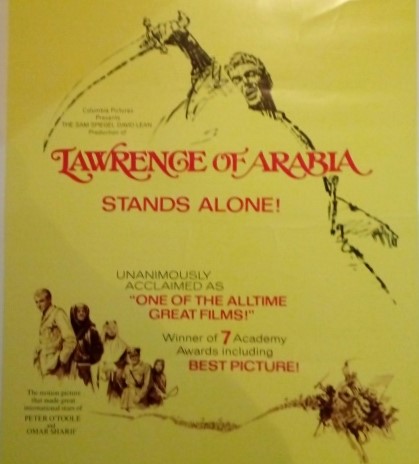
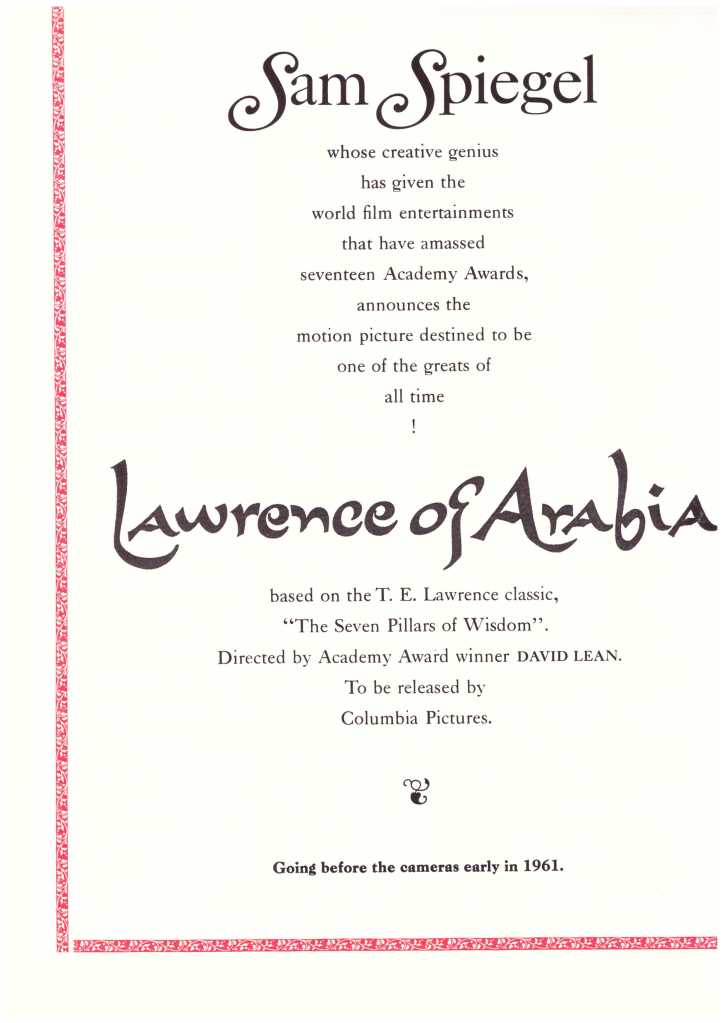
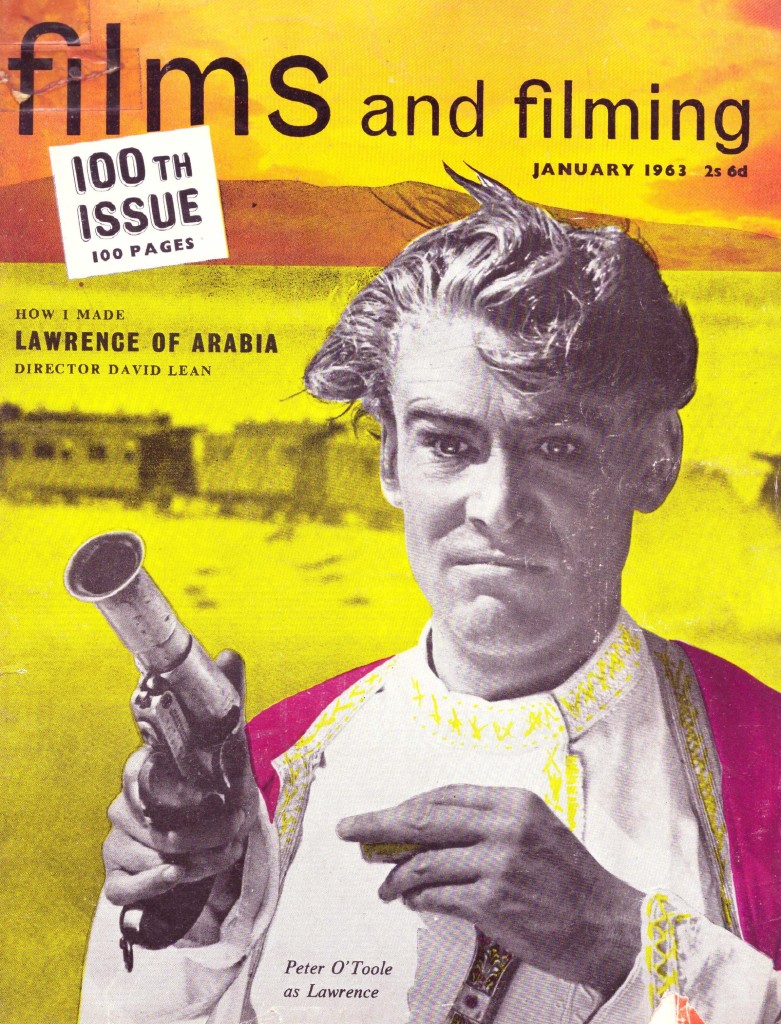
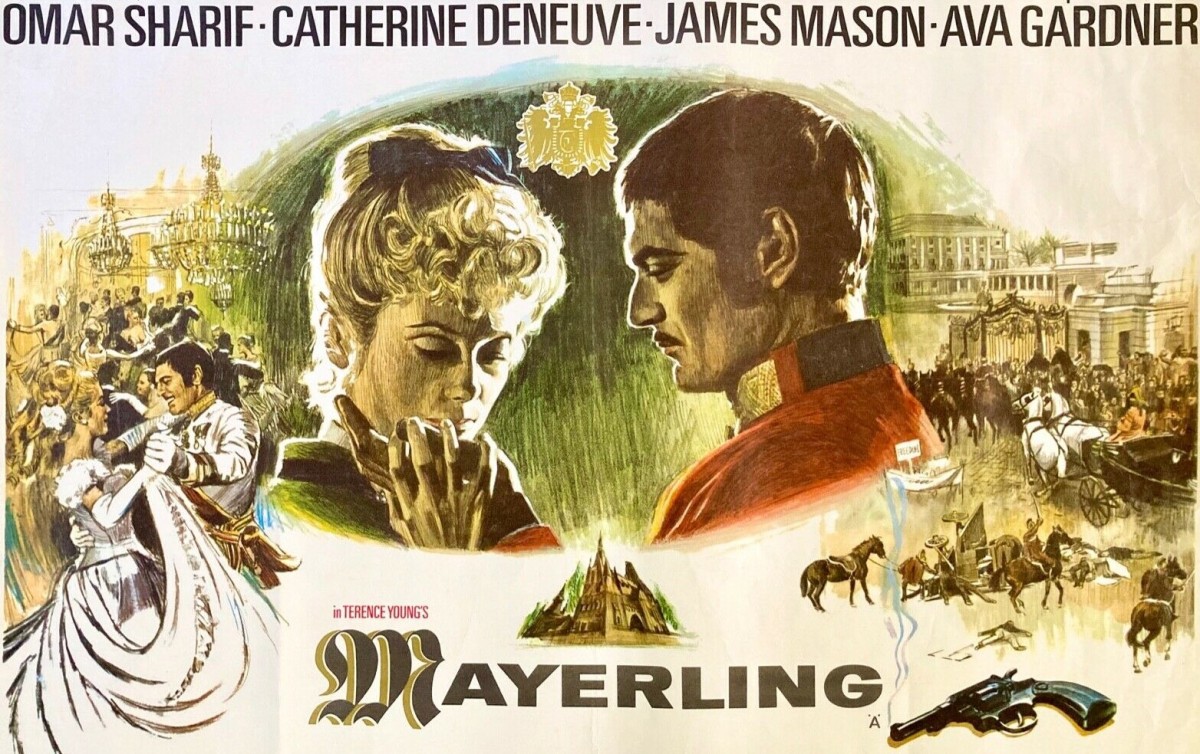
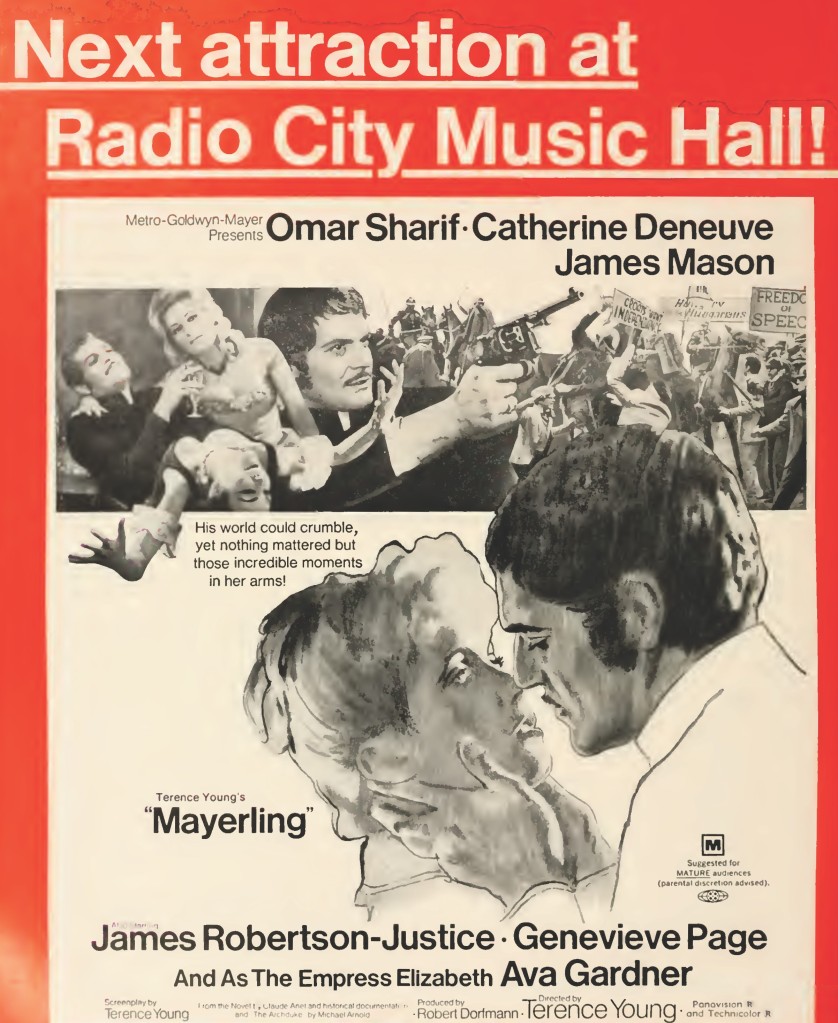
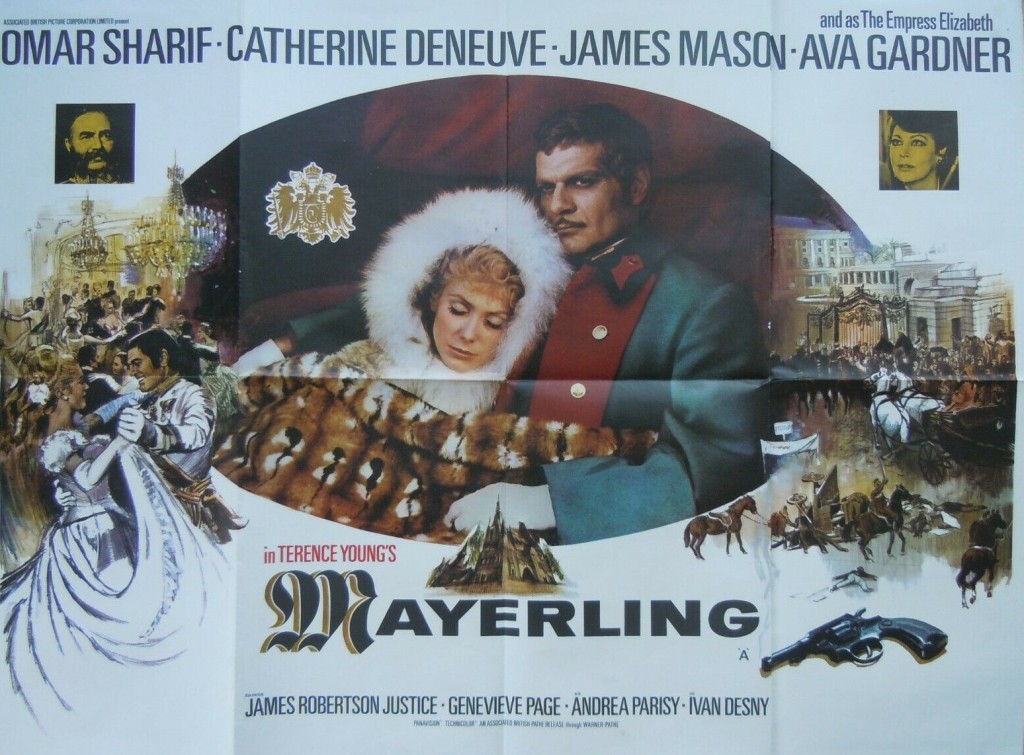
Outside of Lawrence of Arabia (1962), this is easily Omar Sharif’s greatest performance. His gamble in parlaying his box office marquee and universal romantic appeal (he appeared in Mayerling, the ultimate romantic tale, the same year) to take on this unappealing role showed a commitment to expanding his screen persona that went unrewarded. Anouk Aimee, anointed one of the screen’s biggest female romantic leads after the unexpected success of A Man and a Woman (1966), is also playing against type.
Sidney Lumet went through a distinctly lean period between The Pawnbroker and his 1970s output – The Anderson Tapes (1971), Serpico (1973), Dog Day Afternoon (1975) – and while The Pawnbroker presented an equally disaffected character he was crying out for your sympathy. You could almost view The Appointment as an exercise in style and the director trying to see, in terms of narrative and character, what he could get away with, and to become the director stars would trust when they wanted to shake up their screen persona – witness Sean Connery as a criminal and Al Pacino as a gay bank-robber.
Critics have avoided this like the plague – three reviews on imdb, only one on Rotten Tomatoes – so if that’s not a sign of being under-rated I don’t know what is.
It’s different for sure but that doesn’t make it any less worth seeing. And it would certainly fit in with the expectations of a contemporary audience.







 The Magnificent 60s
