Pay or Die (1960) *****

Hollywood had outlawed the deification of villainy after the gangster gold rush of the 1930s and, before Coppola and Scorsese popped up with self-serving operatic epics, the consensus was that thugs were scum, no matter how well organised or how deep the corruption went. There had been a blast of gangster biopics in the late 1950s/early 1960s, many of them covered on these pages, but, outside of the equally thuggish Clint Eastwood cops, you would have to wait until Serpico (1973) and The Untouchables (1987) before Hollywood decided the cop was actually the hero after all.

I’m guessing Scorsese and Coppola had seen this particular picture which presented an entirely different picture of the Mafia, including its historic importance in America, but decided the bad guys were just more interesting than the good guys and that some kind of mythical Mafia presented better cinematic opportunity.  Now this is just as much a low-budget number as the bulk of the gangster pictures of this particular short-lived era so don’t go looking for any late cycle film noir or the kind of classy mise-en-scene or big stars that comes with the later bigger budgets.
But this is so spot-on, with incredible depth, that it deserves a good bit more attention than the eight critical reviews on imdb and the measly 30 per cent rating on Rotten Tomatoes. In fact, you could point to several scenes where you could imagine Coppola and Scorsese took inspiration, and there are some quite astonishing scenes of brutality, not blood-drenched or lingered-over as was the style in the 1970s but incredibly powerful precisely because they are rendered in such lean fashion.

This is based on the true story of an Italian who took on the Mafia in New York. Only it wasn’t called the Mafia then. If you remember the Robert De Niro section in The Godfather Part II (1974) you’ll recall that the gangster he rubbed out belonged to The Black Hand. That’s what they were called at the turn of the twentieth century in New York and since prohibition didn’t exist they didn’t become bootleg millionaires and then dabble in drugs. Their main businesses were extortion and kidnapping.

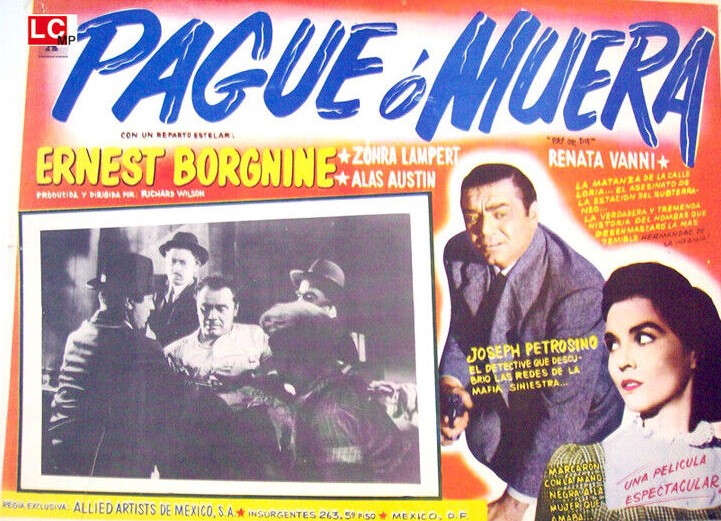
Italians in Italy didn’t trust cops for historical reasons. When anyone wanted to keep the populace in line they used the cops as muscle. That was the root reason for the growth of the Cosa Nostra. So when Italians emigrated they were equally inclined not to call the cops when someone put pressure on their businesses or demanded a ransom for a stolen child. And one of the reasons nobody called the cops was because not a single cop in New York spoke Italian. Joe Petrosino (Ernest Borgnine) was the first Italian on the New York police force. He made lieutenant but lack of education prevented him climbing any higher.

But let’s get back to the blistering opening. You’ll be familiar with such openings from Coppola/Scorsese, the religious procession, candles, hymns, music from traditional instruments, priests, robes aplenty. But this one has a difference. They string two kids between the rooftops. Not string them up, string them along ropes attached to their backs and dress up the sweet girls as angels so that they can hover over the procession and utter words of importance as its climax. The kids don’t look terrified, they look delighted to be chosen.

But hood Lupo (Barry Russo) has a different idea of how the ceremony should end. He slices through the rope. Down crash the kids, legs, backs broken, barely surviving the fall. But they survive enough for that calamity to be all that’s required for one parent to cough up the dough  demanded by The Black Hand, despite Petrosino’s entreaty to stand fast against the crooks.

Lupo’s next victim is the baker Saulino (Bruno Della Santino). And when he refuses to pay the thugs bang him up in his own pizza oven, threatening to burn him alive. Petrosino has that Sean Connery Chicago style of dealing with villains and back in the day liberals weren’t going to get in his way and he knows it’s not just a battle of wills but a power struggle. So he batters in Lupo’s door, batters him round the head, drags him down the stairs, pausing only to punch him again so the neighbors can get a good look, carry him on his back outside and dump him in a trash can.

Doesn’t entirely go to plan because a crooked Italian lawyer gets Lupo out and he takes revenge on Saulino by kidnapping his daughter Adelina (Zohra Lampert), cutting off chunks of her hair, ripping half her clothes off, and locking her in a cupboard. When Petrosino finds her she’s got the imprint of a black hand on what remains of her white dress.

Eventually, the police agree with Petrosino’s notion that the only way to beat the thugs is to set up an elite squad composed entirely of Italians, recruited from outside the city, to set out in plain clothes and mix with the local community, getting jobs as barbers and baker assistants, for example, so that they can witness the protection racket at first hand.

Meanwhile, the shy Petrosino has fallen for Adelina, though he has a younger, better educated rival, Johnny (Alan Austin), and in any case the more successful he is in his anti-gangster campaign the more at risk his life (and that of a potential wife) would be. The more successful the squad becomes the more the leaders of the Italian community agitate for it to be run by someone better educated, not a guy who has failed the Captain’s Exams seven times.

Although this is delivered in pretty much documentary style, there are some sensational set pieces. Apart from the falling angels, before thugs chuck Saulino in his own oven they dress him in pizza ingredients, raw eggs, flour, the works, the kind of humiliation a Scorsese gangster would endorse. When Adelina and Petrosino do get it together, every wedding present has to be soaked free of its wrapping first in the bath to ensure parcels don’t contain a bomb.

There’s a tremendous explosion of a car. A thug is captured in a barber’s chair by a cut-throat razor. And in the most horrific scene kids are killed (think The Untouchables) when they get in the way of bomb set to the timing of a big clock, the kind you used to see outside stores that acted as advertising devices.

Most of these sequences would have been delivered with more panache, blood, slow-motion and other gizmos had this picture been made a decade later. But, as I said, they pack a hell of a punch for being stripped of all cinematic artifice.

Within all this there’s time to explain the background of immigrants, the virulent racism they face, the institutional reasons for cling to old ways, the corruption and vote-grabbing politics, and there’s some lovely stuff in the bakery, Adelina not just carrying wood for the pizza ovens on her back but undertaking some of the more skilled baking. And the hunt for the child bomber turns into top-class detective work, down to identifying a wagon by horseshoe and then finding out which merchant was missing a wagon.

There’s some brilliant dialogue. At one point opera superstar Mario Caruso’s life is under threat, his is the car blown to pieces. But outside of his fancy car and voice he holds little attraction for the ladies. When he tries to pick up a beautiful girl by promising to sing for him, she retorts, “promise not to stop singing.” When Petrosino turns down Adelina it’s first on the grounds of danger and then age. “I’m older than you,” he argues. Her answer is to kiss him. “How old do you feel now?”

Ernest Borgnine (Go Naked in the World, 1961) hasn’t had a part this good since Marty (1955) and he’s in his element, two-fisted with criminals, his persuasive powers with his superiors far outranking his exam marks, and entirely believable as a diffident romantic. Zohra Lampert (A Fine Madness, 1966) delivers a winning turn. You might spot John Marley (The Godfather, 1972). Most of the cast appear authentic Italian.

So you get a riveting drama, fascinating backstory, a romance that could have been the main story all on its own, a bit of detection and a terrible twist at the climax.

Taken on its own terms and given the budget limitations director Richard Wilson (the equally under-rated Invitation to a Gunfighter, 1964) presents a multi-layered masterpiece. Richard Collins (Maya, 1967) and veteran Bertram Millhauser (Tokyo Joe, 1949), in his final movie, collaborated on the screenplay.

Minor gem crying out for reassessment.
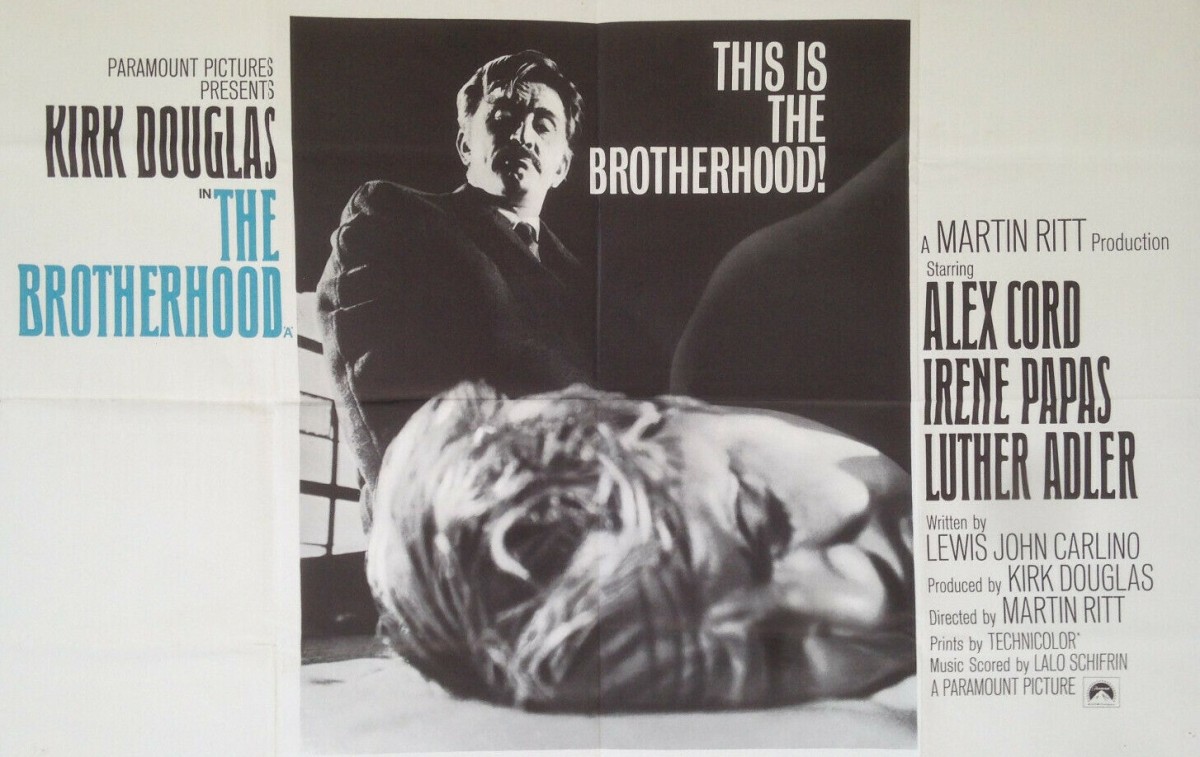
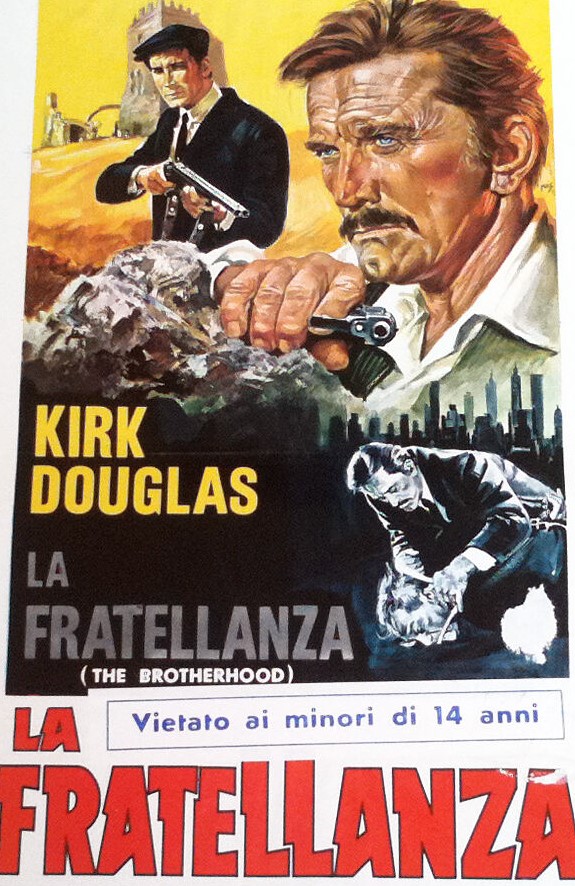
The Brotherhood (1968) ****

Minimal violence and no sex was the wrong recipe for this Mafia picture – as proven at the box office – but this is an absorbing, underrated drama nonetheless.

It bears a surprising number of parallels to The Godfather (1972). Pure coincidence, extraordinary though that may appear, because The Brotherhood premiered in December 1968 while the Mario Puzo novel was printed in March 1969 (and delivered to the printers long before), so no opportunity at all for plagiarism.

The two films could be opposite sides of the same coin. For a start, both begin with a wedding. Vince Ginetta (Alex Cord), brother of Mafia kingpin Frank (Kirk Douglas), is marrying Emma (Susan Strasberg), daughter of another Mafia chief Dominick (Luther Adler). Like Michael (Al Pacino) in The Godfather, Vince is just out of the army, well-educated and primed for a life outside the business. And like Michael is called upon to commit an act of supreme violence. There’s even a hint of Tom Hagen (Robert Duvall) in the relationship between the brothers, Frank having brought up the much younger Vince after his father’s premature death.

And just as Don Corleone (Marlon Brando) refuses to join the other Mafia families in a new business venture (in that case, drugs) so Frank bows out of an incredibly high risk (but amazingly prescient) scheme to invest in electronic firms involved in military work for the government, a deal that not only promises huge profits but a potential hold over the powers-that-be.

Frank’s wife Ida (Irene Papas) is like Don Corleone’s wife, not wanting to know anything about the business, but both Emma and Frank’s daughter Carmela (Connie Scott) are thematic cousins to Kay Adams (Diane Keaton) as initial implicit trust is wiped away. When Frank dances with Carmela at the wedding, that is reflected in Don Corleone dancing with his daughter at her wedding. Like The Godfather our first sight of the other Mafia chieftains – including Jim Hagen (Murray Hamilton) and Don Peppino (Eduardo Cianelli) – is at the feast where they are viewed with suspicion by Frank’s clan. And the scene where Frank uses a banana to tease his nephew will remind you of Don Corleone spooking his grandson with an orange.

However, the twist, if you like, is that, unlike Michael, Vince is desperate to join the Family and is instrumental in developing legitimate enterprises, which is echoed by Michael Corleone’s strategic shift to Las Vegas. In some respects, Frank is more like Sonny (James Caan), happy to take personal command of murders which the other Mafia chiefs now scrupulously delegate to “mechanics” in Los Angeles. He is more old-school whereas the others have assumed the personas of respectable businessmen.

And then it becomes a question of loyalty. Which side the ambitious Vinnie will take is crucial to the story. Frank is under pressure on all sides, from the other Mafia leaders, a government investigation, Vinnie, and the need to exact revenge on the man who caused his father’s death.

There is authentic detail here as well – religious procession in Sicily, Frank playing boccia (the Italian version of the French boules) with his old pals, family dinner, canary stuffed in the mouth of a stool pigeon, but it is less spaghetti-drenched than The Godfather. Screenwriter Lewis John Carlino (The Fox, 1967), also listed as technical adviser, claimed to be drawing on his intimate knowledge of organized crime.

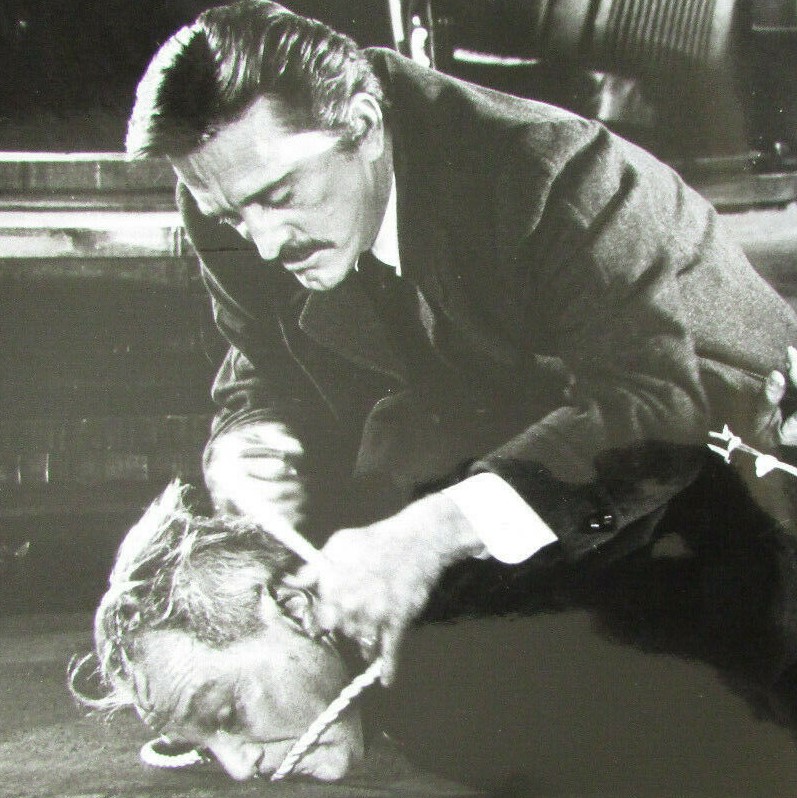
There are only three moments of violence – four if you count a shocking moment of someone spitting on a corpse at a wake – a pair of straightforward murders that bookend the film, plus a scene of Godfather-style brutality in which a man slowly strangles himself to death after being hogtied. Everyone is happily married, Ida very old-school to the extent of removing her husband’s clothes (and shoes) when he returns home drunk, Vince in a good relationship.

Kirk Douglas (Cast a Giant Shadow, 1966) is excellent in a difficult role that presents a fully rounded character, playful with his daughter, loyal to his wife, holding his own against the other mob bosses, enjoying the company of the old-timers who resemble his father, and the changing nature of his relationship with brother Vince. Alex Cord, whose work I initially dismissed (Stiletto, 1969), I have come to more fully appreciate, especially here, where he makes the transition from adoring brother to threat. It is a masterpiece of restraint.

The supporting cast is terrific, a rare Hollywood sojourn for Irene Papas (The Guns of Navarone, 1961), Luther Adler  (Cast a Giant Shadow, 1966) as one of the hoodlums exasperated by Frank’s recalcitrance,  Murray Hamilton (The Graduate, 1967) but, except at the start, Susan Strasberg (The Trip, 1967) is underused.

While director Martin Ritt (Hombre, 1967) is at times guilty of melodrama, his rendering of family life is much more nuanced than Coppola’s. There are very tender moments between Frank and his wife and Frank and his daughter, as well as moments where Ida plays a more maternal role.

For nearly half a century, The Brotherhood has lain in the shadow of The Godfather simply because they both deal with the Mafia. But this is an excellent movie in its own right.

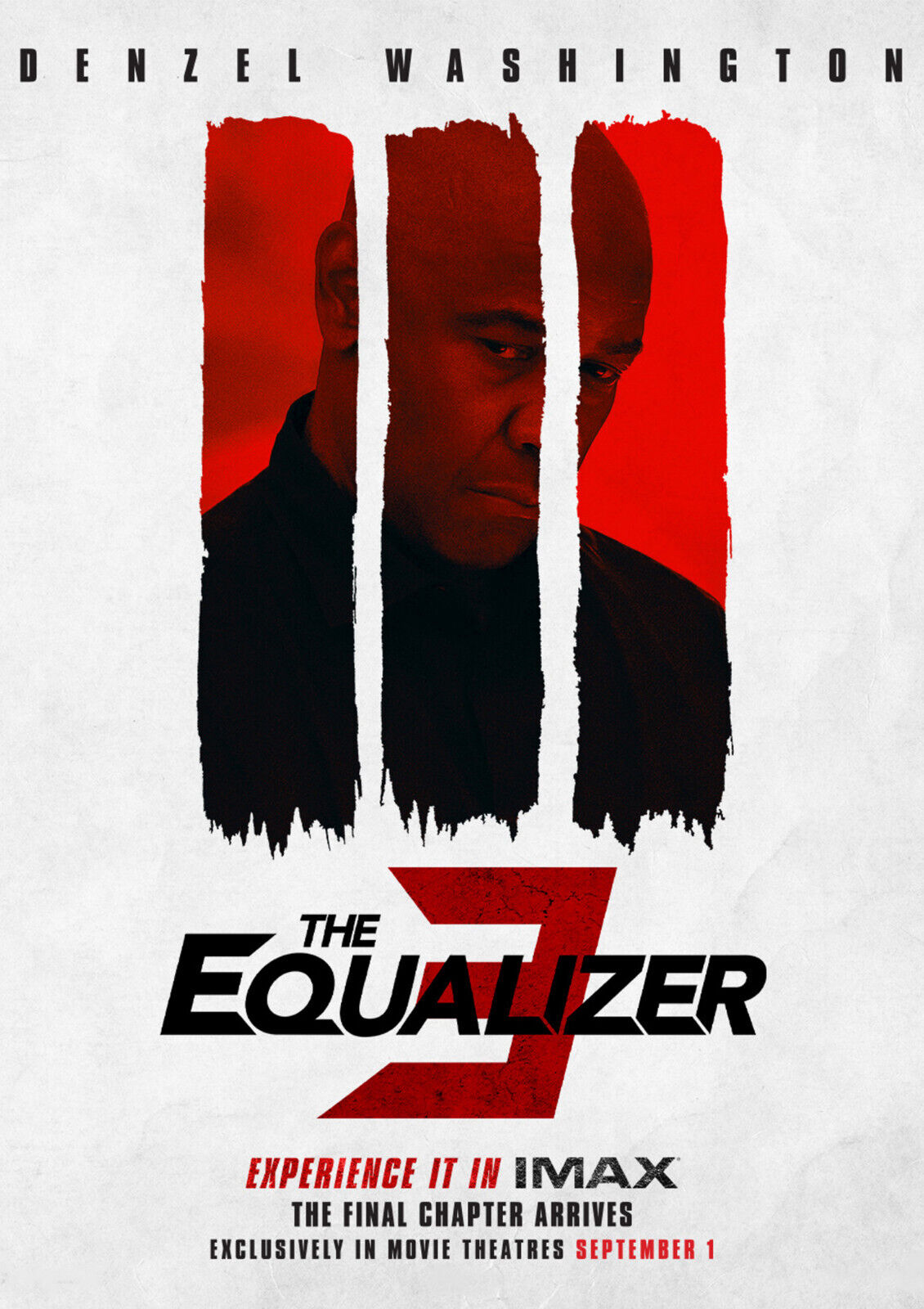
The Equalizer 3 (2023) **** – Seen at the Cinema (three times)

Stylish, triumphant, conclusion to a vigilante series that stands comparison with John Wick as the best of the new century. Oddly enough, the pair share some motifs, not least a mountainous stairway to a medieval church. And there are nods to The Godfather, killings against the backdrop of a religious procession and fruit spilling onto a corpse, a dagger pinning a hand to a table. And you might find shades of Apocalypse Now in the brooding remorseful figure of Robert McCall (Denzel Washington) convalescing in a remote fishing village in southern Italy. And it’s fully contemporary with a nod to the power of the mobile phone in depicting live events.

For an actioner it’s chockful of mystery. To begin with, you think we’re at the end, the aftermath of some gun battle, but, in fact, it’s just the start. Quite why McCall has ended up in a Mafia fiefdom in Sicily is held back till the end as is explanation regarding helping young C.I.A. agent Emma (Dakota Fanning) track down Mafia drug dealers, both narrative hooks adding to the subtlety and nuance that filters through this reflective actioner. Sure, there’s brutality, when is there not with McCall around, but there’s also reality, marvellously evocative scenes of village life, the vigilante sipping his trademark tea in a café, buying fresh-caught fish, joining exuberant locals celebrating a famous win at soccer.

Assisted by local physician Enzo (Remo Arisio) and local cop Gio (Eugenio Mastandrea) in recovering from a life-threatening bullet-wound, it’s all McCall can do to hobble down the steps with the aid of a walking stick. No Rocky-style reinvention dynamics here, no weight-training or running regime, no taking to the target range. When McCall struggles up a flight of steps your heart is in your mouth.

Meanwhile, a story unfolds of a power grab, legitimate and illegitimate, by Mafia chief Vincent (Andrea Scarduzio). But when the gangster’s younger brother Marco (Andrea Dodero) pushes his weight around once too often in McCall’s presence the rumbling volcano starts to erupt. But in temperate fashion to begin with, McCall relying on being able to locate a particular nerve (a physical one) enough to send the young thug scarpering.

Worth noting that the movie avoids two obvious traps. Agent Emma isn’t fighting a gender war, she’s no feminist battling for approval from male counterparts; in fact, if anything, she’s accorded full praise for her work and makes sure that she never acknowledges McCall’s input to her superiors, which seems even more realistic.

You might expect by now that widower McCall would be ripe for romance but though waitress Aminah (Gaia Scodellaro) takes a shine to him that goes little further than a pleasant walk along the beach sampling local delicacies. So you might also expect that, sticking to the core, this would be just a lean rip-off sequel. Instead, it’s rich in composition and detail. Many scenes play out in what appears to be atmospheric black-and-white. While not in the operatic league of John Wick 4, it’s a joy to watch.

Plenty bang for your buck but an interesting storyline that meshes drugs, terrorism and the Mafia. Deceptively subtle performance from Denzel Washington (The Magnificent Seven, 2016). He could have coasted home with his brooding persona. Instead, he walks like a man half-dead, reacts as if bewildered to still be alive, and finds he is no longer an outsider. Dakota Fanning (Once Upon a Time in Hollywood, 2019) plays down her role, there are no dramatic fireworks, she’s a confident individual, not giving an inch in her quiet duel with McCall, but no histrionics either.

Long-lasting director-actor teamings generally bring richer rewards as the partnership grows. This is the fifth film for Washington and Antoine Fuqua, beginning with Training Day  (2001) and incorporating The Magnificent Seven and the two previous Equalizer outings. It has the feel of a famous partnership along the lines of John Wayne-John Ford, James Stewart-Anthony Mann and Gregory Peck-Henry King.

Nod to Richard Wenk, third time in the writer’s chair, for the screenplay and espcially to Marcelo Zarvos (Emancipation, 2022) for a score that combines haunting theme tune and screeching guitar for the action.

I was so taken with this I’ve already seen it three times. Might well head back a fourth time next week for more nuance – and more bang.

The Borgia Stick / F.B.I vs Gangsters (1967) ****

Happily married after five years Tom Harrison (Don Murray) turns to wife Eve (Inger Stevens) and asks: “Who are you?” No, we’re not tumbling down some existential rabbit hole. Reiterating his love for her, he continues, “Don’t you want to know who I am?”

They’re living an effective lie, nice house in the suburbs, Tom catching the train every morning with neighbor Hal (Barry Nelson), joshing with Hal’s youngest son about the giraffe that took the elephant’s seat one morning, Eve a contented housewife, cocktails and sex at the ready, charity work to occupy her idle day.

Since nobody knew what money-laundering was in the 1960s and any mention of Borgia took audience minds in a historical direction it was best to play safe in the title department.

They work for The Company aka The Mob. Nothing nasty though. He’s not in the drugs/enforcement/prostitution departments. He’s a money launderer. He goes round the country opening accounts in obscure banks and helping deposit Mafia cash as a means of buying other companies. “It’s not illegitimate, but it’s legal,” he’s informed.

This isn’t the Mafia that Coppola and Scorsese would later invest with grandeur, it’s closer to the faceless corporation of Point Blank (1967) but taking the business aspect to a higher level. There’s computerisation for a start, personnel files appear as a printout, and some hefty degree of organisation required to keep tabs of the $100 million-plus that enters legitimate business each year. And you would think they were spies, everyone uses code names, “Borgia Stick” being Tom’s, telephones have particular numbers, even conversation is some kind of code.

Trouble is, what was supposed to be an arrangement with benefits has turned into true love, and Tom wants to find a way out, live a different life, have kids. Eve backs off from that kind of commitment. But eventually the decision is taken out of their hands. A guy called Prentice (Ralph Waite) comes snooping around, claiming he knew Tom as Andy Mitchell from Toledo.

“Murder Syndicate” in one country translated into “Gangster Syndicate” in another, no mention of the FBI.

Cover potentially blown, Tom’s boss Anderson (Fritz Weaver) plans to give him a new life – his employers are not “unfeeling monsters” after all – pack him off to Rio with $83,000 to get him started. But only Tom. Eve is sent back to her old life, to prove she can be trusted, the life she was trying to keep from her husband. She is put to work in a clip joint.

Of course, it doesn’t work out that way and there are about a dozen twists before we reach an unexpected climax, especially given the opening scene which I won’t disclose.

Although The Godfather is seen as the high point of humanising the Mafia, in that picture Michael’s constant concealment from his wife of his true life means it avoids the real drama of the situation. Here, that drama is the crux. A clever big boss would try to avoid a marital mismatch. The wrong kind of love match can endanger the Family – just look at Meghan and Harry – and it’s a pretty clever device to splice two souls rescued from potential prison and a more sordid life, give them life’s trappings, assured that a woman who has sold herself to so many different men might be grateful just to be assigned a single one, and that a man who otherwise might have been a dull banker could receive, almost as an “extra,” a glamorous wife.

That they might have feelings for each other may well have been calculated into the equation. What would that matter? Surely, it would only benefit the relationship. Every manager knows that an employee with a happy home life is one less problem to worry about.

As long as company loyalty remained uppermost. Eve reminds Tom he’s no less guilty in helping the company get rid of tainted money than the guys on the ground who made it in the first place. Quite why Tom has a stab of conscience and hasn’t the smarts to work out that gangsters can be happily married is never made clear. However, once he sets rolling the particular ball of quitting the Mafia, it can only end in trouble.

Director David Lowell Rich (A Lovely Way To Die, 1968) does an exemplary job, spinning emotion and angst, humanising a couple we should really despise, and every now and then throwing in a corker of a twist. Unlike the experience of Lee Marvin in Point Blank, the employers are shown to be far from rigid, with an apparent touching regard for their employees.

Rich even manages to slip in a couple of scenes that provide greater insight. One of Tom’s co-workers  talks like any successful salesman about the pressure of hitting his targets. And he fears the effect of computerisation, that it could make the Mafia vulnerable to Government investigation (rather than, as would later transpire, harnessing it to massive financial effect). And there’s a little nugget about how 200 businesses who controlled the entire U.S. economy in 1932 held the country to ransom for a year by refusing to accede to the wishes of President Roosevelt.

Inger Stevens (Firecreek, 1968) is the pick here, by turn confident, vulnerable, loving, hating, and with a terrific scene as she tries to control her emotions when tossed back into bargain basement of prostitution. Don Murray (The Viking Queen, 1967) spent his entire career trying to live up to the promise shown in Bus Stop (1956), for which he was Oscar-nominated, without quite getting the roles consistently enough that he deserved. But he is pretty convincing here.

This was television regular Barry Nelson’s first movie role in a decade. Fritz Weaver (The Maltese Bippy, 1969) is good as the boss whose game face is “understanding” and you might spot John Randolph (Seconds, 1966). George Benson wrote the songs for the nightclub sequence.

If you’ve never heard of this, it’ll be because David Lowell Rich is a very under-rated director and because it started life as a made-for-television movie in the heyday of that particular notion, but, as was often the norm with such projects, was released as a movie abroad under the alternative title.

Terrific little film, well worth a look. Way ahead of its time regarding money-laundering, sexual business arrangements (Homeland, 2011-2020), the pressures of working for the Mafia (The Sopranos, 1999-2007) and quitting that organization (Stiletto, 1969). You can catch it on YouTube but be warned this was filmed on video so the quality ain’t great.

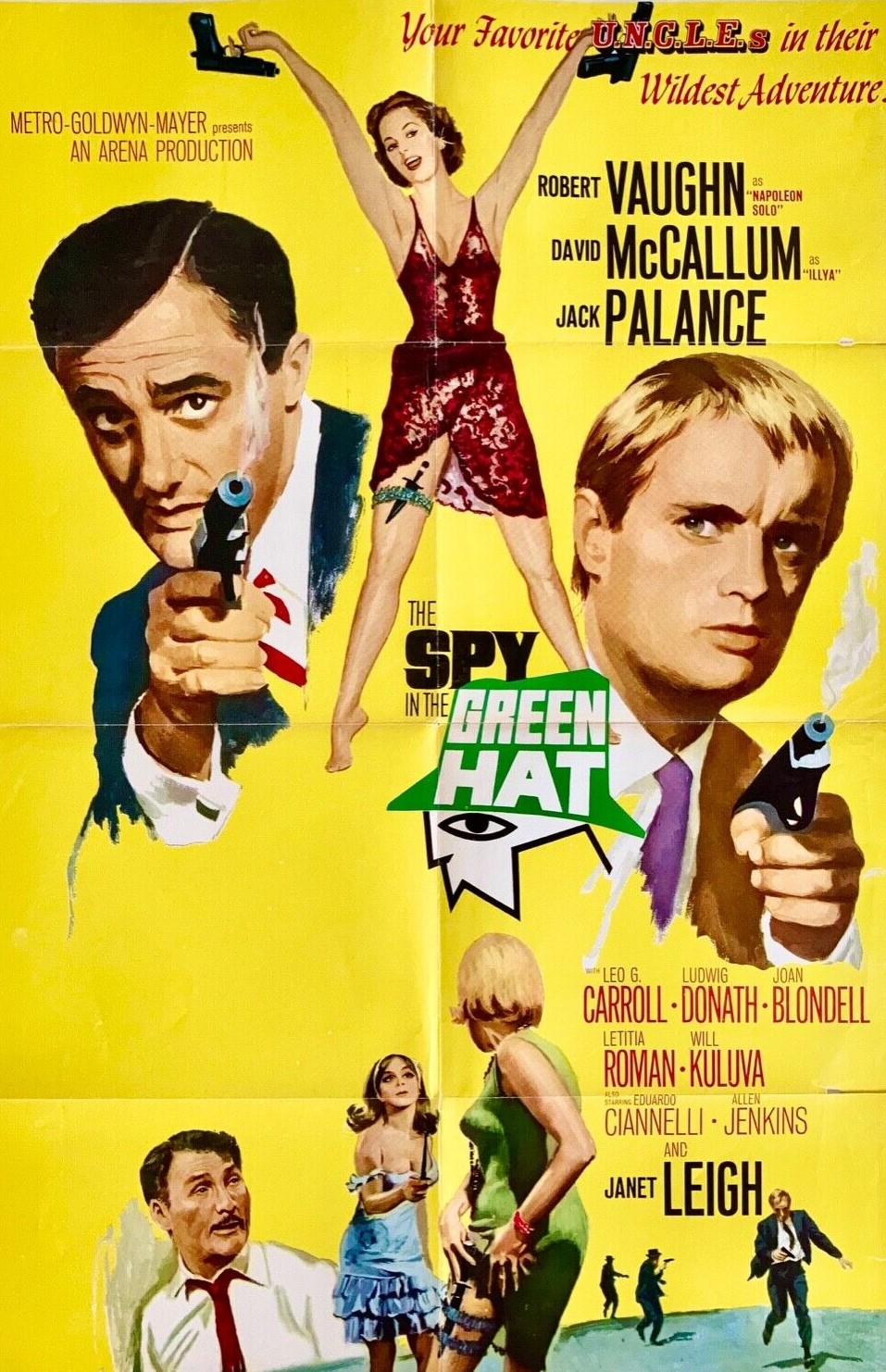
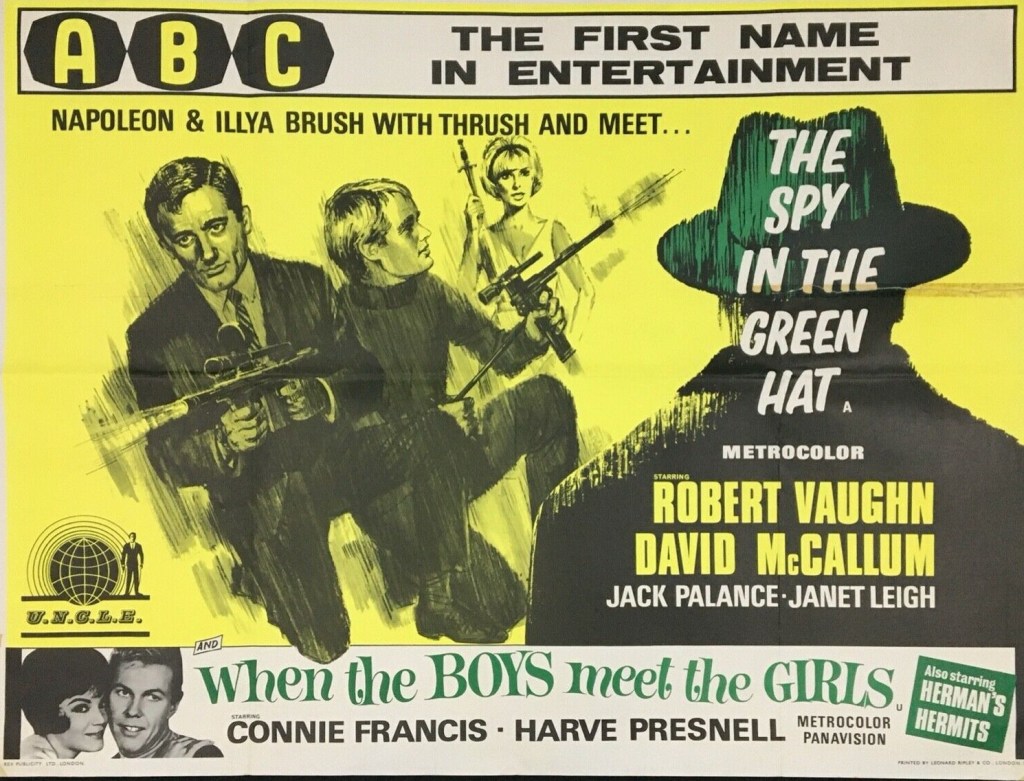
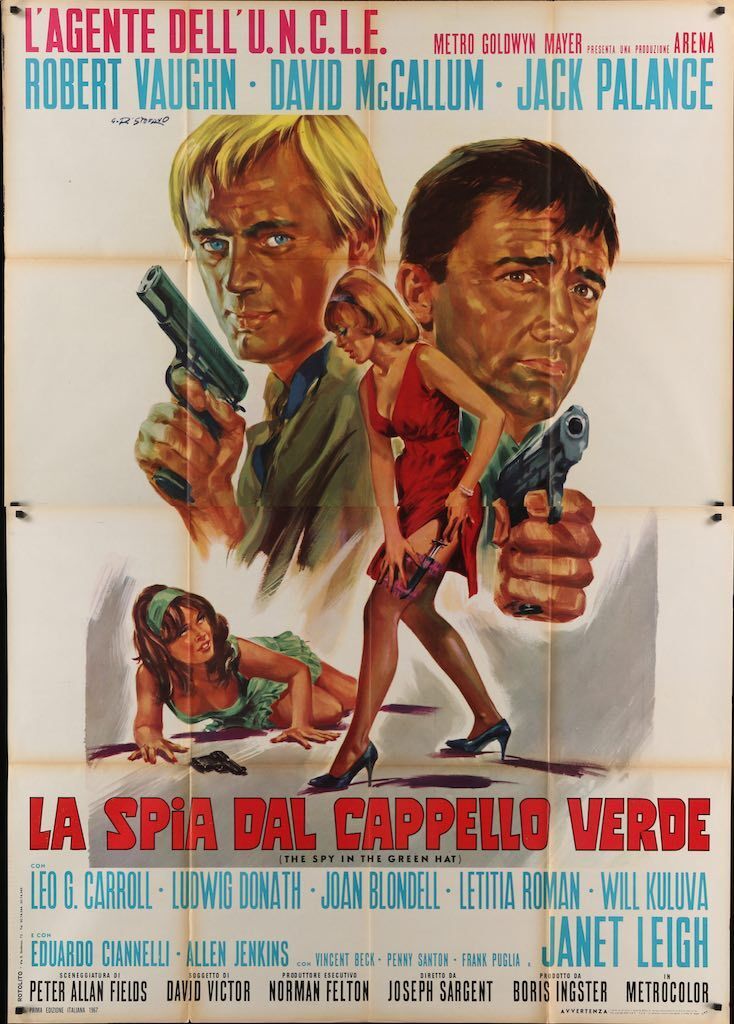
The Spy in The Green Hat (1966) ***

Unable to compete with the influx of big budget espionage pictures, The Man from U.N.C.L.E. throws in the action towel and comes out fighting as a comedy, and a more preposterous storyline you would be hard to find. As if spoofing a genre it helped create, our intrepid heroes find themselves in captivity one way or another, outwitted by a posse of retired Mafia hoods or sadistic females.

Napoleon Solo (Robert Vaughn) and Ilya Kuryakin (David McCallum) can’t even manage a chase, crashing the car in pursuit of former Nazi scientist Dr Von Kronen (Ludwig Donath). The trail leads to Sicily where Solo, again incapacitated, meets the sultry Pia (Leticia Roman) and as a result of a romantic misunderstanding is forced into a shotgun wedding in Chicago by her Mafia uncles, the famed Stilletto Brothers.

Meanwhile, Kuryakin makes the acquaintance of the deliciously sadistic Miss Diketon (Janet Leigh), assistant and masseuse to highly nervous Thrush boss Louis Strago (Jack Palance). The action finally shifts to the Gulf Stream, where Pia is imprisoned and the usual missiles are set to be launched in the presence of head Thrush honcho Mr Thaler (Will Kuluva) in the usual global takeover scenario.

Abandoning any attempt at serious drama, this is just a hoot, a score of sight and visual gags, references to Little Caesar and the St Valentine’s Day Massacre abound. Any time one of our heroes needs speedy access to a villain hideout along comes a guard to be bumped off and uniform purloined. Solo caught hiding under Pia’s bed is let off when discovered by a Thrush operative because he’s not the Uncle agent they are looking for. Not only is Solo constantly whacked over the head, but Kuryakin ends up as the plaything of Miss Diketon.  

Solo and Kuryakin look as if they stepped onto someone else’s parade, trying to keep the narrative on an even keel, while the Mafia gang and Thrush personnel effectively play it for laughs. Pia has Wanted posters of her uncles on her wall on the assumption they are just wonderful guys. Von Kronen gets the hots for Miss Diketon because he admires her skill at torture, although a spurned Miss Diketon turns traitor leading Kuryakin to mutter to Solo when all three meet, “I brought Lucrezia Borgia, you brought the Mafia.”

What makes it work so well are the fabulous performances of the supporting cast. Jack Palance (The Professionals, 1966), completely playing against type, still a villain sure, is a masochistic sweaty bag of nerves. Janet Leigh (Psycho, 1960) camps it up as the deadlier-than-the-male luscious female, dress slit at the thigh to reveal a hidden knife, whose pulse races at the mere thought of the cruelty she can inflict and the slower the better.  Will Kuluva (To Trap a Spy, 1964) is a bonus, the boss who just wants to party and has no idea of the technicalities of firing a missile.

Nobody even bothers to dress it up any more. The missiles look like something you would buy your kid for Xmas, the backdrops are as fake as anything on a backlot. But somehow it all works, as long as you weren’t expecting the original take on The Man from Uncle. And even so, director Joseph Sargent (One Spy Too Many, 1966) adds a few dabs of genuine cinematic icing, characters viewed from the ground-up, a fist fight that’s either in slo-mo or speeded-up freeze frame, the wife (Joan Blondell) of one of the Stiletto Brothers receiving a grapefruit in the mush.

After watching the original movie which came up better than expected in terms of action and spy malarkey, the last thing I anticipated that this would be headed in an entirely different direction. When that quickly became obvious, I feared the worst. Instead, I enjoyed a fun 90 minutes.

Of course, this wasn’t released theatrically in the U.S. just abroad with some added sex and violence, an expanded version, and in color, of a double black-and-white episode of the television series.   

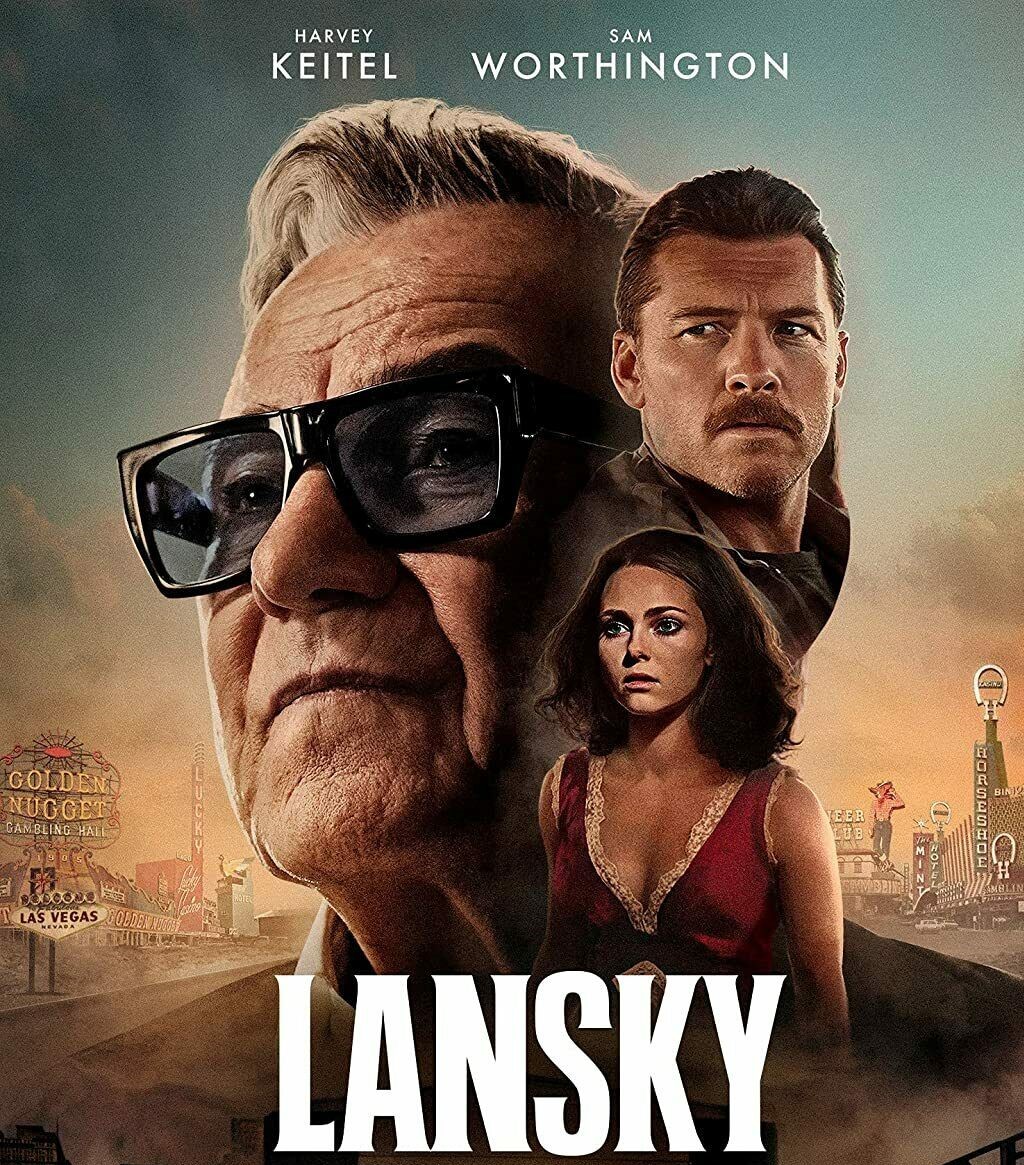
Lansky (2021) ****

Murder Inc. gangster Meyer Lansky has featured in over a dozen Hollywood movies and television series from Lee Strasberg in The Godfather (1972) to Ben Kingsley in Bugsy (1991) and Dustin Hoffman in The Lost City (2015) so you could be asking why do we need another one? And it’s a good question because this part docu-drama, while recounting the well-known aspects of the mobster’s career, also examines less obvious areas as well as bringing the story up-to-date in a duel of wits between Lansky (Harvey Keitel) and the F.B.I. still chasing him for $300 million it presumes he has hidden away.  

The movie is framed by journalist David Stone (Sam Worthington) interviewing Lansky about his life. This turns out to be far more interesting than previously portrayed. Sure, there’s plenty of executions, but Lansky was also the most financially acute of gangsters, taking the business legitimate in the fashion of Michael Corleone in The Godfather, realising that rather than killing businessmen who could not pay their debts it was more sensible to take over their businesses and improve them, and in order to keep everything above board when contracted to oversee all the casinos in Cuba refusing to rig machines in the house’s favour.

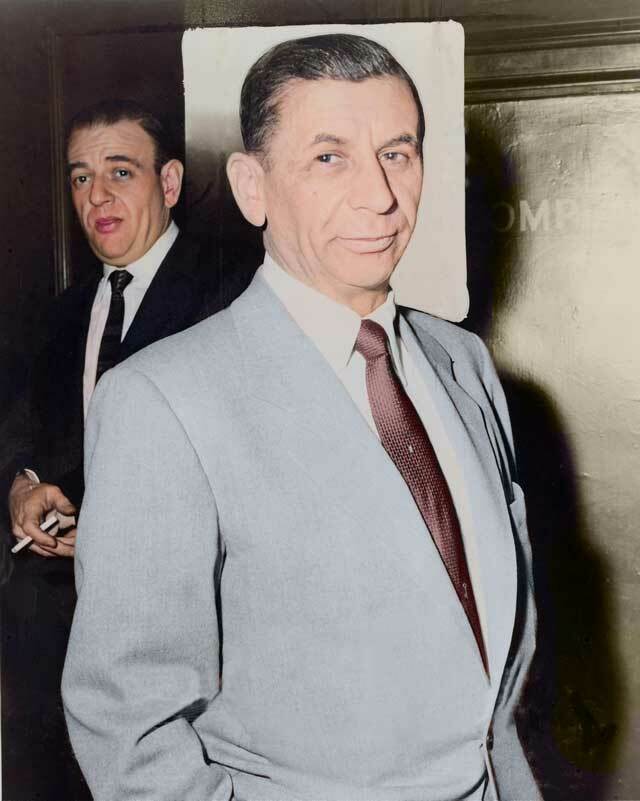
Lansky in his heyday.

He’s also got a crippled son whose illness he perceives as a mathematical equation and is convinced he can beat the odds. In the course of his interviews, Stone falls for a honey trap and is blackmailed/bribed by the F.B.I.  So tension is raised by the government agency hovering in the background, the mystery of the missing millions, and Stone’s fears that Lansky will find out he is being betrayed.

Biopics succeed or failed based on what aspects of the subjects life they choose to cover. All the big names are here – Al Capone (Robert Walker Branchaud), Lucky Luciano (Shane McRae), Salvatore Maranzano (Jay Giannone), Bugsy Siegel (David Cole) – but we also delve into territory almost foreign to the gangster genre with Lansky’s patriotism leading him to root out Nazi spies and sympathizers during world War Two, in return for which he secures the release from prison of Lucky Luciano. His return to Israel is scuppered by U.S.-Israel relations. And, no matter his courtesy and manners, he’s also a scumbag of the first order, committing wife Anne (AnnaSophia Robb) to a psychiatric hospital because she has the audacity to blame him for his crimes.

Adding some depth is the “currency” of traded favours, that the U.S. government had little compunction in utilising his services at a time when it was trying to crack down on organised crime. Even the ageing Lansky is clever enough to outwit his pursuers.

But, of course, movie length works against the film. It would have been better as a limited series, exploring the man’s entire career. Even so, it certainly provides new insight into the mind of a gangster who was a businessman, in the correct term of the word, first and foremost. In another world, he might have been acclaimed as the man who pioneered a  gambling industry now worth $250 billion annually to the U.S. economy.

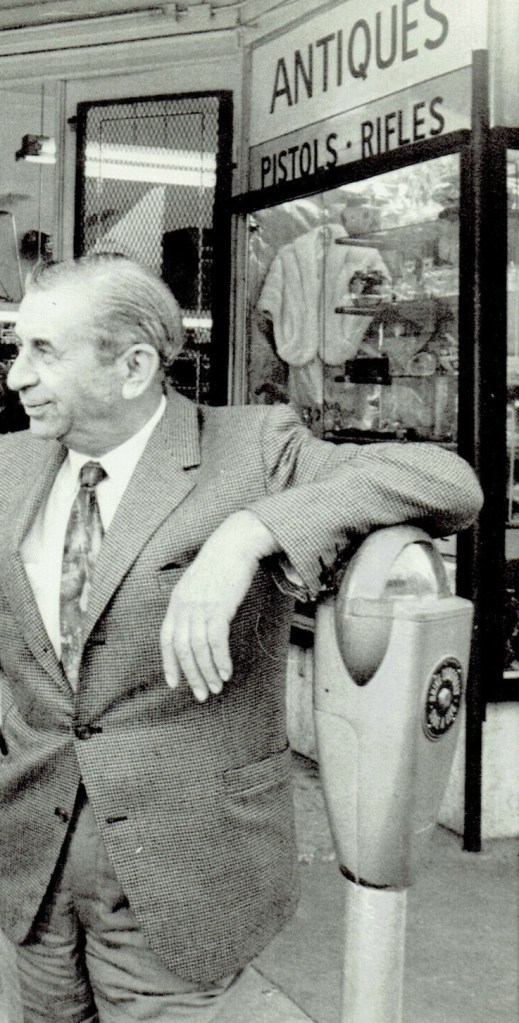
Just another elderly citizen.

Harvey Keitel (The Irishman, 2019) shows no sign of calling time on a career over half a century old and his bemused take on the gangster is solid work. Sam Worthington (Fractured, 2019) is excellent as the compromised journalist trying to keep family and finances together. Look out for David Cade (Into the Ashes, 2019) as Lansky’s lifelong buddy, Minka Kelly (She’s in Portland, 2020) as the deceitful girlfriend and AnnaSophia Robb (Words on Bathroom Walls, 2020) as the showgirl who realises marriage is not all it’s cracked up to be.

This was something of a personal project for writer-director Eytan Rockaway (The Abandoned, 2015) since his father was the journalist in the film. Rockaway’s approach is an interesting twist on the gangster film and he elicits strong performances all round. The final scene you won’t see coming.

The Making of “The Godfather” (1972)

With the 50th anniversary imminent it’s no surprise to see a further addition to the already weighty library of works on The Godfather. What is surprising is just how good it is, wrapping up all previous research as well as adding copious new information about the making of the Mafia saga, in particular relationships between the filmmakers and the Cosa Nostra itself. A battle of egos as much as anything else with a budget that lay in tatters, quite how such a masterpiece emerged could have been a film in itself. Journalist Robert Seal has delivered a riveting book, replete with fascinating anecdotes, and with an insider’s knowledge of how a movie gets put together.

Some of the drama is certainly overplayed, the financial threats to Paramount at the end of the 1960s, the presence on the set of an auditor (hardly unusual with a director who had never handled such a big budget before), and the conflict with legendary producer Robert Evans who, after the event, claimed a greater share of the glory than he was entitled to. Evans at least had a track record – Rosemary’s Baby (1968), True Grit (1969) and Love Story (1970) among his successes during his tenure at the studio – compared to official producer Albert Ruddy with three flops to his name including Little Fauss and Big Halsy (1970) and best known for television hit Hogan’s Heroes. But Ruddy was known as a producer who could bring a project in under budget. As an indication of the kind of penny pinching that Evans expected, he made Ruddy buy his own copy of the novel.

Australian distributors took a different approach to advertising the movie.

Paramount had little interest in Mafia movies after the under-rated The Brotherhood (1968) – reviewed in the Blog – had flopped at the box office and Burt Lancaster was waiting in the wings ready to take the project off the studio’s hands. Compulsive gambler and impoverished author Mario Puzo had no screenwriting credits when brought in to work on the picture. And no idea how to write a screenplay. So he mostly played tennis. His biggest contribution when he was sitting in meetings with little to show for his efforts was to suggest Marlon Brando as star. A suggestion that met with complete silence because Brando was box office poison.

Francis Coppola – himself the creator of three flops and as impoverished as Puzo had once been – was hired as director in part because Paramount got the notion that the reason The Brotherhood had failed was lack of cultural assimilation, director Martin Ritt having no Italian heritage. Coppola was pushed as having an insider’s knowledge of Italians even though as Paramount executive Peter Bart pointed out that he “may have had pasta now and then but I don’t think their family is any more Italian than my family.”

Paramount took out an eight-page ad in “Variety” (March 29, 1972) to publicize the colossal initial gross and listed the receipts from every cinema where it had been playing for mostly three or five days.

As the makers of Succession have realised, there is a classic story to be told about business inheritance. Coppola wanted to make a movie that was about “more than guns and goons and sex and spaghetti.” He envisaged a “classic succession concerning a great king who had three sons, each of whom had a single element of what made the king great.” Prior to Coppola making his presentation to the studio, Ruddy told him to play up the low budget. Instead, the director gave “one of the great sales jobs of all time” convincing executives to at least give him a shot at doing it his way. He was hired for $175,000 and six per cent of the profits. “I had two kids, a pregnant wife, and no money. I was terrified,” said Coppola.

As well he should have been. Not only did he have mobsters knocking on his door complaining on the one hand about how the film could adversely present Italian Americans and on the other hand determined to land a role in the picture to the extent of paying for their own screen tests. So many talent schools charged $100 to shoot screen tests for any gullible schmuck that Paramount had to take out restraining orders. But made man Gianni Russo did land the role of Carlo Rizzi. Al Lettieri’s brother was involved in the business. Ex-wrestler Lenny Montana with no acting experience was picked out of a crowd watching the shooting to play hitman Luca Brasi.

Not the ideal balladeer to sing about the Mafia.

Although Frank Sinatra, Burt Lancaster, Ernest Borgnine, Laurence Olivier and Rod Steiger were among the stars pitched for the Brando role, Puzo had sent a handwritten letter to Brando imploring him to consider the role. The Brando test, with the star improvising his own make-up, was electric. But the greatest actor of his generation had to accept a pitiful deal – $50,000 for six weeks’ work – though, thankfully, a percentage had been tagged on.

Robert Evans wanted Robert Redford, Dustin Hoffman, Warren Beatty or Ryan O’Neal for Michael. “One of the reasons I got the job,” said Coppola, “was because they thought they could push me around.” He stuck to his guns, holding out for his dream team of James Caan, Al Pacino, Robert  Duvall and Diane Keaton, “eccentric and kind of weird in a way…to enliven the straight boring character” of Kay Adams.

But the casting was just the beginning of a momentous battle to keep Coppola’s vision intact. He came close to getting fired several times (“I was getting fired every other week,” recalled Coppola), especially as the budget, initially figured at $2 million, headed towards $6 million. The story of the shoot is told here in forensic detail. Come post-production, Evans wanted Henry Mancini to do the score so Coppola threatened to take his name off the picture unless the Nino Rota music was kept. 

Finally, when the film was ready it was met with – deafening silence. Paris premiere – silence. New York premiere – silence. When Albert Ruddy and Al Pacino watched it in an ordinary cinema with an ordinary audience the result was the same – silence. But the lines around the block indicated something else – a phenomenon.

The only area where author Seal gets it wrong is in his understanding of release strategy. “Its distribution was a revolution,” claimed Mark Seal. Only it wasn’t. I know because I wrote a book on the subject (In Theaters Everywhere if you’re interested) and there was nothing at all novel in releasing a movie in New York in 26 cinemas all at once.

But apart from that glitch, Seal has produced a brilliant, incredibly readable book, that covers the saga of the making of the film in as much detail as an aficionado would want. Drawing on the dozen other books written previously about the film and adding his own fulsome research, Seal has created a book that will be as much a monument to this film as the film is to Hollywood cinema in the 1970s.

For some reason the guy who created the best movie of the year wasn’t good enough to be named Best Director at the Oscars- that went to Bob Fosse for “Cabaret.”

In 1972, there was no such thing as a global wide release. Although it was shown in the U.S. in March that year, in Glasgow, Scotland, where I lived, The Godfather did not get its first showing until the end of August. It opened at the ABC 1 in Sauchiehall St in the city centre as well as over the River Clyde at the ABC Coliseum. It was competing with two roadshows, Young Winston and Mary, Queen of Scots at the Odeon 1 and Odeon 3, respectively, Robert Redford in heist picture How to Steal a Diamond at the Odeon 2 and What’s Up Doc? at the ABC 2. Western The Hired Hand was playing the arthouse Cosmo and the arty Made for Each Other at the gigantic Green’s Playhouse. The La Scala had the double bill of Dr No/Thunderball and the Regent was in the second week of Dirty Harry, somewhat unusual in that this was a second run house where pictures were rarely retained.

There were three performances a day for The Godfather but no advance booking – as would have been the case if it had gone into roadshow – so the queues outside both cinemas were huge. It had such an impact on me I saw it twice in the same day. When I moved to London I used to take regular advantage of the double bill The Godfather / The Godfather Part II when it used to play a cinema in Regent St on occasional Sundays, so I have no idea how many times I have seen both. Never enough, I would guess.

Where were you when you first saw The Godfather?

And where will I be on February 26 when The Godfather will be reissued in cinemas all over Britain (and possibly worldwide for all I know)? I leave it to you to guess.

To cash in on the 50th anniversary, cinemas all around the world are planning to screen all three parts of the trilogy. So watch out for them.

Book into Film – “The Godfather” (1972)

Watching King of the Roaring 20s (1961) and Murder Inc (1960) and struck by the number of similarities to The Brotherhood (1968) that could be found in The Godfather (1972) induced me to examine how well the original novel by Mario Puzo survived the often dangerous transition onto the screen.

There could not be a more textbook example of how to turn a big bestseller into a compelling motion picture. Although director Francis Coppola added texture and style to the bestseller, the film owes far more to the memorable characters created by author Mario Puzo. Apart from some slight structural changes and the elimination of a couple of subplots, the movie follows Puzo’s brilliant structure almost to the letter. And except for a few lines, virtually all the dialogue and many of the most unforgettable lines come directly from the book.

The opening wedding feast is an excellent example of the screenplay approach. The order of the action occasionally alters but the novel’s structure is strictly adhered to. The film’s striking opening line “I love America” by the undertaker is a slight but significant adaptation of that character’s line “I believe in America” in the book. But the screenwriters junk the book’s actual opening section which gives the background to the issues the three characters appealing to Vito Corleone (Marlon Brando) for intervention against perceived injustice from Vito Corleone (Marlon Brando) and goes straight to the book’s wedding.  Here, too, the various elements are taken directly from the book with slight changes. For example, to the FBI men taking down car number plates in the novel the screenplay adds in photographers so that, to demonstrate his temper at an early stage, Sonny Corleone (James Caan) can smash a camera.

Straight from the book: fat Clemenza (Richard S. Castellano) dancing, wiping his brow and calling for wine from Paulie (John Martino); Sonny whispering in the ear of bridesmaid Lucy (Jeannie Linero); the frightened undertaker being told off by Vito; the  Luca Brasi story Michael Corleone (Al Pacino) tells Kay Adams (Diane Keaton); Sonny and Lucy having sex and being interrupted by Tom Hagen (Robert Duvall); and the screams that greet  singer Johnny Fontane (Al Fontane) and the subsequent scene where Vito shouts at the singer to act “like a man.” Additions are slight: in the book Sonny’s wife is in the kitchen not at a wedding table in dumbshow making jokes about her husband’s manhood, and Luca Brasi rehearsing his speech.

Indicative of the ruthlessness with which the screenplay treats the book is the elimination of a moving scene at the tail end of the wedding where Vito goes to see his dying partner Genco. As indicative of the author’s brilliance is that he invented degenerate film producer Jack Woltz (John Marley) and the decapitated horse in his bed.  But the storyline, the film’s core, from the attempted murder of Vito, Michael’s assassination of the Turk Solozzo (Al Lettieri) and corrupt cop McCluskey (Sterling Hayden), the exiled Michael struck by the “thunderbolt” falling in love, the ambush of Sonny and the stricken Vito suing for peace, is pretty much exactly that of the book. In some case, it’s clear that actors have drawn from Puzo’s characterizations, the chilling way Michael takes control of the Family, how Fredo goes from useless gangster to hotel dandy.

There are occasional additions. In the book Enzo’s hand outside the hospital is  shaking but Michael lighting his cigarette is the movie shorthand to demonstrate his icy calm, Sonny’s “bada-bing” isn’t in the book nor is Luca Brasi sleeping with the fishes, though there is something similar “Luca Brasi is sleeping on the bottom of the ocean.”

Occasionally, in the novel, for technical reasons, Puzo drifts away from the central characters to provide some more background or detail about a subsidiary person and in this manner we enter into the minds of Paulie, Carlo (Gianni Russo), Kay, Clemenza, McCluskey and Albert Neri just as they are about to play a significant role in forthcoming action.  Other subsidiary characters featured more prominently in the novel, in particular Johnny Fontane whom the book reveals develops from Oscar-winning actor to successful movie producer and from manic seducer to more considerate male.

Fontane also helps revitalize the career of another singer Nino who does not appear in the movie at all and plays a role in developing the Family’s interests in Las Vegas. Lucy, who disappears entirely from the film after the wedding, is more significant in the book, finding romance after Sonny’s death with a surgeon and there’s a part of their relationship that would only now be permissible to film. Sicilian shepherd Fabrizio, instrumental in the attempted assassination of Michael, also reappears in the book. The book also devotes more attention to Michael’s new breed, Alberto (Richard Bright) and Rocco (Tom Rosqui).

The death of Vito in the garden is almost identical to the book with the grandson present except for Marlon Brando’s improvisation of stuffing his cheeks with orange to frighten the boy. And Michael’s betrayal by Tessio and the subsequent mass murder of all his enemies is also drawn from the book except for Moe Green having been killed earlier (Fabrizio the shepherd slotting into his place in the book’s action). Some slight detail is changed – Barzini (Richard Conte) killed beside his waiting car not on the steps, Tattaglia (Tony Giorgio) murdered in a chalet not an apartment block. Somewhat surprisingly the image of acolytes paying homage to Michael as briefly viewed by Kay has its origins in the book. The two final scenes in the book, both concerning Kay, are excluded from the film, in the first, having run away, she is challenged by Hagen and in the second she prays for Michael’s soul in church just as (in the book) Michael’s mother had prayed for his father

A lengthy chapter on Vito’s beginnings, explaining his early relationships with Clemenza, Tessio (Abe Vigoda) and Luca Brasi, was wisely held over for The Godfather Part II.

Having by now read a number of books that were subsequently filmed, my over-riding impression was that in many cases (The Secret Ways, Arabesque) little survived of the original tale or that characters, locations and timescales (The Detective) were substantially altered. In some instances the book’s length precluded a straightforward adaptation. Occasionally, subjects easily dealt with on the printed page were not so welcome on the screen. But, for whatever reason, change appeared inevitable for a bestseller being translated into a movie.

The Godfather almost stands alone as a novel that made the transition with virtually no alterations. All the main characters are present as described by Puzo and the storyline entirely reflects the book. The bulk of the dialogue was originally written by Puzo. While there is no doubting the Coppola’s achievement in putting the book on film, there is equally no doubt that the book leant itself to easier adaptation than most bestsellers.

Year-End Round-Up: Top 30 Films Chosen by You

Top 30

This isn’t my choice of the top films of the year, but yours, my loyal readers. This is a chart of the films viewed the most times over the full calendar year of January 2021 – December 2021.

  1. The Secret Ways (1961). Richard Widmark in spy thriller set in Hungary during the Cold War and adapted from the Alistair MacLean novel. Senta Berger has a small role.
  2. Ocean’s 11 (1960). Frank Sinatra, Dean Martin and the Rat Pack embark on an audacious Las Vegas robbery.  
  3. Pharoah (1966). Epic Polish picture about political shenanigans in ancient Egypt.
  4. Age of Consent (1969). Helen Mirren stars as the nubile muse of jaded painter James Mason returning to his Australian roots.
  5. The Venetian Affair (1966). Robert Vaughn hits his acting stride as a former CIA operative turned journalist investigating suicide bombings in Venice. Great supporting cast includes Elke Sommer and Boris Karloff.
  6. The Golden Claws of the Cat Girl (1968). Cult French movie  starring Daniele Gaubert as a sexy cat burglar.
  7. Moment to Moment (1966). Jean Seberg is caught up in a Hitchcockian murder plot in the French Riviera. Also features Honor Blackman.
  8. It’s Not All Rock’n’Roll (2020).  Ageing rocker Dave Doughman aims to mix a career with being a father in this fascinating documentary.
  9. 4 for Texas (1963). Frank Sinatra and Dean Martin face off in a Robert Aldrich western featuring Ursula Andress and Anita Ekberg with Charles Bronson in a smaller part.
  10. Once a Thief (1965). Trying to go straight ex-con Alain Delon is coerced into a robbery. Ann-Margret is a revelation as his wife. Jack Palance, Van Heflin and Jeff Corey add up to a great supporting cast.  
  11. Stiletto (1969). Alex Cord as a Mafia hitman wanting to retire is pursued by tough cop Patrick O’Neal. Britt Ekland heads a supporting cast which includes Roy Scheider, Barbara McNair and Joseph Wiseman.
  12. Subterfuge (1968). C.I.A. operative Gene Barry is called to London to uncover a mole in M.I.5. Joan Collins provides the romance. Richard Todd, Tom Adams, Suzanna Leigh and Michael Rennie lend a touch of class.
  13. The Swimmer (1968). Burt Lancaster delivers a superlative performance as a man whose life is falling apart.
  14. The Rock (1996). Blistering thriller starring Sean Connery as an ex-inmate of Alcatraz helping Nicolas Cage infiltrate the island to prevent mad general Ed Harris destroying San Francisco. Michael Bay directs.
  15. The Sicilian Clan (1969). Alain Delon joins forces with Jean Gabin to pull off an daring jewel heist with tenacious cop Lino Ventura on their trail. French thriller directed by Henri Verneuil.
  16. The Naked Runner (1967). With his son held hostage, Frank Sinatra is forced to carry out an assassination in East Germany.
  17. A House Is Not a Home (1965). Biopic of notorious madam Polly Adler (played by Shelley Winters) who rubbed shoulders with the cream of Prohibition gangsters.
  18. Pressure Point (1962). Prison psychiatrist Sidney Poitier must help racist Nazi Bobby Darin.
  19. Genghis Khan (1965). Omar Sharif plays the legendary warlord who unites warring Mongol tribes. Stellar cast includes Stephen Boyd, James Mason, Francoise Dorleac, Eli Wallach, Telly Savalas and Robert Morley.
  20. A Twist of Sand (1968). Beleaguered smuggler Richard Johnson spars with Jeremy Kemp in thriller about hidden diamonds in Africa. Honor Blackman is along for the voyage.
  21. Jason and the Argonauts (1963). Ray Harryhausen special effects dominate this legendary tale of the hunt for the Golden Fleece.  
  22. Dr Syn Alias the Scarecrow (1963). Disney movie that was turned into a mini-series in the U.S. starring Patrick McGoohan as the eponymous Robin Hood-type character who assists smugglers.
  23. The Hitman’s Wife’s Bodyguard (2021). Ryan Reynolds and Samuel L. Jackson reunite for wild sequel also featuring Salma Hayek and Antonio Banderas.
  24. Dark of the Sun / The Mercenaries (1968). Rod Taylor leads a private army into the war-torn Congo to rescue a cache of uncut diamonds. Jim Brown, Yvette Mimieux and Kenneth More co-star. Based on the Wilbur Smith bestseller.
  25. The Guns of Navarone (1961). Classic war mission picture with an all-star cast of Gregory Peck, David Niven, Anthony Quinn, Stanley Baker, Irene Papas and Gia Scala. Adapted from the Alistair McLean bestseller.
  26. Maroc 7 (1967). Gene Barry infiltrates a gang of jewel thieves in Morocco operating under the cover of a fashion shoot. Dazzling female cast includes Elsa Martinelli, Cyd Charisse, Tracy Reed and Alexandra Stewart.
  27. The Satan Bug (1965). John Sturges adaptation of Alistair MacLean pandemic thriller stars George Maharis, Richard Basehart and Dana Andrews.
  28. Five Golden Dragons (1967). Cult thriller with Robert Cummings as the playboy caught up in an international crime syndicate. Klaus Kinski and Christopher Lee head an exceptional supporting cast that also includes Margaret Lee, Brian Donlevy, George Raft, Dan Duryea and Maria Rohm.
  29. Claudelle Inglish (1961). Diane McBain as the poor farmer’s daughter who wants to get rich quick.
  30. Jessica (1962). Angie Dickinson plays a young widow who turns so many heads in a small Italian town that their wives seek revenge.

The Brotherhood (1968) ****

Minimal violence and no sex was the wrong recipe for this Mafia picture – as proven at the box office – but this is an absorbing, underrated drama nonetheless.

It bears a surprising number of parallels to The Godfather (1972). Pure coincidence, extraordinary though that may appear, because The Brotherhood premiered in December 1968 while the Mario Puzo novel was printed in March 1969 (and delivered to the printers long before), so no opportunity at all for plagiarism.

The two films could be opposite sides of the same coin. For a start, both begin with a wedding. Vince Ginetta (Alex Cord), brother of Mafia kingpin Frank (Kirk Douglas), is marrying Emma (Susan Strasberg), daughter of another Mafia chief Dominick (Luther Adler). Like Michael (Al Pacino) in The Godfather, Vince is just out of the army, well-educated and primed for a life outside the business. And like Michael is called upon to commit an act of supreme violence. There’s even a hint of Tom Hagen (Robert Duvall) in the relationship between the brothers, Frank having brought up the much younger Vince after his father’s premature death.

And just as Don Corleone (Marlon Brando) refuses to join the other Mafia families in a new business venture (in that case, drugs) so Frank bows out of an incredibly high risk (but amazingly prescient) scheme to invest in electronic firms involved in military work for the government, a deal that not only promises huge profits but a potential hold over the powers-that-be.

Frank’s wife Ida (Irene Papas) is like Don Corleone’s wife, not wanting to know anything about the business, but both Emma and Frank’s daughter Carmela (Connie Scott) are thematic cousins to Kay Adams (Diane Keaton) as initial implicit trust is wiped away. When Frank dances with Carmela at the wedding, that is reflected in Don Corleone dancing with his daughter at her wedding. Like The Godfather our first sight of the other Mafia chieftains – including Jim Hagen (Murray Hamilton) and Don Peppino (Eduardo Cianelli) – is at the feast where they are viewed with suspicion by Frank’s clan. And the scene where Frank uses a banana to tease his nephew will remind you of Don Corleone spooking his grandson with an orange.

However, the twist, if you like, is that, unlike Michael, Vince is desperate to join the Family and is instrumental in developing legitimate enterprises, which is echoed by Michael Corleone’s strategic shift to Las Vegas. In some respects, Frank is more like Sonny (James Caan), happy to assume personal command of murders which the other Mafia chiefs now scrupulously delegate to “mechanics” in Los Angeles. He is more old-school whereas the others act as respectable businessmen.

And then it becomes a question of loyalty. Which side the ambitious Vinnie will take is crucial to the story. Frank is under pressure on all sides, from the other Mafia leaders, a government investigation, Vinnie, and the need to exact revenge on the man who caused his father’s death.

There is authentic detail here as well – religious procession in Sicily, Frank playing boccia (the Italian version of the French boules) with his old pals, family dinner, canary stuffed in the mouth of a stool pigeon, but it is less spaghetti-drenched than The Godfather. Screenwriter Lewis John Carlino (The Fox, 1967), also listed as technical adviser, claimed to be drawing on his intimate knowledge of organized crime.

There are only three moments of violence – four if you count a shocking moment of someone spitting on a corpse at a wake – a pair of straightforward murders that bookend the film, plus a scene of Godfather-style brutality in which a man slowly strangles himself to death after being hogtied. Everyone is happily married, Ida very old-school to the extent of removing her husband’s clothes (and shoes) when he returns home drunk, Vince in a good relationship.

Kirk Douglas (Cast a Giant Shadow, 1966) is excellent in a difficult role that presents a fully rounded character, playful with his daughter, loyal to his wife, holding his own against the other mob bosses, enjoying the company of the old-timers who resemble his father, and the changing nature of his relationship with brother Vince. Alex Cord, whose work I initially dismissed (Stiletto, 1969), I have come to more fully appreciate, especially here, where, in a masterpiece of restraint, he makes the transition from adoring brother to threat.

The supporting cast is terrific, a rare Hollywood sojourn for Irene Papas (The Guns of Navarone, 1961), Luther Adler  (Cast a Giant Shadow, 1966) as one of the hoodlums exasperated by Frank’s recalcitrance,  Murray Hamilton (The Graduate, 1967) but, except at the start, Susan Strasberg (The Trip, 1967) is underused.

While director Martin Ritt (Hombre, 1967) is at times guilty of melodrama, his rendering of family life is much more nuanced than Coppola’s. There are very tender moments between Frank and his wife and Frank and his daughter, as well as moments where Ida plays a more maternal role.

For nearly half a century, The Brotherhood has lain in the shadow of The Godfather simply because they both deal with the Mafia. But this is an excellent movie in its own right.

Discover WordPress

A daily selection of the best content published on WordPress, collected for you by humans who love to read.

The Atavist Magazine

by Brian Hannan

WordPress.com News

The latest news on WordPress.com and the WordPress community.