
Shades of The Innocents (1961), The Wicker Man (1973) and The Omen (1976), but lacking the suspense of any, leading roles woefully miscast, supporting roles, conversely, brimming with inspired casting including the debut of Sharon Tate (Valley of the Dolls, 1967) and a mesmerising role for David Hemmings (Blow-Up, 1967) Any attempts at subtlety were dumped when the original more intriguing title of 13, which turns out to have more than one meaning, was dumped (except in some foreign markets) in favor of the giveaway designation of Eye of the Devil. Despite embracing a web of sinister legend, it lurches too quickly into full-on demonic horror.
French count Phillippe (David Niven) is called away unexpectedly from the Parisian high life to deal with a crisis in his vineyard. When his son Jacques (Robert Duncan) starts sleepwalking in his absence, his wife Catherine (Deborah Kerr) decamps with daughter Antoinette (Suky Appleby) to the family pile, a huge millennium-old castle. The count’s sister Estell (Flora Robson) fears her arrival. Villagers fear Phillippe, doffing caps when he passes.

Meanwhile, Catherine encounters or witnesses strange goings-on. Archer Christian (David Hemmings) shoots dead a dove which is later offered to unknown gods by his sister Odile (Sharon Tate) in a chamber filled with men in black robes. Later, Odile changes a toad into a dove and hypnotises Catherine into almost falling off a parapet. A quietly spoken priest (Donald Pleasance) offers no succor. The number thirteen could refer to the day of an annual local festival or a ceremony involving thirteen men, twelve of whom dance around the other. In a forest Catherine is trapped by men in black robes, then drugged and imprisoned.
Meanwhile, her husband remains grimly fatalistic, gripped by torpor, except when roused to whip Odile. Generation after generation, going back over a thousand years, the head of the household has come to a sticky end and without explanation it appears Phillipe expects a similar outcome. .
It doesn’t take you long to realise devilry is afoot. It’s a pagan castle, it transpires, a “fortress of heresy.” After three years of poor grape harvest, the earth demands a sacrifice. Where the victim in The Wicker Man is an innocent outsider lured to a remote island, the count accepts his destiny even as his wife struggles to prevent his death. Dramatically, the later film has the edge, the victim struggling against fate rather than a mere observer. That Catherine is powerless somehow doesn’t bring the dramatic fireworks you might expect.

There’s a curiosity about the casting of Deborah Kerr (The Gypsy Moths, 1969). This most repressed of actors, as if a veil has been lifted, empowered to scream and batter against doors and race around, seems to drain the movie of energy. She just seems laughably bonkers rather than intense and empathetic. For someone whose performance is generally minimal, who exists in the margins, it seems almost perverse to force her to go so over-the-top.
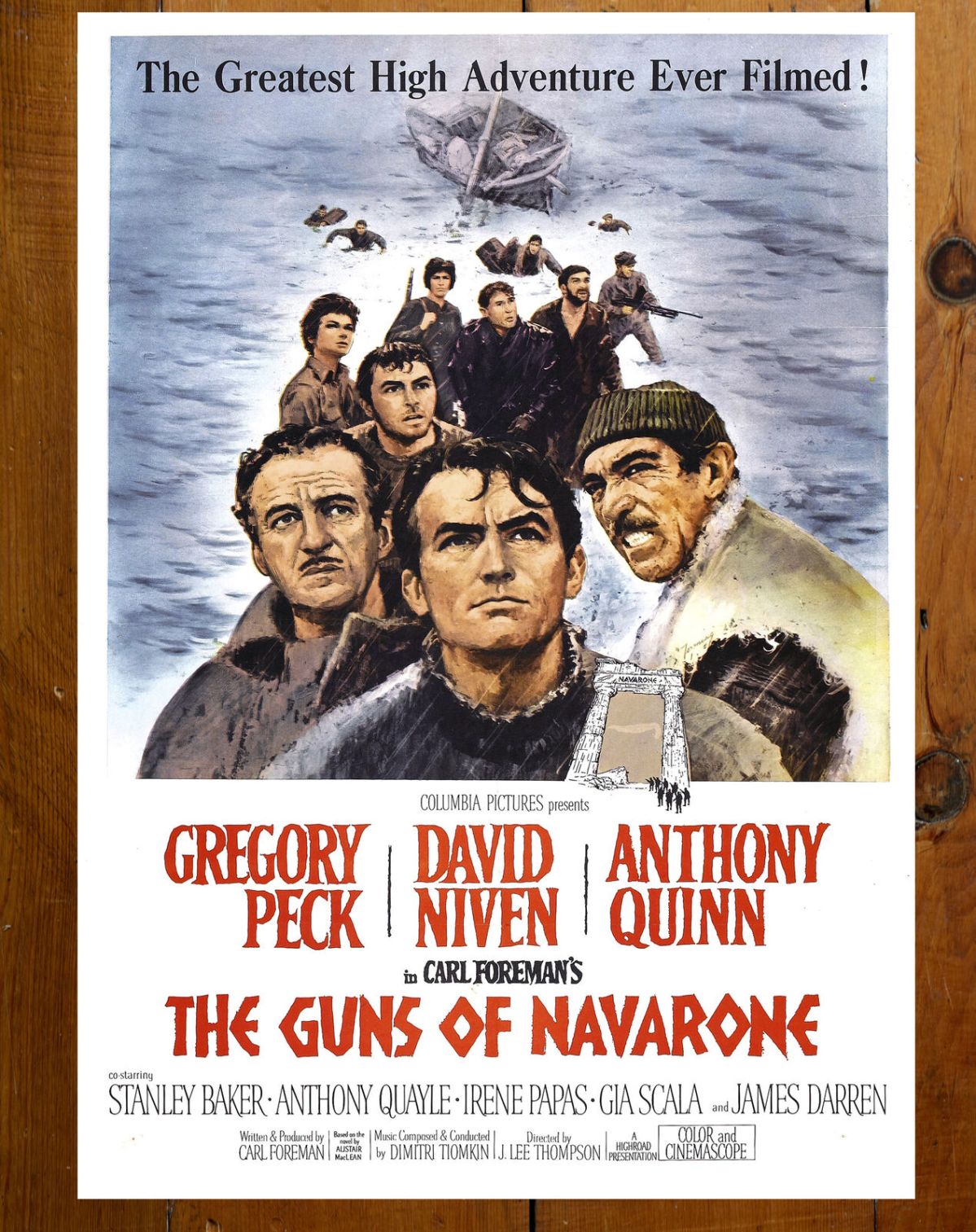
Perhaps such unusual verbal and physical activity was deemed essential to counter the inactivity, the virtual sleepwalking, of the rest of the cast. While looking pained, David Niven (The Extraordinary Seaman (1969) can’t quite capture the intensity, the personal devastation, the role requires. David Hemmings as the silent archer and especially Sharon Tate as the trance-inducing magician, steal the show, investing their characters with little emotion, and yet, visually, as if mere costumed performers, present the most vivid incarnations.
From an audience perspective, it’s hard to root for Catherine since it’s obvious she is in no mortal danger. Like The Wicker Man, the audience is there in an observatory capacity, but unlike the Scottish policeman the victim attracts little sympathy. There’s not real
It’s a surprising backward step for director J. Lee Thompson after the superb Return of the Ashes (1965) which was chock-full of suspense and interesting characters. After an atmospheric opening, it turns uneven as he falls into the trap of following the wrong character. Screenwriters Dennis Murphy (The Sergeant, 1968) and Robin Estridge (Escape from Zahrain, 1962) adapted the latter’s acclaimed novel Day of the Arrow, written under the pseudonym Philip Loraine. So perhaps he can be blamed for shifting the investigative focus from Catherine’s ex-lover to Catherine herself.
I was surprised to see Deborah Kerr take on such a role and that is a story in itself which I’ll address tomorrow.






 The Magnificent 60s