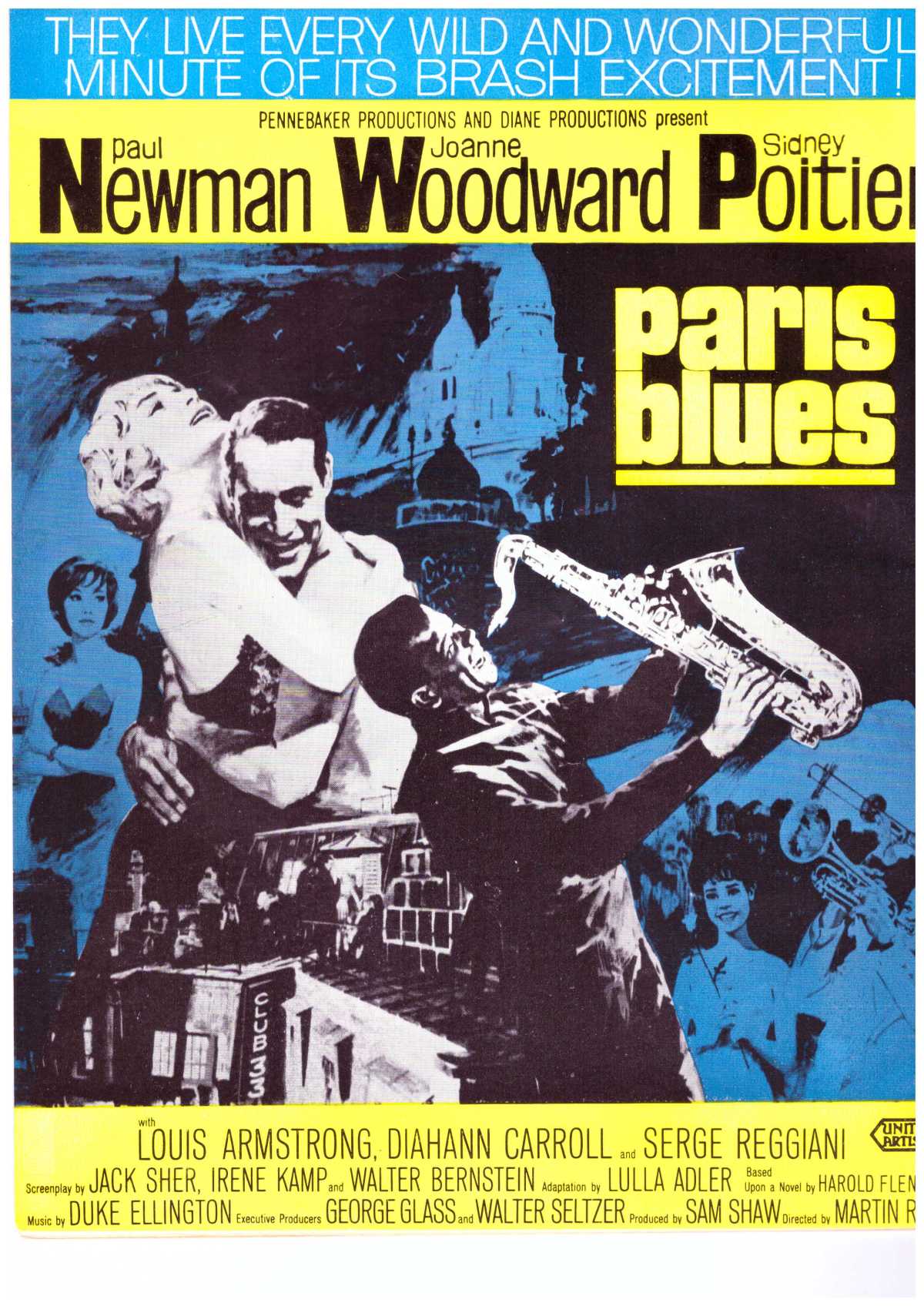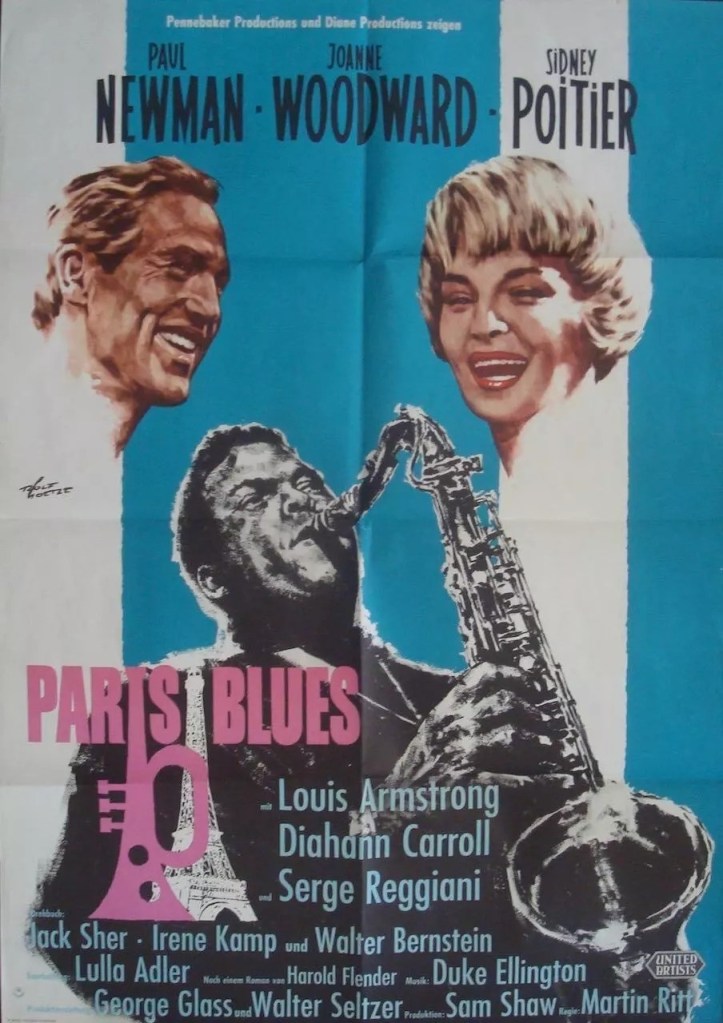
Sometimes the stars just do align. Issue-driven drama played out against scenic Paris and host of jazz greats in support. The Walter Newman script gets quickly to the nub of a drama that focuses squarely on racism and creativity.
Jazz trombonist Ram (Paul Newman) lives for his music and fancies himself a composer as well as a player and expects women to fall in with his creative lifestyle until he comes across single mother tourist Lillian (Joanne Woodward) who ups the romantic ante by hopping into bed right away. Ram’s buddy, saxophonist Eddie (Sidney Poitier), falls for Lillian’s pal Connie (Diahann Carroll) but not only is she less promiscuous but a civil rights activist who rails against him for abandoning the cause and hiving off to Paris.
There’s a good twist on the will-she-won’t-she trope as this time around it’s the men (no surprises there) who have trouble committing. While the guys are both smitten, and at various times ready to throw up their Parisian lives and head for home, it doesn’t work out that way, so mostly what we get is argument, making up, repeat. But that’s not to suggest this falls into any kind of trap.
While Lillian uses seduction to try and winkle Ram out of his refuge, Connie, on the other hand, depends on guilt. Although Eddie’s able to verbalize the benefits for a black musician playing in Paris, he hardly needs to point it out, it’s plain to see that the innate racism he suffers at home is entirely absent in his adopted city.
If you’re a jazz enthusiast you’ll probably be more aware of the central musical conflict, the older-fashioned New Orleans style versus the modern be-pop. There’s no shortage of jazz. Duke Ellington was Oscar-nominated for the score, Louis Armstrong turns up, mobbed at the train station by fans, and every time the movie’s not cutting away to a Parisian backdrop it’s indulging in some great jazz tunes in the traditional smoky night club.
What’s really attractive here is the assured acting. Paul Newman was in the middle of a hot spurt, both at the box office and from the critics, successive Oscar noms on the way for The Hustler (1961) and Hud (1962) and endorsing his marquee credentials with From the Terrace (1960) and Exodus (1960). This is a lively performance, one in which he doesn’t have to carry the weight of the world on his shoulders or the deadweight of expectation. He’s not a snarling rebel, he doesn’t need to be, not with nightly improvisation, recognition from his peers, and a toehold on the next stage of creativity, composition. If he’s tussling with anybody it’s himself and his spats with Lillian are little more than arguments with himself about the road to take and the sacrifices that might be essential along the way.
Sidney Poitier (The Long Ships, 1964) snags a great career break, like Newman deprived of heavy duty, able to display his great charisma and charm with such a light touch. Joanne Woodward (Big Hand for a Little Lady, 1966) as ever brings a wide range to her role, sassy at times, pragmatic, not inclined to the lovelorn. Diahann Carroll has the hardest part, since she’s the evangelist for modern America, one where equality is going to be a given, so her scenes with Poitier end up mostly being argument rather than pure romance.
This would have been a lot edgier had it gone down the originally planned route of Ram falling for Connie, and that’s hinted at when they first meet, but I guess Hollywood wasn’t ready for that.
This was the second (of five) of director Martin Ritt’s collaborations with Paul Newman – they had formed a production company – and shows the pair’s preference for movies bearing social comment. Ritt (The Spy Who Came in from the Cold, 1965) marries all the various elements to produce an entertaining picture on a serious subject.
Walter Bernstein (The Money Trap, 1965), Jack Sher (Move Over, Darling, 1963) and Irene Kemp (The Lion, 1962) collaborated on the screenplay from the novel by Harold Flender.
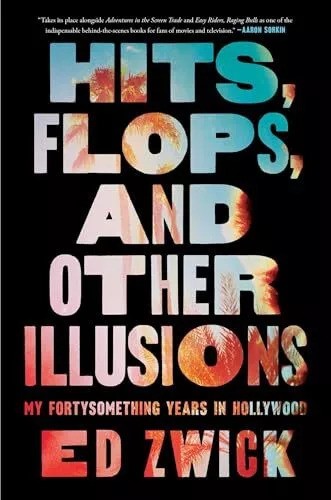
“I will never forget how casually Maria (Schneider of Last Tango in Paris fame) unbuttoned Joey’s shirt to hold her breast in one hand while eating a bagel with the other,” is just one of the memorable lines in director Ed Zwick’s (of Glory fame) memoir, a very candid portrait of working in Hollywood. Glamor and grit ride side by side as he goes from being a celebrity-struck newcomer to dragging tears out of Harvey Weinstein, hearing all about Julia Roberts’s love life, endless battles on set with Brad Pitt, being offered a beer by Paul Newman in the star’s house and digging into the untapped emotional reservoir of Tom Cruise.
His mentor, director Sydney Pollack, allowed Zwick to observe as he prepped Out of Africa (1985). Pollack had a complicated relationship with Robert Redford. The star “was infallibly late.” Opposite personalities. Pollack was “voluble, excitable and punctilious” while Redford was “taciturn, laconic and laid-back.” Dealing with a proper star can be disconcerting. Asked what it was like to direct Barbra Streisand in A Star Is Born (1976), Frank Pierson said, “I wouldn’t know.”
Pollack offered Zwick sound advice about screenwriting. “Plot is the rotting meat the burglar throws to the dogs so he can climb over the fence and get the jewels, which are the characters.” Zwick’s first script, with writing partner Marshall Herskowitz, for Tri-Star, was a drama, Drawing Fire, about a Secret Service agent’s relationship with a corrupt cop. Dustin Hoffman wanted to play the lead. In conversation, Hoffman took “damn long to get to the point.” His involvement collapsed over his fee.
Jonathan Demme was originally slated for About Last Night (1986), an adaptation of David Mamet’s play Sexual Perversity in Chicago. When he pulled out, Zwick got the gig. If stars Rob Lowe and Demi Moore seemed very comfortable with the intimate scenes, that was because they had previously been an item. The movie did surprisingly well.
For a follow-up, Zwick passed on Thelma and Louise (1991) in favor of a different road picture, Leaving Normal (1992), originally set to star Cher and Holly Hunter. Jessica Lange entered the frame when Cher dropped out. After Hunter quit, Zwick signed up Christine Lahti and Meg Tilly. The picture bombed.
Next up was Shakespeare in Love with a script by Marc Norman and Tom Stoppard to star Julia Roberts who, as it happened, couldn’t help falling in love with her co-stars, that included by now Kiefer Sutherland, Dylan McDermott and Liam Neeson. To play William Shakespeare, she wanted Daniel Day-Lewis, sending him a card that said, “Be My Romeo,” but he was already committed to My Left Foot. Casting for her co-star was cancelled while she maintained that, actually, Day-Lewis had agreed. Only, when Zwick contacted him, that turned out to be fantasy.
With casting renewed, Zwick and Roberts saw, among others, Ralph Fiennes, Russell Crowe. Hugh Grant, Colin Firth and Sean Bean. But none clicked with the star, although oddly enough she later teamed with Grant in Notting Hill (1999). It could conceivably have gone ahead with Paul McGann. A full screen test was arranged. However, it was obvious at that point that Roberts hadn’t nailed her English accent. She quit, leaving Universal $6 million out of pocket.
The movie remained in cold storage for two years. Then Harvey Weinstein came calling. But not at the price Universal demanded. For the next few years, Zwick kept trying to interest actors with the requisite marquee heft such as Kenneth Branagh, Winona Ryder, Jude Law, even Mel Gibson and Johnny Depp. By coincidence, Ryder was best buds with Gwyneth Paltrow and showed her the script. Since Paltrow was Weinstein’s go-to actress, she convinced the producer to come back in. But the consequence of that was that Zwick was pushed out. Or so Weinstein believed, until he was sued. Which meant that when the movie was awarded Best Picture at the Oscars Zwick was on the stage.
Comments Zwick wryly, “ As I stand there…listening to Harvey’s prepared, saccharine, self-serving acceptance, it occurs to me to shove him over the edge of the stage into the orchestra pit. Faced with the choice of committing an act of violence before a worldwide audience of 100 million movie fans or false modesty, I make the wrong choice.”
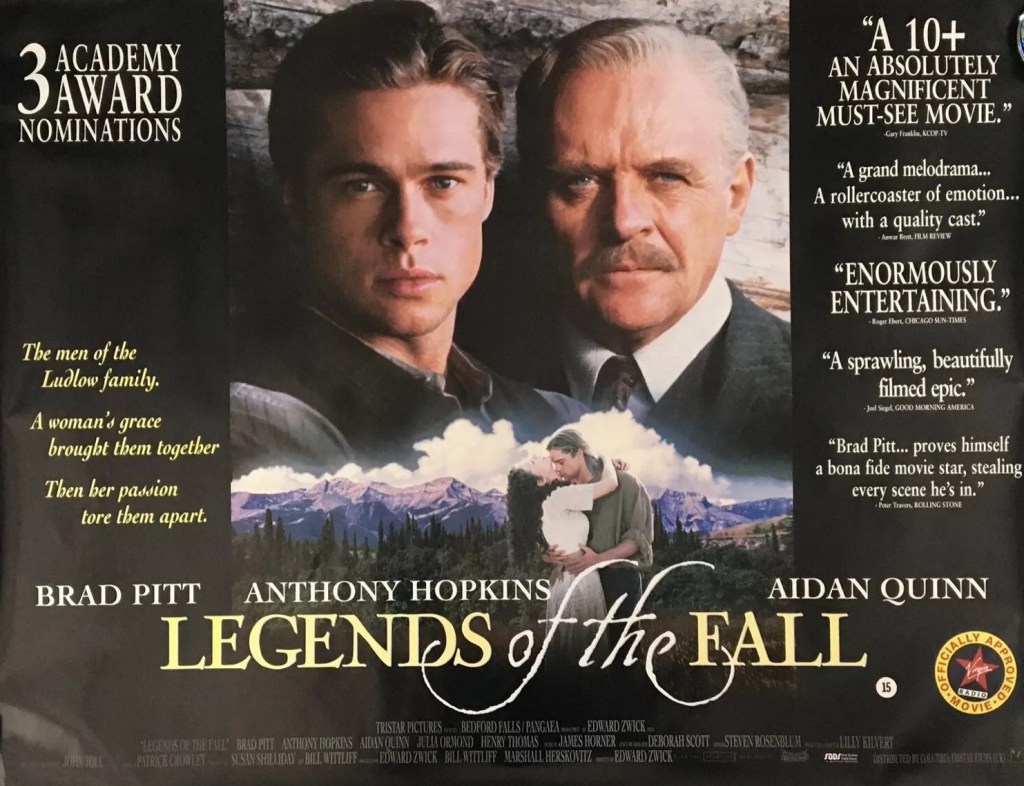
Alvin Sargent (Paper Moon, 1973) signed up for a “hefty fee” to adapt Jim Harrison’s novella Legends of the Fall (1994). Not only was he “maddeningly slow” but after a year’s work he “hadn’t been able to figure out how to do it.” William D. Wittliff (Country, 1984) was next to take a crack before Zwick called on Marshall Hershowitz’s wife Susan Shilliday – who had been story consultant and story editor on Zwick’s television show thirtysomething – to do a rewrite. Tom Cruise and Robert Duvall were briefly interested. Brad Pitt rode to the rescue.
“It’s not enough,” muses Zwick, “that a movie star be handsome; good-looking actors are a dime a dozen. And it’s not just the way the light and shadow plays on someone’s bone structure. It’s the unmistakeable thing behind their eyes, suggesting a fascinating inner life. We don’t know what’s going on inside their heads, but we definitely want to and that’s enough.”
Pre-production Tri-Star got cold feet and demanded Zwick knock $2 million off the budget. Instead, the director and Pitt halved their fees in exchange for a bigger backend. Four weeks before shooting was due to commence, they were short of a female lead, though Paltrow, among others, had read for the part, ending up with relative newcomer Julia Ormond (The Baby of Macon, 1993). Days before shooting, Pitt quit. Or tried to. He could go as long as he paid all the costs of preparation. So Pitt remained. After two weeks of shooting, Zwick was $1 million over budget, largely due to costume issues.
“There are all sorts of reasons an actor will pick a fight,” notes Zwick, and he had more than his fair share of them with Pitt. Although the movie’s resultant commercial success doubled both their salaries, they didn’t talk for a year – and never worked together again.
Denzel Washington didn’t want to do Courage under Fire (1996) until Zwick introduced the idea of Post Traumatic Stress Disorder, a new idea at the time. Matt Damon really did almost fall out of a helicopter. As Washington and Damon did a scene together “it was as if a spell had been cast over the set,” all watching the birth of new screen great. Screen improvisation isn’t all about fashioning new lines. It’s about an actor finding “emotion in an authentic way.” For the scene where Washington returns home, Zwick placed a bike along the walkway. Washington’s reaction to this unexpected obstacle was to pick it up and set it upright.
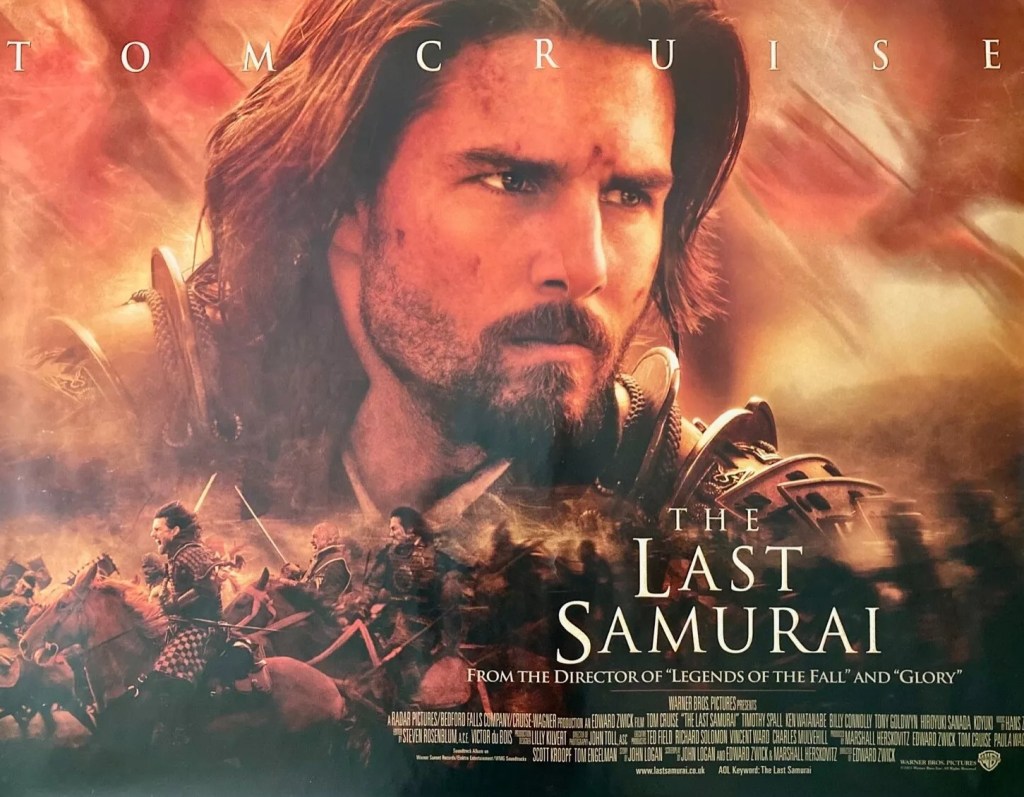
Tom Cruise originally passed on the John Logan script for The Last Samurai (2003) that Zwick felt was “still uncooked.” Uncooked or not, Russell Crowe, incidentally, was interested in the Japanese lead. Zwick did a rewrite. Cruise liked the rewrite. “What struck me most as I got to know him was his insatiable appetite to keep improving.” Cruise was one of the actors whose involvement was an automatic green light for a studio. After completing another draft with Hershowitz, Zwick got a call to go see Robert Towne (Chinatown, 1973). He went in dread. Towne “had an informal arrangement with Tom whereby he sometimes quietly rewrote his movies.” Instead of confrontation, Towne was encouraging. “Apparently, he just wanted to take my measure.”
There’s an animatronic horse – costing a million bucks – that appears for a few seconds in The Last Samurai in order for it to appear to the audience that in fact a horse was falling on Tom Cruise for a scene that would not have been possible, in the days before CGI, just with a stuntman. Zwick’s biggest problem on the picture was how to puncture Cruise’s self-assurance, get him to the “right emotional place…to touch some vulnerable part in him.” Zwick realized that simply asking the actor to go deeper wouldn’t work. It would look forced.
So just before shooting the critical scene, Zwick asked Cruise about his eight-year-old son, Connor. “I watched as he looked inward, and a window seemed to open and his eyes softened.” Zwick gently nudged him into position. “Go.”
Movie fans often wonder how a director gets into the movies. Usually, each tale is as odd as the last, a lucky break, meeting the right studio executive at the right time, coming across a studio hungry for your type of picture just at the ideal moment. Zwick has an odd an introduction. Living in Paris on a fellowship to observe experimental theater, he managed to creep onto the set of Love and Death (1975) and pepper Woody Allen with questions and he had a sneak preview of the Annie Hall (1977) script.
On returning to the U.S., he was accepted onto the American Film Institute’s director program. There were 26 pupils in the class, Zwick was one of six invited back for a second year. There, he struck up a lifelong friendship with Marshall Hershowitz. While studying, he read 10 scripts a week for United Artists, fell in with a merry band of more experienced Hollywood hands including Paul Schrader, Michael and Julia Phillips and Oliver Stone. After an improbable series of coincidences, he got was employed as story editor for the tv series Family (1976-1980). Still aiming for a movie slot, he watched in horror as David Puttnam (Chariots of Fire, 1981) lasted for only six minutes of a private screening of Zwick’s 30-minute student film.
There’s not one of Zwick’s movies where he doesn’t regale you with an interesting anecdote about a star. More importantly, he provides insights into how movies are made, often touching on details that would not be obvious to anyone outside the business.
Ed Zwick, Hits, Flops and Other Illusions, My Fortysomething Years in Hollywood (Gallery Books) is available in print and kindle.
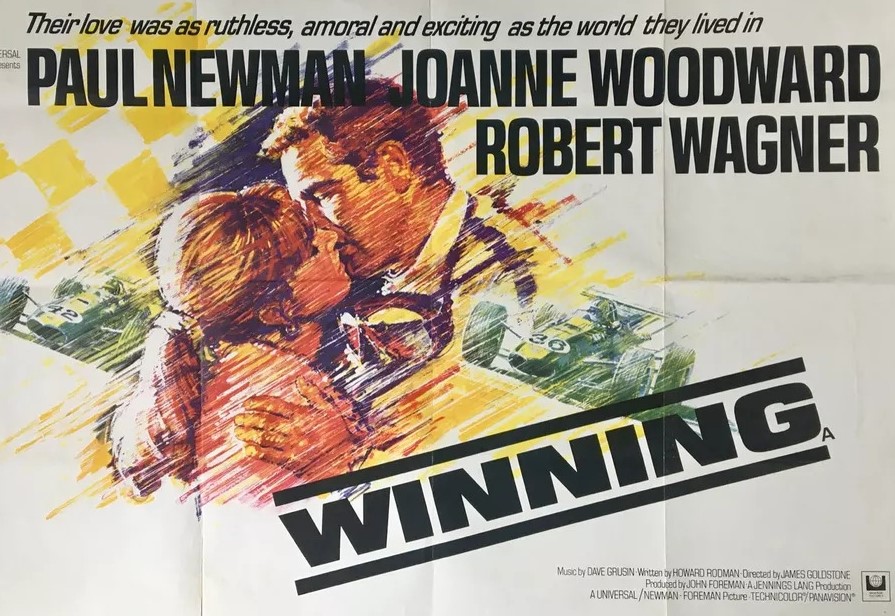
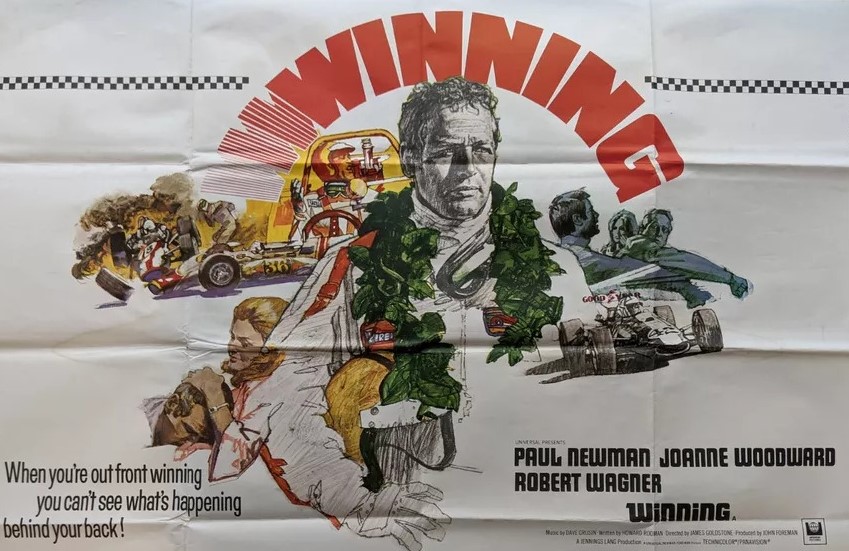
Boasting more marquee firepower than Grand Prix (1966) but less throttle on the track, faces the same problem as all racing pictures, namely, what to do with the cast when the camera’s not watching cars hurtle round and round. The John Frankenheimer Cinerama epic brought audiences much closer to the actuality of the circuit, though it fell down at the box office because U.S. moviegoers were less interested in Formula One than their home-grown variety, and filled up the off-track narrative with a clever concoction of politics, romance and revenge.
Le Mans ‘66/Ford vs Ferrari (2019) is the acknowledged ace of racing pictures, with terrific speed action, detailed engineering background, and the true-life tale of the manufacturing kingpin of America trying to wrest a crown from the European monarch, and with romance kept strictly off screen; I’ve no idea if Carroll Shelby had a wife or kids, that’s how disinterested this picture was in moving away from the central situation.
So what you inevitably have here is, to use the football idiom, a picture of two halves. And from today’s perspective, oddly enough it’s the off-screen maneuvers that take center stage. For the time, the racing sequences would have been interesting, not in the Grand Prix league, but then that didn’t make as much money as MGM would have liked, so it made sense to try and back up the spinning around with a more interesting story.
And this one’s a zinger, and the only reason the picture doesn’t work as well as it should is because the racing keeps on getting in the way of two hard-nosed individuals. There’s nothing particularly unusual about race ace Capua. He’s not of the win-at-all-costs league of Charlton Heston in Number One (1969), there’s no dodgy dealings for example, but he’s got the standard winner’s mindset, everything, including wife, takes second place to achieving his goal which in this instance is winning the Indy 500 (a 500-mile race round the same circular track about 200 times, not the twisting-and-turning racetracks of Grand Prix).
Even when he does win he lacks the champagne’n’sex personality of rival Erding (Robert Wagner) who’s usually got a girl on both arms and both knees and knows how to party. You’re more likely to find Capua wandering alone and drunk through the streets late at night with an empty hotel bed awaiting.
That’s where he meets single mum Elora (Joanne Woodward) shutting up shop (the hours they work!) in a car rental outlet (Avis, if you must know, since presumably they paid for the plug), the type of gal who looks a lot more straight-up than she turns out. She’s happy to dump her son on her mother and hightail off with new lover and he’s so smitten it’s not long before they’re married and she has to come to terms with the fact that he’s a lot more monosyllabic as a husband than a skirt-chasing Romeo.
What should have upset the applecart is her son, Charley (Richard Thomas), but Capua’s taken a shine to the teenager and spends a whole weekend – mum packed off elsewhere – getting to know him. Movies of this era didn’t waste any time on father-son bonding, kids mostly getting in the way of either romance or family life, and played for comedic effect (The Impossible Years, 1968, etc) or already having flown the nest and getting stoned. So this is pretty unusual territory and it’s well done.
But the real twist is Elora. Setting aside that she’s the kind of woman that dumps her son when a handsome hunk hoves into view, she looks like your typical mom, happy to sit on the sidelines and wait for hubby to come home and console him should he be on a losing streak. But Elora’s not that kind of woman at all. She needs attention. And if she doesn’t get it from a husband too wrapped up in his work she’s going to look elsewhere.
There’s an absolutely stunning scene that has little place in a sports picture when said handsome hunk, sporting god, top dog, finds her in bed with Erding. This has got to be Paul Newman’s best ever acting. And cleverly directed. The movie’s been toddling along with a nifty romantic score and that music’s playing as Capua heads home. But it shuts off suddenly when he opens the motel door. Tears brim in Capua’s eyes. The wife reacts from shame. No words are spoken. It’s all in looks.
Consequently, Charley takes against the erring mom and in a fast-forward to contemporary complicated maternal relationships she wants him to be her “friend.”
Of course, with her out of the way, Capua can get down to the serious business of winning, but that still leaves an emptiness inside. You’ll probably remember the famous freeze-frame ending of Butch Cassidy and the Sundance Kid (1969), perhaps it’s no coincidence that Newman and producing partner John Foreman were in charge of that as well, because here they resort to the same technique. While, theoretically, this leaves audiences on an edge, it doesn’t at all, it just, as in the western, stops short of spelling things out. Elora’s much more self-aware than Capua, she’s making no moves to welcome a second chance, and you’re pretty darned sure this marriage ain’t going to get over her betrayal.
All the noise and razzamatazz of seeing the Indy 500 on the screen obscured the fine acting. Coming at it now with the racing sequences not appearing half as exciting as they must have been back in the day, and the twisty character of Elora to the fore, plus the exploration of the father-teenage son relationship, this has got a lot more to offer.
My guess is it gets marked down because the racing isn’t up to modern day expectations but ignore that and watch the acting. Joanne Woodward (A Big Hand for the Little Lady, 1966) steals the show, and, except in that one scene, beats Paul Newman (The Prize, 1963) hands down but that’s taking little away from the actor. In his debut Richard Thomas (Last Summer, 1970) shows definite promise, Robert Wagner (The Biggest Bundle of Them All, 1968) better than I’ve seen him. James Goldstone (When Time Ran Out, 1980) directed from a script by Howard Rodman (Coogan’s Bluff, 1968).
The Director’s Cut, can you believe? Or less pompously, The Expanded Version. An extra 30 minutes added to the general release version that traveled the world to general disfavor. (The original 121-minute cut was edited to 109 minutes and this version clocks in at 144 minutes.) Was it a sense of disgruntlement – or sheer opportunism – that led to the Director’s Cut, so many of which scarcely improved on the original version. How many versions can an audience take of The Exorcist (1973) or Blade Runner (1982)? And even where extra length definitely added depth to Kingdom of Heaven (2005) that couldn’t overcome its major flaw, in a massive case of hubris, director Ridley Scott believing he could get away with casting Orlando Bloom instead of waiting till Russell Crowe became available.
When Time Ran Out killed off the disaster cycle and the Hollywood career of uber-producer Irwin Allen who had started that particular ball rolling with The Poseidon Adventure (1972), upped the ante with The Towering Inferno (1974) and dropped the ball with The Swarm (1978) and Beyond the Poseidon Adventure (1979).
This doesn’t feel so much like a disaster movie as a picture tying up all the knots, various relationships coming asunder, and having to accommodate a bunch of well-known supporting actors of dubious all-star-cast status before they suddenly spring into dramatic narrative view. Audiences had never been particularly keen on volcanic pictures, after all what can the trapped characters do but dodge a sludge of soup and hope they don’t run straight into a tidal wave or, worse, have to negotiate a rickety/rope bridge. The chances of you having a tightrope walker coming to the rescue would generally be remote but that’s what we have here (step forward Burgess Meredith).
I had thought from the title and some guy in a hazmat suit wandering over a desolate area that this might be a prophetic eco-disaster, but excepting that there’s, for reasons best known to the scriptwriters, an oil well being drilled close to a volcano and that hotel investor Shelby (William Holden) has the bright idea of using the volcano as a marketing prop, there’s nothing much going on. The special effects are okay on the small screen, but even if they had been spectacular on the big screen their effect on the much smaller environs of DVD would in any case have been diminished.
So, basically, it’s reliant on working up sufficient audience interest in the relationships to make us care for the characters. We’re offered a pair of two-timing teams. First up, we’ve got Shelby’s secretary and marketing guru Kay (Jacqueline Bisset) who’s just turned down the offer to become his sixth “or seventh” wife, but who, presumably is enjoying, this being the 1980s and not the 1930s, some kind of sexual dalliance with him. When Kay meets up with oil driller old flame Hank (Paul Newman), they rekindle their romance, although with doom impending there’s not much time to take it forward beyond a picnic on the beach.
Next up, hotelier Bob (James Franciscus) is cheating on wife Nikki (Veronica Hamel), Shelby’s god-daughter, with staff member Iolani (Barbara Carerra) who is due to be married to childhood sweetheart hotel manager Brian (Edward Albert). To flesh out the tale, both Shelby and Bob have daddy issues, Tom (Ernest Borgnine) is a New York cop on the tail of swindler Francis (Red Buttons), and no doubt audiences will be desperate to find who wins a cockfighting contest being held in a local saloon.
Modern transport proves no match for an eruption, so in quick succession we see a car and a helicopter tumbling down the mountainside. The tsunami wipes out a good chunk of the actors that didn’t make it into the all-star-cast bracket and everyone else takes to the hills, no doubt hoping they won’t encounter a rickety/rope bridge. Disaster turns enemies into pals, Tom and Francis, for example, though it’s only now that Nikki comes across her husband’s infidelity.
And this would be a disaster all round except that having hooked myself into watching this, courtesy of a freebie on YouTube, and nothing of real dramatic interest going on, I found myself, oddly enough, concentrating on the three principals and was treated, even more odd I guess, to fine examples of just what these stars do to earn their crust. Paul Newman (The Prize, 1963) in particular, with very little to react to, does very little but with incredible facial agility, to genuine effect, portraying emotion with infinitesimal gesture. Sure, he’s always had the shrug and the walk, both far more suggestive of inner turmoil than any other actor I can name, but here, with very little dialog coming to his aid, you can tell exactly what’s going on in those baby blues.
Jacqueline Bisset (The Cape Town Affair, 1969), too, dressed a good bit less suggestively than in the posters, essays a confident woman coming unstuck when confronted with a romantic error. The scenes between the pair are not meant to be scorching, so there’s none of the screen charisma audiences might feel they’ve been sold, but instead it’s a slow-burn, a couple trying to come to terms with each other, passing through disappointment and hopefully onto something better. And you can’t find anyone better to carry disillusion than William Holden (The Devil’s Brigade, 1968).
Abject swansong for director James Goldstone (Winning, 1969) and Oscar-nominated screenwriter Carl Foreman (The Guns of Navarone, 1961) but Oscar-winning co-writer Stirling Silliphant (Marlowe, 1969) carried on longer. Who wrote the most effective scenes, Shelby’s engagement ploy and Hank’s initial rejection of Kay, is anybody’s guess but there is some quality writing here. Probably the strangest part of the whole debacle was that the source was a piece of non-fiction, The Day the World Ended by Gordon Thomas and Max Morgan Witts, about a 1902 eruption on Martinique that had nothing to do with oil wells or hotel construction.
There’s always something wrong with a disaster picture if you suggest watching it for the acting, but happily, this is the case.
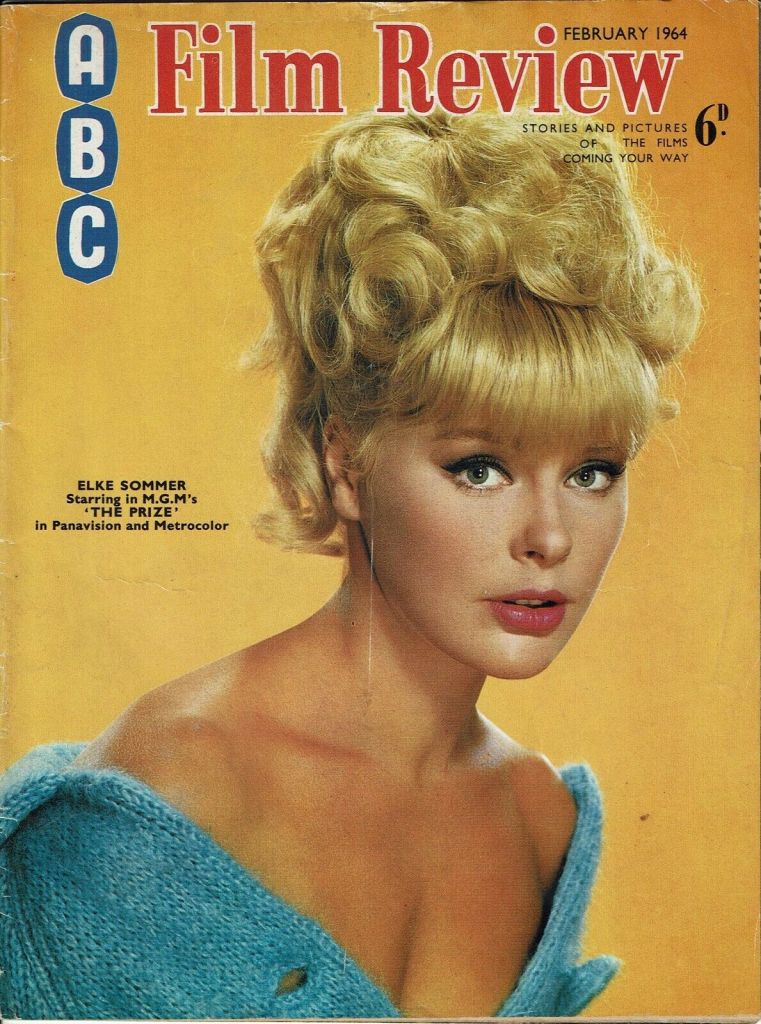
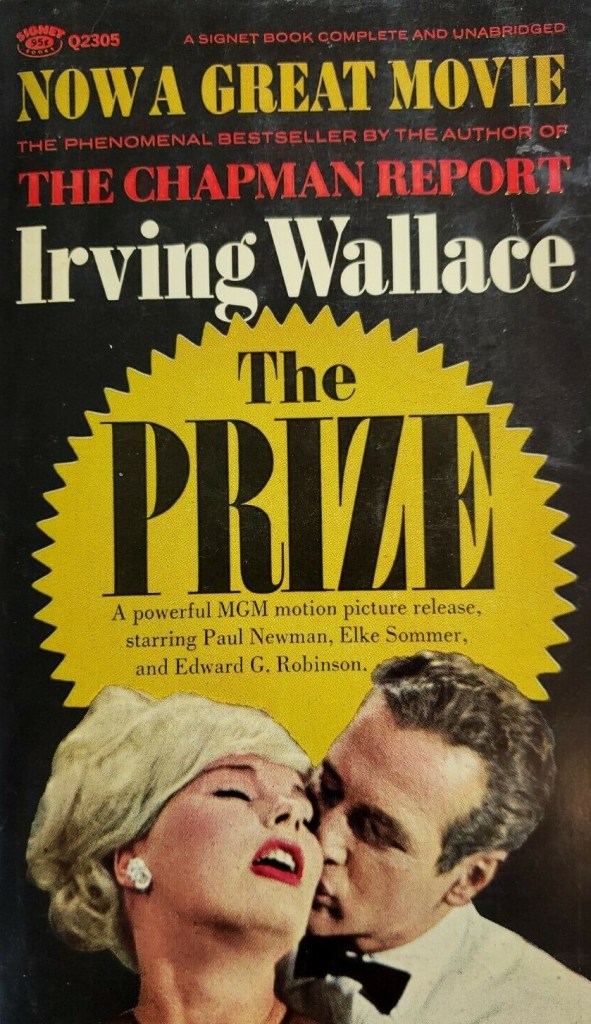
Thoroughly involving potboiler with alcoholic novelist Andrew Craig (Paul Newman) turning unlikely detective to uncover murky double-dealings at the annual Nobel Prize ceremony. Based on the Irving Wallace bestseller set in Stockholm, director Mark Robson (Von Ryan’s Express,1965) strings together a number of different stories that coalesce in a gripping climax. Screenwriter Ernest Lehman (North by Northwest,1959) brings alive what could have been a very soggy adaptation of a beefy bestseller with witty and literate dialog and a plot that hovers just the right side of hokum.
Inger (Elke Sommer), delegated to look after the author, starts out as a stuffed shirt not a sexpot, allowing Newman’s attention to drift towards Emily Stratman (Diane Baker) – daughter of another winner Dr. Max Stratman (Edward G. Robinson) – while he is dragged into romantic entanglement with neglected wife Dr Denise Marceau (Micheline Presle). Mostly, Newman just wants his next drink, and his almost continual inebriation sparks some good comedy and he is gifted good lines to extricate himself from embarrassment. Simmering in the background are warring winners – the Marceau husband-and-wife team and Dr John Garrett (Kevin McCarthy) convinced that Dr Carlo Farelli (Gerard Oury), with whom he is sharing a prize, has stolen his research.
There are sufficient character clashes and plots to be getting along with if you were just intent on taking a Valley of the Dolls approach to the material, that is, cutting between various dramatic story arcs, but, without invalidating the other subsidiary tales, the movie takes quite a different turn, providing the potboiler with considerable edge.
Turns out that Andrew is so impoverished that he has been writing detective novels under a pseudonym and suspecting that Dr Stratman is an imposter he starts investigating. So in some respects it’s a private eye procedural played out against the glamorous backdrop of the awards. But the clues are inventive enough and there is a femme fatale and once Inger comes along for the ride and with Andrew a target the picture picks up an invigorating pace. Echoing the humorous auction scene in North by Northwest is a sequence set in a nudist colony where Andrew seeks refuge to avoid villains while another terrific scene plays out in the docks.
Paul Newman looks as if he is having a ball. In most of his pictures he was saddled with seriousness as if every part was chosen with an eye on the Oscars. Here, he lets rip with a lighter persona, and even if he mugs to the camera once too often, the result is a screen departure that lifts the picture. Inebriation has clearly never been so enjoyable. Sommer is a delight, showing great dramatic promise. Edward G. Robinson (Seven Thieves,1960), more renowned for his gangster roles, convinces as a scientist. Diane Baker (The 300 Spartans, 1962), Kevin McCarthy (Invasion of the Body Snatchers,1956) and Leo G. Carroll (North by Northwest) provide sterling support.
Robson directs with dexterity, mostly with an eye on pace, but it is Lehman’s script with occasional nods to Hitchcock that steals the show.
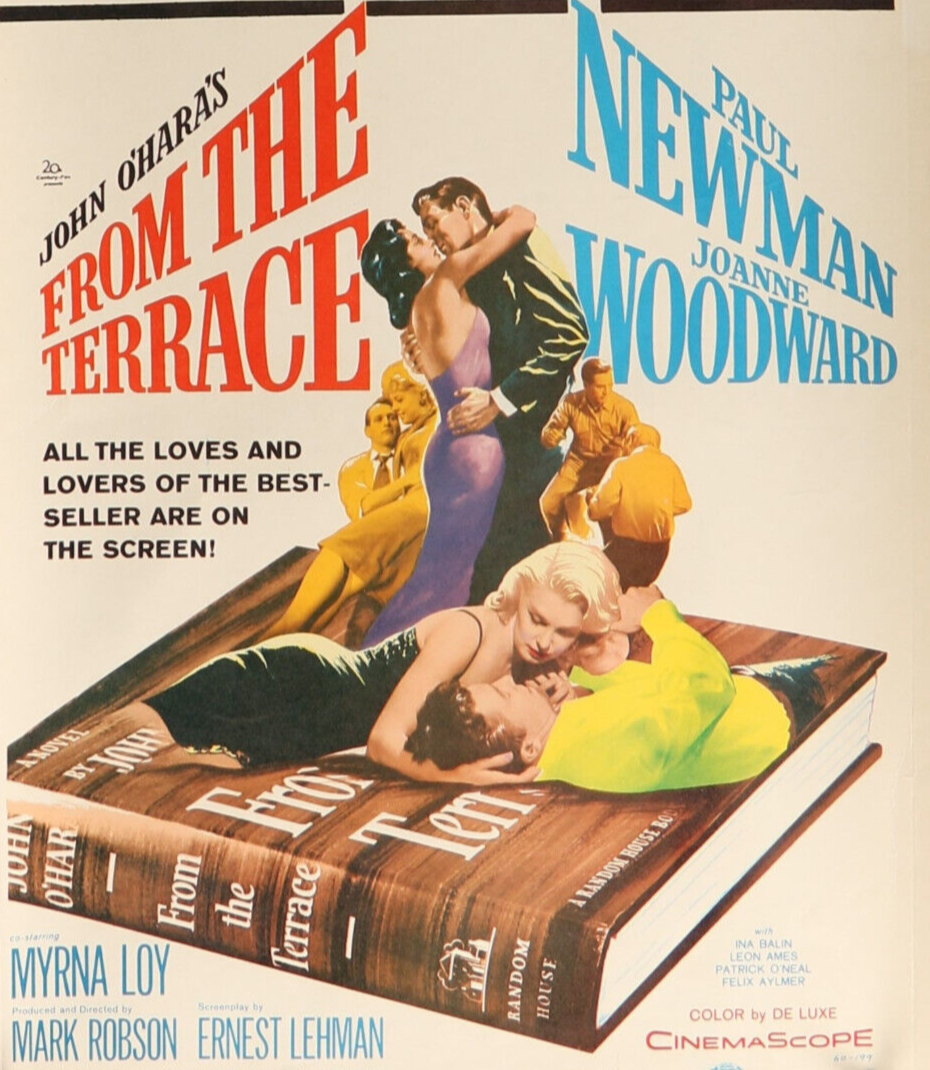
When your plot pivots on the hero diving into an icy pond to save the grandchild of a Wall St multi-millionaire – and reaping the career benefits – you are kind of in trouble. Not as much, though, as having a self-righteous hypocritical prig of a hero who lacks the self-awareness, a mark of the John O’Hara bestseller on which the film is based, to realize he is turning into a carbon copy of his father.
But it is handsomely-mounted and a decent enough melodrama with an excellent cast, though you would have to say, given the better material, Joanne Woodward (A Big Hand for the Little Lady, 1966) out-acts husband Paul Newman (The Prize, 1963), adding a rather contemporary element of a free-loving wife who manipulates the constraints of an era (post WW2) when divorce in high society was highly frowned-upon.
It’s a shame it drifts into predicable melodrama because the initial stages are niftily put together. A woman (Myrna Loy) is found dead drunk on a train, steel magnate husband Samuel (Leon Ames) ensuring he is not at home for her return, both actions meaning nobody is there to welcome only son David Alfred Eaton (known as Alfred at the start of the film and David at the end for odd reasons) when he returns from the war.
A few quick scenes establish that: the father holds a grudge against the living son because he has not got over his dead son; he has ignored his wife in favor of his career; he bullies his staff; the wife has embarked on an affair.
David Alfred’s character is quickly established: he refuses to be stiffed by a cab driver; is adored by the household staff; refuses to work in his father’s business; and beats up his mother’s lover.
After that, for all the emotional shifts through the gears, it slows down, not so laborious as devoting too much time to the inner workings of high society – O’Hara’s metier – rather than the new small-plane-building business into which David Alfred pours his energy. That is, if he has much energy left over after stealing Mary (Joanne Woodward) from fiancé Jim (Patrick O’Neal), a psychiatrist.
You are probably already aware that society operates in various strata. A mill owner is only on the verge of society and looked down upon by the likes of Mary’s wealthier parents who in turn are no match for the grand life enjoyed by the aforementioned Wall St broker MacHardie (Felix Aylmer). Snobbery is rife and money talks. And if you lack the dough you’ve got no say in anything as David Alfred discovers in an aeronautical business venture, his partner Lex (George Grizzard), who has put up all the money, excluding him from key decisions.
Luckily, while driving in the countryside there’s a drowning child to be rescued and a grateful grandfather willing to set you up in his business. But that means sacrifice. David Alfred is away from home so much his neglected wife instead of turning to alcohol merely turns to men. There’s a wonderful scene when after a telephone call with her husband promising not to see Jim again (at this point no impropriety apparently committed as far as David Alfred is concerned), Mary lies down on the bed and turns to an unseen figure and says, “You’re not to come up here any more.”
But there are too few scenes so slickly written. On a job in Pennsylvania David Alfred falls for industrialist’s daughter Natalie (Ina Balin), and as though this is key to their romance tells her to call him David rather than Alfred. As his stock rises in the company, he maintains a hypocritical front with his wife, who he knows is now engaged in various affairs, denying her suspicions that he is having a fling with Natalie. Mary is quite happy to maintain an open marriage since her status depends on her husband’s position and she still quite fancies him now and then.
You can see how this is going to end, but self-righteousness allows David Alfred to ignore that he is merely repeating the mistakes of his father. In sharp contrast to his wife who is all too conscious of her failings but contrives to make the best of the situation, and would happily continue in an unhappy marriage if only he would play ball. Although nothing is made of this, it’s obvious that David Alfred, despite his progress in the Wall St company, doesn’t have the business cojones of his father. He quit the plane business because Lex wanted to spend more time perfecting the prototype rather than rushing to the market in order to make money quickly. By following his own instinct, Lex is later proved correct, the business grown so big it attracts the attention of MacHardie.
There’s a sense here of Paul Newman pulling his shots. Though he is ruthless in making wife play second fiddle to career, and has no qualms really about playing away from home, nor about edging out MacHardie’s ineffectual son-in-law from the business, he lacks the killer instinct. The ruthlessness and amorality that made The Hustler (1961) and Hud (1962) so enjoyable is sadly missing. Handsome box office idols – the likes of William Holden apart – were reluctant to play the devious.
Mark Robson (Von Ryan’s Express, 1965) directs as if this is an upmarket Peyton Place and can’t resist at least one close-up of Newman’s baby blues. The script by Ernest Lehman (The Prize) only occasionally sparkles but I suspect there was a lot to trim from the O’Hara doorstopper. As I said, Joanne Woodward is the stand-out and you will be surprised to learn that Patrick O’Neal is also minus his later ruthless screen persona. Felix Aylmer (Masquerade, 1965) and Ina Balin (The Commancheros, 1961) are the pick of the supporting cast.
An interesting more than a riveting watch, mostly to see Newman before he reached screen maturity.
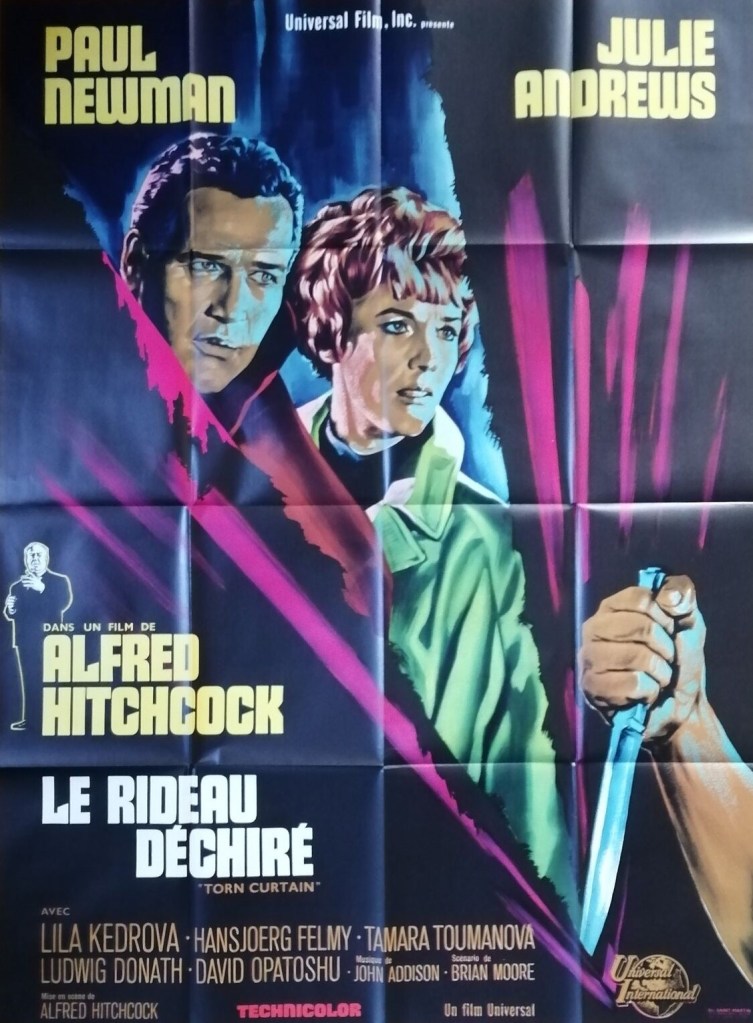
I never thought I’d see the day when Paul Newman was out-acted by Julie Andrews. Or spent most of the time wondering how much better it would be with James Stewart or Cary Grant instead. They can both do stillness. For all the wrong reasons you cannot keep your eyes off Newman – he is such a jittery, fidgety commotion.
Which is a shame for all that is wrong with this often wrongly-maligned Hitchcock picture is the set-up. The opening love scene is only necessary to get it out of the way (“Newman! Andrews! Together!” type set-up) though it is something of a riff on Psycho, setting up the possibility of a bad girl (i.e. goody two-shoes Andrews having sex before marriage) being punished. You could have started more economically with Andrews just turning up in Copenhagen for whatever reason (fill in the blanks) and the story pushing on from there, unintentionally Andrews becoming involved in Newman’s plan to infiltrate the East German nuclear program.
The rest of the picture is classic Hitchcock, and as ever he uses sound brilliantly, just the clacking of feet as a bodyguard pursues Newman through an empty museum. And he riffs on North by Northwest in the tractor scene. The murder, also soundless apart from the noise of human terror, is quite brilliant. And another riff, on The 39 Steps, with the woman who knows their true identity but has her own reasons for not giving them away.
Every time we think they are going to be caught something unexpected prevents it, every time we think they are safe something unexpected prevents that. Clever twists all the way. Hitchcock has a knack of doing the same thing differently every time, he hated repeating himself, so when transport enters the picture, there are unexpected results.
Julie Andrews (The Americanization of Emily, 1964) is far better than you might expect. In fact, I would go so far as to say this is one of her best performances. Like Doris Day in The Man Who Knew Too Much, she is often the focal point of the story, getting Newman out of a spot. Two scenes in particular stand out: one in a bedroom where she is filmed side-on looking out of a window with Newman at the far back of the screen and the other when she lets a single tear leak out of her eye. Where Paul Newman (The Prize, 1963) just looks out of sorts (maybe he was annoyed Andrews was being paid more), she does a nice line in barely contained rage.
You never know what to expect with Alfred Hitchcock (The Birds, 1963). Yet he was always being taken to task by critics who expected something other than what he delivered. Taking us back to the espionage of North by Northwest (1959) he cleverly changes the male-female dynamic and delivers a different kind of thriller. Novelist Brian Moore (The Luck of Ginger Coffey, 1964) wrote the screenplay with a little help from British pair Keith Waterhouse and Willis Hall (Pretty Polly/A Matter of Innocence, 1967).
Even with the annoying Newman, Torn Curtain is still up there not at the very top of the Hitchcock canon but certainly in the second rank
Hollywood has been hitting the retread button for over a century. Today’s reboots and re-imaginings are nothing new. Although in the past the excuse was technological development, the splurge of remakes in the 1960s including Beau Geste (1966), Stagecoach (1966) and Goodbye Mr. Chips (1969) were superior to the originals in one particular aspect – they were in color.
When silent films went from two-reels to four-reels and from six-reels to eight-reels, roughly the length of a modern picture, and when silent gave way to sound the remake business went into overdrive. The 80-minute Tess of the Storm Country (1914) starring Mary Pickford was transformed into a 137-minute version eight years later headlined by the same star. Zane Grey westerns starring William Farnum Raiders of the Purple Sage (1918), The Lone Ranger (1919) and The Last of the Duanes (1919) were remade as Tom Mix vehicles between 1923 and 1925 and toplining George O’Brien between 1930 and 1931. Over 120 remakes were made between 1928 and 1930, with around 80 per cent going out with the same title. There was another remake burst at the end of the 1930s including The Hunchback of Notre Dame (1939).
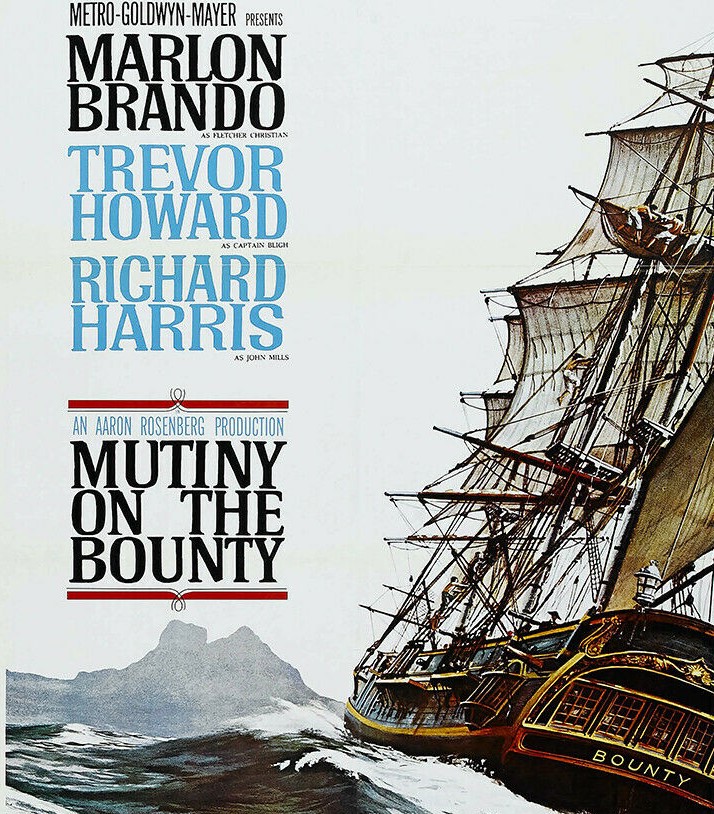
Color was the prime instigator for the remake business in the 1960s. But you could also add the technological development of 70mm, the key element of roadshow pictures. Many big-budget films of the 1920s and 1930s had hit the box office target and with studios looking for as many sure-fire winners as possible it seemed sensible to give a new look to older projects. Ben-Hur (1959) could be seen as lighting the remake touch paper especially when it scored equally highly at the box office and the Oscars. MGM followed through with roadshows of Mutiny on the Bounty (1962), one-third as long again as the 1935 original, Cimarron (1960) with an extra 20 minutes compared to the 1931 Oscar-winner. But the reimagining of The Four Horsemen of the Apocalypse (1962) ran about the same length as the Rudolph Valentino version of 1921 as did King of Kings (1961) compared to the 1927 Cecil B. DeMille version.
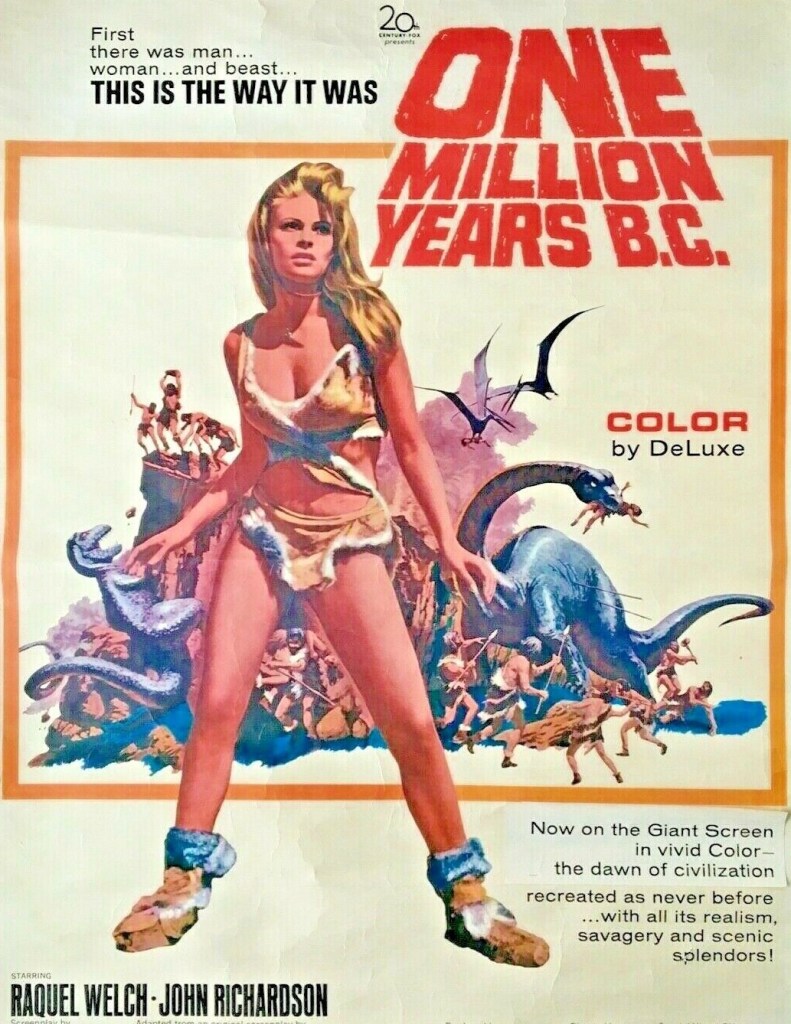
The famed Raquel Welch vehicle was based on a film of 1940.
Prior to considering the expensive business of investing in a remake, studios had been able to rely on sticking out the old movie as a reissue, limited financial exposure often resulting in considerable box office. But it was impossible to sell silent pictures, excepting comedians like Charlie Chaplin, to a modern audience and many of the big hits of the 1930s had either been already sold to television or were considered dated by contemporary standards and although black-and-white films were still being made halfway through the decade (In Harm’s Way, 1965, for example) they were a difficult re-sell.
Far easier to revamp a well-known, perhaps beloved, product with the addition of color cinematography, better sound, and possibly with major stars in the vein of Marlon Brando (Mutiny on the Bounty) and Peter O’Toole (Goodbye, Mr. Chips). It also seemed the case that lesser stars could still prop a remake with little adverse effect on the receipts especially if the lower-priced actors substantially reduced the budget and consequently the income required to turn a profit.
Some movies appeared to be on an endless recycle. The Count of Monte Cristo (1964) had been filmed in 1956, 1954 and 1934, the latter starring Robert Donat. The Perils of Pauline (1967) had been remade twice since Pearl White had made the character her own in 1914. Back Street (1961) with Susan Hayward had been filmed twice before in 1941 and 1932. The Spanish-made The Last of the Mohicans (1963) starring Jeffrey Hunter was the fifth attempt at filming the famous novel after movies made in 1920, 1932, 1936 and 1957.
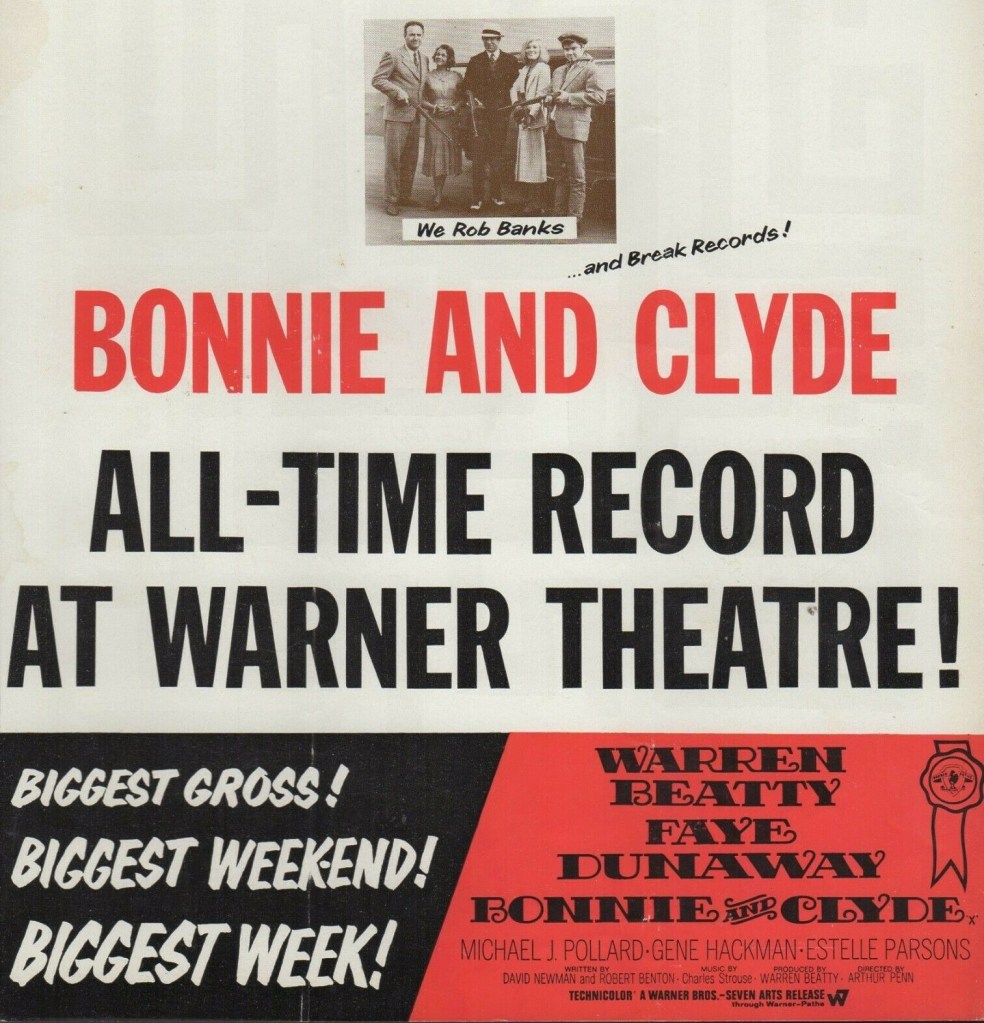
“The Bonnie Parker Story” laid the groundwork for this box office smash-and-grab.
Some remakes changed their titles. Cary Grant comedy Walk, Don’t Run (1966) was based on The More the Merrier (1943), Stolen Hours (1963) with Susan Hayward on Dark Victory (19390 with Bette Davis, Doris Day vehicle Move Over Darling (1963) on My Favorite Wife (1940), and Agatha Christie’s Ten Little Indians (1963) on The Old Dark House (1932). William Wyler’s The Children’s Hour (1961) starring Audrey Hepburn drew on These Three (1936), Uptight (1968) was a modern take on John Ford’s Oscar-nominated The Informer (1935), and comedy The Shakiest Gun in the West (1968) with Don Knotts had its origins in The Paleface (1948) starring Bob Hope. Akira Kurosawa’s Japanese classic Rashomon (1950) retuned as The Outrage (196) starring Paul Newman. The Bonnie Parker Story (1958) was drastically retuned as Bonnie and Clyde (1967). Frank Capra’s A Pocketful of Miracles (1961) was based on his own Lady for a Day (1932). Gregory Peck thriller Mirage (1965) took only three years to re-emerge as Jigsaw (1968).
Other studios decided the original title was too big an attraction to be discarded. Of Human Bondage (1964) with Kim Novak and Laurence Harvey had been made 30 years earlier with Bette Davis and Leslie Howard. Night Must Fall (1965) starring Albert Finney had originated 27 years prior. Raquel Welch-starrer One Million Years B.C. (1966) had been slightly truncated from One Million B.C. (1940), Lee Marvin and Angie Dickinson headlined The Killers (1964) based on characters originally essayed by Burt Lancaster and Ava Gardner 18 years previously, Mayerling (1969) with Omar Sharif and Catherine Deneuve had starred Charles Boyer and Danielle Darrieux in the 1936 version.
Horror was the most obvious genre to receive a revamp. Robert Bloch rewrote The Cabinet of Dr Cagliari (1962) forty-two years after the original. Hands of Orlac (1961) with Mel Ferrer had previously been known as Mad Love (1936). Herbert Lom reprised The Phantom of theOpera (1962) following on from Lon Chaney in 1925 and Nelson Eddy in 1943. French-made The Golem (1967) was based on versions screened in 1921 and 1937.
Some films were remade with music, Goodbye Mr. Chips – the Robert Donat, Greer Garson original belonging to 1939 – the most obvious example but The Sound of Music (1965) was essentially a musical version of the Germanic The Trapp Family (1956), and Three Coins in the Fountain (1954) set in Rome turned up as the musical The Pleasure Seekers (1964) set in Madrid, both films directed by Jean Negulesco. On the other hand, State Fair (1962), which had been turned into a drama in 1945 despite being based on a Rodgers & Hammerstein musical, was restored to its roots.
Not every remake idea proved a slam dunk. Projects that failed to get off the ground included: TheBirth of Nation (1915), Ecstasy (1933), Metropolis (1927) to be directed again by Fritz Lang, Wuthering Heights (1939) to star Richard Harris, Dark Angel (1925 and 1937) with Rock Hudson, The Lives of a Bengal Lancer (1935), The Crusades (1935), The Charge of the Light Brigade (1936) with Roger Moore – although it was remade in 1968 – Wee Willie Winkie (1937), Jane Eyre (1943) to star James Mason, The Macomber Affair (1946) and The Postman Always Rings Twice (1946). Anthony Quinn was touted for a remake of Kurosawa’s Sanjuro (1962) and Saul David planned a westernized version of that director’s The Hidden Fortress (1958).
French director Claude Chabrol had ambitions to make a version of Hamlet (1948) from Ophelia’s point of view though a Russian version appeared in 1964. MGM blocked a remake of Tarzan of the Apes (1931). Francis Ford Coppola proposed Heaven Can Wait, a reworking of Here Comes Mr. Jordan, to star Bill Cosby. Stephen Boyd was mooted for a remake of The Quiet Man (1952).
Producer Ray Stark (Funny Girl, 1967) announced new versions of Casablanca (1942) and a Peter Collinson-directed The Maltese Falcon (1941). Musical versions were announced of The Private Life of Henry VIII (1933), Our Town (1937), Rebel Without a Cause (1955) and Roman Holiday (1953), the latter to star Robert Redford.
SOURCES: Brian Hannan, Coming Back to a Theater Near You, A History of Hollywood Reissues, 1914-2014 (McFarland, 2016), p21, 27, 31; “Drift Towards Remakes Grows on Coast,” Box Office, March 11, 1939, p37; “That Birth of a Nation Title,” Variety, April 13, 1960, p6; “Sales Come-On But Never Mislabel Content – Hathaway,” Variety, October 26, 1960, p13; “Bischoff-Diamond To Make Charge,” Box Office, July 10, 1961, p11; “Bash Vindicated – After 4 Yrs,” Variety, July 12, 1961, p5; “MGM Is Upheld In Suit over Tarzan,” Box Office, July 10, 1961, p13; “New Cycle of Classics for French Prods,” Variety, July 12, 1961, p16; “Dark Angel Remake to Writer Lee Mahin,” Box Office, December 18, 1961, pW-8; “Robert Blees Plans Remake of Macomber Affair,” Box Office, March 12, 1962, p16; “Anderson-U.A. Talk Wuthering Remake,” Variety, August 28, 1963, p22; “Spain’s Latest Western,” Variety, October 23, 1963, p18; “MGM Signs for 3 Co-Productions in Spain,” Variety, January 15, 1964, p22; “Hollywood Report,” Box Office, February 10, 1964, p16; “Japanese Sanjuro Remake for Quinn,” Variety, May 5, 1965, p4; “Weintraub Sends Down L.A. Roots,” Variety, January 12, 1966, p5;“Universal Re-Do of DeMille 1935 Crusades,” Variety, April 13, 1966, p3; “Plan Rebel Without Cause For Remake As Musical,” Box Office, April 18, 1966, p9; “Lee Thompson Busily Reprints His Musical Version of Henry VIII,” Variety, April 27, 1966, p17; “U’s Future Parks 17 Vehicles,” Variety, May 25, 1966, p33; “Re-Do of Quiet Man,” Variety, March 5, 1967, p5; “De Laurentiis in New Par Dickers,” Variety, January 10, 1968, p5; “David to Re-Do Kurosawa Plot As U.S. Western,” Variety, June 12, 1968, p4; “Re-Do of Falcon,” Variety, July 10, 1968, p14; “Star In W7 Pic,” Variety, January 15, 1969, p3.
Except for an ingenious escape attempt and Paul Newman spoofing his Cool Hand Luke persona, this World War Two POW number falls into the “sounded like a good idea at the time” category. Harry Frigg (Newman), the American army’s most notorious escapee (though from British military prisons), is promoted from buck private to two-star general and parachuted into northern Italy to organize a breakout of five one-star generals.
The premise that the war effort is hampered by embarrassment at the generals being captured seems far-fetched as is the notion that the quintet are hopelessly incompetent when it comes to doing anything that sounds like proper army stuff. Adding another offbeat element is that they are being held in effectively a deluxe POW camp, an ancient castle run by Colonel Ferrucci (Vito Scotti), a former Ritz hotel manager with a lapdog attitude to the rich and powerful.
Almost immediately Frigg discovers an escape route through a secret door but is disinclined to go any further since it leads into the boudoir of the countess (Sylva Koscina). New Jersey inhabitant Frigg feels out of the place with the high-falutin’ generals and proceeds to get himself a cultural education. Meanwhile, the countess, obtaining her position through marriage rather than birth, trying to bolster his confidence naturally triggers his romantic impulses.
The humor is of the gentlest kind – Frigg taking advantage of his superiority, Italians speaking tortured English – and not much in the way of bellylaffs either. Director Jack Smight, who collaborated so well with Newman in Harper (1966) and manages to achieve a tricky balance in No Way to Treat a Lady (1968), loses his way here, not least structurally, as the movie pingpongs between the generals, the commandant and Frigg and, thematically, issues of power. Crucially, he fails to rein in Newman.
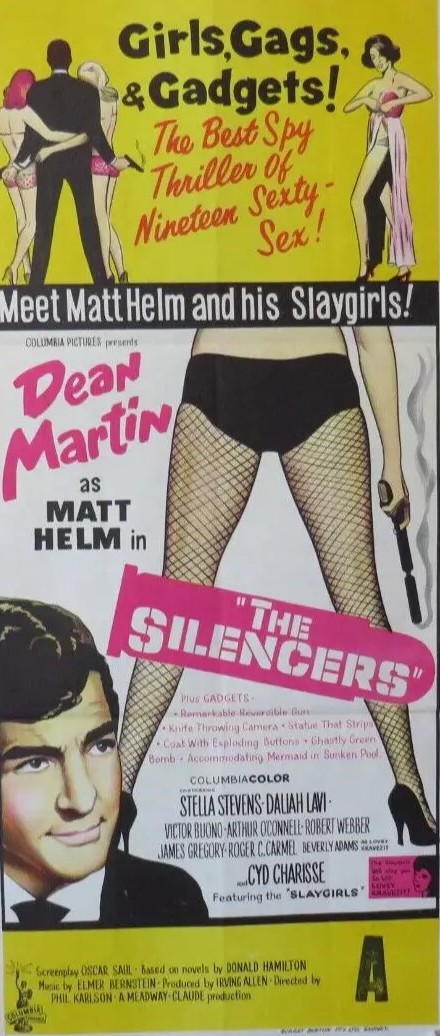
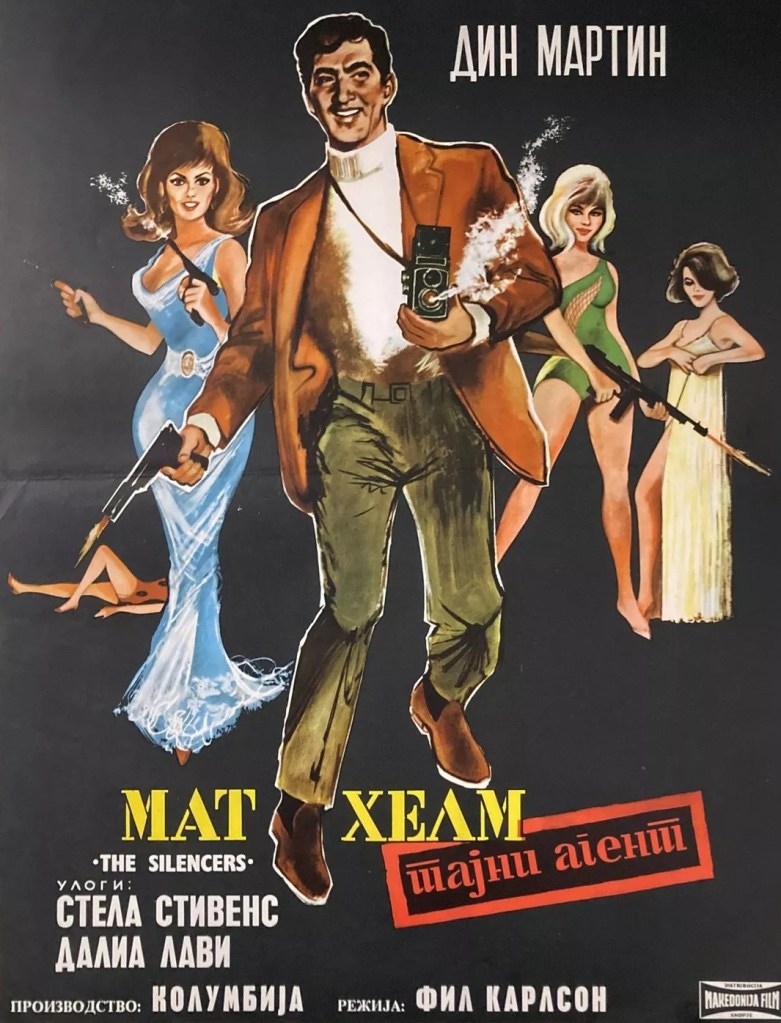
The generals, squabbling among themselves for power, would be caricatures except that their characters are rounded out by the players, the pick being Charles Gray (The Devil Rides Out, 1968) as Cox-Roberts and Tom Bosley (Divorce American Style, 1967) as Pennypacker. The other generals are played by Andrew Duggan (Seven Days in May, 1964), John Williams (Harlow, 1965) and Jacques Roux (The List of Adrian Messenger, 1963). Representing the American top brass in England are James Gregory ( a repeat role in the Matt Helm series) and Norman Fell (The Graduate, 1967).
After her excellent turn as a mischievous and vengeful villain in Deadlier than the Male (1967), Yugoslavian Sylva Koscina comes down to earth with a less rewarding role as charming leading lady with a sly sense of humor rather than the femme fatale of A Lovely Way to Die (1968). Werner Peters (The Corrupt Ones, 1968) makes a late appearance as a Nazi and you might spot screenwriter Buck Henry (The Graduate) in a bit part.
The screenplay by Peter Stone (Arabesque, 1966) and Oscar-winner Frank Tarloff (Father Goose, 1968) is an odd mixture of occasional sharp dialogue and labored story. The set-up takes too long and you keep on wondering when it is going to get to the pay-off.
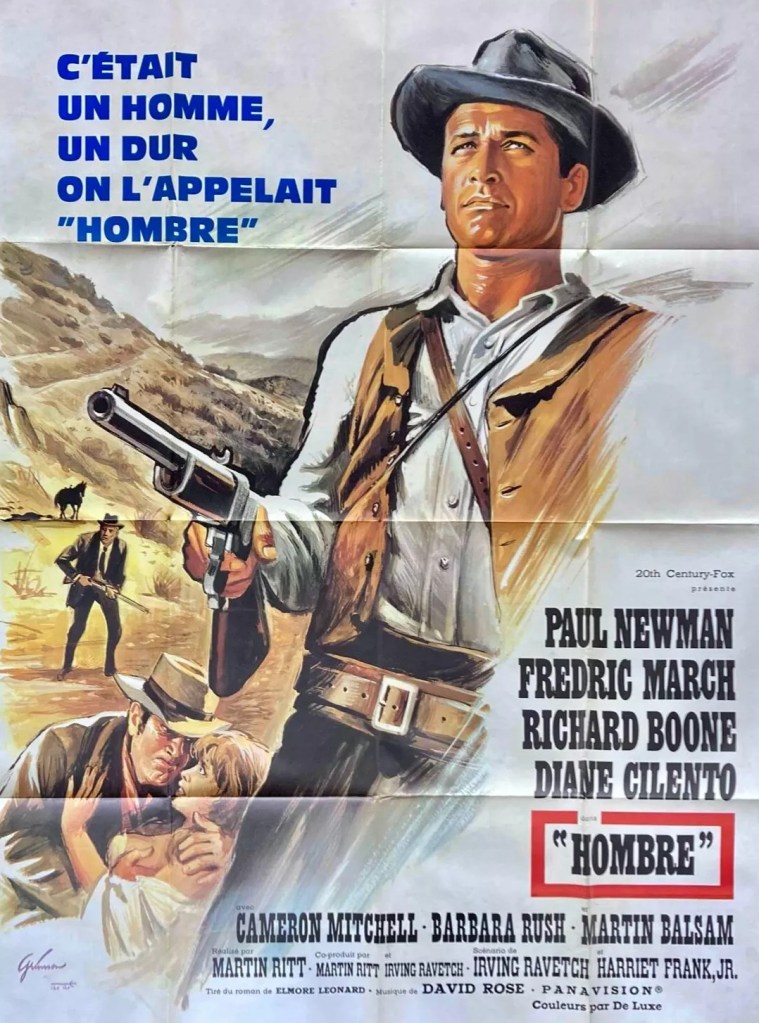
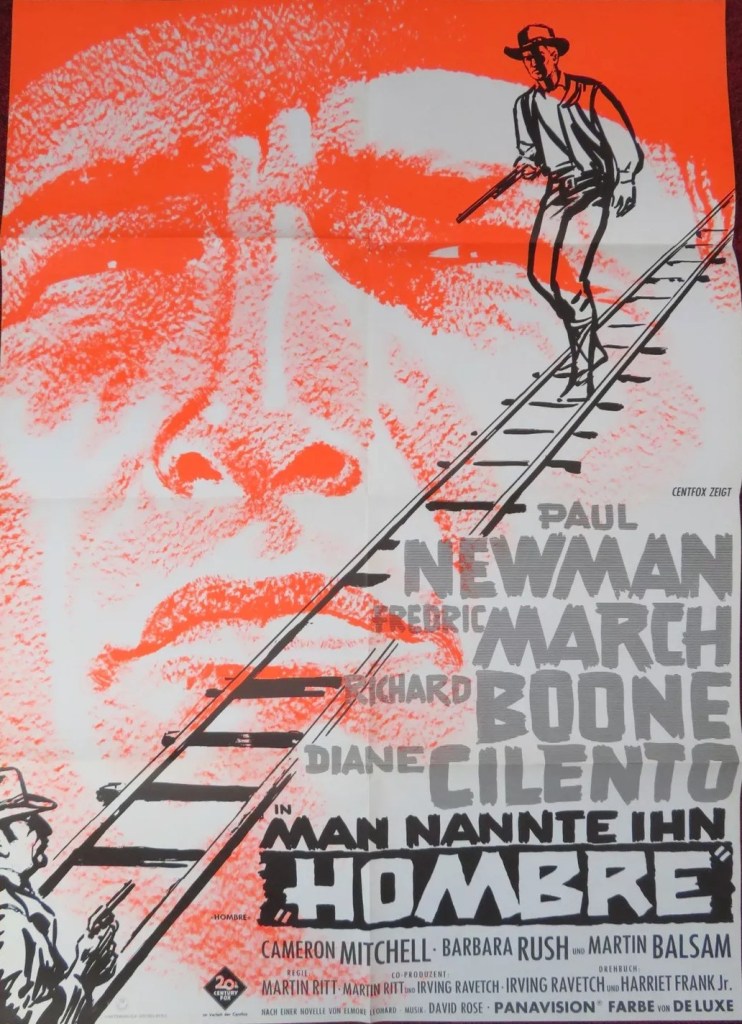
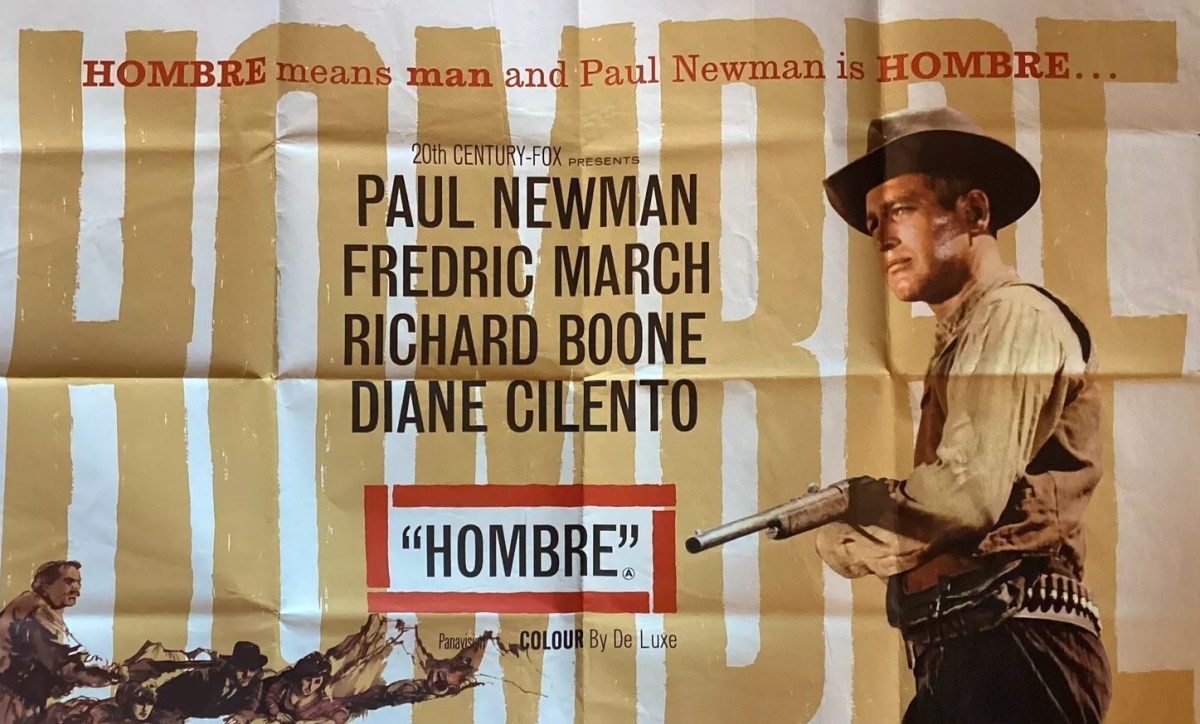
No doubt looking for some light relief after a quartet of heavier dramatic roles – Harper (1966), Torn Curtain (1966), Hombre (1967) and Harper (1967) – Newman acts like he has escaped the straitjacket of a considered performance and instead indulges in mugging and hamming it up, his body freeing up a barrage of mannerisms previously held in check.
This weekend I am one of the very few male speakers at the “Doing Women’s Film and Television History” international conference being hosted by Maynooth University, Dublin, on July 10-11. Naturally it is a virtual conference but it is packed with speakers from all over the world who have been researching issues relating to women working in film and television. I am not an academic so it is signal honor for me to be invited to speak at a university-run conference.
My topic is “When Women Ruled Hollywood” which looks at female salaries in the movie business from 1910 to 1970. Although most people think women were hard-done-by in Hollywood and generally considered as second-class citizens, I found this was not at all the case. In the 1910s, Mary Pickford earned double the earnings of Charlie Chaplin. In the 1920s, the top earning star of either gender was Corinne Griffith.s
At the start of the 1930s, Greta Garbo was the dominant figure when it came to salaries. In 1935 Mae West was the second-highest earner in the whole of America, beaten only by William Randolph Hearst, immortalised as Citizen Kane.
In the annual salary league for the remainder of the 1930s and 1940s, Claudette Colbert (twice), Irene Dunne, Ginger Rogers, Joan Crawford and Deanna Durbin all topped the rankings and in the years when males came out on top the female stars were not far behind.
While female salaries dipped in the 1950s, by the 1960s women were again beating the males at the salary game, Elizabeth Taylor way ahead of everybody, Audrey Hepburn on $1 million a picture, Julie Andrews out-earning Paul Newman in Torn Curtain and newcomer Barbra Streisand reaching unheard-of commercial heights.
I had written a couple of business histories of Hollywood, the research for which took me back to 1910 and in the course of writing those books I discovered information about salaries that would have been out of place in those works, so I dug around some more and came up with the information for this talk.
If you want an idea of my speech, you can check out this short sample on Youtube.