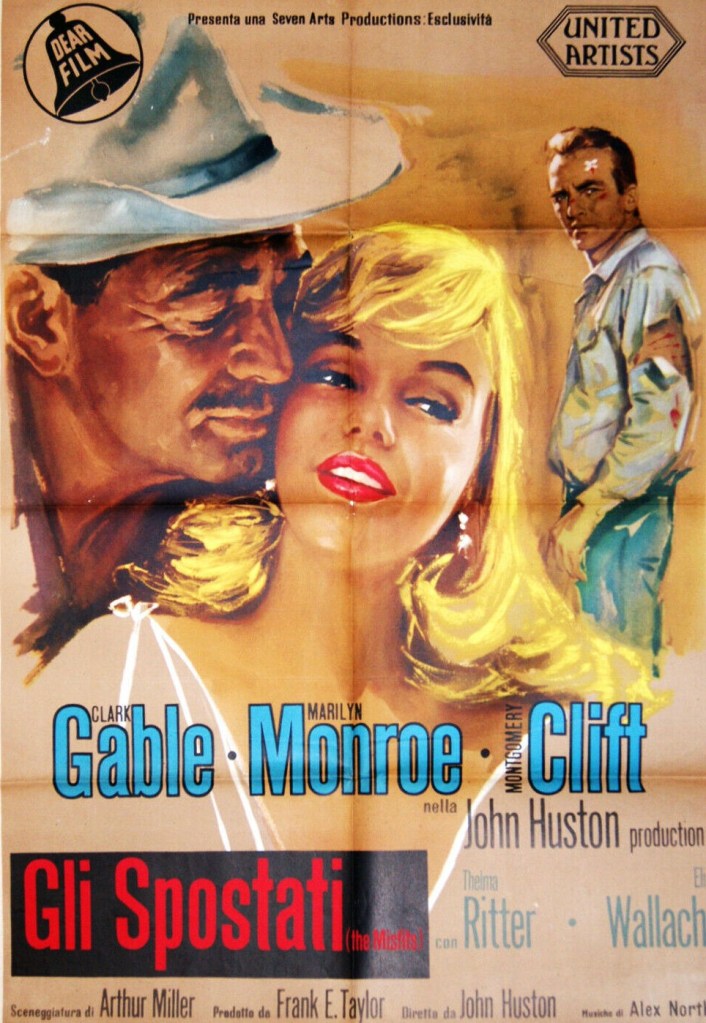
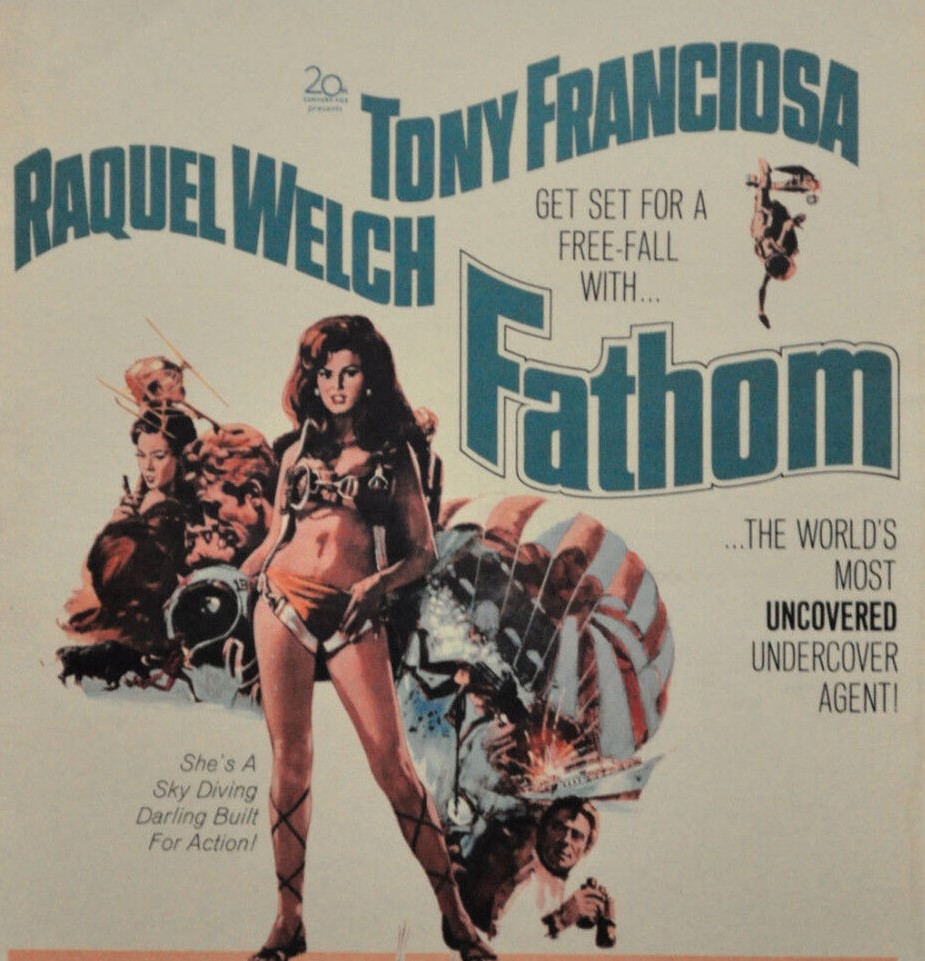
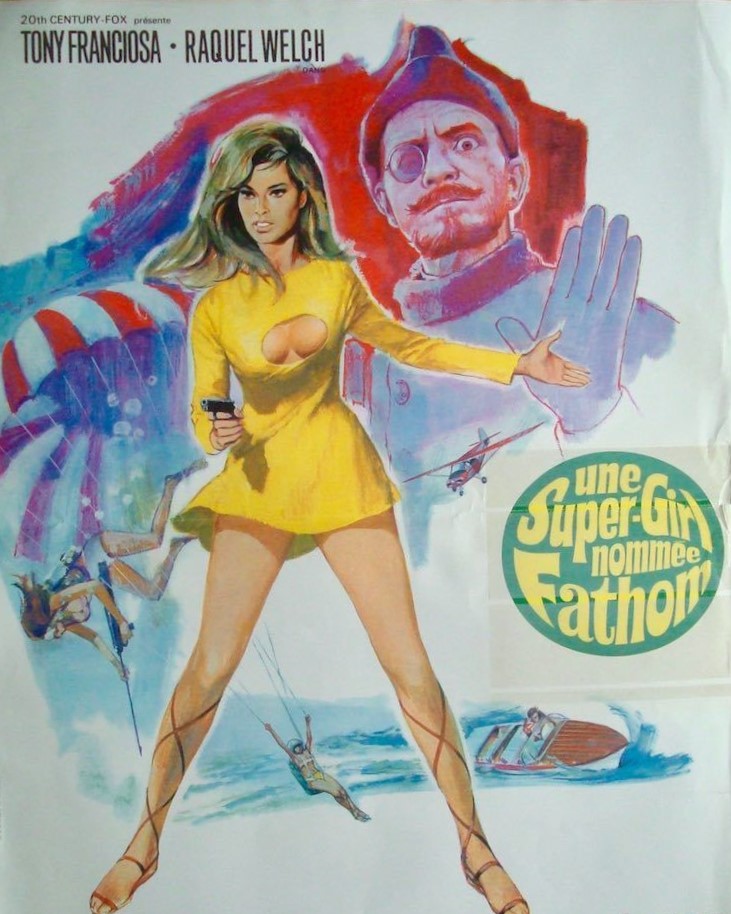
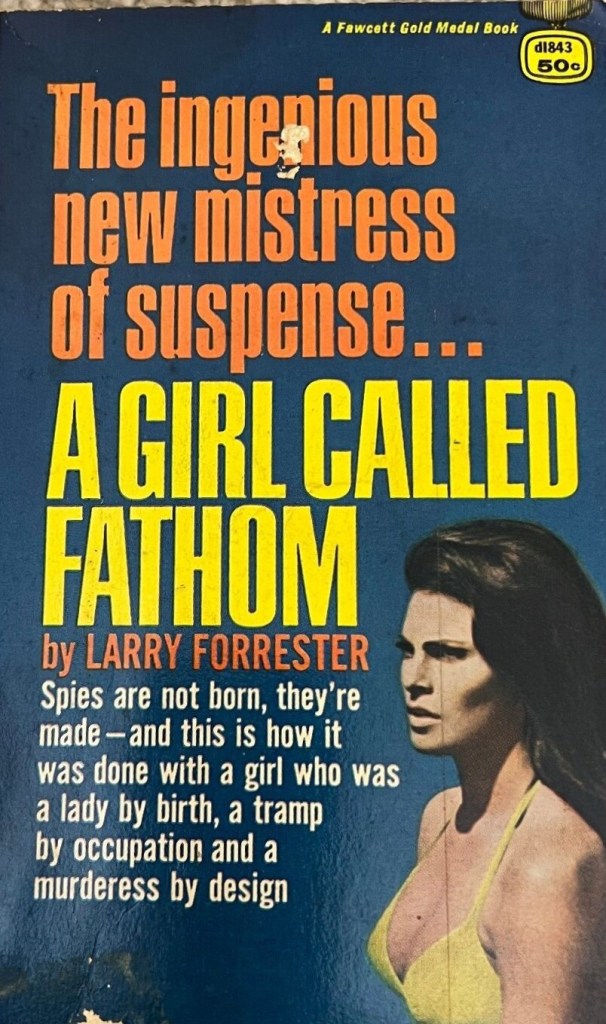
Rio Conchos (1964) ***

Starts and ends as a rootin’-tootin’ western but sags badly in between. The chance of turning it into The Magnificent Four or even The Dirty Pair go a-begging and it’s both revenge- and redemption-driven without either taking enough precedent. And there’s a curious dynamic in that the murderers are clearly smarter than the soldiers. Set in the aftermath of the Civil War, it’s engaging enough but too episodic and far short of a classic.

Lassiter (Richard Boone) kills Apaches with brutal efficiency in revenge for losing wife and child to them. But there’s no law against murdering Native Americans, not even when they form a harmless burial party, and when arrested by Captain Haven (Stuart Whitman) it’s for buying a stolen rifle, part of a consignment of 2,000 feared to be heading into the hands of the Apaches and a rogue Confederate Col Pardee (Edmond O’Brien), under whom Lassiter once served.

Charged with going undercover to get the weapons back is Haven, who lost the cargo in the first place, and another soldier Franklyn (Jim Brown), posing as gunpowder salesmen. Lassiter is freed from jail along with exceptionally vain murderer Rodriguez (Anthony Franciosca). From captured Apache Sally (Wende Wagner) they discover the Apaches are hooking up three days hence with Pardee in Rio Conchos in Mexico.

Mostly, it’s tension between the soldiers and their captives-turned-colleagues. There’s an incident with a dead baby at a house attacked by Apaches, Lassiter shooting the tortured mother. Lassiter attacks a saloon keeper for refusing to serve Franklyn. Pardee is building an army to re-start the war. There’s a brutal scene of the men being dragged behind horses. While Haven plans to use the gunpowder to blow up the Apaches and/or the rifles, Lassiter and Rodriguez nurture plans to steal the cargo.

Lassiter is pretty smart, twice outwitting the Apaches by using fire as a distracting device, easily getting the better of Haven and more than a match for the duplicitous Rodriguez. But there’s a powder keg waiting to explode in more ways than one, the chances of Lassiter toadying along to Apaches seeming remote.

Richard Boone (Night of the Following Day, 1969) coming off Have Gun –Will Travel (1957-9163) and The Richard Boone Show (1963-1964) is impressive as the wily renegade. Here’s one of those actors you never quite know what he’s going to do and that unpredictability adds continuous tension, but it would probably have helped if the audience was fully filled in on his intentions, rather than being surprised all the time. Given he was the star here, he was allotted time to be seen making up his mind in various situations, something he would be denied as a later supporting actor. So when there’s not really much going, he creates tension.

Stuart Whitman (Sands of the Kalahari, 1965) doesn’t really have enough to do what with Boone’s character always being one step ahead and clearly more attuned to danger. Anthony Franciosca (A Man Could Get Killed, 1966) has a gem of role, adding to his characterization withlittle bits of scene-stealing business, sharpening a knife on a wagon wheel, recovering a knife from the stomach of a victim being dragged away by a horse, snaffling a packet of cigarettes, and never ceasing to admire his attraction to women.

Jim Brown (The Split, 1968) makes a solid movie debut, offering more by his presence than in action terms since for the most part he is just the sidekick. Wende Wagner (Guns of the Magnificent Seven, 1969) has more screen time but mostly just smolders or looks sullen apart from a nice scene mourning the baby and another defying her tribe. Look out for Edmond O’Brien (The Man Who Shot Liberty Valance, 1962) and silent child actor Warner Anderson.

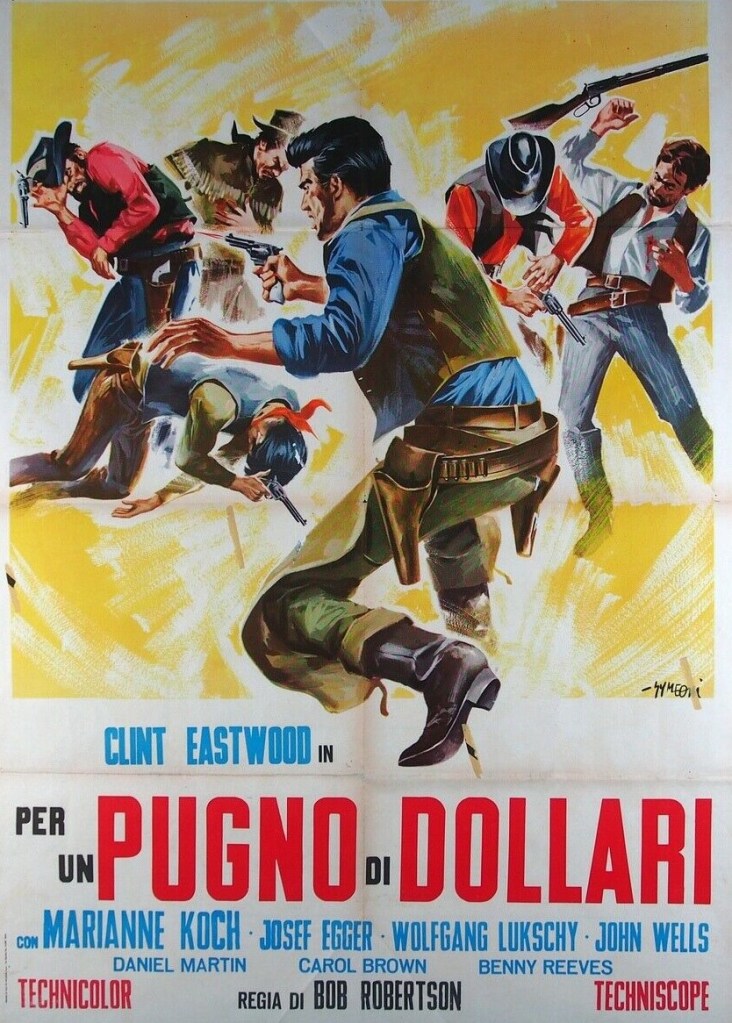
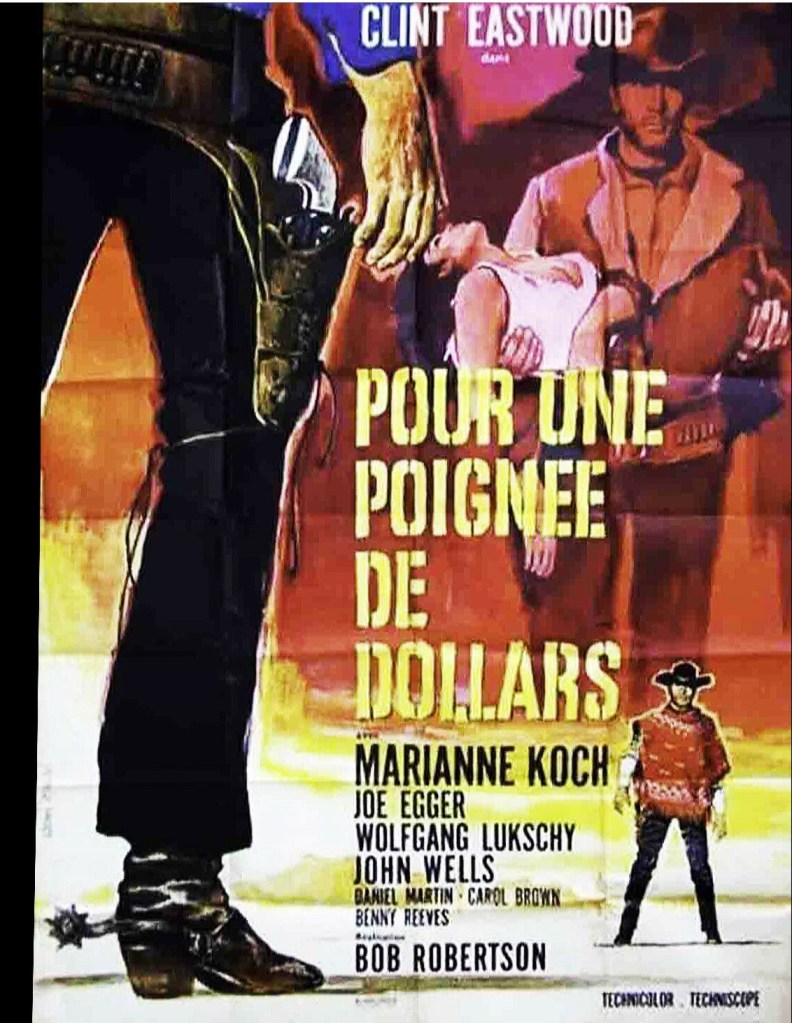
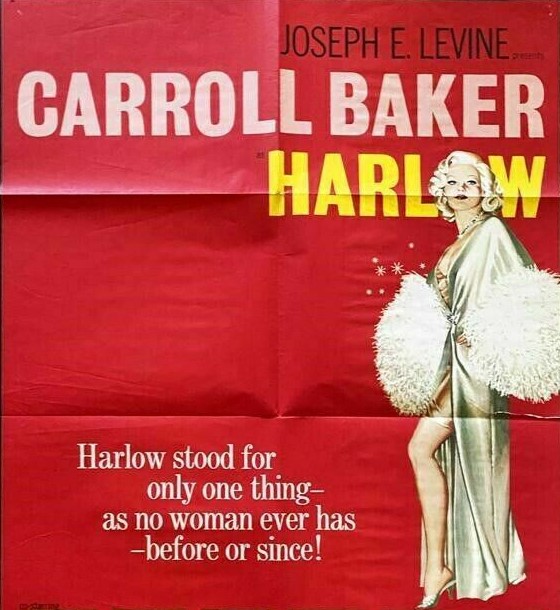
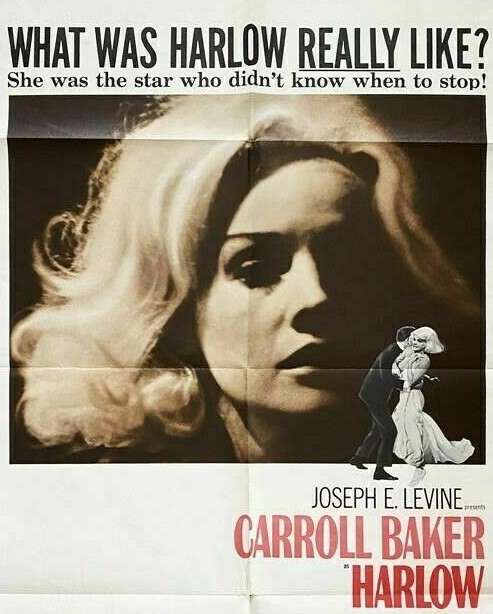
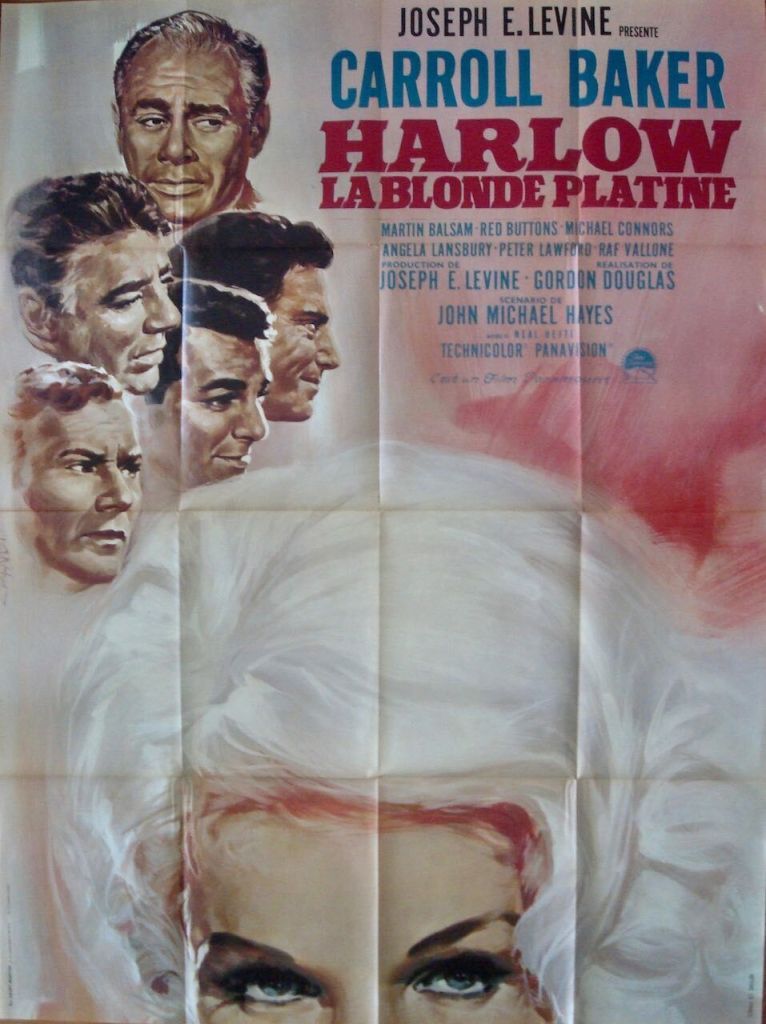
The action sequences are well done and director Gordon Douglas (Robin and the Seven Hoods, 1964) also deserves credit for allowing Boone such scope while the opening scene and the death of the unseen woman are exceptional. He has a great gift for the widescreen, but the movie could have done with more clarity. It’s not his fault the poster was misleading and led me into the picture with different expectations. The screenplay by Joseph Landon (Von Ryan’s Express, 1965) and Clair Huffaker (The War Wagon, 1967).was based on the latter’s book.

Crossplot (1969) ***

Roger Moore – in his first movie in seven years – almost auditioning for James Bond with his lothario instinct, light touch for dialogue, a nice side-line in double takes, and enough action to show that even in his early 40s he was still nimble enough. Not in the Charade (1963) or Arabesque (1966) league and over-reliant on the Swinging Sixties and other “Tourist Britain” clichés and a plot that takes far too long to get going, it takes all the actor’s charm to make it watchable.

After one of his staff Warren (Dudley Sutton) switches the photo of a model in his portfolio, ad-man Gary (Roger Moore) finds himself on the trail of Marla (Claudia Lange), a sometime fugitive hiding out on a houseboat. Meet-cute is prompted when she pushes him into the Thames. On leaving he is knocked out and framed on a dope charge and once he manages to get her into the photographic studio Warren attempts to throw her off the roof, the would-be killer himself eliminated by his boss Ruddock (Francis Matthews) who in a marvelous piece of quick-thinking throws his gun to Gary who instinctively catches it, further implicating himself.

After going all round the houses (including a stately home), evading pursuit via an antique car race and a wedding, Gary finally gets to the bottom of why Marla is in such danger – she overheard a conversation between her aunt Joe (Martha Hyer) and Ruddock. Only problem is – she can’t remember it. And it takes even more time for Gary to figure it out, (not realizing, how could he,  that the clue is in the title, in fact two clues in a crossword puzzle). You can imagine how it goes from then.

This poster takes the easy route by trying to sell the picture on the back of “The Saint.”

On the plus side is mostly Roger Moore. “I come from a long line of hippopotamuses,” isn’t the sort of line you can deliver without some skill. But Moore’s performance lifts what is for the most part  a shaggy dog story, and he’s game enough to do all the running and fighting required, even the heavy lifting (of his eyebrows), to keep the story moving. It’s far from as funny as it thinks and not as funny as it needs to be, but there are still some good stabs at humour, a pistol held to Gary’s head discovered to be a toy gun, Gary turning the tables in a shower on Marla, telling the bride that her groom is a bigamist, and a running joke about the Marla being perennially hungry.  

The politics barely touches on the conspiracy aspects that Hollywood would have pounced upon and made a better fist of, although the idea that Britain could be undermined by civil strife was not far off the mark for the times. It needed some smarter thinking, though, for that element to work.

A much better attempt at selling a thriller with scenes from the film,
including the toy pistol pointed at Roger Moore’s head.

The rest of the cast are game enough. Claudie Lang (The Gatling Gun, 1968) is no Sophia Loren or Audrey Hepburn but nobody is pretending she is and she just about gets away with the dumb model approach. Martha Hyer (The Chase, 1966) delivers a glamorous villain and the suave Francis Matthews (Rasputin: The Mad Monk, 1966) her ideal match.

There’s quite a supporting cast: Veronica Carlsen (Dracula Has Risen from the Grave, 1968), Gabrielle Drake (Suburban Wives, 1972), Dave Prowse (Star Wars, 1977),  Bernard Lee (You Only Live Twice, 1967), Alexis Tanner (The Ernie Game, 1967), Ursula Howells (BBC’s The Forsyte Saga, 1967) and Dudley Sutton (Rotten to the Core, 1965).

If Alvin Rakoff (The Comedy Man, 1964) is in charge of the material he doesn’t have enough material to work with. He does enough to keep it on course but would have benefitted from a a tighter screenplay from Leigh Vance (The Frightened City, 1961). Both had done better in the past, but it is easy to be seduced by the romantic thriller format, almost a mini-genre in itself, assuming it is easier to pull off than it looks. The likes of Alfred Hitchcock (North by Northwest, 1959) and Stanley Donen (Charade) made it look easy but they had the advantage of big stars in Cary Grant and Audrey Hepburn who possessed the ability to make the lightest confection work.

The Mad Room (1969) ***

Tight little thriller lifted by excellent performances from Stella Stevens and Shelley Winters focusing on murders a dozen years apart. Mandy (Barbara Sammeth) and older brother George (Michael Burns), incarcerated in a mental institution after the murder of their parents, the twist being nobody can discover which child was responsible, are released into the custody of big sister Ellen (Stella Stevens), secretary to wealthy widow Mrs Armstrong (Shelley Winters) and betrothed to her son Sam (Skip Ward).

While concealing the children’s past, Ellen persuades Mrs Armstrong to offer them lodgings, that arrangement coming unstuck when the kids demand a room where they can go “to work things out.”  Armstrong is a bit barmy, engaged on building beside her home a museum to her husband, hence contractors and construction workers on site, and a horde of “ladies who lunch” involved in fundraising. She has also appropriated masseur Armand (Lou Kane), husband of alcoholic Mrs Racine (Beverly Garland), to fulfil her sexual needs.

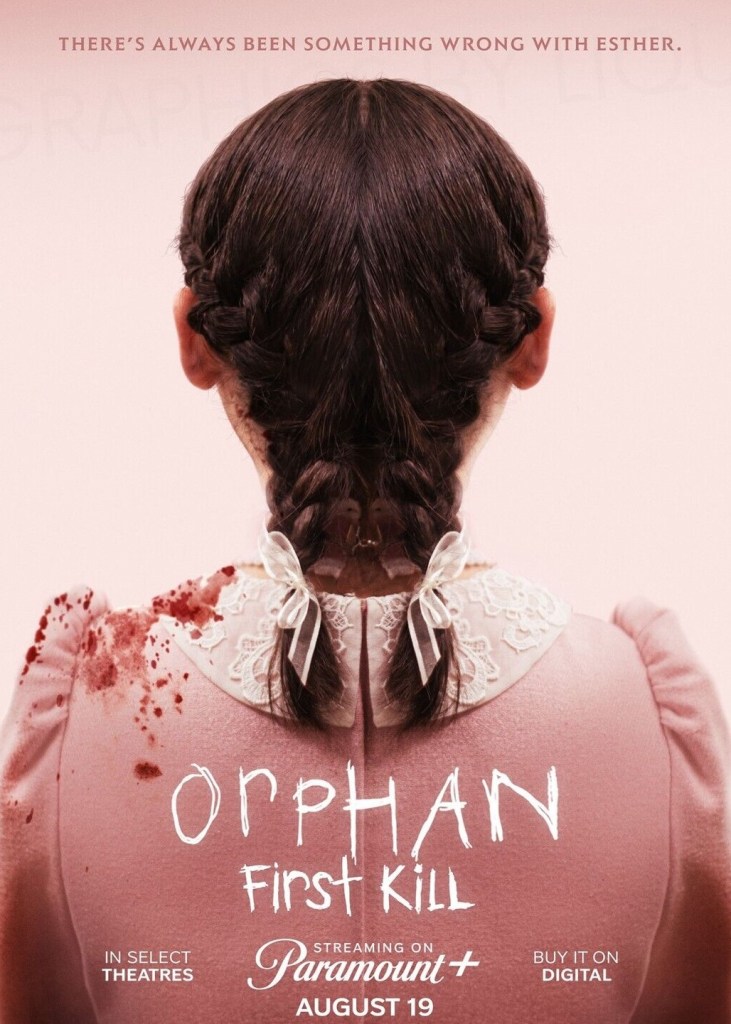
Don’t worry – the poster doesn’t give the game away.
The blood comes from Stella Stevens discovering the corpse.

When Mrs Armstrong threatens to chuck the kids out, she comes to a sticky end, and the question is raised again of whether Mandy or George are responsible. Mandy is the more highly-strung, stubborn and likely to challenge authority. George appears predatory, stalking the maid. Both are convinced the other is guilty.

Meanwhile, Ellen undertakes to remove the body and pretend Armstrong met her death by accident at a beauty spot, no mean feat given the palaver caused by the builders outside and the constant need for construction decisions and the unexpected arrival of a posse of ladies including the alcoholic Mrs Racine intent on raising merry hell.

It’s part whodunit, part nutcases-on-the-loose, part film noir, part slasher picture,  and part grand guignol. Hands are severed and blood is used to daub flowers on the walls. It’s tense enough even before Armstrong’s demise. She’s not only a loony, but untrustworthy, selfish, capricious and demanding, and it’s as much as Ellen can stand to constantly iron out all the loose ends in her employer’s life. But she sounds believable, an earnest do-gooder even while conspiring against what she sees as Ellen’s gold-digging.

Ellen, life thrown into turmoil after the death of her overbearing impoverished parents and only now building a new identity removed from the shadow of the children, faces the prospect of losing her ideal future. While it would have suited her for the children never to be released, she exhibits surprisingly a strong emotional attachment to her siblings, willing to both shelter and protect them, and conceal again their crimes.

Initial tension revolves around a chase, savage dogs, a shifty maid and Ellen dealing with the manipulative Mrs Armstrong, holding her own long enough until she is safely married, while further pressure builds with the necessity to cover up the murder, explain Mrs Armstrong’s absence, cope with the sudden influx of people and ascertain who has the murderous tendencies. There are some excellent scenes and twisty payoffs, and quite a bit of misdirection – the chase, rabid dogs, a childish song – and some inspired drama such as Mrs Racine letting rip, and Mrs Armstrong’s growing puzzlement.

Stella Stevens (Sol Madrid, 1968), normally eye candy or in a supporting role, is a revelation as Ellen, creating a grounded personality, with several changes of emotion and except for being a little pop-eyed on occasion carries off the part tremendously well and not falling prey to the temptation of grandstanding. Shelley Winters (A House Is Not a Home, 1964), who knows all about playing larger-than-life characters, tones it down here, even the obvious nuttiness reined in.

Michael Burns (That Cold Day in the Park, 1969) is the better of the two younger actors, while Barbara Sammeth’s (Foul Play, 1978) stiffness could be put down to inexperience – this was her debut. Otherwise former horror queen Beverly Garland (Stark Fear, 1962), one-time horr

The Lost World (1960) ***

A pair of pink knee-length boots, courtesy of adventuress Jennifer (Jill St John), are among the wondrous sights awaiting our band of intrepid explorers. She’s not the only curiosity, Professor Challenger (Claude Rains) is certainly the most obstreperous of archaeologists, aristocrat Hoxton (Michael Rennie) must have a screw loose to keep on resisting the charms of Jennifer, while Gomez (Fernando Lamas) brings along his guitar to (literally) strike a chord at appropriate moments. But it’s a fun ride – cannibals, volcano, giant phosphorescent spiders, carnivorous plants, and dinosaurs.

There are secrets, too. Hoxton has been here – a lost plateau in the middle of the Amazon – before and abandoned an earlier exploration in favour of hunting for the mythical diamonds of El Dorado, Gomez wants to kill Hoxton, Jennifer plans to hook a duke, and Professor Summerlee (Richard Haydn) wants more than anything else to prove Challenger wrong.

A bit of poetic licence here by the illustrator, Jill St John’s pants staying intact throughout.

And of course, in the way of dinosaur pictures, having battled to find the damned creatures, intrepidity goes out the window and the explorers spend all their time running away from the dinosaurs, seeking a hidden way down from the plateau, while being hunted by cannibals. Any time you see a ledge you know there’s something terrible above – battling monsters with long tails capable of swishing you downwards – or below, not just a sea of lava but a giant sea beast. The only element that’s missing is the booby-traps. Unfortunately, all the spunk goes out of the otherwise spunky Jennifer when faced with monsters and she turns into the quivering screaming cliché.

But the script is on point, feelings indicated by action rather than dialogue. Having learned of Hoxton’s past, Jennifer spurns him by refusing a cigarette and a moment later taking one of her own, Gomez sneaks glances at a mysterious locket. With so much action there’s little time for romance so mainly by looks and the occasional rescue sparks fly between Jennifer and newspaperman Ed (David Hedison) and between Jennifer’s brother David (Ray Stricklyn) and the native girl (Vitina Marcus). And to alleviate the drab scenery there’s always Jennifer in a new bright outfit and, for comic effect, her poodle.

Given that writer-producer-director Irwin Allen (Voyage to the Bottom of the Sea, 1961) was unable to hire the likes of Ray Harryhausen (Jason and the Argonauts, 1963) for the special effects or even find the budget to utilize the drawings of Willis O’Brien (King Kong, 1933) who had been responsible for the stop-motion techniques in the original silent version of The Lost World (1925), the monsters come across on the small screen as acceptable enough. The infusion of sub-plots keeps the project ticking along.

Allen made significant changes to the original – introducing the diamonds, making Challenger rather than following in the footsteps of a previous explorer having previously visited the plateau but lost his proof, swapping the heroine’s pet monkey for a pet poodle, turning the heroine into a gold-digger, substituting as plateau inhabitants natives for ape men, and adding the heroine’s wardrobe. The spicing up of the story helps divert the tale in certain places from the dinosaurs, so the tension is not just waiting for the next attack.

Oddly enough, the film strikes a very contemporary note with regards to the current contentious issue of invasion of privacy. Challenger hits out at pestering journalists for what he views as the invasion of his privacy. Later on he says, “invasion of privacy gives man the right to kill,” but that bold statement relates to the explorers breaching the lost sanctuary, “we are the invaders.”  

It’s still pretty enjoyable stuff especially allowing for the budget limitations. None of the actors is called upon to do much, which is what you would expect, although Claude Rains is a surprise and Jill St John a delight. Michael Rennie  (Hotel, 1967), primarily there for his stiff-upper-lip, is provided with a neat reversal, the supposed hero with feet of clay. Claude Rains (Casablanca, 1942) is the standout as the feisty bombastic professor not above battering annoying newspapermen with his umbrella.

In an early role, Jill St John (The Liquidator, 1965) provides not just sultry evidence of her physical charms, but carries a terrific almost playful screen presence, though she’s better as the tough gal in a man’s world of the earlier section of the movie than the damsel in distress of the last part. Former Latin movie heartthrob Fernando Lamas (100 Rifles, 1969) is the only other one with a decent part, participating in the expedition to find his lost brother. Vitina Marcus (Taras Bulba, 1963) has a small but pivotal role. David Hedison (Live and Let Die, 1973) and Ray Stricklyn (Track of Thunder, 1967) are outshone by their respective amours. Jay Costa (Escape from Zahrain, 1962) is a pantomime villain.

Charles Bennett (City in the Sea, 1965) helped Irwin Allen flesh out the screenplay.

36 Hours (1964) ***

High concept thrillers that derails two-thirds of the way through. While it’s a battle of wits between German psychiatrist Major Gerber (Rod Taylor) and kidnapped spy Major Pike (James Garner), and between the German and his cynical superior, S.S. chief Schack (Werner Peters), it’s a fascinating insight into the power of mind games, almost slipping into the sci fi genre. Pike has intimate knowledge of the Allied D-Day plans but instead of submitting him to routine torture, he is handed over to Gerber who convinces him he has been suffering from amnesia for six years.

Pike finds himself in what he perceives to be an Allied hospital where everyone wears Yank uniforms, speaks English and listens to baseball scores on the radio. Pike has aged, thanks to greying hair and vision blurred so badly he requires spectacles. There’s even a wife, Anna (Eva Marie Saint), he doesn’t remember marrying. On the eve of D-Day the Germans expect the main invasion thrust to target Calais, the shortest crossing from England, not the Normandy beaches further to the south.  Someone who knows the truth might well be willing to suffer extreme torture to keep the secret out or enemy hands, therefore justifying this approach.

While the idea of a prefabricated existence would not be foreign to today’s audience, it was  an unusual idea at the time, although films as diverse as The Wizard of Oz (1939) and 1984 (1956) revolved around alternative reality. That the whole scheme is entirely plausible is down to Gerber. Rather than the one-dimensional villain, he’s an early version of the “good German,” whose scientific breakthroughs have alleviated suffering. Yes, he’s charming and suave and clever enough to hurry Pike along, but also very humane.

As you might expect, the best part is the constructed universe, Pike’s understandable disbelief at suffering from amnesia, and for so long, the shock to his vanity that his hair and eyes show signs of ageing. Just like Battle of the Bulge (out the next year) where American-born Germans were dropped behind enemy lines as saboteurs, Gerber’s ease with American idiom and culture is key to making the enterprise work. An easy-on-the-ear scientist, he employs a cupboard as a prop to explain the differences in the various types of amnesia. Pike is fooled and does inadvertently betray his country and the twist is that Schack, with so much invested in the notion of the invasion at Calais, refuses to believe it.

As ever in this kind of semi-sci-fi film it’s something incredibly simple (along the lines of the aliens susceptible to water in Signs or the common cold in War of the Worlds) that makes the clever construct unravel. In this case it’s Pike finding a paper cut on his finger and working out it should not be so sore after six years. So, thereafter, the film shifts into escape mode, which is considerably less thrilling compared to the sci-fi hi-jinks. A sub-plot involving Anna, a Jew willing to do anything to avoid the concentration camp, adds some depth to the proceedings.

Oddly enough, despite the title there’s no real sense of a deadline, nor does it come close to achieving the tension racked up in Day of the Jackal (1973) for an event the audience knew never took place, since 36 Hours fails to convince us the D-Day landings were ever in jeopardy.

It’s much more involving, not to mention highly successful, in the middle section where Pike is being duped, the lengths to which Gerber has gone to create the perfect fiction under audience scrutiny, while we watch Pike twist and turn as he comes to terms with what in those days would be perceived as serious mental illness, and from which there is no defined cure. That the escape is triggered by Gerber’s ego adds another element.

The picture did not hit the box office target on release in part I guess because by that time no enemy had to kidnap anyone to fill in the blanks in their scientific knowledge since there was such a plethora of defectors and in part because it seems insane that anyone would go to such excesses when less costly and proven torture implements were to hand.

That it works at all is down to the acting. James Garner (Hour of the Gun, 1967) straddles a number of his screen personas, from his instantly recognisable cocky character of The Great Escape (1963) to the befuddled double-takes of A Man Could Get Killed (1966) and tougher incarnation of Grand Prix (1966). Rod Taylor (Dark of the Sun, 1968) is his match with one of his best performances, infusing the mad scientist with surprising humanity at the same time as wriggling out from under the maw of the inhuman Schack, and, despite clearly being desperate to see his plan work, managing to keep his character on an even, chatty, keel. Eva Marie Saint (The Stalking Moon, 1968), the go-to choice for a vulnerable woman, brings an edge to her role.

Audiences glimpsing the name Roald Dahl in the credits in those days would not have been expecting an imaginative confection in the Willie Wonka and the Chocolate Factory  (1971) vein but something much more adult given the twist-ridden short stories which had made his name. This was based on his Beware of the Dog (1946) tale, the first of his pieces to be made into a film although some of the best of Alfred Hitchcock Presents (1958-1961) had lent heavily on his work.

Writer-director George Seaton put the project together, with occasionally some elan,  but as with The Counterfeit Traitor (1962) it’s a film of two distinct parts, but whereas with that film the latter stage was the more interesting here it is the first section. This is best approached as an offshoot of the kind of sci fi themes that inform the work of Philip K. Dick.

Catch-Up:  Rod Taylor’s acting development can be traced through films already reviewed in the Blog – Seven Seas to Calais (1962), Fate Is the Hunter (1964), The Liquidator (1965), The Glass Bottom Boat (1966), Hotel (1967), Dark of the Sun (1968) and The High Commissioner (1968). James Garner pictures previously reviewed are: Doris Day comedy Move Over, Darling (1963), spy spoof A Man Could Get Killed (1966) and the westerns Duel at Diablo (1966) and Hour of the Gun (1967).

The Blue Max (1966) ****

Watching The Bridge at Remagen sent me back with renewed admiration to John Guillermin’s take on World War One in The Blue Max. Again, a tale of two men battling for supremacy, although in this case they are both on the same side. Flying aces Lt Bruno Sachel (George Peppard) and Willi von Klugerman (Jeremy Kemp) could easily be accommodated within the highest echelons of the German fighter pilot division except that each wishes to be known as the country’s number one pilot and there is also a question of class and nepotism.

Quite how working-class Sachel Peppard makes the transition from grunt in the trenches to Germany’s elite flying corps is never made clear in this glorious aerial adventure. But he certainly brings with him an arsenal of attitude, clashing immediately with upper-class colleagues who retain fanciful notions of chivalry – harking back to the days of cavalry charges – in a conflict  notorious for mass slaughter.

He climbs the society ladder on the back of a publicity campaign designed by General Count von Klugerman (James Mason) intent on creating a new public hero. On the way to ruthlessly gaining the medal of the title, awarded for downing twenty enemy aircraft, he beds Mason’s playful mistress Kaeti (Ursula Andress).  

While the human element is skillfully drawn, the innate jealousy and petty rivalries that threaten to spoil the camaderie so essential to any war effort, it is the aerial element that captures the attention. The planes are both balletic and deadly. Because biplanes fly so much more slowly than World War Two fighters, the aerial scenes are far more intense than, say, The Battle of Britain (1969) and the dogfights, where you can see your opposite number’s face, just riveting. Recognition of the peril involved in taking to the sky in planes that seem to be held together with straw is on a par with Midway (2019) while the ability of the best pilots to dodge trouble in the sky has been more recently highlighted in top Gun: Maverick (2022).

I was astonishing to discover not only was this a flop – in part due to an attempt to sell it as a roadshow (blown up to 70mm for its New York premiere) – but critically disdained since it is an astonishing piece of work. Guillermin makes the shift from small British films to a full-blown Hollywood epic with ease. His camera tracks and pans and zooms to capture emotion and other times is perfectly still.

The best scene, packing an action and emotional wallop, will knock your socks off. Having eliminated any threat from an enemy plane, rather than shoot down the pilot, Peppard escorts it back to base, but just as he arrives the tail-gunner suddenly rouses himself and Peppard finishes the plane off  over the home airfield, the awe his maneuver originally inspired turning to disgust.  

The action sequences are brilliantly constructed, far better than, for example 1917 (2019) – which by contrast appears labored. One battle involving planes and ground troops is a masterpiece of cinematic orchestration, contrasting raw hand-to-hand combat between enemy soldiers with aerial skirmish. Guillermin takes a classical approach to widescreen with action often taking place in long shot with the compositional clarity of a John Ford western. Equally, he uses faces to express emotional response to imminent or ongoing action.

George Peppard (Pendulum, 1969) is both the best thing and the worst thing about the picture. He certainly hits the bull’s eye as a man whose chip on one shoulder is neatly balanced by arrogance on the other. But it is too much of a one-note performance and the stiff chin and blazing eyes are not tempered enough with other emotion, and he fails to portray the kind of complex character he would essay so brilliantly in P.J./New Face in Hell (1968) and House of Cards (1968)  It would have been a five-star picture had he brought a bit more savvy to the screen, but otherwise it is at the top of the four-star brigade.

James Mason (Age of consent, 1969) is at his suave best, his aristocratic German somewhat redeems the actor after his appalling turn the same year as a Chinaman in Genghis Khan. Jeremy Kemp (A Twist of Sand, 1968) is surprisingly good as the equally ruthless but distinctly more humane superior officer. For once given the chance to act, Ursula Andress (The Southern Star, 1969) is more than mere eye candy, the kind of mistress with an eye more on the main chance than true love, although she does manage to swan around in one scene clad in only towels.

Look out for Derren Nesbit (The Naked Runner, 1967), Anton Diffring (Where Eagles Dare, 1968), Harry Towb (The Bliss of Mrs Blossom, 1968) and Karl Michael Vogler (The Dance of Death, 1967).

Guillemin’s technical skill is outstanding. In Bridge at Remagen it was the tracking camera and the blitz of war that captured the eye, here it is fabulous aerial photography. In the later picture, it was often hard to delineate individuals within the overall frame since the whole point of the film was the absolute messiness of war, but The Blue Max, dealing with one-on-one duels, presented a better opportunity to take advantage of cinematic elan. The screenplay, based on the bestseller by Jack Hunter, was courtesy of the team of David Pursall and Jack Seddon (The Southern Star) and Gerald Hanley (The Last Safari, 1967) after initial work by Ben Barzman and Basilio Franchina (both The Fall of the Roman Empire, 1964).

There had been a marked trend towards even-handedness in terms of presenting both sides during World War Two, as exemplified by Battle of the Bulge (1965), but this was the first to present the Germans in such heroic fashion.

The Best House in London (1969) *

One of the worst – and certainly among the most repellent – films ever made. A hymn to misogyny under the guise of the not very difficult task of exposing Victorian hypocrisy, it labors under the bizarre thesis that all women want to be prostitutes. Screenwriter Denis Norden’s befuddled sense of history is awash with the same kind of contempt for audiences. Elizabeth Barrett (of Wimpole St fame) rubs shoulders with Lord Alfred Douglas (Oscar Wilde’s illicit lover) even though they lived half a century apart, the Chinese Opium Wars and The Indian Mutiny feature despite being separated by 15 years.

Sex workers had proved the basis for many good (and occasionally excellent) pictures in the 1960s ranging from Butterfield 8, Never on Sunday, Irma la Douce and Go Naked in the World at the start of the decade to Midnight Cowboy at its end, but these all featured well-rounded characters facing understandable dilemmas. But here the cynical and demeaning plot –  more Carry On Up the Brothel than political satire – makes you wonder how this concept was perceived as either plausible or an acceptable subject for comedy

The monocle joke. Dany Robin sports the manacles her idiotic girls were supposed to wear rather the monocles they did wear.

Feminist philanthropist Josephine Pacefoot (Joanna Pettet) – a character based on the real-life campaigner Josephine Butler – has set up the Social Purity League to rescue fallen women. Walter Leybourne (David Hemmings) is hired as a publicist to bring the issues raised to a wider audience. When Josephine inherits the fortune of Uncle Francis (George Sanders) the pair come up against the nefarious Benjamin Oakes (also played by Hemmings), her cousin and his half-brother, who has purloined his uncle’s mansion in Belgravia as the premises for London’s first brothel – The Libertine Club. This venture is backed by the Home Secretary (John Bird) as a way of getting streetwalkers away from upmarket shopping streets where their presence discourages wealthy females. Josephine also has to deal with a caricatured “evil” Chinaman (Wolfe Morris) through her uncle’s investment in opium. There’s also for no particular reason apoplectic airship inventor Count Pandolfo (Warren Mitchell).

All the women rescued from the oldest profession by Josephine are soon recruited by Oakes and a good chunk of the middle section of the movie involves various excuses to give the viewers intimate glimpses of what goes on in the brothel, involving an abundance of nudity.  Oakes also aims to seduce Josephine while the shy Walter struggles to entice her into romance.

Excepting Josephine and Oakes’ mistress Babette (Dany Robin), the women are uniformly stupid. The story begins with Oakes’ duping a woman in a hot air balloon into removing her clothes on the grounds that it was the only way to reduce height enough to land. And it does not get any better. Women supposedly forced onto the streets after bad experiences with men turn out to be the seducers. Walter has the devil’s own job getting any of the girls to agree they had been raped. Walter, hoping to sell a story to The Times, is no less crass: “I can get five columns for a good rape.” Flora (Carol Friday), rescued much to her displeasure, is “gagging” for it. And there’s just an awful scene where a young girl sings about her “pussy” which even in the 1960s surely raised adverse comment.

The humor is largely of the sniggering variety. The brothel girls wear monocles instead of manacles, the only game on display in the Card Room is strip poker, and naturally there is a peeping tom, lawyer Sylvester (Willie Rushton).

As if to display his erudition, but without raising the laughter quotient, Norden chucks in literary cameos by the score – Charles Dickens (Arnold Diamond), Alfred Lord Tennyson (Hugh Burden), the aforementioned Elizabeth Barrett (Suzanne Hunt) and Lord Alfred Douglas (George Reynolds), Sherlock Holmes (Peter Jeffrey) and Dr Watson (Thorley Walters), plus explorer David Livingstone (Neil Arden) and department store entrepreneurs Fortnum (Arthur Howard) and Mason (Clement Freud).  

That the movie actually gets one star is thanks to a number of excellent visual jokes: one scene of Uncle Francis defying the mutineers by raising the Union Jack cuts to the blood-splattered flag decorating his coffin; Sylvester frustrated at the keyhole but still hearing the moans of seducer-in-chief Oakes is followed by the sight of the wannabe lover struggling to get out of his bonds, having been attacked by Chinamen.

There’s not much difference, beyond hair color, between the characters essayed by David Hemmings (Alfred the Great, 1969). Both are one-dimensional, the pop-eyed virgin astonished by the goings-on at the brothel, the suave villain who might as well be twirling his moustache for all the depth he brings to the role. Thankfully, Joanna Pettet (Blue, 1968) is at least believable though even she could not act her way out of scenes where she was suspended by the Chinaman above a vat of boiling acid.

George Sanders (Sumuru, Queen of Femina aka The Girl from Rio, 1969) has a ball as the hypocrite-in-chief who knows how to monetize vice while Dany Robin (Topaz, 1969) brings some finesse to an otherwise one-dimensional part. But everyone else is a cipher which is a shame given the talent on show – John Bird (A Dandy in Aspic, 1968), John Cleese (A Fish Called Wanda, 1988), Warren Mitchell (The Assassination Bureau, 1969), Bill Fraser (Masquerade, 1965) and Maurice Denham (Some Girls Do, 1969). Among the girls, you might spot Veronica Carlsen (Dracula Has Risen from the Grave, 1968) , Margaret Nolan (Goldfinger, 1964) and Rose Alba (Thunderball, 1965).

Director Philip Saville (Oedipus the King, 1968) should have known better and certainly made amends later in his career with among other projects BBC series Boys from the Blackstuff (1982). But Denis Norden (Buona Sera, Mrs Campbell, 1968) never wrote a more misguided piece in all his life.

For sure, a film like this is not going to do down well in these times but I was surprised how vilified it was on release, critics like Roger Ebert insulted by its endless attacks on women, the public no less hostile and it died a death at the box office.

Term of Trial (1962) ***

Notable for the debuts of Sarah Miles (Ryan’s Daughter, 1970) and Terence Stamp (The Collector, 1963) and an ending that even in those misogynistic times was wince-inducing. The halcyon era of dull English schoolteachers being celebrated (Goodbye, Mr Chips, 1939) or finding redemption or even just managing to overcome pupil hostility (The Browning Version, 1951) were long gone, replaced by a more realistic view of the casual warfare endemic in education establishments, not quite in The Blackboard Jungle (1956) vein but running it close, with bullying, sexual abuse and ridicule running riot.

Self-pitying Graham Weir (Laurence Olivier) has failed to achieve his ambitions in part due to alcoholism, in part to antipathy to his conscientious objection during World War Two. And although he has a sexy French wife Anna (Simone Signoret) in the days when any Frenchwoman was deemed a goddess, she is embittered that the future he promised has not materialized. Like To Sir, with Love (1967) his classroom is filled with no-hopers so that he responds to the meek and innocent wishing for educational betterment.  

Weir’s only defence against endless indignity is a stiff upper lip and slugs of whisky. His lack of character contrasts with a young lad who takes revenge against constantly being chucked out of his house by his mother’s lover (Derren Nesbitt) by blowing up the man’s sports car.  

Spanning the twin cultures of religion and the razor, one falling out of favor, the other holding violent sway, opportunity to rise above kitchen-sink England lies with the self-confident such as thug Mitchell (Terence Stamp) who smokes in class, gives the teachers lip, takes photographs of girls in their underwear in the toilets, physically threatens classmates and when his target is bigger gets older men to give him a good thumping.  

A somewhat unlikely development is an end-of-term trip to Paris where the infatuated Shirley (Sarah Miles), who the good-hearted Weir has been giving free private tuition, ends up in the teacher’s bedroom and later accuses him of abuse. The impending court case and threat of imprisonment scupper Weir’s chances of promotion, make him consider suicide, and Anna to leave him.

The court scenes allow a number of famous character actors a moment of acting glory. Laurence Olivier (Bunny Lake Is Missing, 1965) must in part have been attracted to the role by a terrific court monologue. The movie is very downbeat in a country universally known never to enjoy an ounce of sunshine justifying the black-and-white movie rendition. If there is liveliness in the streets, cinemas, shops, it never translates into any of the main adult characters, all determined to uphold ancient values and endure constricted lives.

Exploiting audience expectation for verbal fireworks, the tension in Laurence Olivier’s finely judged performance comes from his untypical, unshowy delivery. You can almost hear him grinding his teeth. Simone Signoret (The Sleeping Car Murder, 1965) also acts against the grain, battening down her inherent sexuality, and her very presence speaks of lost hope, the fact that she was once attracted to Weir indicating he was once a very different prospect.

Sarah Miles excels as the wannabe seducer, that hesitant voice that would become her hallmark, struggling here to turn innocence into lure, expressing her adoration in heart-breaking simplicity, and yet aware that to catch Weir would require more than just the submission a guy like Mitchell requires. While hers is a stunning debut, I’m at a loss to see what marked out Terence Stamp’s typical surly teenager for speedier stardom.     

Oscar-winner Hugh Griffiths (The Counterfeit Traitor, 1962) is the pick of the supporting roles. A remarkable scene-stealer, a shift of his head, a flicker of his eyelashes is all he needs while sitting in the background to attract the camera from another character in the foreground. Look out for Barbara Ferris (Interlude, 1968), Derren Nesbit (Where Eagles Dare, 1968), Allan Cuthbertson (The 7th Dawn, 1964), Roland Culver (Thunderball, 1965) and Thora Hird (television’s Last of the Summer Wine, 1986-2003).  

Surprisingly un-stagey direction from Peter Glenville (Becket, 1964) who was far better known as a theater director in London and Broadway. Probably in those days if you were setting a movie outside sophisticated London you had to present a gloomy version of Britain so you can’t really blame him for that and Olivier was hardly a major box office attraction so a budget trimmed of color would be a requisite. Although the older characters display grim determination, the younger ones have not had the spirit knocked out of them in the Saturday Night and Sunday Morning (1960) manner and the location shots reveal a buzzy atmosphere.

Glenville also wrote the screenplay based on the bestseller by James Barlow.

The Bramble Bush (1960) ***

The secrecy business was working overtime in small-town America according to the Peyton Place template. And that wouldn’t be so bad here except returning big city doctor Guy (Richard Burton) has a few of his own in the locker but more importantly the unfolding of so many secrets detracts from the time available for the main dramatic premise which is an absolute corker.

We might as well account straight-off with the secret Guy drags around behind him like a two-ton weight thus explaining his general surliness, tight-lipped demeanor and occasional flashes of temper. As a twelve-year-old he told his father he had caught his mother in bed lover with Stew (James Dunn) which prompted his dad to chuck himself off a cliff.

The other big secret, dealt with fairly promptly, is that local nurse Fran (Angie Dickinson), who held a torch for Guy, now makes do with district attorney Bert (Jack Carson), that clandestine affair coming to light not so much in flagrante but in full beam when the illicit couple require treatment following a fire in a hotel bedroom.

The unravelling of both secrets impacts on Guy’s emotional state. The fire leads to Fran admitting her feelings to Guy, happy to have him use her for sex if love is not possible, “I love you so much I have no shame,” she proclaims, to no avail, but the hotel business also makes her fall prey to blackmail by local newshound Parker (Henry Jones), a budding amateur photographer of the unsavoury kind. Recounting his personal tragedy results in a Guy having a one-night stand with the married wannabe artist Margaret McFie (Barbara Rush).

But here’s the brilliant twist. Margaret’s husband Larry (Tom Drake) wants her to end up with Guy – but after his death. Larry, Guy’s best friend from childhood, is dying, the doctor scuttling back to a town that harbours too many bad memories in order to act as his personal physician. Larry’s never going to recover, he has the incurable illness Hodgkin’s Disease. His dying wish is that Guy marry Margaret.

Margaret is revolted by the idea, “I don’t want to be beautiful for anyone but Larry,” but unable to cope with his with illness is living on a cocktail of drink and drugs. And although Guy, who distrusts any woman, is similarly ill-inclined, Margaret becomes dependent on his medical ability, treating both husband and wife. Larry turns out to have another crazy idea – he wants Guy to kill him, medically speaking of course, some extra, illegal, doses of morphine would do the trick.

This incredible bucket list provides Guy with a huge dilemma, never mind what to do with Fran throwing herself at him and having to put up with the hypocritical Bert, and Stew, now the town drunk, begging for forgiveness, and Larry’s father Sam (Carl Benton Reid), who, for reasons unspecified, hates the doctor.  

There’s more twists to come, just in case you thought you had everything worked out. But you can see the problem over-complication creates. The euthanasia-please-have-sex-with-my-beautiful wife combination would have set the movie up nicely from the get-go. Guy wouldn’t need to have a deep secret to find himself in very deep waters. How he would react to either or both outcomes, how Margaret would equally react to the possibility of ending her husband’s suffering in a quick and painless manner, would be more than enough to provide the dynamic the picture required. The movie then pivots on Guy being charged with murder.

It’s certainly interesting enough but Guy is too buttoned-down to incur sympathy and his revelation, devastating though it is, doesn’t suddenly make him an instantly more attractive screen character. In fact, it’s Fran who elicits the greater sympathy, the woman bedding someone who views her only  as a sex object, yet willing to become a sex object for someone she does love if that’s all she can have. Eventually, the two key issues are put in the spotlight, which certainly puts a spark in the picture. But the poster promises a passion that just doesn’t exist.

Richard Burton (The Spy Who Came in from the Cold, 1965) plays this character in a lower register than his screen persona, the sonorous voice toned down, and although the look of someone who doesn’t want to be back rings true the performance lacks variety and there are only occasional glimpses of the fiery actor. Barbara Rush (Robin and the 7 Hoods, 1964) has her own legitimate reasons for being dispassionate and the vibrant character her husband married never really gets an airing. Angie Dickinson (Jessica, 1962) comes across as a more human character with, in emotional terms, a greater flaw, and a more tragic figure, even though there is nothing life-or-death about her circumstances. Two veterans are showcased: Jack Carson (Mildred Pierce, 1945) and James Dunn (Bad Girl, 1931).

Television director Daniel Petrie (A Raisin in the Sun, 1961) was making his movie debut. The screenwriting team of Milton Sperling and Philip Yordan (Battle of the Bulge, 1965) drew on the bestselling novel by Charles Mergendahl.

Hard to find DVD so Ebay is the best source.

Last Summer (1969) ****

Given the severity of the crime involved, you leave Frank Perry’s coming-of-age-drama wondering what happened to the four principals. Did the aggressive three young demi-gods of a golden age go on to pursue similar acts of cruelty? While one of them might show remorse, or at least suffer from guilt, of the other two I have my doubts. They would find ways to blame the injured party. And what about the victim? Would she have the courage to report the crime, or suffer in shame for decades.

It’s odd how time changes entirely the shape of a movie. In its day this was seen as a bold exposition of frank adventure by teenagers seeking their first experiences of growing up and experimenting with sex and drugs (pilfered from a parental stash). Although there is little focus on dysfunctionality, both Sandy (Barbara Hershey) and Rhoda (Cathy Burns) are missing a parent, the former’s father running off with another woman, the latter’s mother drowned by stupid misadventure. Both have been abused, unable to prevent the wandering hands of males. All are vulnerable, if only by youth.

Of the boys, Dan (Bruce Davison) is the more confident, Peter (Richard Thomas), while easily swayed, the gentler of the two. Dan merely seeks his first taste of sex, Peter the more likely to need love as well. Sandy is sexually precocious, somewhat on the exhibitionist side, peeling off her bikini top with apparently at times no idea of the effect it will have on the boys, at other times clearly uncomfortable with the notion that the guys might have nothing else on their minds but staring at her breasts. But she is the one who wants to continue watching a gay couple cavorting on the beach while Dan is embarrassed. Sometimes the frank sexuality is rite-of-passage stuff, other times it is distinctly creepy. In the cinema both men grope her breasts. She claims to have been excited by the experience, but you can’t help thinking at least one of the men should have shown restraint, not treating her as if she was some kind of sex toy.

The movie begins on a clearer note. The guys come across Sandy nursing a wounded gull and perhaps entranced by her good looks help her remove a hook from the bird’s throat, provide convalescence and eventually help the bird recover the confidence to fly again. It’s a cosy trio, but edgy, too, Sandy allowing them considerable latitude. But, of course, the guys do the same to her. When she bludgeons the bird to death because it bit her (“the ungrateful bastard”), the pair, initially shocked, are not shocked enough to reject her, afflicted by unassailable male logic, the kind that drove film noir, that maintained a beautiful woman could not have a black heart. 

Separated from the other two, Peter displays a gentler side, teaching the shy Rhoda to swim, kissing her in far more considerate fashion than the boys treat Sandy. But, effectively, she is a pet, and it’s only a matter of time before the unsavory aspect of Sandy’s character breaks out. After setting Rhoda up on a date, the trio do everything they can to spoil it, angry at the poor girl for not getting the “joke.”

Worse is to follow. Date-rape we’d call it today. Retreating to the cool forest, Sandy taunts Rhoda by removing her bikini top. When the horrified Rhoda refuses to do the same, Sandy attacks her, holding her down along with Peter while Dan rapes her. That’s where the film ends, no consequences, no repercussion. Back in the day it was a shock ending, an act of violence to mar an otherwise relatively innocent summer. After the deed is done, the camera pulls back into an aerial shot to observe the  guilty trio walking back to the beach, but without drawing conclusion or offering moral judgement. It’s hard to know what to make of the ending. These days, of course, we’d be appalled. But back then it didn’t appear to appall, certainly not drawing the outrage that accompanied similar scenes in The Straw Dogs (1971) or A Clockwork Orange (1971) perhaps because the perpetrators were so attractive and it was, after all, a coming-of-age picture, as if such things could be expected.

Roger Ebert, writing in the Chicago Sun-Times, for example, judged that the conclusion “is not really important to the greatness of the movie.” Andrew Sarris of Village Voice noted that “Perry retreats from the carnal carnage” to end with a shot that “prefers symbolic evocation to psychological exploration.” In other words adolescence is fraught with risk and Rhoda is just collateral damage.

Certainly the acting is uniformly excellent for such inexperienced actors, coping with many changes in dramatic focus, from early exhilaration through growing pains to violence.  Barbara Hershey (Heaven with a Gun, 1969) would go on to become a major star. Amazing to realise that Bruce Davison (Willard, 1971) and Cathy Burns, Oscar-nominated for her role, were making their movie debuts and for Hershey and Richard Thomas (Winning, 1969) their sophomore outings.

Director Frank Perry (The Swimmer, 1968) had a special affinity with the young as he had proved with David and Lisa (1962) and at times the whole affair had an improvised free-wheeling style. Eleanor Perry (David and Lisa) wrote the screenplay based on the novel by Evan Hunter (The Birds, 1963).

This is very hard to find, it turns out, so Ebay might be your best bet.

My thanks to one of my readers, Mike, for digging up this story of the disappearance of Catherine Burns from the movie business.

https://www.hollywoodreporter.com/movies/movie-features/catherine-burns-inside-50-year-disappearance-an-oscar-nominee-1275646/

Discover WordPress

A daily selection of the best content published on WordPress, collected for you by humans who love to read.

The Atavist Magazine

by Brian Hannan

WordPress.com News

The latest news on WordPress.com and the WordPress community.