Behind the Scenes: “Doctor Zhivago” (1965)

That Italian producer Carlo Ponti owned the rights to Boris Pasternak’s worldwide bestseller – beating out a bid by Kirk Douglas and Stanley Kubrick – made it easier for David Lean to sever links with Sam Spiegel, producer of his two previous Oscar-winning blockbusters, Bridge on the River Kwai (1957) and Lawrence of Arabia (1962). Ponti lined up a deal with MGM who not only gave Lean carte blanche but the biggest ever salary handed to a director plus a generous profit share. Max von Sydow (The Quiller Memorandum, 1966) was Lean’s first suggestion for the leading role while MGM wanted Paul Newman (Cool Hand Luke, 1967) and Ponti was keen on Burt Lancaster (The Train, 1964).

Peter O’Toole (Lawrence of Arabia), fearing another exhaustive shoot, reportedly turned it down. Michael Caine (The Ipcress File, 1965) read for it. Omar Sharif (Lawrence of Arabia), all set to play the smaller role of Pasha, stepped in. Marlon Brando (The Chase, 1966) and James Mason (North by Northwest, 1959) were considered for Komatovsky – the former not replying to Lean’s offer, the laterr dropping out after accepting the role –  before that went to Rod Steiger (The Pawnbroker, 1964).

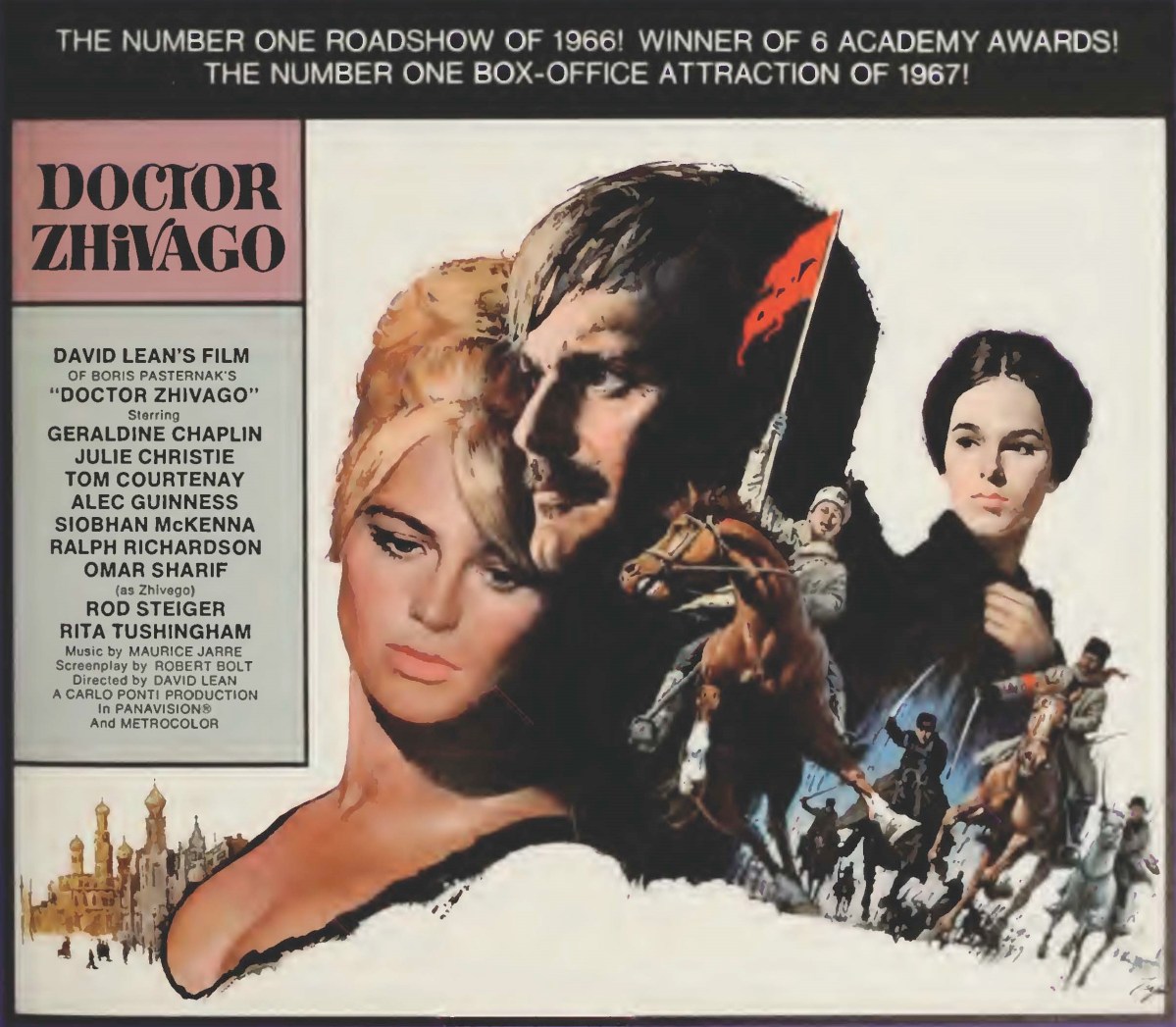
Front cover for the roadshow launch in the UK in 1966.

Jeanne Moreau (Viva Maria, 1965), Jane Fonda (Barbarella, 1968, who turned it down, then, recanted, by which time it was too late) Yvette Mimieux (Dark of the Sun, 1968), Sarah Miles (Lean’s Ryan’s Daughter, 1970), and, inevitably Ponti’s wife Sophia Loren (dismissed as “too tall” by Lean), were in the running for Lara until, on the recmmendation of John Ford who had directed Julie Christie in Young Cassidy (1965), the part went to the British actress. Audrey Hepburn (Charade, 1963) was Lean’s choice for Tonya until he was bowled over by the screen test by Geraldine Chaplin, the waif-like daughter of Charlie Chaplin, who, in the run-up to release, received the bulk of the advance publicity. Contrary to received wisdom, this was not her debut, she played opposite Jean-Paul Belmondo in Lovely Summer Morning (1965).

So, effectively, Lean was launching MGM’s biggest-ever productions with a cast headed by unknowns, Sharif’s marquee value not up to the mark, every film he had been in since Lawrence of Arabia had flopped and he had never received top billing – and would not here either.

Initially, Lean considered shooting in 70mm in black-and-white but 70mm equipment was deemed too cumbersome and monochrome too risky for such a big film so it was made in 35mm with the intention of blowing it up to the larger format for roadshow release. Ponti reckoned the movie could be made in the Soviet Union or Yugoslavia for $5 million. After switching to the eventual location, Spain, with some sequences filmed in Finland, it cost much more, over $11 million.

The shoot lasted 33 weeks but the production actually took two years and involved 800 craftsmen in three countries. . Original cinematographer Nicolas Roeg dropped out after “creative differences”, replaced by Freddie Young (Lawrence iof Arabia), adding two weeks to the schedule to reshoot Roeg’s scenes.
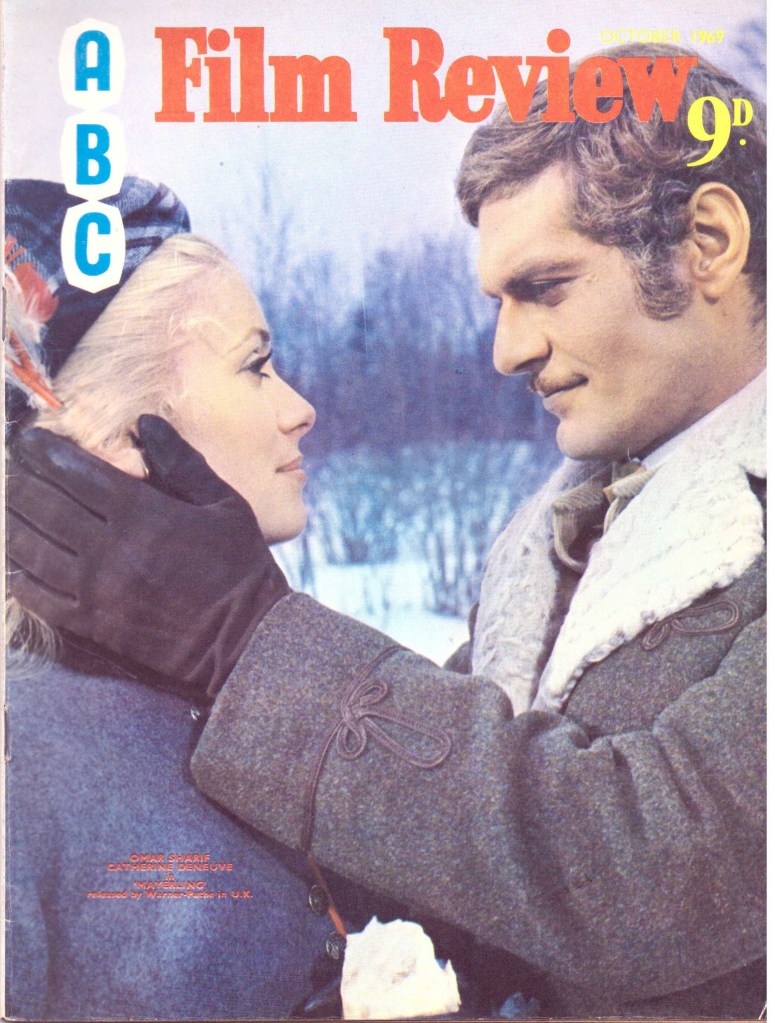
And for the general release three years later.

Much of what appeared on the screen was illusion. The Red Army charged across an apparently frozen lake at the height of summer, the lake itself non-existent, just a field covered in cement with sheet iron topped with thousands of tons of crushed white marble ironed out by steamrollers so when the horses slid it looked realistic. To complete the picture, a rowing boat was moored at the edge.

Other effects combined direcotrial genius with practicality. Prior to the scne featuring a huge field of daffodils, Lean had filmed three minutes of Zhivago and Lara against a freezing background, everything sprayed gray to remove any hint of color so that the sudden appearance of of the golden flowers cast a spell of spring.  To prevent the flowers  – 4,000 of them imported from the Netherlands – blooming too early, they had been dug up and put in pots to control their growth  and replanted when required. To make snow glisten in another scene, cellophane was spread over wintry bushes and trees.

The sleighs had little wheels fitted to the runners, icicles were made from polystyrene, the balalaika was created by the props team and the interior of the Ice Palace made from cellophane crushed into thousands of creases, paraffin wax and salicylic acid powder creating fantastic shapes. The floor was fashioned from a layer of soap flakes. The train journey went through Spain and in places where there were no railroad tracks, these were built.

Moscow, ten acres of it, rebuilt on a Spanish lot, took 18 months to construct and included 800 yards of cobbled street, the Kremlin, trolley cars and 60 houses and shops. Pasha’s armored train was an authentic replica. Even with the props trickery, Lean wanted to capture the different seasons so that was partly responsible for the long schedule. Sharif has his eyes taped back and his hairline shaved and straightened.

The aftermath of the dragoon charge down the steeets of Moscow was seen through the eyes of Zhivago – Lean’s advice to the actor was to imagine the moment before orgasm –  and it was just as well it worked because Lean had filmed no alternative.

The film intially struggled to attract public attention despite a $3 million publicity budget. Lean was not as marketable as Hitchcock or DeMille. The female leads were unknown, Darling (1965) not yet setting the box office buzzing except in arthouses. Sharif, as I mentioned, had not yet capitalized on Lawrence of Arabia.

“Lara’s Theme” was not yet in the shops – the soundtrack album sold 600,000 copies in a year becoming MGM’s biggest soundtrack seller –  and designer Phyllis Dalton’s furs were a long way from setting a fashion trend. Advance sales for the roadshow openings were poor, only $200,000 compared with $60,000 for Exodus (1961) and $500,000 for Cleopatra (1963). There was even speculation that the Capitol in New York where the film premiered had massaged the opening week’s figures. However, this kind of trickery would have been anathema in the industry, telling the truth about receipts to Variety every week considered the right thing to do, even if they fell short of expectation.

Historical epics had been long out of fashion. Lord Jim (1965) and The Agony and the Ecstasy, also roadshow numbers, were among the year’s box office casualties while a completely different type of movie, bouncy musical The Sound of Music (1965), was cleaning up. It didn’t help that Doctor Zhivago opened at the same time as Thunderball, the fourth Bond, which surpassed expectations with collosal initial box office. Nor did reviewers help. While Variety hailed its “soaring dramatic intensity” and the New York Daily News called it a “haunting emotion-charged drama,” the more influential New York Times slammed its “painfully slow-going and inevitable tedium” and it was condemned by the New York Herald Tribune as a “soap opera.”

In fact, if audiences had been slow to latch on, that was only during the first week, for soon it turned into a phenomenon, ending the decade as the $38.2 million in rentals. Lifetime rentals topped $60 million.  

SOURCES: Kevin Brownlow, David Lean (Faber and Faber, 1996); Eddie Fowlie, David Lean’s Dedicated Maniac (Austin & Macauley, 2010); Pressbook for Doctor Zhivago; “Metro Plots Two Features for Geraldine Chaplin,” Variety, February 24, 1965, p5; “Zhivago LP Soars Over 6000,000 Units,” Variety, August 17, 1966, 43; “All-Time Champs,” Variety, 1993.

Bedtime Story (1964) ***

Con men at opposite ends of the grifter divide face off in a duel over territoriality in the French Riviera. Freddy Benson (Marlon Brando) is a low-level scam artist who is happy to scrounge a meal or talk his way into an innocent damsel’s bed. Lawrence Jameson (David Niven) is his polar opposite, posing as an impoverished aristocrat to relieve gullible women of their wealth, seduction an added extra.

Initially, Jameson gets the better of their encounters until Benson realizes just what a killing the Englishman is making. Initially, too, Benson is happy to pair up with Jameson, although that involves demeaning himself as a supposed mad brother kept in a dungeon, until the Englishman dupes him out of his share. Eventually, they agree a winner-take-all battle – whoever can swindle heiress Janet Walker (Shirley Jones) out of $25,000 shall inherit the shyster kingdom.

Benson takes the sympathy route to the woman’s heart, turning up in a wheelchair, while James adopts a psychological approach, persuading Ms Walker that Benson’s illness is psychosomatic for which he has the cure for the small consideration of $25,000. And then it’s one devious twist after another as the pair attempt to out-maneuver, out-think and generally embarrass the other. Both have a despicable attitude towards women, whom they view as dupes, but it is woman who proves their undoing.

Most comedies rely on familiar tropes and you can usually see the twists coming, but this is in a different imaginative league and once the pair are in their stride I defy you to work out what they will come up with next. It is full of clever quips and small dashes of slapstick and because neither actor chases the laughs but plays their roles straight it is a very effective and entertaining morsel.

Director Ralph Levy in his movie debut knows more than where to just point a camera since he had decades of experience extracting laughs in television with top comedians like Jack Benny and Bob Newhart. Brando (The Chase, 1966) free of the shackles of the angst he normally incorporates into his dramatic performances, looks as if he is having a ball and while teetering occasionally on the edge of mugging never quite overplays his hand.

David Niven (Prudence and the Pill, 1968) was born with a stiff upper lip in his mouth and while this kind of aristocratic character is a doddle for an actor of his stature the portrayal here is much more like the sharpest tool in the box. While oozing charm, Niven exhibits deadly spite.

Screenwriters Stanley Shapiro and Paul Henning had previously collaborated on Lover Come Back (1961) and Shapiro particularly made his bones on the Doris Day-Cary Grant-Rock Hudson axis so it is interesting to see him shift away from the romantic comedy cocoon into something that is a good deal sharper.

Enjoyable and original with excellent performances from the two principles and great support from Shirley Jones (The Music Man, 1962) as the mark and Egyptian Aram Stephan (55 Days at Peking, 1963) as an only too congenial French policeman.

Good fun, stars in top form.

Candy (1968) **

Ode to the male gaze. Once a cult vehicle, this will struggle to find favor these days what with its backward attitudes. Virtually impossible to excuse the rampant self-undulgence. The sexually exploited naïve Ewa Aulin in the title role didn’t even have the benefit of being turned into a star. The satire is executed with all the finesse of a blunderbuss. And while, theoretically, picking off a wild range of targets, if this movie has anything to say it’s to point out how easy it is for men to deify themselves at the slightest opportunity.

Not much of a narrative more a series of sketches slung together with the slightest connecting thread. Most its appeal lies in watching huge marquee names make fools of themselves. Or, if you’re that way inclined, seeing how much nudity will be imposed on the star, intimacy  rarely consensual, clothes usually whipped off her.  

Teenager Candy (Ewa Aulin) has father issues, daddy (Jack Austin) being a dumb angst-ridden teacher. Randy poet McPhisto (Richard Burton) drives a class of schoolgirls into a frenzy with his lusty reading, inveigles Candy into his chauffeur-driven car, ends up in her basement drunkenly humping a mannequin while Mexican gardener (Ringo Starr) with an accent as coruscating as that of Manuel from Fawlty Towers assaults her on pool table.  Scandalized father packs her off to his twin brother in New York, that notoriously safe haven for nymphettes, while on the way to the airport they are almost driven off the road by the gardener’s vengeful biker sisters (Florinda Balkan et al).

For no apparent reason she is hitching a lift on a military plane commanded by randy Brigadier Smight (Walter Matthau) who, on the grounds that he hasn’t had sex for six years, commands her to remove her clothes for the good of the nation. In the Big Apple, rock star surgeon Dr Krankheir (James Coburn), entering the operating theater to the same kind of waves of acclaim as McPhisto, finds an excuse to have her undress and submit to him, this just after she’s managed to avoid the attentions of her randy uncle. It should come as no surprise that Krankheit treats women as his personal property to the extent of branding them like cattle.

In due course, she encounters a gang of mobsters, an underground movie director and a hunchback (Charles Aznavour) who, in return for her showing pity for his condition, proceeds to rape her. She is arrested. Guess who wants to frisk her. Naturally, when she escapes she runs into a bunch of drag queens.   

Then she finds sanctuary in a semi-trailer truck, home to guru Grindl (Marlon Brando). He’d be convincing enough as a mystic except he, too, finds an excuse to rip her clothes off. There are more cops to contend with and another guru, facial features obscured by white clay. If they’re going to have sex then naturally it must be in a Hindu temple. Turns out the latest person to take advantage of her is her father but he’s been handed a get-out-of-jail-free card because by now he’s brain damaged.

This might all be a dream/nightmare. Candy might even be an alien. It’s dressed up in enough psychedelia to sink a battleship and its highly likely that any lass as gullible as Candy will find herself at the mercy of any man, so in that context it carries a powerful message. I’m sure many beautiful young girls will attest to the truth that men feel they have the right to paw anyone who comes their way without asking permission. And the other message is just as powerful – how many young actresses have been seduced by thoughts of fame to disport themselves in this fashion only to find that all the industry wants is their nudity not their acting talent.

You might say that the target is so obvious it hardly needs pointing out but the MeToo campaign will beg to differ and you would hope that Hollywood has wised up. It’s just a shame that the satire is so heavy-handed. The military and the medical profession are sorely in need to answering tough questions. Unfortunately, this picture doesn’t ask any. It’s like an endless casting couch.

Directed by Christian Marquand (Of Flesh and Blood, 1963) in, thankfully, his final picture, from a screenplay by Buck Henry (The Graduate, 1967) and Terry Southern (Dr Strangelove, 1962) based on the novel by Southern and Mason Hoffenberg. Nobody comes out of this well and it’s rammed full of cameos from the likes of Elsa Martinelli (The Belle Starr Story, 1968), John Huston (Myra Breckenridge, 1970), Anita Pallenberg (Performance, 1970), Marilu Tolo (Bluebeard, 1972) and boxer Sugar Ray Robinson.

Ewa Aulin (Start the Revolution Without Me, 1971) isn’t given much of chance, her character whimsical, pallid and submissive and she didn’t become a major marquee name.

A mess.

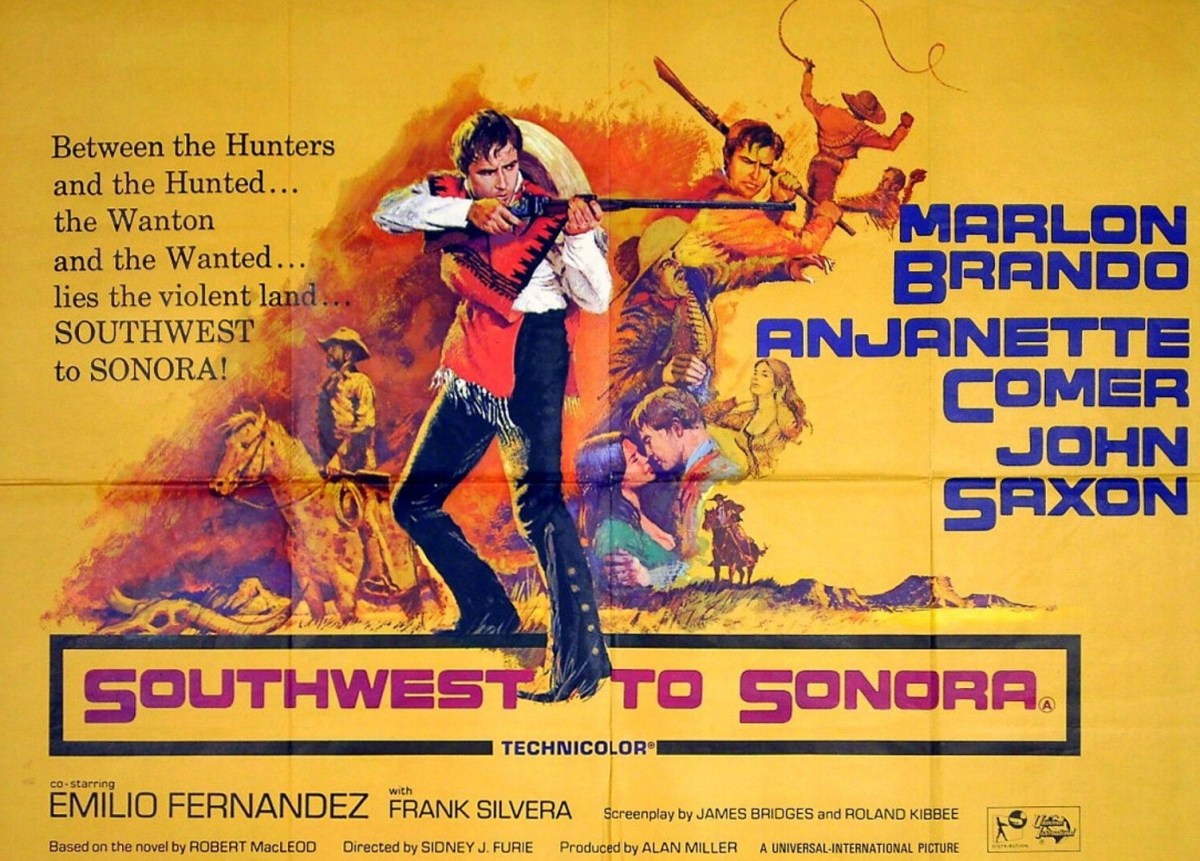
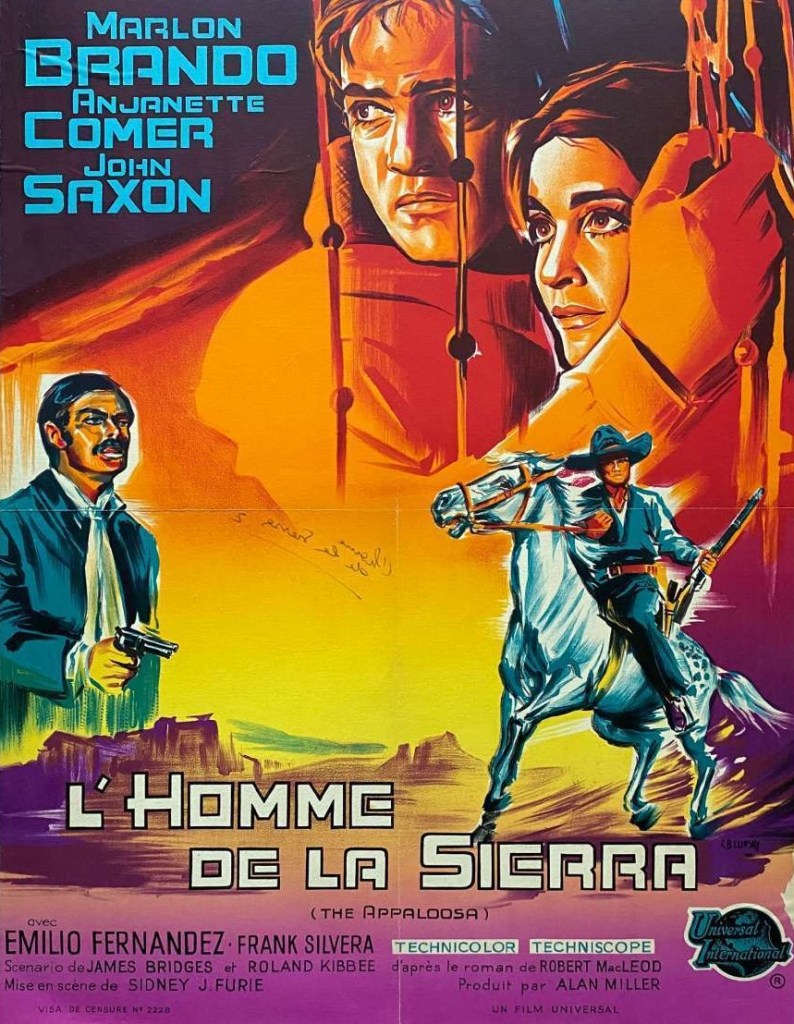
The Appaloosa/Southwest to Sonora (1966) ****

High expectation can kill a picture. Low expectation can have the opposite result. I came at The Appaloosa with the latter attitude in mind. I knew the picture had been a big flop and that critics had carped – as they had done through most of the 1960s – about the performance of Marlon Brando.

Neither was director Sidney J. Furie’s style to everyone’s taste. And it seemed an odd subject – Texan takes on Mexican warlord to recover a stolen horse. It is surely a slow burn, but it certainly worked well beyond my anticipation. There’s not much more to the story than two guys fighting over a horse.

First of all, Brando’s performance came across as natural, not mannered. Secondly, this was a real character. He was not a John Wayne striding into action to protect the underdog or a woman or out of some goddam principle.

At first it did seem odd that Matt Fletcher (Marlon Brando) placed so much importance on the horse given that said warlord Chuy Meena (John Saxon) had offered him a more than fair price for it. But in one brilliant two-minute scene, expertly directed and with virtually no close-ups – the actor caught mostly with his back to the camera or in silhouette – we discover why. Fletcher has been such a disappointment to his father that bringing home such an animal was proof that he had made something of himself. A buffalo hunter to trade, he was on the verge of starting a new life.

The second aspect of this intriguing picture was that Medena placed so much importance on a horse when he could easily buy any horse he wanted. But he was faced with losing face. His wife Trini (Anjanette Comer) had tried to escape from him on the horse and the only remedy was to persuade the watching federales that Fletcher had previously sold him the horse.

When Fletcher refuses, Medena takes the horse by force. Fletcher, in retaliation, and to save his own sense of pride, tries to take it back. He is not represented as a superhuman John Wayne or savage Clint Eastwood, but an ordinary guy who soon finds himself out of his depth. So ordinary that the first time he aims his rifle he misses the target by a mile.

Nor is he burdened with an over-enlarged empathy gland. He not only refuses to help Trini, but steadfastly refuses to take her with him, not even as far as the border, until in another of the film’s lengthy scenes she explains the reasons for her escape attempt.

Few films have exceeded it for atmosphere. This Mexico is grim, pitiless. Hostility and suspicion are endemic. Women are abused and discarded. The standout scene is Medena and Fletcher arm-wrestling over scorpions, played out against a soundtrack of scraping chairs and the poisonous insects scrabbling on the table. 

This is a brooding western featuring the actor with the best eye for brooding in the business. Sidney J Furie (The Ipcress File, 1965) is gifted – or afflicted depending on your point of view – with an eye for the unusual camera angle. Here I think the gift not the affliction is on show.

When you watch this and The Chase (1966) together it’s hard to see what on earth got the critics so rattled about Brando’s mid-decade performances. This is realistic acting at his best. Where John Wayne or Clint Eastwood present a superhuman screen persona, even if for part of a picture they are downtrodden, Brando was happy to play very human characters. In both pictures he is just an ordinary joe – forced into action by circumstance.

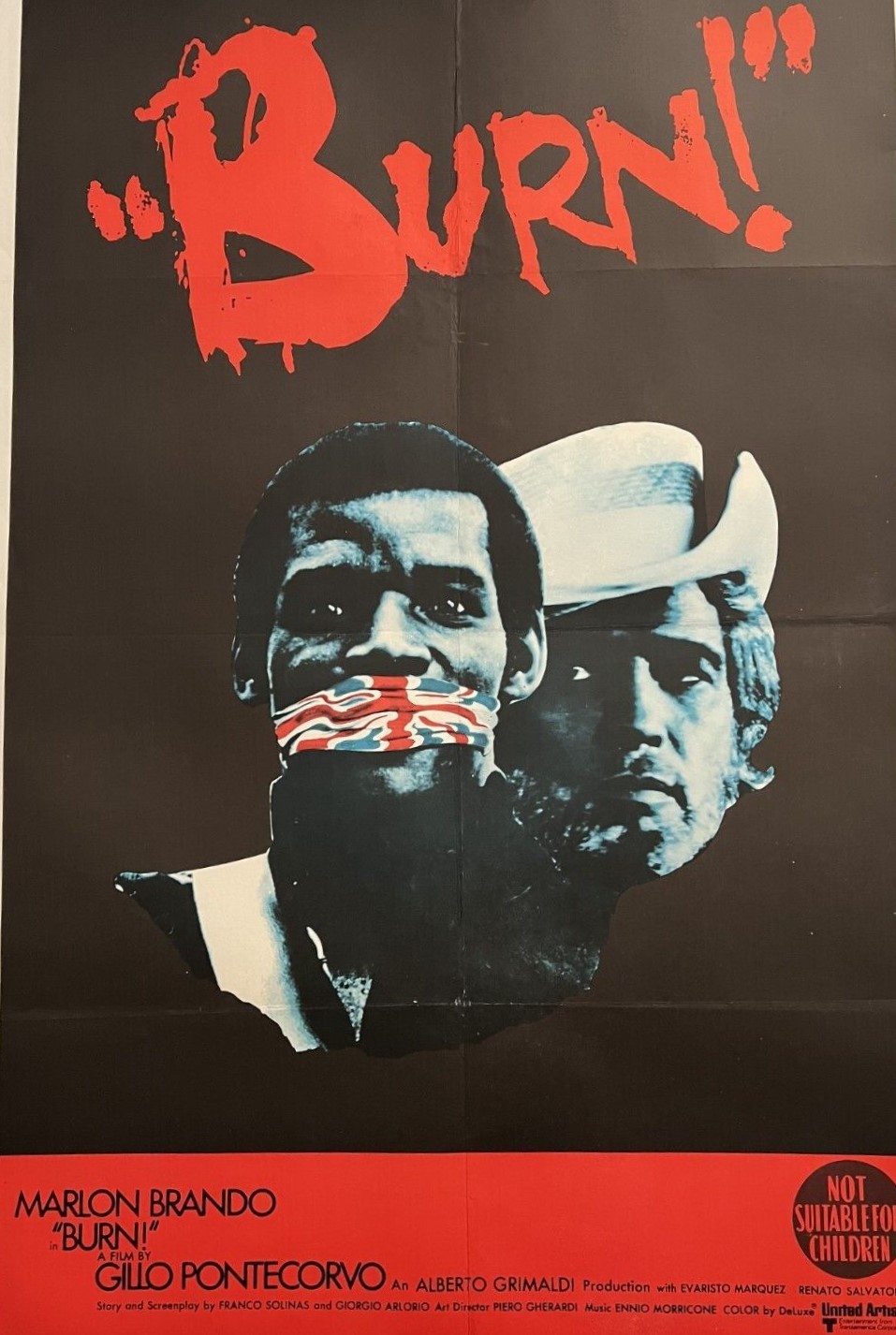
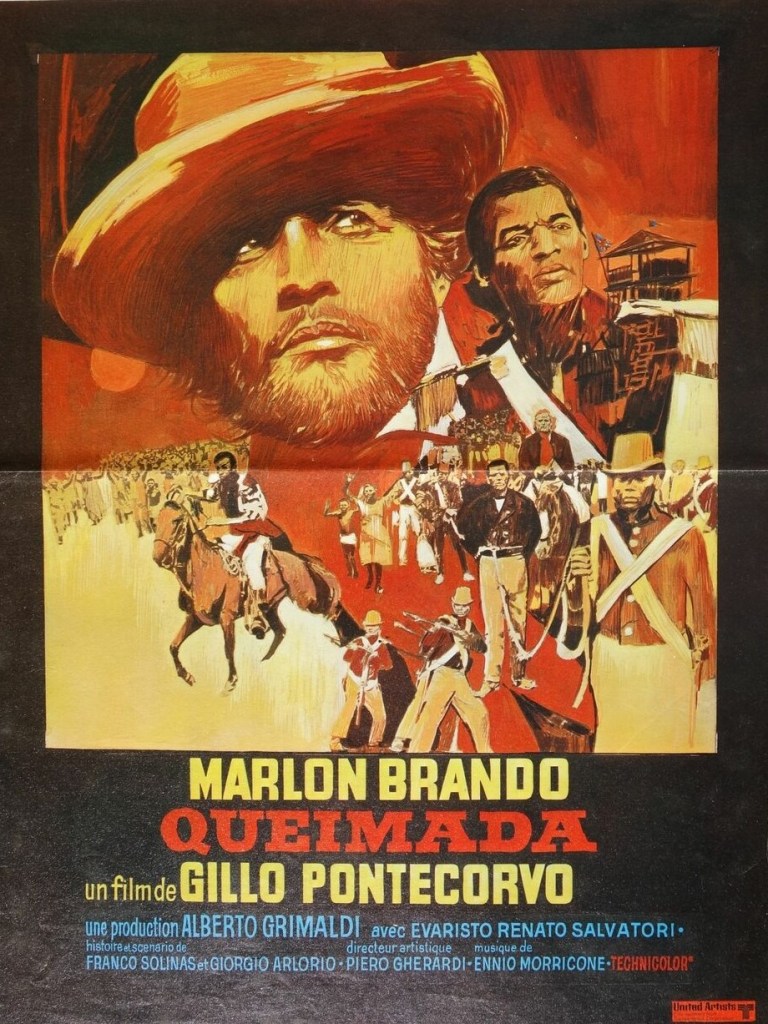
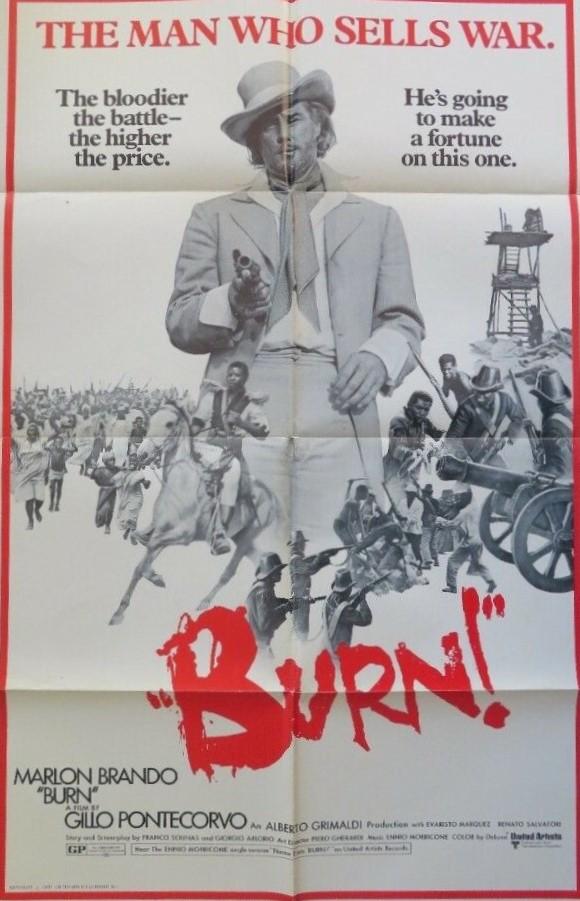
Burn / Quiemada (1969) *****

May have lost its allegorical power now that Vietnam is no longer a cause but even more compelling for standing as a generic condemnation of imperialism. The Vietnam connection is invoked immediately as Englishman Sir William Walker (Marlon Brando) on arrival is told that the Portuguese conquered the island hundreds of years before simply by setting fire to it until all the natives had perished or fled and restocking it with slaves from elsewhere. For a 1960s audience, that summoned up images of U.S. military use of napalm and carpet bombing.

The idea must have stuck in Walker’s head because that’s exactly the strategy he devises towards the end of the movie. Beyond his title, and the fact that he looks and talks like an upper-class Englishman of the mid 1800s, Walker is one of these shady characters you often found in the Colonies doing shady work for the British government. While this island is ruled by the Portuguese rather than the British, that’s about to change since the British find Portuguese attitudes to free trade too restrictive.

So Walker sets about creating the spark for an explosion. Having earmarked the local bank for an easy heist, he recruits Jose Dolores (Evaristo Marquez) to head a team of locals. Of course, such a large-scale robbery ensures pursuit. Capture is evaded when Walker produces a cache of rifles aware that in defending themselves the natives will trigger revolution. Walker then goes to work on the upper-classes, explaining how much better off they would be if they could side with the rebellion and overthrow the Portuguese.

Mission accomplished, he scoots off home, only to return when corruption has so destroyed the island, now a British colony, that Jose Dolores is back creating rebellion. Old friend becomes foe and is ruthlessly hunted down.

You can’t help but admire Walker’s guile. To create a large enough distraction to pull off the robbery he simply gets the entire town population drunk on free booze, giving soldiers more than enough rioting to cope with. To provide the circumstances to assassinate the President, he takes advantage of the costuming for a festival, allowing people to sneak past guards in any disguise. But when cunning doesn’t work, it’s down to brute force. The group with the biggest army, more weapons and the greater degree of ruthlessness will always win.

This isn’t one of those movies that sets out to idolise a rebel leader or where a small band of outlaws outwit the ruling power with clever ruses or filled with duels or ambushes or full-on battles. This is about the puppeteers, the men who use violence for their own commercial ends.

Like General Custer, Walker is a man with a job to do, even while he might despise it and certainly is filled with disgust at the ruling party. He claims he is not the author of either group’s misfortune but merely “the instrument.” On his return, he argues, “I didn’t start it; when I arrived you were already butchering each other.” In other words, blameless, just following the orders of either government or employer. But he takes pride in doing his job “well,” no matter the cost.

Every action has consequence. Even attempting to save Jose Dolores’s life, it is with consequence in mind. Let him live and set him free elsewhere and he will be viewed as a traitor. Kill him and he will be seen as a martyr, the most dangerous currency for incipient rebellion.

He knows exactly what buttons to press. In order to convince the ruling band of natives to support revolution in the first place, he makes a comparison with prostitution. You hire a sex worker by the hour to fulfil a need, you are not required, as with a wife, to dress her and feed her and look after her for her entire life. Should the employers free their slaves, that would eliminate the need for a lifetime of care (no matter how little) but could hire them as required.

The brutality is not dwelt upon, no The Wild Bunch-style bloody carnage, just a growing number of corpses on either side depending which group has the upper hand. The difference between the brutal Portuguese and the sedate English is in their approach to execution. The Portuguese rely on the garotte, by which a steel band fixed round the neck is slowly twisted until life is extinguished. The English prefer the speed of the gallows.  

Marlon Brando considered this one of his finest performances and I am inclined to agree. There is no showboating either way, neither inflating a character nor deflating him, as the actor was apt to do when playing a loser. Instead, Walker never loses a grip on his emotions, no temper, no tears, just saying whatever someone wanted to hear, guiding with a hidden hand, a man who might have invented the term “results-based.” It is the calmest you will ever see Brando, and you might catch elements of this portrayal in his Godfather pushing pawns into place. But you won’t see here a single explosion of anger. For a non-actor, Evaristo Marquez gives a superb performance, though mostly he is also restrained, as if he was learning from a master.  

Director Gillo Pontecorvo (The Battle of Algiers, 1966) takes a semi-documentary approach to the subject, concentrating on the machinations, no attempt to pull audience heartstrings with images of poverty. The garotte death does the work of explaining the brutality to come.

But there are three brilliant scenes that showcase the unstoppable character of war. In the best, the rebels, trying to escape an island ablaze, seek shelter on the higher ground. But this arid region is also exposed, no jungle here to provide cover, and scrambling up the naked slopes they are picked off, in long shot, one by one.

In the second example, the closest Walker comes to emotion is waking up one morning to the sound of a gallows being built. He takes a moment, listening, aware perhaps, though unwilling to admit it, that the harvest of a seed sown is about to be reaped. Brando is such a good actor that sadness only appears as a flicker of regret that the rebellion he began took a wrong turn once it was taken over by the wrong hands.

And, technically, his hands are clean. He is never seen firing a weapon. In the last of this trio of scenes, the English introduce hanging to the island. But since no one possesses the expertise to make a noose strong enough to support a head, Walker shows how.

There are two versions of this movie. It was filmed as Quiemada and this version is 17 minutes longer than the one released as Burn! I would urge you to see the far more atmospheric former. Editing down the picture, the distributors took out much of the background material. As a plus, there is a score by Ennio Morricone.

One of the best films ever made about the politics of war and the destructive force of commerce.

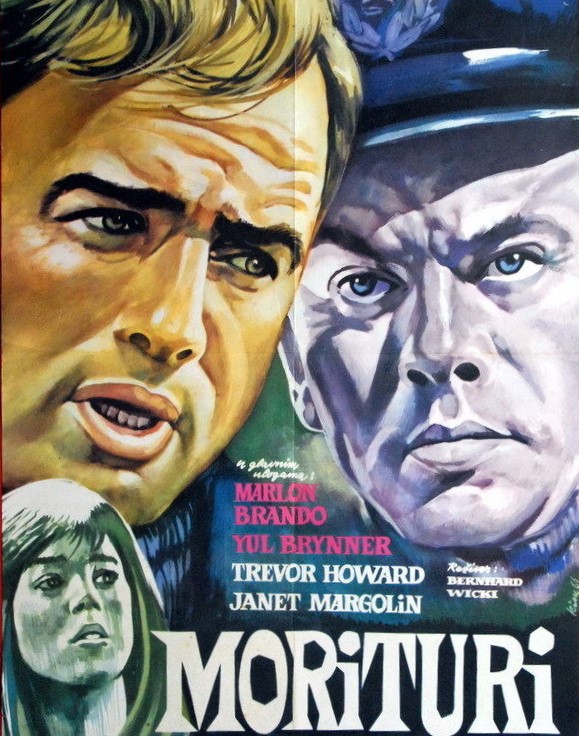
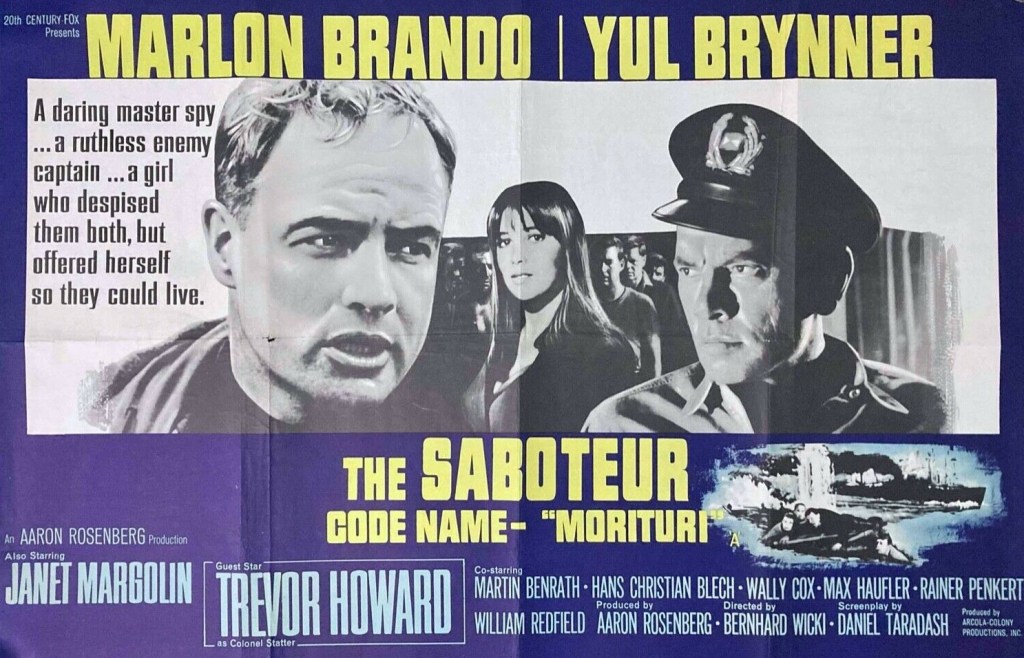
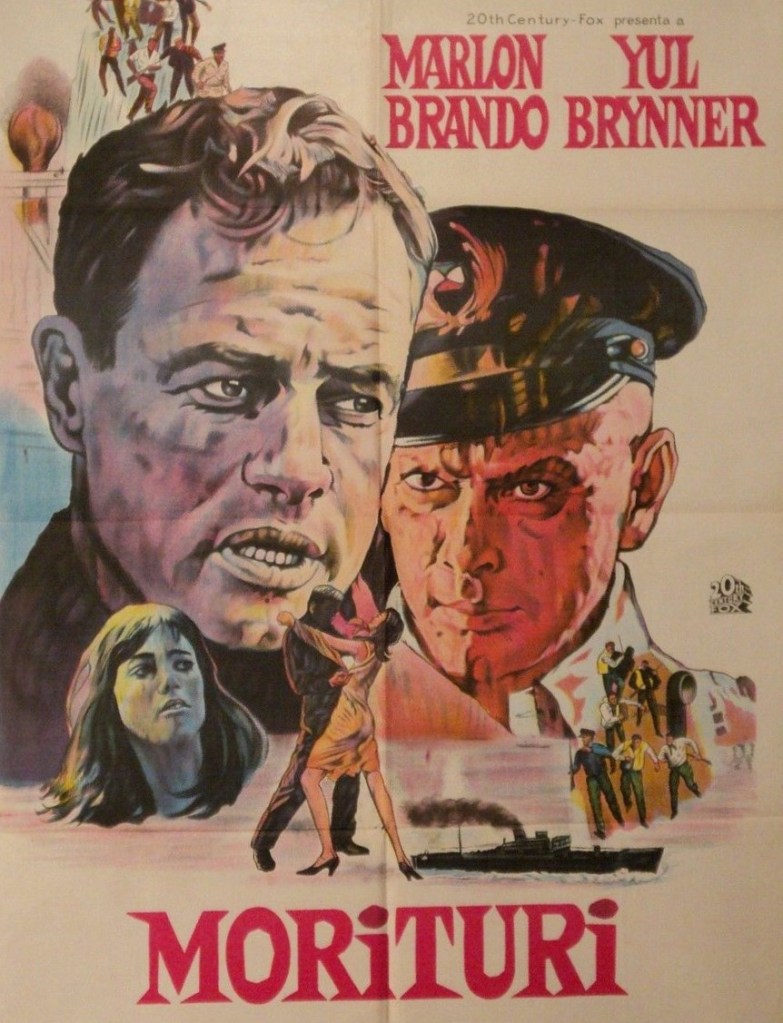
Morituri / Saboteur: Code Name Morituri (1965) ***

For a film that staggered around trying to find a plot to justify its tale of moral ambiguity during World War Two the final third is surprisingly potent. Featuring two good Germans and a bunch of bad Yanks ostensibly it’s a straightforward story of a saboteur trying to prevent a German cargo ship captain from scuttling his ship should it come under attack from the British determined to lay their hands on its vital supplies of rubber.

Supposed German pacifist Robert Crain (Marlon Brando) – actually a coward – hiding out in India is blackmailed by British Col Statter (Trevor Howard) into posing as a high-ranking SS officer on the German ship in order to prevent it being sunk by Captain Mueller (Yul Brynner). After his last command ended in drunken disgrace, Mueller assumes Crain has been sent to keep an eye on him. So Crain spends an almighty time down in the engine room and various below-decks spots defusing the wiring that would cause the ship to blow up at the touch of a button by the captain.

Mueller’s second-in-command Kruse (Martin Benrath) is suspicious of the cosmopolitan art-loving Crain but it’s a renegade band of criminals, led by Donkeyman (Hans Christian Blech) forced into armed service, who rumble Crain. But he talks them into mutiny. The ship avoids detection by disguising itself as a neutral Swedish freighter. Mueller’s attitude to Crain changes when the latter prevents him hitting the self-destruct button as a British destroyer seems poised to attack, changing its mind at the last minute.

Meanwhile, a group of American prisoners, from a ship sunk by a Japanese U-boat, come on board, including Jewess Esther (Janet Margolin). Surprisingly, Mueller steps up to the plate, protecting her from his crew, providing her with a private berth and permitting her to eat in the officer’s mess. On board the submarine are Admiral Wendel (Oscar Beregi), who commissioned Mueller, and a German counter-intelligence officer and, surprised to find Crain on the cargo ship, challenge him. Crain calls their bluff, but when the Admiral leaves he plans to radio Berlin to check Crain’s credentials, information passed on to Crain, who now has a very short deadline to organise mutiny, take over the ship and sail it to safety.

To do that, the mutineers require the support of the prisoners, a task detailed to Esther, who can only achieve that mission by surrendering her body to the prisoners, in much the same way as she has done previously to the Gestapo.

Mueller goes to pieces on hearing that his beloved son, also a ship’s captain, has been given a medal for sinking his fifth enemy vessel – only this time it is a hospital ship. After Mueller drinks himself unconscious, and Kruse assumes command, Crain fails to enlist Mueller to the mutiny which then begins. The surprise ending is both brutal and poetic.

But despite almost capsizing under the weight of an unwieldy cargo of plot and double-plot, the picture finally makes its points, that in war, ambiguity reigns. Mueller, who hates the Nazis but stoutly defends his Fatherland, proves to have the highest moral standards, agreeing to help Esther when they reach their destination, and preventing further molestation of her while aboard. Crain, purportedly the good German, has no compunction about sending Esther to do his dirty work, knowing the risks a sole woman faces in a hold of desperate sex-starved men. The good Yanks turn into rapists at the slightest opportunity, every bit as heinous in their depredations as their enemy.

That the movie stays afloat for so long is largely down to the excellence of Marlon Brando (The Chase, 1966) and Yul Brynner  (The Double Man, 1967). Brynner’s magisterial presence, chest out, legs apart, serves him well, and the ongoing duel with Brando is an acting treat, though Brynner has the best scene, the look of anguish on his face when he realises what his son has done. Brando, reprising the silky German accent of The Young Lions (1958), is very convincing as the dilettante pressed into service, negotiating his way round the recalcitrant Brynner, and living on his wits when faced with the criminals and then the  Admiral. And while Janet Margolin (Nevada Smith, 1966) is little more than a symbol, she invests the role with terrifying humanity, a woman reduced to being a sex object, utter submission her only way to achieve temporary reprieve. Most of her best acting is just with the look on her face.

In his Hollywood debut Martin Benrath appears just a standard German until his mask slips and we realise how much he covets the captain’s uniform. Wally Cox (The Bedford Incident, 1965) is another compromised by immoral behaviour, the doctor who steals the ship’s supply of morphine. Hans Christian Blech (Battle of the Bulge, 1965) excellent as a vengeful mutineer. You might also spot William Redfield (Fantastic Voyage, 1966). Trevor Howard (Von Ryan’s Express) is only there at the outset.

Austrian director Bernhard Wicki (The Visit, 1964) does his best with a plot bursting at the seams, but the scenes of sabotage are well done, and he does recreate the claustrophobic atmosphere of a ship, and the final sequence is worth waiting for. Daniel Taradash (Castle Keep, 1969) wrote the screenplay.  

Behind the Scenes – “Man in the Middle”/”The Winston Affair” (1964)

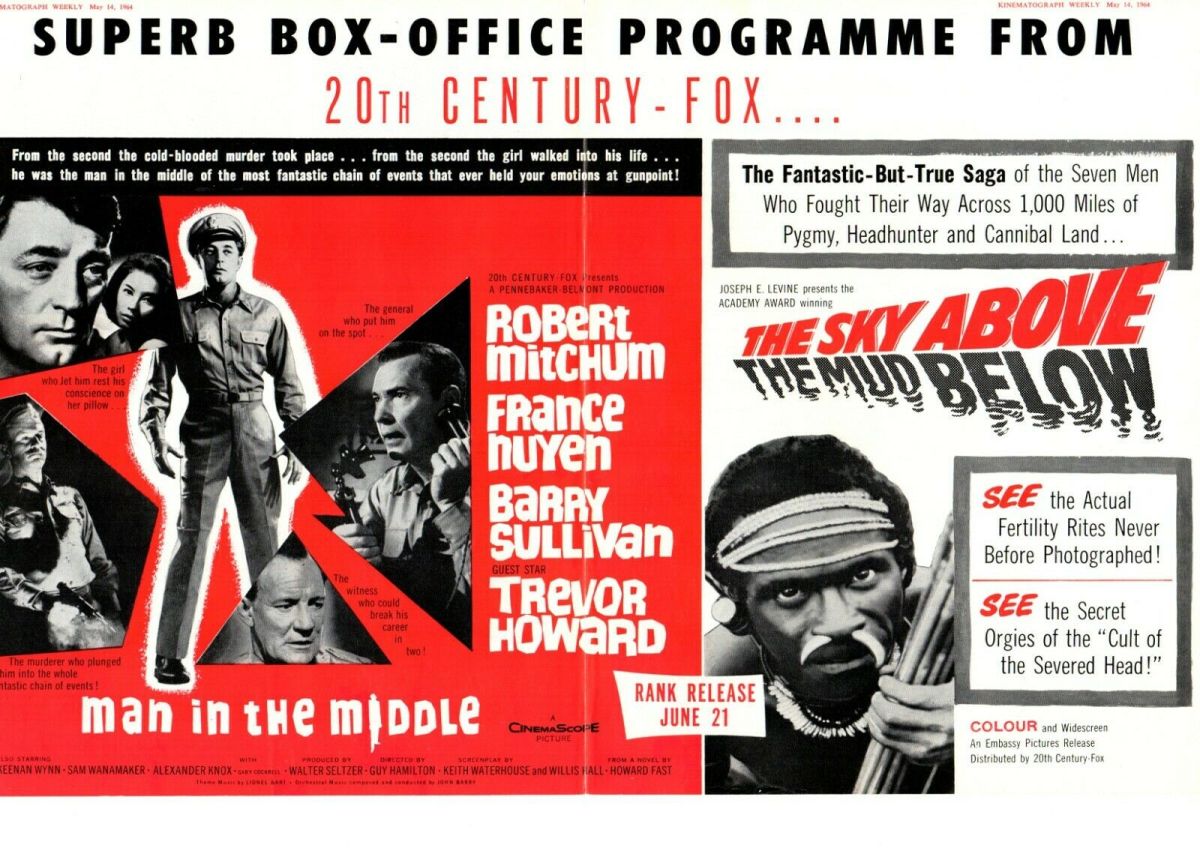
You were asking for trouble to pair heavy drinkers Robert Mitchum and Trevor Howard. But Man in the Middle was a fraught production long before the actors came on board. The picture was intended to kick off Twentieth Century Fox’s revamped 20-picture slate that signaled a studio back from the dead after near-bankruptcy. The success of The Longest Day (1962) triggered a cycle of World War Two pictures, Man in the Middle launching this cluster, which accounted for more than third of the studio’s projected output.

But before fox arrived on the scene, Man in the Middle was intended as a key element in the launchpad or an indie powerhouse, the grandly-named Entertainment Corporation of America (ECA), set up by Max Youngstein, one of the founders of the post-war version of United Artists. Youngstein had an 11-picture tab budgeted at $3 million including Honeybear, I Think I Love You starring Warren Beatty (Bonnie and Clyde, 1967), Cold War thriller Fail Safe, The Winston Affair (as Man in the Middle was originally tabbed) and The Third Secret.

But concerns about legal action against Fail Safe torpedoed the venture within a few months of opening for business in November 1962 after theatre chain Ace Films pulled the plug on its $1.3 million investment and distributor Allied Artists followed suit. Columbia took over Fail Safe (1964) and Twentieth Century Fox The Winston Affair in a co-production with Marlon Brando’s Pennebaker shingle and Talbot which was Robert Mitchum’s outfit. 

With Fox’s recent financial vicissitudes keeping the studio in the media spotlight, budget control was essential. The movie’s $1.35 million budget was trimmed by clever scheduling, no actor, outside of the star, on set for more than three weeks, ensuring that overtime vanished. The title, however, appeared forever in flux. Original title The Winston Affair, the name of the Howard Fast book on which the film was based, changed to The Man in the Middle, then back to The Winston Affair, reverting again to The Man in the Middle before ending up with a contracted version of that – Man in the Middle. The confusion played havoc with a movie called Light of Day that snapped up Man in the Middle when the Fox title became vacant but was released as Topkapi (1964) when Fox took the title back.

Producer Walter Seltzer (Number One, 1969) pushed for more African American representation on the picture. Three roles, not written as African Americans in the novel or in the Waterhouse and Hall screenplay, were given to African Americans, the “best men for the job,” according to the producer. The trio were: Errol John, the N.C.O of the prison cell where the murder suspect is held, Frank Killibrew who doubled as the jeep driver and confidante to attorney Adams (Robert Mitchum) and Oscar James as a court reporter.

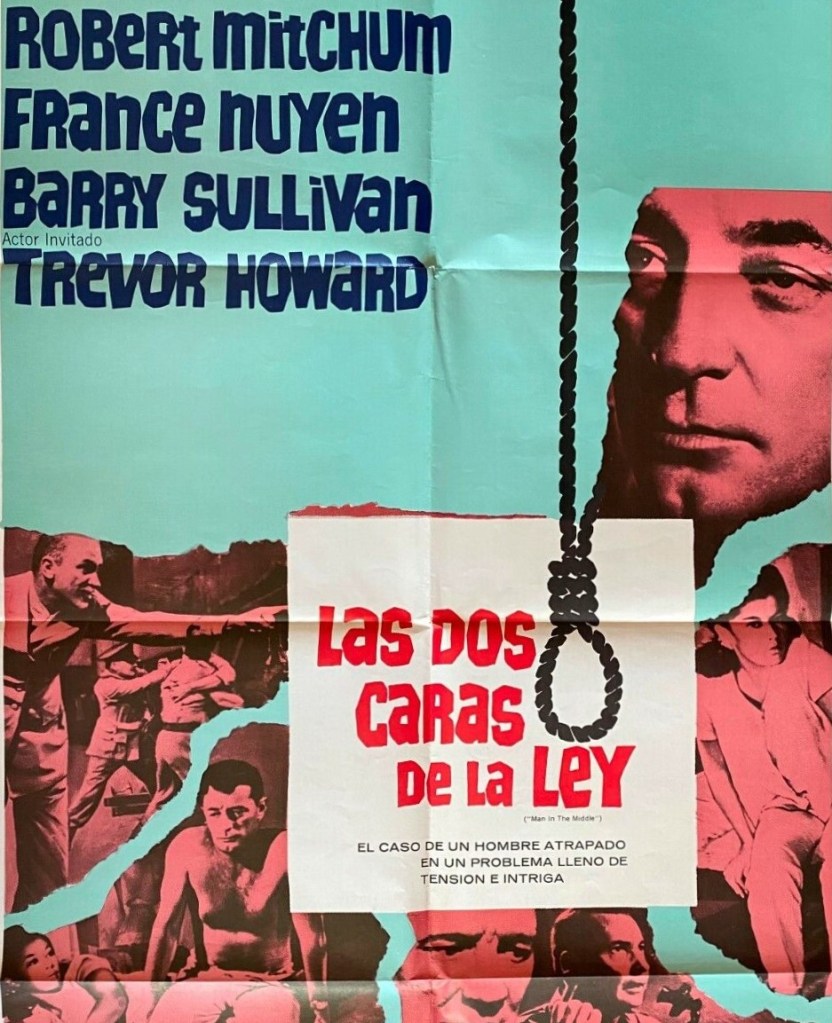
The two ECA movies taken over by Fox.

Mitchum didn’t just have drink problems. He was in the middle of an affair with Two for the Seesaw (1962) co-star Shirley MacLaine which result in public rows with long-suffering wife Dorothy. Mitchum had enjoyed a long business relationship with Max Youngstein and when the producer came upon The Winston Affair the actor agreed to star in it, only to find the rights had already been snapped up by Pennebaker. However, Pennebaker was in no position to fund a movie and without a commitment from Brando as star unlikely to get it off the ground. Since the production company nonetheless required, for tax purposes, to show a movie on its books Brando had agreed to throw in his lot with Youngstein’s ECA. And when Fox took over, Brando and Talbot retained their production credits.

When Seltzer flew to London to meet Mitchum who was finishing off his cameo for The List of Adrian Messenger (1963) the star lived up to his hell-raising billing, walking drunk from his room along the hallway and down the elevator at the plush Savoy Hotel. He was buck naked.

The bulk of the filming took place in Elstree Studios in London with just a couple of weeks set aside for location work in India. The ongoing romance with MacLaine meant production could grind to a halt in the middle of a scene while Mitchum took a call from the actress in New York although conversation was inhibited with Selzer at his elbow looking at his watch.

“He was a professional in every respect,” recalled Selzer. “He was on time, knew his lines and didn’t make any trouble…very good with France Nuyen (A Girl Called Tamiko, 1962), who was a little unsure of herself, and he did a lot to help her performance and boost her confidence.”

Trevor Howard was a different kettle of fish. Mitchum and Howard had become friends in the 1950s while working in Mexico, and Mitchum was a great admirer of the Englishman’s talent. However, Howard had “been all but blackballed of late due to his drinking.” Oscar-nominated for Sons and Lovers (1960), Howard had only made two films since. And even the role here was more of an extended cameo than a main supporting role. To win the part, Howard invited director and producer to visit him at his home where he put on a very good act of restraint, limiting himself to tea while the others consumed alcohol.

Restraint proved an illusion. While Mitchum could drink and still turn up for work, Howard would go to pieces with a few drinks in his system. On his second day of shooting, Howard turned up on set wearing mismatched socks and threw a drunken fit when asked to change.

Director Guy Hamilton had worked with big Hollywood personalities Kirk Douglas and Burt Lancaster on The Devil’s Disciple (1959) but compared to them Mitchum was a pussycat.

“He understood the importance of listening,” said Hamilton, “which is very, very rare for American stars…If all else failed in a scene, you knew you could always fall back on Mitchum’s reaction shots, which could say more than the dialogue.”

Mitchum was blessed with a photographic memory. Even when confronted with pages of new script he would have no trouble remembering his lines. In fact, if anyone fluffed their lines they could rely on Mitchum helping them out. When the movie decanted to India, he had an encounter with a maharajah’s daughter, which ended up in the bedroom. Once the movie was finished, Mitchum resorted to type, getting stoned on raw marijuana on the 16-hour flight home from India, a zip bag full of the stuff, and sailing through the Nothing To Declare section at Customs at the airport.

Most reports have this down as a big flop. But I’m not so sure. It cost comparatively little and earned $1 million in rentals in the U.S. Mitchum was a big enough star for it to be released around the world and I’d be surprised if it didn’t manage the extra $300,000 required to break even.

SOURCES: Lee Server, Robert Mitchum, Baby, I Don’t Care (Faber and Faber, 2001) p457, 462-467; “Marlon Brando To Film Winston Affair,” Box Office, April 9, 1962, p16, “Youngstein As Exec Producer,” Variety, January 16, 1963, p4; “Entertainment Corp Sets Mitchum Film Overseas,” Variety, January 16, 1963, p4; “Four Months To The Day For Man,Variety, January 26, 1963, p5; “From Surefire to Fail Safe,” Variety, April 10, 1963, p3; “Winston Affair Set To Start 20th-Fox  British Production Program,” Variety, April 24, 1963, p22; “Fascination With Own Era,” Variety, May 22, 1963, p3.“Use Negro Skills in Seltzer’s Film,” Variety, October 2, 1963, p4; “No Principal On Role Longer Than 3 Weeks, Key Budget Control,” Variety, November 27, 1963, p3.

Remake Fever – The 1960s

Hollywood has been hitting the retread button for over a century. Today’s reboots and re-imaginings are nothing new. Although in the past the excuse was technological development, the splurge of remakes in the 1960s including Beau Geste (1966), Stagecoach (1966) and Goodbye Mr. Chips (1969) were superior to the originals in one particular aspect – they were in color. 

When silent films went from two-reels to four-reels and from six-reels to eight-reels, roughly the length of a modern picture, and when silent gave way to sound the remake business went into overdrive. The 80-minute Tess of the Storm Country (1914) starring Mary Pickford was transformed into a 137-minute version eight years later headlined by the same star.  Zane Grey westerns starring William Farnum Raiders of the Purple Sage (1918), The Lone Ranger (1919) and The Last of the Duanes (1919) were remade as Tom Mix vehicles between 1923 and 1925 and toplining George O’Brien between 1930 and 1931. Over 120 remakes were made between 1928 and 1930, with around 80 per cent going out with the same title. There was another remake burst at the end of the 1930s including The Hunchback of Notre Dame (1939).

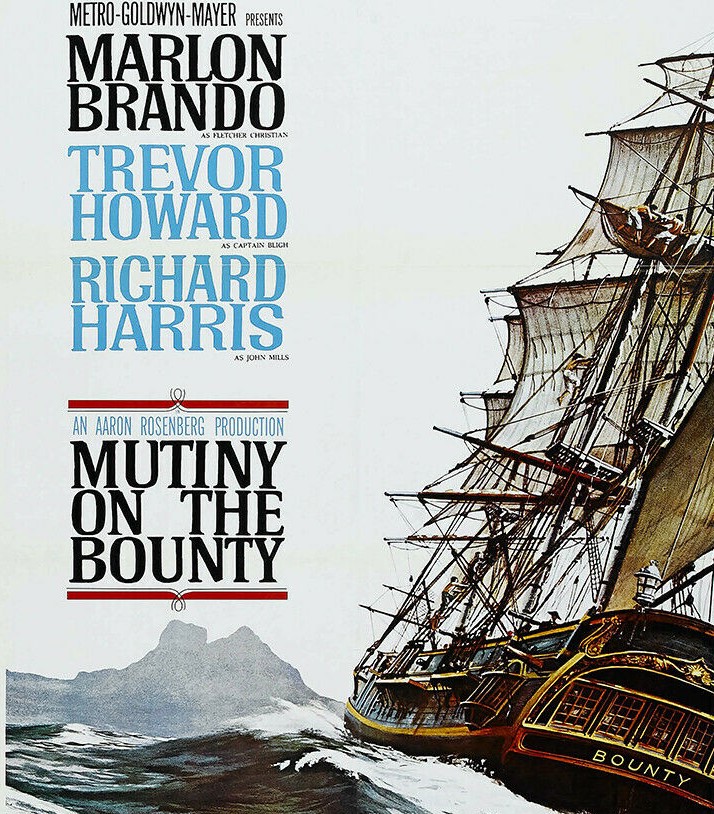
Color was the prime instigator for the remake business in the 1960s. But you could also add the technological development of 70mm, the key element of roadshow pictures. Many big-budget films of the 1920s and 1930s had hit the box office target and with studios looking for as many sure-fire winners as possible it seemed sensible to give a new look to older projects. Ben-Hur (1959) could be seen as lighting the remake touch paper especially when it scored equally highly at the box office and the Oscars. MGM followed through with roadshows of Mutiny on the Bounty (1962), one-third as long again as the 1935 original, Cimarron (1960) with an extra 20 minutes compared to the 1931 Oscar-winner. But the reimagining of The Four Horsemen of the Apocalypse (1962) ran about the same length as the Rudolph Valentino version of 1921 as did King of Kings (1961) compared to the 1927 Cecil B. DeMille version.

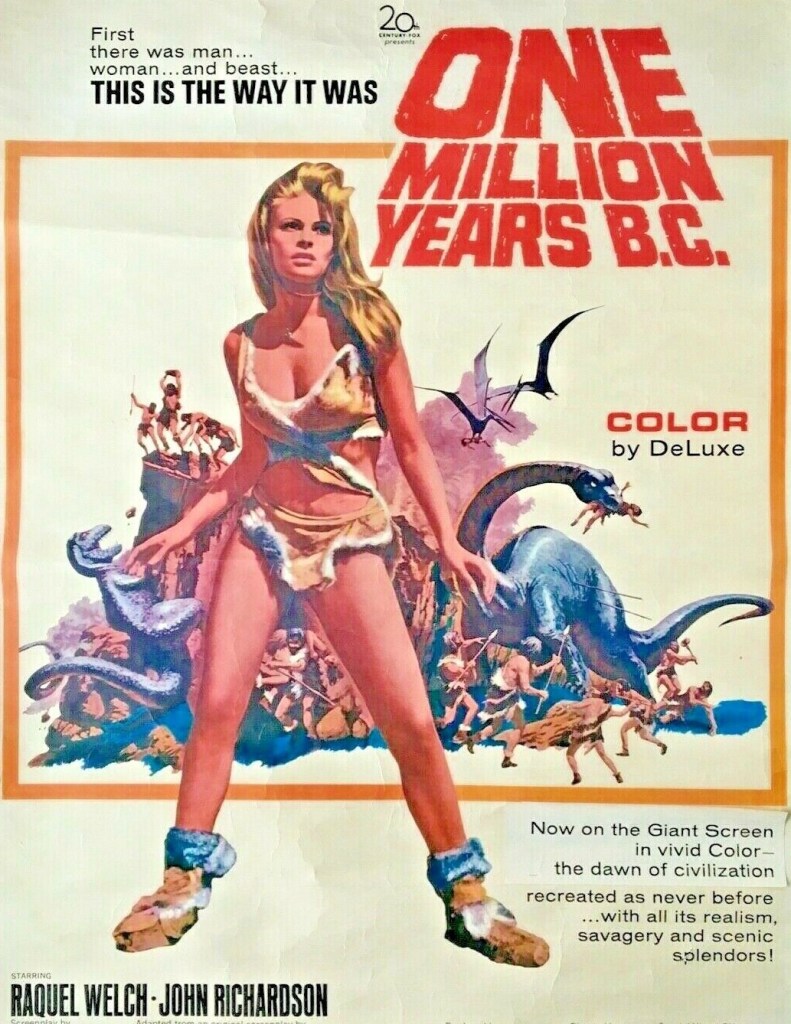
The famed Raquel Welch vehicle was based on a film of 1940.

Prior to considering the expensive business of investing in a remake, studios had been able to rely on sticking out the old movie as a reissue, limited financial exposure often resulting in considerable box office. But it was impossible to sell silent pictures, excepting comedians like Charlie Chaplin, to a modern audience and many of the big hits of the 1930s had either been already sold to television or were considered dated by contemporary standards and although black-and-white films were still being made halfway through the decade (In Harm’s Way, 1965, for example) they were a difficult re-sell.

Far easier to revamp a well-known, perhaps beloved, product with the addition of color cinematography, better sound, and possibly with major stars in the vein of Marlon Brando (Mutiny on the Bounty) and Peter O’Toole (Goodbye, Mr. Chips). It also seemed the case that lesser stars could still prop a remake with little adverse effect on the receipts especially if the lower-priced actors substantially reduced the budget and consequently the income required to turn a profit.    

Some movies appeared to be on an endless recycle. The Count of Monte Cristo (1964) had been filmed in 1956, 1954 and 1934, the latter starring Robert Donat. The Perils of Pauline (1967) had been remade twice since Pearl White had made the character her own in 1914. Back Street (1961) with Susan Hayward had been filmed twice before in 1941 and 1932. The Spanish-made The Last of the Mohicans (1963) starring Jeffrey Hunter was the fifth attempt at filming the famous novel after movies made in 1920, 1932, 1936 and 1957.

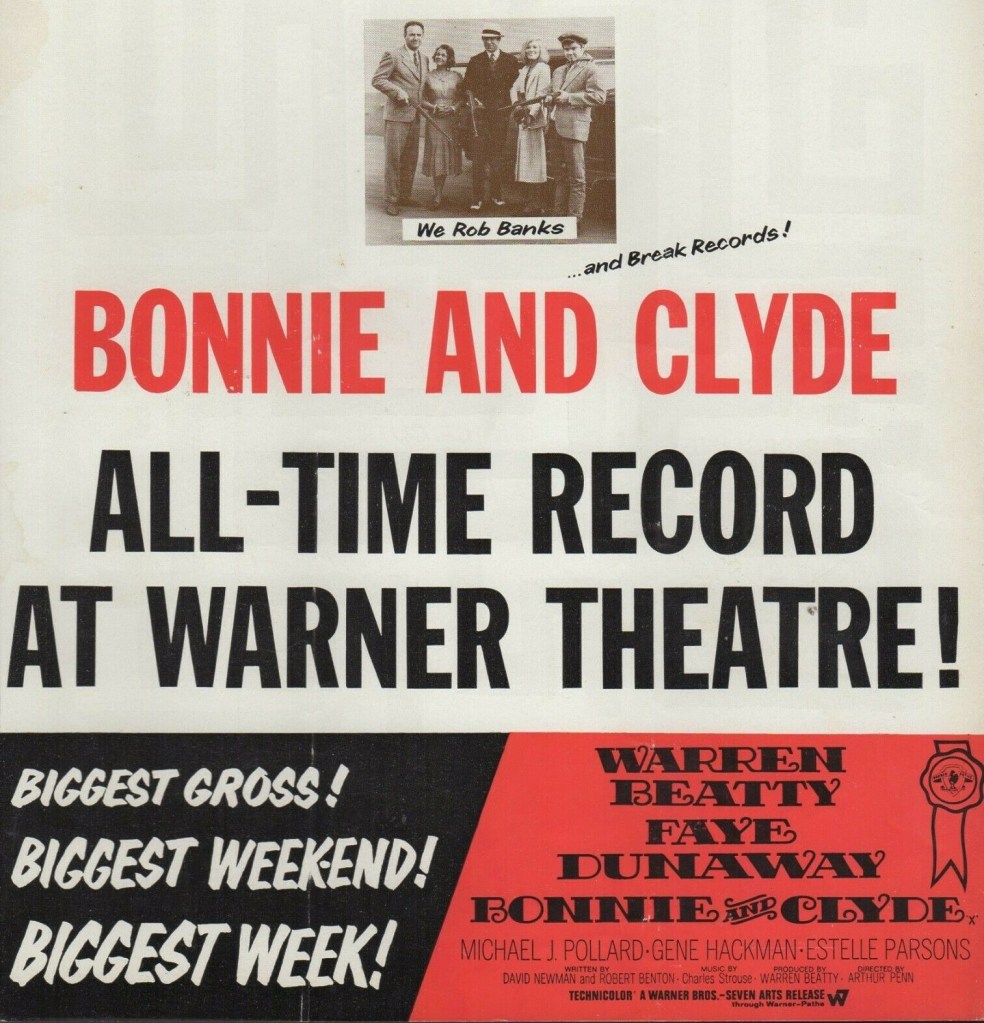
“The Bonnie Parker Story” laid the groundwork for this box office smash-and-grab.

Some remakes changed their titles. Cary Grant comedy Walk, Don’t Run (1966) was based on The More the Merrier (1943), Stolen Hours (1963) with Susan Hayward on Dark Victory (19390 with Bette Davis, Doris Day vehicle Move Over Darling (1963) on My Favorite Wife (1940), and Agatha Christie’s Ten Little Indians (1963) on The Old Dark House (1932). William Wyler’s The Children’s Hour (1961) starring Audrey Hepburn drew on These Three (1936), Uptight (1968) was a modern take on John Ford’s Oscar-nominated The Informer (1935), and comedy The Shakiest Gun in the West (1968) with Don Knotts had its origins in The Paleface (1948) starring Bob Hope. Akira Kurosawa’s Japanese classic Rashomon (1950) retuned as The Outrage (196) starring Paul Newman. The Bonnie Parker Story (1958) was drastically retuned as Bonnie and Clyde (1967). Frank Capra’s A Pocketful of Miracles (1961) was based on his own Lady for a Day (1932). Gregory Peck thriller Mirage (1965) took only three years to re-emerge as Jigsaw (1968).   

Other studios decided the original title was too big an attraction to be discarded. Of Human Bondage (1964) with Kim Novak and Laurence Harvey had been made 30 years earlier with Bette Davis and Leslie Howard. Night Must Fall (1965) starring Albert Finney had originated 27 years prior. Raquel Welch-starrer One Million Years B.C. (1966) had been slightly truncated from One Million B.C. (1940), Lee Marvin and Angie Dickinson headlined The Killers (1964) based on characters originally essayed by Burt Lancaster and Ava Gardner 18 years previously, Mayerling (1969) with Omar Sharif and Catherine Deneuve had starred Charles Boyer and Danielle Darrieux in the 1936 version.

Horror was the most obvious genre to receive a revamp. Robert Bloch rewrote The Cabinet of Dr Cagliari (1962) forty-two years after the original. Hands of Orlac (1961) with Mel Ferrer had previously been known as Mad Love (1936). Herbert Lom reprised The Phantom of the Opera (1962) following on from Lon Chaney in 1925 and Nelson Eddy in 1943. French-made The Golem (1967) was based on versions screened in 1921 and 1937.

Some films were remade with music, Goodbye Mr. Chips – the Robert Donat, Greer Garson original belonging to 1939 – the most obvious example but The Sound of Music (1965) was essentially a musical version of the Germanic The Trapp Family (1956), and Three Coins in the Fountain (1954) set in Rome turned up as the musical The Pleasure Seekers (1964) set in Madrid, both films directed by Jean Negulesco. On the other hand, State Fair (1962), which had been turned into a drama in 1945 despite being based on a Rodgers & Hammerstein musical, was restored to its roots. 

Not every remake idea proved a slam dunk. Projects that failed to get off the ground included: The Birth of Nation (1915), Ecstasy (1933), Metropolis (1927) to be directed again by Fritz Lang, Wuthering Heights (1939) to star Richard Harris, Dark Angel (1925 and 1937) with Rock Hudson, The Lives of a Bengal Lancer (1935), The Crusades (1935), The Charge of the Light Brigade (1936) with Roger Moore – although it was remade in 1968 – Wee Willie Winkie (1937), Jane Eyre (1943) to star James Mason, The Macomber Affair (1946)  and The Postman Always Rings Twice (1946). Anthony Quinn was touted for a remake of Kurosawa’s Sanjuro (1962) and Saul David planned a westernized version of that director’s The Hidden Fortress (1958).

French director Claude Chabrol had ambitions to make a version of Hamlet (1948) from Ophelia’s point of view though a Russian version appeared in 1964. MGM blocked a remake of Tarzan of the Apes (1931). Francis Ford Coppola proposed Heaven Can Wait, a reworking of Here Comes Mr. Jordan, to star Bill Cosby. Stephen Boyd was mooted for a remake of The Quiet Man (1952).

Producer Ray Stark (Funny Girl, 1967) announced new versions of Casablanca (1942) and a Peter Collinson-directed The Maltese Falcon (1941). Musical versions were announced of The Private Life of Henry VIII (1933), Our Town (1937), Rebel Without a Cause (1955) and Roman Holiday (1953), the latter to star Robert Redford.

SOURCES: Brian Hannan, Coming Back to a Theater Near You, A History of Hollywood Reissues, 1914-2014 (McFarland, 2016), p21, 27, 31; “Drift Towards Remakes Grows on Coast,” Box Office, March 11, 1939, p37; “That Birth of a Nation Title,” Variety, April 13, 1960, p6; “Sales Come-On But Never Mislabel Content – Hathaway,” Variety, October 26, 1960, p13; “Bischoff-Diamond To Make Charge,” Box Office, July 10, 1961, p11; “Bash Vindicated – After 4 Yrs,” Variety, July 12, 1961, p5; “MGM Is Upheld In Suit over Tarzan,” Box Office, July 10, 1961, p13; “New Cycle of Classics for French Prods,” Variety, July 12, 1961, p16; “Dark Angel Remake to Writer Lee Mahin,” Box Office, December 18, 1961, pW-8; “Robert Blees Plans Remake of Macomber Affair,” Box Office, March 12, 1962, p16; “Anderson-U.A. Talk Wuthering Remake,” Variety, August 28, 1963, p22; “Spain’s Latest Western,” Variety, October 23, 1963, p18; “MGM Signs for 3 Co-Productions in Spain,” Variety, January 15, 1964, p22; “Hollywood Report,” Box Office, February 10, 1964, p16;  “Japanese Sanjuro Remake for Quinn,” Variety, May 5, 1965, p4; “Weintraub Sends Down L.A. Roots,” Variety, January 12, 1966, p5;“Universal Re-Do of DeMille 1935 Crusades,” Variety, April 13, 1966, p3; “Plan Rebel Without Cause For Remake As Musical,” Box Office, April 18, 1966, p9; “Lee Thompson Busily Reprints His Musical Version of Henry VIII,” Variety, April 27, 1966, p17; “U’s Future Parks 17 Vehicles,” Variety, May 25, 1966, p33; “Re-Do of Quiet Man,” Variety, March 5, 1967, p5; “De Laurentiis in New Par Dickers,” Variety, January 10, 1968, p5; “David to Re-Do Kurosawa Plot As U.S. Western,” Variety, June 12, 1968, p4; “Re-Do of Falcon,” Variety, July 10, 1968, p14; “Star In W7 Pic,” Variety, January 15, 1969, p3.

The Box Office Equalizer: Part Two

Variety’s revolutionary new box office tracking system, introduced in 1969, allowed it to include far more films in an annual assessment of performance. The “Annual Rentals” chart that appeared every January still covered how much of the box office pie was returned to studios and therefore gave a good indication of potential profit. But that was limited to only those pictures that met that chart’s criteria i.e. they had to return $1 million rentals. That usually meant only 80-odd films.

But now, in addition, from the computerized information gathered every week from hundreds of cinemas, Variety was able to give a pretty accurate estimate of the box office gross for ten times as many movies. In 1969, the survey covered 1,028 pictures. This wealth of information was of enormous value to exhibitors. Not only did it cover the obvious titles – the roadshows and those with top stars – but also the run-of-the-mill movies on which most cinemas now depended. In the current severe product shortage, reissues played a vital role. As did sexploitation.

Among films reviewed so far in the Blog annual grosses were shown for: They Night They Raided Minksy’s $1.9 million, Mafia picture The Brotherhood $1.9 million, Anthony Newley number Can Hieronymous Merkin Ever Forget Mercy Humpe and Find True Happiness $1.3 million, Hard Contract $1 million, Mayerling $980,000, Justine $536,000, Les Biches $391,000, Assassination Bureau $146,000, Fraulein Doktor $114,000 and The Sisters $50,000. (Multiply these figures by 50% for an accurate estimate of their rentals).

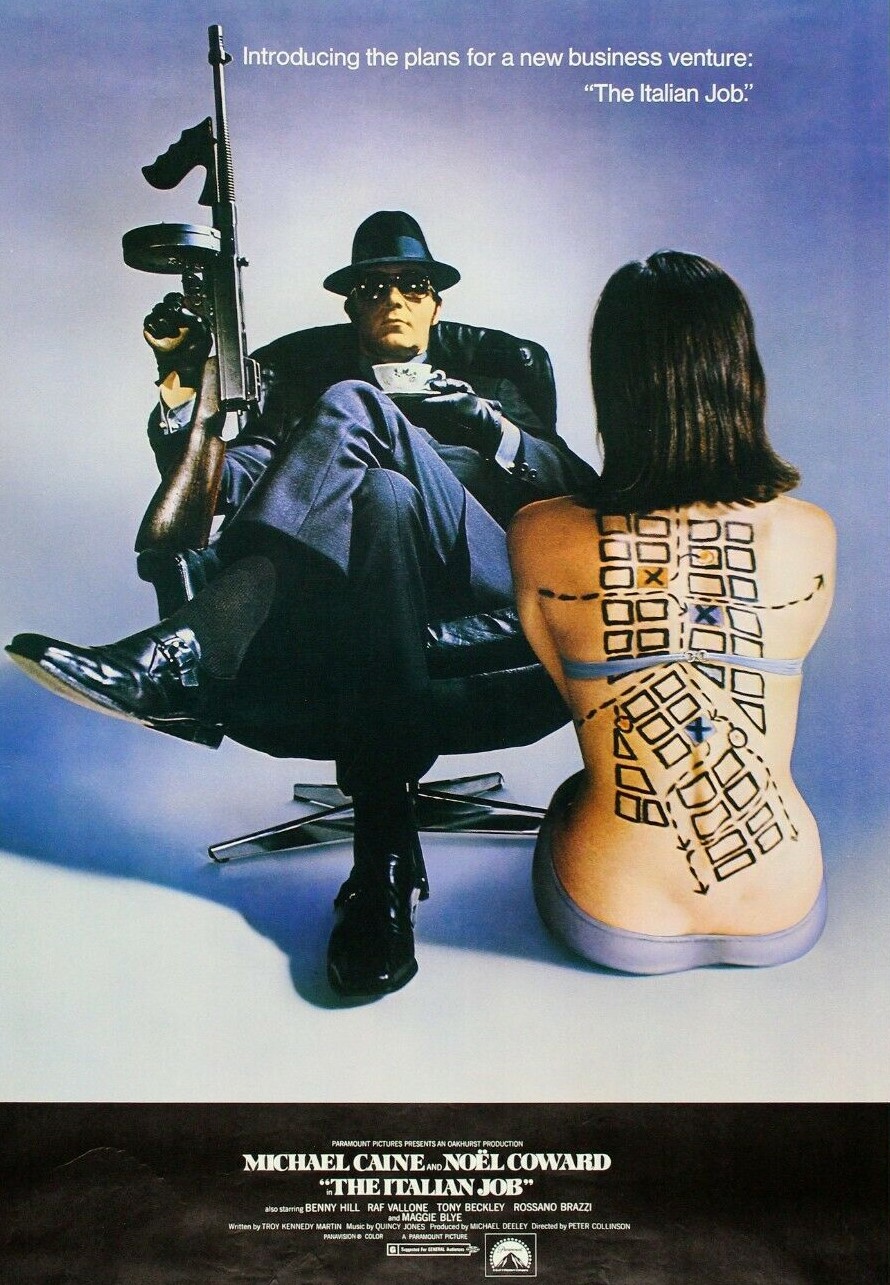
Other figures worth noting were: The Fixer $1 million, Secret Ceremony $1 million, The Italian Job $614,000, Marlon Brando in The Night of the Following Day $424,000, Shalako $78,000 and The Extraordinary Seaman $61,000. Bottom of the box office pile was motor racing documentary Hot Rod Action with just $1,000.

Given it was widely considered a flop, these are interesting figures for Hieronymous Merkin, rentals now estimated as being in the region of $2 million against a budget of $1.6 million – although other sources put the budget as low as $500,000 thus making it extremely profitable. Secret Ceremony had grossed $617,000 the previous year so its rentals would have approached $2.5 million, far more than was previously assumed. Fans of cult British thriller The Italian Job will perhaps be astonished how poorly it did in the U.S.

The top-grossing reissue was Bonnie and Clyde/Bullitt ($1 million) followed by a pair of Clint Eastwood double bills – A Fistful of Dollars/For a Few Dollars More ($912,000) and Hang ‘Em High/The Good, The Bad and The Ugly ($740,000). Also in the mix were Goldfinger/Dr No ($323,000), A Man and a Woman ($226,000), Belle de Jour/A Man and a Woman ($199,000), a revival of Lola Montes from 1955 with $148,000 and less successfully, from 1961, A Cold Wind in August with just $21,000.

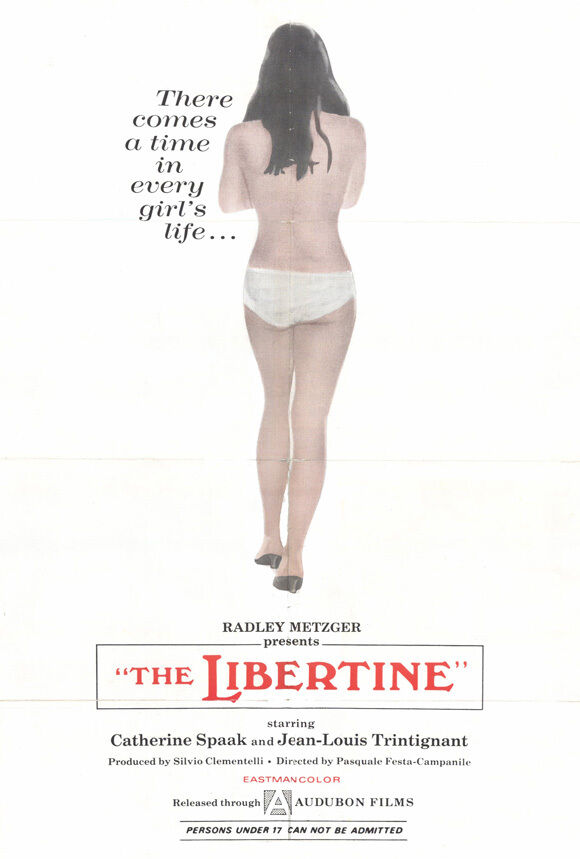
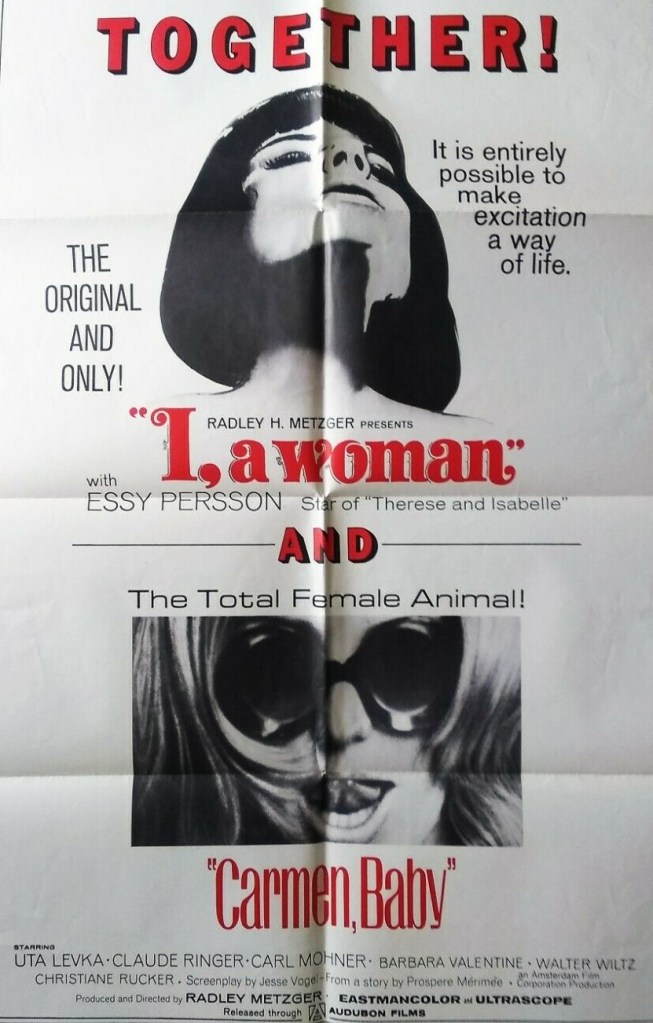
As previously noted, the impact of sexploitation was becoming more obvious. The biggest hit was The Libertine which crossed the $1 million mark followed by Camille 2000 ($868,000), Inga ($819,000) – bringing in three times as much as the previous year – Swedish Heaven and Hell ($458,000) and The Female ($279,000). Others charting included Vibrations, Without a Stitch, Erotic Dreams and The Sex Perils of Pauline. In addition, sexploitation movies were ripe for reissue, I, A Woman/Carmen Baby clocking up $363,000.

More importantly, what the chart did show and what the new weekly Top 50 was beginning to recognize was how often cheaply-made exploitation pictures held their own or even outgrossed big studio pictures for which exhibitors were often held to ransom. If ever there was a sign of the direction in which the business was now heading, this annual survey was it.

SOURCE: “Variety B.O. Charts’ 1969 Results,” Variety, April 29, 1970, p26.   

The Making of “The Godfather” (1972)

With the 50th anniversary imminent it’s no surprise to see a further addition to the already weighty library of works on The Godfather. What is surprising is just how good it is, wrapping up all previous research as well as adding copious new information about the making of the Mafia saga, in particular relationships between the filmmakers and the Cosa Nostra itself. A battle of egos as much as anything else with a budget that lay in tatters, quite how such a masterpiece emerged could have been a film in itself. Journalist Robert Seal has delivered a riveting book, replete with fascinating anecdotes, and with an insider’s knowledge of how a movie gets put together.

Some of the drama is certainly overplayed, the financial threats to Paramount at the end of the 1960s, the presence on the set of an auditor (hardly unusual with a director who had never handled such a big budget before), and the conflict with legendary producer Robert Evans who, after the event, claimed a greater share of the glory than he was entitled to. Evans at least had a track record – Rosemary’s Baby (1968), True Grit (1969) and Love Story (1970) among his successes during his tenure at the studio – compared to official producer Albert Ruddy with three flops to his name including Little Fauss and Big Halsy (1970) and best known for television hit Hogan’s Heroes. But Ruddy was known as a producer who could bring a project in under budget. As an indication of the kind of penny pinching that Evans expected, he made Ruddy buy his own copy of the novel.

Australian distributors took a different approach to advertising the movie.

Paramount had little interest in Mafia movies after the under-rated The Brotherhood (1968) – reviewed in the Blog – had flopped at the box office and Burt Lancaster was waiting in the wings ready to take the project off the studio’s hands. Compulsive gambler and impoverished author Mario Puzo had no screenwriting credits when brought in to work on the picture. And no idea how to write a screenplay. So he mostly played tennis. His biggest contribution when he was sitting in meetings with little to show for his efforts was to suggest Marlon Brando as star. A suggestion that met with complete silence because Brando was box office poison.

Francis Coppola – himself the creator of three flops and as impoverished as Puzo had once been – was hired as director in part because Paramount got the notion that the reason The Brotherhood had failed was lack of cultural assimilation, director Martin Ritt having no Italian heritage. Coppola was pushed as having an insider’s knowledge of Italians even though as Paramount executive Peter Bart pointed out that he “may have had pasta now and then but I don’t think their family is any more Italian than my family.”

Paramount took out an eight-page ad in “Variety” (March 29, 1972) to publicize the colossal initial gross and listed the receipts from every cinema where it had been playing for mostly three or five days.

As the makers of Succession have realised, there is a classic story to be told about business inheritance. Coppola wanted to make a movie that was about “more than guns and goons and sex and spaghetti.” He envisaged a “classic succession concerning a great king who had three sons, each of whom had a single element of what made the king great.” Prior to Coppola making his presentation to the studio, Ruddy told him to play up the low budget. Instead, the director gave “one of the great sales jobs of all time” convincing executives to at least give him a shot at doing it his way. He was hired for $175,000 and six per cent of the profits. “I had two kids, a pregnant wife, and no money. I was terrified,” said Coppola.

As well he should have been. Not only did he have mobsters knocking on his door complaining on the one hand about how the film could adversely present Italian Americans and on the other hand determined to land a role in the picture to the extent of paying for their own screen tests. So many talent schools charged $100 to shoot screen tests for any gullible schmuck that Paramount had to take out restraining orders. But made man Gianni Russo did land the role of Carlo Rizzi. Al Lettieri’s brother was involved in the business. Ex-wrestler Lenny Montana with no acting experience was picked out of a crowd watching the shooting to play hitman Luca Brasi.

Not the ideal balladeer to sing about the Mafia.

Although Frank Sinatra, Burt Lancaster, Ernest Borgnine, Laurence Olivier and Rod Steiger were among the stars pitched for the Brando role, Puzo had sent a handwritten letter to Brando imploring him to consider the role. The Brando test, with the star improvising his own make-up, was electric. But the greatest actor of his generation had to accept a pitiful deal – $50,000 for six weeks’ work – though, thankfully, a percentage had been tagged on.

Robert Evans wanted Robert Redford, Dustin Hoffman, Warren Beatty or Ryan O’Neal for Michael. “One of the reasons I got the job,” said Coppola, “was because they thought they could push me around.” He stuck to his guns, holding out for his dream team of James Caan, Al Pacino, Robert  Duvall and Diane Keaton, “eccentric and kind of weird in a way…to enliven the straight boring character” of Kay Adams.

But the casting was just the beginning of a momentous battle to keep Coppola’s vision intact. He came close to getting fired several times (“I was getting fired every other week,” recalled Coppola), especially as the budget, initially figured at $2 million, headed towards $6 million. The story of the shoot is told here in forensic detail. Come post-production, Evans wanted Henry Mancini to do the score so Coppola threatened to take his name off the picture unless the Nino Rota music was kept. 

Finally, when the film was ready it was met with – deafening silence. Paris premiere – silence. New York premiere – silence. When Albert Ruddy and Al Pacino watched it in an ordinary cinema with an ordinary audience the result was the same – silence. But the lines around the block indicated something else – a phenomenon.

The only area where author Seal gets it wrong is in his understanding of release strategy. “Its distribution was a revolution,” claimed Mark Seal. Only it wasn’t. I know because I wrote a book on the subject (In Theaters Everywhere if you’re interested) and there was nothing at all novel in releasing a movie in New York in 26 cinemas all at once.

But apart from that glitch, Seal has produced a brilliant, incredibly readable book, that covers the saga of the making of the film in as much detail as an aficionado would want. Drawing on the dozen other books written previously about the film and adding his own fulsome research, Seal has created a book that will be as much a monument to this film as the film is to Hollywood cinema in the 1970s.

For some reason the guy who created the best movie of the year wasn’t good enough to be named Best Director at the Oscars- that went to Bob Fosse for “Cabaret.”

In 1972, there was no such thing as a global wide release. Although it was shown in the U.S. in March that year, in Glasgow, Scotland, where I lived, The Godfather did not get its first showing until the end of August. It opened at the ABC 1 in Sauchiehall St in the city centre as well as over the River Clyde at the ABC Coliseum. It was competing with two roadshows, Young Winston and Mary, Queen of Scots at the Odeon 1 and Odeon 3, respectively, Robert Redford in heist picture How to Steal a Diamond at the Odeon 2 and What’s Up Doc? at the ABC 2. Western The Hired Hand was playing the arthouse Cosmo and the arty Made for Each Other at the gigantic Green’s Playhouse. The La Scala had the double bill of Dr No/Thunderball and the Regent was in the second week of Dirty Harry, somewhat unusual in that this was a second run house where pictures were rarely retained.

There were three performances a day for The Godfather but no advance booking – as would have been the case if it had gone into roadshow – so the queues outside both cinemas were huge. It had such an impact on me I saw it twice in the same day. When I moved to London I used to take regular advantage of the double bill The Godfather / The Godfather Part II when it used to play a cinema in Regent St on occasional Sundays, so I have no idea how many times I have seen both. Never enough, I would guess.

Where were you when you first saw The Godfather?

And where will I be on February 26 when The Godfather will be reissued in cinemas all over Britain (and possibly worldwide for all I know)? I leave it to you to guess.

To cash in on the 50th anniversary, cinemas all around the world are planning to screen all three parts of the trilogy. So watch out for them.

Discover WordPress

A daily selection of the best content published on WordPress, collected for you by humans who love to read.

The Atavist Magazine

by Brian Hannan

WordPress.com News

The latest news on WordPress.com and the WordPress community.