
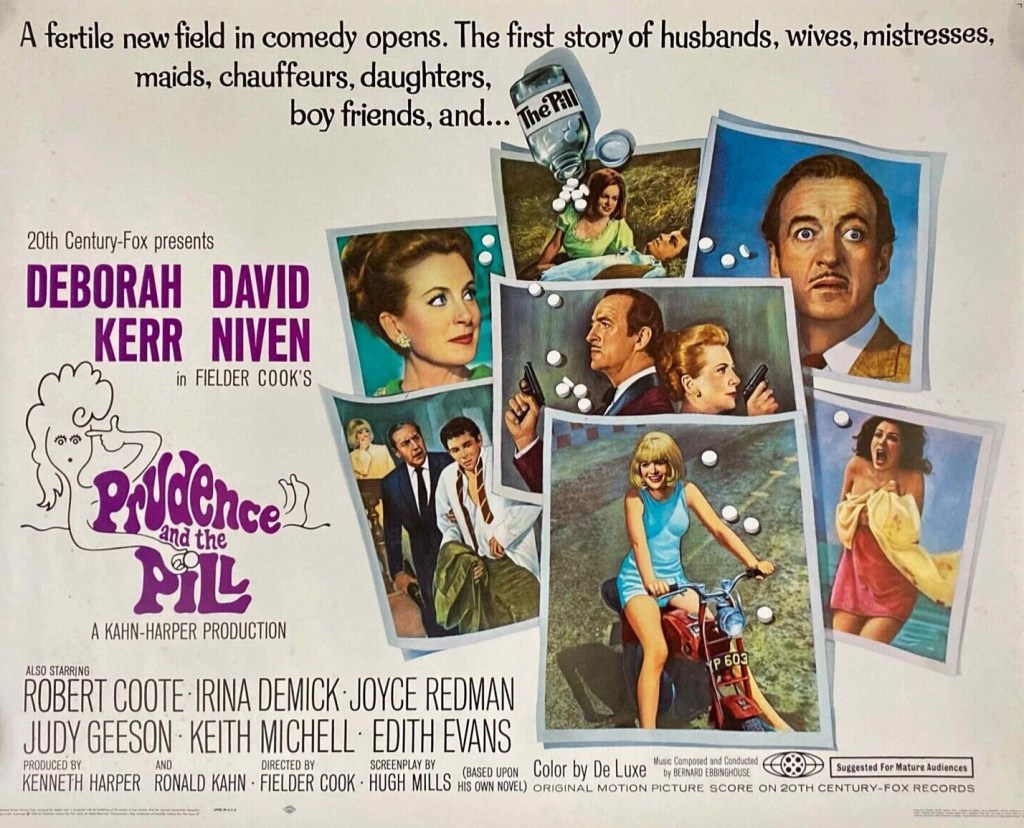
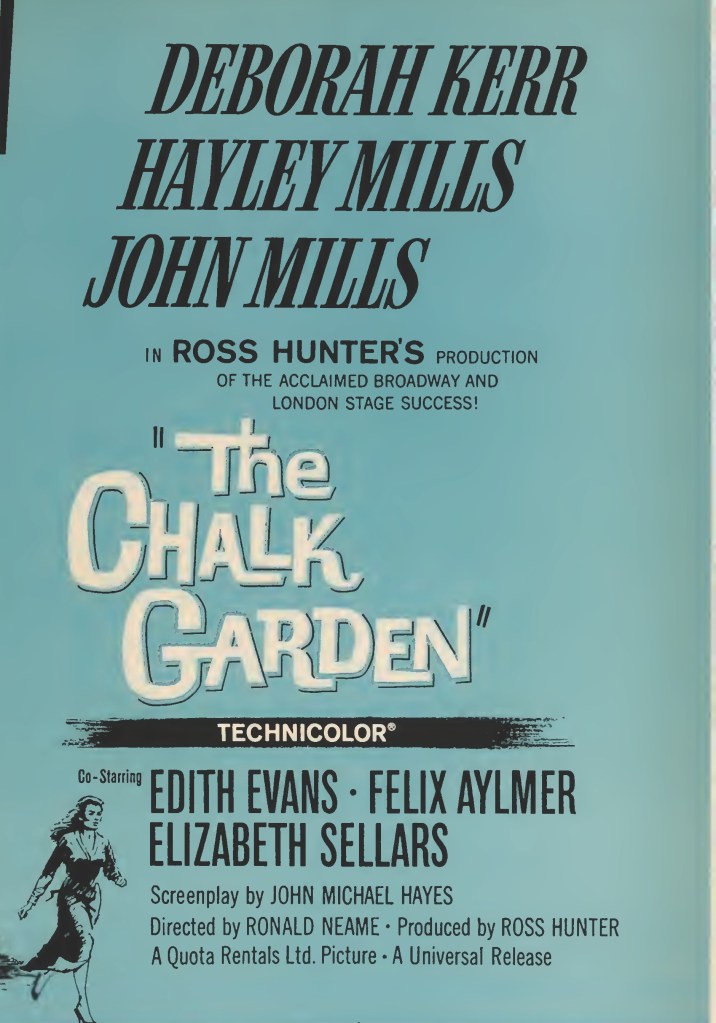
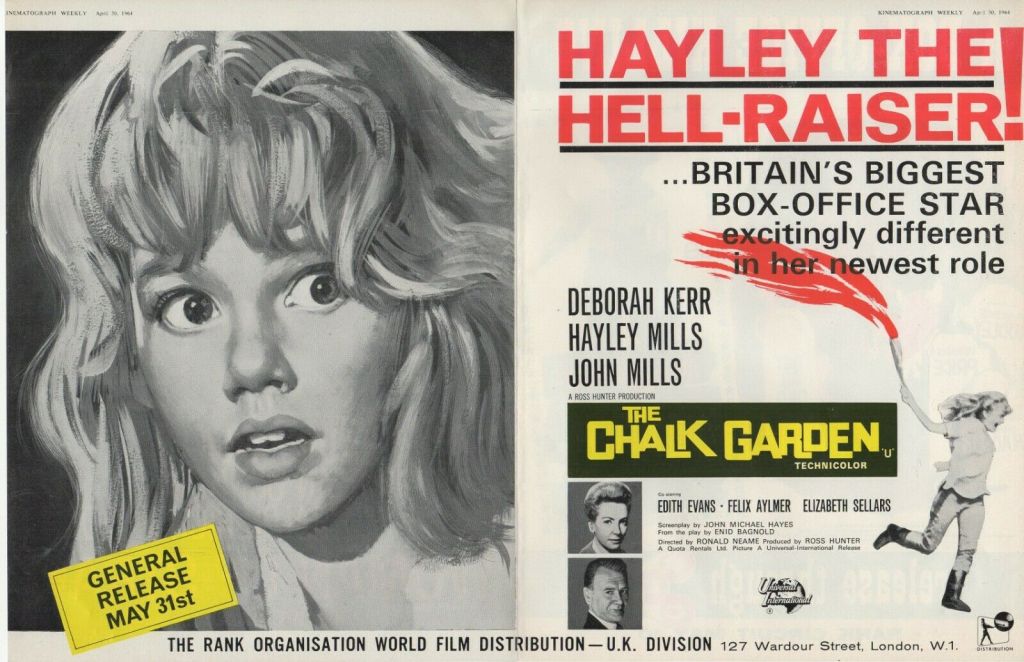
The concept of “national treasure” – perhaps in itself a purely British conceit – wasn’t invented back in the day but if it had Dame Edith Evans would fall into the same coveted category as Maggie Smith and Judi Dench do today. She was certainly among the most honored of British thespians in the 1960s – Oscar nominations for Tom Jones (1963), The Chalk Garden (1964) and The Whisperers (1967) – so what she’s doing in this unfunny mess is anybody’s guess. She was 80 at the time and while easily the best thing in it, the switch between battiness and cleverness is hardly new.
Everyone is oh so British, including the gangsters led by Frank (Harry H. Corbett), and it should be the old trope of Yanks not coming to grips with English life and customs, which sometimes can strike a note, but instead the set-up is so dire and the acting so uninspiring. Warren Oates (The Thief Who Came to Dinner, 1973) is at his worst – when I tell you his best scene is his discomfort at having to hold a plate and cup-and-saucer at the same time, you’ll guess why. Telly Savalas attempts to be charming but it just comes off as an overheated version of his usual thug.

Story is lame. Herbie (Telly Savalas), just out of the slammer, finds he is in hock to mob boss Nick (Cesar Romero), so with buddy Marty (Warren Oates) sets off for England to fleece Lady Sophie Fitzmore (Edith Evans) only to discover that her stately pile is also in hock (you want to discover about British death duties, this is the one for you). British mob boss Frank doesn’t like the idea of the Yanks infringing on his territory, so is keeping a close watch and in the end decides to raid Sophie’s joint himself, by which time the Yank villains have become so enamored of Sophie that they’re on her side and set up the kind of defense that would have been axed from cockanamie comedies like The Great Race (1964) for not being funny enough. Sure, Edith Evans in goggles and racing in on a biplane looks good on paper but not when the thugs scatter like the Keystone Cops.
Edith Evans was exceedingly wary of the movies. She only made 14 – and just six pre-1960 and two of those in the silent era – in all those decades when she was otherwise devoting her time to the theater and best remembered by movie audiences for The Importance of Being Earnest (1952). According to Sir Laurence Olivier she only gave the movies another bash when her memory started failing her and the notion of only having to remember a few lines at a time exerted its attraction.

While she’s good fun here, she’s saddled with mutton for co-stars. Telly Savalas (The Assasination Bureau, 1969) theoretically wins his first leading role, but in fact that went to Edith Evans and better actors than him had faded away in Dame Edith’s slipstream. Quite what Warren Oates thought he could do with the part is anybody’s guess because he does nothing.
Written and directed by Jim O’Connelly (The Valley of Gwangi, 1969).



 The Magnificent 60s