Behind the Scenes: From Big Screen Failure to Small Screen Redemption

Despite a heady concept and some excellent acting, Martin Ritt’s Five Branded Women (1960) – reviewed yesterday – was a flop on initial release. So television studios were not exactly lining up to provide it with its small screen premiere. In fact, the length between big screen release and small screen showing had been so truncated by that point (The Magnificent Seven, for example, out the same year was seen on television within two years of release) that it could have been shown on television any time from 1962 to 1966, and probably would have been had initial performance suggested there was a big audience awaiting its small screen premiere.

The other possibility for a flop was that between cinema release and television screening, the stars had gone on to better things so a small screen showing could be promoted off the back of a current big screen success or, better still, series of successes. But that wasn’t the case with Five Branded Women. Star Silvana Mangano had meant little to US moviegoers since Bitter Rice (1949). Jeanne Moreau’s sizzle at the arthouse box office had diminished and the limited success of Viva Maria (1965) was put down to the presence of her compatriot Brigitte Bardot. Vera Miles hadn’t appeared in a movie since The Man Who Shot Liberty Valance (1962). Barbara Bel Geddes was a long way from career revival in Dallas and all she had to show for the intervening years was a small part in By Love Possessed (1961) and a single episode in television. Italian Carla Gravina had no U.S. imprint at all. As a leading actor, Van Heflin was a busted flush.

So there was some consternation when Five Branded Women took ninth place in the television rankings for movies receiving their television premiere between 1966 and 1968. There was just no accounting for it. The same could be said for Your Cheatin’ Heart (1964) which was one place ahead of Five Branded Women. Star George Hamilton had not made it big, the film was an indifferent performer at the box office and its subject, Hank Williams, was long dead.

But television had a knack of providing unlikely redemption for movies that generally ended up on the wrong side of the box office. Cliff Robertson who headed the cast of PT 109 (1963) was still in the category of rising star with no breakout hits to suggest he was capable of rising to greater things. While 633 Squadron (1964) had done reasonable business, thriller Masquerade (1965) and war picture Up from the Beach (1965) had done so badly he was demoted to second billing in The Honey Pot (1967), incidentally another flop. He did achieve a breakthrough with Charly in 1968 but PT 109 was shown on television the year before. So how did that happen? You could maybe point to the continuing popularity of dead President John F. Kennedy, whose wartime heroism this movie recalled, but he had been dead when the movie first came out and that didn’t send it shooting to the top of the box office charts. On the television charts this came in one place behind Five Branded Women, although 633 Squadron could only manage a distant 92nd.

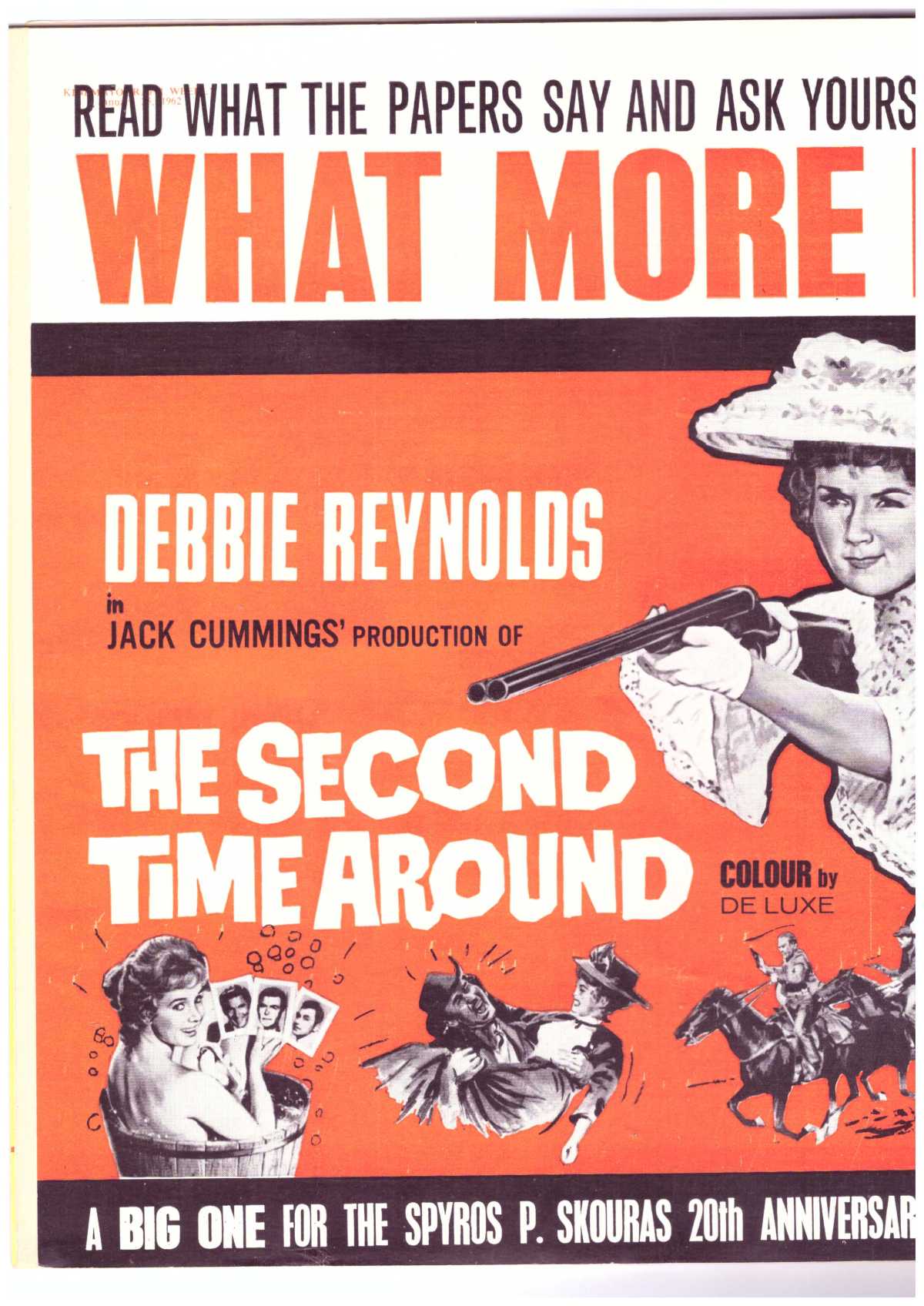
There were other surprises. Second Time Around (1961) placed 15th. But star Debbie Reynolds was still a genuine box office attraction after The Unsinkable Molly Brown (1964) and the unexpected success of The Singing Nun (1966).

Otherwise, the biggest hitters on television were Alfred Hitchcock, Elvis Presley and Doris Day. Hitchcock topped this particular chart with The Birds (1963), though presumably somewhat censored. His North by Northwest (1959) took 14th spot, Marnie (1964) placed 26th and Rear Window (1958) 39th.

Elvis Presley placed 11th with Roustabout (1964), 21st with Blue Hawaii (1961), 25th with Tickle Me (1965) and 41st with Fun in Acapulco (1963). Doris Day clocked in at 12th with That Touch of Mink (1962), 19th with Send Me No Flowers (1964), 23rd with The Thrill of It All (1963) and 35th with Move Over, Darling (1963).

Television had paid record sums to acquire the likes of Bridge on the River Kwai (1957) and The Robe (1963), taking second and sixth positions, respectively, and undoubtedly helped by the ongoing success of director David Lean (Doctor Zhivago, 1965) and Richard Burton (Who’s Afraid of Virginia Woolf, 1966).
Others in the top then were Cat on a Hot Tin Roof (1958), which had been successfully reissued in cinemas in a double bill with Butterfield 8 (1960), both headlining Elizabeth Taylor, to capitalize on her Oscar-winning turn in Who’s Afraid of Virginia Woolf. This came in third followed by The Great Escape (1964) and John Wayne as McLintock (1963) with Maureen O’Hara. Lilies of the Field (1963) was seventh.

The Made-for-TV films were beginning to make an impact. The Doomsday Flight (1966), released theatrically overseas, was 17th, one spot ahead of The Longest Hundred Miles (1967) with rising stars Doug McClure and Katharine Ross and seven ahead of Fame Is the Name of the Game (1967) with Tony Franciosa (Fathom, 1967) and Jill St John (Tony Rome, 1967).

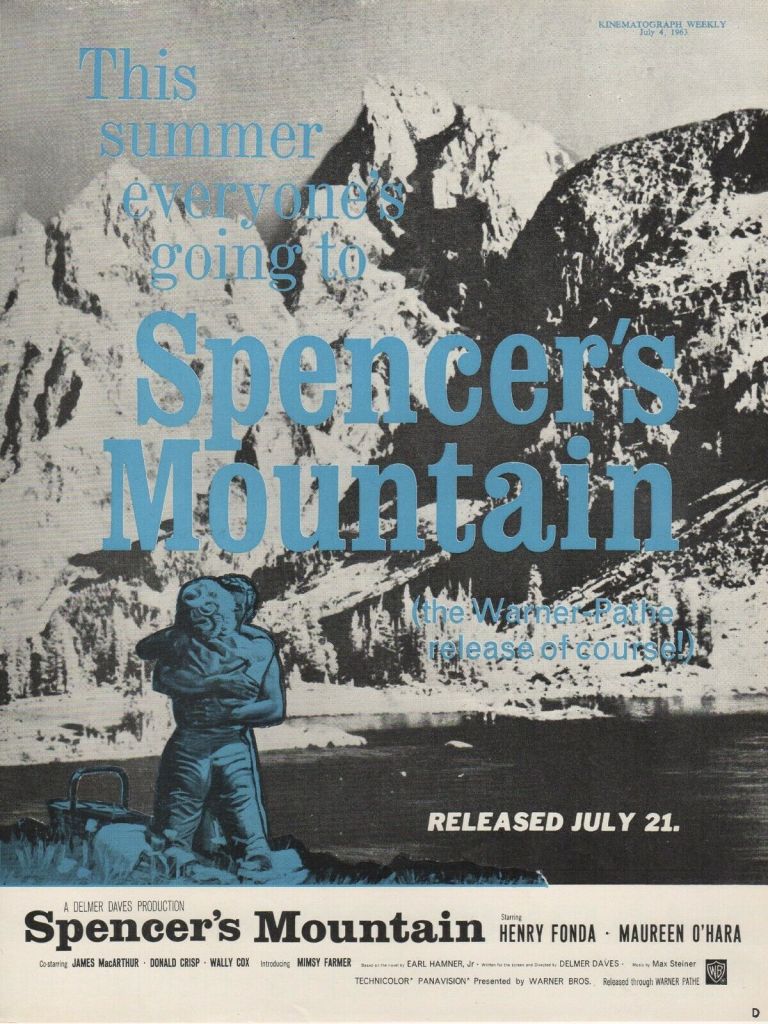
Other notable small screen results were registered by Natalie Wood-Warren Beatty starrer Splendor in the Grass (1961) which took 12th spot, Shirley MacLaine and an all-star cast in What A Way To Go (1964) in 16th, Susan Hayward Oscar-winning weepie I Want To Live (1958) in 21st, and Henry Fonda and Maureen O’Hara in Spencer’s Mountain (1963) in 23rd.

SOURCE: “All Network Prime Time Features” (Seasons 1966-1967 and 1967-1968),” Variety, September 11, 1968, p47.

North by Northwest (1959) ***** – Seen at the Cinema in 70mm – Bradford Widescreen Weekend

Only thing better than seeing this on the big screen is seeing it on biggest screen possible, Some clever clog has blown it up to 70mm by scanning  the “original 6-perf 35mm Vistavision camera negative in 13k with all restoration work completed in 6.5k. The 70mm film print was created by filming out a new 65mm negative.” I don’t know what it means either – except that extra 5mm is the soundtrack and perfs refers to height – but I’m delighted with the result.

Not only does the crop spraying scene  bask in  greater glory but the pivotal scrambling on Mount Rushmore where Hitchcock used the wide screen at its widest takes on a vivid clarity that’s just impossible watching a DVD when characters are literally hanging off the furthest edges of the screen.

But setting aside the widest widescreen-ness what seeing it on the big screen more than anything restores is the audience experience and that allows the sly humor to reach its full potential. I hadn’t realized just how funny this darned picture is, not just the eye-rolling mother treating her grown-up son as a michievous scamp, and the zingers of lines but the interplay between the various characters.

And putting to one side Hitchcock’s wizardry it is a tour de force for screenwriter Ernest Lehman. I must have counted at least 20 narrative beats, not just thriller or action twists and turns but changes in our appreciation of the characters, plus the devilishly clever sexual banter. And while hero Roger Thornhill (Cary Grant) is a hero by accident, heroine Eve Kendall (Eva Marie Saint)  is heroine by design, and thanks to her exceptionally callous boss, The Professor (Leo G. Carroll),  likely to pay a heavy price for wanting to do something worthwhile in a life that from her looks seems as if aerated, gliding along with nary a care in the world, her beauty ensuring she would always garner easy attention.

There are some exceptionally clever moments that emanate from Lehman rather than Hitch. The elusive villain hiding behind a variety of identities is finally unmasked as Vandamm (James Mason) at an auction when the auctioneer calls out his name as he buys an artefact that contains stolen microfilm. And so a scene that appeared there for a different purpose – the emotional one of Van Dam realizing he has been cuckolded and Kendall realizing she is going to lose the only man she ever truly loved – turns out to play a vital role in the narrative, critical to the ending.

Given Hitch suffered from accusations of misogyny it’s astonishing how often he serves up exceptionally self-confident women who can string men along, in this case two men, Eve using Roger for mere sexual gratification while seducing Van Dam for the more serious business of snaring a traitor and giving her life meaning. And can there have been a more convincing femme fatale? That is, not the obvious kind as in film noir where a male dupe is easy pickings for a clever female and her seduction techniques over-obvious.

Here, the seduction is not only very gentle, and to some extent baffling, and achieving through language and screen dexterity a marvellous intimacy, but her femme fatale-ness only revealed when she secretly sends a note to Van Dam asking what does she do with her victim in the morning.

There are lot of elements more obviously coming to your attention on the big screen. The irony of a cab firm being called “Kind Taxis” especially in New York where their drivers err on the side of the irate. The train porter whose clothes we think Roger has stolen only for a quick cutaway to reveal him counting his bribe. The cleverness of that disguise. How many red-capped porters will you find in a train station?

A lot of the time Cary Grant (Walk, Don’t Walk, 1966) doesn’t have a great deal to do except react sometimes to very little at all. When he’s waiting to be collected at the crop field he makes his feelings known through shifting his gaze and jiggling with his trouser pockets.

There’s even a scene that might have given Sergio Leone the idea for his famous shootout in Once Upon a Time in the West (1969) where, on first meeting, Roger and Van Dam circle each other with the camera taking each’s POV. 

This is just overloaded with delights – the drunken Roger telling the cops to call the cops, using his only phone call in jail to call mother, escaping from thugs in an elevator by the “women first” device, the amazing innocence when he encounters locked doors, clearly expecting them still to be left open to facilitate his escape.

Hitchcock – and to a greater degree in The Birds (1963) – ushered in the random action explosion (gas tankers always seem to be convenient) that would become de rigeur in the genre and used with less finesse here when the crop plane crashes into the tanker and car passengers stop to gawk allowing our hero the chance to steal one and escape.

It generally passes unnoticed how Hitch sets up his main character. At the start of films, especially these day when viewers are in on the gimmick, most audience eyes are on spotting the directing putting in his trademark appearance, rather than assessing Roger as a workaholic advertising executive, dragging his secretary out of the office when she should be on her way home so he can dictate a few more lines to her in a taxi, and inadvertently setting himself up as the kind of man who tells lies for living who for once must stick to the truth.

Grant’s acting ability was rarely fully recognized. Here the more urgent question seems to be how many suits he got through in filming (16) rather than the way he holds the picture together. And only Hitch would keep the audience waiting 30 minutes before introducing the female lead and make it hard for the maternally-dominated Thornhill to exude any sexual attraction after being under the thumb of mother for the first section.

This was the British premiere of the 70mm version so look out for it turning up at your local arthouse. Perhaps someone will go the whole hog and accord Hitch the contemporary honor of re-tuning his pictures in Imax.

I am assuming that I saw the 70mm version of the new 4k that’s just being released.

Not to be missed on big screen or small.

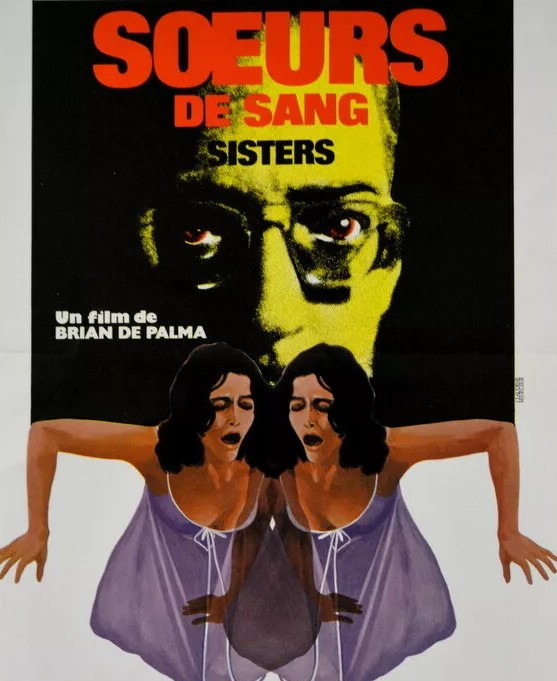
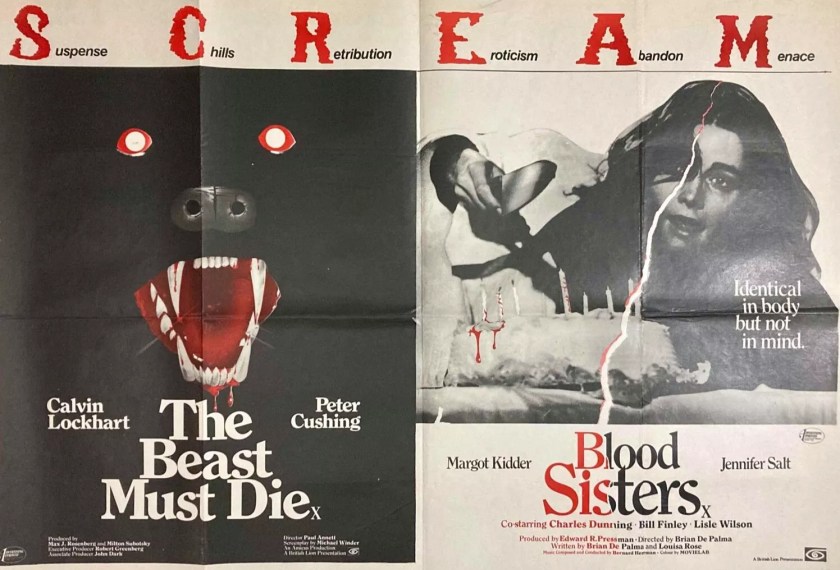
Sisters / Blood Sisters (1973) ****

Trust Brian De Palma to invent a gameshow called “Peeping Toms.” And give Hollywood an insight into the delicious malevolence to come later in his career. Often compared to Hitchcock, this is Hitchcock diced and sliced, awash with style. Not simply inspired use of split screen but an ending Edgar Allan Poe would have been proud of. De Palma plays with and confounds audience expectation and has mastered enough of the Hitchcock approach to make the villainess more attractive than the heroine. If you’re in the mood for Hitchcock homage, this is a good place to start.

Both main characters are strictly low end, sometime model Danielle (Margot Kidder) gameshow fodder, journalist Grace (Jennifer Salt) handed run-of-the-mill reporting jobs instead of, as she would prefer, investigating police corruption. Grace also has to contend with a mother (Mary Davenport), in typical non-feminist fashion, determined to marry her off.  

While the Siamese twin notion is straight out of the B-movie playbook and right up the street of exploitation maestros AIP, De Palma takes this idea and hits a home run. But you’ll have to be very nimble to keep up with the narrative.

Danielle meets Philip (Lisle Wilson) at the gameshow and after dinner she invites him to her apartment for sex. In the morning, he buys a surprise birthday cake for Danielle and her twin Dominique. On his return, he is murdered, an act witnessed by Grace, a neighbor across the street. She calls the police but before they can arrive Danielle’s ex-husband Emil (William Finley) – introduced to the audience, incidentally, as a creepy stalker – cleans up the mess and hides the corpse in the fold-up bed-couch.

Fans of the forensic may have trouble with this section as these days blood is more difficult to hide, but that’s evened up by the notion that a pushy journo would be allowed to sit in on the investigation. But heigh-ho, this was back in the day, so anything goes, and in any case, a la Hitchcock, it’s the woman who enters harm’s way. The cops, annoyed to hell by Grace, give up on the case and the reporter, having found the cake carrying the names of both twins,  manages to destroy the evidence.

Great set of reviews that only served to confuse the public.
An audience searching for schlock doesn’t want art.

Grace isn’t the kind of reporter easily thwarted so she hires private eye Larch (Charles Durning) who burgles the apartment and finds proof Danielle has been separated from her Siamese twin, who died during the operation. Grace follows Emil and Danielle to a mental hospital where, in a brilliant twist, mistaken for a patient, she is sedated and becomes an inmate. Later, hypnotised by Emil, she is convinced there has been no murder.

You’re going to struggle with the sharp turn exposition takes, but, heigh-ho, how else are we going to uncover the truth. Effectively, we learn that sex releases murderous thoughts in Danielle. The detail is a good bit creepier than that, but I wouldn’t want to spoil too much.

In many places it was seen as the lower part of a schlock double bill. A reviewer in the trades was correct when he predicted it was “certain to be an underground fave for some time” (i.e.limited to cult appeal) since well-reviewed horror pictures didn’t attract an initial audience.

But the ending is a corker. Grace is a prisoner. There’s another twist after that, but the notion of the investigator driven mad and ending up a prisoner of their own delusions, true Hitchcock territory, is honed to perfection here.

De Palma uses the split screen in the same way as Hitchcock employed the cutaway shot to increase the tension of potential discovery. Several sequences are rendered very effectively through this device.  Oddly enough, Grace doesn’t fit the Hitchcock mold of classy heroines. She’s way too feisty and independent and there’s almost a feeling that she gets what she deserved for tramping uninvited around a vulnerable person’s life. Here, Danielle is the victim, taken advantage of by the medical profession and her creepy husband, separation from twin ravaging her intellect.

Margot Kidder (Gaily, Gaily, 1969) and Jennifer Salt (Midnight Cowboy, 1969) are both excellent in difficult roles. Charles Durning (Stiletto, 1969) makes a splash in the kind of role that made his name. As a bonus, there’s a great score from Bernard Herrmann (Psycho, 1960).

But this is De Palma’s picture, serving notice to Hollywood that here was a talent of Hitchcockian proportions.  

Topaz (1969) ****

Authentic, atypical, engrossing, this grittier Hitchcock mixes the realism of Psycho (1960) and Marnie (1964) with the nihilism of The Birds (1963), a major departure for a canon that previously mostly spun on innocents or the falsely accused encountering peril. The hunt for a Russian spy ring by way of the Cuban Missile Crisis of 1962 forms the story core but the director is more interested in personal consequence, so much so that even the villain suffers heart-rending loss. Betrayal is the other key theme – defection and infidelity go hand in hand.

The tradecraft of espionage is detailed – dead letter drops, film hidden in typewriting spools, an accidental collision that is actually a sweet handover. In a transcontinental tale that shifts from Copenhagen to New York to Cuba to Paris, there is still room for classic sequences of suspense – the theft of secret documents in a hotel the pick – and Hitchcock at times simply keeps the audience at bay by employing dumbshow at key moments.     

In some respects the director was at the mercy of his material. In the documentary-style Leon Uris bestseller (almost a procedural spy novel), the main character is neither the trigger for the plot nor often its chief participant and is foreign to boot. So you could see the sense of employing using a cast of unknowns, otherwise an audience would soon grow restless at long absences from the screen of a Hollywood star of the caliber of Cary Grant or Paul Newman, for example.

It is a florist (Roscoe Lee Browne) who carries out the hotel theft, a small resistance cell the spying on Russian missiles in Cuba and a French journalist who beards one of the main suspects, not the ostensible main character, French agent Andre Devereux (Frederick Stafford), not his U.S. counterpart C.I.A. operative Michael Nordstrum (John Forsythe) nor Cuban villain Rico Parra (John Vernon).

Unusual, too, is the uber-realism. The main characters are fully aware of the dangers they face and of its impact on domestic life and accept such consequence as collateral damage. It is ironic that the Russian defector is far more interested in safeguarding his family than Devereux. Devereux’s wife (Dany Robin), Cuban lover Juanita (Karin Dor) and son-in-law (Michel Subor) all suffer as a result of his commitment to his country.

And that Juanita, leader of the Cuban resistance cell, is more of a patriot than the Russian, refusing to defect when offered the opportunity. Hitchcock even acknowledges genuine politics: the reason a Frenchman is involved is because following the Bay of Pigs debacle in 1961 American diplomats were not welcome in Cuba.

I have steered clear of this film for over half a century. I saw it on initial release long before the name Hitchcock meant anything to me. But once it did I soon realized this film did not easily fit into the classic Hitchcock and had always been represented as shoddy goods. So I came to it with some trepidation and was surprised to find it so engrossing.  

Frederick Stafford (O.S.S. 117: Mission for a Killer, 1965) was excellent with an insouciance reminiscent of Cary Grant and a raised eyebrow to match that star’s wryness. John Vernon, who I mostly knew as an over-the-top villain in pictures such as Fear Is the Key (1972), was surprisingly touching as the Cuban bad-guy who realizes his lover is a traitor. And there is a host of top French talent in Michel Piccoli (La Belle Noiseuse, 1991), Philippe Noiret (Justine, 1969), Dany Robin (The Best House in London, 1969) and Karin Dor (You Only Live Twice, 1967).

As you are possibly aware, three endings were shot for this picture and I can’t tell you which without spoiling the plot. In any case, this is worth seeing more than just to complete trawl through the entire Hitchcock oeuvre, a very mature and interesting work. Based on the Leon Uris bestseller, screenplay by Samuel A. Taylor (Vertigo, 1958).

Underrated.

Marnie (1964) *****

Arguably Alfred Hitchcock’s most difficult film and with some attitudes that will not sit well with today’s audiences nonetheless this is an assured work and the completion of an unofficial trilogy that tries to explain the unexplainable. The director had not been making what might be termed traditional Hitchcock pictures for well over half a decade if you take North by Northwest (1959) as the anomaly in a sequence that began with the obsessive Vertigo (1958). You could argue that Hitchcock had turned a bit “north by northwest” himself, the “hero” of Psycho (1960) a mother-obsessed serial killer, the “bad guys” in The Birds (1963) the titular rapacious creatures who besiege the leading characters and set the world on an apocalyptical course.  

Attempts are made in both Psycho and The Birds to explain the actions of the predators, but such explanations are external, remote, and with Marnie Hitchcock takes the bold step of attempting to explain what makes such a devious, compulsive, frigid liar tick. Hitchcock called the movie a “sex mystery” but it was unclear whether he was just once again trying to tantalize his audience or whether he believed it was film about the mystery of sex, what causes attraction between two people while others steadfastly refuse to consider the concept.  To embellish his thesis he chose one of the world’s most beautiful actresses (Tippi Hedren) and the actor (Sean Connery) who could easily lay claim to being the world’s sexiest man (as he was later anointed in various polls).

It seemed almost an indecent proposal to deny the bed-hopper-par-excellence – as viewed from the James Bond perspective. And it certainly took all the charm Connery could muster to prevent audiences baulking at the almost perverse scientific aspects of his character, an amateur zoologist who welcomed a known criminal into his world for the chance to examine her at close quarters.  The audience is constantly kept at one remove. In the first section we watch enthralled as Hedren carries out her bold thefts, as if she is capable of wrapping the entire male population around her little finger by the simple device of adjusting her skirt.

But in the middle section, it is Connery who is in control and the trapped Hedren who is twisting and turning searching for an escape route. In the final section, when it is clear that is the lover, not the scientist, in Connery that tries to find a way round the problem, the tension is at its height because we have no idea whether she will run true to form and manage to steal and lie her way out or whether Connery’s patience will snap and he will throw her to the wolves who are certainly by this point circling.

The central device on which Hitchcock hooked an audience was the moviegoer demand for a happy ending. He duped cinemagoers in Psycho, slaughtering the heroine halfway through. In The Birds Rod Taylor and Tippi Hedren underwent a harrowing physical assault and while clearly romantically involved by the end Hedren was a wreck. Here, the assaults are mental. There is none of the romantic banter that defines the greatest of his traditional works. Hedren and Connery are together because he has forced the issue and loving though his blackmail is it is still an unequal relationship and one from which she will seek to escape at every opportunity. Hedren’s compulsive character is a mystery that appears insoluble as she resists every attempt to break down the wall she has erected to protect herself from her past.

The story is straightforward with few of the twists of other pictures. We meet Hedren as she escapes with nearly $10,000 stolen from her employers. We learn quickly that she is a master of disguise, has several social security cards up her sleeve, can turn from brunette to blonde, and is so practiced in her deception that she can convince an employer to take her on without references. As the employer is spelling out his predicament to the police, an amused Sean Connery, a customer of her employer, appears. Hedren runs off to a bolt-hole, an upmarket hotel, close to the stables where she keeps a horse, Forio.

Shifting back to Hedren we find her visiting her mother in a tawdry street near the docks. The artifice of confidence is shredded away. She is jealous of the attention her mother gives a little girl whom she looks after. She wants love that her mother is unable to give. When she lays her head on her mother’s lap waiting for the soothing stroke of a hand all she receives is rebuke for leaning too heavily on her mother’s sore leg. The mother in North by Northwest was played for comedy, in Psycho an occasion for murder, and here a means of control. Here, too, we witness the color red sparking an inexplicable and frightening experience.

When Hedren applies for a new job it is at Connery’s firm, where he is the coming man. He watches amused as she is interviewed, intervenes to ensure she is hired. They have in common that they are widowed. Hedren is already planning her next big score, discovering that the combination to the safe is kept in a drawer to which her employer’s secretary has the key.

But he is ready for her and it seems almost perverse that he does not let her know he is aware of her true identity. Instead, under the guise of asking her to work overtime, he gives her an academic paper to type. The subject is predators, “the criminals of the animal world” in which females feature. His gentle pressure is almost sadistic and she is saved by a sudden storm which triggers another bad subconscious reaction.  

Her theft of money from the office is a classic Hitchcock scene. It begins in complete silence. The screen is divided in two, the office and the corridor. Seeing a cleaner appear, Hedren removes her shoes to make her getaway. Almost as she reaches the safety of the stairs, a shoe falls out of her pocket and clatters on the floor. The cleaner does not look up. She is very hard of hearing.

But Connery is again prepared and when she disappears tracks her to her bolt-hole, confronts her, questioning her again and again until he thinks he is close to the truth. He can’t turn her in because he has fallen in love. The choice is stark – him or the police. Soon they are married. But the honeymoon, despite his patience, is a disaster, she cannot “bear to be handled” and they return home further apart than ever.

Meanwhile, figures from her past begin to appear. Lil (Diane Baker) who lusts after Connery brings peril to their door. Connery persists with trying to get Hedren to open up.

Eventually, there is a break in her compulsive syndrome, brought on by love, and we head back to her mother’s to get to the root of the problem. Even when the problem is solved her mother remains distant, still won’t stroke her hair. If there is a happy ending it is like that of The Birds, an immediate problem solved but who knows when or if the crows will return, and there is a similar resolution here, Hedren learns the source of her nightmares but it would be a very blind person who did not see terrible ramifications for the future.

There are certainly a few jarring moments, Hitchcock’s insistence on back projection for a start, but then you didn’t really think in North by Northwest that the director was allowed to film in front of the United Nations. Rather than a technical flaw, the back projection seems to fit another purpose, a device to make the audience stop and examine what is going on for much of it occurs when Hedren is in her fantasy world. And you would have to take exception to Coonery’s actions in the bedroom on honeymoon, no matter how gentle his caresses at other times. And certainly, the psychological assumptions ring hollow given our current knowledge of such conditions, but despite that make for tense viewing.

But the meat of the movie is self-deception. Hedren is convinced she can get away with a series of thefts. Connery is convinced her can cure her. His constant interrogation is what passes for lovers’ banter. In aligning himself as her moral guardian and perhaps her savior, “dying to play doctor,” Connery has entered a nightmare of his own making. Only an arrogant man would believe all women would fall at his feet and Hitchcock clearly makes a connection with Connery’s ongoing incarnation as James Bond where that is exactly the case. Connery is every bit as flawed, as obsessive, as Scottie in Vertigo, determined to shape a woman into perfect form, and that, yes, expecting to eradicate the imperfect past.

Connery emanated such ease, such amazing grace, on the screen that it backfired. Critics often didn’t believe he was putting much into his acting when in reality he was acting his socks off. This is a tremendously difficult part, walking the tightrope between looking a deluded fool and retaining audience empathy and coming across badly when he pushed a vulnerable woman too hard. This is a very rounded character, a gentle adoring lover in the main, but not one to be crossed. His interrogations are intense and yet still you can see that it will kill him if he is double-crossed. The casual amusement with which he greeted her appearance at his office is replaced by fear at her sudden departure.

Hedren, too, whose acting ability was often called into question, carries on where she left off from in The Birds. By the end of that picture her nerves had been shredded. Here, her emotions, which she cannot as easily control as the rest of her life, too often fly off into a high pitch. Half the time she is the cool collected customer of The Birds, the rest of the time she is demented.  Except in The Birds she was self-confident around men. Any self-assurance she has now is skin deep. There was always a fragility about Hedren, hidden behind the glossy exterior and fashionable outfits, and here it is exposed. The touching scenes with her mother, the mouth tightened in jealousy over the little girl, are perfectly played. A little girl lost in wolf’s clothing. And trapped, she is almost snarling at her captor, the submissive dialog concealing the mind hard at work looking for an exit.

The interrogative scenes between Connery and Hedren are extremely difficult to pull off. It would have been easier if Connery was not in love with her, and to some extent pulled his punches. It would be easier for her if he was an out-and-out predator who could be paid in kind to shut up and go away. Instead, they both have to walk a verbal tightrope and only actors of some excellence can pull off that trick without losing the audience.

Psycho (1960) *****

Even though critically reviled at the time – “up to his clavicle in whimsicality” (Variety) /   “fairground sideshow” (Films and Filming) –  Hitchcock blasted wide open the doors to what would be deemed acceptable in modern American cinema. Made on a low budget in black-and-white following the sumptuous color of North by Northwest, it seemed a perverse choice. No studio wanted it. Hitchcock had to fund it himself, Paramount merely the distributor.

On paper, and based on a real-life case, it was certainly an unappealing prospect, leading actress murdered halfway through by a maniac with a predilection for dressing up as his mother. Using the crew from his television series, Hitchcock made it quickly for just over $800,000, a quarter of the cost of North by Northwest. An initial stab at the script from James Cavanaugh was discarded and working with Joseph Stefano (Black Orchid, 1959) the director shifted the focus of the Robert Bloch novel.

Instead of a fat, middle-aged, alcoholic, Norman Bates would become young and attractive like the character from French thriller Les Diaboliques (1959). The story itself changed from “Norman and the role Marion plays in his life…(to) the redemptive but ultimately tragic role Norman plays in her life.”  Although Hitchcock openly claimed he detested filming, having already worked out the entire shoot in his head, this was never entirely true. Some ideas just did not work. In Psycho, for example, the director had planned a helicopter shot tracking into Marion and Sam’s hotel room but “high winds kept jiggling the camera” and it was changed to three separate shots.

Also, by using two cameras, he allowed the opportunity to choose a different shot than originally imagined and, in a change from the shooting script, the post-shower focus changed from Sam to Lila, making her the focus of the film’s final section where she confronts the killer.

Nor is Marion Crane (Janet Leigh) a typical Hitchcock villain. She is not cut out for the work. Alone in his repertoire, she regrets her action, tortured by, not so much her conscience, as the thought of getting caught. Having stolen $40,000 she is so jittery she turns a harmless highway cop suspicious.

Once more, Hitchcock has us rooting for the bad guy or, in this case, the bad girl. In Vertigo (1958), the drive is silent, but here the silence is punctuated by imagining what people are saying about her, knowing pursuit is inevitable. By the time she reaches the Bates Motel, she is repentant, planning to return and face the music, “I stepped in a private trap back there and I’d like to go back and pull myself out of it.” 

Unfortunately, Norman Bates (Anthony Perkins) has other plans. In Rear Window (1954) the peeping tom is a good guy, here he’s anything but. Although Bates is presented as fighting his demons, he always gives in, while Crane never hears a voice urging her on, telling her she will get away with it. Crane has a working conscience, Bates a defunct one.

Bernard Herrmann’s strings-only score behind the jarring opening credits is only the first in a series of taboos broken. In the opening scene beefcake Loomis (John Gavin) is shirtless, nothing unusual there for a male star, but to show an actress three times in her underwear and more flesh glimpsed in the shower is novel.

Killing her off is, obviously, not the done thing either, that scene a colossal shock at the time. Effectively, she is the bait, the sexiest MacGuffin ever, leading us to the mystery of Bates.

There are many brilliant scenes: Crane’s car sinking in the swamp, the murder of private detective Arbogast (Martin Balsam), the shrieking music as the strings hit their topmost register, the discovery by Crane’s sister Lila (Vera Miles) of the corpse of Bates’ mother, the motel’s neon sign flickering in the dark, the spectral house behind the motel filled with strange voices and, of course, the enigmatic Bates, alternating eager smile with defensive reaction. There are a host of great lines: “The first customer of the day is always trouble,” says the salesman; “We’re quickest to doubt people who have a reputation of being honest,” says Arbogast; and the immortal, “A boy’s best friend is his mother.”

On release, the director engineered a publicity coup by insisting nobody be allowed into the cinema after the start. This was an illogical demand for what did it matter if a patron missed the opening 10 or 20 minutes? But it certainly got the public’s attention – for a different reason entirely. It was an assault on their basic rights as theatergoers.

In those days people went into a film 30 minutes, 50 minutes after the start and left when the film came full circle. When it opened, long queues outside the box office, the best kind of word-of-mouth, attracted interest, thus alerting people who might otherwise have simply passed by. Even drive-ins were forced to comply. Trade advertisements showed Hitchcock pointing to his watch, exhorting, “Surely you do not have your meat course after your dessert at dinner?” Exhibitors were promised a special manual, “The Care and Handling of Psycho.” As well as smashing box office records, it demolished another convention by showing in local New York theaters while still playing at major first run theaters in Manhattan. 

The film has enormous visceral power. The shower scene has, rightly, achieved legendary status, every frame dissected by scholars, some images, the curtain wrenched loose, the hand reaching out, the dead eye, the blood draining away, imprinted on the universal brain, and the music unforgettable. The acting from Anthony Perkins (Pretty Poison, 1968) and Janet Leigh (The Manchurian Candidate, 1962) is excellent, Leigh nominated for a Best Supporting Actress Oscar, Perkins not so lucky, ending up typecast. For collectors of trivia, Hitchcock’s daughter, Patricia, plays Crane’s office colleague.  And for academics, especially those with auteur on their minds, this was a good place to start.

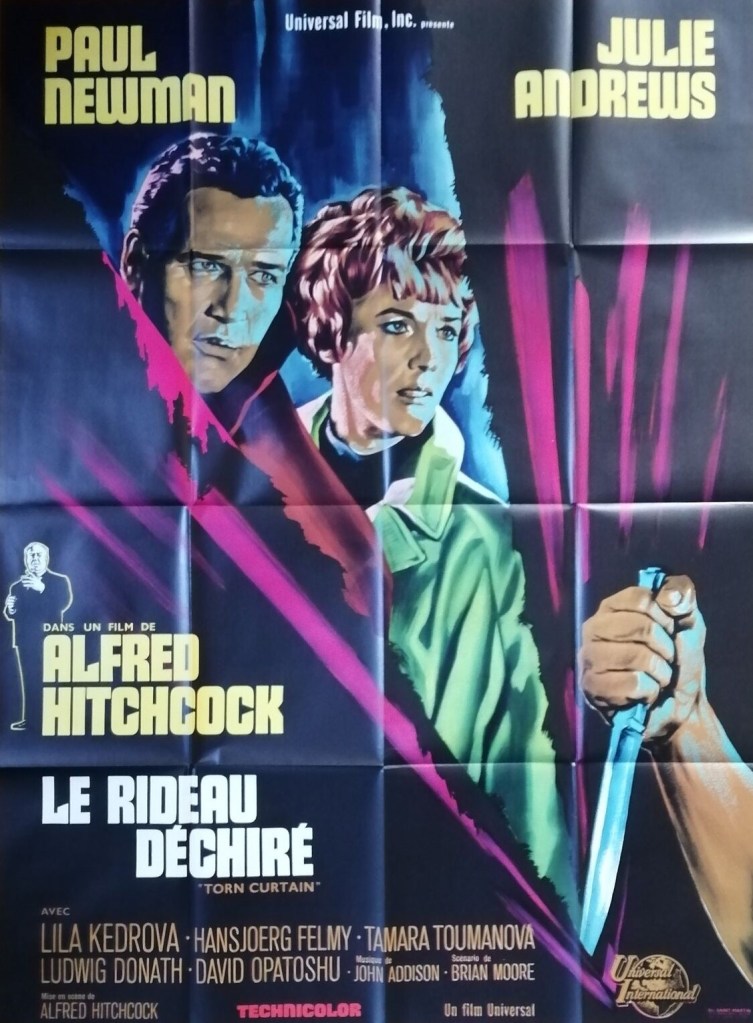
Torn Curtain (1966) ****

I never thought I’d see the day when Paul Newman was out-acted by Julie Andrews. Or spent most of the time wondering how much better it would be with James Stewart or Cary Grant instead. They can both do stillness. For all the wrong reasons you cannot keep your eyes off Newman – he is such a jittery, fidgety commotion.

Which is a shame for all that is wrong with this often wrongly-maligned Hitchcock picture is the set-up. The opening love scene is only necessary to get it out of the way (“Newman! Andrews! Together!” type set-up) though it is something of a riff on Psycho, setting up the possibility of a bad girl (i.e. goody two-shoes Andrews having sex before marriage) being punished. You could have started more economically with Andrews just turning up in Copenhagen for whatever reason (fill in the blanks) and the story pushing on from there, unintentionally Andrews becoming involved in Newman’s plan to infiltrate the East German nuclear program.

The rest of the picture is classic Hitchcock, and as ever he uses sound brilliantly, just the clacking of feet as a bodyguard pursues Newman through an empty museum. And he riffs on North by Northwest in the tractor scene. The murder, also soundless apart from the noise of human terror, is quite brilliant. And another riff, on The 39 Steps, with the woman who knows their true identity but has her own reasons for not giving them away.

Every time we think they are going to be caught something unexpected prevents it, every time we think they are safe something unexpected prevents that. Clever twists all the way. Hitchcock has a knack of doing the same thing differently every time, he hated repeating himself, so when transport enters the picture, there are unexpected results.

Julie Andrews (The Americanization of Emily, 1964) is far better than you might expect. In fact, I would go so far as to say this is one of her best performances. Like Doris Day in The Man Who Knew Too Much, she is often the focal point of the story, getting Newman out of a spot. Two scenes in particular stand out: one in a bedroom where she is filmed side-on looking out of a window with Newman at the far back of the screen and the other when she lets a single tear leak out of her eye. Where Paul Newman (The Prize, 1963) just looks out of sorts (maybe he was annoyed Andrews was being paid more), she does a nice line in barely contained rage.

You never know what to expect with Alfred Hitchcock (The Birds, 1963). Yet he was always being taken to task by critics who expected something other than what he delivered. Taking us back to the espionage of North by Northwest (1959) he cleverly changes the male-female dynamic and delivers a different kind of thriller. Novelist Brian Moore (The Luck of Ginger Coffey, 1964) wrote the screenplay with a little help from British pair Keith Waterhouse and Willis Hall (Pretty Polly/A Matter of Innocence, 1967).

Even with the annoying Newman, Torn Curtain is still up there not at the very top of the Hitchcock canon but certainly in the second rank

The Magic Vault – Return of the Reissue

You are probably aware by now that Hollywood reckons the very movie to fill the Valentine’s Day gap this year is the love story that took Leonardo DiCaprio and Kate Winslet to a watery grave – Titanic (1997). The date might be a surprise but with Avatar: The Way of Water conquering box offices worldwide a re-run of his previous gigantic success was always on the cards.

What might come as a shock is how much Hollywood has come to rely on oldies to fill gaps in the release schedule – so much so that a reissue of a biggie has been slated for every month in the forthcoming year. As you are probably aware from my discursive writings on the subject, the reissue has been a staple of the industry since the 1960s, and as often as not appearing when stocks of new films were at a low ebb.

Covid was an unexpected production disaster and with new films in short supply and audiences falling short of the norm the studios felt it better to hold on to big films until cinemas were back to something approaching normality. Thank goodness someone in Hollywood can count because anniversaries make up a hefty chunk of the excuses to trot out old pictures. Anniversary used to mean a celebration of a classic made 25 or 50 years ago, but that notion has been taken to extremes,  so any year seems fair game, 20th, 45th now pretty common.

But anniversary was not in the main the driving force last year. Some pretty big fish were summoned from the vaults to work their magic. The original Avatar (2009)  brought in another $76 million worldwide – positioning it just outside the global top 50 for 2022. Interstellar (2014) knocked up another $72 million, Harry Potter and the Chamber of Secrets (2002) $45 million, Leonardo DiCaprio in Scorsese’s The Wolf of Wall Street (2013) worth an extra $14.8 million and the original Jurassic Park (1993) added $10 million to the coffers.

What must have seemed like nothing short of frantic experiment clearly struck a chord with audiences, so studios are taking to the reissue on a regular basis.

For a time it was Casablanca (1942) that had been the unexpected filler of the St Valentine’s Day gap. But it could hardly compete with Titanic, but rather than lose the opportunity for another annual outing, this has been re-scheduled for the beginning of March.

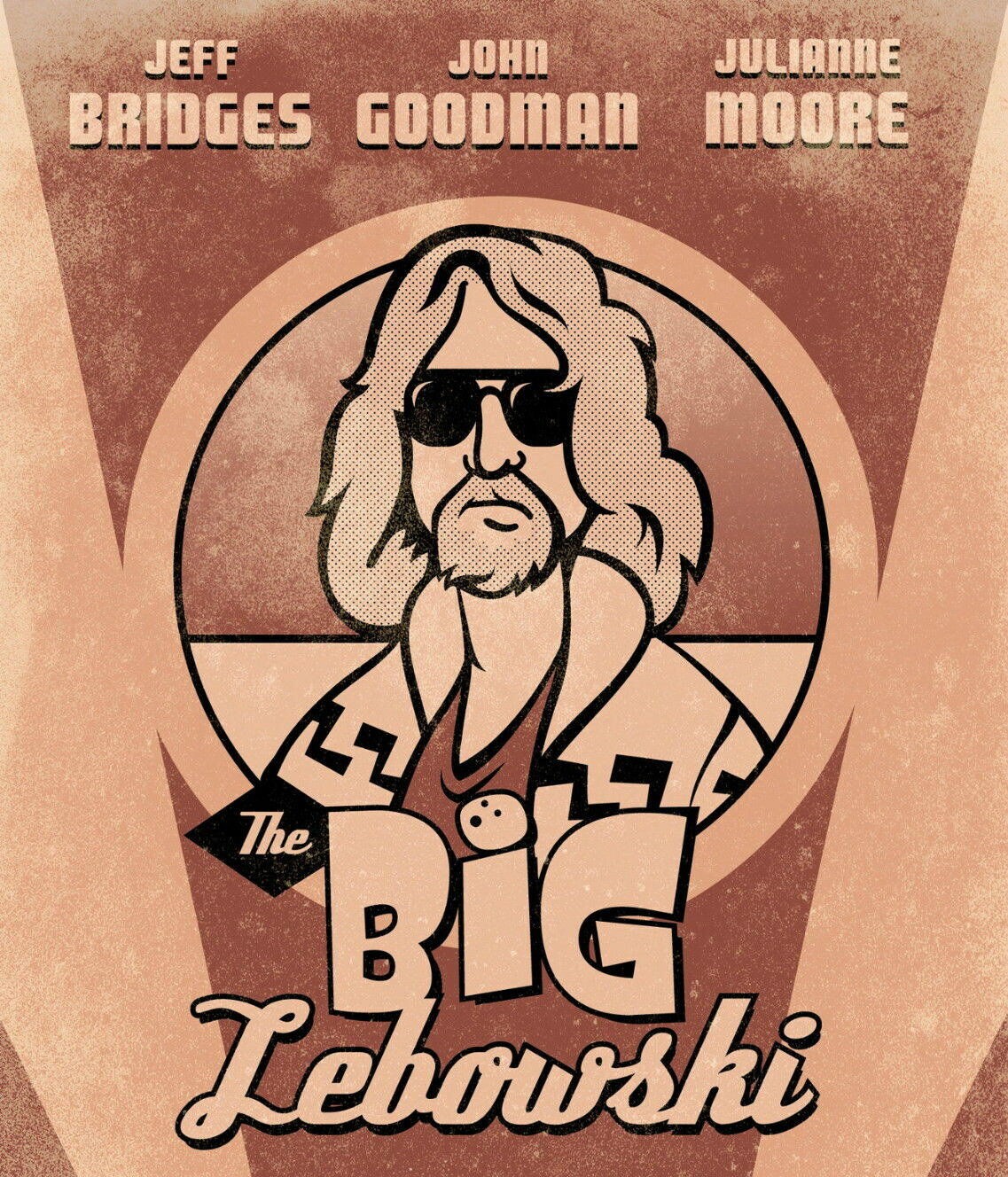
In April there will be a further chance – in a genuine 25th anniversary big bang- to see Jeff Bridges and John Goodman in the Coen Bros cult favorite The Big Lebowski (1998). Musical Grease (1978) – 45th anniversary? – with John Travolta and Olivia Newton-John is the May pick. Hardly an unusual notion this, Grease has already had more than its fair share of reissues.

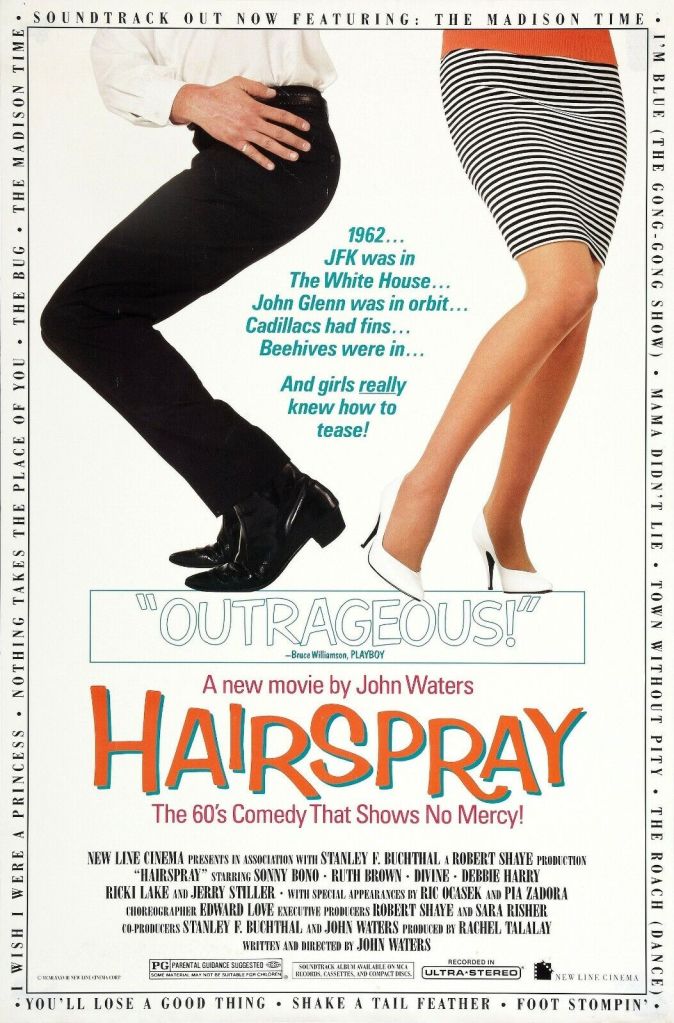
You might think it’s Travolta again in June, in Hairspray (2007), but actually it’s the John Waters original, made in 1988 – 35th anniversary!! – that became the basis of the Broadway musical. It boasts an all-time cracker of a cast – Sonny Bono (of Sonny & Cher fame), Divine (Pink Flamingos, 1972), pop star Debbie Harry (Videodrome, 1983) of Blondie, future talk show host Ricki Lake in her movie debut, and comic Jerry Stiller (father of Ben).

For the holidays what could be better than a 40th anniversary outing for National Lampoon’s Vacation (1983). Chevy Chase and Beverly D’Angelo fire up their engines for July and look out for Eugene Levy, John Candy, Jane Krakowski and Christie Brinkley in small parts.

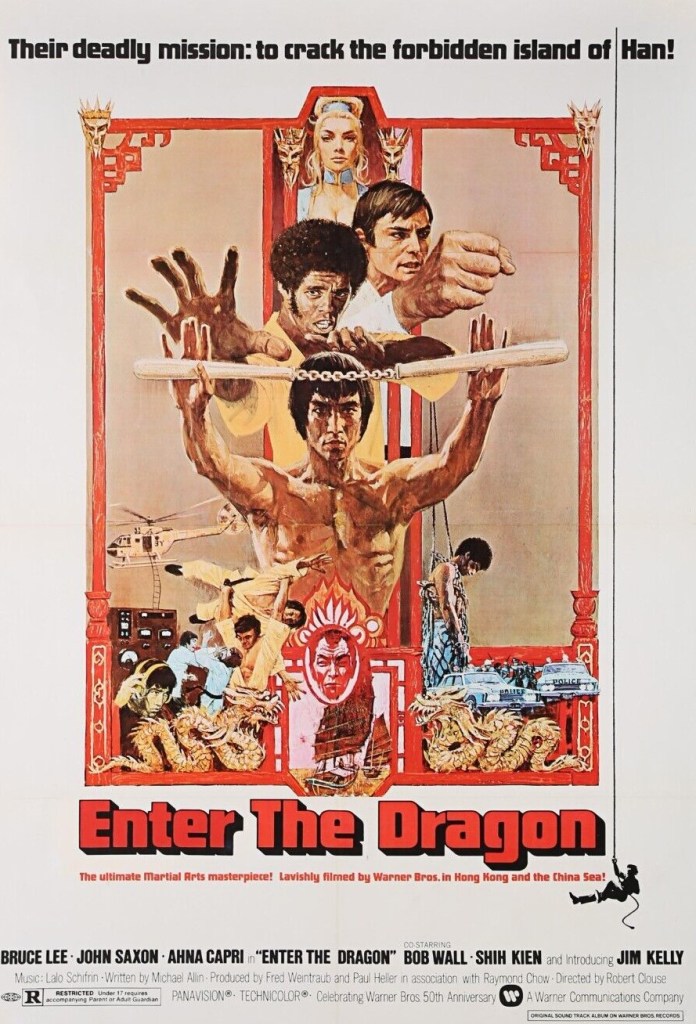
It’s a straight-out 50th anniversary slam-dunk for Enter the Dragon (1973), the kung fu actioner that cemented Bruce Lee’s reputation and sent the world into a brief glorious paroxysm of kung fu exploitation vehicles that even impinged on James Bond. Catch it in August.

You’d never guess it’s 35 years since Rain Man (1988), but don’t worry that will surely form the main plank of the marketing for its revival in September. Tom Cruise is of course still a big noise, less so Dustin Hoffman and director Barry Levinson, but they both won the Oscar, and fans of Hans Zimmer (Oscar nominated) will be more than happy to celebrate the score that brought him worldwide attention.

There’s been more than enough publicity attached to the filming of The Birds (1963), what with Tippi Hedren’s accusations of her treatment, but this 60th anniversary re-release might provide opportunity to reassess what I consider to be Alfred Hitchcock’s greatest achievement. That’s out in October.

Al Pacino’s turn as Cuban gangster Tony Montana in Brian DePalma’s Scarface (1983) – 40th anniversary – was not a huge hit at the time, audiences too easily put off by the violence and the over-the-top performance, but it’s now become a cult classic so expect big numbers to turn out in November.

Rounding out the year, unless someone can come up with something bigger/better before then, is A Christmas Story (1983) – 40th anniversary. You’ve probably forgotten all about this unless you can remember this is where the iconic “tongue frozen to flagpole” idea originated. Directed by Bob Clark, perhaps in reparation for Porky’s (1981), it sees Melinda Dillon (Close Encounters of the Third Kind, 1977) as the mother appalled her son wants a BB gun for Xmas. Wonder how that idea will play out these days!

I am already trawling through any film made in a year ending in 4 or 9 to see what Hollywood can base an anniversary re-showing on for 2024.

Oldies Every Day of the Week

In the 1960s you could watch old films in the cinema in virtually every country in the world every day of the week. Except in the United States, television had not impacted so much on the availability for booking films made within the last decade, so there was generally plenty of scope to operate a picture house that specialized in old movies. They were called “repertory” theaters. Of course studios dipped in and out of the repertory business themselves, yanking out of the vaults old blockbusters, but on an irregular basis, that particular supply rapidly diminishing as old movies were sold off for small screen presentation. 

Pre-television, in the United States in the 1940s a small industry had grown up, both in distribution and exhibition, either buying up the rights to old movies and recycling them as instituted by the Producers’ Releasing Corporation and Realart and PRC or establishing mini-chains of cinemas like the Academy of Proven Hits. But when television made such big inroads into old stock in the U.S. you were more likely to find old pictures turning up in arthouses, and even then that was limited to known attractions like Garbo and Bogart and occasional retrospectives of Bette Davis and Joan Crawford. Or arthouses would slip in a series of oldies one day a week.

In the 1960s “no cinema in the United States except the Thalia in New York and the Cinema Guild in Berkeley has ever made a serious attempt at presenting cinema repertory.” Occasionally, a U.S. distributor acquired a bundle of old pictures as the basis of an ongoing program distributed through arthouses, such as the 27-film series from Janus or Tom Brandon’s batch of 75. Paris, on the other hand, was a paradise for lovers of old movies. 

The 1960s saw the beginning of the film studies phenomenon, so cinemas showing old movies found new custom. Prior to that, the most common way to view classics was via a film society, another booming sector. While boasting four million members worldwide, access was limited to one movie – in 16mm not 35mm – a week for one screening only and a program that ran for about half a year.

Surprisingly, Britain was at the forefront of the repertory industry. When I was growing up in Glasgow in the 1960s I was astonished to discover a commercial chain – the Classic – operating three cinemas in the city center. Two of the operations, the Classic Grand and the Tatler Classic, while retaining the company name gradually shifted into the sexploitation business, the latter as a private members’ club. But the flagship Classic, just down the road from the Odeon, one of the city’s most prestigious houses, ran a weekly program of old films.

Realart reissue from the 1940s.

At the start of the decade, Classic operated ten cinemas in London and another 80-plus  throughout the United Kingdom. Programmes changed midweek if showing just one film while a double bill would run a full week. Several cinemas ran late night screenings, usually on a Saturday, but these could also be found on a Wednesday or Thursday.

Sometimes the movies shown were foreign, other times there might be a short season of Marx Bros comedies or Hitchcock thrillers, but mostly they were British or American pictures whose quality or reputation suggested they deserved repeat viewing on the big screen. One print would be enough to feed the entire system, shunted from screen to screen.

Quite a few of the films would be hired on a flat fee basis, no sharing the box office with a distributor or studio. Older audiences, fed up with the sex and violence prevalent in current movies, took refuge in safer, older films. Younger audiences, wanting to catch up with great films, found the screenings an unexpected bounty, especially to see them projected in their original dimensions.

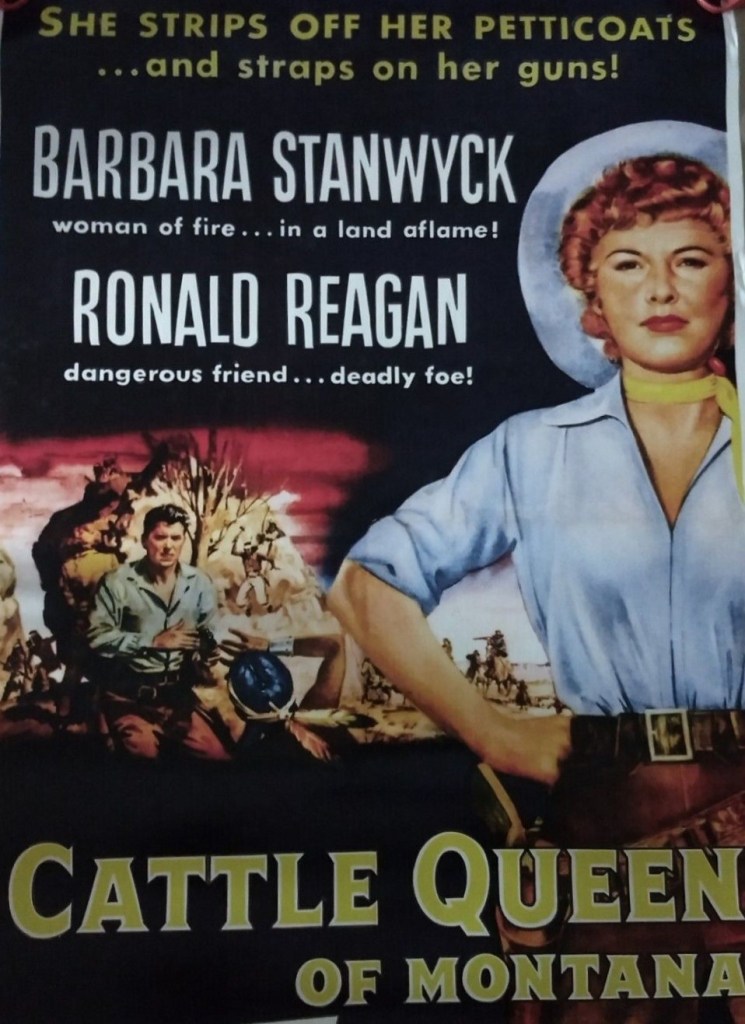
Just how old the offerings were varied. In 1968 over the period March 10-April 6 the youngest film presented on the Classic chain was Bonnie and Clyde (1967), the oldest Animal Crackers (1930), The Lady Vanishes (1938), Carol Reed’s The Stars Look Down (1940) and The Song of Bernadette (1943). In between you could choose between The Third Man (1949), Barbara Stanwyck as The Cattle Queen of Montana (1951), Viva Zapata (1952), The Brides of Dracula (1960), Billy Liar (1963), The Birds (1963), The Pawnbroker (1964) and Peter Sellers comedy After the Fox (1966).

On the foreign front, you could sample Vilgot Sjoman’s My Sister, My Love (1966), Godard’s A Woman Is A Woman (1961), offbeat French film Do You Like Women (1964) about cannibals owning a vegetarian restaurant, and Elke Sommer and Virna Lisi in Four Kinds of Women/The Dolls (1965). It was relatively easy to structure programs to cash in on a current picture by, for example, Peter Sellers or Marlon Brando or directors such as Alfred Hitchcock or Carol Reed.

By the 1970s repertory cinema was booming in America, 400 theaters in operation, major cities accommodating several, while in Britain the Classic chain was acquired by the Tigon production company.

SOURCES: Brian Hannan, Coming Back to a Theater Near You (McFarland, 2016) p48-49, 54, 63, 72-73, 77, 80-81, 72; Gideon Bachmann, “A New Generation of Critical Fans,” Variety, June 1, 1960, p5; Advertisement, Films and Filming, October 1961, p2;“One Night Revivals Add to Arthouse Profits,” Box Office, June 29, 1964, pA3; Gideon Bachmann, “International Film Societies Number 2,500,” Variety, April 20, 1967, p13; “Films in Repertory Set for Reade-Sterling House,” Box Office, February 8, 1965, pE5; “Brandon Lines Up Chain of 30 Arties for Medleys of Oldies and Offbeat Pix,” Variety, Septmeber 6, 1967, p5; “Repertory,” Films and Filming, April 1968, p23;“Squeeze More Coin on Last Run of Classic Films,” Variety, April 24, 1968, p7; “Classic Try Switch To Cinema Club,” Kine Weekly, February 8, 1969, p6; “Tigon Aims Complete Classic Deal by End July,” Kine Weekly, June 12, 1971, p3; Marianne Cotter, “Survival of Revival House,” Box Office, March 1, 1993, p24.

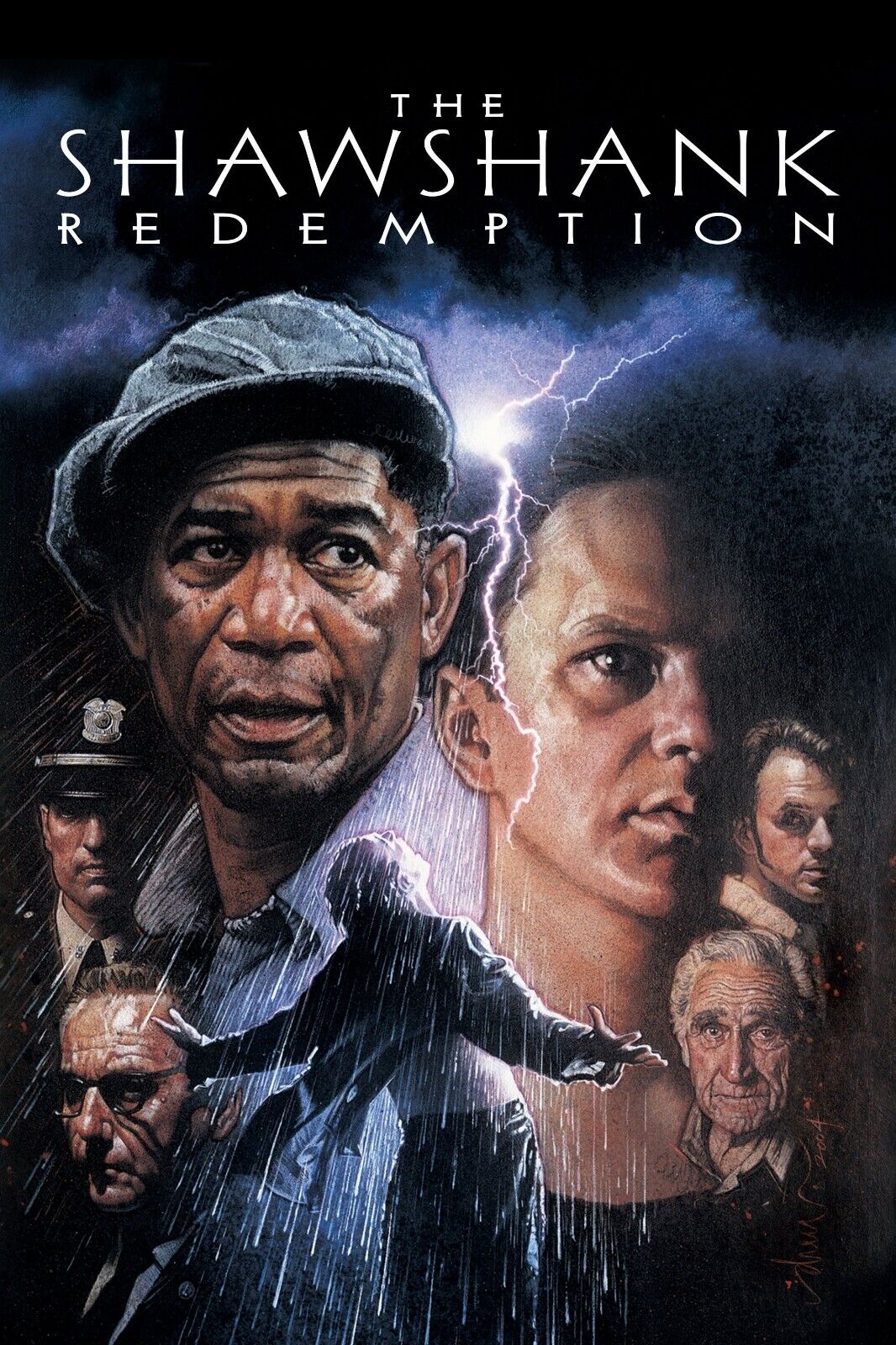
Cate Blanchett and The Shawshank Redemption

I assuming you know that the famed Stephen King novella on which the Tim Robbins/Morgan Freeman picture was based was originally entitled Rita Hayworth and the Shawshank Redemption, the poster of that movie goddess used in that version by the wannabe escapee to cover the hole he was making in his prison cell wall.

I’m making a connection to Cate Blanchett because The Shawshank Redemption (1994) was a critical success, seven Oscar nominations including Best Picture, but so conspicuously failed at the box office that it was scarcely shown abroad and only won an audience, and made more than its money back, on DVD and latterly became the poster boy for flops that somehow make a financial comeback.

Tar had all the critical support – with the exception of me, of course – that a movie could wish for and will at least pick up an Oscar nomination for Blanchett. But now that DVD is dead in the water, there’s virtually no chance of it making enough thereafter to cover the losses which are currently in the region of $30 million.

Movies used to have what was known as a “long tail,” meaning that initial box office was only one part of the equation. And a small part at that if the movie was a blockbuster. Reissue and sales to DVD, video rental, television, syndication, and early streaming services on a global scale sometimes amounted to as much as 90% of its overall earnings, especially bearing in mind that VHS/DVD in particular had various levels of revenue.

A big title might first be sold to video rental companies forking out $59.99 for the privilege and the bigger the title the more copies were purchased, so a blockbuster might easily have reaped $20-$30 million on that go-round. Then when it was released to the public, a big film would cost big money – $29.99 to $39.99 – and once that tier had done its job, the movie would be progressively sold in lower price brackets then repackaged again to supermarkets and bargain bins. More recently, the Director’s Cut, remastering and monetising anniversaries have added to that food chain.

Television went through several tiers as well. Studios never actually sold any movie to the small screen. They leased them. Usually for a period of time, say three years, and a limited number of screenings, often just two. And once that deal was done, they leased them again, and again and again. Until streaming killed off the majority of this market, movies made in the 1960s could have been leased a dozen times to television networks and even more in syndication. Cable would pay good money for a slice of that action.  

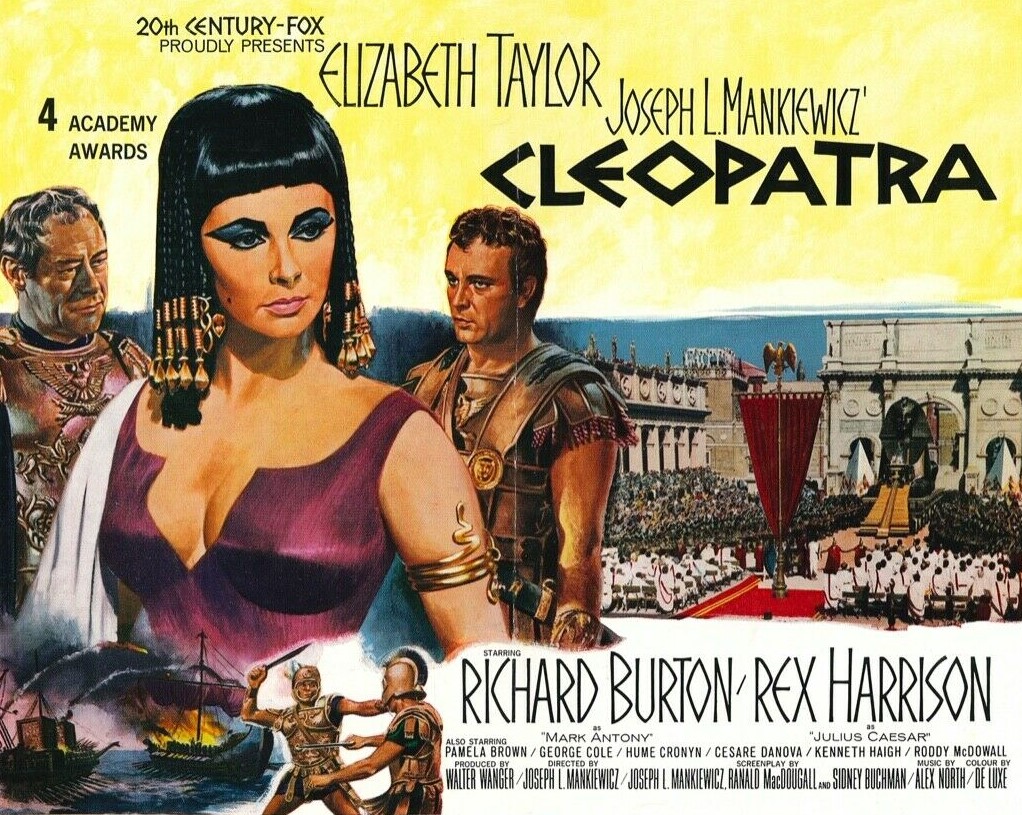
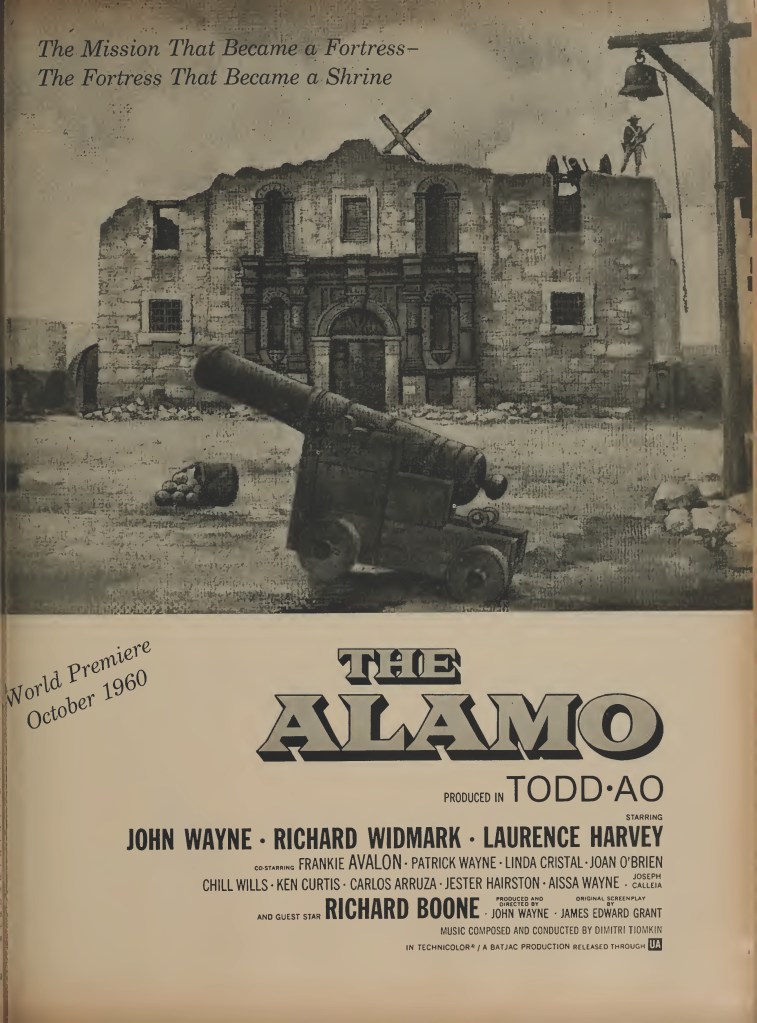
Television famously put The Alamo (1960) and Cleopatra (1963) into the black and then the combination of TV, VHS/DVD, cable etc, made them substantial profits. And studios could always wrap them up as a library and sell them off to movie-hungry stations like TCM. Imax and 3D provided reissue opportunities at the start of this century, but these days a return to a movie theater would be a seriously limited proposition and open only to major successes like The Godfather (1972).

But, in terms of redemption-sized income, virtually all those avenues have disappeared. And critics don’t have the power to turn on the money taps. I’m sure Chantal Akerman’s Jeanne Dielman…(1975) which came out of nowhere, though probably the result of a social media coup, to top the once-in-a-decade Sight & Sound Critics Poll, will bring in extra bucks, no matter that it will scarcely register on streaming and DVD sales will be limited to the arthouse fraternity.

Alfred Hitchcock is often touted as the Comeback King when Vertigo (1958) climbed to the top of the Sight & Sound Poll after initially being largely discounted in that particular race. But in the first place, Hitchcock had already been a box office giant. A very small number of his pictures lost money on initial cinema release and his “critical redemption” if you like was anything but. He achieved Sight & Sound dominance because five of his greatest pictures had been kept from public view for over two decades. When they appeared, in one of the great reissue stories, the public flocked to see them on the big screen, and on subsequent DVD release so it was from there that a new wave of critics found the films contained far more art than previously ascertained.

So, back to Tar – and other box office duds like Corsage ($2.7 million worldwide) and Empire of Light ($3.2 million). Where does it go from here?

One option is tax write-off. The companies that invested in it in the first place might have done so to avoid handing over profits to the taxman. Conversely, they can use losses to offset a future tax demand.

But that’s hardly going to stimulate the movie-making market.

Studios used to test-market films but now production companies like these shovel their pictures into an endless maw of film festivals where their movies receive the kind of reception that fills them with glee but turns out to be the opposite of what the public – even the arthouse public – actually wants.

Discover WordPress

A daily selection of the best content published on WordPress, collected for you by humans who love to read.

The Atavist Magazine

by Brian Hannan

WordPress.com News

The latest news on WordPress.com and the WordPress community.