Serena (1962) ***

Might have been pitched higher had it appeared after Honor Blackman Moment to Moment, 1966) began her stint as Cathy Gale in hit television show The Avengers. As it is, still a neat job. Few stylistic flourishes – a zoom shot (highly unusual), use of silhouette, camera swivel, substantial location work and some judicious use of the overhead camera. But mostly a crime picture that delivers in tidy fashion. As another plus point, it’s short.  

Ideal support material, the kind of movie that was easy to get off the ground in the U.K. because of the Eady Levy (a tax break) and the quota system whereby cinemas had to show a certain percentage of home-grown movies. Films capitalizing on this were known as “quota quickies” and most deserved to disappear from view shortly after being made.
This is an exception, and damned clever it is too, and though a few of the “clues” wouldn’t register with a contemporary audience, it piles on the twists and turns so it’s one narrative beat after another.

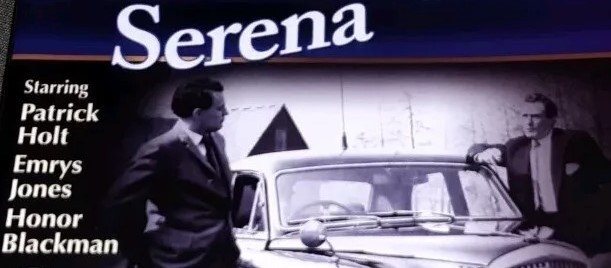
Detective Inspector Gregory (Patrick Holt) and Sergeant Conway (Bruce Beeby) come calling on artist Howard Rogers (Emrys Jones) with news his wife has been murdered. They’re separated three years, divorce unlikely due to the wife’s Catholicism.  Howard is putting the finishing touches to a painting of voluptuous brunette model Serena, who subsequently can’t be found to substantiate his alibi.

The blonde wife’s face has been blown apart by shotgun pellets so there’s a question-mark over her identity. So when said wife Ann (Honor Blackman) turns up, it’s clear someone else is dead. Ann is all set for reconciliation and the couple plan to head off for France to live off the £280,000 left in her father’s will.

Soon becomes apparent to the doughty investigation team that the murderer has killed the wrong woman. Ann, fearing she was being followed and worried about her safety, had called in old chum Cathy, an actress, also a blonde, to dress up in her clothes and pretend to be the wife. Clothes are found in the river. The finger of suspicion points at the missing Serena, in love with the artist and perhaps wanting to bump off her rival.

The clues, such as they are, are infinitesimal, though of course in those days there was little recourse to forensics. But they don’t mount up to much and their importance to the investigation – a modest piece of sleight of hand – is kept from the audience, spared the endless poring over red herrings to be found in modern detective tales, so it’s only at the end that the culprits are found.

And you can see why the director withheld crucial evidence because the climax is exceptionally well done. Ann’s lawyer is executor of the will, so, perforce, she would have had several meetings with him.

When the police arrive as the reconciled couple are packing their bags before hopping over the Channel, the ever-helpful cops offer them a lift to the train station. But, in fact, plan to take them to the police station. In the car for no apparent reason is the lawyer. But no words of greeting are exchanged between him and the wife.

Ergo, she’s not the wife.

That’s Serena in the car. Howard and Serena conspired to kill the wife. Clever use of wigs turned Serena into the brunette model and then the blonde wife. Two clues – plus the continued absence of the model – had led Insp Gregory to this conclusion. They found spirit-gum on the clothes found in the river, and that’s used to attach wigs, and in church the false Ann was seen crossing herself with her left hand rather than her right, de rigeur for that religion even if you were left-handed.

So, as I said, tidily done, mystery stoked high until the end.

Peter Maxwell (Impact, 1963) was mostly a jobbing television director only afforded a handful of movies, and all of these B-pictures, into which he injects the occasional stylistic touch, but which fitted well into the supporting picture category.

Patrick Holt reminded me of Peter Finch (The Legend of Lylah Clare, 1968), same build, haircut, stolidness and pursing of the lips, but he’s not asked to plumb any emotional depths. You might well have forecast a bright future for Honor Blackman after this movie but she was already established enough, making the transition to adult roles from child star, and since she’s not called upon to play a femme fatale, there’s not much for her to get her teeth into either. Emrys Jones (The Trials of Oscar Wilde, 1960) is good as the schemer.

Quite a few hands involved in tricking out the screenplay including the director, Edward and Valerie Abraham (Dominique, 1978) and Reginald Hearne (The Sicilians, 1964) .

One of the best examples of the “quota quickie.”
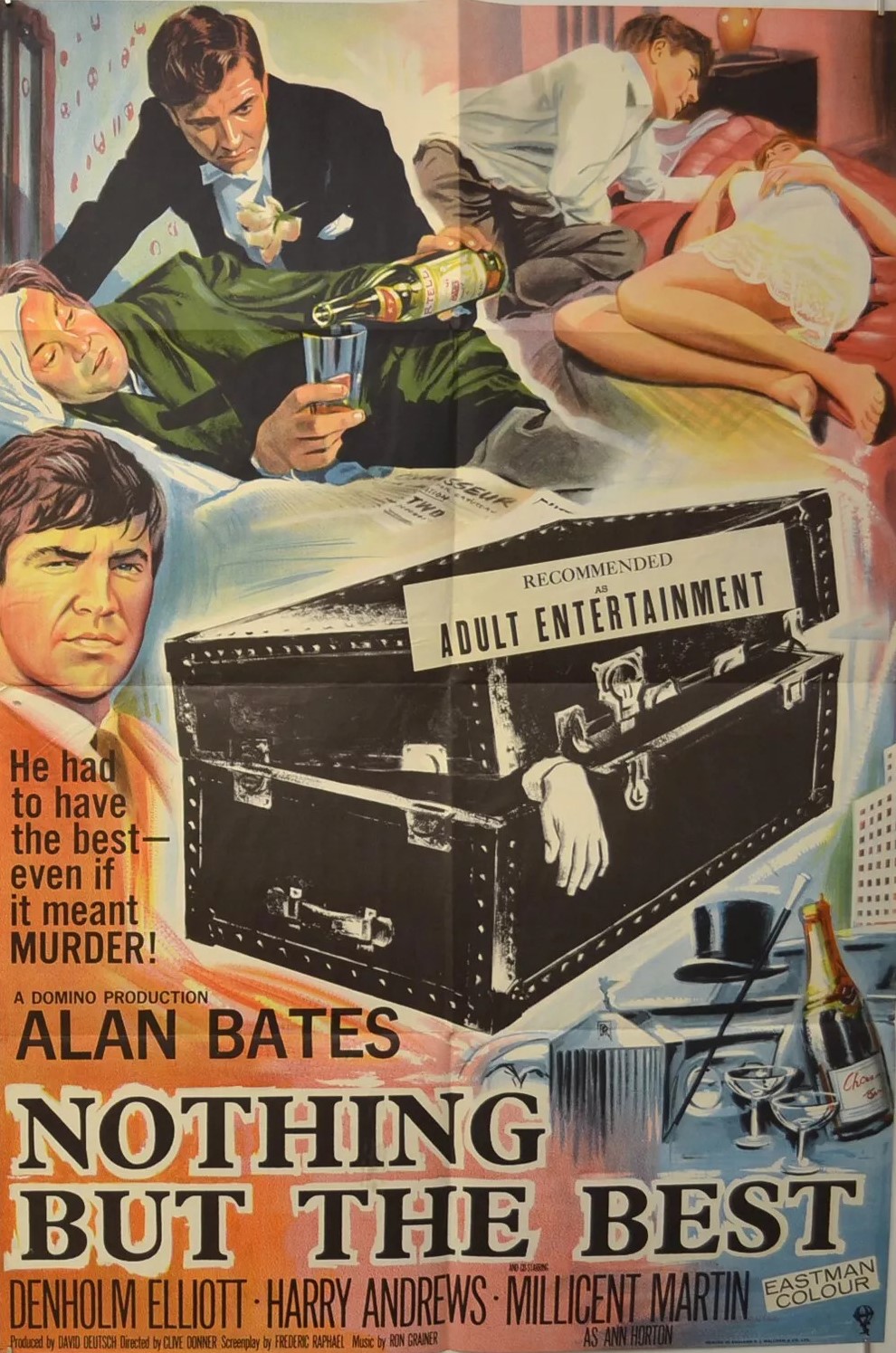
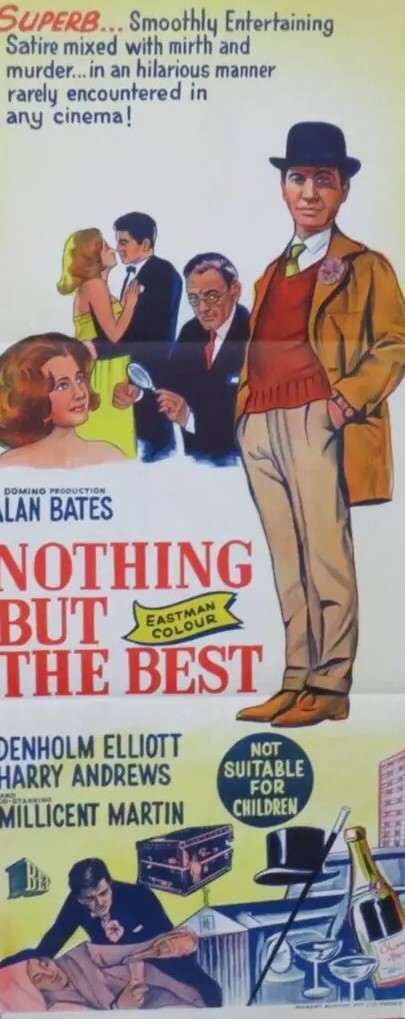
Nothing but the Best (1964) ***

Hardly surprising Denholm Elliott comes a cropper in this delicious British upper class black comedy – he steals the show from denoted star Alan Bates. Had he kept going any longer you would hardly have noticed Bates even featured, such was the clever impact of Elliott’s insiduous playing.

The toff version of Room at the Top (1958) meets Alfie (1966) as “ambitious young yob” Jimmy Brewster (Alan Bates) manipulates his way to the top. Too many people not coming up to scratch for his upwardly mobile purposes are cast aside – or strangled. Arrogance and bluff are the key to getting ahead in the upper-class world towards which he pivots. Doing absolutely nothing at all also works wonders in high society as does dismissing one’s hugely expensive education.

Jimmy is initially helped on his way, given an insider’s guide, by dissolute layabout toff Charles (Denholm Elliott) with a marked predilection for forgery, and other minor criminal schemes, but whose chief skill appears to be sponging off everyone else. Jimmy is a lowly executive in an upmarket estate agent, fighting for promotion against people with silver spoons rattling around every part of their anatomy and who have the genuine class their business appears to call for.

Every now and then the satire still contains contemporary bite, the difference between universities still relevant, as is that most people are not swayed by actual knowledge but by the fact that you can toss out the names of various academics. But, mostly, it’s bluff that opens the doors. Jimmy misses an appointment with an important banker, a dereliction that should have scuppered his chances of negotiating a better deal for his client. But, in fact, the banker takes this as Jimmy having gone elsewhere and immediately offers a better deal.

When confronted by a colleague for ignoring another appointment, Jimmy merely vaguely waffles on about being detained by “Sir Charles,” true identity left shrouded in mystery, contentious colleague silenced by either not being on speaking terms with the person mentioned or unwilling to admit his ignorance.

Having seduced every secretary within reach – none of whom meet his lofty standards – Jimmy manages to wangle his way into catching the eye of wealthy boss Horton (Harry Andrews) and his attractive daughter Ann (Millicent Martin), whom he marries.

While this would have been sharp as a tack in satirical terms back in the day, most of that weaponry is now out-dated. Suffers because none of the upper-class characters show any sense whatsoever – they can’t all be duffers and most seem to have tumbled out of central casting’s idea of an upper class twit. Charles is the exception, but even he is something of an innocent, not quite aware of what ruthlessness he has unwittingly set afire.

The lower classes aren’t much better. Secretaries and switchboard girls fall at Jimmy’s feet, handsome beggar that he is, though his landlady Mrs March (Pauline Delaney) appears to have his measure and is not above indulging in hypocrisy.

The voice-over works to the detriment of the picture. Because that device is doing so much of the heavy lifting, filling in the audience on Jimmy’s true feelings, the actor doesn’t have to do much acting and we’re presented with a kind of wooden figure who hides behind a mask. Of course since he’s masking his feelings, you might be inclined to give Alan Bates the benefit of the doubt.

And it would work very well if there wasn’t Denholm Elliott giving a master class in duplicity. He exhibits genuine charm.

I’m guessing that the voice-over was already there in Frederic Raphael’s script and not added to compensate for Alan Bates’s one-note performance. So if it was, that certainly presented a problem for the actor since most of what made his character interesting was at one remove, not presented in dialog or confrontation as would be the norm.

Alfie solved the problem by breaking the fourth wall – all the rage these days – and having the character directly address the audience, which allowed Michael Caine to present his own case.

So, if Alan Bates felt limited in what he could show on screen, he certainly does a good job of maintaining the façade. But Denholm Elliott (Station Six Sahara, 1963) steals the show. Harry Andrews (The Charge of the Light Brigade, 1968) is permitted no nuance to his normal bluff persona, singer Millicent Martin (Alfie, 1966) sparkles, and a bunch of British character actors including James Villiers (Some Girls Do, 1969) and Nigel Stock (The Lost Continent, 1968) put in an appearance.

Directed with some glee by Clive Donner (Alfred the Great, 1969) from a script by Frederic Raphael (Darling, 1965) adapted from a short story by Stanley Ellin (House of Cards, 1968).

Not as coruscating now as originally intended.

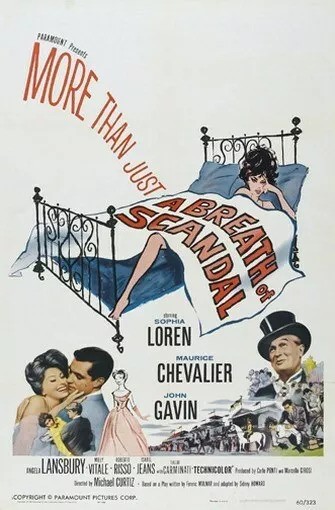
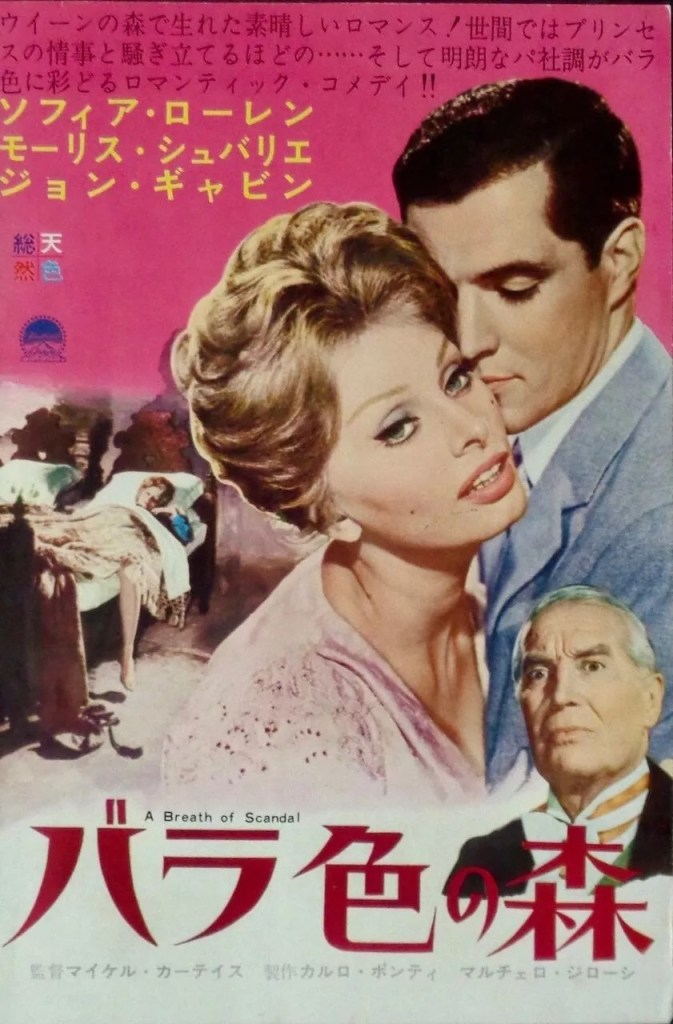
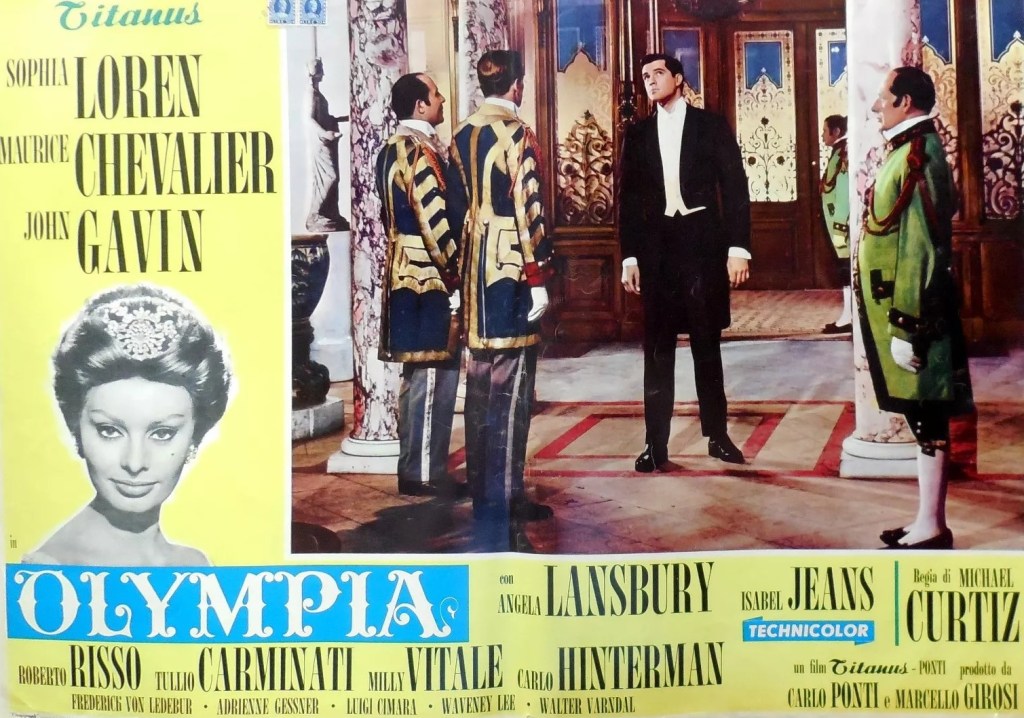
A Breath of Scandal / Olympia (1960) ***

Sophia Loren in playful mood. Not every serious actress could whip up a confection as light as this. She was in the middle of a romance period embracing both comedy and drama that began with Houseboat (1958) and rattled through to The Millionairess (1960) before embarking on a half-decade of more serious stuff starting with her Oscar-winning performance in Two Women (1960).

Easy to dismiss her here as all pout and bosom, but there’s a distinct egalitarianism on show, especially given it’s set in early stuffy 20th century Vienna, where protocol reigns, making life difficult for a lass who wishes an active sex life outside the constrictions of marriage.

There’s not much to the story, in fact it’s as flimsy as heck, but the kind of picture that a top star can swan her way through and charm the audience with her.

When we meet Olympia (Sophia Loren) she’s been exiled to the countryside for one scandal too many and to ease her boredom takes potshots at anyone visiting her quaint castle. Out horse-riding, she tangles with a motor car driven by Yank businessman Charlie Foster (John Gavin) and engineers that they spend the night in a nearby hunting lodge, leading him to believe she’s an ordinary peasant girl and not a princess.

Summoned back to Vienna by her father Prince Philip (Maurice Chevalier) and mother Princess Eugenie (Isabel Jeans) because they’ve found a prospective suitor in Prince Ruprecht (Carlo Hintermann), she encounters Charlie again because he’s trying to sell her father on some business deal.

On the sidelines causing trouble is (Angela Lansbury) who threatens to dish the dirt on Olympia and Charlie and cause a great scandal. And, really, that’s all there is to it except, as had become somewhat de rigeur in his pictures, Maurice Chevalier chips in with a song.

But the settings are glorious and costume design takes the top prize. While everyone else has a whale of a time, John Gavin (Midnight Lace, 1960) looks lost, wooden and out of his depth, unable to respond to the mischievous sparkle of La Loren. This could easily have been devised to show Loren at her marquee best, the belle of the ball, but with a cunning mind, quick repartee, and surprisingly feminist in her approach.

It was one of those Hollywood-Italian co-productions that were starting to take off with little regard for national gridlines. Though set in Austria, the female lead was Italian, male lead American, Maurice Chevalier (Jessica, 1962) as French as they come, Isabel Jeans (The Magic Christian, 1969) is English and director Michael Curtiz (The Commancheros, 1961) Hungarian.

It’s hardly demanding and since Gavin doesn’t step up to the plate lacks the necessary sizzle but all that means is Loren can steal the spotlight. Walter Bernstein (The Magnificent Seven, 1960) and Ring Lardner Jr (The Cincinnati Kid, 1965) turned the Frederic Molnar play into a screenplay.

Easy to criticize if you’re wanting something more demanding, but otherwise effortlessly enjoyable.

Perfect Saturday afternoon matinee material.

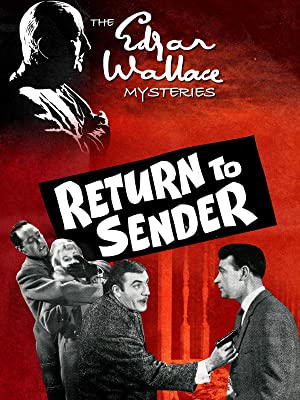
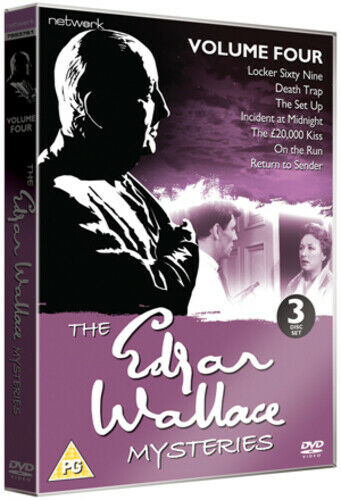
Return to Sender (1963) ***

The B-film’s B-film. Where American B-pictures invariably focused on sleaze, sci-fi- horror or violence, their British counterparts often exuded class with solid acting, clever plots, excellent though simple sets and good composition. Edgar Wallace, the world’s most prolific writer, had regained sudden popularity thirty years after his death, and movies made from his works made ideal subjects for B-pictures fed into the British double-bill system. His thrillers are all story, racing along with twist after twist.

On the verge of being arrested for fraud, high-class businessman Dino Steffano (Nigel Davenport) hits on blackmail as a means of forcing investigator Robert Lindley (Geoffrey Keen) to drop the case. He sets up associate Mike Cochrane (William Russell) to fake photographs involving sexy Lisa (Yvonne Romain) and Lindley in compromising positions. So Lisa, pretending to hold vital evidence, lures him to her flat where this can be staged.

Meanwhile Lindley’s daughter Beth (Jennifer Daniel) chats up Cochrane after overhearing him asking questions about her father’s cottage. Cochrane has history with Lindley, having been sent for an 18-month prison sentence as a result of a previous encounter. He also resents Steffano over previous double-dealing and is planning to take his own revenge while carrying out the master plan.

I doubt if you will be able to see the twists coming. Suffice to say, nothing is what it seems. The closer Lindley gets to uncovering the mystery, the darker it becomes and the more danger he appears to be in. Even when characters reveal their plans, you can be sure they will have a different one up their sleeve. Steffano’s exceptional charm masks his ruthlessness. While Lindley is dogged, he is no match for the slinky Lisa who can play the vulnerable female with ease. Artist Beth treasures her independence so much that it takes her down some devious alleys, especially when trying to pump Cochrane for information. And it all leads to a terrific climax, involving further twists and double-dealing.

Most of this is played out in classy apartments with log fires burning and Steffano drinking brandy and smoking cigars, or on a yacht, or Lindley’s equally splendid chambers.

The stars are either up-and-coming movie stars or destined for small-screen fame. Many of these Edgar Wallace thrillers would prove stepping stones for new talent.

Nigel Davenport (The Third Secret, 1964) is the pick and would become an accomplished supporting actor in films like Play Dirty (1969). Yvonne Romaine had already made a splash in The Frightened City (1961) and would go on to play the female lead in Devil Doll (1964) and The Brigand of Kandahar (1965). Geoffrey Keen (Dr Syn, Alias The Scarecrow, 1963) would make a bigger impact on television in Mogul (1965-1972). As would William Russell (The Great Escape, 1963) who went on to become a long-running sidekick of Dr Who (1963-1965). Jennifer Daniel became a horror favorite with female lead in The Kiss of the Vampire (1963) and The Reptile (1966). 

Making his movie debut director John Hales clearly benefits from a couple of decades as an editor in films like The Seventh Veil (1945) and Village of the Damned (1960) and he nips quickly from one scene to another to keep the plot ticking along while showing some gift for framing characters within a scene.  

I should point out you will easily find flaws. Strictly speaking, if you know your police procedural, Lindley would not be an investigator, and it would not be too hard to find strains of implausibility showing. But that should not detract from this enjoyable movie.

British studio Anglo Amalgamated churned out these Edgar Wallace thrillers as double-bill fodder and, even though compromised in the budget department, they were generally well-made. Wallace was a brand-name, a best-selling author on account of his 200-plus novels, most still in print long after his death, and a byword for a good read. American television edited the features down to fit into a television series. So if you are hunting these down make sure you get the original features rather than the edited versions.

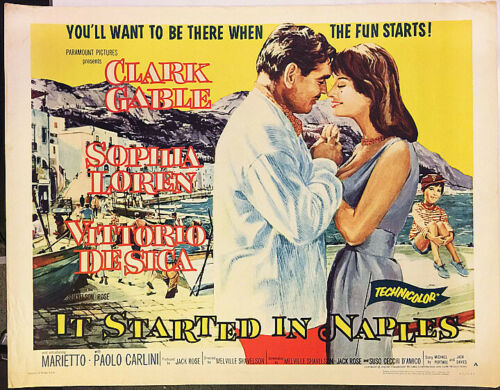
It Started in Naples (1960) ***

By this point in her career Sophia Loren was adopted by Hollywood primarily as a means of rejuvenating the romantic screen careers of much older male stars. John Wayne was over two decades her senior in Legend of the Lost (1957), Frank Sinatra and Gregory Peck nearly two decades older in The Pride and the Passion (1957, and Cary Grant a full three decades in Houseboat (1959). But where Grant was sprightly enough and with superb comic timing and Loren had the charm to make Houseboat work, the May-December notion lost much of its appeal when translated to her Italian homeland and an aging Clark Gable.

While engaging enough, the tale mostly relies on a stereotypical stuffy American’s encounters with a stereotypical down-to-earth Italian although Loren adds considerable zap with her singing-and-dancing numbers. Lawyer Michael Hamilton (Clark Gable), in Italy to settle his deceased brother’s affairs, discovers the dead man has left behind an eight-year-old boy Nando (Marietto) being looked after in haphazard fashion and impoverished circumstances in Capri by his aunt Lucia (Sophia Loren), a nightclub singer.  Determined to give the boy a proper American education, Hamilton engages in a tug-of-war with Lucia.

In truth, Lucia lacks maternal instincts, allowing the boy to stay up till one o’clock in the morning handing out nightclub flyers and not even knowing where the local school is. Hamilton is in turns appalled and attracted to Lucia, in some part pretending romantic interest to come to a out-of-court settlement. To complicate matters, Hamilton is due to get married back home.

At times it is more travelog than romantic comedy, with streets packed for fiestas and cafes full well into the night, a speedboat ride round the glorious bay, another expedition under the majestic caves, a cable car trip up the cliffs to view spectacular scenery, and the local population enjoying their version of la dolce vita. But the piece de resistance is Lucia’s performance in the nightclub, ravishing figure accompanied by more than passable voice as she knocks out “Tu vuo fa L’Americano” (which you might remember from the jazz club scene in The Talented Mr Ripley, 199). She has a zest that her suitor cannot match but which is of course immensely appealing.

Lucia is torn between giving the boy a better start in life, already insisting for example that he speak English, and holding on to him while street urchin Nando is intent on acting as matchmaker.  

Most of the humor is somewhat heavy-handed except for a few exceptional lines – complaining that he cannot sleep for the noise outside, Hamilton asks a waiter how do these people ever sleep only to receive the immortal reply: “together.”

Gable lacks the double-take that served Cary Grant so well and instead of looking perplexed and captivated mostly looks grumpy. But this is still Gable and the camera still loves him even if he has added a few pounds. He was a bigger global star than in the Hollywood Golden Era thanks in part to regular reissues of Gone with the Wind (1939) but mostly to a wider range of roles and he was earning far more than at MGM, in the John Wayne/William Holden league of remuneration. Loren was the leading Italian female star, well ahead in Hollywood eyes of competitors Claudia Cardinale and Gina Lollobrigida, and had the ability, despite whatever age difference was foisted upon her, to make believable any unlikely romance.

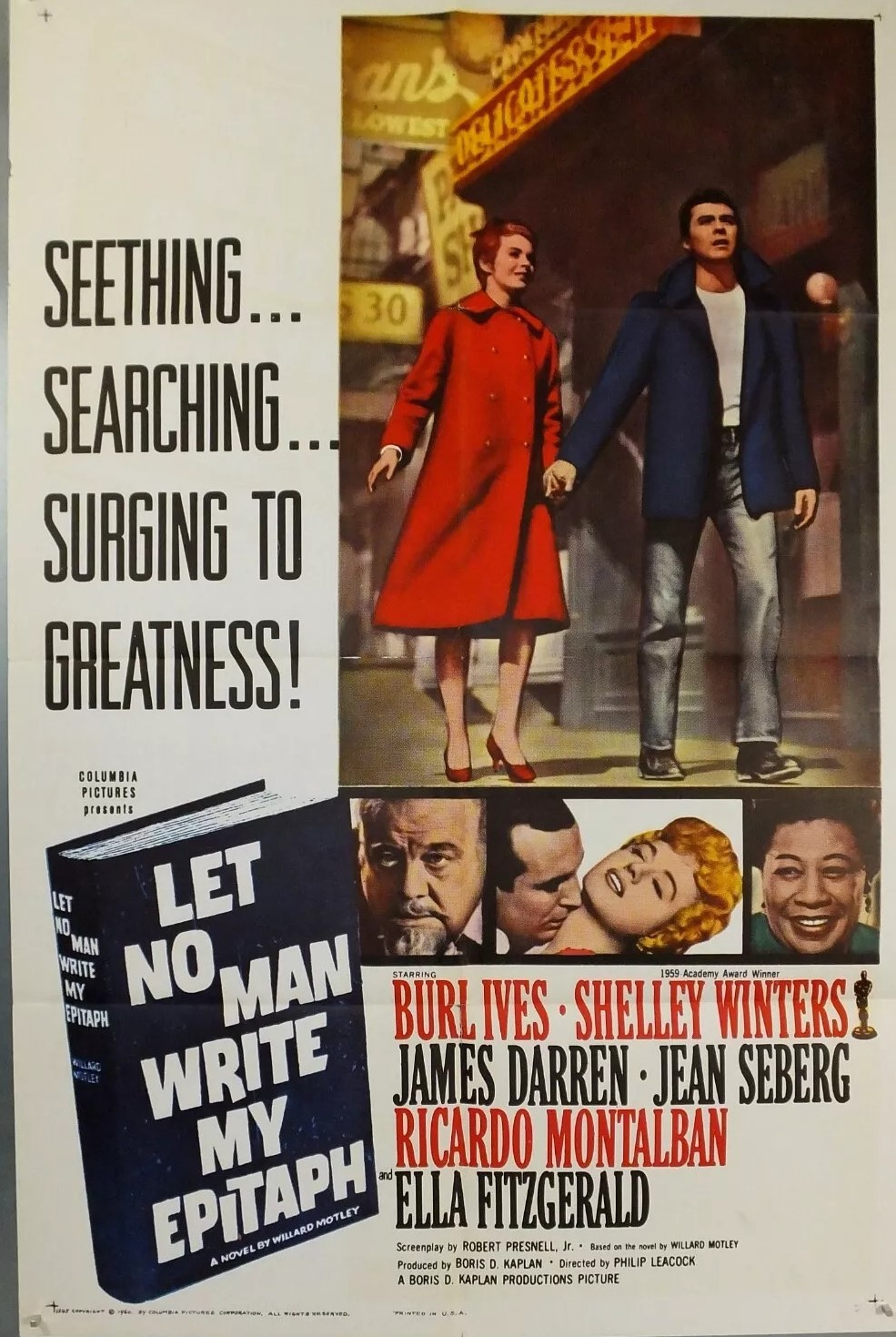
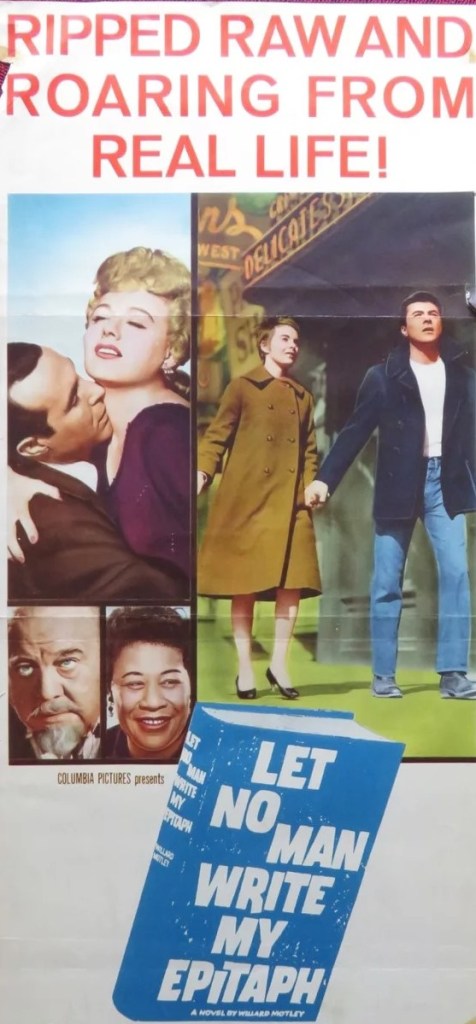
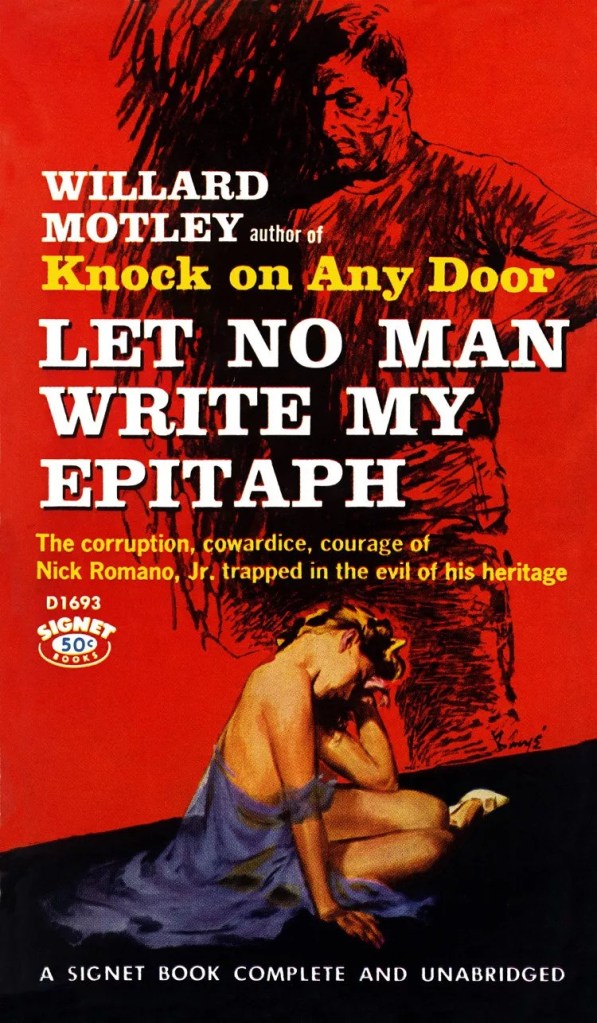
Let No Man Write My Epitaph (1960) ***

You can decamp to Europe all you like and even make a flashy bow in a hit French picture but that still won’t stop Hollywood hauling you back and treating you like a contract player. Thus it was with Jean Seberg. The toast of France and of arthouses worldwide for Breathless (1960) but relegated to ingenue here.

In truth, this had all the makings of an edgy drama given it was littered with alcoholics and drug addicts and pimps and heroin dealers. Set in the roughest part of Chicago, the shining light was Nick (James Darren), piano prodigy, weighted down not just by his surroundings but by memory of his murderer father who died in the elecric chair.

Single mom Nellie (Shelley Winters), not decent barmaid material because she refuses to allow customers to grope her, nonetheless ends up working as a B-girl and part-time sex worker to support Nick and pay for his ambition.

The motley gang promising to keep Nick out of harm’s way include alcoholic Judge Sullivan (Burl Ives), drug addict chanteuse Flora (Ella Fitzgerald), reduced to singing in deadbeat bars, ex-con George (Bernie Hamilton) and goodtime aloholic Fran (Jeanne Cooper). Unfortunately, Nick can’t keep himself out of harm’s way, responding too readily with his fists – not apparently noticing how risky that might be for his future – to the barbs and slurs meted out.

Nellie thinks she’s turned a corner when she hooks up with Louis (Ricardo Montalban). In her neck of the woods everyone’s shady so if he’s involved in the numbers or some other racket, she’s not that perturbed. But he’s spotted the stash in her bankbook, set aside to pay for her son’s tuition when he gets into music school, and gets her hooked on drugs to separate her from her dough.

Nick just thinks her erratic behavior is the kind of drunkenness he encounters every day. An old buddy of his father, Grant (Philip Ober), a lawyer, deciding to make restitution for not getting his father off the murder charge, eases the way into Nick getting an audition for music school. And this is where Jean Seberg comes in, as Grant’s daughter, whose only role is to believe in Nick. So much for swanky Paris!

Naturally, everything comes unstuck. Protecting Nick, George ends up on a charge, not saved by the judge riding to his alcoholic rescue, summoning up his previous oratorical skills to plead the case but only for so long as it takes for him to tumble to the ground in a drunken haze. When Nick discovers that Louis has got his mum hooked, he tackles the thug only to come out the worse, and end up hogtied in a garret. It’s up to the big man, i.e. the judge, to come to the rescue again. He’s the kind of man mountain that you can plug with several bullets and still he comes after you with his lethal hands to strangle the life out of you.

Made a decade later, this would have been much grittier, with tougher-minded directors happy to grind the audience in the residue filth and would probably have dumped some of the faithful retainers who come across like a Hollywood picture from the 1940s, the kind of save-the-day angels who always lingered on the edges of villainy ready to poke their heads above the parapets of degradation in the hope of snatching a glimpse of redemption.

It might have helped if singer James Darren (The Guns of Navarone, 1961) looked as if he could actually play the piano. A bit too cute in places and concentrating more on the only non-addict means too much bypassing of the generational consequences of addiction.

Oscar-winner Burl Ives (The Brass Bottle,1964) is the standout but that’s not saying much in a picture where the other actors pretty much stand by their existing screen personas. Shelley Winters (The Scalphunters, 1968) sways between tough and whiny, Ricardo Montalban (Sweet Charity, 1969) disappears behind his tough guy demeanor. You wouldn’t notice Jean Seberg.

Directed  by Philip Leacock (Tamahine, 1963) from a script by Robert Presnell Jr (The Third Day, 1963) from the bestseller by Willard Motley.

Wannabe neo-noir but not tough enough to qualify.

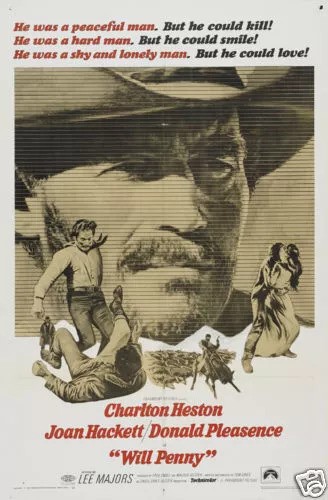
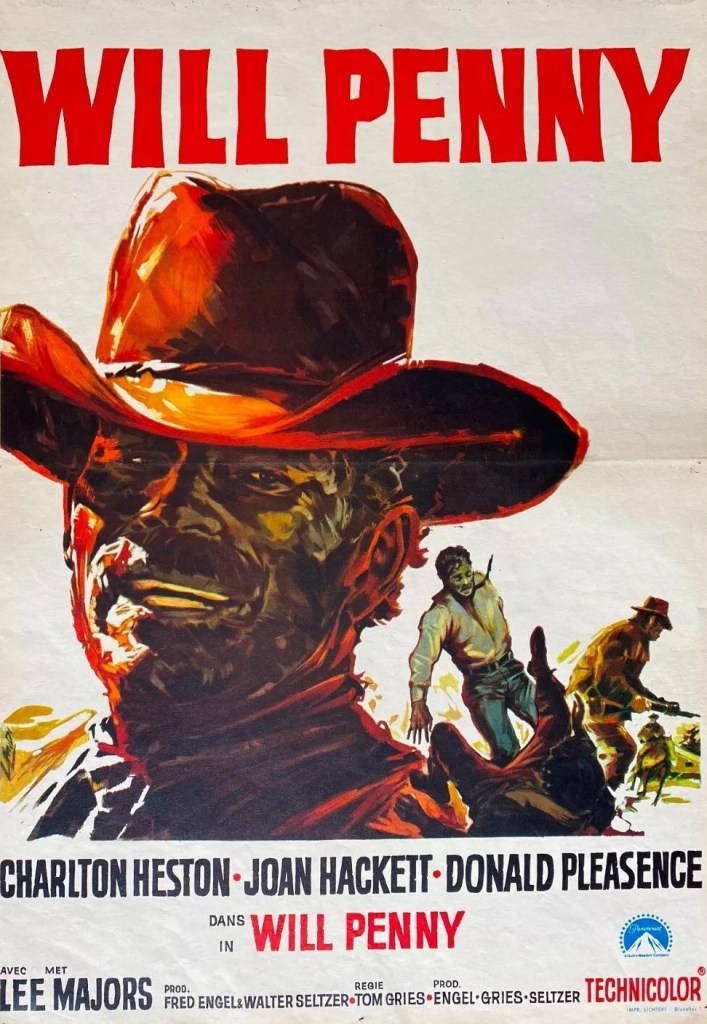
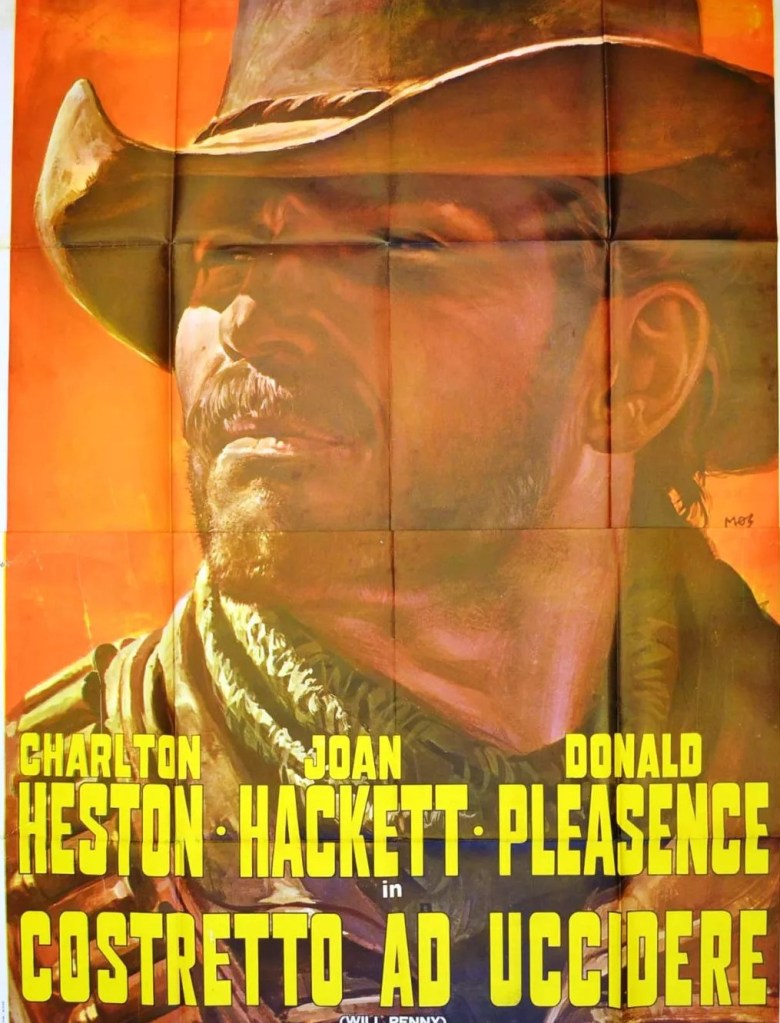
Will Penny (1968) ****

Tale of two westerns. On the one hand two undoubtedly fine performances contribute to an excellent realistic somewhat downbeat cowboy yarn. On the other hand a bunch of loonies jumping in every now and then as plot devices upset the wonderful tone.  There had to be some other way, surely, to ensure itinerant illiterate 50-year-old cowhand Will Penny (Charlton Heston) and educated single mother Catherine (Joan Hackett) spend the winter together, other than him being bushwhacked by mad-eyed Preacher Quint (Donald Pleasance) and left to die.

This kind of sub-plot, you know where it’s going to end, even though, in this case, it goes down a few bizarre routes. Luckily, the main narrative continues to surprise in interesting fashion.

Like its modern equivalent The Misfits (1961), this mostly revolves around simple-minded cowboys who enjoy simple pleasures, drinking and fornicating, at the end of a hard trail ride. Will looks no further ahead than his next job. He’s easily the oldest of the cowboys and we’re introduced to him getting a telling off for trying to steal a few biscuits from the trail cook. He’s constantly razzed by the younger guys, though he’s able to take care of himself. At trail’s end, he hooks up with Blue (Lee Majors) and Dutchy (Anthony Zerbe) who, unexpectedly, find themselves in a shooting match with Quint’s family.

Dutchy comes off worst, a bad gunshot wound accidentally self-inflicted. The next few sequences are terrific. Dutchy, thinking he’s going to die, wants to go out drinking gutrot whisky and telling tall tales of heroism to Catherine who they encounter at a tiny trading post. There’s generally a callous disregard for the wounded. Even so, Blue and Will take the wounded, now drunk, man to the nearest town where the Dr Fraker (William Schallert) doubles as the local barber.

Will finds a job tending an outlying herd but finds the cabin that goes with it inhabited by Catherine and son Horace (Jon Gries). Out on the job, he’s attacked, robbed and left for dead by Quint and sons Rafe (Bruce Dern) and Rufus (Gene Rutherford). He manages to find his way back to the cabin and is tended by Catherine. Horseless and not fit for work, he decides to hole up in the cabin, fixing it up to withstand winter.

They’re wary of each other, but he bonds with the boy, and gradually they warm to each other, despite the two-decade age gap. She’s been let down so often by men, husband, trail escort etc, that she clearly finds something admirable in his dependability.

And we would probably be headed for a heartbreak ending. We’ve already seen how easy it is to be injured in the cowboy game, and how unemployable that renders a man, so the prospects of an ageing cowhand, who knows no other existence, settling down with an idealistic younger woman seem remote.

In any case, there’s a ways to go before that time comes since at Xmas the Quints reappear, beat Will up again and tie him up. You’d expect them to have their way with Catherine but there’s a twist in that Preacher has sized her up as a wife for one of her sons. While they are fighting over her, Will escapes.

Luckily, his old buddies come looking for him and he’s got a sack of sulphur (purpose never explained) so he smokes out the bad guys and they all get shot, leaving Will and Catherine with their heart-breaking moment.

As I said, two quite dfferent movies at odds with each other. Charlton Heston (Number One, 1969) is transformed. His trademark screen persona disappears under this quite different, diffident, awkward, character and there’s an argument to say this is his best-ever performance. The scenes where he tries to cover up his illiteracy, shies away from learning a Xmas tune, and explains his theories on the frequency of bathing are outstanding.

If you only know Joan Hackett from Support Your Local Sheriff (1969) you wouldn’t recognize her here, contained and watchful, rather than somewhat crazy in the James Garner picture.

While this pair gell, Donald Pleasance (Soldier Blue, 1970) et al stand out like a sore thumb as if they’ve decided to try and hijack the picture with some pointless over-acting. An excellent supporting cast includes Lee Majors (The Six Million Dollar Man) in his debut, Ben Johnson (The Undefeated, 1969), Slim Pickens (Rough Night in Jericho, 1967), Clifton James (Cool Hand Luke, 1967), Bruce Dern (They Shoot Horses, Don’t They, 1969) – in full chipmunk-teeth mode – and Anthony Zerbe (Cool Hand Luke).

Tom Gries (100 Rifles, 1969), as writer and director, makes an excellent impression.

The cowboy and homestead sections work incredibly well, what passes for action and plot drag it down. Still, on balance, well worth seeing.

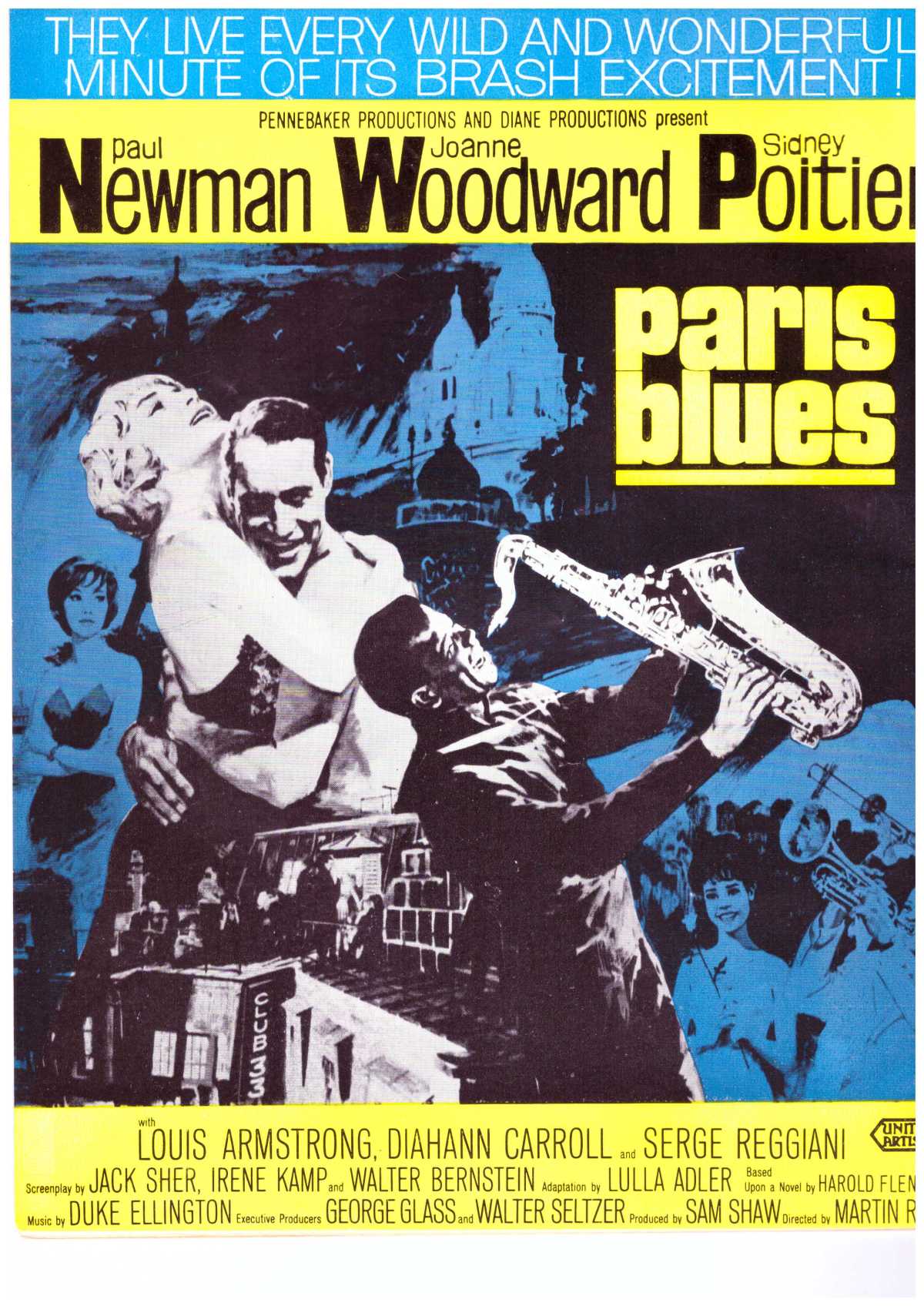
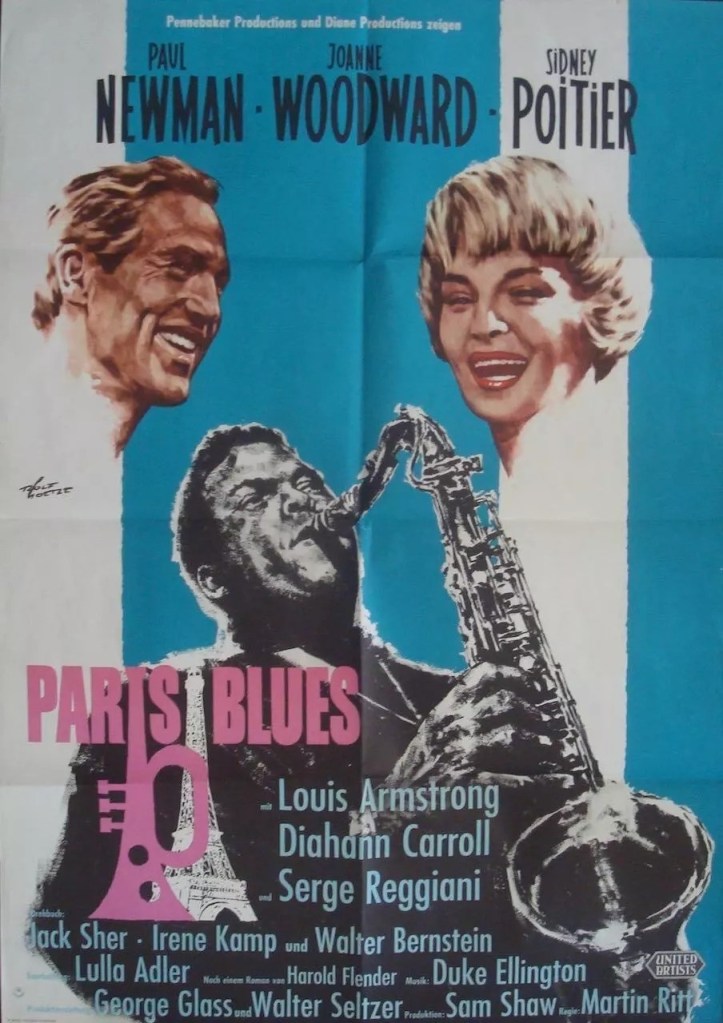
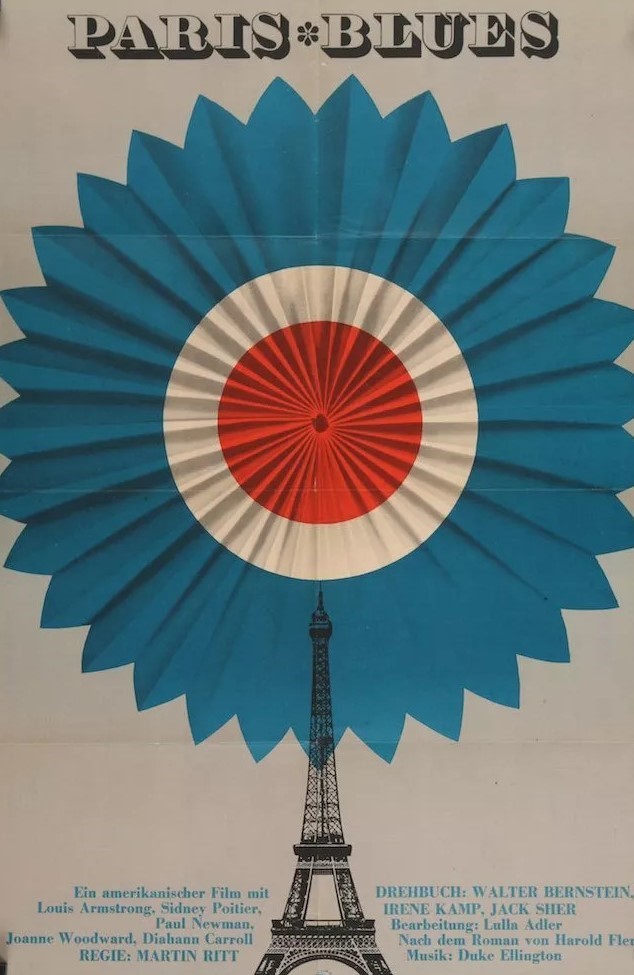
Paris Blues (1961) ****

Sometimes the stars just do align. Issue-driven drama played out against scenic Paris and host of jazz greats in support. The Walter Newman script gets quickly to the nub of a drama that focuses squarely on racism and creativity.

Jazz trombonist Ram (Paul Newman) lives for his music and fancies himself a composer as well as a player and expects women to fall in with his creative lifestyle until he comes across single mother tourist Lillian (Joanne Woodward) who ups the romantic ante by hopping into bed right away. Ram’s buddy, saxophonist Eddie (Sidney Poitier), falls for Lillian’s pal Connie (Diahann Carroll) but not only is she less promiscuous but a civil rights activist who rails against him for abandoning the cause and hiving off to Paris.

There’s a good twist on the will-she-won’t-she trope as this time around it’s the men (no surprises there) who have trouble committing. While the guys are both smitten, and at various times ready to throw up their Parisian lives and head for home, it doesn’t work out that way, so mostly what we get is argument, making up, repeat. But that’s not to suggest this falls into any kind of trap.

While Lillian uses seduction to try and winkle Ram out of his refuge, Connie, on the other hand, depends on guilt. Although Eddie’s able to verbalize the benefits for a black musician playing in Paris, he hardly needs to point it out, it’s plain to see that the innate racism he suffers at home is entirely absent in his adopted city.

If you’re a jazz enthusiast you’ll probably be more aware of the central musical conflict, the older-fashioned New Orleans style versus the modern be-pop. There’s no shortage of jazz. Duke Ellington was Oscar-nominated for the score, Louis Armstrong turns up, mobbed at the train station by fans, and every time the movie’s not cutting away to a Parisian backdrop it’s indulging in some great jazz tunes in the traditional smoky night club.

What’s really attractive here is the assured acting. Paul Newman was in the middle of a hot spurt, both at the box office and from the critics, successive Oscar noms on the way for The Hustler (1961) and Hud (1962) and endorsing his marquee credentials with From the Terrace (1960) and Exodus (1960). This is a lively performance, one in which he doesn’t have to carry the weight of the world on his shoulders or the deadweight of expectation. He’s not a snarling rebel, he doesn’t need to be, not with nightly improvisation, recognition from his peers, and a toehold on the next stage of creativity, composition. If he’s tussling with anybody it’s himself and his spats with Lillian are little more than arguments with himself about the road to take and the sacrifices that might be essential along the way.

Sidney Poitier (The Long Ships, 1964) snags a great career break, like Newman deprived of heavy duty, able to display his great charisma and charm with such a light touch. Joanne Woodward (Big Hand for a Little Lady, 1966) as ever brings a wide range to her role, sassy at times, pragmatic, not inclined to the lovelorn. Diahann Carroll has the hardest part, since she’s the evangelist for modern America, one where equality is going to be a given, so her scenes with Poitier end up mostly being argument rather than pure romance.

This would have been a lot edgier had it gone down the originally planned route of Ram falling for Connie, and that’s hinted at when they first meet, but I guess Hollywood wasn’t ready for that.

This was the second (of five) of director Martin Ritt’s collaborations with Paul Newman – they had formed a production company – and shows the pair’s preference for movies bearing social comment. Ritt (The Spy Who Came in from the Cold, 1965) marries all the various elements to produce an entertaining picture on a serious subject.

Walter Bernstein (The Money Trap, 1965), Jack Sher (Move Over, Darling, 1963) and Irene Kemp (The Lion, 1962) collaborated on the screenplay from the novel by Harold Flender.

Thought-provoking.

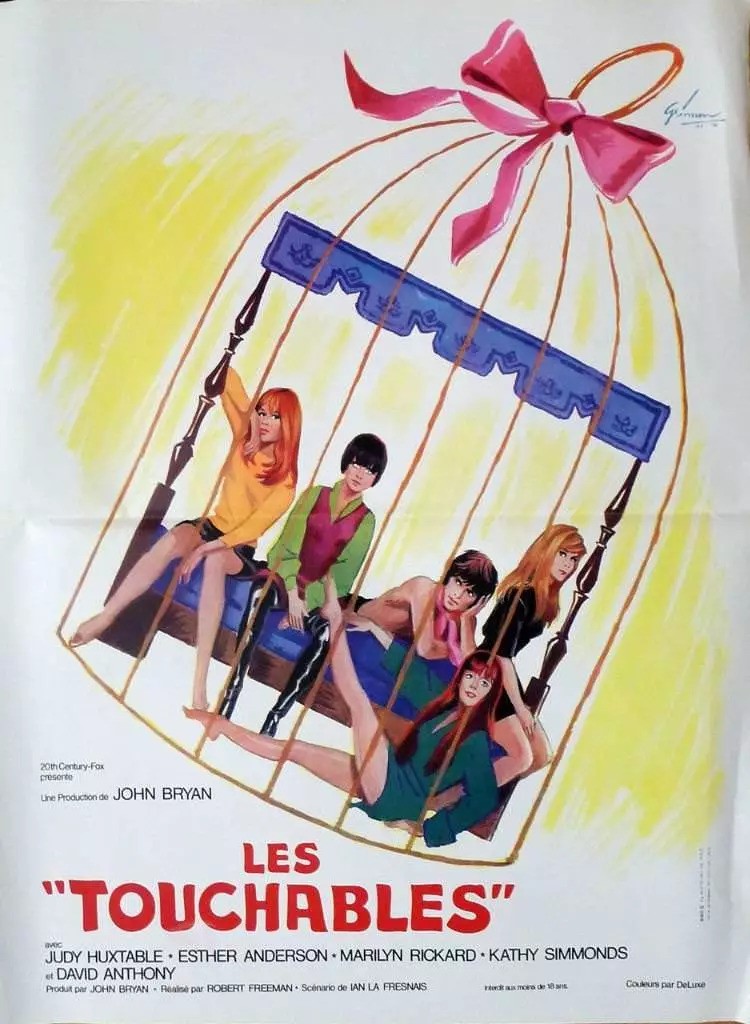
The Touchables (1968) **

Take a giant bubble, yellow Mini, an abundance of mini-skirts, Michael Caine waxwork,  one pop star, four models, a masked wrestler, nuns, table football, a pinball machine, a circular bed, various sunsets, a shotgun and a lass milking a fake cow. And what do you get? Not much? A dry run for Performance (1971), given Donald Cammell’s involvement, but otherwise a largely soporific feature hoping for redemption on the cult circuit. But with the unsavory subject matter, even with a proto-feminist outlook, that might struggle might to win approval from a contemporary audience.

Unlike Privilege (1967) it’s not saved by ironic comment on the music scene or even anything in the way of decent performances and looks more like an attempt to guy up the nascent careers of a bunch of young actresses and get by with a day-glo pop art sensibility. At no point are we invited to disapprove of the model quartet who decide, having tried out their kidnapping skills on a Michael Caine waxwork, that they might as well go the whole hog and abduct pop star Christian (David Anthony) and tie him to a bed and take their turns having their wicked way with him.

This is all purportedly acceptable stuff because a) it’s a gender switch and b) the poor pop singer is only too happy to escape the drudgery of making millions and not have to even consort with groupies and c) is presented as if he is thoroughly enjoying the whole experience. That is, if you ignore him being chloroformed, shot, and whacked over the head, then of course it’s all very pleasant.

Naturally, these being cunning wenches, they hide him in plain sight. Who would think to look for him in a giant transparent bubble?

Although drawn with villainous strokes, as were all the managers in Privilege who put unnecessary pressure on the pop star they have created, it’s hard to view Anthony’s upper class manager Twynyng (James Villiers) as a bad guy for wanting his safe return.

So what happens once the ladies take charge of their victim? Beyond sex, not much, playing with the various items mentioned, not even any jealousy rearing its ugly head, just the kind of cinematography that might well pass for advertising.

It’s hard to see what the point of it all was. Screenwriter Ian La Fresnais (The Jokers, 1967) might have been brought in to add a touch of levity to what otherwise – kidnap, rape – was a dodgy subject based on an original by Donald and David Cammell. Even taking a comedy approach wasn’t going to work if it was saddled with little interaction between characters and nobody, to put it bluntly, who could act.

I would tend to think with the “talent” involved that this was made by a neophyte producer. But, in fact, this is the oddest part of the whole debacle. John Bryson was an Oscar-winner – admittedly for art direction for Great Expectations (1948) – but also an experienced producer, this being the last of the dozen he made. But they included Man with a Million (1954) and The Purple Plain (1954), both toplining Gregory Peck, The Spanish Gardener (1956) with Dirk Bogarde, The Horse’s Mouth (1958) starring Alec Guinness, Tamahine (1963) – reviewed in this Blog – and Peter Sellers in After the Fox (1966).

It didn’t do anything for anyone’s career, which was the least you could expect for the actors forced into such mindless cavorting. Judy Huxtable appeared in a similar lightweight advertising-led concoction Les Bicyclettes de Belsize (1968) and bit parts in the likes of Die Screaming, Marianne (1971) and Up the Chastity Belt (1972). Ester Anderson did somewhat better, female lead to Sidney Poitier in A Warm December (1973), her last movie. For Kathy Simmonds this was her first and last movie, but she was better known as a genuine pop star’s girlfriend, dating George Harrison, Rod Stewart and Harry Nilsson. Only movie of David Anthony. Seems it’s too easy to confuse Marilyn Rickard with German Monica Ringwald so she may or may not have a string of bit parts in sexploitationers. Arts presenter Joan Bakewell put in an appearance as did Michael Chow, later a famous restaurateur and artist, and wrestler Ricki Starr.

Director Roger Freeman made one more picture, Secret World (1969) with Jacqueline Bisset which at least had a decent premise.

File under awful.

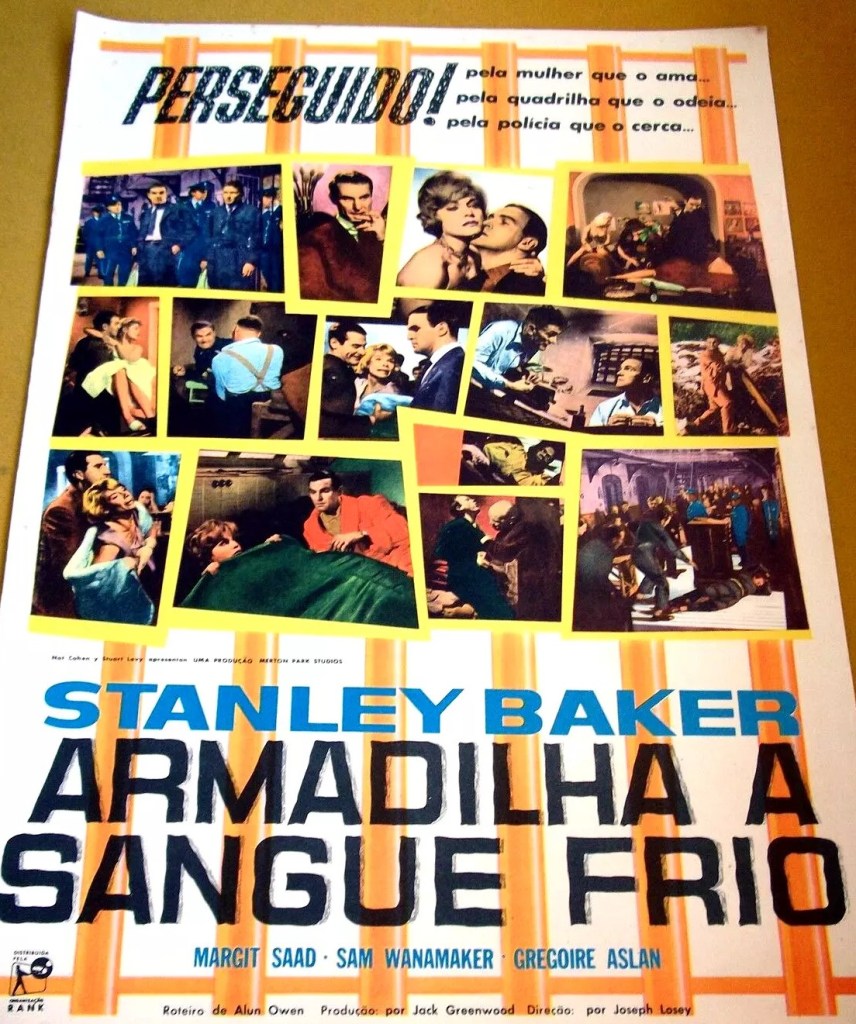
The Criminal / The Concrete Jungle (1960) ****

You’d be hard put to imagine from this hard-nosed gangster picture that both director Joseph Losey and star Stanley Baker would be capable of a more discreet arthouse offering like Accident (1966). Except for the director’s penchant for introducing a jazz score more often than suits the material – witness a brutal beating in a prison – this is an exceptionally gruelling blast through the British underworld, as though the domestic film industry had suddenly inhaled a narcotic comprised of Cagney and Bogart at their meanest.

With hardly a redemptive character in sight, it makes terrific demands of both director and star that anyone comes out achieving audience sympathy. Hollywood usually fell back on the trope of the innocent prisoner to instigate character empathy, but there’s no question from the outset that career criminal Bannion (Stanley Baker) is as tough as they come. In the opening section he arranges for rival Kelly (Kenneth Cope) to be viciously beaten with prison guard Barrows (Patrick Magee) turning a blind eye.

Out after a three-year stretch, Bannion plans a robbery of a race track with a partner, American Mike (Sam Wanamaker). But it turns out the track is owned by another gangster. After that, the double-crosses come thick and fast, nobody to be trusted, everyone out for themselves. He ends up back in prison, wanted by both sides of the law, the gangsters desperate to get their hands on the hidden loot.

Inside, he is protected by Italian mob boss Saffron (Gregoire Aslan), ruling his empire from prison, in return for a share of the loot. In due course, he instigates a riot, and double-crossing the other inmates, secures a shift to a low-security prison, and he is rescued from the transfer van. But there’s no escape. It’s a bleak ending all round. He dies on a beach, but without revealing where he has stowed the loot.

There are a couple of gals in the mix. The first, his ex-, Maggie (Jill Bennett) he treats in appalling fashion. The second, something of a present for his release, Suzanne (Margit Saad), sees the better side of him, although you have a sneaking feeling that she’s a plant.

But, really, nobody’s got a better side here. The prison scenes are grittier than had previously been the case in British movies, but the whole gangster set-up has a realistic “goodfellas” feel to it, boozing gangsters welcoming him home even as they are planning to stitch him up. And while Bannion may be unaware of ownership of the race track, clearly Mike isn’t, and Bannion is being set up to take the fall.

Joseph Losey (The Damned, 1962) takes an original approach to the material, cutting out the “big job” element entirely in favor of repercussion. He keeps up a brisk pace, which helps build tension, instead focussing on the relationships between the criminals and the prison hierarchy. Especially in the early prison scenes, more is made of vulnerability than toughness, many of Bannion’s confederates presented as weak and easily controlled rather than constantly challenging, prison guards complicit.

Stanley Baker (Where’s Jack, 1969) has such a malevolent appearance he was often as his best in the toughest arenas and perhaps Losey is making the point that even the toughest of tough guys can be duped by gangsters with more brains. There’s a terrific support cast: Sam Wanamaker (Warning Shot, 1966), Gregoire Aslan (Lost Command, 1966), Patrick Magee (Hard Contract, 1969), Jill Bennett (The Charge of the Light Brigade, 1968), Patrick Wymark (Where Eagles Dare, 1968) and  Laurence Naismith (Jason and the Argonauts, 1963). German star Margit Saad (The Magnificent Two, 1967) lends an air of mystery to her character.

This was the third – of four – teamings for Losey and Baker. The British censor took a mighty mild attitude to the unexpected levels of nudity and violence. Alan Owen (A Hard Day’s Night, 1964) and Jimmy Sangster (The Devil-Ship Pirates, 1964) are credited with the script.

Takes no prisoners.

Discover WordPress

A daily selection of the best content published on WordPress, collected for you by humans who love to read.

The Atavist Magazine

by Brian Hannan

WordPress.com News

The latest news on WordPress.com and the WordPress community.