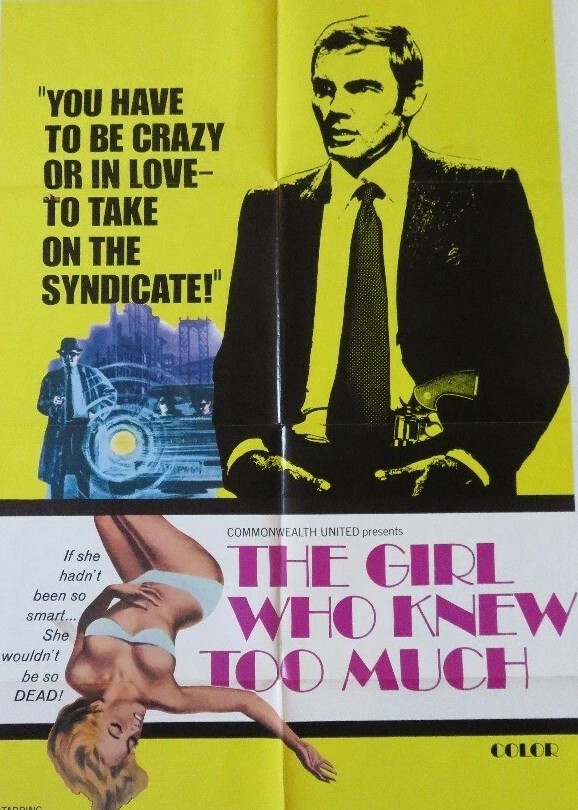
The Girl Who Knew Too Much (1969) ***

Prophetic plot is the best reason to watch this more considered feature from newcomers Commonwealth United. Another movie featuring a former star on the wane in Nancy Kwan. Again, one of those neo noir films which might have made a bigger splash with an actor other than Adam West, coming off the Batman television series and 1966 film, in the lead. A fair bit of philosophizing from the supporting cast.

The Mafia trying to go legit had been tackled in Point Blank (1967) and The Brotherhood (1968) and would be key to Michael Corleone’s machinations in The Godfather Part Two (1974), but here it goes into far deeper and more dangerous territory. At this point, organized crime was still run by the Mafia, but what if that and the legitimate big businesses and financial institutions they operated were prey to foreign interests.

Most movies  that involve Russian, Eastern European, Albanian or South American gangs taking over American criminal networks, usually by force, concentrate on the illegal activities rather than the legitimate and powerful businesses suborned through money laundering. Although here the plot is somewhat convoluted involving the CIA and priceless artefacts, the core asks the question – what would happen in the U.S. should the Mafia come under Far East control.

This occurs for the dumbest of reasons. One of the Mafia top hoods, part of the management committee, wants to be in sole control so he’s enlisted the help of Far Eastern bodies, not realizing that the foreigners intend it to go the other way, and that he is in their grasp.

A convoluted tale is an invitation to plot holes. Hard to imagine restaurateur Johnny Cain (Adam West) as a former top assassin when in three out of four tussles with gangsters he comes off worst. He’s tossed in the drink, chucked through a window and thrown out of a door.

And he’s only turned detective under duress. The Mafia force him to track down the killer of old-school gangster Tony Grinaldi (Steve Peck) otherwise they will take out a contract on him. His first port of call in Grinaldi’s girlfriend Revel Drue (Nancy Kwan), who had enjoyed a brief liaison with Johnny until her lover promised her a termination. Then old buddy Lt Miles Crawford (Nehemian Persoff), philosophizing cop, lends a hand. The CIA turn up the heat since someone is killing the great spies of Bermuda. The missing artefact, a solid gold statue of a Tibetan god, enters the mix. Grinaldi’s wife, drunken actress Tricia (Patricia Smith) is the secret lover of one of the top Mafia guys, Kenneth Allardice (Robert Alda).

Little chance of it being confused with the Hitchcock classic.

When one set of thugs aren’t trying to do away with Johnny, another bunch have Revel in their sights. But it turns out that the foreigners are backing Allardice, knocking off the other four members of his committee leaving him in sole control.

All the way through except clinging to Johnny and looking scared, Revel (“a small town girl who wanted a big city man”)  hasn’t had much to do, so I was expecting at the very least, once she turned the romantic screws on Johnny, that she would turn out to be a femme fatale in the pay of the foreigners. Turns out the femme fatale comes from a different source. Tricia has infiltrated the organization, either on her own account or on behalf of the government (it isn’t clear which). Marrying Grinaldi then launching into an affair with Allardice who, having conveniently got rid of his rivals, leaves her in pole position to head the group.

There are some neat touches. Johnny lives on a big yacht not the usual down-at-heel houseboat occupied by a down-on-his-luck private eye, a naked leg part of a naked body warming Johnny’s bed kicks over the phone when it interrupts her bed warming activities, the Mafia headquarters are atop a snazzy department store, the academic Johnny seeks out for information on the artefact is a part-time stripper.

But we’ve also got to suffer two whole songs from cabaret artists Lucky (Buddy Greco) which slows the tempo right down.

Nancy Kwan made an instant splash as the romantic lead opposite William Holden in The World of Suzie Wong (1960), a box office smash, for which she won two Golden Globes. Her star potential was quickly recognized, either top-billed or leading lady in her next seven films. But after Lt. Robin Crusoe, U.S.N. (1966) her marquee slipped and after making up the numbers in The Wrecking Crew (1968) her career never recovered. For sure, she held onto her place in the sun for far longer than Tippi Hedren (Tiger by the Tail, 1968) who was at one point the bigger star, but Hollywood burned through stars at a heck of a pace or dropped them altogether or sent them into the exploitation/B-picture hinterland – Kwan was the star after all of Wonder Women (1974) and Fortress in the Sun (1975).

Adam West barely found a place in the sun, five films, and supporting roles/bit parts at that, over the next decade represented a poor return.

Final film of director Francis D. Lyons (Destination Inner Space, 1966), an Oscar-winning editor, from a screenplay by Charles A. Wallace (Tiger by the Tail, 1968). Became something of a cult item on television.

Interesting concept but you need patience.

The Valley of Gwangi ****

The special effects are in the five-star range while the movie into which they fit is really worth no more than three stars so I’ve compromised, hence the four-star rating. Actually, the story and characters are interesting enough, and there are some stunning cowboy stunts,  though where is a fur-lined bikini when you need one. Although we are treated to prehistoric monsters, humans fail to have managed the transition to the hidden valley where the creatures have kept out of sight for millions of years. Instead, we are in turn-of-the-twentieth-century Mexico.

However, one specimen, a miniature horse, known as El Diablo, has been found and now resides in a rodeo, property of T. J. Breckenridge (Gila Golan) whose showstopping turn involves leaping on horseback from a high platform through a ring of fire into a pool of water.  Ex-flame and sleek salesman Tuck (James Franciscus) and archaeologist Professor Bromley (Laurence Naismith) follow gypsies who aim to return the horse to the Forbidden Valley. T.J. and a band of cowboys are in pursuit.

Widening a tiny gap into the unknown world also of course means it’s not big enough for the monsters to escape. The valley is ruled by Gwangi, an Allosaurus, which to most of the audience looks remarkably like a T. Rex. Various battles ensure. A Pteranadon swoops down from the sky and captures one of the cowboys but is killed by Carlos (Gustavo Rojo). Gwangi fights an Ornithomimus and a Styracosaurus. Even if your knowledge of prehistoric monsters  isn’t up to identifying each creature, no matter, the fights are very well done, and a step up in terms of special effects from similar tussles in Harryhausen’s previous venture in One Million Years B.C. (1966) especially as we are less distracted by females attired in fur bikinis.

Naturally, the intent is to capture Gwangi and put him on show a la King Kong (1933) and it’s equally obvious how this particular maneuver is going to work out. That the story follows this particular angle is down to the fact that this movie was the original idea of Willis O’Brien, the special effects genius to created King Kong. After considerable development, RKO shelved the project on the assumption the public was not interested in dinosaurs.

Meanwhile, back in the human tale, the previously principled T.J. lets greed get the better of her and begins resisting Tuck’s overtures. Even if you can guess the finale, it is pretty well done.

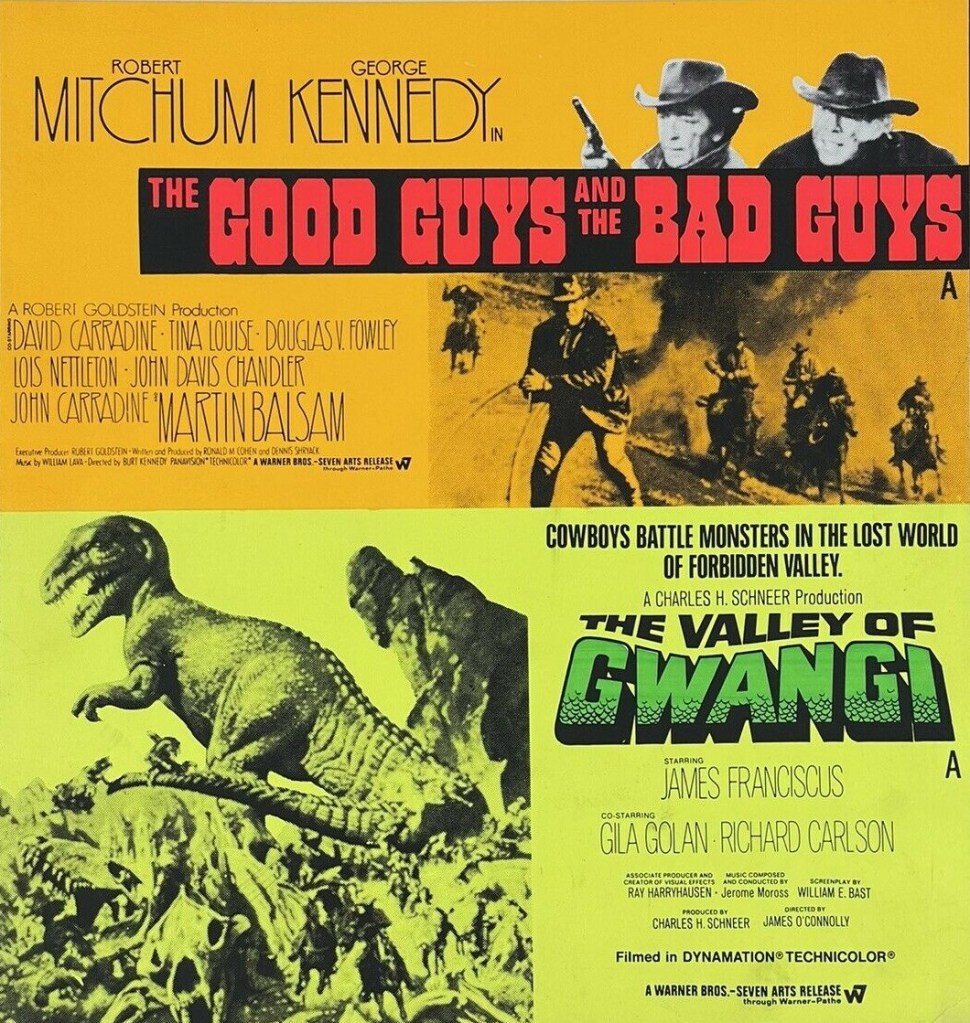
Ray Harryhausen only had a limited fanbase in the 1960s, otherwise this picture would not have done the rounds as the supporting feature to Robert Mitchum western The Good Guys and the Bad Guys (1969). You can tell it lacked the budget of One Million Years B.C. because the creatures fail to remain a consistent color. Even so, this ranks as one of the top special effects achievements and these days Harryhausen’s work is much more appreciated.

Unless you are Raquel Welch, it’s difficult for an actor to compete with prehistoric monsters. At least here, the stars had decent dialog and the tangled romance provides entertainment as do the host of stunning stunts in the rodeo and a bull running amok. Charlton Heston look-alike James Franciscus (Youngblood Hawke, 1964) is a plausible love interest who doesn’t let romance get in the way of a fast buck. The role of Gila Golan (Our Man Flint, 1966) extends to more than eye candy and there’s not a bikini in sight or disrobing of any sort. Richard Carlson (Creature from the Black Lagoon, 1954) was a sci-fi veteran and Laurence Naismith had appeared in Jason and the Argonauts (1963). British actress Freda Jackson (The Third Secret, 1964) plays a witch.

Director Jim O’Connolly (Vendetta for the Saint, 1969) keeps the human elements rolling along and once monsters join in the fun there’s scarcely time to draw breath. William Bast (Hammerhead, 1968) pulled together the human and monster elements for the screenplay.

Harryhausen fans will have a ball.

The Hellbenders (1967) ****

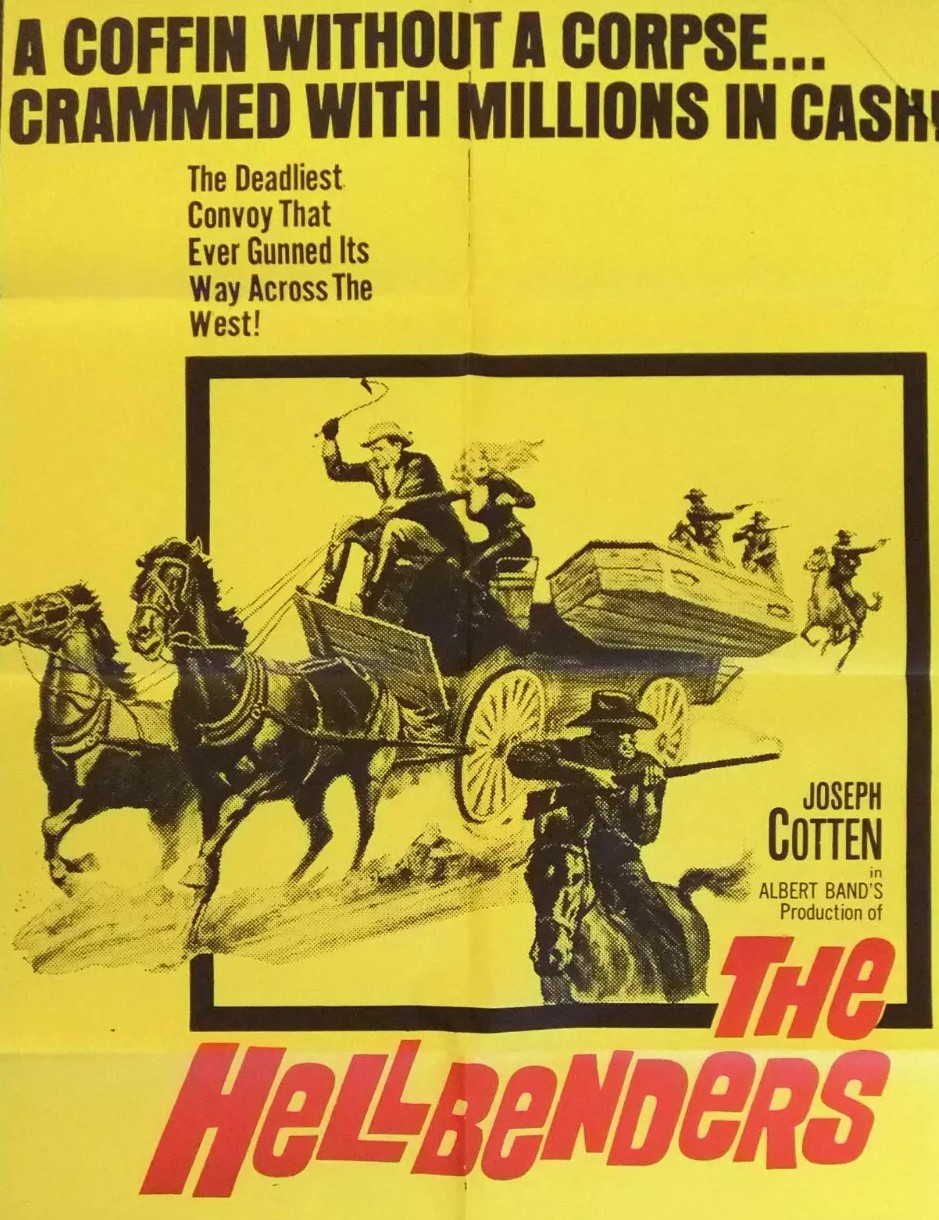
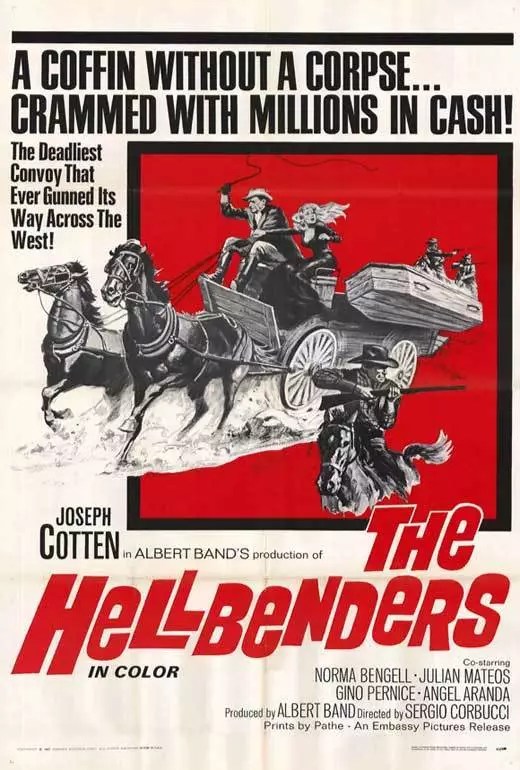
An absolute hoot – and I suspect deliberately so. Forget the spaghetti western tag, this is a black comedy – and wild at that. And while its most obvious antecedent is Treasure of the Sierra Madre (1948) it really belongs in a different sub-genre of the heist-gone-wrong.

After the end of the Civil War, Godfearing Confederate Col Jonas (Joseph Cotten), who had led a regiment called The Hellbenders, plans to re-start the conflict with a million bucks in money stolen from the victorious Union Army.

Along with three sons and two varmints he successfully ambushes the money convoy, slaughtering the escort. The varmints are shot, too. But to get through enemy territory, they need an excuse, so Jonas has co-opted alcoholic girlfriend Kitty (Maria Martin) to play the role of a widow transporting her husband’s coffin, wherein is secreted the stolen loot, to his homelands.

The ploy seems to work fine and dandy when stopped by a Union patrol. Kitty produces the necessary permit and they move on. But Kitty’s got ideas above her station and when Jonas reminds her that she’s not much more than trash, she takes revenge by taking charge of the hearse and racing ahead of the others. Naturally, the wagon hits a rock and crashes.  Intemperate son Jeff (Gino Pernice) knives Kitty to death.

That’s the start of a bunch of quandaries. So Ben (Julian Mateos) is despatched to find a replacement. He returns with professional gambler Claire (Norma Bengell) whom he rescued from a dispute he started. Although being paid $2,000 Claire is not enamored of the job but she quickly earns her keep when they are stopped by a posse of lawmen who are not taken in by the permit and begin to open the coffin until she faints on top of it.

Her reward is to be raped by Jeff. She makes the mistake of going to wash half-naked in a pool and Jeff takes this as an open invitation. She’s saved from the actual act by Ben, who has taken a shine to her. To save on the travelling time and the risk of encountering other trouble, Jonas decides they’ll take a short cut. That takes them through a town where, lo and behold, the preacher is acquainted with the good Capt Allen, though luckily not his wife, and out of the goodness of his heart decides to hold a funeral service. Their fear is someone might turn up who can identify the widow. Someone does. But he’s now blind.

The short cut takes them into the path of marauding Mexicans. But before the outlaws can be overrun by a superior force, they are saved by another unit of Union cavalry which originates from the post Capt Allen used to command. And when a Union officer suggests it would be more in keeping for the captain to be buried there, to Jonas’s fury the widow agrees.

That means that later, on a rainy night, the sons have to dig up the coffin. Jonas’s new route takes them through Native American territory, but they appear harmless except that Jeff catches the eye of a young squaw.

They reach a river and encounter an impoverished panhandler. He’s trickier than anyone could expect. Having slaughtered their horses, he holds them up. Jeff manages to kill him but in the shoot-out Jonas is wounded – for a second time.

Before anyone can catch their breath, Native Americans appear, accusing Jeff – who has been sent to buy replacement horses from them – of rape and murder. The other brother, Nat (Angel Aranda), who is keener on enjoying the money than wasting it on a lost cause, turns on Jeff and in the crossfire those two brothers are killed and Ben wounded. But the Indians appear satisfied with the rudimentary justice.

Jonas crawls off lugging the coffin but only gets as far as a ridge before the coffin tumbles downwards and breaks open. Inside ain’t a million bucks but the corpse of the Mexican bandit leader. They stole the wrong coffin, the last of the absurdities to pile up.

Jonas now crawls in the opposite direction, to the river, at whose edges he dies while the flag of The Hellbenders gently floats away.

While not sticking to the formula of the heist-gone-wrong which would involve the thieves falling out, it’s a pretty good variation on it. Women are their downfall, the first widow furious at being spurned, the second widow angry at being used, at having, as part of the masquerade, to dress up in a dead woman’s clothes, and at being considered easy meat for a passing rapist. Though it’s the rapist who ultimately triggers the bullet-ridden climax, it’s Claire, we realize, who’s done the damage, ensuring the money is buried in that most ironic of locations, an enemy cemetery.

While Nat and Jeff are only a sliver away from cliché, driven by lust and greed, respectively, Jonas is a different kettle of fish, not just a man of principle, and praying for the bodies of people he’s about to kill, but exhibiting an odd tenderness for his sons – he’s first to tend the wounds he causes them. Ben is an outlier in the family, for reasons never explained feels a stranger, while Claire, a card cheat and saloon girl, realizes the lunacy of the situation she has found herself in and finesses a way out of it.

What trips the gang up is generally so mundane it wouldn’t find a place in a traditional crime picture, but here, as devilish unforeseen obstacles mount, it becomes clear that I wasn’t laughing at an inept picture but one that set out to tell a different kind of story.

Joseph Cotten (The Last Sunset, 1961) takes advantage of a rare leading role and throws out different shades of character. Julian Mateos (Return of the Seven, 1966) and Brazilian Norma Bengell (Planet of the Vampires, 1965) are otherwise the pick.

Sergio Carbucci (Django, 1966) directs from a screenplay by Ugo Liberatore (The 300 Spartans, 1962) and Jose Gutierrez Maesso (Rebus/Appointment in Beirut, 1968). On the downside, the color is inconsistent. On the upside, there’s an Ennio Morricone score.

Time for re-evaluation.  

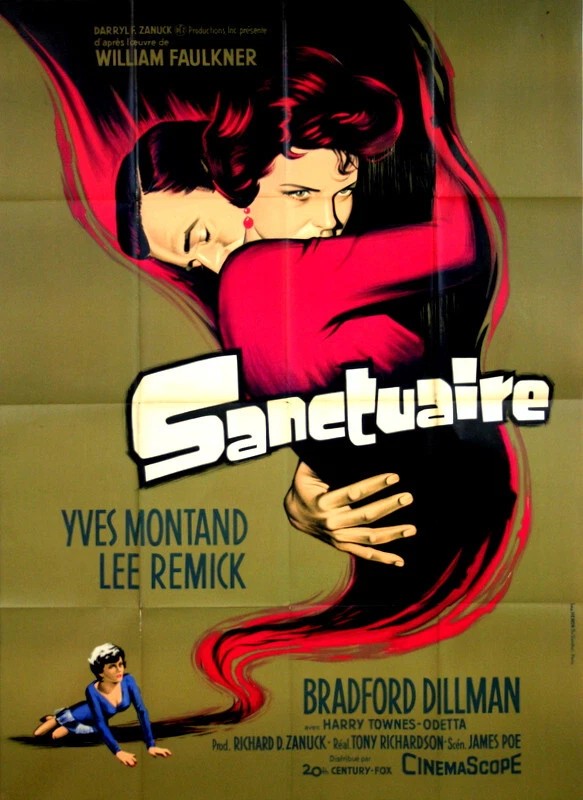
Sanctuary (1960) ***

This overheated melodrama stands as a classic example of Hollywood’s offensive attitudes to women. Nobel prize-winning author William Faulkner could hardly blame the movies for sensationalizing his misogynistic source material since if anything the movie took a softer line.  Told primarily in flashback as headstrong southern belle Temple Drake (Lee Remick) attempts to mitigate the death sentence passed on her maid Nancy (Odetta). Given that such appeals are directed at Drake’s Governor father (Howard St John), and that the maid has been condemned for murdering Drake’s infant child, that’s a whole lot of story to swallow.

Worse is to follow. Drake takes up with Prohibition bootlegger Candy Man (Yves Montand) after being raped by him and thereafter appears happy to live with him in a New Orleans brothel – the “sanctuary,” no irony intended, of the title – despite him slapping her around. The film steers clear of turning her into the prostitute of the original book, but pretty much sets up the notion that high class women will fall for a low-class tough guy whose virility is demonstrated by his brutality. In other words a “real man” rather than the dilettantes she has previously rejected.

After the Candy Man dies, Drake returns home and marries wealthy suitor Gowan Stevens (Bradford Dillman) who blames himself, rightly, for Drake falling into the clutches of the gangster in the first place. But a past threatening to engulf her precipitates the infanticide.

Faulkner was a Hollywood insider, adapting Sanctuary for The Story of Temple Drake (1933) and earning high praise for  his work on Bogart vehicles To Have and Have Not (1944) and The Big Sleep (1946). The success of The Tarnished Angels (1957) starring Rock Hudson, The Long, Hot Summer (1958) with Paul Newman and The Sound and the Fury (1959) headlined by Yul Brynner had sent his cachet rocketing. But all three were directed by Americans – Douglas Sirk and Martin Ritt – who had a distinctive visual style and an ear for what made melodrama work.

Sanctuary had been handed to British director Tony Richardson (Look Back in Anger, 1959) and he didn’t quite understand how to make the best of the difficult project. So while Lee Remick manages to suggest both strength and fragility, and makes her character’s wanton despair believable, Yves Montand is miscast and Bradford Dillman fails to convince even though portraying a weak character. Too many of the smaller roles appear as cliches. And it’s hard to believe the maid’s motivation in turning murderer.

What was acceptable steamy melodrama in the 1930s fails to click three decades on. Faulkner’s thesis that high-falutin’ women want a man to master them and furthermore will fall in love with their rapist seems to lack any understanding of the female mind and will not appeal to the modern sensibility than it did on release. Lee Remick is what holds the picture together, in part because she plays so well the role of a woman embracing degradation, and refusing – no matter how insane the idea appears – to let go of the man she believes is the love of her life. It’s not Fifty Shades of Grey, but it’s not that far off that kind of fantasy figure, and given the success of that book, it’s entirely possible there is a market for what Faulkner has to peddle.

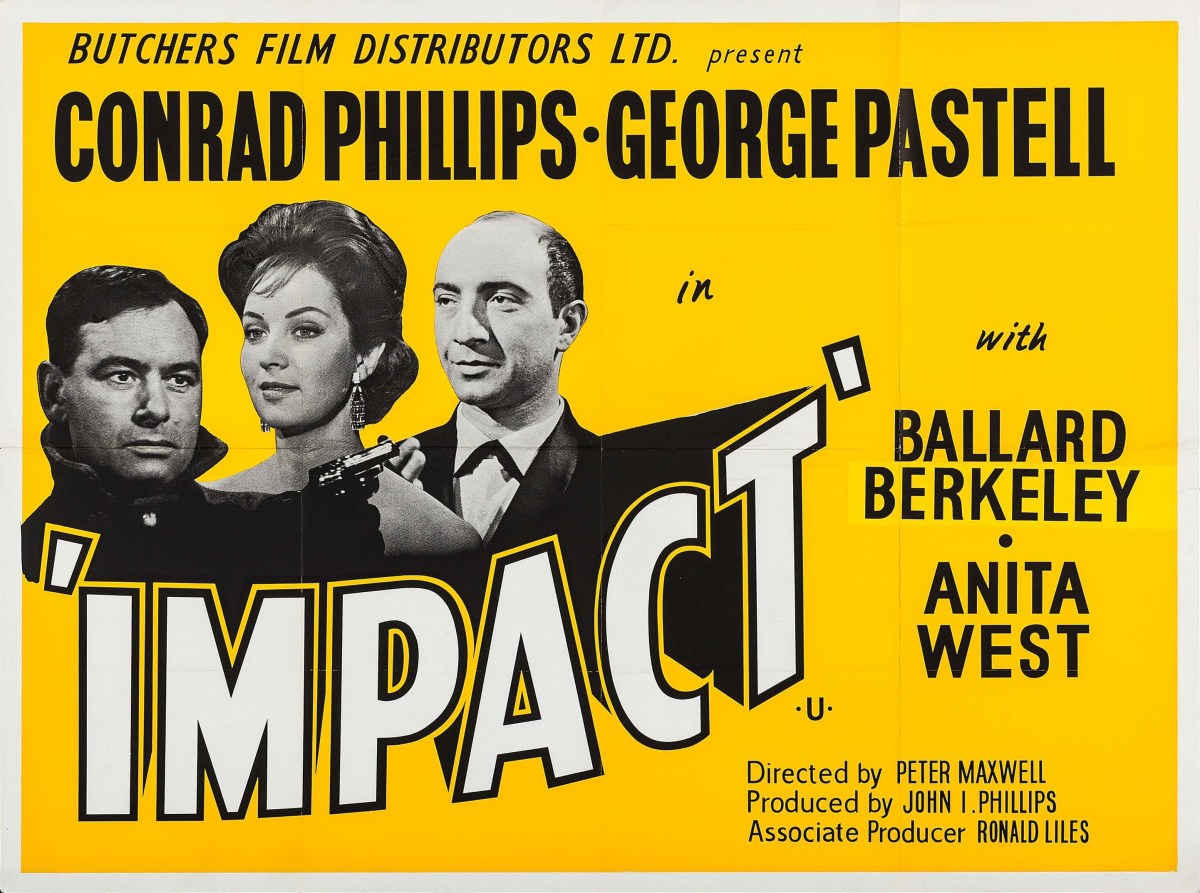
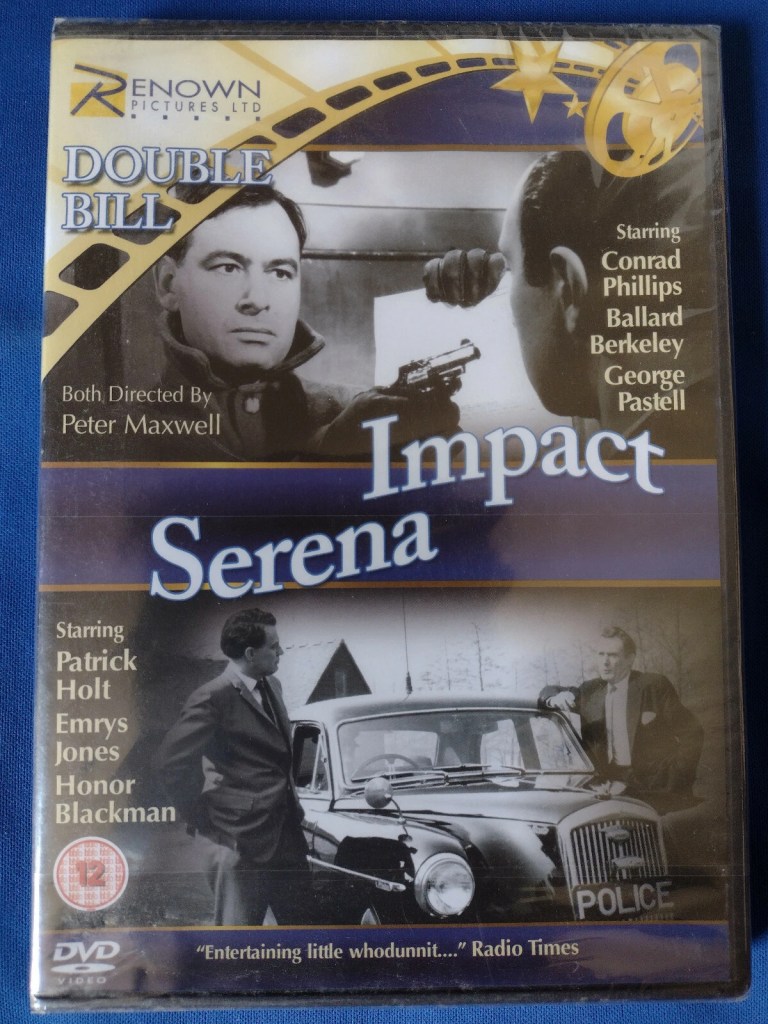
Impact (1963) ***

I enjoy a demanding supremely-acted fluently-directed movie with possibly a hint of Oscar reward as much as the next person. But last thing at night, I often prefer something that makes no demands at all except paying attention to a twisty narrative. And that’s where Talking Pictures TV comes in, with its string of low-budget crime pictures made by British indie outfit Renown.

The twist here is an unusual one. Gangster Mr Big, Sebastian “The Duke” Dukelow (George Pastell), alerted by girlfriend Melanie (Anita West), a cabaret singer in his nightclub, to the work of journalist Jack (Conrad Philips), determined to expose the crook, decides to put him out of the action. But not in the normal way of fitting him with a cement boot and dropping him in the Thames. Instead he frames him or a robbery and Jack ends up doing two years in jail, losing his job, but not girlfriend Diana (Linda Marlowe), in the process.

In prison he bonds with cellmate Charlie (John Rees), who holds a grievance against The Duke. When he hatches his own revenge plan, it appears Charlie is all in.

Or is he? Out of jail, Charlie has gone straight with a job in a refrigeration depot. Jack, meanwhile, has no job and festers away. Any chance Jack has of getting the best in a one-to-one confrontation with The Duke is knocked on the head when he realizes how closely guarded the crook is. So Jack makes do, in the meantime, with making The Duke jealous by dancing with Melanie.

And who’s side is Charlie on? Charlie approaches The Duke with a deal. In return for some cash, he will reveal Jack’s revenge plan.

So now the twist is in. Jack is lured by Charlie into the refrigeration plant where The Duke proceeds to lock him inside one of the units where he will conveniently freeze to death.

But will he? Not when Charlie, secretly pressing an array of control buttons, sets him free and they turn the tables on The Duke, sticking him inside the freezing compartments until he signs a confession releasing Jack of any involvement in the robbery. Meanwhile, as it happens, Jack and Charlie find a way to stitch up The Duke and his gang, ensuring they will be arrested for diamond smuggling, a crime of which they are entirely innocent.

Pretty much all narrative, but with well-drawn characters. You wouldn’t expect a well-heeled highly moral reporter like Jack, even if wrongfully convicted, to turn to crime himself. Nor, now unemployable, to make a living by placing stories sympathetic to The Duke in the newspapers.

And The Duke proves exceptionally savvy. To muddy the waters, he donates £1,000 to cover Jack’s legal fees and has all manner of highly sophisticated surveillance and protection devices to keep tabs on his empire.

The women, too, are well drawn. Melanie constantly pokes fun at her scary lover, and is not above making him jealous by coming close to smooching with Jack. And Hilda (Jean Trend), the editor’s ineffectual secretary, working her romantic way through the ranks of the reporters, knows that her legs ensure she will never be out of work. On the other hand Diana has relatively little to do dramatically.

Conrad Phillips (The Switch, 1963) and George Pastell (The Long Duel, 1967) enjoy an interesting duel. Anita West (Shadow of Treason, 1964) steals the acting honors ahead of Linda Marlow (The Big Zapper, 1973).

Directed by Peter Maxwell (Serena, 1962) from a screenplay concocted by himself and the star.

An easy late-night watch.

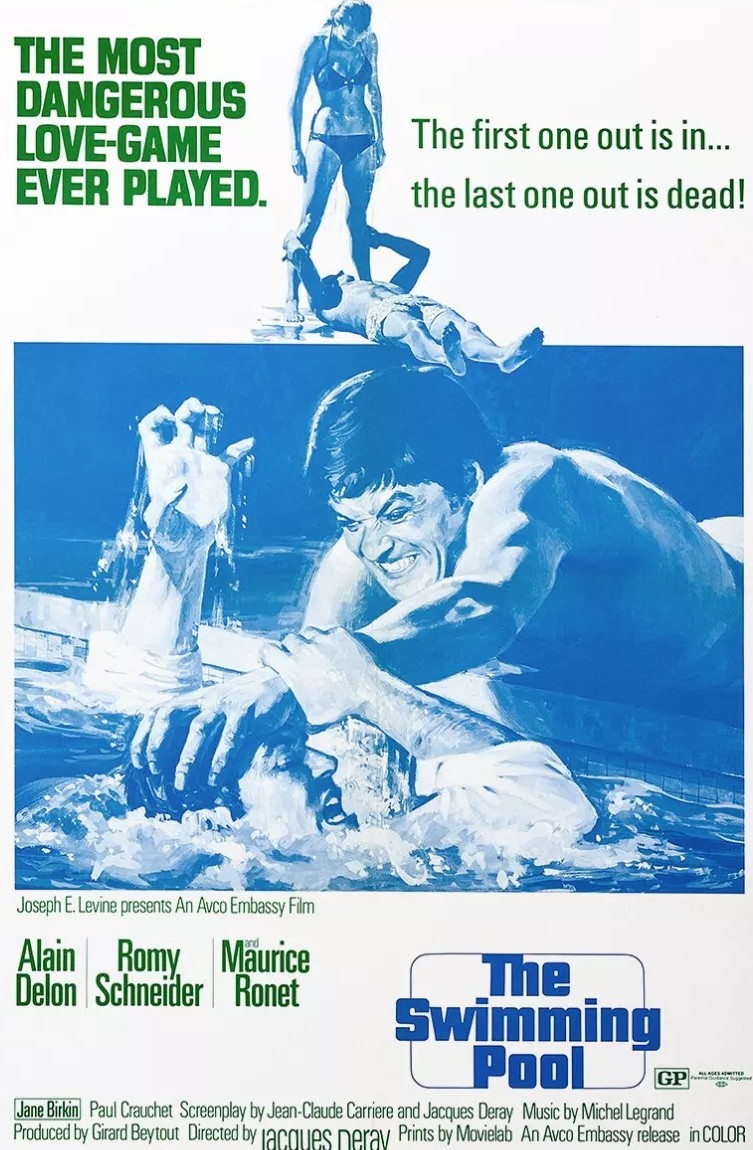
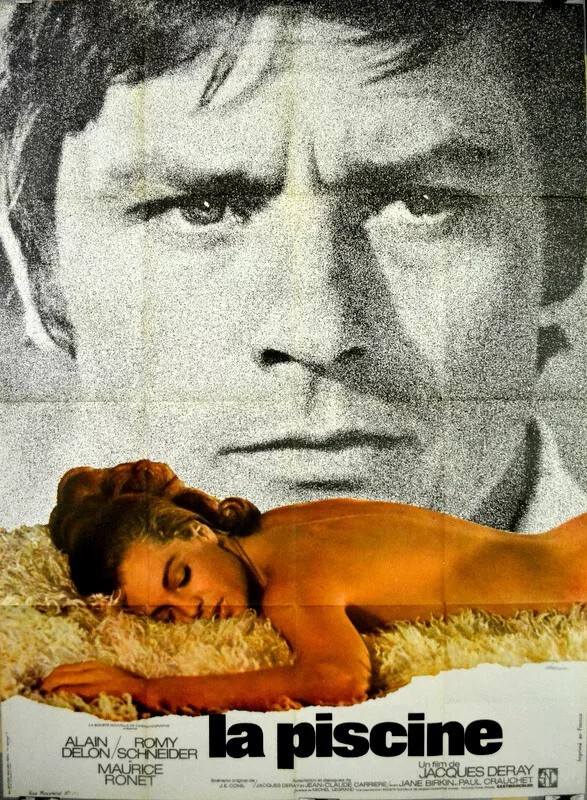
The Swimming Pool / La Piscine (1969) ****

A drunk falls into a swimming pool in the middle of the night and drowns. He has already crashed his car into the gate post of the villa. There’s no sign of foul play. No sign of the fact that his attempts to clamber out are hindered by someone holding his head down under the water until he loses consciousness.

The perfect murder? Well, no, actually, because in the aftermath of the murder, recovering alcoholic killer Jean-Paul (Alain Delon) does about the dumbest thing you’ve ever seen. And that significantly detracts from what otherwise is a superb examination of sexual tension and hidden secrets.

So instead of leaving the corpse of best friend Harry (Maurice Ronet) floating fully clothed in the titular pool, Jean-Paul decides it would look better if it appeared that Harry had foolishly gone for a late night swim. So he pulls the dead guy out, strips off his clothes and decks him out in swimming trunks and slides him back into the watery grave.

He hides the sodden clothes somewhere and at the side of the pool puts a small stack of fresh clothes stolen from Harry’s wardrobe – he was a guest at the villa. But for some reason in pulling off Harry’s shirt he omits to remove his expensive watch which isn’t waterproof. Inspector Leveque’s (Paul Crauchet) suspicions are aroused by that simple fact. Although, theoretically, Harry might have been too drunk to notice, even though, obviously, the watch strap and the bulky watch would have caught on his shirt sleeve as he was taking off the item of clothing.

So the cop, in examining the clothes, is mightily surprised to discover they are fresh, unworn, not a sign of sweat or crumpled-ness, which is odd given Harry had been out dancing and enjoying himself for hours.

Psychologically, most of the aftermath is not just whether the cold-blooded killer – the otherwise very handsome, relatively charming writer Jean-Paul – will get away with it  but whether his girlfriend Marianne (Romy Scheider), who has her own suspicions, will stand by him.

They have enjoyed a very intense sexual relationship and she clearly adores him. But she’s also the ex-lover of Harry and when Jean-Paul’s old pal, who is decidedly smooth with the ladies, turns up, the old sexual jealousy is rekindled. Either to get revenge or because he’s in any case that way inclined Jean-Paul has been making discreet moves on Harry’s eighteen-year-old daughter Penelope (Jane Birkin) who clearly despises her father.

We discover that Jean-Paul owes a great deal of his success to Harry who nurtured him through a severe depression that ended in attempted suicide. Rather than making Jean-Paul eternally grateful, it’s turned him into a spoiled brat, focused primarily on his own needs and without a loyal bone in his body when it comes to women.

For quite a while it looks like record producer Harry is going to steal away Marianne, if only for a brief affair, as Jean-Paul gives in to the sulks. But since Jean-Paul is already eyeing up Penelope, you would have thought any slip by Marianne would provide him with justification.

The murder is spur-of-the-moment. Jean-Paul has been drinking again and when Harry turns up drunk and launches into an attack on Jean-Paul’s character and hidden past, that’s when he ends up in the pool. Every time he tries to get out, Jean-Paul pushes him back in and eventually holds his head down underwater.

And he might have got away with the perfect murder except for stripping the body and forgetting about the watch, but when he decides to end his relationship with Marianne, the focus switches to whether she will betray him or not. There are a couple of twists on that score at the end.

So severely flawed psychological thriller. I’m guessing you could argue that anyone who kills someone out of the blue could easily be suffering from the kind of brain overload that prevents him thinking straight, but I didn’t fall for it. It would have been as easy to continue with the psychological stuff enough with Marianne maybe finding the wet clothes and facing the same choices that she eventually does.

What does elevate it are the performances. Austrian actress Romy Scheider (Otley, 1969), who had previously had an affair with Delon, is superb as a woman not sure if she has any principles given she is so easily in the thrall of attractive men. Although Alain Delon (Le Samourai, 1967) had played bad guys and immoral sorts before, this still feels like a fresh approach, the watchful, withdrawn calculating killer masquerading as something else.

Maurice Ronet (Lost Command, 1966) and Jane Birkin (Blow-Up, 1966) make significant contributions.

And director Jacques Deray (Borsalino, 1970) would have turned out another masterpiece had the movie not stumbled over the oddness of the murder. Written by the director, Alain Page (in his debut) and Jean-Claude Carriere  (Viva Maria!, 1965).

Excepting the murder mishmash, superb.

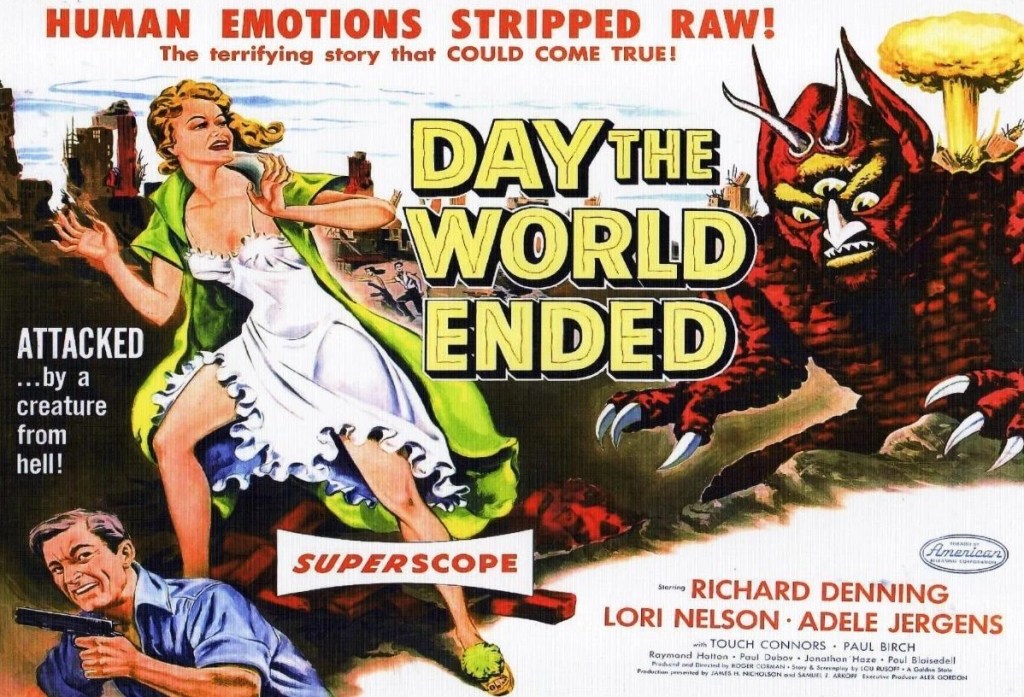
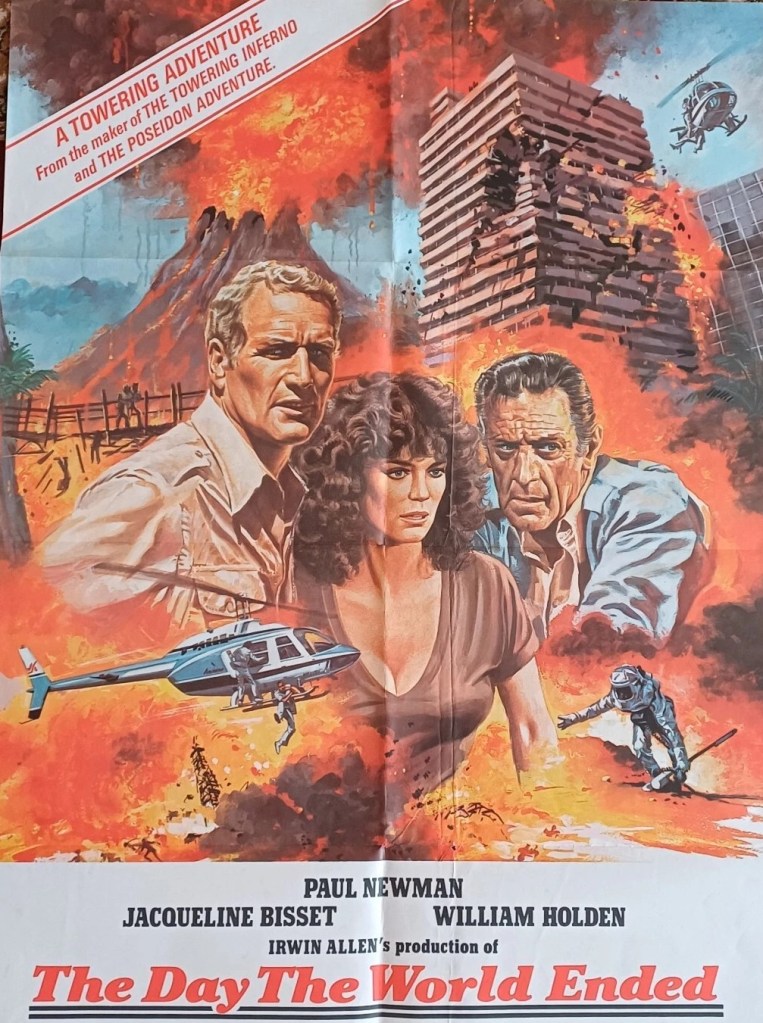
The Day the World Ended / In the Year 2889 (1967) ***

Come the apocalypse, you’d want  someone like Capt Ramsay (Neil Fletcher) in your corner. He’s not the kind to be surprised by the sudden onset of a nuclear holocaust. He’s prime boy scout – always prepared. Not only has he got three months of supplies put by and his own generator but he’s picked a spot where it’s more likely he’ll survive. I wish I could show his scale model that demonstrates just how far-sighted he’s been.

His house is in a valley surrounded by cliffs full of lead ore which will remain immune to radiation. Apart from a separate source of fresh water, the lake on his doorstep is heated from underground which creates an updraft to keep away radiated clouds.

The original from 1955.

Only three things nibble away at his confidence: he’s planned on safeguarding three people – himself, daughter Joanna (Charla Doherty) and her fiancé Larry – so any unforeseen arrivals could deplete supplies; rain which could be contaminated; and mutants.

Larry hasn’t survived but five others have – Steve (Paul Petersen) and his already radiated brother Granger (Max W Anderson), small-time hood Mickey (Hugh Feagin) and his exotic dancer girlfriend Jada (Quinn O’Hara), and alcoholic rancher Tim (Bill Thurman). Plus whatever else is on the prowl out there. Granger doesn’t appear an immediate threat though he’s received levels of radiation that should have killed him. On the plus side, he can go weeks without eating or drinking. On the minus side, he’s got a hankering for fresh raw meat, but luckily not badly enough to resort to cannibalism.

Now that the absent Larry has upset his plans for the continuation of the human race, Capt Ramsay decides his daughter should pair up with geologist Steve. She’s certainly drawn to him but keeps on hearing a strange voice which she imagines to be Larry. But Mickey determines that if there’s any procreation to be done, it’ll be with him and Joanna and even though, theoretically, she’s out of his league, he works out that if he bumps everyone else off she won’t have a choice.

Meanwhile, something’s prowling out there in the dark. Luckily, it’s always dark when the creature goes prowling so we make do with barely a glimpse of whatever the director can come up with monster-wise on a tiny budget. We get a better idea of the possible mutant outcomes because the good captain was in charge of a ship carrying animals out of an H-Bomb test site and took the opportunity to make illustrations of what he saw, which was mostly emaciated bodies with sharp teeth and claws.

Mostly, we’re waiting for rain or for Mickey to begin slaughtering everyone. It’s just as well that mutants keep their distance because then tension can play out via sexual jealousy, the stern captain brooking no dissent – he also knocks on the head lewd dancing and the drinking of illicit liquor – and the gradual accumulation of the fearful.

The biggest disaster this later Irwin Allen effort faced was at the box office. I reviewed it some time ago.

Had it gone down the more straightforward slasher route, Joanna would be the ideal final girl with Jada more likely to be an early victim courtesy of her profession. In fact, both make perfect foils. Joanna stands up to her father who’s inclined to prevent, by force if necessary, any visitors from entering the house while Jada tries to make her boyfriend stick to a lovers’ code of honor.

Scottish actress Quinn O’Hara (A Swingin’ Summer, 1965) should have stolen the picture given her juicy role but it’s Hugh Feagin (in his debut), all razor cheekbones and slits for eyes, and Charla Doherty (Take Her She’s Mine, 1963) who snatch what little kudos there is going.

Larry Buchanan (The Naked Witch, 1961) directs this remake of the 1955 movie from a screenplay by Harold Hoffman (The Black Cat, 1966) and Lou Rusoff (Panic in the Year Zero, 1962).

While there’s not a huge amount to recommend it, it is interesting enough given the director has to concentrate more on character than gore.

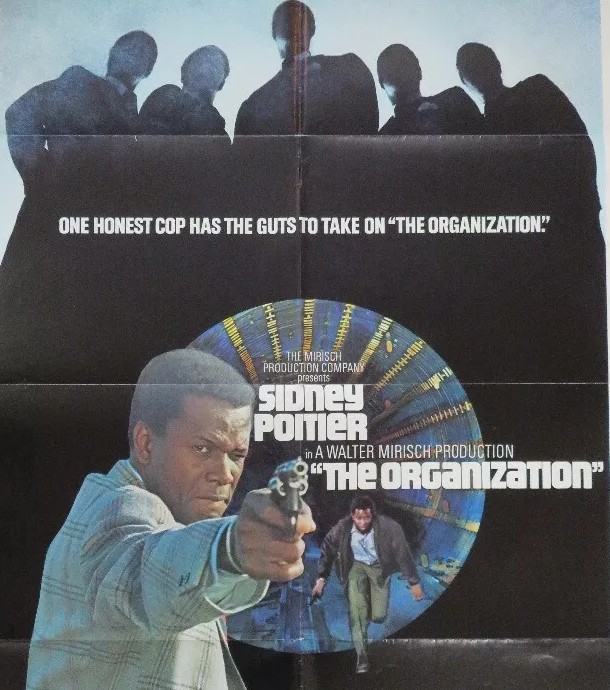
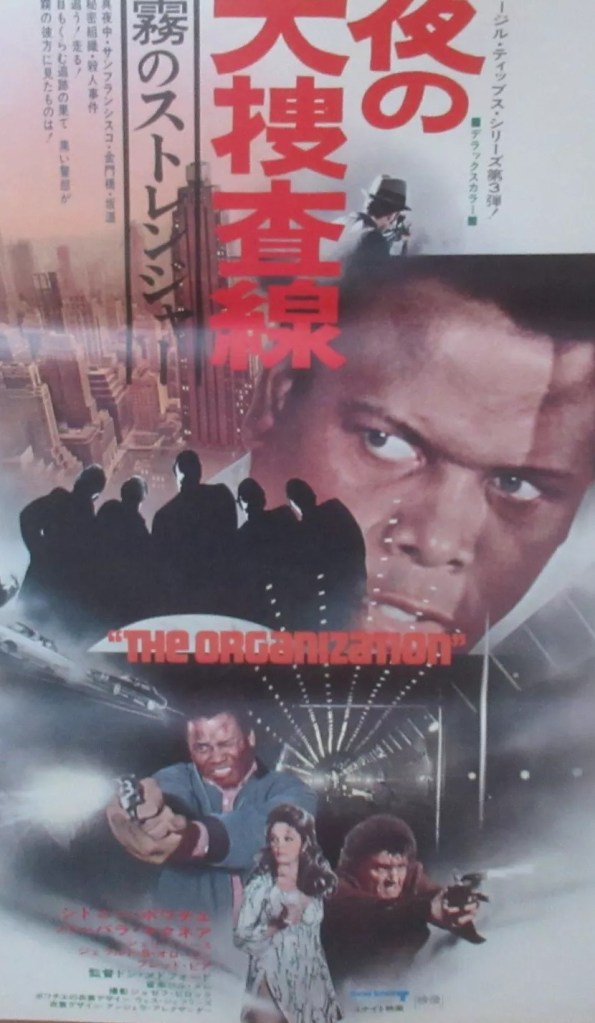
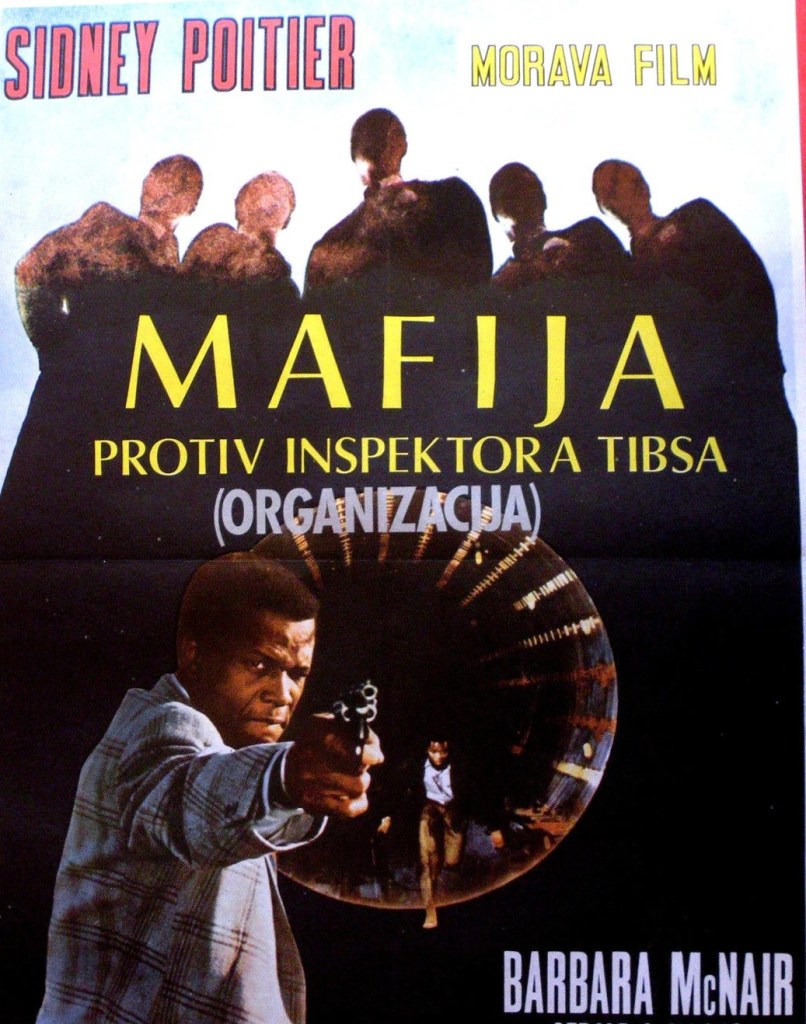
The Organization (1971) ***

Just Stop Drugs would have been the title had the movie come out today. A bunch of urban guerillas, each scarred by personal or family-related experience with drugs, on the basis that the authorities are doing too little and cops in any case too open to corruption, decide to take the battle to “the man.”  

Starts with an excellent heist opening, conducted for the most part in silence, and pretty inventive at that. One guy pole-vaults over the gate of a factory. The rest of the gang turn up with what these days is called an aerial work platform but is most recognizable to the rest of us as a version of a fireman’s turntable ladder. So they hoof it up the ladder to the fourth or fifth floor, bringing with them a captive who’s got the keys to a safe. When he refuses to cooperate, they dangle him out the window.

Every now and then we cut to a woman in the street. At first she looks like a witness, but when she doesn’t go racing to call the police, it’s clear she’s either a fascinated observer or a lookout. From what’s otherwise a very ordinary factory, the gang remove millions of dollars worth of heroin and blow up the gates.

When eventually Det Lt Virgil Tibbs (Sidney Poitier) appears on the scene, it’s not to investigate a robbery but a homicide. The captive is dead. It looks like suicide until they discover he’s been shot by two different guns. Tibbs is also puzzled by the timescale. There were also 20 minutes between the gates being blasted open and the cops arriving. It takes longer to run up and down the stairs.

But then Tibbs gets a break. The gang calls him in, want him to work with them to bring down “the organization.” Which puts the detective in a tricky spot. He’d be conniving with known thieves, possibly murderers.

After this excellent and intriguing start, the movie doesn’t so much go downhill but tie itself up in knots. In the first place Tibbs doesn’t do much actual detection. Pretty much all the legwork is done by the gang who put themselves out there as bait to try and snag the Mr Bigs of the drug world.

The gang are a do-gooder version of The Magnificent Seven. Tibbs ends up doing little more than following their leads. Most of the time the movie focuses on the various members of the gang, who are variously beaten up, tortured or killed. Just to keep us on edge and promote the notion that the force is riddled with corruption a police captain commits suicide.

Tibbs is more interesting when he’s being outsmarted by his son who’s on the verge of learning the facts of life. The child’s got the best line in the picture. We are introduced to him coming out of a lecture at school on sex in which he declares no interest. Dad and Mum (Barbara McNair) get into a minor tizz over who’s best suited to fill him in on the realities of life. Later, Tibbs discovers an erotic magazine in the boy’s belongings. When confronted, the boy explains he isn’t bored by sex just by a lecture on it.

Anyways, the gang proves more successful in luring out the mobsters, Juan (Raul Julia) especially adept at coming up with the game plan. Naturally, the bad guys don’t play by the rules he’s set down and Annie (Lani Miyazaki), the only female member of the gang, ends up in the drink. The nightwatchman (Charles H. Gray) is the victim of a drive-by shooting.

When Tibbs does get down to working things out on his own, his investigation leads him to the alcoholic wife (Sheree North) of the nightwatchman who is independently wealthy of her husband.

When, finally, Tibbs gets his hands on two of the Mr Bigs this being the Cynical 1970s there’s no happy ending, the pair when arrested rubbed out by a sniper.

So interesting stuff, but, unfortunately, most of the interest doesn’t lie with Tibbs. He’s pretty much an onlooker. As a story, the movie would have done better to leave him out altogether and set up the narrative as the urban revolutionaries trying to take down the drug dealers.

But you’ll enjoy some talent spotting. Raul Julia (Kiss of the Spider Woman, 1985) and Ron O’Neal (Super Fly, 1972) lead the pack ahead of Daniel J. Travanti (Hill St Blues, 1981-1987) and Bernie Hamilton (Starsky and Hutch, 1975-1979).

Sidney Poitier, in his final outing as Tibbs, is fine with not much to do and Barbara McNair, (Stiletto, 1969) as usual is underused.

Directed by Don Medford (The Hunting Party, 1971) from a screenplay by James R Webb (Alfred the Great, 1969) based on the John Ball bestseller.

An oddity in the genre and more enjoyable if you ignore the central character.

They Call Me Mister Tibbs (1970) ***

United Artists had reinvented the sequel business, shifting it away from the low-burn low-budget Tarzan adventure or Gene Autry western or any inexpensive picture movie capable of maintaining a series character, to bigger-budgeted numbers like James Bond (four sequels so far), The Magnificent Seven (two), The Beatles (four) and The Pink Panther (two). Even Hawaii (1966) spawned The Hawaiians (1970). So when the company hit commercial and critical gold – five Oscars including Best Picture and Best Actor – with In the Heat of the Night (1967) it seemed too good an opportunity to miss not to try for a repeat.

You might have expected UA to continue with the pairing of Sidney Poitier and Oscar-winner Rod Steiger and locate a sequel again in the Deep South. Instead, Steiger was junked and the Poitier character Virgil Tibbs relocated from his Philadelphia hometown to the more snazzy environs of San Francisco, recently popularized by such items as Bullitt (1968).

But minus the racism element what you’re left with is pretty much a standard detective tale with domestic issues thrown in. Tibbs isn’t the kind of cop we’ve come to expect, sinking into alcoholic oblivion or having thrown away a marriage. Instead, and this would strike a contemporary chord, he’s struggling with fatherhood. His son comes off best in arguments and at one point Tibbs resorts to giving the child a few slaps. That looks initially as if emotions will quickly heal and the repentant dad quickly administers a comforting hug, but any bonding is blown apart when the resentful boy complains, as if this represents betrayal, that his father made him cry.

Tibbs is also the old-fashioned kind of male who believes the only way to teach his son not to fall into bad ways like smoking and drinking is to force him to puff on a big cigar and knock back a stiff one until the child throws up.

But Tibbs does do a diligent enough job of detection, evidence relating to the murder of a high-priced sex worker hinging upon whether the killer had long fingernails. The most obvious suspect is street preacher Rev Logan Sharpe (Martin Landau), who visited the prostitute in his capacity as spiritual adviser and who’s heading up a campaign to clean up the streets. But his alibi holds up.

Next in line is building owner Woody Garfield (Ed Asner), exposed, to the shame of wife Marge (Norma Crane) as being a client of the prostitute, and then a janitor of low intelligence called Mealie (Juano Hernandez) and pimp Weedon (Anthony Zerbe), the kind of hood who enjoys taunting cops.

While Tibbs doesn’t indulge in the blatant maverick approach to the job of the earlier Madigan (1968) or the later Dirty Harry (1971) he’s not above putting the squeeze on witnesses.  

Rather foolishly, but perhaps feeling this has now become de rigeur, there’s a car chase which hardly compares to Bullitt. In fact, we’re stuck in an automobile rather too often but these only result in desultory conversations between Tibbs and his sidekick. While in some respects it’s refreshing that Tibbs isn’t subject to any racism, and the picture doesn’t head down the blaxploitation route, the result lacks edge.

Tibbs’ reactions to his child bring him down sharply from the ivory tower of sainthood from the previous picture, and the family stuff, while building up his character, doesn’t make up for what the story lacks.

Gordon Douglas, who had previously excelled in this genre via Tony Rome (1967), The Detective (1968) and Lady in Cement (1968), found out the hard way that Frank Sinatra was more appealing as an investigator and cop than Sidney Poitier and, without steaminess or wise-cracking to fall back on, the sequel quietly runs out of steam.

Screenplay by Alan Trustman (The Thomas Crown Affair, 1968) and James Webb (Alfred the Great, 1969) from the bestseller by John Ball. Not a patch on the original

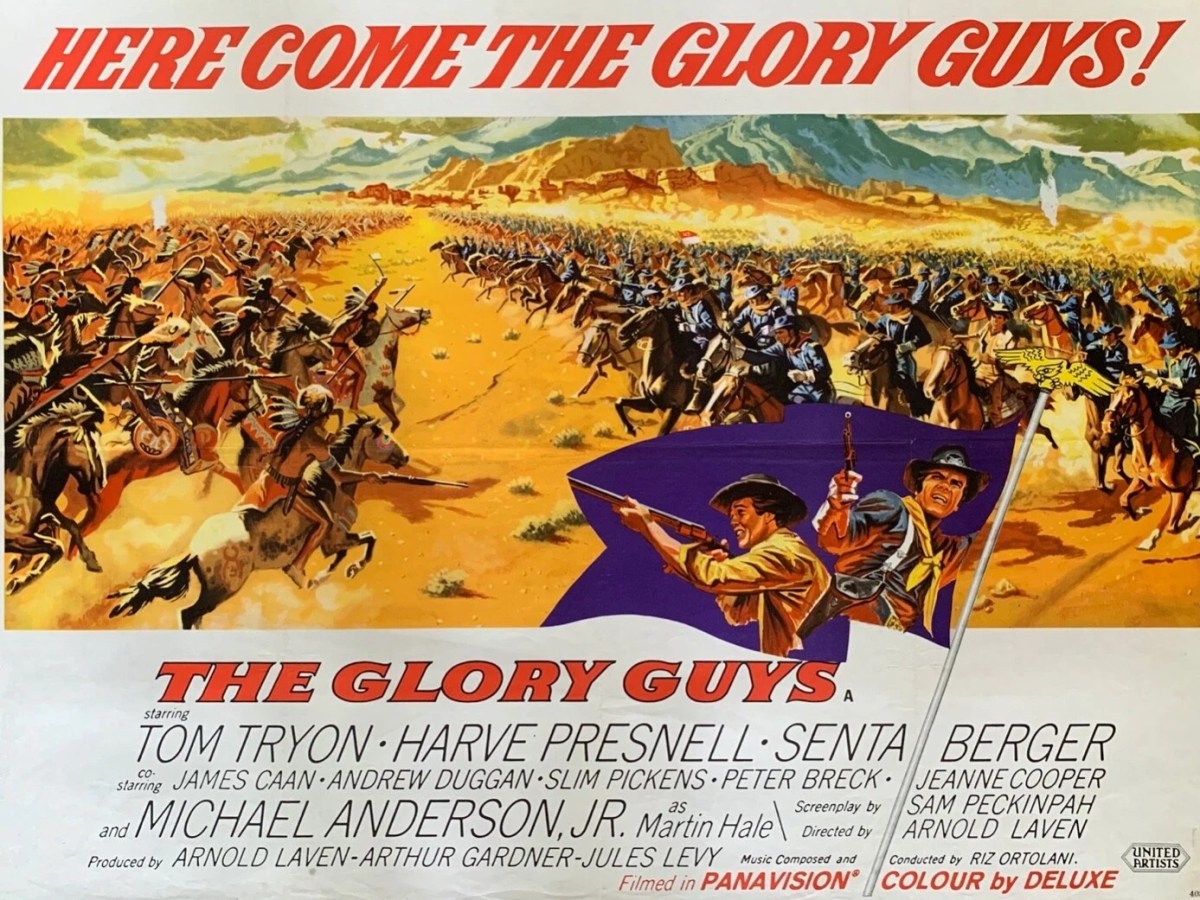
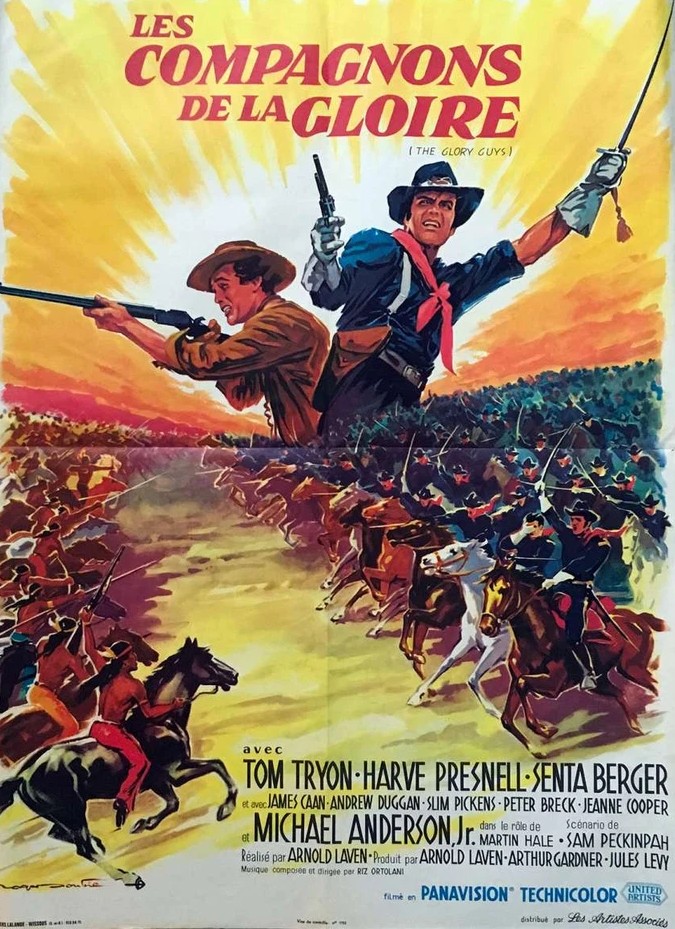
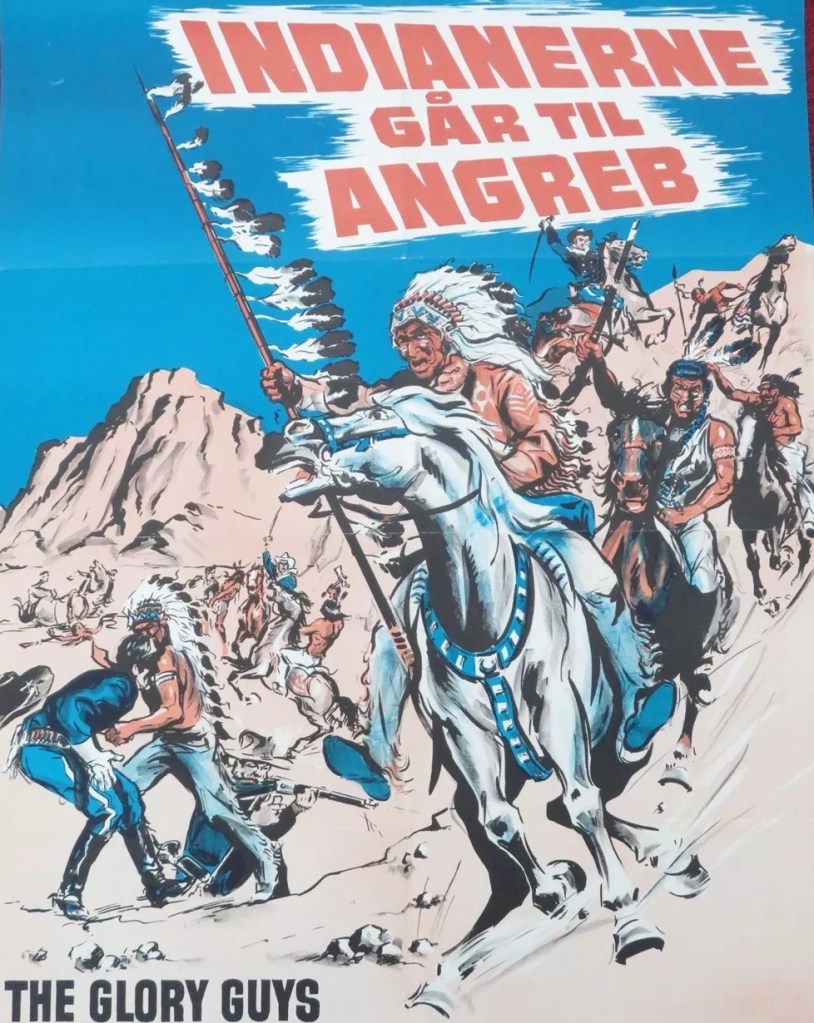
The Glory Guys (1965) ****

The dismissive verdict of Sam Peckinpah (he wrote the script) is the main reason this remains unfairly underrated. This came out the same year as that director’s over-rated Major Dundee and covers some of the same themes – the training of raw recruits and the woman requiring a protector.  

But this is the first cavalry picture I’ve seen where training covers more than recruits falling off their horses, picking fights with each other and getting drunk and into scrapes. The main task of Capt Harrod (Tom Tryon), apart from teaching them to shoot, is to ensure they ride in formation and are ready to take part in action. There’s a brilliant scene where Harrod fakes an Indian attack where they are all in a flash knocked off their horses. And another superb scene where, having achieved an almost impossible goal in double-quick time, Harrod leads them in a ride-past in front of General McCabe (Andrew Duggan) and they ride in about ten rows six abreast, keeping time and distance. When the soldiers dismount during combat, how they arrange for the horses to get out of the way but not run off is also revealed. The scene of the whole detachment leaving the fort is also breathtaking. They are lined up in columns, five or six abreast, and you begin to see, for really the first time, how the U.S. Army operates as a trained unit.

But that’s just the cream of a very finely worked crop. Harrod and McCabe are at odds because the captain’s previous company of raw recruits was virtually wiped out in a previous engagement when the general used them as bait. McCabe is the “glory guy” of the title, everyone else is just trying to keep alive. The only certainty of going into battle, Harrod reminds his men, is that they have a fair chance of not returning home.

Widow Lou Woddard (Senta Berger) pops up to wreak romantic havoc. She owns a gunsmith business, and responsible for driving up sales, so not quite the vulnerable woman. What’s most at stake is her standing in town, her honor if you like, and she can’t be seen to be playing the field. While hardly promiscuous, she has two men on the go, Harrod, who seems disinclined to take the romance beyond a fling, and Army scout Sol Rogers (Harve Pressnell) who is off earning the chunk of money it will take for them to settle down elsewhere.

She doesn’t let on they are rivals and when they discover this it triggers an all-out slugging match – you almost wince with the power of the blows. This ain’t a brawl but a last man standing punch-up where literally they trade blows, one at a time. And she keeps dithering between the two. She reckons Sol isn’t the settling down kind while Harrod’s not keen on commitment. So any time she’s spurned by Harrod she flaunts Rogers.

If she gets her come-uppance, it’s not from either of the men. Attempting to trade barbs with McCabe’s snippy wife Rachael (Jeanne Cooper) she is publicly humiliated. And there’s a terrific scene as the calvary is set to leave the fort and the physical distance between Lou standing on the sidelines with the wives waving husbands goodbye and Harrod on horseback stretches into an emotional chasm simply from the way director Arnold Laven lines up his camera.

The action is clearly based on the Battle of the Little Big Horn. McCabe, instructed to form one half of a pincer movement, races his men ahead to beat his rival general into battle. True to form, he uses Harrod’s men as decoys, theoretically sent out to protect his flank, in reality to draw out the enemy, permitting the general to attack their unguarded rear.

The battle scene is just superb, hordes of cavalry charging towards the enemy, then turning tail when facing superior forces, dismounting to take up positions, then retreating again to the rocks, pursued but managing, mostly, to survive. The scene where Harrod comes across McCabe’s wiped-out army is like the beginning of Zulu (1964). (In fact, it’s worth bearing in mind that Little Big Horn and Isandlwana took place just three years apart and had there been instant global communication in those days the combined events would have sent shockwaves throughout the world.)

It is an excellent script regardless of how Peckinpah felt about the outcome. But it is also a very good western with sufficient changes rendered to the genre’s standard tropes. The compulsory saloon brawl is elevated by an ongoing comic element of Trooper Dugan (James Caan) being constantly defeated in his determination to smash a bottle over someone’s head.

Senta Berger completists should enjoy this far more than her performance in Major Dundee. She essays a more complete realistic character, not quite grasping, but not far short, and in chasing a dream coming close to heartbreak. Tom Tryon (The Cardinal, 1963) is better than I expected and hoofer Harve Pressnell (Paint Your Wagon, 1969) is a revelation. James Caan (El Dorado, 1967), playing a “miserable whining sugar”,  is awful, a terrible Irish accent sinking all his attempts at scene stealing  

Arnold Laven might have felt hard-done-by in regard to Peckinpah, given the director, in his capacity as producer, had dreamed up The Rifleman television series on which Peckinpah made his name.  While this isn’t quite in the same league as Rough Night in Jericho (1967) but better than Sam Whiskey (1969) it deserves reappraisal. Had it featured bigger stars in the two male principal roles it would have attracted more attention at the outset instead of demanding it now.

Well worth a look.

Discover WordPress

A daily selection of the best content published on WordPress, collected for you by humans who love to read.

The Atavist Magazine

by Brian Hannan

WordPress.com News

The latest news on WordPress.com and the WordPress community.