The big news in a slack weekend at the box office is that the re-release of The Lord of the Rings trilogy – each film showing for just one day over Jan 16-Jan 18 – has taken $5 million in advance sales. Sure, the fanboys have been putting down their dollars as you might expect in appreciation of their favorite fantasy threesome, but it’s pretty certain that the trio will put in a far better showing by the end of the weekend. Old films are in the renewal business once again, with revenues showing a steady increase over the past five years and then a remarkable jump from 2024 to 2025.
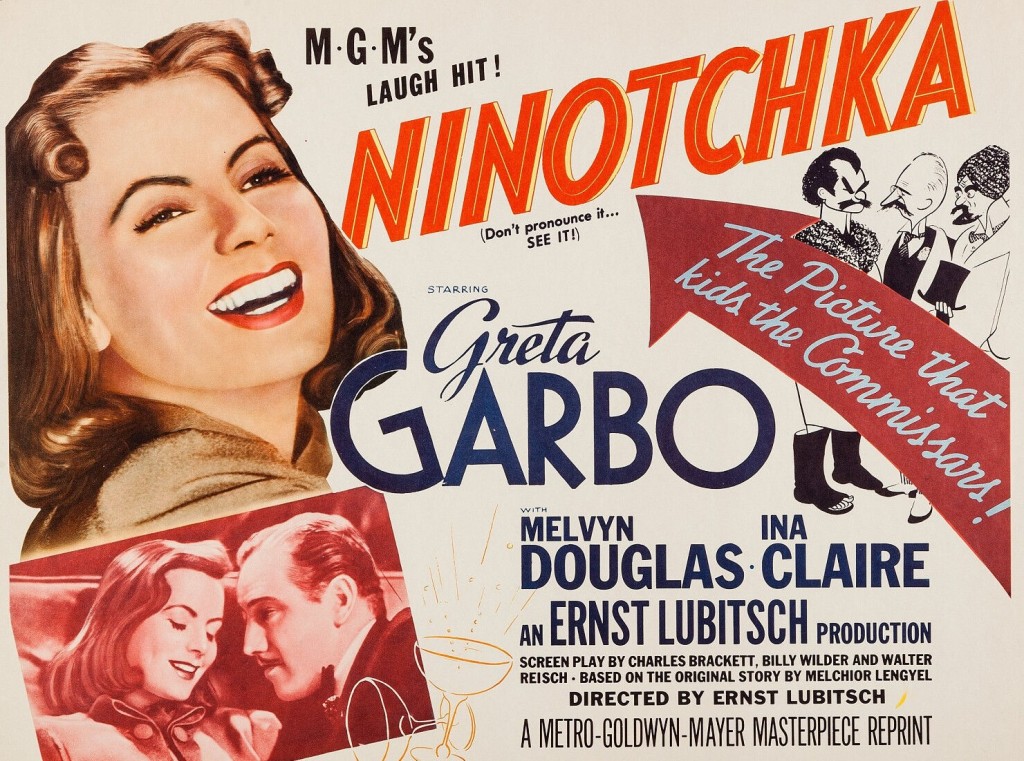
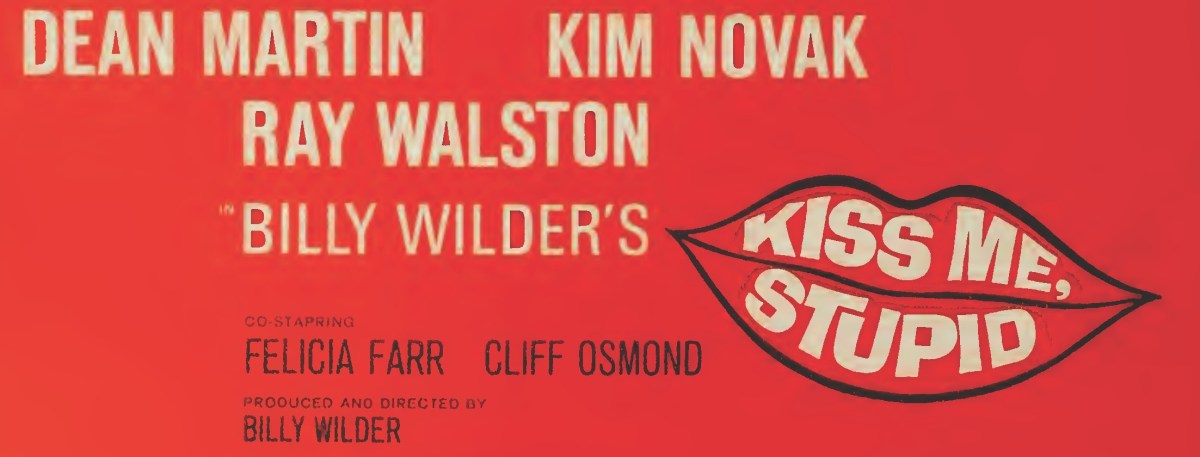
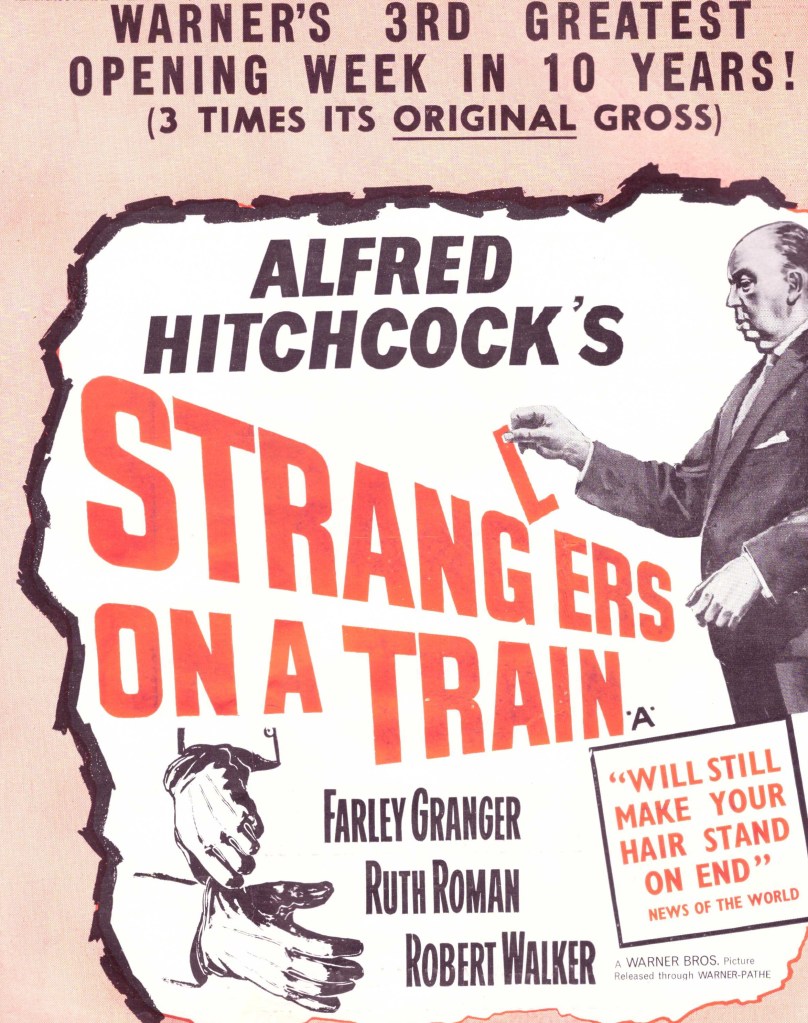
But there’s nothing new in putting old movies back to work. They’ve been chucking old films back into the distribution pot since 1914 – at least according to the whopper of a book (now recognized as the authority on the subject) I wrote a decade ago about the history of the Hollywood reissue. After World War One, old films had struck box office gold during periods of marked low production such as post-WW2, the 1970s, and currently; and on the back of the Director’s Cut; or reinvention through a premium vehicle such as IMAX.
Theoretically, reissues should be dead in the water. Fans of any major or cult motion picture are most likely to own a DVD or can catch it easily enough for free on a streaming outlet without paying big bucks to watch it on the big screen. But reissue has also been reinvented on the back of an anniversary and through restriction. Used to be, an old movie would be thrown into the distribution maw in the same way as any other movie, running for any multiple of one week at your local multiplex. But then some smartass decided that restricting opportunity would increase demand. “For One Day Only” became a marketing tool, except in rare instances. Anniversaries – the dates shown below are the giveaway – remain the most common reason for oldies seeing the light of day, but occasionally it’s to cash in on a forthcoming addition to a long-running series.
You might be surprised to learn that the reissue is actually booming in terms of box office. Last year’s overall take of $138.8 million was more than double the previous year’s $58.4 million which was just ahead of the 2023 tally of $56.4 million. And that was also up on the 2022 total of $46.4 million which was light years behind the 2021 figure of $115 million. So in the space of a few years, reissue receipts have remained constant and you can see why cinemas, faced with such low box office figures for Oscar-bait, are turning to oldies.
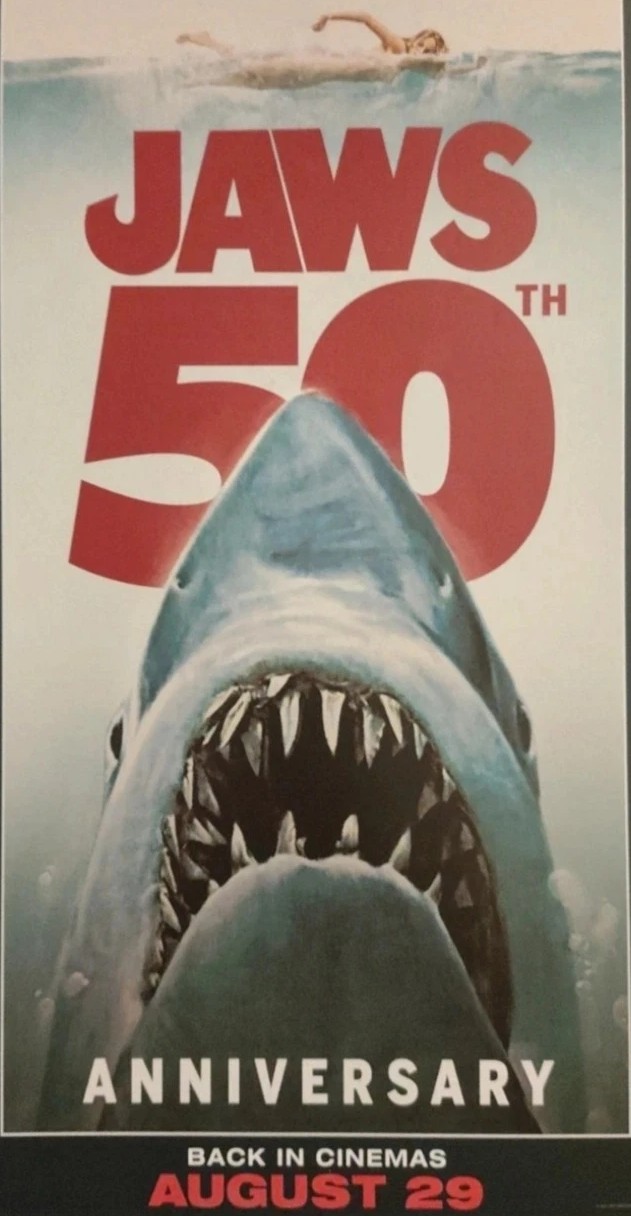
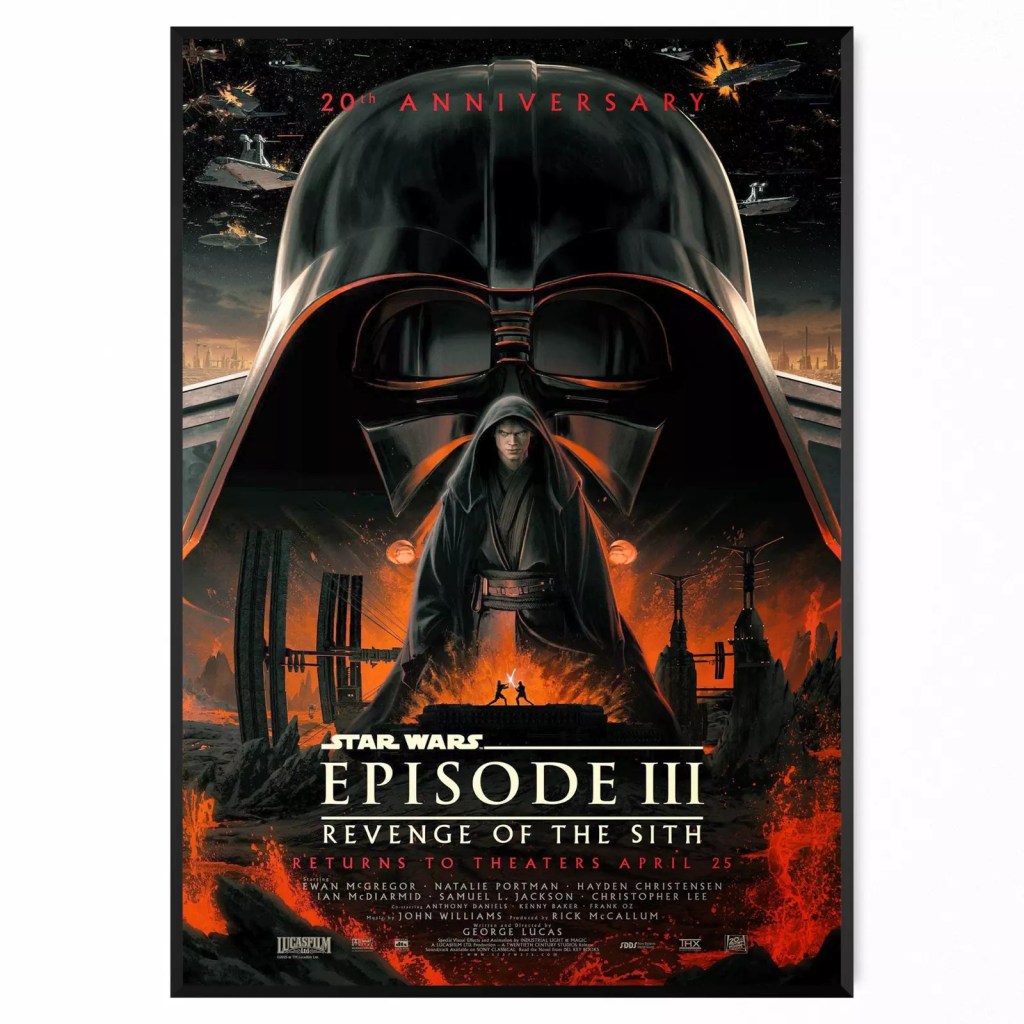
The biggest hit in 2025 was Star Wars Episode III: Revenge of the Sith (2005) on $34 million followed by The Twilight Saga: Breaking Dawn – Part 2 (2012) with $19.9 million and The Twilight Saga: Breaking Dawn – Part 1 (2011) on $19.7 million. Jaws (1975) came next biting off $16.1 million then James Cameron sequel Avatar: The Way of Water (2022) on $13.8 million, Back to the Future (1985) on $13.1 million, Pixar’s Toy Story (1995) on $11.4 million and Japanese animated classic Princess Mononoke (1997) on $10.8 million.
In 2024 Christopher Nolan’s Interstellar (2014) led the way with $15.2 million, chased by Star Wars: Episode 1 – The Phantom Menace (1999) on $13 million, Tim Burton’s The Nightmare Before Xmas (1993) with $6 million, Columbia’s 100th anniversary bunch on $6 million and animated sequel Shrek 2 (2004) on $3.4 million. The Lord of the Rings trilogy knocked up $8.1 million, cumulatively, Howl’s Moving Castle (2004) was on $2.3 million, Ridley Scott’s unsurpassed space horror Alien (1979) on $2.3 million and Disney’s The Lion King (1994) drumming up $2.1 million.
The top re-release in 2023 was another James Cameron epic Titanic (1997) with $15 million followed by The Nightmare before Xmas clocking up $10.2 million and Star Wars: Episode VI – Return of the Jedi (1983) with $7.2 million. Henry Selick’s adaptation of the Neil Gaiman dark fantasy novel Coraline (2009) dished up $7.1 million, Bette Midler bewitchment Hocus Pocus (1993) spelled out $4.9 million, Talking Heads live performance film Stop Making Sense (1983) nabbed $4.8 million, Steven Spielberg’s SFX-driven Jurassic Park (1993) chewed up $2.9 million, Bruce Willis in Die Hard (1988) clobbered $2 million, Coen Brothers cult favorite The Big Lebowski (1988) bowled $1.2 million and The Lord of the Rings: Return of the King (2003) netted $1.1 million.
In 2022 James Cameron again came out on top with Avatar (2009) heading the list on $24.7 million, followed by Jaws – minus any anniversary hullabaloo – on $5.1 million, another Spielberg E.T. – the Extra Terrestrial (1982) on $2 million, perennial revival It’s A Wonderful Life (1946) with $1.4 million, Francis Ford Coppola gangster classic The Godfather (1972) on $1.4 million, Rogue One: A Star Wars Story (2016) on $1.3 million and Howl’s Moving Castle $1.2 million.
Avatar again led the way in 2021 with $57.9 million followed by John Carney romance Begin Again (2013) with $21.3 million, Harry Potter and the Philosopher’s Stone (2021) on $15.8 million, The Lord of the Rings: The Fellowship of the Ring (2001) with $8.9 million and Japanese classic Love Letter (1995) on $7.4 million.
Most of these are reissues are already reissues, the various Star Wars episodes going through a reissue mill over the decades, the Disney cartoons receiving a reissue hoopla when they went out on 3D or Imax. The Lord of the Rings trilogy in an “Extended Edition” should set the target to be matched for this year.
SOURCES: Box Office Mojo “Worldwide Top 200” annual charts; Brian Hannan, Coming Back to a Theater Near You, A History of Hollywood Reissues, 1914-2014 (McFarland, 2016)










 The Magnificent 60s