Remake Fever – The 1960s

Hollywood has been hitting the retread button for over a century. Today’s reboots and re-imaginings are nothing new. Although in the past the excuse was technological development, the splurge of remakes in the 1960s including Beau Geste (1966), Stagecoach (1966) and Goodbye Mr. Chips (1969) were superior to the originals in one particular aspect – they were in color. 

When silent films went from two-reels to four-reels and from six-reels to eight-reels, roughly the length of a modern picture, and when silent gave way to sound the remake business went into overdrive. The 80-minute Tess of the Storm Country (1914) starring Mary Pickford was transformed into a 137-minute version eight years later headlined by the same star.  Zane Grey westerns starring William Farnum Raiders of the Purple Sage (1918), The Lone Ranger (1919) and The Last of the Duanes (1919) were remade as Tom Mix vehicles between 1923 and 1925 and toplining George O’Brien between 1930 and 1931. Over 120 remakes were made between 1928 and 1930, with around 80 per cent going out with the same title. There was another remake burst at the end of the 1930s including The Hunchback of Notre Dame (1939).

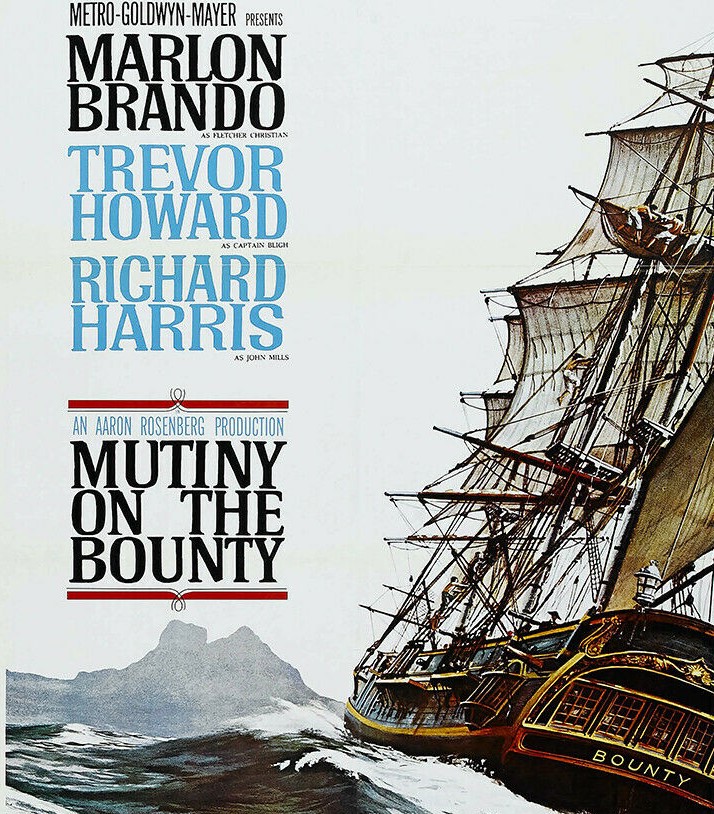
Color was the prime instigator for the remake business in the 1960s. But you could also add the technological development of 70mm, the key element of roadshow pictures. Many big-budget films of the 1920s and 1930s had hit the box office target and with studios looking for as many sure-fire winners as possible it seemed sensible to give a new look to older projects. Ben-Hur (1959) could be seen as lighting the remake touch paper especially when it scored equally highly at the box office and the Oscars. MGM followed through with roadshows of Mutiny on the Bounty (1962), one-third as long again as the 1935 original, Cimarron (1960) with an extra 20 minutes compared to the 1931 Oscar-winner. But the reimagining of The Four Horsemen of the Apocalypse (1962) ran about the same length as the Rudolph Valentino version of 1921 as did King of Kings (1961) compared to the 1927 Cecil B. DeMille version.
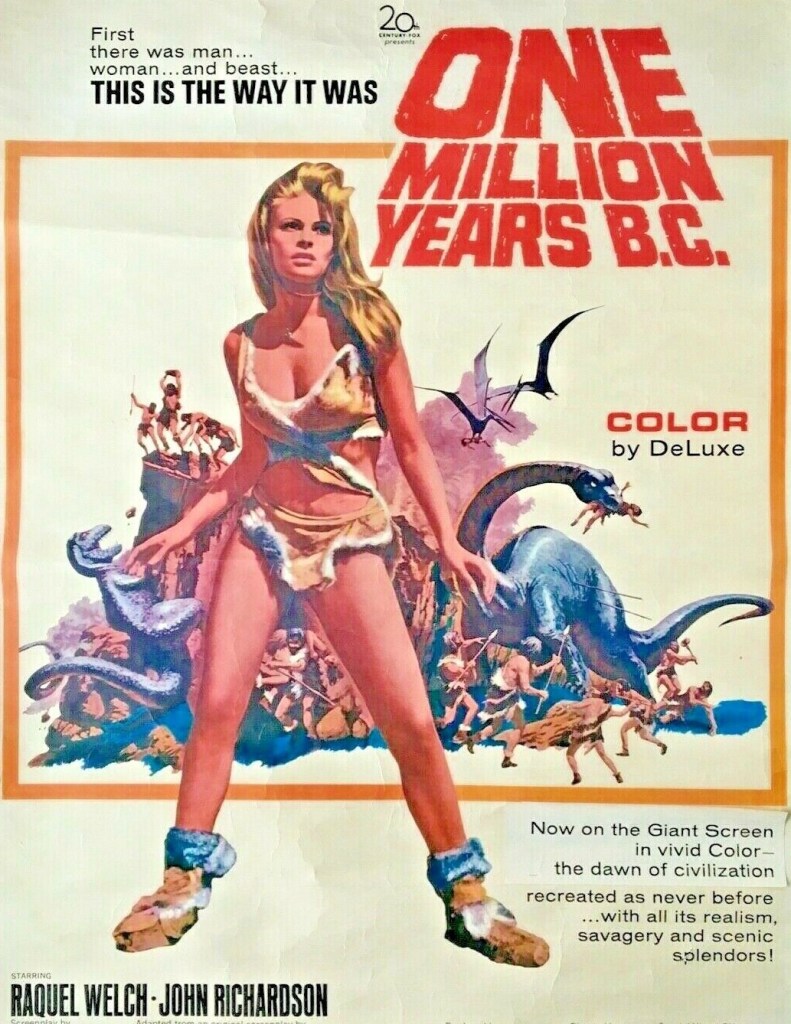
The famed Raquel Welch vehicle was based on a film of 1940.

Prior to considering the expensive business of investing in a remake, studios had been able to rely on sticking out the old movie as a reissue, limited financial exposure often resulting in considerable box office. But it was impossible to sell silent pictures, excepting comedians like Charlie Chaplin, to a modern audience and many of the big hits of the 1930s had either been already sold to television or were considered dated by contemporary standards and although black-and-white films were still being made halfway through the decade (In Harm’s Way, 1965, for example) they were a difficult re-sell.

Far easier to revamp a well-known, perhaps beloved, product with the addition of color cinematography, better sound, and possibly with major stars in the vein of Marlon Brando (Mutiny on the Bounty) and Peter O’Toole (Goodbye, Mr. Chips). It also seemed the case that lesser stars could still prop a remake with little adverse effect on the receipts especially if the lower-priced actors substantially reduced the budget and consequently the income required to turn a profit.    

Some movies appeared to be on an endless recycle. The Count of Monte Cristo (1964) had been filmed in 1956, 1954 and 1934, the latter starring Robert Donat. The Perils of Pauline (1967) had been remade twice since Pearl White had made the character her own in 1914. Back Street (1961) with Susan Hayward had been filmed twice before in 1941 and 1932. The Spanish-made The Last of the Mohicans (1963) starring Jeffrey Hunter was the fifth attempt at filming the famous novel after movies made in 1920, 1932, 1936 and 1957.
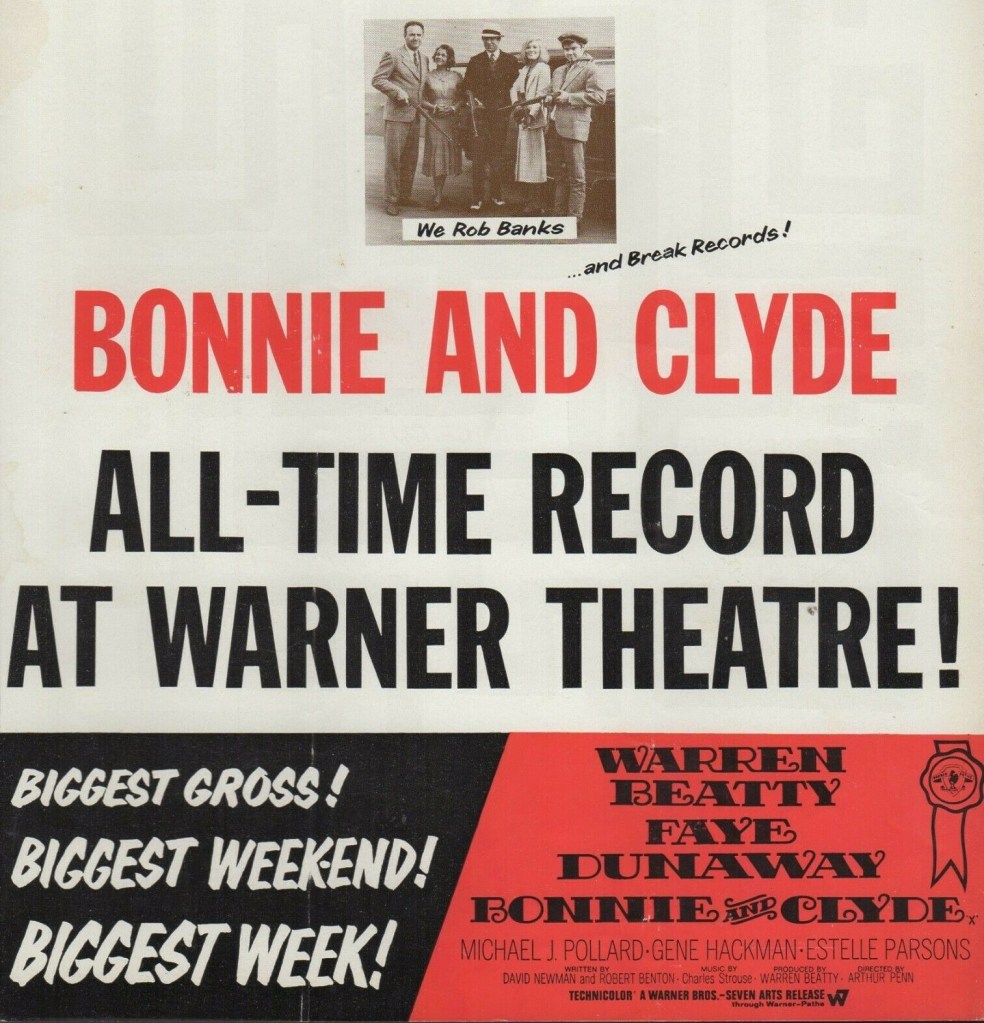
“The Bonnie Parker Story” laid the groundwork for this box office smash-and-grab.

Some remakes changed their titles. Cary Grant comedy Walk, Don’t Run (1966) was based on The More the Merrier (1943), Stolen Hours (1963) with Susan Hayward on Dark Victory (19390 with Bette Davis, Doris Day vehicle Move Over Darling (1963) on My Favorite Wife (1940), and Agatha Christie’s Ten Little Indians (1963) on The Old Dark House (1932). William Wyler’s The Children’s Hour (1961) starring Audrey Hepburn drew on These Three (1936), Uptight (1968) was a modern take on John Ford’s Oscar-nominated The Informer (1935), and comedy The Shakiest Gun in the West (1968) with Don Knotts had its origins in The Paleface (1948) starring Bob Hope. Akira Kurosawa’s Japanese classic Rashomon (1950) retuned as The Outrage (196) starring Paul Newman. The Bonnie Parker Story (1958) was drastically retuned as Bonnie and Clyde (1967). Frank Capra’s A Pocketful of Miracles (1961) was based on his own Lady for a Day (1932). Gregory Peck thriller Mirage (1965) took only three years to re-emerge as Jigsaw (1968).   

Other studios decided the original title was too big an attraction to be discarded. Of Human Bondage (1964) with Kim Novak and Laurence Harvey had been made 30 years earlier with Bette Davis and Leslie Howard. Night Must Fall (1965) starring Albert Finney had originated 27 years prior. Raquel Welch-starrer One Million Years B.C. (1966) had been slightly truncated from One Million B.C. (1940), Lee Marvin and Angie Dickinson headlined The Killers (1964) based on characters originally essayed by Burt Lancaster and Ava Gardner 18 years previously, Mayerling (1969) with Omar Sharif and Catherine Deneuve had starred Charles Boyer and Danielle Darrieux in the 1936 version.

Horror was the most obvious genre to receive a revamp. Robert Bloch rewrote The Cabinet of Dr Cagliari (1962) forty-two years after the original. Hands of Orlac (1961) with Mel Ferrer had previously been known as Mad Love (1936). Herbert Lom reprised The Phantom of the Opera (1962) following on from Lon Chaney in 1925 and Nelson Eddy in 1943. French-made The Golem (1967) was based on versions screened in 1921 and 1937.

Some films were remade with music, Goodbye Mr. Chips – the Robert Donat, Greer Garson original belonging to 1939 – the most obvious example but The Sound of Music (1965) was essentially a musical version of the Germanic The Trapp Family (1956), and Three Coins in the Fountain (1954) set in Rome turned up as the musical The Pleasure Seekers (1964) set in Madrid, both films directed by Jean Negulesco. On the other hand, State Fair (1962), which had been turned into a drama in 1945 despite being based on a Rodgers & Hammerstein musical, was restored to its roots. 

Not every remake idea proved a slam dunk. Projects that failed to get off the ground included: The Birth of Nation (1915), Ecstasy (1933), Metropolis (1927) to be directed again by Fritz Lang, Wuthering Heights (1939) to star Richard Harris, Dark Angel (1925 and 1937) with Rock Hudson, The Lives of a Bengal Lancer (1935), The Crusades (1935), The Charge of the Light Brigade (1936) with Roger Moore – although it was remade in 1968 – Wee Willie Winkie (1937), Jane Eyre (1943) to star James Mason, The Macomber Affair (1946)  and The Postman Always Rings Twice (1946). Anthony Quinn was touted for a remake of Kurosawa’s Sanjuro (1962) and Saul David planned a westernized version of that director’s The Hidden Fortress (1958).

French director Claude Chabrol had ambitions to make a version of Hamlet (1948) from Ophelia’s point of view though a Russian version appeared in 1964. MGM blocked a remake of Tarzan of the Apes (1931). Francis Ford Coppola proposed Heaven Can Wait, a reworking of Here Comes Mr. Jordan, to star Bill Cosby. Stephen Boyd was mooted for a remake of The Quiet Man (1952).

Producer Ray Stark (Funny Girl, 1967) announced new versions of Casablanca (1942) and a Peter Collinson-directed The Maltese Falcon (1941). Musical versions were announced of The Private Life of Henry VIII (1933), Our Town (1937), Rebel Without a Cause (1955) and Roman Holiday (1953), the latter to star Robert Redford.

SOURCES: Brian Hannan, Coming Back to a Theater Near You, A History of Hollywood Reissues, 1914-2014 (McFarland, 2016), p21, 27, 31; “Drift Towards Remakes Grows on Coast,” Box Office, March 11, 1939, p37; “That Birth of a Nation Title,” Variety, April 13, 1960, p6; “Sales Come-On But Never Mislabel Content – Hathaway,” Variety, October 26, 1960, p13; “Bischoff-Diamond To Make Charge,” Box Office, July 10, 1961, p11; “Bash Vindicated – After 4 Yrs,” Variety, July 12, 1961, p5; “MGM Is Upheld In Suit over Tarzan,” Box Office, July 10, 1961, p13; “New Cycle of Classics for French Prods,” Variety, July 12, 1961, p16; “Dark Angel Remake to Writer Lee Mahin,” Box Office, December 18, 1961, pW-8; “Robert Blees Plans Remake of Macomber Affair,” Box Office, March 12, 1962, p16; “Anderson-U.A. Talk Wuthering Remake,” Variety, August 28, 1963, p22; “Spain’s Latest Western,” Variety, October 23, 1963, p18; “MGM Signs for 3 Co-Productions in Spain,” Variety, January 15, 1964, p22; “Hollywood Report,” Box Office, February 10, 1964, p16;  “Japanese Sanjuro Remake for Quinn,” Variety, May 5, 1965, p4; “Weintraub Sends Down L.A. Roots,” Variety, January 12, 1966, p5;“Universal Re-Do of DeMille 1935 Crusades,” Variety, April 13, 1966, p3; “Plan Rebel Without Cause For Remake As Musical,” Box Office, April 18, 1966, p9; “Lee Thompson Busily Reprints His Musical Version of Henry VIII,” Variety, April 27, 1966, p17; “U’s Future Parks 17 Vehicles,” Variety, May 25, 1966, p33; “Re-Do of Quiet Man,” Variety, March 5, 1967, p5; “De Laurentiis in New Par Dickers,” Variety, January 10, 1968, p5; “David to Re-Do Kurosawa Plot As U.S. Western,” Variety, June 12, 1968, p4; “Re-Do of Falcon,” Variety, July 10, 1968, p14; “Star In W7 Pic,” Variety, January 15, 1969, p3.

The Man Who Shot Liberty Valance (1962) *****

A mighty cast headed by John Wayne (True Grit, 1969), James Stewart (Shenandoah, 1965), Lee Marvin (The Dirty Dozen, 1967) and Vera Miles (Pyscho, 1960) with support from Edmond O’Brien (Seven Days in May, 1964), Woody Strode (The Professionals, 1966), Strother Martin (Cool Hand Luke, 1967) and Lee Van Cleef (The Good, the Bad and the Ugly, 1967) do justice to John Ford’s tightly-structured hymn to liberty and equality and reflection on the end of the Wild West. So tight is the picture that despite a love triangle there are no love scenes and no verbal protestations of love.

The thematic depth is astonishing: civilization’s erosion of lawlessness, big business vs. ordinary people, political chicanery, and a democracy where “people are the boss.” Throw in a villain with a penchant for whipping and a lack of the standard brawls that often marred the director’s work and you have a western that snaps at the heels of Stagecoach (1939), Fort Apache (1948) and The Searchers (1956).

The story is told in flashback after Senator Ransom Stoddard (James Stewart) and wife Hallie (Vera Miles) turn up unexpectedly in the town of Shinbone for the funeral of a nobody Tom Donovan (John Wayne), so poor the undertaker has filched his boots and gunbelt to pay for the pay for the barest of bare coffins. Intrigued by his arrival, newspapermen descend and Stoddard explains why he has returned.

The backstory unfolds. Arriving on stagecoach, novice lawyer Ransom is attacked, beaten and whipped by outlaw Liberty Valance (Lee Marvin). He is found by horse-trader Donovan (John Wayne) and taken to a local boarding house-cum-restaurant where Hallie (Vera Miles) tends his wounds. With a young man’s full quotient of principle, Stoddard is astonished to discover that local marshal Link Appleyard (Andy Devine) has ducked out of responsibility for apprehending Valance on the dubious grounds that it is outside his jurisdiction and that Valance has so mean a reputation he has the town scared witless. When Valance turns up he humiliates Stoddard and only Donovan stands up to him, rescuing an ungrateful Ransom, who detests violence and any threat of it.

Stoddard soon turns principle into action, setting up his shingle in the local newspaper office run by Dutton Peabody (Edmond O’Brien) and on learning that Hallie is illiterate establishing  a school for all ages. In the background is politics, but the push for statehood is inhibited by big ranchers who employ Valance to intimidate. Despite his aversion to violence and insistence that due legal process will eliminate the law of the gun, Stoddard practices shooting. When Donovan gives him a lesson and, to point out his unsuitability to confront such a mean character as Valance, covers him in paint, Stoddard floors him with a punch.  

That principle I mentioned has something in common with Rio Bravo (1959) – Howard Hawks’ riposte to High Noon (1952) – in that Stoddard, determined to fight his own battles, refuses to ask for help when targeted by Valance. The inevitable showdown is extraordinary, not least because it takes place at night and Ford, a la Rashomon (1951) tells it twice from different points of view.   

Precisely because it retains focus throughout with no extraneous scenes as was occasionally John Ford’s wont, the direction is superb. As in The Searchers, to suggest emotional state-of-mind, the director uses imagery relating to doors. This time the humor is not so broad and limited primarily to one incident. Both main male characters suffer reversals, in the case of Stoddard it is physical but in the instance of Donovan it is emotional. Either way, action is character. In the romantic stakes, they are equals, dancing around their true feelings.

Upfront there is one storyline, the upholding of law and order whether against an individual such as Valance or against the attempts of big business to thwart democracy. But underneath is a subtly-told romance. Donovan and Stoddard are allies but in terms of Hallie they are rivals. Neither have an ounce of sense when it comes to women. Neither actually protests their love for Hallie. Although Donovan brings her cactus roses and is, unknown to her, building an extension to his house to accommodate what he hopes is his future bride, his idea of romance is to mutter, in patronizing manner, the old saw of “you look pretty when you’re angry.”  He would have been wiser to have taken note of her spunk, because she can be more than direct if need be.

Stoddard isn’t much better. Despite her growing feelings towards him being obvious to the audience, he assumes she prefers Donovan. Action drives the love element, the need to save or destroy.

All three principals are superb. This may seem a typical Wayne performance, a dominant figure, comfortable with a gun and his abilities, but awkward in matters of the heart. But he shows as great depth as in The Searchers and the despair etched on his face at the possibility of losing Hallie eats into his soul. Stewart combines the man-of-the-people he essayed for Frank Capra with some of the toughness he showed in the Anthony Mann series of westerns. Vera Miles tempers genuine anger with tenderness and practicality. Unlike many Ford heroines she is not a trophy wife, but a worker, mostly seen running a kitchen. Lee Marvin cuts a sadistic figure, with an arrogance that sets him above the law, his tongue as sharp as his whip.

As well as Woody Strode, Strother Martin, Edmond O’Brien and Lee Van Cleef, you will spot various members of the John Ford stock company including Andy Devine (Two Rode Together, 1961) as the cowardly gluttonous marshal, John Carradine (Stagecoach), John Qualen (The Searchers) as the restaurant owner and Jeanette Nolan (Two Rode Together) as his wife.

The boldest part of the picture, however, comes at the end, when the director dismantles the myth built up around Stoddard and which the politician has used to create a career that spanned two terms as a Senator, three terms as a Governor and been the American Ambassador to Britain. So be warned, if you ain’t seen the picture, this is spoiler alert. In some respects, Ford was way ahead of his time. The twist at the end where the good guy is revealed as the villain of the piece is more of a contemporary trope. There were plenty of pictures where the villain appeared to have gotten away with it only to be caught out at the very last minute. This is not that kind of movie. Stoddard gets away with it for the simple reason that he fits the heroic mold.

“Print the legend” is very much the standard American attitude to myth. Dig deeper and what you find is hypocrisy. Man-of-the-people Stoddard’s life is based on bare-faced fraud. He took the glory for an action he did not commit. Of course this was in the days before newspapers found that bringing down politicians sold more papers than building them up and these days I doubt if such a scoop would be ignored.

Nor for all his upstanding image does Stoddart show the slightest sign of remorse – until now when he must know his confession will never see the light of day. (Maybe, if he had gone to the New York Times but not the Shinbone paper). He built his entire career on this violent action, the antithesis of his supposed stance on process of law.  He takes all the plaudits and fails to acknowledge Donovan, except when it’s too late, and Donovan has died a pauper, his rootless life perhaps engendered as a result of losing Hallie. Hallie’s character, too, is besmirched. She chose Stoddart precisely because he was a man of principle who risked his life to tackle – and apparently kill – Donovan. Those two elements are indistinguishable. Had she know Stoddart had failed and was only saved by the action of Donovan it is questionable whether she would have chosen the lawyer.

There are a couple of other quibbles, not so much about the picture itself, but about other quibblers, commonly known as critics.  Alfred Hitchcock famously came under fire for the use of back projection, not just in Marnie (1964) but other later films. That spotlight never appeared to be turned on the at-the-time more famous John Ford. The train sequence at the end of the film uses back projection and the ambush at the beginning is so obviously a set.

Don’t let these put you off, however, this is one very fine western indeed and fully justifies its growing critical status.

CATCH IT ON THE BIG SCREEN: By the way, if you live in Italy you can catch this on the big screen in Bologna where it is showing at Il Cinema Ritrovato – Fondazione Cineteca di Bologna on July 20-27, 2021.

Countdown to the Top Films of the Year

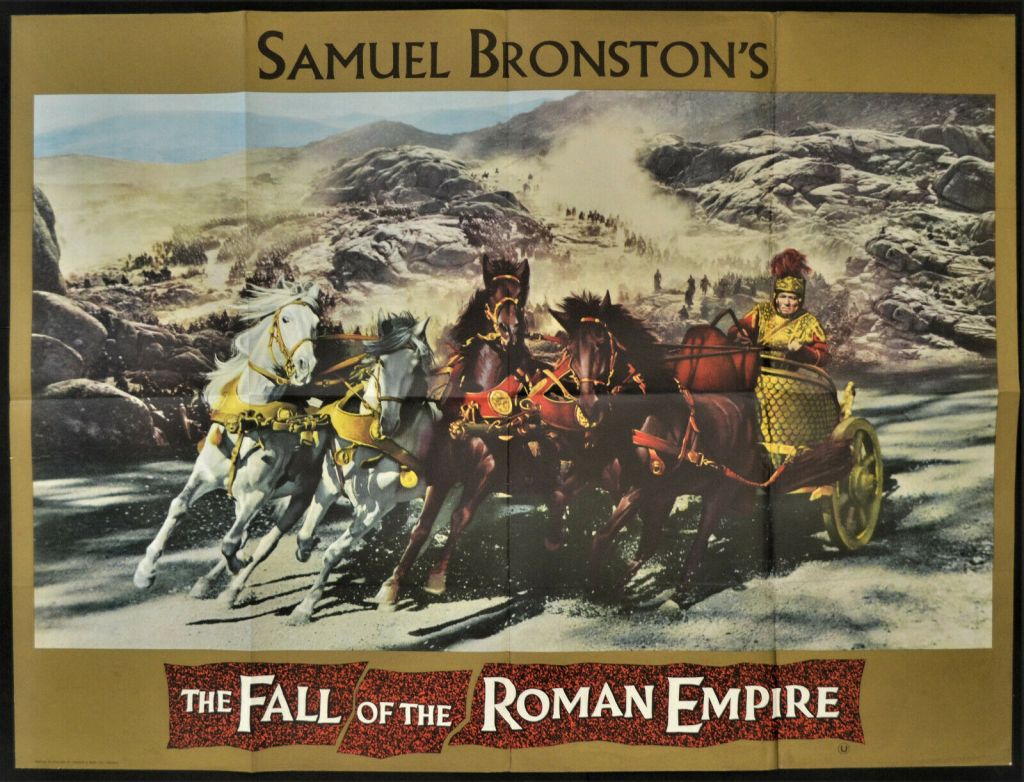
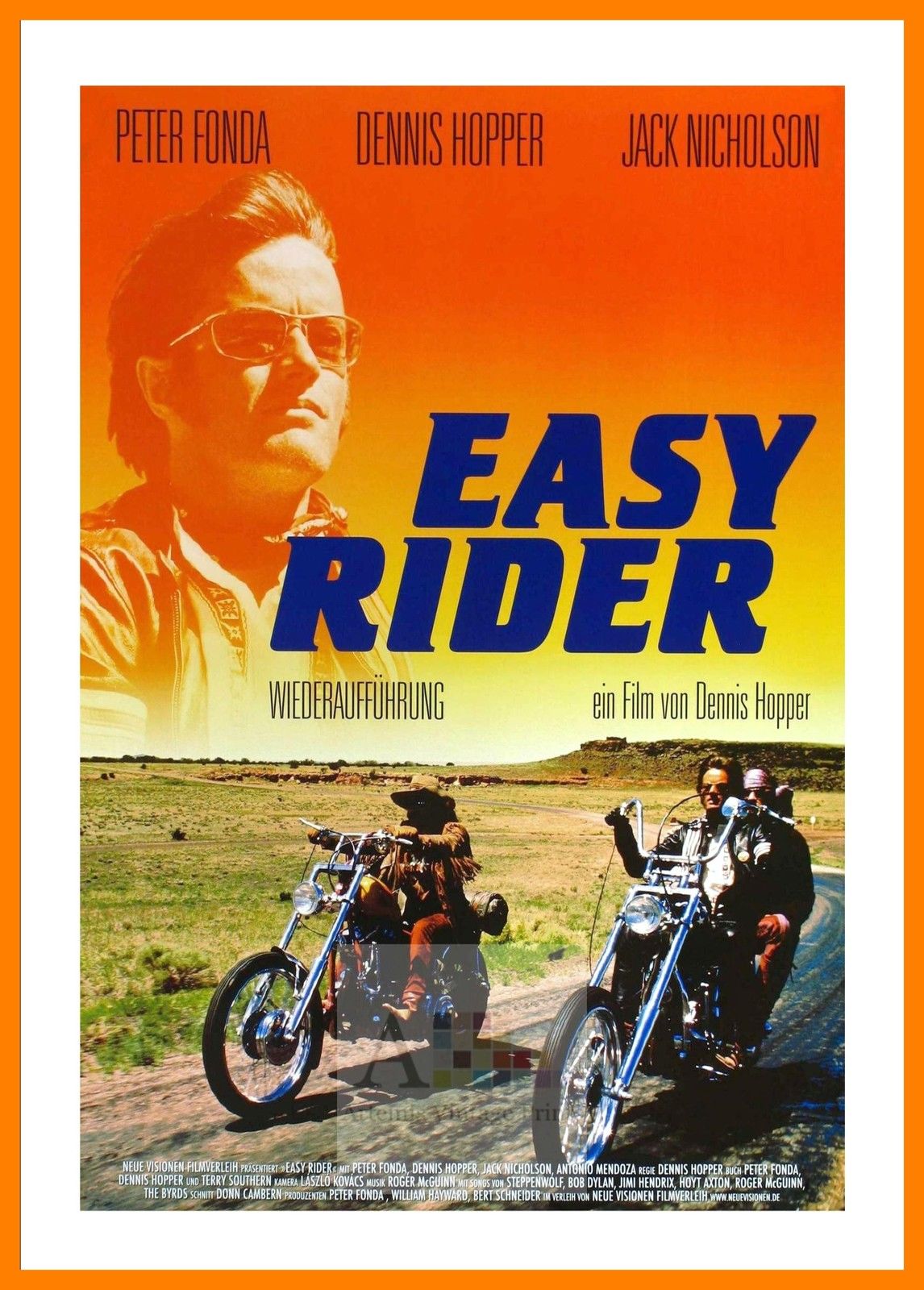
This is by way of a trailer. By the end of the month – i.e. tomorrow – this Blog will have been running for an entire year. One of the interesting aspects of the Blog for me has been reader response to particular pictures. Some pictures I though would be stone-cold faves such as Easy Rider (1969), “Rat Pack” vehicle Sergeants 3 (1962), Lee Marvin in Point Blank (1967) and the unfairly neglected historical epic The Fall of the Roman Empire (1964) have turned out to be less popular – in terms of views – than I might have imagined.

And, on the contrary, some films have generated an enormous number of views, far more in many cases than I had believed they would, far more than I had any reason to suppose any of my postings would.

So tomorrow (June 30) I am going to list the films I enjoyed most throughout the year – movies that qualified for my own five-star rating.

I am going to follow that up on Thursday (July 1) by publishing the list of the Top 25 most popular movie posts as judged by my readers.

But I thought it might be interesting as a little competition for people to guess what the most popular film has been. There’s no prize so there’s nothing to be gained by seeing what other people have suggested. It would certainly be interesting. So if you fancy doing this, then just put your suggestion in the Comments section.

I have posted over 200 reviews, the bulk of them on films themselves, though regular readers will know I also write about the makings of films, about how books are adapted into films and a few other movie-related subjects that catch my eye. But this tally will just refer to films rather than anything else.

Given this is my first year, I had no real expectations of what to expect, least of all that I would attract a regular following and that, overall, the Blog has exceeded my wildest expectations. I have attracted readers in over 70 countries, so it’s fascinating to observe how this particular decade has proved so interesting to such a wide audience.

Make sure you check out my post on July 1 to find out which were the most popular films of the first year of the blog.

Point Blank (1967)****

The Man With Half A Name doesn’t have quite the same ring to it as The Man With No Name. Lee Marvin’s professional thief Walker (first name absent) is a close cousin of the spaghetti western’s amoral gunslinger. But where Leone is disinclined to fill in the emotional blanks in his anti-hero’s story, British director John Boorman, making his Hollywood debut, feels obliged to look for redemptive features in keeping with American tradition.

Along with several unnecessary arty elements, that gets in the way of a brilliant character portrait. The movie also suffers from critical assessment, not in the manner of bad reviews, but from an irrelevant and misleading insistence on discovering  the film’s “true meaning.”

However, where Boorman gets it right, the movie is a cracker. The bursts of brutal explosive violence still shock, Walker a force as unstoppable as The Terminator, while representing the Mafia as a faceless corporation is a stunning concept. Walker refuses to recognize the dictum that there is no honor among thieves and expects repaid the money stolen from him by a Mafia henchman. In his mind payment will come either in cash or retribution. There is double-crossing aplenty, but Walker is ready for it.

Boorman’s palette is fascinating, the grey bleakness of early scenes giving way to yellow (even the pillar in a parking garage is painted yellow) and other colors. And he has learned from Hitchcock how to apply silence and use natural sound effects like footsteps.

But there are some changes to Richard Stark’s original novel that the movie can do without. The introduction of the abandoned Alcatraz, for a start, is an illogical nonsense, cinematically stylistic though it is. Walker, as shown in the original novel is far too clever to allow himself to be led to a place so open to ambush. Nor would he allow himself to be emotionally blackmailed into doing the job that caused the trouble; he would have walked away from someone as unstable as the double-crossing Mal Reese (John Vernon).

The ambiguous ending, where Walker appears to fade away, issues unresolved, also attracted odd critical theories when, having spent ninety minutes demonstrating the gangster’s destructive capacity, it seems more likely to me that the two Mafia gents left alone with him on Alcatraz would be in the greater peril.

That said, the rest of the picture has an inbuilt dynamic and Marvin’s laconic menacing performance is mesmeric. By comparison Major Reisman in The Dirty Dozen was garrulous. The original novel was called The Hunter and Walker ruthlessly stalks his prey even though they are some of the most dangerous men alive. Angie Dickinson is dropped in to provide some emotional core and a scene of him as a younger man courting his wife is along the same lines. Ignore the arthouse elements and run a mile from critical theories and you are in for one hell of a ride.    

Discover WordPress

A daily selection of the best content published on WordPress, collected for you by humans who love to read.

The Atavist Magazine

by Brian Hannan

WordPress.com News

The latest news on WordPress.com and the WordPress community.