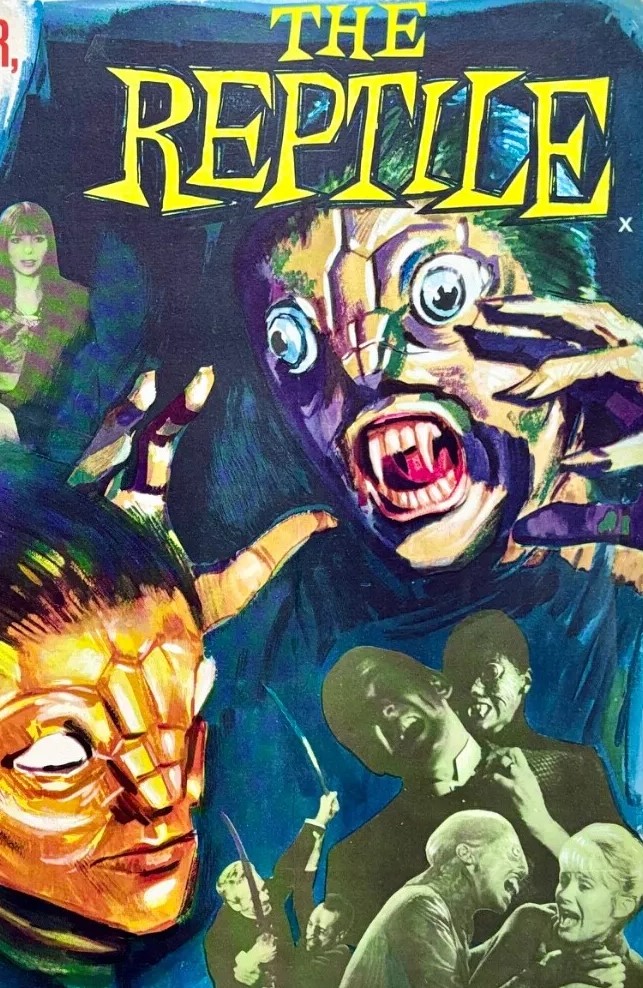
The Reptile (1966) ***

If there is such a thing, qualifies as the thinking person’s Hammer horror picture. More atmospheric than usual, creepy rather than shocking, and with greater emphasis on psychology and loss than you’d expect to find in a Hammer film. No recognizable stars either so something of a risk for the studio. The low-budget probably accounts for the fact it was made to play the supporting feature of a horror bill.

That’s what makes it so interesting. It’s crammed full of character actors getting to play interesting people and it puts the main good guy on the bench as we approach the climax appointing the female lead as substitute in the most perilous segment of the investigation into strange goings-on in the old (but not dark) house.
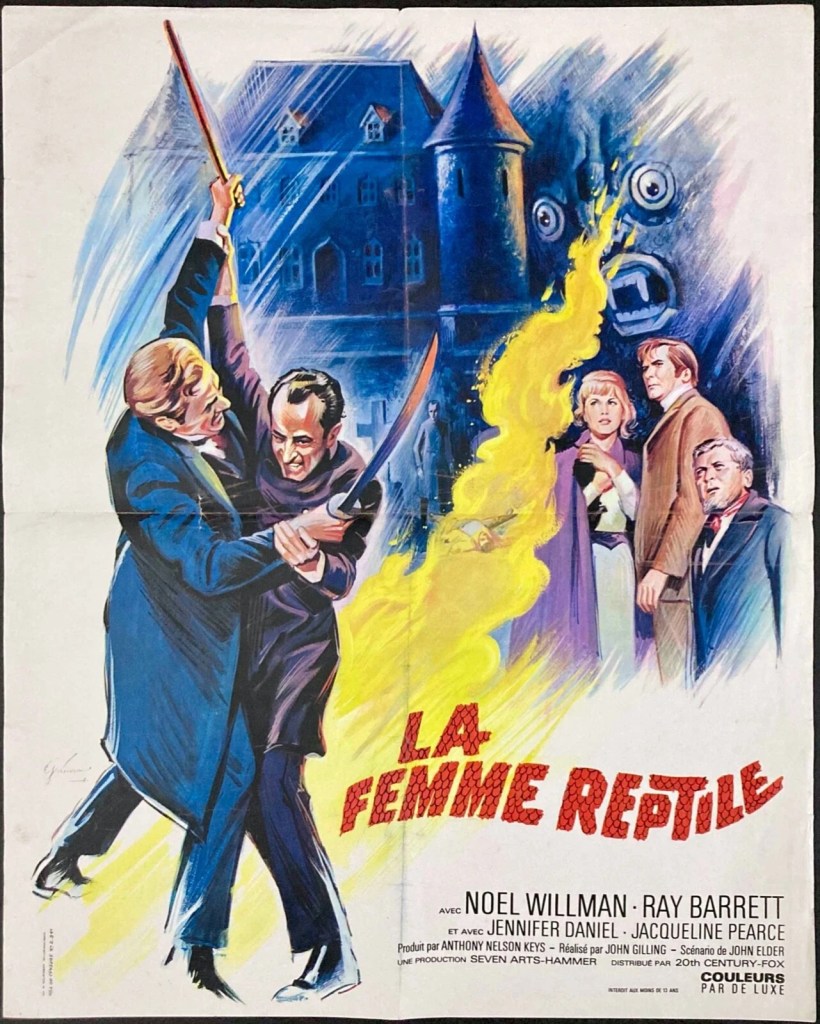
CGI would have made this instantly more potent and while the special effects are acceptable for the time period, the characterization and the dilemmas posed relieve the picture of having to rely on shocks for impact.

Even these days studios would find it hard to greenlight a movie where the focus is on a parent shielding a serial killer. But that’s effectively what’s happening here.

Dr Franklyn (Noel Willman), the big house resident, is trying to keep safe his cursed daughter Anna (Jacqueline Pearce) who has been knocking off villagers at a heck of a rate. Anyone she attacks foams at the mouth and turns a nasty colour so the villagers are more likely to blame a disease or some kind of ghostly apparition, though obvious suspects like werewolves or vampires don’t come into consideration and a lurking Malay servant (Marne Maitland) doesn’t set alarm bells ringing.

Newly-weds Harry Spalding (Ray Barrett) and wife Valerie (Jennifer Daniel) have inherited the cottage next door to the big house from his brother, the latest victim of the phantom killer. As was standard for Victorian villages, strangers are treated with suspicion, and it’s left to local landlord (Michael Ripper) and local lunatic Peter (John Laurie) to scare the wits out of the new arrivals with tales of multiple deaths.
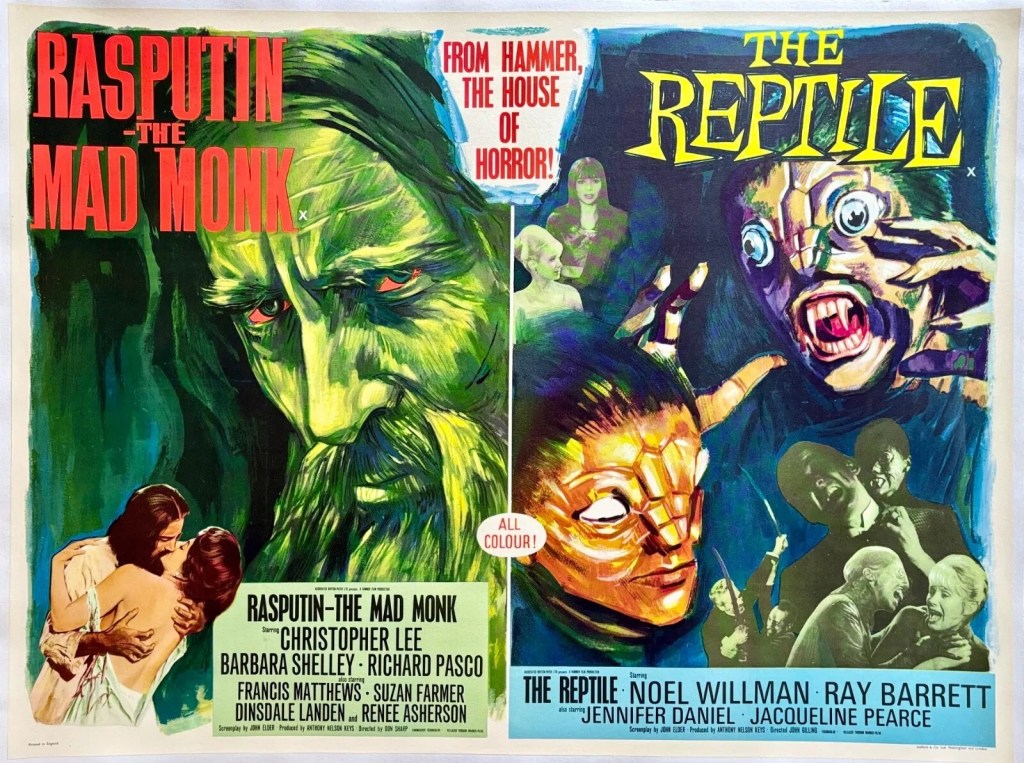
Franklyn appears a congenial enough gent though he’s apt to be sharp with his daughter, taking serious offence at her playing the sitar. Harry takes on the burden of sniffing around until he’s put out of action by the phantom. Since he’s not dead and therefore not instantly buried, there’s time to check out his body and that’s when marks are discovered in his neck. Normally, that would point to the presence of a vampire, but I guess since vampires weren’t popularized until much later in the century, there’s no reason to go down that route of investigation.

Instead of sitting around like a homebody as Victorian wives were meant to do, Valerie takes over the investigation and it’s she who discovers that the doctor’s cursed daughter periodically turns into a snake. Not only is Franklyn averse to handing his daughter over to the authorities, he’s made her a cosy nest in the warm cellar. Still, he’s wracked by guilt. Audiences these days would be more aware that his snippiness to his daughter covers up the burden of his love. Proof more that he’s coming apart.

The billing gives it away. While the narrative ostensibly revolves around Harry and his wife caught in a web, it’s actually a bold decision to put the emotional onus on Franklyn. It’s a great study, especially for a horror film, of parental anguish. Anna, clearly aware of the discrepancies in her character, also shows unexpected depths.

Australian Ray Barrett was a television stalwart, taking time out from The Troubleshooters (1965-1971) and as the voice of the leading puppet in Stingray (1964-1965). Jennifer Daniel had been terrorized by Noel Willman in Kiss of the Vampire (1963). Jacqueline Pearce (The Plague of the Zombies, 1966) adds good touches.

Director John Gilling (Plague of the Zombies) doesn’t fall into the shocker trap which posits the picture, written by John Elder (Dracula, Prince of Darkness, 1966), as one of the more interesting in the Hammer portfolio.

Worth a look.
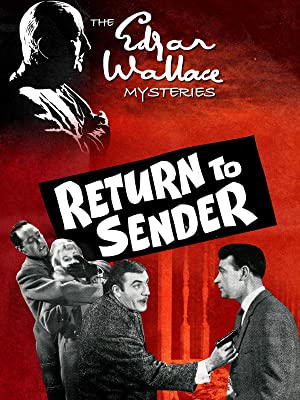
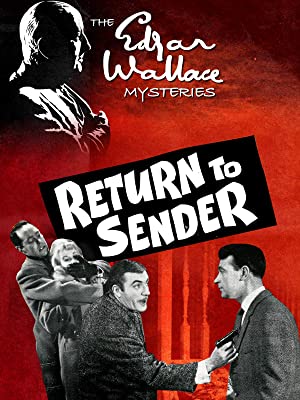
Return to Sender (1963) ***

The B-film’s B-film. Where American B-pictures invariably focused on sleaze, sci-fi- horror or violence, their British counterparts often exuded class with solid acting, clever plots, excellent though simple sets and good composition. Edgar Wallace, the world’s most prolific writer, had regained sudden popularity thirty years after his death, and movies made from his works made ideal subjects for B-pictures fed into the British double-bill system. His thrillers are all story, racing along with twist after twist.

On the verge of being arrested for fraud, high-class businessman Dino Steffano (Nigel Davenport) hits on blackmail as a means of forcing investigator Robert Lindley (Geoffrey Keen) to drop the case. He sets up associate Mike Cochrane (William Russell) to fake photographs involving sexy Lisa (Yvonne Romain) and Lindley in compromising positions. So Lisa, pretending to hold vital evidence, lures him to her flat where this can be staged.

Meanwhile Lindley’s daughter Beth (Jennifer Daniel) chats up Cochrane after overhearing him asking questions about her father’s cottage. Cochrane has history with Lindley, having been sent for an 18-month prison sentence as a result of a previous encounter. He also resents Steffano over previous double-dealing and is planning to take his own revenge while carrying out the master plan.

I doubt if you will be able to see the twists coming. Suffice to say, nothing is what it seems. The closer Lindley gets to uncovering the mystery, the darker it becomes and the more danger he appears to be in. Even when characters reveal their plans, you can be sure they will have a different one up their sleeve. Steffano’s exceptional charm masks his ruthlessness. While Lindley is dogged, he is no match for the slinky Lisa who can play the vulnerable female with ease. Artist Beth treasures her independence so much that it takes her down some devious alleys, especially when trying to pump Cochrane for information. And it all leads to a terrific climax, involving further twists and double-dealing.

Most of this is played out in classy apartments with log fires burning and Steffano drinking brandy and smoking cigars, or on a yacht, or Lindley’s equally splendid chambers.

The stars are either up-and-coming movie stars or destined for small-screen fame. Many of these Edgar Wallace thrillers would prove stepping stones for new talent.

Nigel Davenport (The Third Secret, 1964) is the pick and would become an accomplished supporting actor in films like Play Dirty (1969). Yvonne Romaine had already made a splash in The Frightened City (1961) and would go on to play the female lead in Devil Doll (1964) and The Brigand of Kandahar (1965). Geoffrey Keen (Dr Syn, Alias The Scarecrow, 1963) would make a bigger impact on television in Mogul (1965-1972). As would William Russell (The Great Escape, 1963) who went on to become a long-running sidekick of Dr Who (1963-1965). Jennifer Daniel became a horror favorite with female lead in The Kiss of the Vampire (1963) and The Reptile (1966). 

Making his movie debut director John Hales clearly benefits from a couple of decades as an editor in films like The Seventh Veil (1945) and Village of the Damned (1960) and he nips quickly from one scene to another to keep the plot ticking along while showing some gift for framing characters within a scene.  

I should point out you will easily find flaws. Strictly speaking, if you know your police procedural, Lindley would not be an investigator, and it would not be too hard to find strains of implausibility showing. But that should not detract from this enjoyable movie.

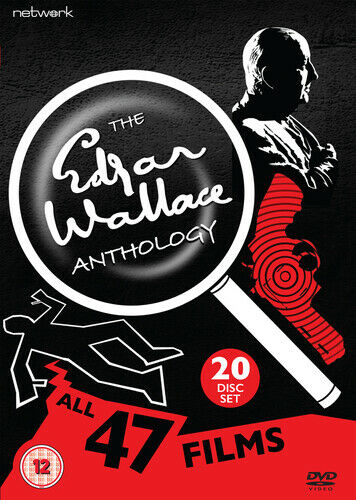
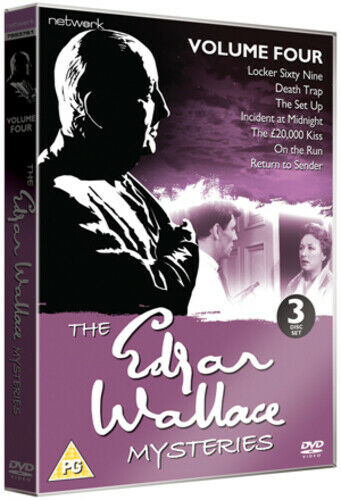
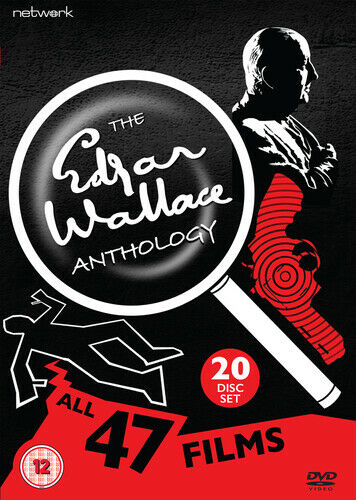
British studio Anglo Amalgamated churned out these Edgar Wallace thrillers as double-bill fodder and, even though compromised in the budget department, they were generally well-made. Wallace was a brand-name, a best-selling author on account of his 200-plus novels, most still in print long after his death, and a byword for a good read. American television edited the features down to fit into a television series. So if you are hunting these down make sure you get the original features rather than the edited versions.

Return to Sender (1963) ***

The B-film’s B-film. Where American B-pictures invariably focused on sleaze, sci-fi, horror or violence, their British counterparts often exuded class with solid acting, clever plots, excellent though simple sets and good composition. Edgar Wallace, the world’s most prolific writer, had regained sudden popularity thirty years after his death, and movies made from his works made ideal subjects for B-pictures fed into the British double-bill system. His thrillers are all story, racing along with twist after twist.

On the verge of being arrested for fraud, high-class businessman Dino Steffano (Nigel Davenport) hits on blackmail as a means of forcing investigator Robert Lindley (Geoffrey Keen) to drop the case. He sets up associate Mike Cochrane (William Russell) to fake photographs involving sexy Lisa (Yvonne Romain) and Lindley in compromising positions. So Lisa, pretending to hold vital evidence, lures him to her flat where this can be staged.

Meanwhile Lindley’s daughter Beth (Jennifer Daniel) chats up Cochrane after overhearing him asking questions about her father’s cottage. Cochrane has history with Lindley, an 18-month prison sentence the result of a previous encounter. He also resents Steffano over previous double-dealing and is planning to take his own revenge while carrying out the master plan.

I doubt if you will be able to see the twists coming. Suffice to say, nothing is what it seems. The closer Lindley gets to uncovering the mystery, the darker it becomes and the more danger he appears to be in. Even when characters reveal their plans, you can be sure they will have a different one up their sleeve. Steffano’s exceptional charm masks his ruthlessness. While Lindley is dogged, he is no match for the slinky Lisa who can play the vulnerable female with ease. Artist Beth treasures her independence so much that it takes her down some devious alleys, especially when trying to pump Cochrane for information. And it all leads to a terrific climax, involving further twists and double-dealing.

Most of this is played out in classy apartments with log fires burning and Steffano drinking brandy and smoking cigars, or on a yacht, or Lindley’s equally splendid chambers.

The cast are either up-and-coming movie stars or destined for small-screen fame. Many of these Edgar Wallace thrillers would prove stepping stones for new talent.

Nigel Davenport (The Third Secret, 1964) is the pick and would become an accomplished supporting actor in films like Play Dirty (1969). Yvonne Romaine had already made a splash in The Frightened City (1961) and would go on to play the female lead in Devil Doll (1964) and The Brigand of Kandahar (1965). Geoffrey Keen (Dr Syn, Alias The Scarecrow, 1963) would make a bigger impact on television in Mogul (1965-1972). As would William Russell (The Great Escape, 1963) who went on to become a long-running sidekick of Dr Who (1963-1965). Jennifer Daniel became a horror favorite with the female lead in The Kiss of the Vampire (1963) and The Reptile (1966).  

Making his movie debut director John Hales clearly benefits from a couple of decades as an editor in films like The Seventh Veil (1945) and Village of the Damned (1960) and he nips quickly from one scene to another to keep the plot ticking along while showing some gift for framing characters within a scene.  

I should point out you will easily find flaws. Strictly speaking, if you know your British police procedural, Lindley would not be an investigator, and it would not be too hard to find strains of implausibility showing. But that should not detract from this enjoyable movie.

British studio Anglo Amalgamated churned out these Edgar Wallace thrillers as double-bill fodder and, even though compromised in the budget department, they were generally well-made. Wallace was a brand-name, the country’s best-selling author on account of his 200-plus novels, most still in print long after his death, and a byword for a good read. American networks edited the features down to fit into a television series. So if you are hunting these down make sure you get the original features rather than the edited versions.

You could try this sampler on Amazon Prime but if you like what you see you would be better to buy one of the box sets.

Discover WordPress

A daily selection of the best content published on WordPress, collected for you by humans who love to read.

The Atavist Magazine

by Brian Hannan

WordPress.com News

The latest news on WordPress.com and the WordPress community.