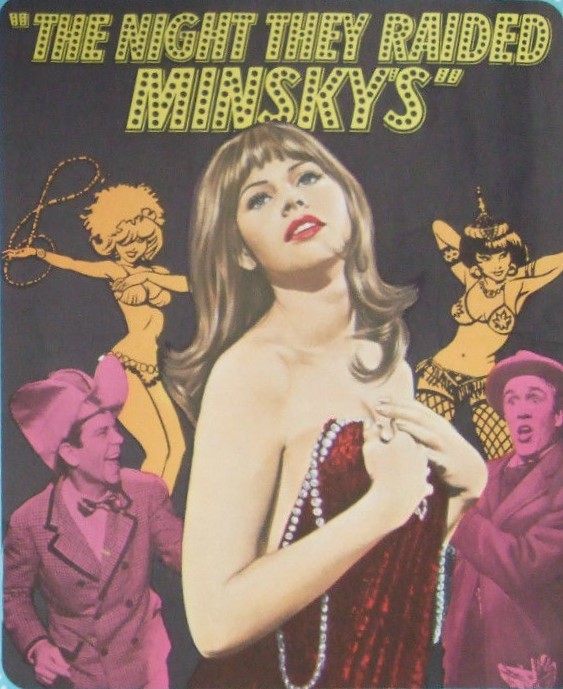
This affectionate homage to 1920s vaudeville goes awfully astray under the heavy-handed direction of William Friedkin. There’s an epidemic of over-acting apart from a delightful turn from Britt Ekland as the innocent star-struck Amish lass who accidentally invents striptease and former British music hall star Norman Wisdom who knows what he’s doing on the stage. The plot is minimal – burlesque theater manager Billy Minsky (Elliott Gould) needs to save theater from going bust in a few days’ time. That’s it – honest!
The rest of the story looks tacked on – the overbearing leering other half Raymond Paine (Jason Robards) of the Chick Williams (Norman Wisdom) double act tries to bed anything that moves, Amish father Jacob (Harry Andrews) in pursuit of Rachel, vice squad official Vance Fowler (Denholm Elliott) determined to shut the theater down.
The saving grace of this debacle is Ekland’s performance in carrying off a difficult part. Could anyone really be so dumb? She is endearing in a murky world but still capable of interpreting the Bible to her own ends (there is dance in the Good Book, for example) and she has confidence that the Lord will give her the go-ahead to have sex. Her innocence appears to transcend reality and since she doesn’t know a showbiz shark when she sees one she carries on as if life is just wonderful. Somehow this should never work but Ekland is so convincing that it does.
What might have been another saving grace is the documentary feel of much of the background, black-and-white pictures of the epoch transmuting into color, but too often the movie simply cuts to that without any real purpose. Equally, the various song-and-dance acts, chorus lines and comic turns provide an insight into burlesque reality but, again, all too often, that goes nowhere. There are plenty of people trying to be funny without much in the way of decent laughs. There’s altogether too much of everything else and not enough of the ingredients you might have considered essential.
This scarcely sounds like William Friedkin material given that although this preceded The French Connection (1971) and The Exorcist (1973), by this point he had already made his mark with an adaptation of Harold Pinter play The Birthday Party (1968). In fact, his original cut was re-edited once he had departed the picture. Might have worked better with Tony Curtis in the Jason Robards role as originally planned – he certainly had more charm than the jaundiced Robards. Regardless of who was cast what it needed most was a better story and less in the way of stock characters. Written by Arnold Schulman (Goodbye, Columbus, 1969), Sidney Michaels (Key Witness, 1960) and Norman Lear (Come Blow Your Horn, 1963).
Comedy doesn’t stoop much lower.
NOTE: If you’re interested, there’s a behind-the-scenes on the Blog on the whole shebang.
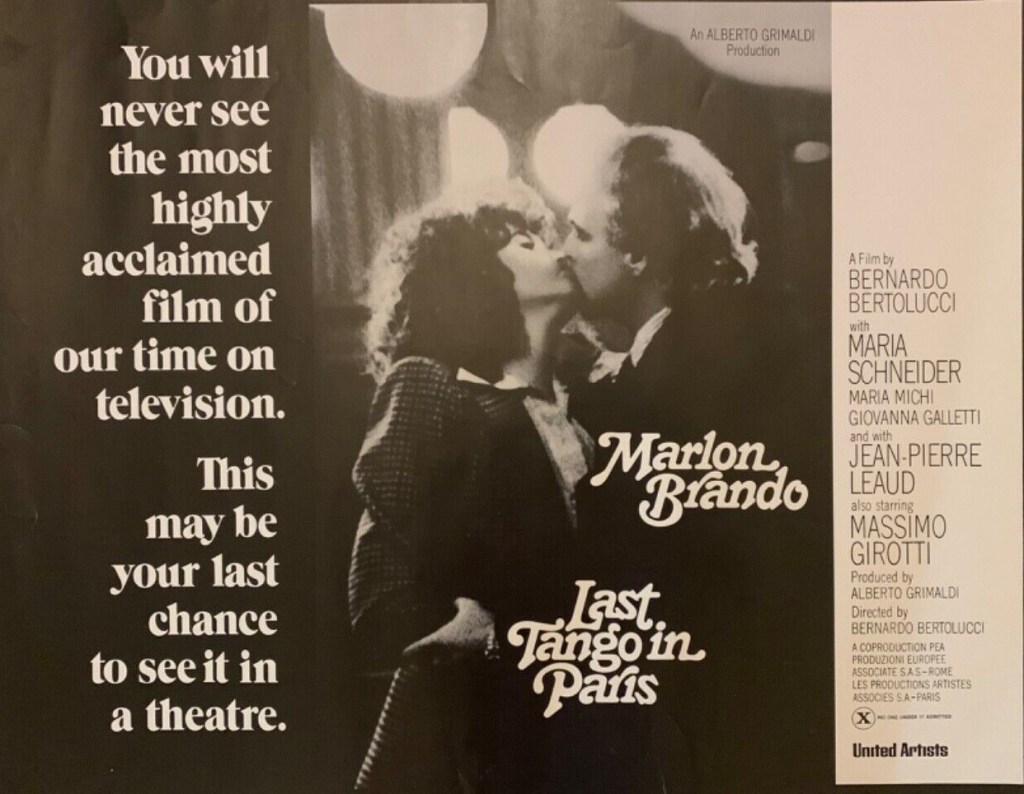
Yes, same cinema as The Great Race, since you’re asking, the Fine Arts in Los Angeles. American actors had been heading for Europe for over a decade seeking artistic redemption – Burt Lancaster in The Leopard (1963) – or commercial validation, Clint Eastwood in the “Dollars” trilogy and Charles Bronson in Adieu L’Ami (1968). But somehow Marlon Brando managed both at once after hooking up with Italian Bernardo Bertolucci (The Conformist, 1970) for an atypical look at the traditional French romance.
Not content with becoming the poster boy for the Mafia, and in passing (at the Oscars) highlighting the cause of the Native American, Marlon Brando helps push the soft porn envelope with what is now more properly viewed as a typical May-December love story featuring a somewhat predatory male and a young actress who now feels there is a case to answer in the Me Too department.
Setting aside the sexuality, there’s more than enough angst to go round. Paul (Marlon Brando) is mourning the death of his unfaithful wife who committed suicide while Jeanne (Maria Scheider) is in an unsatisfying relationship with a wannabe filmaker who seems unable to commit to genuine intimacy. Perhaps, she wasn’t expecting to get hot and heavy with the first older American male she comes across while searching for an apartment but the tang of sexual mystery proves irresistible. At first she’s happy to go along with the notion that they are an anonymous pair who meet only to couple, but, of course, soon enough she wants to know more about her lover than the tales he spins, some of which may be true.
She certainly was unprepared for anal rape, and whether the actress knew what was coming any more than Sharon Stone did in Basic Instinct (1992), you can’t help but feel a director has certainly taken advantage of a young actress probably too intimidated to complain.
When Jeanne comes over all whiny, the tale slips away into more cliched territory, even more so by the end when Paul has decided, too late, he needs to own up to his emotions, by which point she is slipping out of his grasp. A less authentic ending you couldn’t find, especially given the rawness of what has come before.
But there’s still a standout performance here, mostly because, without the need to be pinned down by the demands of narrative, Brando is given enormous leeway, and this may well stand as his most virtuoso piece. Sure, he immersed himself in the character of Don Corleone in The Godfather (1972) but this seems more real, a character, who in the act of witholding his emotions, spills them out with his eyes every few minutes. Paul is as full of charm, wheedling, playful, spouting nonsense, as he is calculating and demanding.
That he fails to blame himself for his wife looking elsewhere for affection or for any part he might have played in her death while cavorting with a more submissive lover seems to define him far better than any confessional monologue. For a closed-down shut-off kind of guy he certainly had plenty to say, and it’s the combinaiton of loquaciousness and taciturnity that brings him so much to life.
Maria Scheider (The Passenger, 1975) is the weak link here. Less than 20 years old when the film was made, her acting inexperience adds to her character’s innocence, but there’s no way she would ever, at that age, be able to hold a candle to Brando. So it’s an unequal pairing, as ultimately the fictional coupling proved to be.
There are tremendous flaws in the script, not least the drawn-out ending, and Jeanne’s boyfriend Tom (Jean Pierre Leaud) seems a tad too facile and almost a metaphor for Bertolucci himself, treating women with scorn, viewing them only through a lens, and that, darkly.
Hailed very much as groundbreaking cinema at the time, and dealing a death blow to the censorship system, this has lost much of that power but still remains in the top tier of Brando performances and coupled with The Godfather provided the actor with the commercial clout to bring Hollywood to heel as it had done in his glorious 1950s heyday.
Worth it for Brando’s performance but I doubt if you will come away feeling comfortable about the use of directorial power.
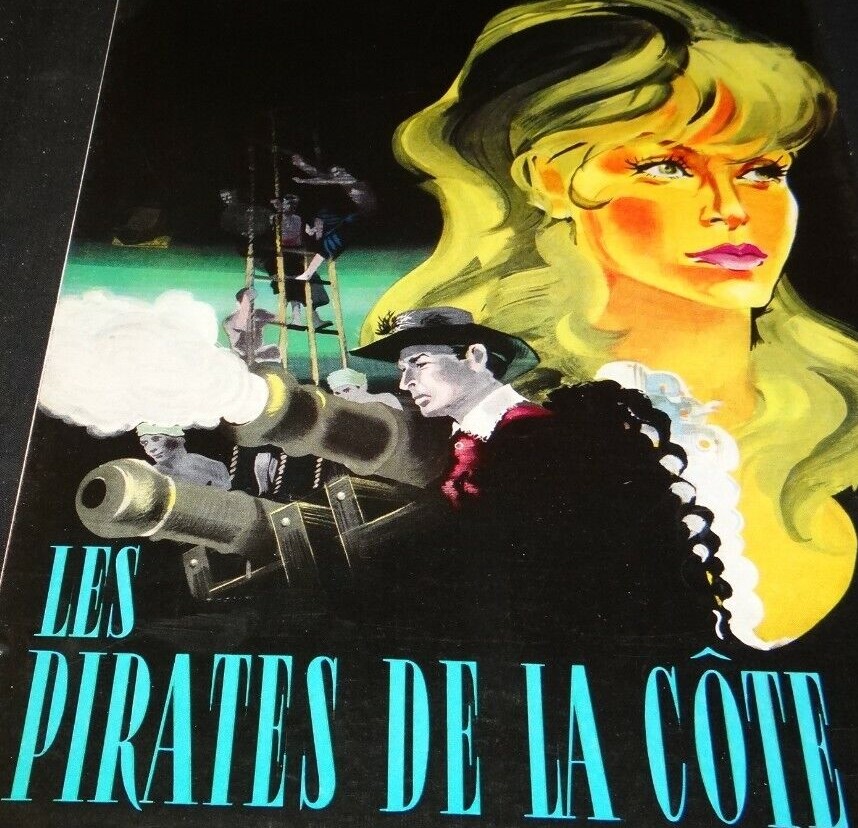
As you know I’m a sucker for a swashbuckler. And as often I’m suckered. But this is an unexpected delight, as much double-dealing as derring-do, an intelligent plot, huge slices of cunning on every side, and some decent action.
While esteemed for his nautical skills Capt Luis Monterey (Lex Barker) is less lucky on the romantic side, rejected by wealthy Isabela (Estella Blain), niece to the powerful Governor Don Fernando (Loris Gizzi) who plans to marry her off to the Governor of Santa Cruz. But Hispaniola is riddled with pirates, just how cunning Monterey discovers when, transporting a shipment of silver, he stops to pick up a raft of shipwrecked womenfolk only to find they have sabotaged his vessel, allowing it to become easy pickings for dread pirate (as William Goldman would say) Olonese (Livio Lorenzon).
Blame for the disaster falls on Monterey and accused of treason is condemned to life in prison, but while being shipped back to to Spain manages to escape, hijack the ship, turn pirate himself, make for Tortuga and team up with Olonese. Monterey gets away (courtesy of the disguise of an eyepatch) with posing as Capt Nobody (the moniker Capt Nemo already being taken, presumably) since Olonese has a terrible memory and can’t place him as the commander of the ship bearing the silver. To prove his worth, Monterey must take part in an attack on Santa Cruz. But while the original pirates raid the town, plunder the gold and make off with Isabela (sent there to romance the Governor), Monterey’s vessel is out-gunned by the island’s fortress and left to founder.
Monterey returns in time to save Isabela from the clutches of Olonese but meanwhile we learn that Olonese and Fernando are in infernal league, plotting to monetize impending war between the English and the Spanish, with Isabela now tossed in as a makeweight for the deal. So of course Monterey has to put the world to rights.
So plenty of twists and turns, the romantic elements complicated by Olonsey’s moll Ana (Liana Orfei) taking a shine to Monterey and, discovering she also has principles, shocked at the pirate chief’s betrayal. Ana is an ideal criminal confederate, as head of the supposed shipwrecked women, leading on Monterey’s crew, getting them drunk on rum, and flooding the hold containing the ship’s supply of gunpowder, making opposition to the raiding pirates hopeless. And there’s time enough for Isabela to rue the error of her ways, not just being stuck with her uncle’s initial choice of consort but being traded off to the pirate.
The costumes are wonderful and the ships look quite splendid and there’s plenty action, including a duel between Monterey and Olonese. It’s helped along by Monterey not being as astute as your normal swashbuckler, dupe in a clever scheme hatched by Fernando, and patsy once again to Olonese. The fact that he’s an unrequited lover means he doesn’t fit into the all-conquering-stud of the Errol Flynn persuasion. So, a more complicated character than normally permitted in the swashbuckler.
Lex Barker had made a steady progression from donning the loincloth (Tarzan’s Magic Fountain, 1949) to muscular heroic figure of B-westerns and adventures before stepping into swashbuckler territory with the likes of The Pirate and the Slave Girl (1959) and he’d make another screen transformation into Old Shatterhand with Winnetou (1963) as well as crime efforts like 24 Hours to Kill (1965). While not an A-list star, he was dependable and given the right material, such as here, cuts quite a dash.
French star Estella Blain (Angelique and the King, 1966), was also a singer, though she commited suicide in 1982, but she has the straight romantic role here, not much to do except appear distant at first then see the error of her ways. Former trapeze artist Liana Orfei (Hercules, Samson and Ulysses, 1963) has the better role as the spitfire who switches sides.
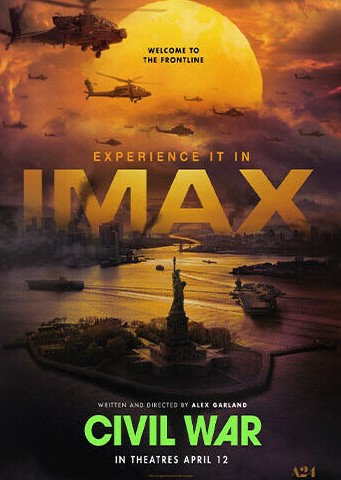
Of all the problems facing America right now, it can do without this simplistic mess. Good idea, poor executed. Sure, I guess it’s meant to trigger intense debate about a divided country but seeing it through the prism of callous glory-hunting war reporters for whom you can’t extend a shred of sympathy isn’t the way to do it. And it’s as if these decades of alien invasion, with scenes of thousands of abandoned cars and the wanton destruction of every sacred man-made edifice, never existed.
It’s like a slasher movie. You got four candidates – make that six when two other guys join our little team with the sole purpose you quickly realize of being victims – for the slaughter and you can guess from the outset who’s not going to make it. We’ve seen these characters a hundred times before, in the more mainstream war picture, the hardened veteran trying to show the rookie the ropes while we know that more likely than not the newcomer is going to get the oldster killed.
By the time that happens we’re so inured to the sensitivities of these desensitized human beings that we’re hardly surprised when said youngster is only too delighted to take a snap of the person being killed and then, shock be hanged, I’m a true professional now, I’m just going to leap past her corpse because there’s the photo of the lifetime just waiting, the execution of the President.
The rights of war reporters I’m sure are enshrined in the Geneva Convention or in the Rules of War and it’s clearly every soldier’s duty to prevent them getting killed when they put themselves in harm’s way. There’s no doubt about the many famous war photographs but there’s equally been an ongoing debate about why a photographer deems it more important to take a picture of someone dying rather than to stop them dying.
They are meant to be neutral, that elusive get-out-of-jail-free card denied combatants, only in this case they break that golden rule and under threat themselves revert to killing.
The details of this war are pretty vague. For supposed switched-on journalists they don’t seem to have much idea of what exactly is going on, so the audience is just kept in the dark. And because they are neutrals, they can switch sides without the enemy noticing and, what’s more, manage to inveigle themselves with the troops about to storm the White House, said soldiers seemingly trained in the art of hand signals required to keep reporters from giving away their position and getting them all killed.
So we got three veterans, Lee (Kirsten Dunst), Joel (Wagner Moura) and Sammy (Stephen McKinley Henderson) who decide in the midst of this conflict to drive from New York to Washington (D.C. as we’re constantly reminded in case we think it’s the other city thousands of miles away) because Joel, who must be more famous than in his own head, wants an interview with the President because, in the midst of this conflagration, he’ll have nothing better to do than try and appease the “press” (as they’re in old-fashioned fashion known here rather than the contemporary “media”).
War photographer wannabe Jessie (Cailee Spaeny) cadges a ride and proceeds virtually the entire journey to venture into more dangerous territory, first up finding some looters strung up and bleeding to death and nothing to do for it but take a photo of the people who strung them up. There’s various shoot-outs and whatnots and it takes an age for the one character to appear that the trailer had us sold on, the racist Jesse Plemons, who forces them to take sides while digging a mass grave.
If this all meant to be a heavy-handed satire on the role of war journalists it pretty much succeeds, Joel determined not to let the President die before he gets the killer quote for which both will be remembered.
There’s not much any of the actors can do with such tightly prescribed roles. Kirsten Dunst (The Power of the Dog, 2021) does her best, tight-lipped and scrubbed clean of make-up to show she’s a serious actress when portraying a burnt-out character is always a shoo-in for an Oscar nomination. Poor Cailee Spaeny (Priscilla, 2023) has to go from shock to delight in seconds, but that twist is so unbelievable or so heinous, take your pick, it blows her character to hell.
In theory, this is sold as some kind of dystopian action picture in near-apocalyptic America, but that’s hardly going to work when every two seconds the action stops for, wait for it, a grainy black-and-white (black-and-white!!!) photo of the combatants. Written and directed by Alex Garland (Ex Machina, 2014)
This promised much but ended up as a dubious snore-fest.
Another cheat. Anatomy of a Fall Part Two. Let’s set the story in the early 1960s when cops were too dumb to think it unusual that three adults in neighboring houses could commit suicide within a very short space of time. Let’s just plain ignore the fact that the woman who has lost a child miraculously gains one from this unlikely sequence of events – in fact let’s give it our blessing and allow a woman who’s plain loopy to adopt an orphan because, as we all know, sentiment runs wild in adoption cases.
Let’s saddle the audience with the kind of serious actors whose normal instinct would be to run a mile from this shoddy bill of goods. Yikes, we can’t even blame a manager or casting director because Anne Hathaway and Jessica Chastain not only signed up to this but are behind it being brought to the screen, they are the producers.
Bad things happen to glamorous people would be a more sensible take on these shenanigans and if the movie had gone down the more interesting route of how the well-off cope with grief and loss it would have worked even when these are the kind of mean mothers who would give mean mothers of the male variety a bad name. This is filled with the kind of underplayed bad acting that Oscar winners think they can get away with.
Both mothers have a get-out-of-jail-free card. Celine (Anne Hathaway) can’t have any more children and is the kind of fun mother who rarely exists in real life. Alice (Jessica Chastain) is a lot less fun because she’s saddled with a kid, Theo (Eamon Patrick O’Connell), who will die if he eats peanut butter and is prevented from going back out to work because, heck, what would the neighbours say. Plus, their husbands are only pretending to be lovey-dovey and the minute their wives start behaving like nutters out comes the finger-waving and dragging by the arm.
And it pivots on the dumbest of pivots. Celine’s son falls off a balcony. Alice, in her garden seeing the boy teetering precariously on a ledge, screams a warning that Celine can’t hear pecause perfect housewife that she is she’s busy with the vaccum and that just makes so much noise it shuts out the screaming of a demented woman. And if that dumb pivot isn’t enough Celine thinks that Alice thinks (you see where this is going) that it’s all her fault. That, presumably, she didn’t scream loud enough.
The original French film.
Worse, dumb pivot No 3, Alice places Theo’s beloved fluffy toy bunny alongside the corpse in the (natch!) open coffin (as if every parent at the funeral service just wants to gawp at a dead child) and Theo (who, of course, needed to sneak a peak at his dead buddy) kicks off and is the first of the people to be dragged off somewhere by the exasperated adult male.
Of course, when the women fall out, it doesn’t occur to Celine to ask Alice for her front door key back. Nor, when Alice sneaks into Celine’s house, is the former, suddenly returning, capable of noticing the pair of high heel shoes Alice left in the foyer so she could creep about the house undisturbed.
This is just so bonkers it overrides all the good bits. The Mad Men Meets Desperate Housewives malarkey, the men who can’t believe they’ve got it so good, scoring wives way out of their league, nice kids, food on the table, cocktails aplenty, the women all dolled up like they stepped out of a fashion catalog, and intelligent conversation about John F. Kennedy and Jackie O before she became Jackie O.
But this relies not just on your suspending disbelief but on you sympathizing with two women you would run a mile to avoid them. It’s based on a French film (Duelles) and I’m wondering if the French had a way of getting away with this kind of stuff. Nope, wait a minute, it was the French who came up with Anatomy of a Fall.
This was the start of my Quadruple Bill – I was catching up because I’d spent the previous Monday at the theater (blasphemy, I know) watching Hamilton – and I though this looked a winner.
If ever a career was dashed by public perception and screen persona. By the end of the 1960s Raquel Welch should have been coasting, western 100 Rifles (1969) a big hit, ranked in top dozen female stars by Box Office magazine[i] and named in the Top Ten Female World Film Favourites by Reuters [ii]and beginning to be taken seriously as an actress, lined up for one of the most controversial films of the next decade in Myra Breckenridge (1970).
Sure, she had passed on Butch Cassidy and the Sundance Kid (1969) whose success might have shot her into the box office stratosphere. And she also pulled out of The Dubious Patriots / You Can’t Win ‘Em All (1970) with rising superstar Charles Bronson and Tony Curtis.[iii] Another movie produced by husband Patrick Curtis – “vicious Hollywood love story” Laurie Lee in the Movies, written and directed by Robert Culp [iv]– failed to get funding.
How to sell Raquel – Part One…
Her final three movies of 1969 – Flare Up, The Magic Christian and unreleased or never-made mystery that was The Boodle (nobody seems to know what happened to that) – did nothing for her career.
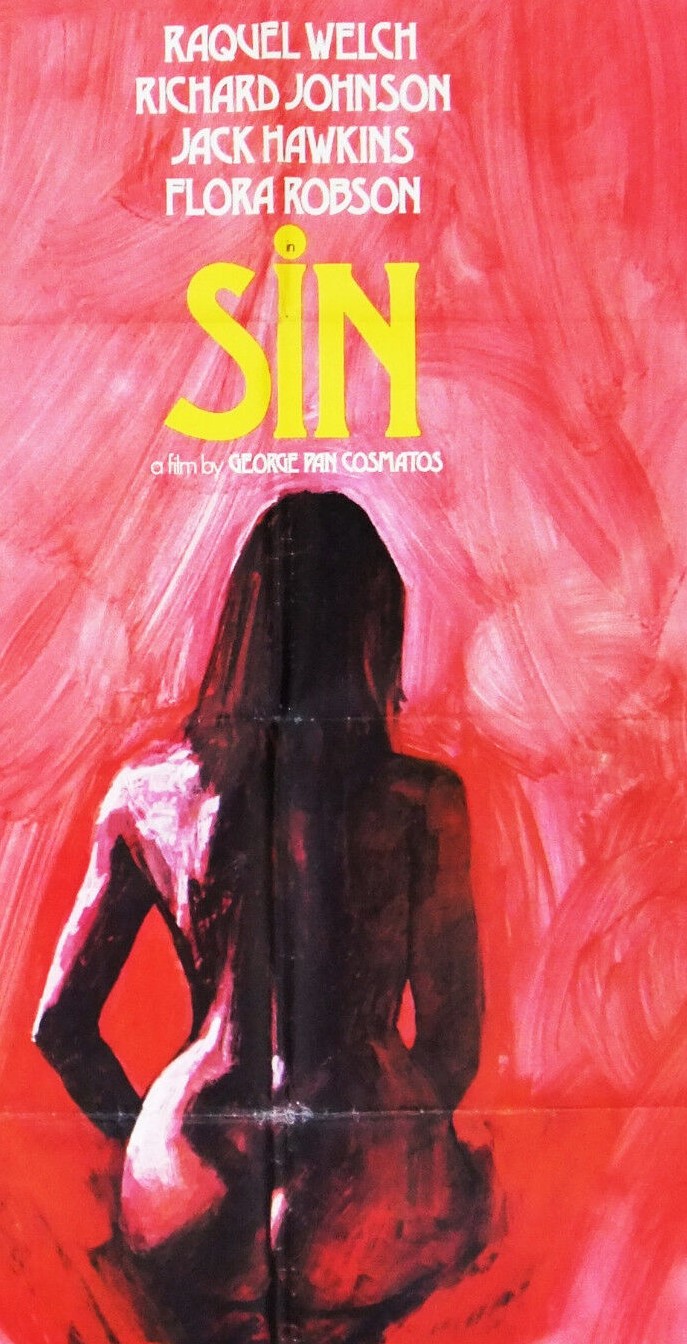
Already the Queen of the Western after Bandolero! (1968) and 100 Rifles, she was set to solidify that position with the $1.4 million Hannie Caulder (1971) and the $2 million Nitro[v](not made either). Still, she moved into more serious acting with The Beloved (1971) aka Disgrace aka Tilda aka Restless aka Sin (“Let Raquel Show You The Way Of Sin”), a $650,000-budgeted romantic drama filmed in Cyprus by newcomer George Pan Cosmatos and opposite heavyweight actors like Flora Robson and Jack Hawkins, La Welch taking minimum salary in return for 32.5% of the profits.[vi]
Part Two…
Not only was she aiming to knock ‘em dead with Myra Breckenridge and this but she was lined up to play one of Cellini’s mistresses in the Terence Young biopic.[vii] And if she fancied playing up to her sex queen image the role of Tiffany Case in Diamonds Are Forever was hers for the asking.[viii] When an enterprising New York cinema reprised A House Is Not a Home (1965), the posters presented her as the star even though she had only as bit part and still the crowds kept coming.[ix] And when Hammer came to cast The Creatures the World Forgot (1971) it used Welch’s fur bikini image from One Million Years B.C. to launch a talent hunt to become the “screen’s hottest sex symbol.”[x]
And she proved way ahead of her time in setting up, two years before the format would even become a reality, a video cassette business, that would establish her up as a major “influencer” long before the term was even coined by presenting a series of 20-minute programs giving tips about cosmetics and hairdressing. [xi] She had a music publishing business.[xii] And even though her one-hour television special Raquel, reputedly costing $1 million, incited Variety’s critic to complain “can’t sing, can’t dance” it was a phantasmagoria of a production aired by CBS and bought by the BBC for prime time showing.[xiii]
Part Three…
But a fall from grace was imminent. Warner Bros had signed her up as the star of Kansas City Bomber (1972) but when they fell out she took the project to MGM.[xiv] It was her last starring role. When Brian De Palma was in the director’s chair she was announced as top-lining Fuzz (1972)[xv] but when the cop picture appeared she was way down the credits with the derisory “and” prefix. But there should have been a comeback. George Pan Cosmatos had signed her up to star in A Pope Called Joan, “a bawdy and irreverent comedy” possibly in the vein of The Decameron (1971) written by film journalist Robin Bean and certainly not in the serious mode of rival production Pope Joan (1972) starring Liv Ullman.
Part Four…
“As far as I know,” averred producer Patrick Curtis, “these are two different pictures. The other is in a serious vein, ours is a satire with contemporary parallels.”[xvi] But it never appeared. The attachment of Raquel Welch to a project did not guarantee it would get made.
Part Five.
Although there were later flourishes in supporting roles – The Three Musketeers (1974) for example – and the legal minefield of Cannery Row (1982) she became better known as the epitome of how fleeting true movie stardom can be, though few would forget her in a handful of roles such as One Million Years B.C. (1966), Fantastic Voyage (1966), Fathom (1967) and her first two westerns. At least she ended up in the Texas Wax Museum alongside Hollywood stars like Ginger Rogers and Joan Crawford.[xvii]
[i] “All-American Favorites of 1968,” Box Office, April 7, 1969, p19.
[ii] “Reuters Poll,” Variety, February 12, 1969, p2.
[iii] “Columbia Set in Turkey,” Variety, June 4, 1969, p34.
[iv] “Curtwel’s Laurie Lee with Raquel Welch Set,” Variety, June 4, 1969, p4; “Hollywood Report,” Box Office, June 16, 1969, p14.
[v] “Curtwel And Tigon Films Join Oater Trend,” Variety, November 18, 1970, p36; “Hollywood Report,” Box Office, February 15, 1971, p10
[vi] “Raquel in Tilda,” Variety, April 23, 1969, p19. “Hollywood Report,” Box Office, June 16, 1969, p14; “Raquel Welch, Johnson To Co-Star in Disgrace,” Variety, August 5, 1970, p24; “Cosmatos, Aide on Exodus, Gets His Own 650G Beloved Finished,” Variety, December 16, 1970, p18. It was based on the novel by Elizabeth Kata who had written A Patch of Blue.
[vii] “Young To Rein Sun Next April and Preps Cellini Biopic,” Variety, November 19, 1969, p5.
[viii] “Raquel Welch Pends,” Variety, February 10, 1971, p6; “Jill and Jo Ann Top Femmes In Connery’s Next Bond,” Variety, March 17, 1971, p34.
[ix] “Carnal on 80-Site Showcase,” Variety, December 22, 1971, p5.
[x] “Columbia and Carreras in Global Talent Search,” Box Office, Nay 11, 1970, p9.
[xii] “Raquel Welch Is Also A Music Publisher,” Variety, July 8, 1970, p51.
[xiii] “Betting $1-Mil on Raquel Mex Spec,” Variety, February 11, 1970, p31; Review, Raquel, Variety, April 26, 1970; “BBC TV Buys Raquel,” Variety, June 3, 1970, p39.
[xiv] “Corporate Minds,” Variety, May 26, 1971, p6; “Hollywood Report,” Box Office, June 14, 1971, p10; “Raquel Off WB Derby; May Skate for MGM,” Variety, December 22, 1971, p3;
[xv] “Team Raquel, Brynner for Farren-UA’s Fuzz,” Variety, August 11, 1971, p5.
[xvi]“Pact Raquel for Pope Called Joan,” Variety, March 31, 1971, p28.
[xvii] “Likeness of Raquel Welch Now in Texas Wax Museum,” Box Office, September 25, 1972, p7.
The idea that Hollywood ever knew what it was doing can be seen not just in the follies of the 1960s when, let’s be clear, by the end of that decade everything was falling apart. The 1970s were meant to be different. Younger bucks were in chargr of studios, the Brat Pack was in control and movies could be both critically-acclaimed and become box office blockbusters. Witness The Godfather (1972), The Sting (1973), Jaws (1975) and Star Wars (1977). But, it turns out, chief executives, directors and stars could as easily commit to pictures that never saw the light of day – and from some of the industry’s biggest studios.
At one point, United Artists was as infallible as you could get. Box office gold oozed from its James Bond. The Magnificent Seven, Pink Panther and Rocky franchises, Woody Allen wooed away from the arthouse. And it had a highter batting average than most when it came to the Oscars – taking Best Picture for West Side Story (1961), Tom Jones (1963), In the Heat of the Night (1967), Midnight Cowboy (1969), One Flew over the Cuckoo’s Nest (1975), Rocky (1976) and Annie Hall (1977). So you’d think the studio had a lock on what would work and what wouldn’t. Not everything might be touched with genius, but you’d think it would have fair chance of getting made.
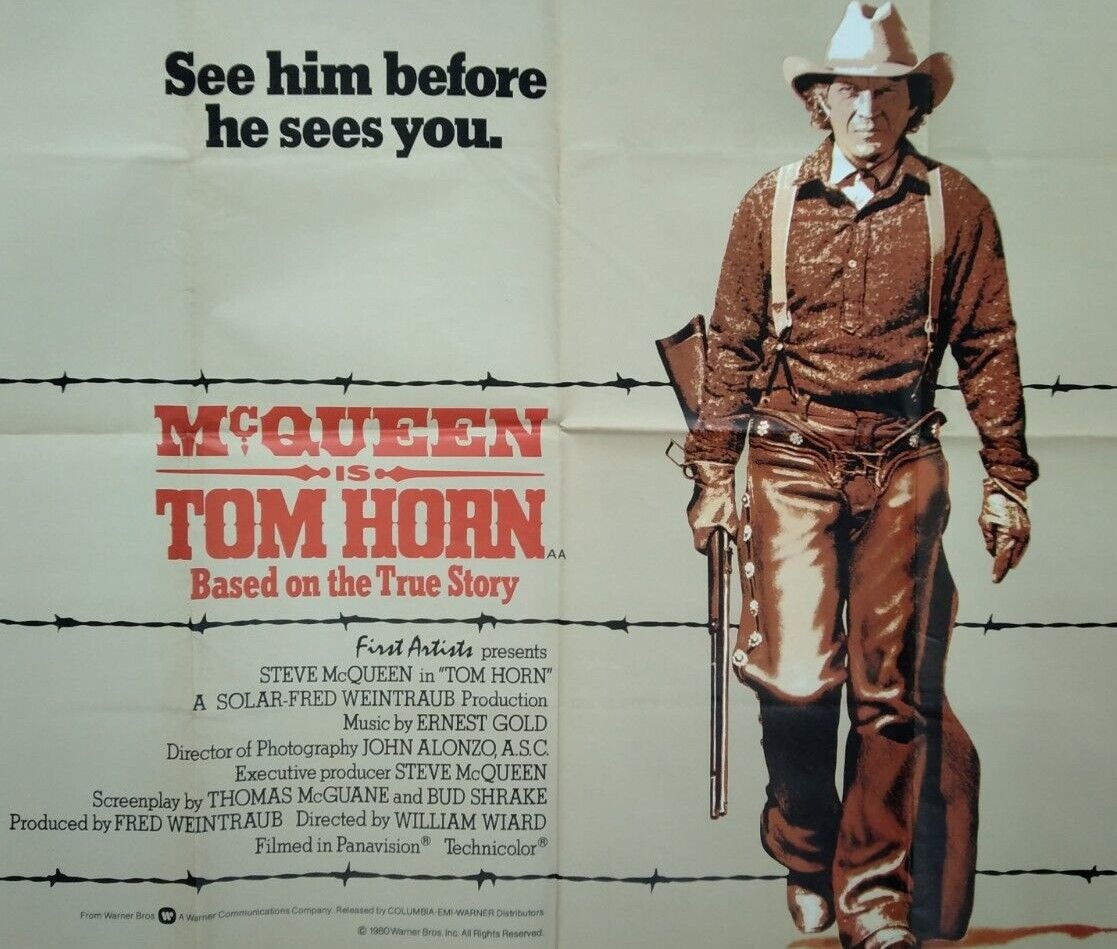
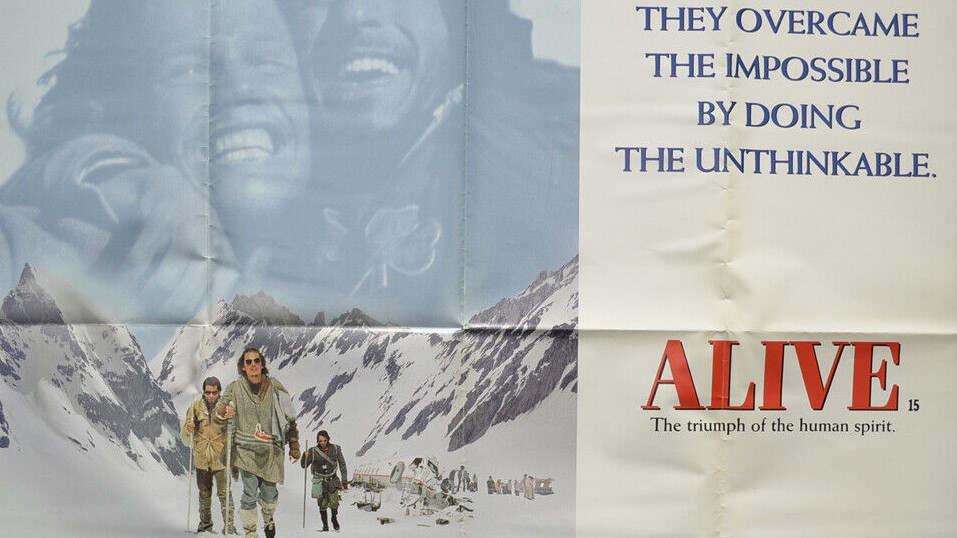
Well, yes and no. Some projects did end up being greenlit but at another studio and with a different director or star. Others just bit the dust. John Schlesinger had his eye on Alive (the story told recently in Society of the Snow), but that took nearly another two decades to appear, and across town at Paramount and with director Frank Marshall. Schlesinger didn’t have much luck – Coming Home had his name on it in 1975 but three years later it was Hal Ashby in the director’s chair. Screenwriter William Goldman of Butch Cassidy and the Sundance Kid (1969) fame had snagged producer Elliott Kastner to railroad Mister Horn but, sabotaged by a rival production Tom Horn starring Steve McQueen, it ended up on television.
Liza Minnelli was tagged to star in Ring Them Bells. No dice. Paul Newman was announced as star of The R Document, based on the bestseller by Irving Wallace. Dead end. Jack Clayton had Massacre at Fall Creek on his slate. No go.
Westerns had trouble getting off the ground at Columbia. Bury My Heart at Wounded Knee, based on the seminal book, to star Marlon Brando, a known champion of Native Americans, was dropped due to a “failure to agree on costs.” Fear of Flying, based on the sensational bestsller by Erica Jong, was canned after a spat between the author and producer Julia Philips.
How about family dream team of Henry, Jane and Peter Fonda? American Revolution was the title of this project. Father and duaghter eventually got it together in On Golden Pond (1981) but this stiffed at the start. Robert Mitchum and Raquel Welch? Now that’s what you call a potent combination. But The Bind stalled on the starting grid. James Bridges had a reimagining of Houdini and Sidney Lumet a picture called Devil Drives but neither went anywhere. Nicolas Roeg was in the driving seat for Out of Africa with Ryan O’Neal down as star but when it appeared a couple of years later, to box office and Oscar applause, neither was involved. Brian G. Hutton was working on Ghost Boat about a submarine that disappeared in 1943 and reappeared in 1975. Sound familiar? An aircraft carrier went missing in 1941 in The Final Countdown (1980).
But the King of the Never Was reigned at Cannon. Tobe Hooper was a perennial loser. He was associated with Spiderman, Pinnochio The Robot and King Solomon’s Mines, the latter made but minus him. Michael Winner was down for Captain America and Delta Force 2 but these were made without him. Charles Bronson was the denoted star of The Golem and a remake of Rider on the Rain (1970) but even his marquee pull couldn’t get these off the ground. John Travolta was teamed with Rebecca de Mornay for Crack and with Whoopi Goldberg for Public Enemies to no avail. Other proposed star turns were Al Pacino in The Investigation and Walter Matthau and Whoopi Goldberg in another remake, Born Yesterday (1950). Faye Dunaway was replaced by Julie Andrews in Duet for One (1986).
And sequels were no longer nailed-on for release. Whatever happened to Freebie and the Bean 2, Cobra 2 and Superman 5?
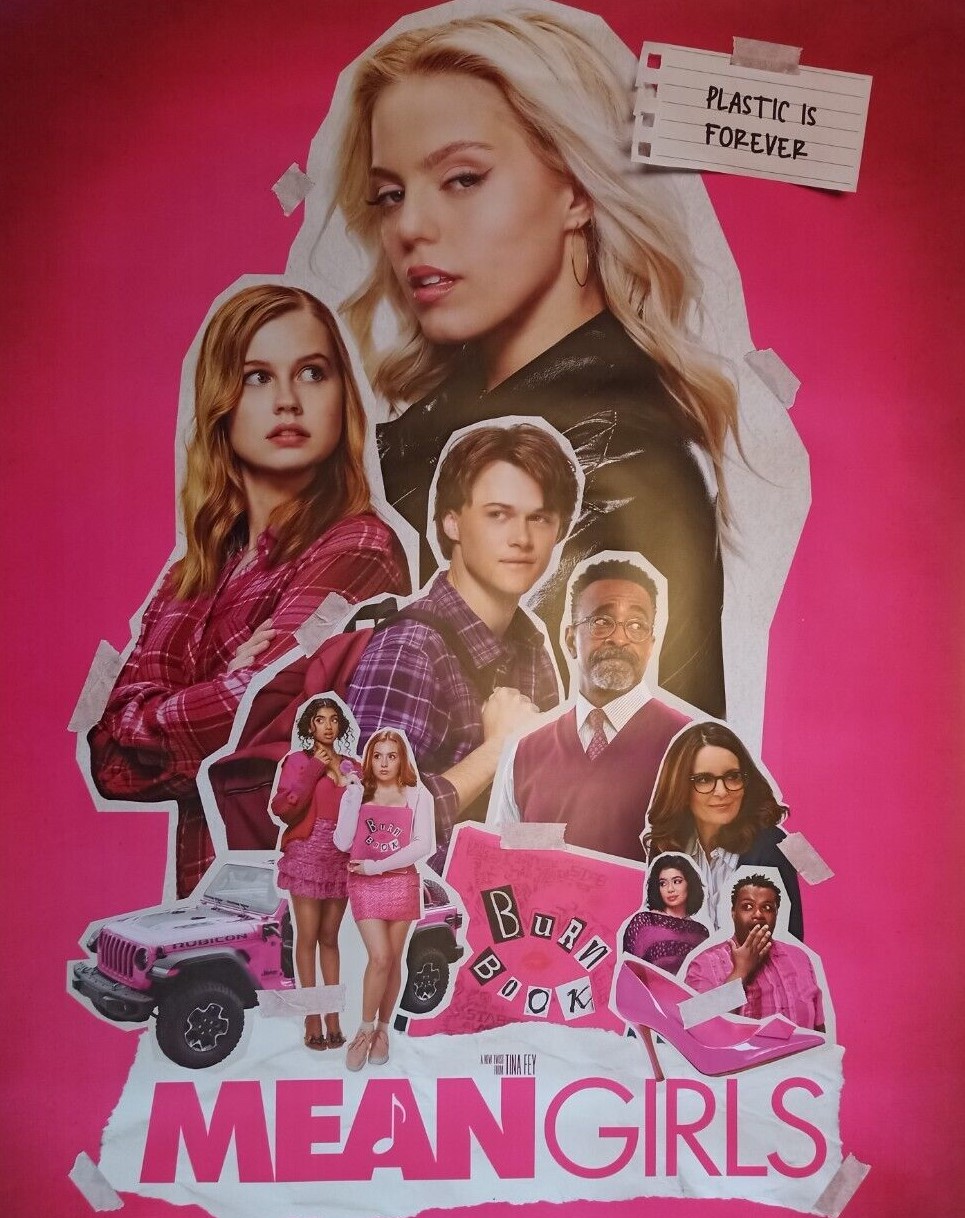
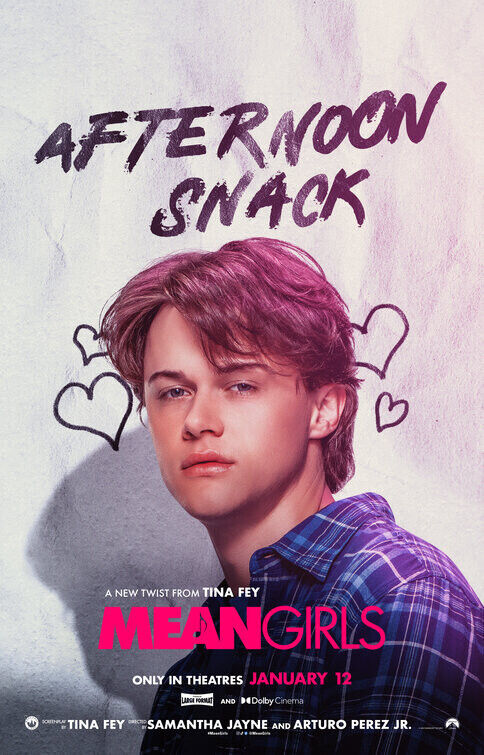
Hollywood has clearly grown leery of the musical after the disastrous public reaction to Steven Spielberg’s much-touted remake of West Side Story (2021). Or of just marketing them. I turned up to see Wonka (2023) not realizing it was pretty much a full-blown musical, because the trailer made little reference to that fact. And the same holds true of Mean Girls. So it’s hardly surprising both received mixed reviews from audiences expecting more straightforward narratives.
Of course, the problem is that musicals in the past came with a substantial in-built audience. No movie was ever made until a musical had ended its Broadway run of four/seven/ten years and hit London’s West End and toured the world and sold millions of copies of the original cast recording so that when the movie finally appeared there was at least the prospect of a decent opening from fans of the stage show. They might gripe at what Hollywood did to their beloved show, but at least they came, and they came back, giving the movie the legendary “legs” if they thought the transformation was good.
I enjoyed Wonka primarily because of the narrative invention and Timothy Chamelet’s terrific performance but the singing and dancing left me cold, the only tune that struck any kind of chord was a leftover from Willie Wonka and the Chocolate Factory (1971). I didn’t come to Mean Girls with trepidation. I had no idea the original had turned into a beloved cult classic and therefore didn’t arrive armed with objections to the various changes.
I only came because there was nothing else. So I double-billed it with a second stab at The Beekeeper (2024) and emerged from the experience wondering why no social media guru had though fit to tag these pictures a la Barbieheimer – Meankeeper has a nice ring to it (can’t be Bee Girls because there already is Invasion of the Bee Girls) – because they made a zingy combination.
What struck me most about Mean Girls was the paradox between outward confidence and inner insecurity. The songs acted as soliloquies or confessions or inner turmoil and occasionally they were employed to help tell the story. As a musical, I thought it was flush with inventiveness, fresh, and contained a number of killer songs. I wasn’t acquainted with any of the cast but most appeared capable of carrying a tune.
But it was the dance numbers that really caught my attention. This was Hollywood throwback. Dancing ensembles appeared out of nowhere, doing incredibly daft routines, using whatever props came to hand, and it proved an insanely infectious success. The characters, of course, are cliches, alpha females and those caught in their thrall or rebelling against their power. It’s hardly original to note that the worst thing that can happen to an alpha female is to get a pimple or put on weight.
In another picture that would have been its downfall. Instead, the actors went overboard with the cliché, tore the face off it, and except for scrambling around at the end trying to find some moralizing conclusion that would satisfy wokeness, the approach worked a treat.
Shorn of the earworm numbers of a hugely successful musical, given I had no idea there would be any singing involved, equally I wasn’t waiting to see what they did with a favorite number, and, unlike Wonka, every time they set the tale to one side and embarked, generally all-out, on a tune, I sat back and lapped it up.
And unlike your standard musical, it was filled with neat twists and ripostes, the screenplay slammed full of zingers, and intelligent ones at that, for example, when the carefully-planned revenge plot backfires and social media goes wild to copy Regina’s (Renee Rapp) mascara-streaked face as the latest must-have look, or when the incapacitated Regina admits to liking her enemy Katie (Angourie Rice) only to admit that’s only probably on account of the medication. The “gossip is bad” notion, on the other hand, feels tacked-on although the close-your-eyes-and-raise-your-hand sequence that nails it is actually well done.
I’m not sure what was changed from the stage show and whether I should be irate or grateful for that, because I really don’t care.
On a footnote, this predilection for every aspiring star to have a crazy name is wearing thin. You can’t possibly remember all the odd combinations or inventions. Presumably, these are intended to attract attention, but when you get so many thrown at you all at once, the mind just freezes into disinterest.
The wife-and-husband team of Samatha Jayne and Arturo Perez Jr, in their debut feature, made a sparkling start to a big-screen career. Tina Fey wrote the sharp screenplay as she did the original 2004 movie, but I don’t know if she wrote the lyrics of Jeff Richmond’s excellent songs.
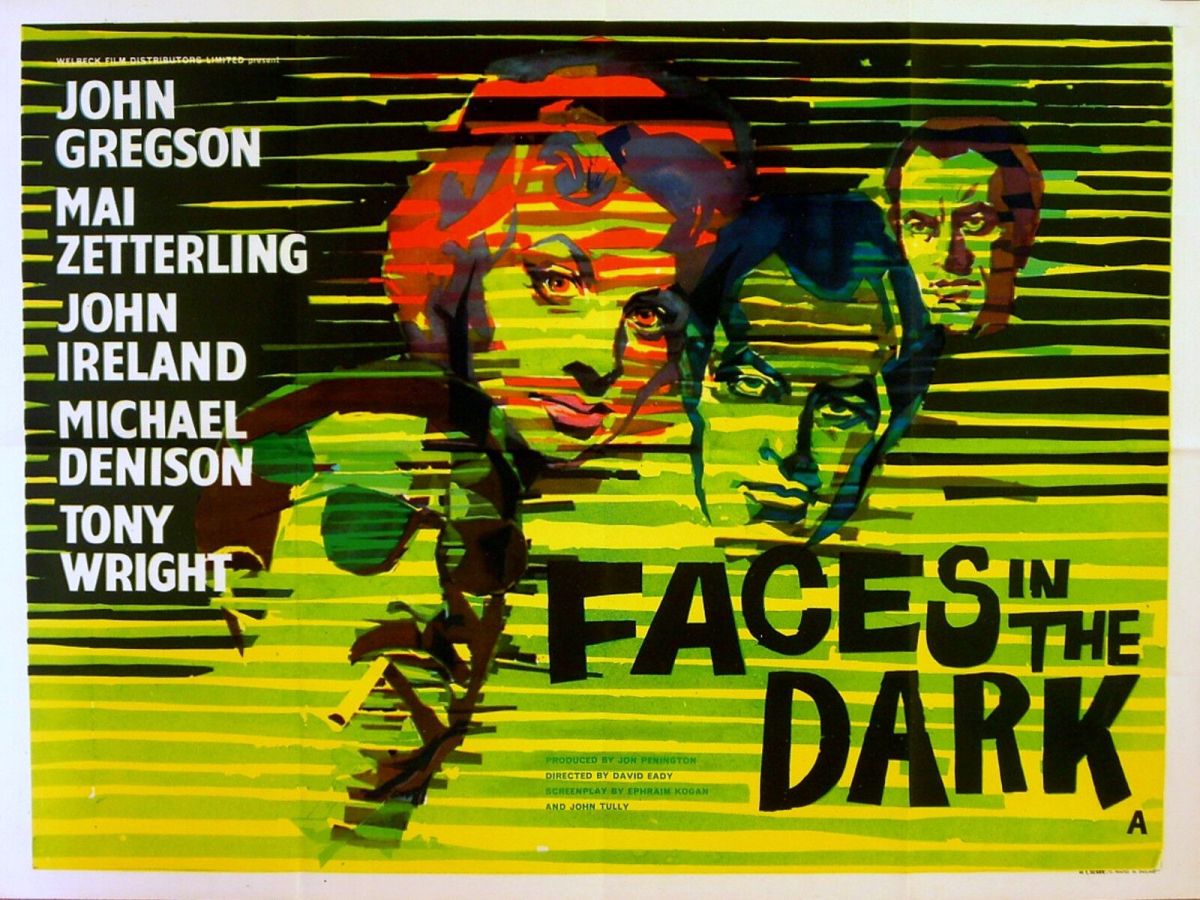
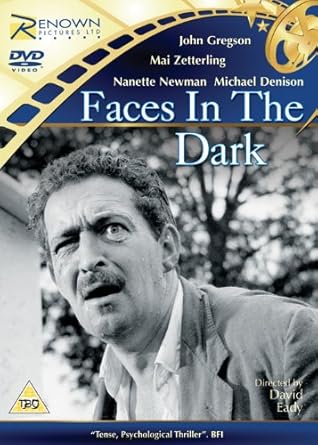
Had his been tagged “From the Makers of Vertigo”, it might have immediately attracted a greater immediate audience and been treated these days with more critical reverence. But Vertigo wasn’t the cult film it is now, so the names of the authors of the source book, Pierre Boileau and Thomas Narcejac, would have no promotional value.
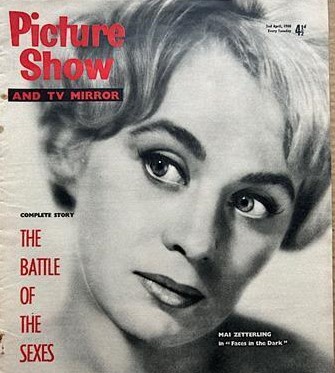
Throw in a stunning score by Mikis Theodarakis (Zorba the Greek, 1964) and a top-line cast including Swedish bombshell Mai Zetterling (Only Two Can Play, 1962), cult character actor John Ireland (The Ceremony, 1963) and an early role for Nanette Newman (The Wrong Box, 1966) plus a gender switch on the traditional gaslighting plot and you have makings of a classy little number.
When an experiment goes wrong, ambitious arrogant businessman Richard Hammond (John Gregson) is blinded. To help him recuperate wife Christiane (Mai Zetterling) flies him off to their luxurious Cornwall retreat where, to ensure is mind isn’t overloaded with business concerns, she switches off the phone. Along for the ride are his sponging brother Max (John Ireland), business partner David (Michael Denison), housemaid Janet (Nanette Newman) and chauffeur Clem (Tony Wright).
When things are not what they seem – the cat has suddenly lost its tail, a peach plant has disappeared from the garden, he smells pine, hears church bells – he believes he is going insane. Doesn’t take long before he realizes this is not a haven, but a trap. Sounds providing the greatest clues, he hears a giveaway clicking, indicating the presence of David, in his wife’s bedroom when the partner is meant to be a hundred miles away.
His brother has also disappeared, believed dead, and when his wife gives the help the night off and he is left in the house with the lovers is convinced they are trying to poison him and refuses to eat any food. Given sounds are so important, there’s one brilliant scene, where, having escaped, he discovers none of the locals can understand what he’s saying, and not because he’s gabbling either. But that’s such a clever plot point, I wouldn’t be a spoiler.
So you’ve got tension fairly climbing the walls .
The only downside is that Richard is such an unlikeable character – not a poor soul like Audrey Hepburn in Wait until Dark (1967) – that it’s hard to summon up the sympathy an audience requires for such a story to properly work. Theoretically, he’s just a driven man, whose genius is being blocked by the cynical bankers, but from the outset he’s full of bluster and nasty put-downs, and has everyone in the factory he owns on edge.
Anger at his condition and fear that insanity or failure lies ahead puts him in a constant rage and, heavily sweating for no particular medical reason, he’s not the most charismatic of screen characters. Even though his reaction would fit with a successful businessman failing to come to terms with the calamity, those elements, which might have evoked greater sympathy, are somewhat adrift when they get tangled up with the plot.
Director David Eady (The Verdict, 1964) does his best to compensate. The music, as mentioned, helps, throbbing piano rather than screaming violins. And there a couple of neat visuals, the swirling smoke of the credit sequence reappearing to devastating effect in one sequence. But, mostly, he lines up reasons for Richard to begin to question his sanity and believe he is being duped – he can’t read documents he must sign and as the only part of his handwriting that stands up is his signature suspects his impoverished brother will write a larger sum on a cheque he signs.
And since most of this unfolds through the mind of Richard, the director plays fair with the audience. There are no nods and winks about the nature of the relationship between wife and partner. Even though she confides in David that she’s planning to leave Richard, there’s no indication that it’s for the partner.
So this is more like a detective story and, as with Vertigo, featuring an obsessive character driven mad by obsession, both led on by the devious, and having to piece together a strange amalgam of clues.
John Gregson (The Frightened City, 1961), normally essaying more stoical characters, overacts, but the others do the opposite. Mai Zetterling is convincing and former British matinee idol Michael Denison plays against type (he wouldn’t make another movie for 30 years). Nanette Newman shows promise while John Ireland reins in the surliness. Ephraim Kogan (in his sole movie credit) and John Tully (who didn’t get another movie credit for the decade) wrote the screenplay.
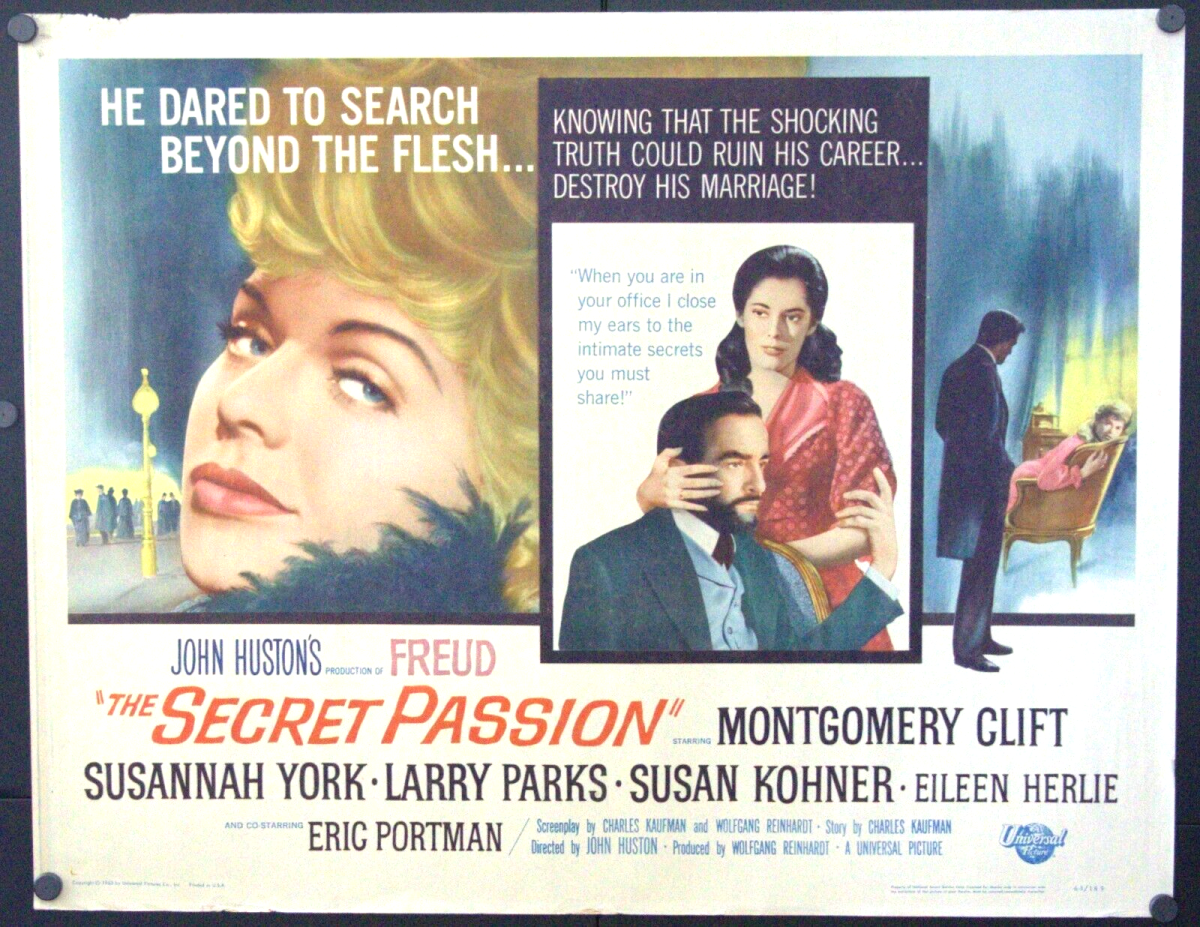
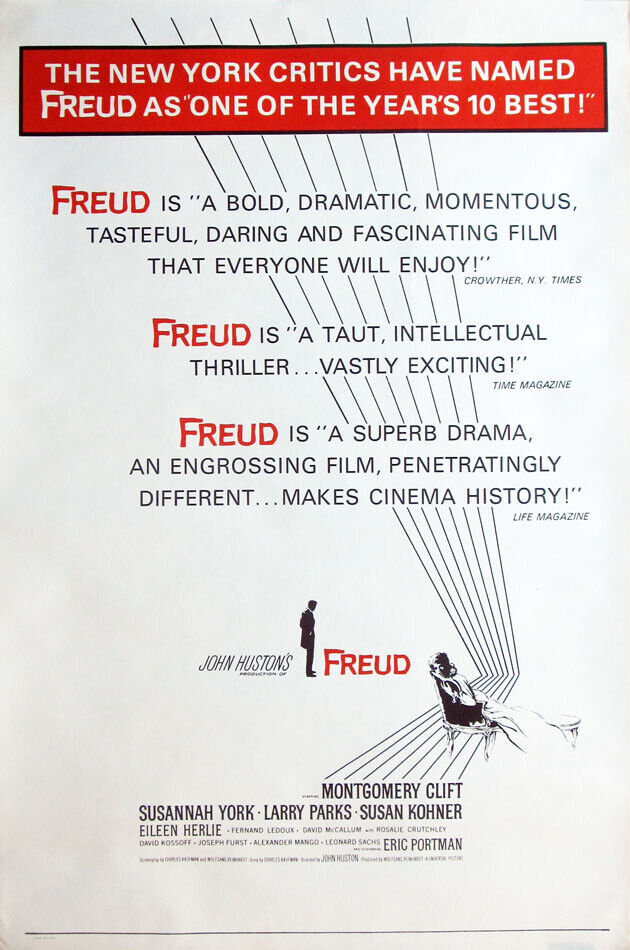
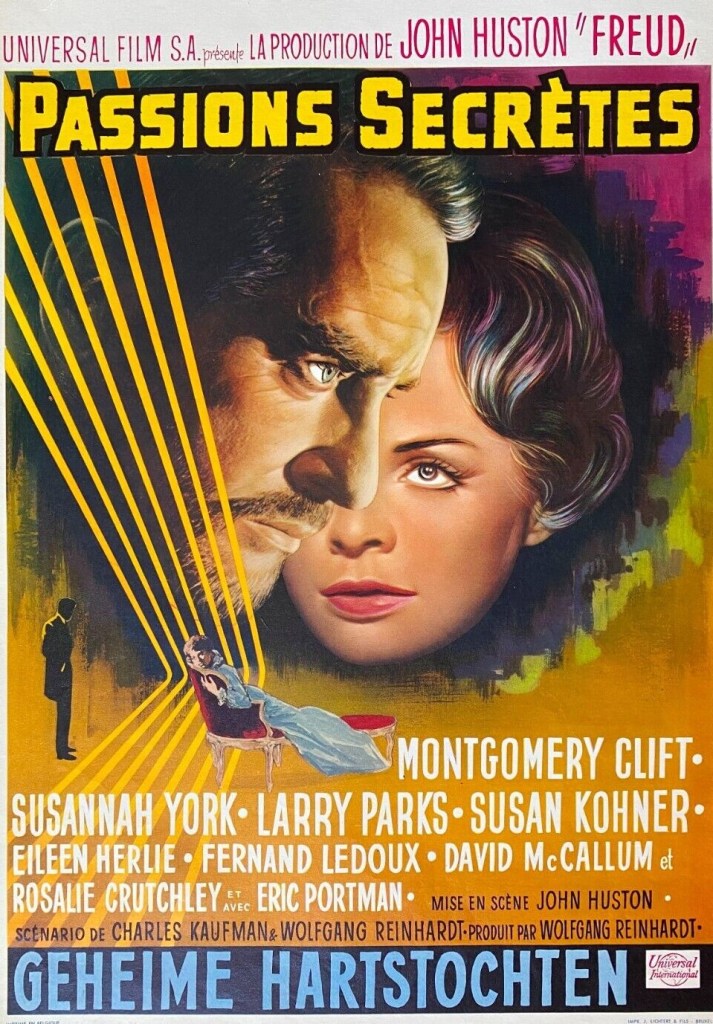
The Oppenheimer of its day. Instead of splitting the atom, seizing on inexplicable division within the brain. Rather than untapping raw energy concealed inside a previous passive element, delving into the raging unknown of the human psyche. While lacking Christopher Nolan’s cinematic bravura and his post-discovery crucifixion of the main character, nonetheless an intense, under-rated piece. Without doubt one of the few genuine examples of ideal casting – tortured actor playing tortured character.
In the main it’s a tale of three case studies: Oedipal complex exhibited by suicidal Carl (David McCallum), the paternal fixation of Cecily (Susannah York), and Freud’s own sexuality, his strong feelings for his mother. Along the way there’s a potted history of psychiatry. Freud eventually discards the traditional route of hypnotism for getting to grips with a character’s malfunctioning brain and invents the new technique of simply talking to the person. Bit by bit like a forensic analyst going deeper and deeper into character-forming events in early childhood that trigger shame, revulsion and guilt in emotional maturity.
In the case of Cecily, her inability to face the consequences of early circumstances – she was abused by a father she had convinced herself she adored – forces her either to reinvent key moments of her life (believing her father died in a hospital rather than a brothel) or to become afflicted by blindness, phantom pregnancy and paralysis.
It doesn’t shy away from the intimacy of the psychiatrist-patient relationship that can lead to a vulnerable client falling in love with her doctor or, conversely, the physician taking advantage. Freud often felt bound up with his patients’ dilemma, some potent imagery shows him physically unable to free himself from a client.
It unwinds like a detective story, almost a film noir where the investigator goes down the wrong path and finds clues buried within himself, becoming aware of how complicit the mind can become in concealing from the conscious part of the brain what the unconscious cannot deal with.
Theoretically, with mental health issues more to the fore these days, we are all familiar with the causes of emotional disturbance but, in fact, far from this being old hat, in the same way as Oppenheimer shed new light on a significant event with which we are all familiar, I found it quite fresh, especially as, in his intensity, Freud could have been blood brother to the renowned physicist.
As you might expect, Montgomery Clift (The Misfits, 1961) is quite superb. You might think there’s not much acting involved here, Clift just being himself. But compare this performance with The Misfits or the later The Defector (1964) and you can see both similarities and considerable differences. No actor was more adept at revealing soul through the eyes.
The less experienced Susannah York (They Shoot Horses, Don’t They, 1969) and David McCallum (Sol Madrid / The Heroin Gang, 1968) overplay their hand, depending too often on physical expression to show torment. Larry Parks (The Jolson Story, 1946), in his final movie, is more discreet as the shrink falling dangerously in love with his patient without stopping to examine what forces led her to harbor romantic inclination towards him.
As with Oppenheimer, information dumps are made credibly dramatic, and Freud’s lecture on infant emotion to a shocked audience is a stand-out.
John Huston (The Night of the Iguana, 1964) wisely uses the Viennese backdrop as window dressing rather than the camera over-indulging in scenery, although there is a hint of the Sherlock Holmes in scenes of illicit night life.
French philosopher and playwright Jean-Paul Sartre (The Condemned of Altona, 1962) worked on the screenplay along with Charles Kaufman (Bridge to the Sun, 1961) and Wolfgang Reinhardt (Hitler – The Last Ten Days, 1973).












 The Magnificent 60s