The Devil-Ship Pirates (1964) ***

Despite the title and Hammer’s penchant for the unholy, there is nothing satanical about this picture. Christopher Lee (The Whip and the Body, 1963)  less cadaverous than in his better-known incarnation as Dracula, plays the captain of ship called Diablo, part of the defeated Spanish Armada, who lands in 1588 on British shores and by convincing the locals that the British have been defeated  imposes an occupation.

Writer (and later director) Jimmy Sangster’s clever premise works, the lord of the manor (Ernest Clark) immediately surrendering and befriending the invaders, most of the villagers succumbing, a few more doughty lads (Andrew Keir and son John Cairney to the fore) rebelling. 
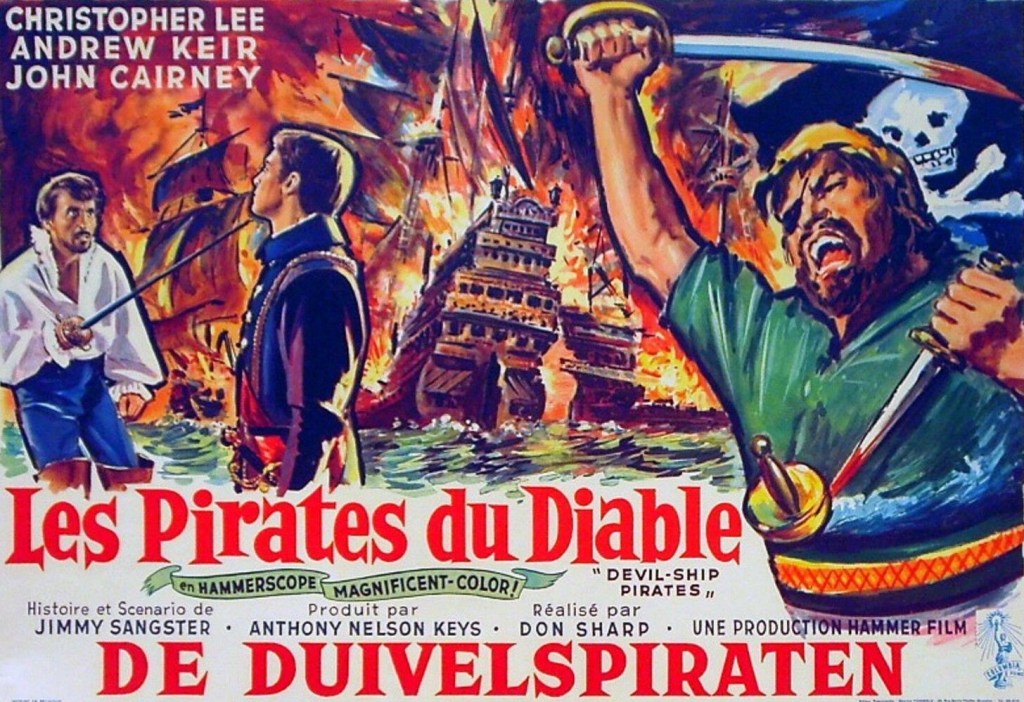
Running alongside its regular horror output, Hammer had a sideline in swashbucklers, the Men of Sherwood Forest (1954), Sword of Sherwood Forest (1960), The Pirates of Blood River (1962) and The Scarlet Blade (1963) – aka The Crimson Blade – preceding this, and all, interestingly, aimed at the general rather than adult market. Australian director Don Sharp, in the first of several teamings with Lee, does extraordinary well with a limited budget. Although the village square was a leftover from The Scarlet Blade, there is a full-size galleon, swamps, fog, floggings, a hanging, fire, chases, a massive explosion, and a number of better-than-average fencing scenes.

In other hands, more time could have been spent exploring the psychology of occupation, but despite that there is enough of a story to keep interest taut. Lee has a high-principled lieutenant who secretly subverts his master’s wishes. Tension is maintained by Lee’s ruthlessness, the efforts of captured women to escape, and attempts to seek outside help. While the intended audience meant toning down actual violence, Sharp creates a menacing atmosphere. The final scenes involving sabotage are tremendously well done.

A rare outing for Lee outside of the horror genre, he truly commands the screen, an excellent actor all too often under-rated who holds the picture together. Andrew Keir (The Viking Queen, 1967) and Ernest Clark (Masquerade, 1965) provide sterling support. Suzan Farmer (The Crimson Blade, 1963) plays the requisite damsel in distress.  Director Don Sharp (Bang! Bang! You’re Dead!, 1966) was another horror regular responsible for, among others, Curse of the Fly (1965) and Rasputin: The Mad Monk (1966), the latter reuniting him with Lee.

I should acknowledge a vested interest as John Cairney was a distant relative and I do remember as a child being taken to see his previous outing Jason and the Argonauts (1963) but, strangely enough, this one was given a miss by my parents. I wonder if the title put them off.

CATCH-UP: Christopher Lee was so prolific I have only so far reviewed a fraction of his 1960s output: Beat Girl/Wild for Kicks (1960), Sherlock Holmes and the Deadly Necklace (1962), The Whip and the Body (1963), The Gorgon (1964), She (1965), The Skull (1965), The Brides of Fu Manchu (1966), Five Golden Dragons (1967). The Devil Rides Out (1968),  The Curse of the Crimson Altar/The Crimson Cult (1968) and The Oblong Box (1969).  Quite enough to be getting on with if want an idea of this fine actor’s range and ability.
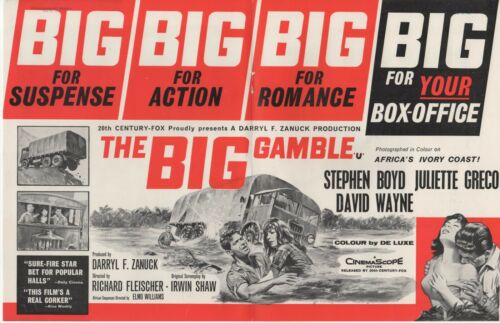
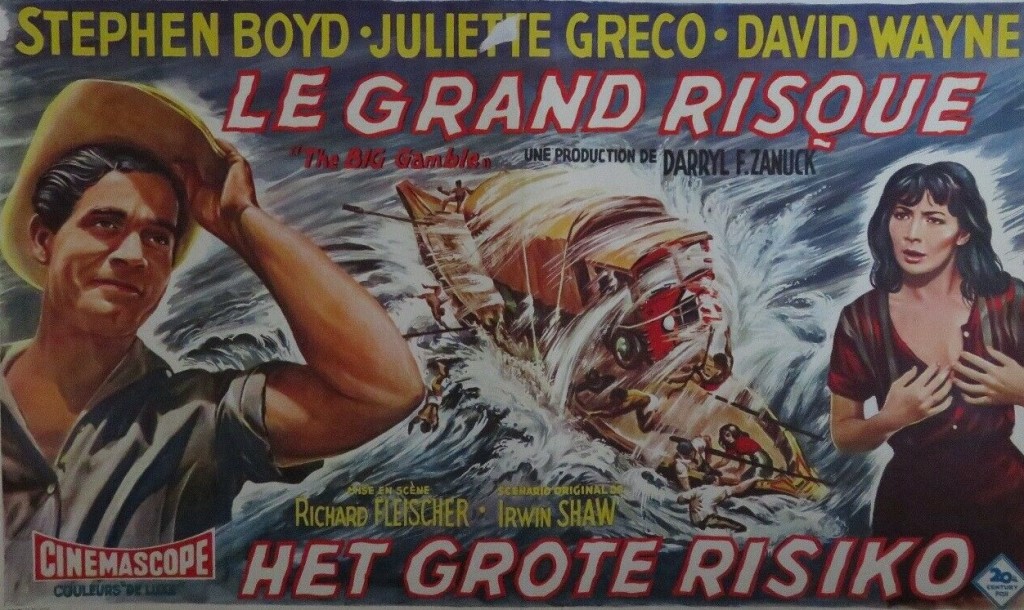
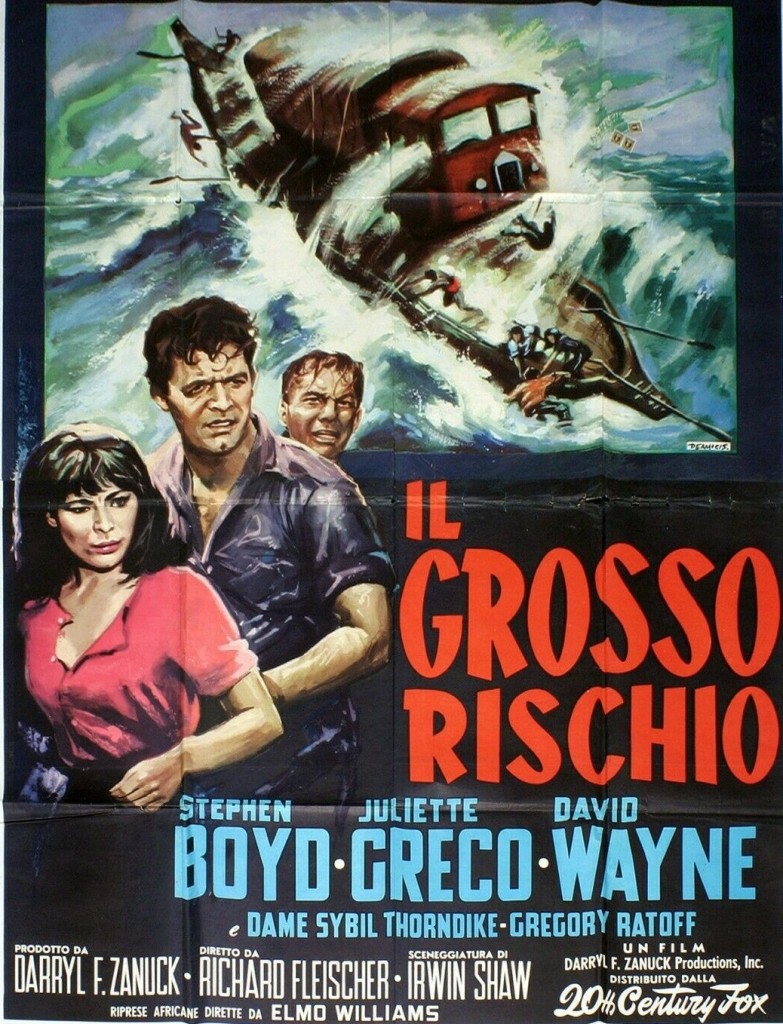
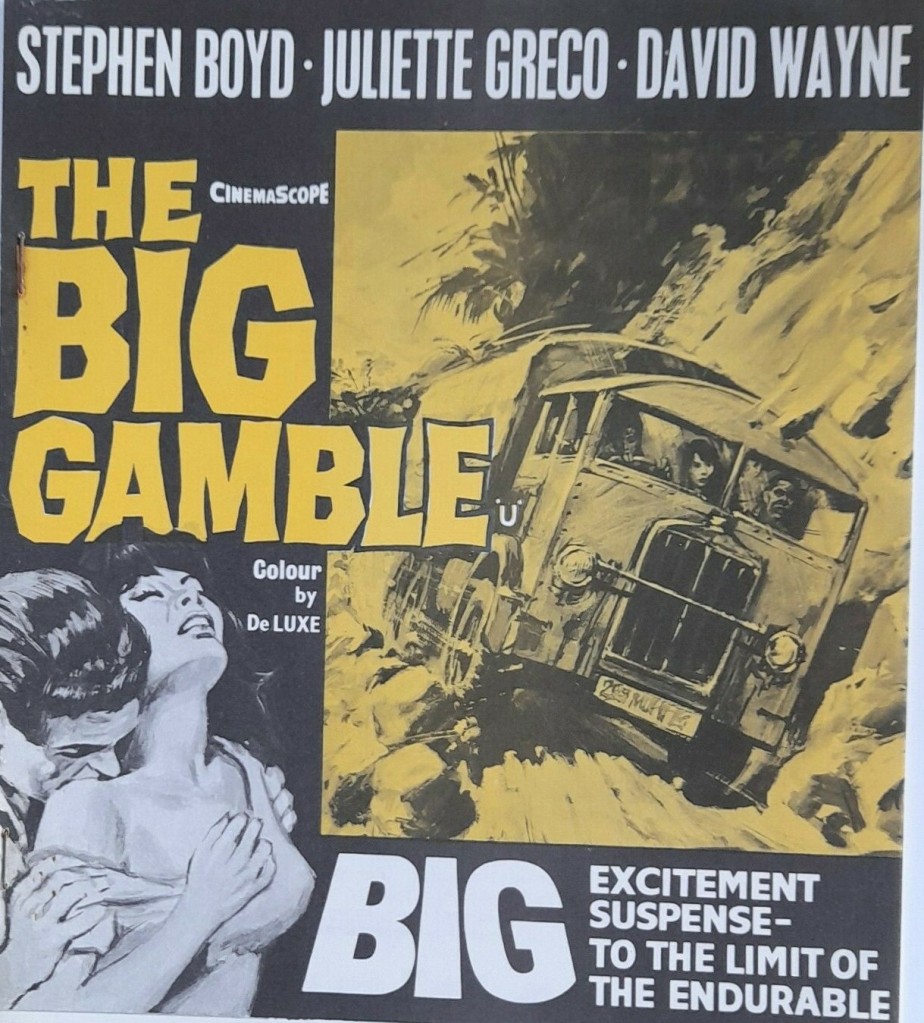
The Big Gamble (1961) ***

If only there had been some serious money put behind this picture it would have been an absolute cracker, custom-made for the likes of Cinerama which didn’t go down the dramatic route until a few years later. It’s a bit “Hell Drivers or Wages of Fear Goes to Africa” but with some really quite stunning sequences.

Whatever French chanteuse Juliette Greco (Crack in the Mirror, 1960) had to offer on stage and in a personal capacity – lovers included Miles Davis and this film’s producer Darryl F. Zanuck – never seemed to translate to the screen in this particular role and the most we get is a kind of tomboyish perkiness. It’s a medium-grade cast, the lead taken by Northern Irishman Stephen Boyd (here playing a Dubliner). David Wayne (The Three Faces of Eve, 1957) is the sad sack brother who joins the other two in a bold plan to set up a haulage business on the Ivory Coast in Africa.

The opening sequence demonstrates the dreary Irish life Boyd is trying to escape with a sparkling cameo from Sybil Thorndike (Shake Hands with the Devil, 1959) as the family matriarch before the African sequences kick in. Apart from scenes shot at Ardmore Studios in Bray, Ireland, the rest is clearly filmed on pretty dangerous locations if the unloading of a lorry onto what looks like little more than a large canoe is anything to go by. After an unpromising start, the intrepid trio (well, two are bold, Wayne is not) set off into the wilderness.

There are two edge-of-the-cliff sequences that would have The Italian Job fans frothing at the mouth, a runaway lorry in the best Cinerama tradition and an astonishing section crossing a swollen river where clearly the actors did their own stunts (and Boyd was in reality saved from drowning by his co-star). In between we have snippets of genuine Africa, especially canoeists braving the surf and an African funeral party. Emotionally, beyond Boyd sticking out his chin as much as possible, the main drama focuses on fraternal rivalry with Wayne trying to pull himself together in the face of a mission he believes doomed to failure.  Their plans are further hit by sabotage by the German Kaltenberg (Gregory Ratoff in his final role).

While some of the posters highlight the river crossing, others focus on the cliff-top sequences.

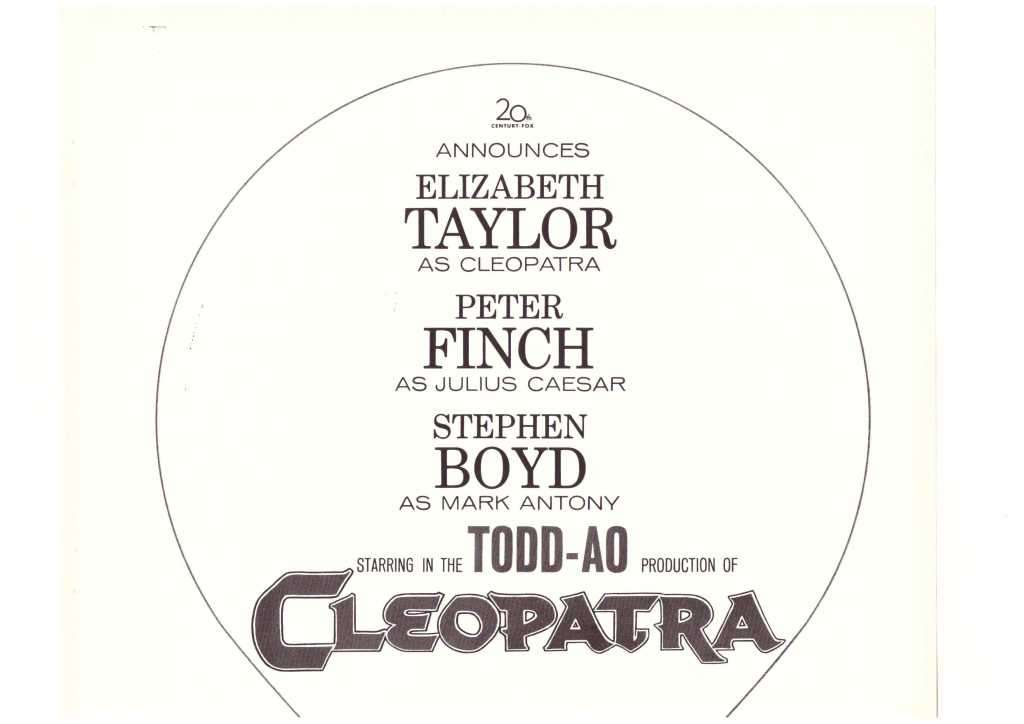
This was Boyd’s bid for stardom. Five years into a seven-year contract with Twentieth Century Fox, he had worked his way up the ranks at that studio to become male lead to top-billed females like Susan Hayward (A Woman Obsessed, 1959) and Hope Lange (The Best of Everything, 1959) before his career received a massive boost after a loan-out deal to MGM for Ben-Hur (1959). He might have been hotter yet had Fox not abandoned its first Rouben Mamoulian-directed version of Cleopatra in which he played Mark Anthony, a role that later brought Richard Burton worldwide fame and a new wife. Boyd would be hot at various times during his short-lived career (he died at 45) while equally never making the transition to major star.

One of the great Hollywood what-ifs – how would Boyd’s career have developed
if he had followed up “Ben-Hur” with “Cleopatra.”

Directed by the underrated Richard Fleischer, best known for 20,000 Leagues under the Sea (1954), Compulsion (1959), Crack in the Mirror (1960) and later The Boston Strangler (1968) and here with some help for the African sequences from Elmo Williams (The Longest Day, 1962) – the nerve-wracking clifftop sequences and river crossing were actually shot in France – it has a decent enough script from novelist Irwin Shaw (The Young Lions).

All-in-all this tight little film more than does justice to its miserable budget with some genuinely exciting sequences.  Filmed in CinemaScope, this is one of the films of the era which does justice to the widescreen. As a wee bonus, if you listen hard to Maurice Jarre’s score you will hear strains of some themes that turned up in Lawrence of Arabia.

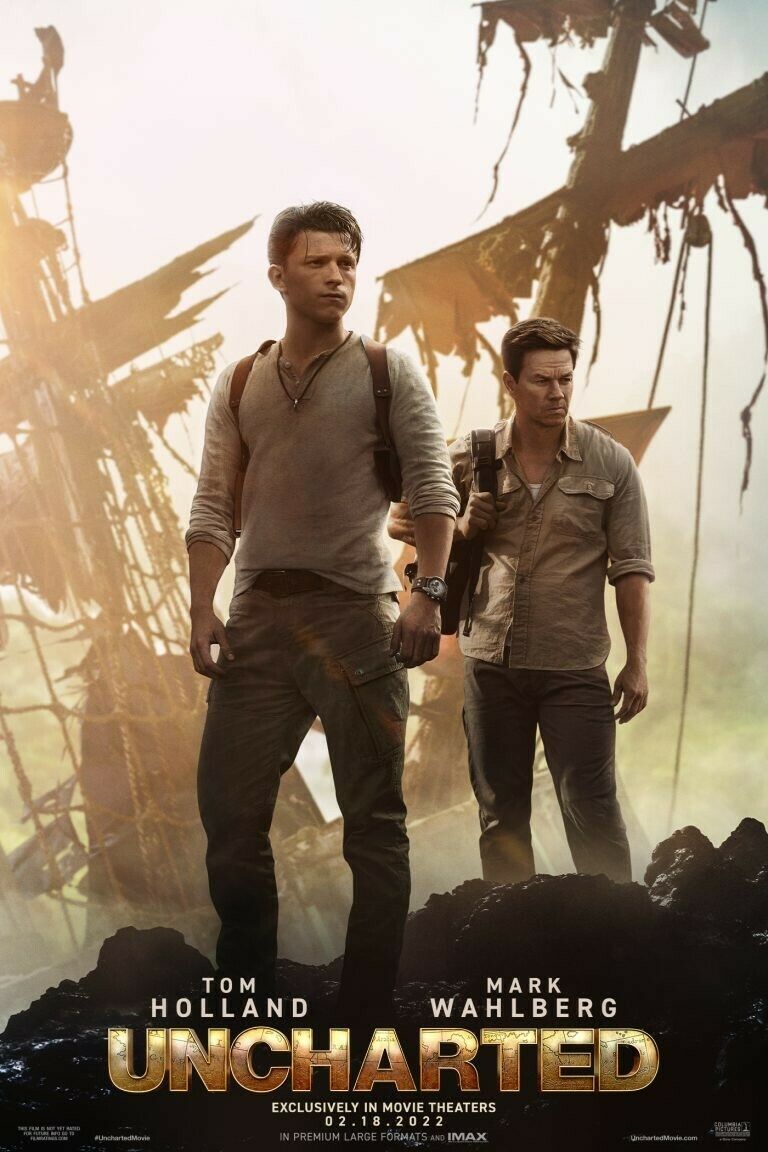
Uncharted (2022) **** – Seen at the Cinema

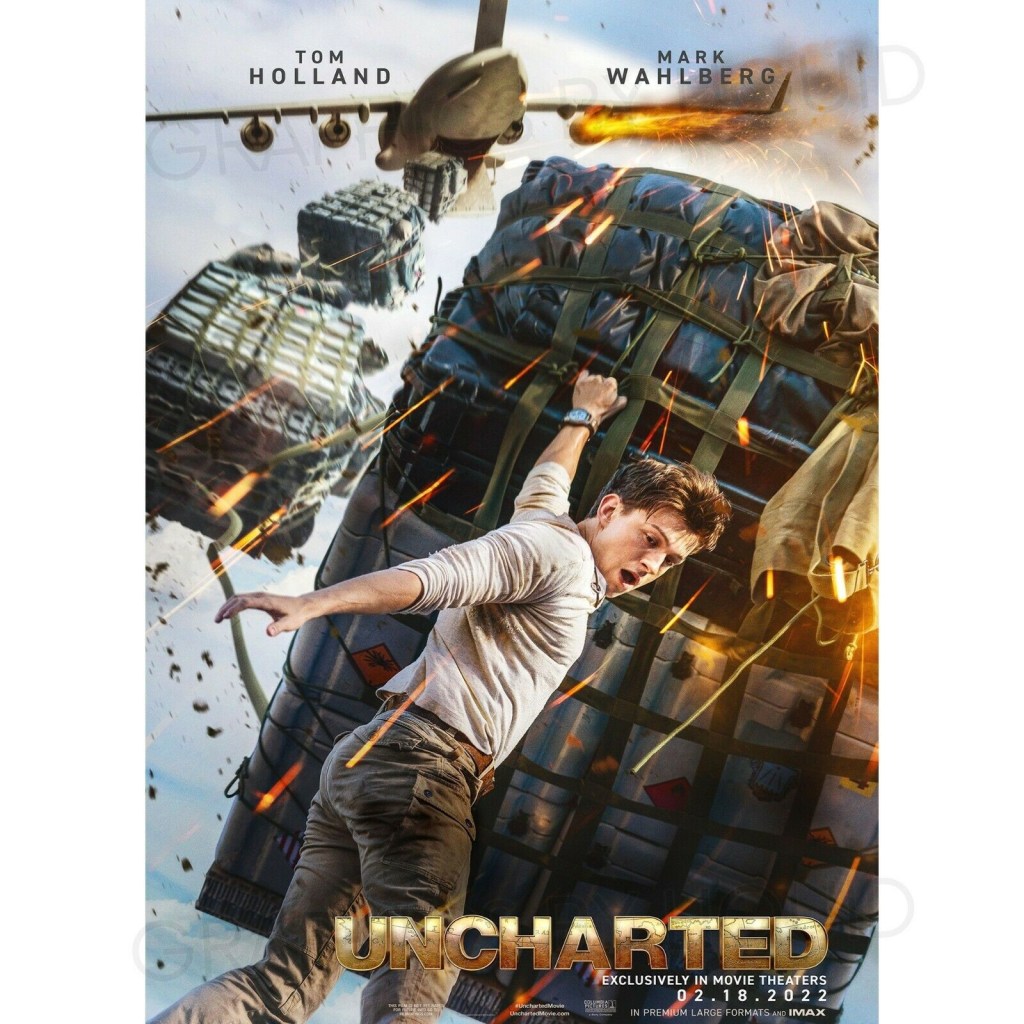
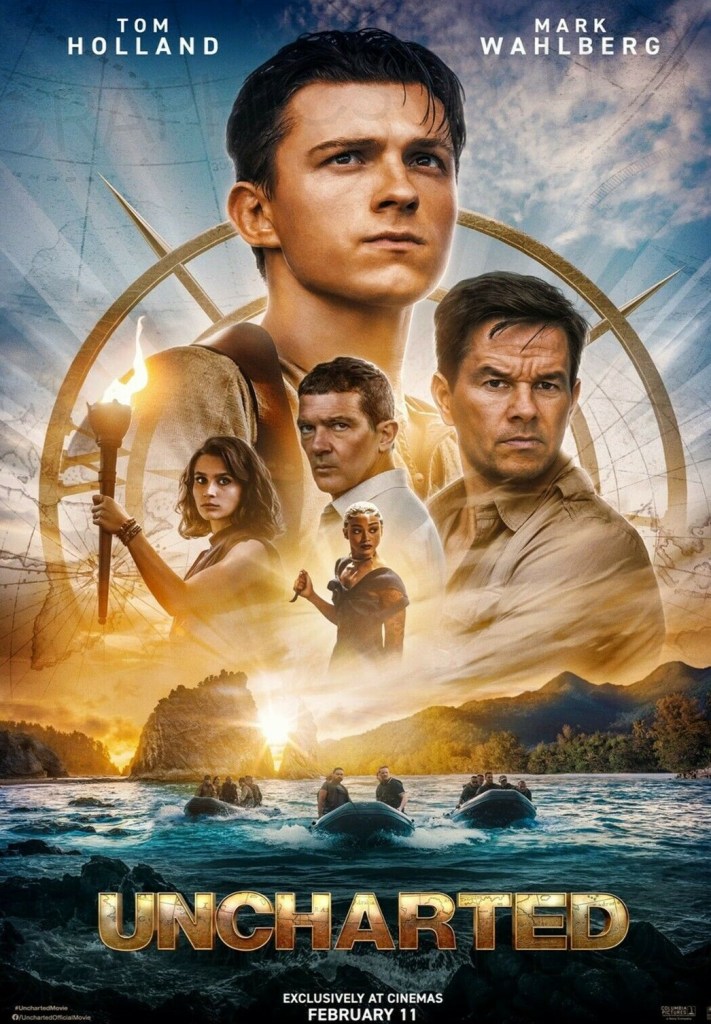
Hugely enjoyable fast-paced romp with clues, ancient maps, sunken treasure, double-cross upon double-cross, action and twists all the way in what could be the next major franchise. Barman Nathan Drake (Tom Holland) teams up somewhat unwillingly with  unscrupulous Victor Sullivan (Mark Wahlberg) and Chloe Frazer (Sophie Ali) to find $5 billion in gold. In their way: the ruthless Santiago Moncado (Antonio Banderas), henchperson Braddock (Tati Gabrielle) and assorted roughnecks.

Confession: I’ve no idea what computer game sparked this movie so come with no preconceptions. History lesson: the gold was lost by Portuguese Ferdinand Magellan, the first guy to sail round the world, while Sir Francis Drake was the first Englishman to do the same.

Two outstanding action sequences top and tail the movie, the first a battle in a cargo plane that is dumping its cargo, the second, just astonishing in its virtuosity, a duel between airborne shipwrecks. In between are a scramble in an art gallery and a roofotop chase. And to keep the audience on its toes all kinds of relics are brought into play as well as hidden tunnels, churches and chambers complete with the usual Indiana Jones-style booby traps, never mind a ton of bullets, and a bunch of clues to be deciphered from maps and walls not to mention postcards and trees. Part of the fun is that the gang don’t get it right all the time with alarming consequences.

It’s all done with such verve and although it’s certainly a close relative to the Indiana Jones series it’s minus their mystical nonsense while the characters certainly are not called upon to do good for their country or save the world from any dictatorships. The guys just want to make money. And what’s wrong with that? It lends the movie a certain solidity. And the fact that none of the characters trusts the others ensures that the status quo never remains quo for long and that swift change is going to be the order of the day.

Tom Holland (Spider-Man: No Way Home, 2021) bulks up and seizes the opportunity to become a major star outside the comic book hero. Too often franchise pictures have produced wallpaper stars, attracting audiences in the tight confines of their multiverses but failing to add any box office muscle to other projects. This character proves an inspired choice. Holland gets to be athletic, as well as the young guy making his bones in a cut-throat (pardon the pun) world, holds up his side in the edgy banter with Wahlberg, and rounds out his personality by being a prize thief and vulnerable guy who misses his lost older brother.  

Mark Wahlberg (Infinite, 2021) hasn’t had this good a role since Patriot’s Day (2016) and since he’s not relied upon to carry the picture can get up to all sorts of shenanigans, which he’s usually knee-deep in, much to his apparent enjoyment. Antonio Banderas (Hitman’s Wife’s Bodyguard, 2021) for once has a legitimate reason to use his Spanish in a Hollywood movie.

Sophie Ali (Truth or Dare, 2018) and Tati Gabrielle in her movie debut rock as female actioners, extremely convincing as mean gals, and should have been shuttled into any number of female-led action movies of the last few years that failed to bring the requisite bite. Both muscle their way into the game and refuse to be muscled out or, by dint of romantic entanglement, lose their edge. There’s a nice cameo – and a running joke – by Steven Waddington (The Imitation Game, 2014) as an incomprehensible Scotsman.

Reuben Fleischer has taken the directorial cojones he displayed in Gangster Squad (2013) and Venom (2018) and squeezed the life out of them to keep this little number zipping along, scarcely stopping to take a breath, never finding itself in a dead end, and holding enough marvel back to pull off  the audacious ending of the flying shipwrecks, on a par with any image Steven Spielberg ever pulled out of his locker. Rafe Judkins, another movie debutante, and the partnership of Art Marcum and Matt Holloway (Iron Man, 2008)  assembled the screenplay from the Playstation game.

As I said I’ve no idea what were the ingredients in the original game and whether the writers have played fast and loose with the concept but all I can say is it’s a helluva movie.

Discover WordPress

A daily selection of the best content published on WordPress, collected for you by humans who love to read.

The Atavist Magazine

by Brian Hannan

WordPress.com News

The latest news on WordPress.com and the WordPress community.