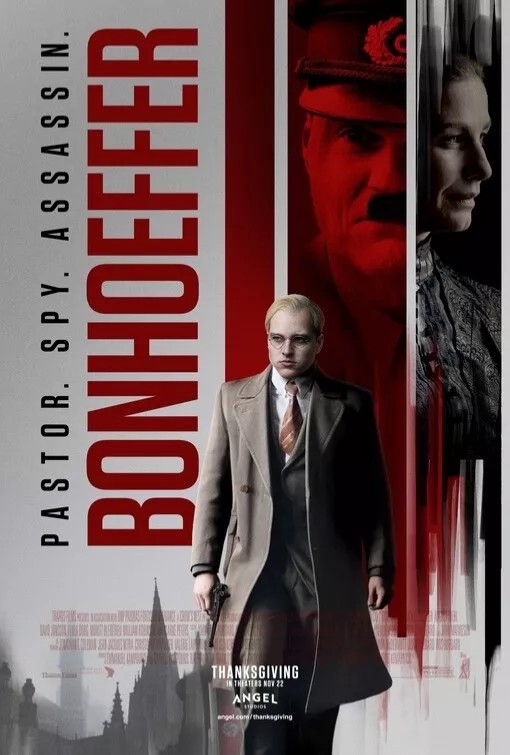
Bonhoeffer (2024) ***

I had forgotten all I knew about Dietrich Bonhoeffer, the German theologian who was hanged three weeks before the end of the war for his part in the failed assassination of Hitler. I hadn’t realized, either, that there was a virtual spate of biopics, three in the last two years and two more since the turn of the century. The name of writer-director Todd Komarnicki didn’t mean much to me either, except, to counter that obstacle, he pops up before the movie begins to remind us of his credentials, director of World War Two picture Resistance (2003), producer of Elf (2003) and writer of Sully (2017), the latter involving, he is at pains to point out, Hollywood royalty in the shape of director Clint Eastwood and star Tom Hanks.

While this is workmanlike rather than, until virtually the very last scene, inspiring, and, until the final credits, pivots on virtually a handful of his writings – from the millions of words he wrote, many that have become the kind of pithy sayings that people are apt to quote.
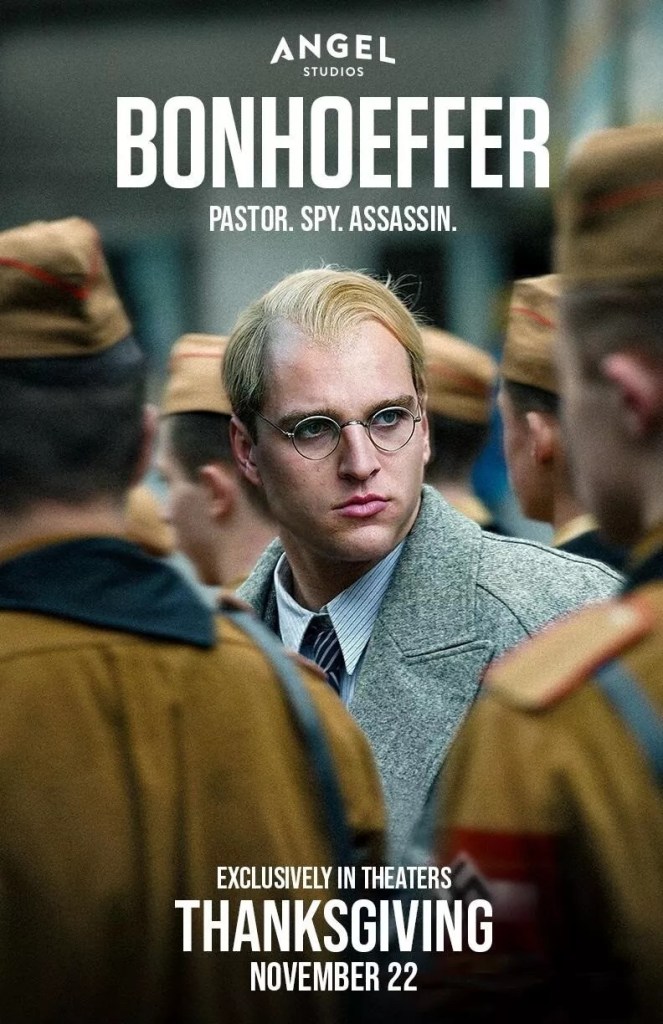
There’s a sense that this is for the converted and that there’s little need to remind an audience of what it should already know. While the narrative doesn’t meander, it does oscillate through various timeframes and for those unacquainted with the life it could have done with more attention to detail.

Except for one detail that resonates at the end, the childhood sequences could have been eliminated, though they reveal that his elder brother died in the First World War. Then we are pretty much pitched straight into Harlem where a colleague, Frank (David Jonsson), attending the same New York theological college, introduces him to Baptists who expound gospel music, sassy preacher Rev Powell Sr (Clarke Peters) and the devil’s music, jazz. Bonhoeffer (Jonas Dassler) gets sharp reminder of the pervasive racism when he tries to book a hotel room for his African American buddy and gets whacked in the face with a shotgun for his troubles. This makes him realize piety isn’t enough and that action is required to stand up for your principles.

He becomes one of the first to report on Hitler’s victimization of the Jews and a leader in the dissident movement at a time when the German church is supportive of the Fuhrer. He was a published author from 1930 and became a significant public figure. He promoted the ecumenical movement and spent two years as a pastor in London. He was jailed for his opposition to the Third Reich.

As I said, this is mostly a straightforward affair, and you might struggle to keep up with church politics and it’s a guarantee you won’t have any idea who the other clerics are, and none of them come alive enough for us to care about them.

The best scene, and key to his beliefs, comes at the end. The night before he is due to be hanged, a prison guard offers to help him escape. But Bonhoeffer, fearing repercussions for both of their families, turns him down. He holds an imitation of the Last Supper for the other inmates, including, much to the initial fury of the assembled prisoners, the guard. He dies not just with considerable dignity but welcoming death.

Jonas Dassler (Berlin Nobody, 2024) is stolid more than anything and it’s very much a one-note performance. Frankly, none of the acting will take your breath away. However, placed against the current political climate, this resonates more than the film possibly deserves. It’s a worthy biopic and a timely reminder that “not to act is to act.”

However, if the name Bonhoeffer has ever entered your consciousness and you want to know more this is as good an introduction as any (though in fairness I haven’t seen the other biopics and I suspect the one starring Klaus Maria Brandauer will carry more emotional heft).

This was surprisingly busy when I saw it at my local multiplex on Monday, so the name has not been forgotten.

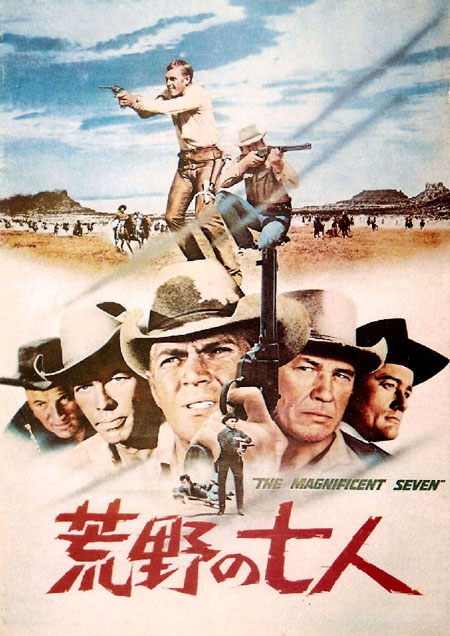
Small Shameless Plug: Cinema Retro Special – Behind the Scenes of “The Magnificent Seven” (1960)

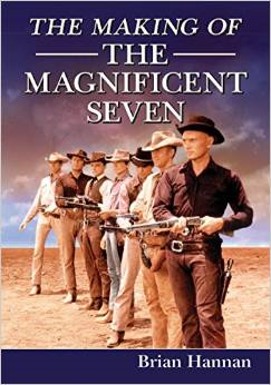
Yep, another plug. I’m honored to have been invited to adapt my book The Making of The Magnificent Seven (McFarland, 2015) for this magnificent full issue, packed full of illustrations, of the iconic Cinema Retro magazine.

Anthony Quinn was convinced it was his idea.  In 1956 watching a new 155-minute Japanese film about seven samurai, which had won the Silver Lion at the annual Venice Film Festival, second only in global prestige to Cannes, and was astonishingly action-packed for a movie playing an arthouse theatre, it occurred to him this would make a good western. It already had a great title – The Magnificent Seven(as Akira Kurosawa’s Seven Samurai was known in the US). Thinking it would be an ideal vehicle for them both, Quinn mentioned his samurai idea to Yul Brynner.

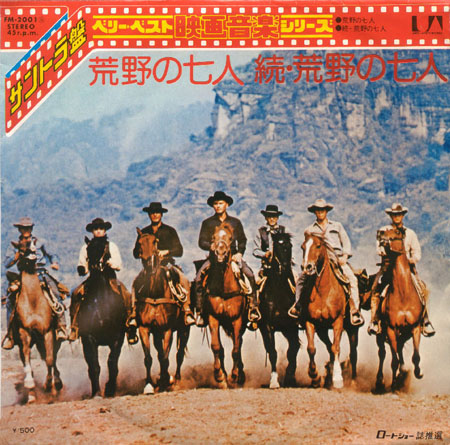
One of the fantastic images found by Cinema Retro for its Special Edition. The movie was a huge hit in Japan. If you’re not familiar with the magazine and love seeing posters and stills from old movies you’re in for a treat because these guys have access to an amazing treasure trove of memorabilia.

Brynner had been a star-in-waiting since appearing on stage in the Rodgers and Hammerstein musical The King and I in 1951. Born on July 11, 1920, in Vladivostok in the USSR, reaching the USA in 1941 via Paris, he starred in one of the first U.S. television shows Mr Jones and His Neighbors (1944) but also directed over 1,000 programs. He briefly decamped to Broadway for Lute Song (1946), leading man to star Mary Martin, but turned down the film version, making his movie in Port of New York (1947). “You’ll be seeing plenty of him after this film break,” prophesied Variety. But television presented better opportunity, future director Martin Ritt dabbed him “ a brilliant tv producer” and the BBC sent over a team to study his innovations.

When Rodgers and Hammerstein went looking for a strong male presence to compete with star Gertrude’s Lawrence’s stage charisma in The King and I, Mary Martin pushed for him. The musical turned Brynner into a star.

Paramount signed him up, along with Audrey Hepburn, for its new talent roster. The first project, A New Kind Of Love, to be directed by Billy Wilder, would pair him with Greta Garbo. Sam Spiegel wanted him for a biopic of Nijinsky. When Garbo proved, as you might expect, disinterested, Audrey Hepburn stepped in and when she dropped out was replaced by namesake Katharine Hepburn. When that project died, Paramount shifted Brynner to South Seas Story in 3D. But that didn’t work out either. He was up against Charlton Heston and Mel Ferrer for Columbia’s Miss Sadie Thompson starring Rita Hayworth. He was wooed by Dino De Laurentiis and Carlo Ponti for Lust for Life and then for Biblical drama Judith and Holofernes with Silvano Mangano.

At the interval of a performance of The King and I, Cecil B. DeMille went backstage. “In four years,” noted Brynner, “I have never had a visitor. There are only 7½ minutes between acts. By the time I had to go on stage again I had not only agreed to do The Ten Commandments with him but another picture following it.” Twentieth Century Fox ponied up $1m for movie rights to The King and I. Brynner pushed the studio to allow him to direct the musical.

Told you Cinema Retro had access to amazing images – this is the soundtrack.

Anthony Quinn was also hankering after going down the route of direction, or at least greater production control of his career. But while Brynner’s career was taking off, Quinn’s was at a standstill. Even winning the Best Supporting Actor Oscar for Viva Zapata (1952) had not done much for this career and in a bid to revitalize that he had gone to Italy in 1954, but Attila, Ulysses and Fellini’s La Strada did not bring him  stardom, second-billed in all three. When top billing finally did arrive in film noir The Long Wait (1954) it sank without trace

By contrast, Brynner made a pampered entrance to screen stardom, flown to Egypt at the end of October, 1955, for just two days shooting on The Ten Commandments (1956) for a scene involving Pharaoh heading his army of 10,000 men, then whisked back to the U.S. and not required for shooting until six months later. While assigned the male lead in Fox big-budget drama Anastasia (1956), directed by Anatole Litvak, as with The King and I (1956) he was not top-billed. That honour went to Ingrid Bergman, making her Hollywood comeback after her scandalous affair with Italian director Roberto Rossellini, while Deborah Kerr’s name came first for the musical. Whatever way you cut it, in his first three movies, Brynner was not considered the main attraction.

So his thoughts turned once again from acting to directing. “Acting was only supposed to be a temporary job,” he complained and he hustled Paramount to give him an actor-director deal. “Directing is my baby. It is for me more satisfying than acting – it’s like leading a symphony orchestra compared to playing a fiddle.” As to genre, “I have a yen to make westerns,” he said. “Westerns are the poetry of films.” he said. His badgering paid off. In 1956 Paramount announced it had signed him up as an actor-director in a purported million-dollar deal.

To take more control of his career, Quinn had shifted gear and established  Antone Productions. But none of the fist six projects announced – including an MGM-backed El Cid – made it over the line. By contrast after the triple success of The King and I,  The Ten Commandments, and Anastasia, Brynner could not be flying higher. He was inundated with offers.

But he envisaged himself as a mogul, setting up production outfit Alciona. And won a unheard-of $25m deal with United Artists for eleven movies.  This was unprecedented. Nobody in the annals of Hollywood had ever been given such largesse, never mind a man with no experience of the two skills – producing and directing – which he would have to master. On his slate, the idea to turn Seven Samurai into a western.

Unbeknownst to Brynner and Quinn, ex-newspaperman and Columbia Studios story editor Lou Morheim snapped up the remake rights for $2,500 from International Toho Inc. Despite previous cooperation Brynner and Quinn became rivals in bidding for the project.  Brynner won, contract signed in February 1958.

Brynner had decided the movie was the ideal vehicle for his directing debut. But he wouldn’t act. The Magnificent Six, to be shot in Europe, was announced as Alciona’s first film, being made for United Artists with Brynner directing.

Brynner offered Quinn $125,000 plus a profit share to star. Despite various delays, Brynner, still intent on directing, in January 1959 went to Spain to scout locations. But there were problems with Quinn. Brynner handed over the directorial reins to Anatole Litvak, while remaining on board as star, Glenn Ford

drafted in as co-star. But with the budget rocketing to $2.4m, UA pulled the plug on Alciona, reimbursing Brynner’s $112,000 investment, turning the project over to Mirisch.  Mirisch had the ideal director in mind, one who was equally proficient in the genre  – John Sturges.

Yep, sorry, this is just a taster. You can read the whole story (or a condensed version of it) in Cinema Retro – see link below – and if you want the whole shebang check out my book.

https://www.cinemaretro.com/index.php/archives/12925-UPDATE-ON-CINEMA-RETROS-THE-MAGNIFICENT-SEVEN-SPECIAL-EDITION-ISSUE!.html

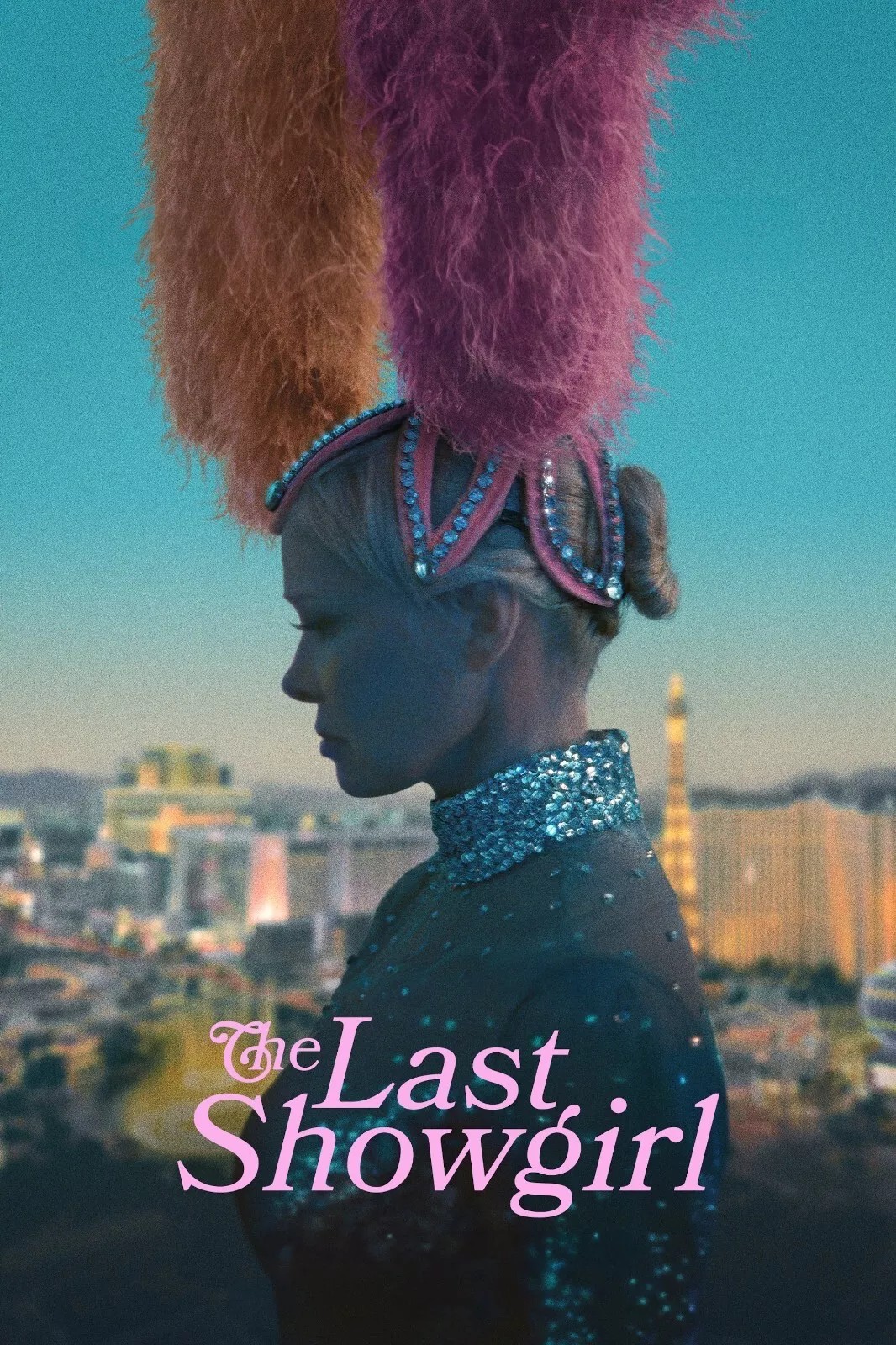
The Last Showgirl (2025) **** – Seen at the Cinema

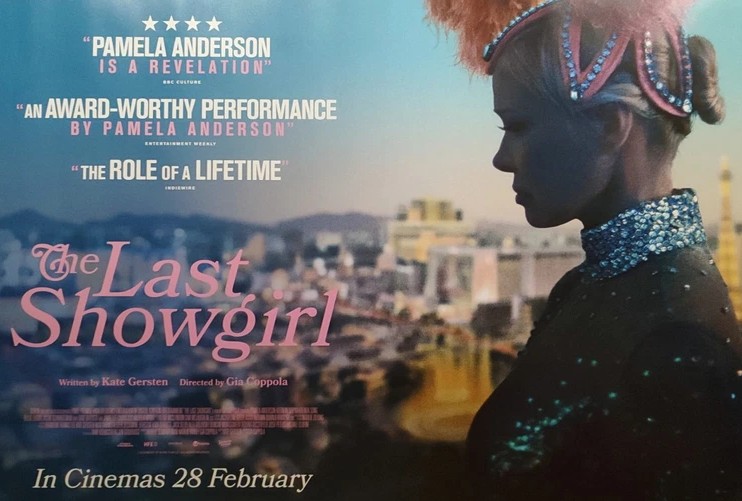
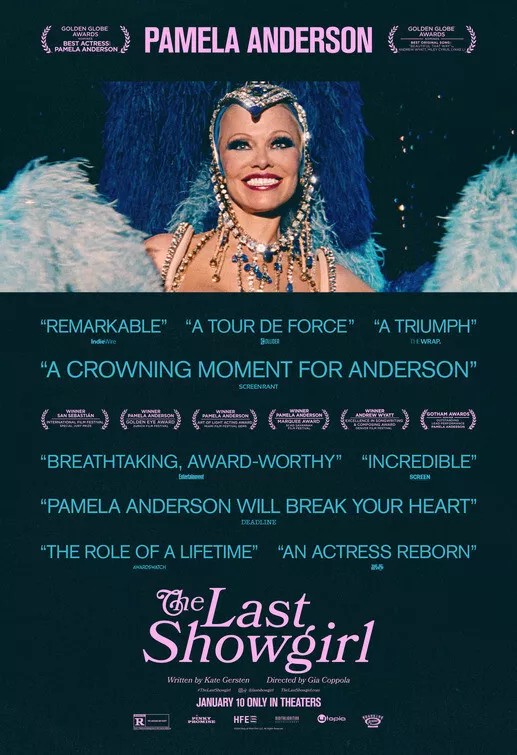
I’m assuming this fell foul of Oscar voters because it lacked a woke agenda. In fact, it’s distinctly anti-woke, the subject matter of women flaunting their bodies for dough, and a heroine who revels in it, going against the contemporary grain. And I know Demi Moore put on a more showy performance in The Substance (2024) but Pamela Anderson here demonstrates significantly more substance. Everything you’ve heard about her performance is true and you do wonder, far more than with Demi Moore, why some casting director didn’t alight on such talent which would have been ideal for a rom-com or drama as a put-upon character.

I’ve scarcely come across a more well-rounded character – and yes the script by Kate Gersten was an Oscar shut-out, too, but scripts are more than fancy-dancy lines or setting up woke agendas. There’s a just fabulous scene where ageing showgirl Shelly (Pamela Anderson) slams the door in the face of one of the young dancers coming to her for emotional support. Shelly is too wrapped up in other personal dilemmas at that point to cope. Up to now she’s been maternal to a pair of younger girls, Jodie (Kiernan Shipka) and Mary-Anne (Brenda Song), and happy to offer a shoulder to cry on.

But it’s two-way. The girls help her fix bits of her costume. Following the door-slamming episode, Jodie takes the hump and refuses to assist pre-show and Shelly come a bit unstuck.

But not only is Shelly a willing participant in male fantasy, she’s also poster girl for a female fantasy, that her body and somewhat limited talent will carry her through to old age (older age, she’s 57 now) and she can dwell on career highlights such as being feted by the media and corporations who ferried her across the world as some kind of brand ambassador.

Frankly, she’s not ready to face up to much – certainly not the end of her career, the show (Le Razzle Dazzle) is closing and her daughter Hannah (Billie Lourd) is not only challenging her perception that she was a good mother but derides her occupation.

The script is cleverly structured in a kind of Christmas Carol fashion. We’ve got before – Jodie and Mary-Anne the eager beavers with stars in their eyes. After is represented by the jaded older hard-drinking gambling addict Annette (Jamie Lee Curtis), reduced to cocktail waitress (a rather grand term for what she does) in a casino with her cleavage on show as a possible repository for tips.

Shelly has more than enough shades of character. She’s daffy, hard-nosed when the situation requires, manipulative (also when required), selfish, unselfish, fulfilled, unfulfilled, friendly, lonely. Turns out there’s still room for the exploitative show as long as striptease can be performed in post-ironic fashion, throw in some slapstick and bizarre comedy, and there’s demand for the straightforward Vegas showgirl but they need a good bit more dancing training than Shelly can muster – brutally taken apart in that scene.

Thankfully, director Gia Coppola (The Seven Faces of Jane, 2022) doesn’t go down the sentimental route, nor is she out to curry pity. You’ll sympathize with Shelly for sure, but you’ll hold back because her problems are all of her own making and you know full well that she’ll find some solution, manipulative or not, to her immediate problems.  

If you’re looking to expend a bit of sympathy your better bet is Annette. The scene where, presumably as part of her job, she has to climb on to a mini-stage in the casino and gyrate to a tune with nobody paying the blind bit of notice resonates. Sharp-tongued though she is, Annette has the self-awareness to know she will always be broke, unable to kick her gambling addiction, even if it means losing her home and sleeping in her car.

Hannah’s really the only cliché, there as a scripting prop to make Shelly reassess her life (interestingly enough Shelly finds little to fault), and make her face up to her tawdry career. Though in a scene which makes some emotional sense – acceptance of parental failings, I guess, or pride at paternal skill – that I didn’t believe the daughter applauds her mother’s dancing having previously lambasted it.

This is old-school, from the time when you could make a whole film just about a character coming to the end of their career and facing up (or not, as here) to decisions made. It could be a football coach or a teacher or a politician. Here, it just happens to be a showgirl.

This would in any case have been the best performance of Pamela Anderson’s career because, frankly, that bar was set decidedly low. Demi Moore, by comparison, could at least point to some critical acceptance for roles like Ghost (1990) and A Few Good Men (1992). I don’t buy into the idea that box office stars are hard-done-by in not being offered Oscar-bait roles because as we’ve seen only too often any star can buy their way into a good role – by that I mean cutting their salary to the bone or spending their own dough to bring a picture to fruition, it’s what the term “vanity project” was invented for.

Still, with what Pamela Anderson presents here, shorn not so much of make-up but the glossy sleekness of her previous screen persona, and presenting a more realistic characterization, you could see her fitting well into a series of more demanding roles.

Yes, for once, the reviews are correct. Well worth seeing.  

King of the Roaring 20s (1961) ***

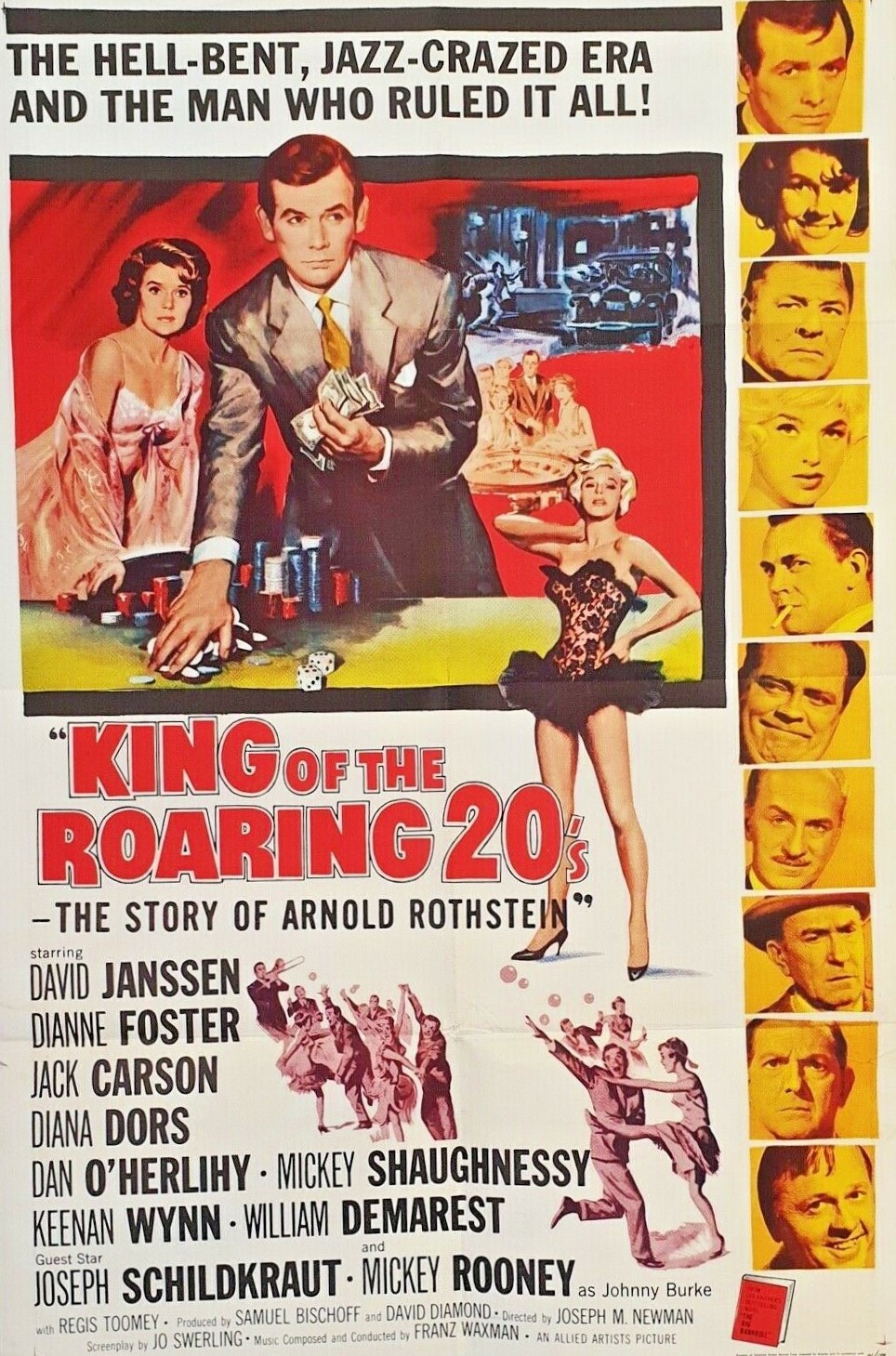
Occasionally stylish B-picture purporting to tell the story of American Prohibition-era gangster Arnold Rothstein. It’s more of drama with various nefarious figures trying to outwit each other rather than a shoot ‘em up in the style of Al Capone (1959). David Janssen (Warning Shot, 1967) is ideal casting as the thoughtful, cold, calculating and possibly gambling genius Rothstein, the opposite of an intemperate crook like Capone.

The story is told essentially in two parts, Rothstein’s rise to power in partnership with childhood pal Johnny Burke (Mickey Rooney), initially running dice games in the street and  pulling the odd con before graduating to fly-by-night horse racing operations. When the opportunity arises to move into mainstream illegal gambling, he dumps Burke. Corrupt cop Phil Butler (Dan O’Herlihy) is a constant thorn in his side and showgirl fiancée Carolyn Green (Dianne Foster) views marriage as risky – “he’s the gambler but I’m the one that’s going to be doing the gambling.”

For whatever reason, the movie dodges what was believed to be Rothstein’s biggest coup, the fixing of the baseball World Series, but one long section is devoted to how he pulls off a massive horse racing win where he ends up placing a $100,000 bet through insider information and strategic betting. Inevitably, his gambling puts the kibosh on his marriage but by far the most interesting part of the picture is the chicanery as he shakes off one partner, battles another, and without compunction sets up Burke as patsy to settle his score with Butler.

In some respects Rothstein is a template for Vito Corleone (The Godfather, 1972) in terms of his business brain and ability to out-think and out-fox opponents and certainly his facial expressions and innate coldness bear comparison with what Al Pacino brought to his characterization of Michael Corleone. Except that he didn’t trust banks, and carried round wads of cash (hence the title of the biography on which this is based – The Big Bankroll), it’s hard to get a sense of the wealth the gangster generated or, given the minimal violence,  the world of imminent peril he inhabited. 

Period detail is cursory, limited to dancing the Charleston and pouring champagne into teacups. A better idea of the flavor of the times is the wholesale corruption endemic in police departments, untrustworthy lawyers and hypocrisy run wild.  It’s not really Janssen’s fault that it’s hard to warm to such a cold-blooded character, although you could point to The Godfather and The Brotherhood (1968) for that matter as examples of Mafia hoods who do elicit audience empathy.

With occasional bravura moments involving long tracking shots and overhead shots, and a terrific image of champagne bubbles seen through a pair of binoculars, director Joseph M. Newman (This Island Earth, 1955) shows stylistic flourishes that eschew his B-movie roots. Given Janssen is called upon to show as little emotion as possible, he does very well. Dianne Foster (The Last Hurrah, 1958), though initially demure, provides the fireworks. Jack Carson (The Bramble Bush, 1960) as kingpin Tim O’Brien matches Janssen in the cool stakes and proves a worthy adversary. Rooney overacts but Dan O’Herlihy (The Night Fighters, 1960) relishes his dirty cop role.

In a rare Hollywood outing British sexpot Diana Dors (Hammerhead, 1968) puts in an unexpected and brief appearance as Carolyn’s cynical flatmate. The tremendous supporting cast includes Keenan Wynn (Point Blank, 1967), Mickey Shaughnessey (North to Alaska, 1960), Regis Toomey (The Last Sunset, 1961), Oscar-winner Joseph Schildkraut (The Diary of Anne Frank, 1959) and veteran character actor William Demerest.

Jo Swerling (It’s a Wonderful Life) delivers a pointed screenplay focusing on gangster conflict with some excellent observation of the deterioration of the Rothstein marriage and the nervousness of the usually ice-cold Rothstein when confronted by his father. This is one of those pictures that you think deserves a Netflix series, a dozen or so episodes to explore the myriad characters involved and especially to examine Rothstein in forensic detail. The movie spells out that potential and on a tight budget does it well.

The Leopard (2025) **

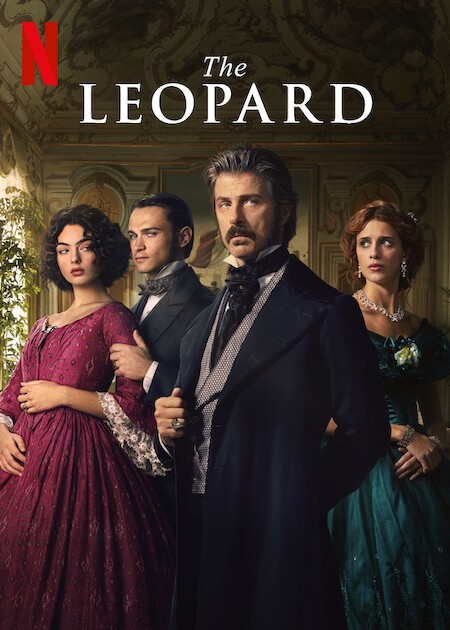
I should have guessed. The Netflix mini-series misses by a country mile. You could blame the casting – who could ever match Burt Lancaster (in the 1963 Luchino Visconti film) as the imperial Prince of Salina? That would be a fair point – it is television after all and that kind of gravitas coupled with regal authority is hard to find. But you should have been able to find someone to match Alain Delon in the second male role, Tancredi, but instead of any real finesse, this is played as soap opera. In fact you could say Downton Abbey Goes To Sicily might have made a better title.

The picturesque is no substitute for genuine understanding of cinematographic use of scenery. The Visconti version was a true epic but this, with double the running time, just stutters, the reimagining of the Lampedusa classic resulting in effect without notable cause.

Scenes are invented to establish character rather than that being shown through the actors. And while we might appreciate the Prince (Kim Rossi Stuart) putting his thieving farm manager in his place and in giving away a good chunk of his land to a corrupt Governor in order to save his wayward  nephew Tancredi (Saul Nanni), these sequences look as if though they are dreamed up in soap opera fashion, turning on episodic impact rather than any inherent logic.

Sure, we learn more about the political background. Garibaldi wanted to unite Italy which until then had been a series of small kingdoms. Sicily was the last outpost of the old way and invasion was afoot, bolstered by rebellious islanders already causing ructions. In safeguarding Tancredi, the prince is nursing a viper in his bosom. Occasionally, the script makes a decent point, that in order to stay ahead of the game you need to embrace change.

But the rest is labored. Mostly directed by Tom Shankland with adaptation mostly by Richard Warlow. That Warlow is credited as “creator” rather than Giuseppe Tomasi de Lampedusa, author of the original novel, tells you all you need to know.

Avoid.

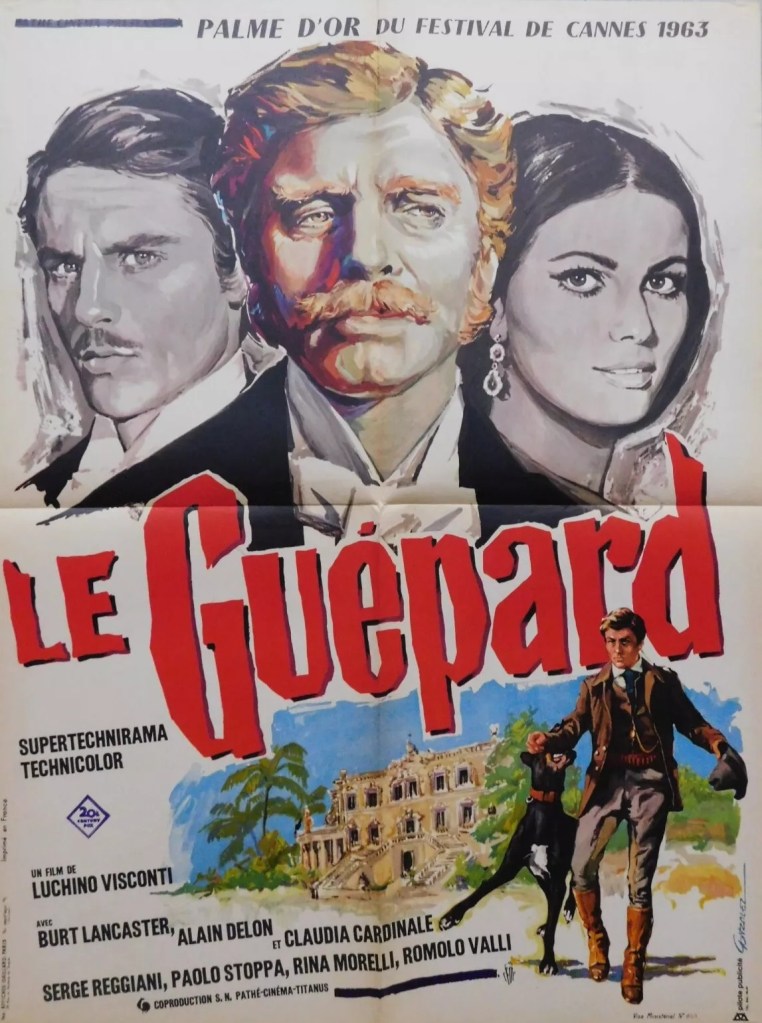
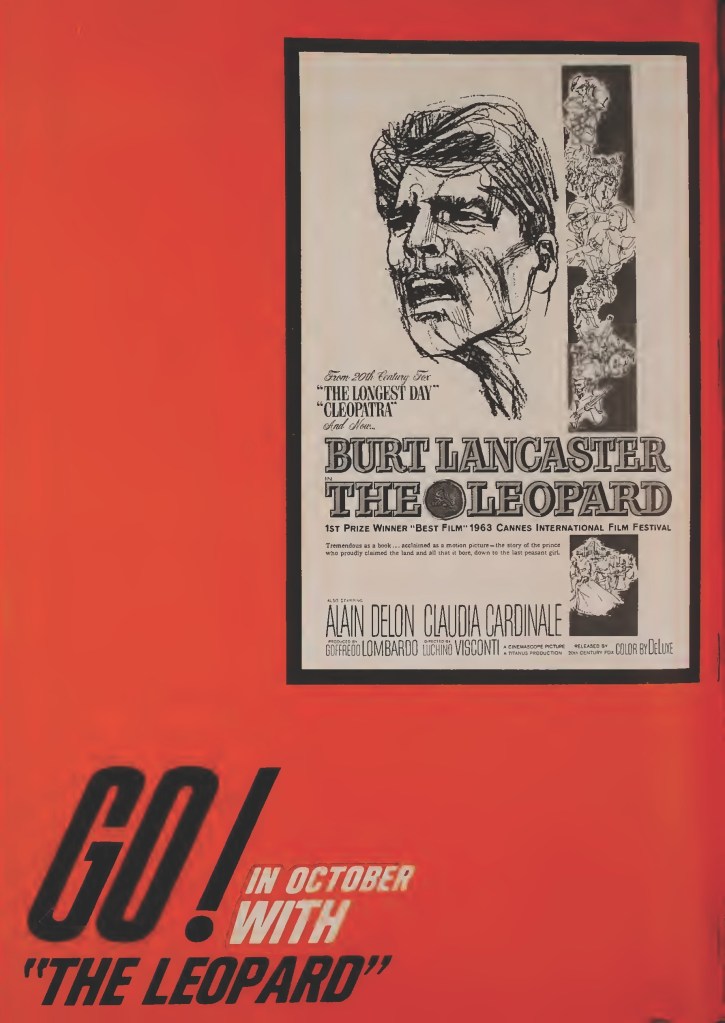
The Leopard (1963) *****

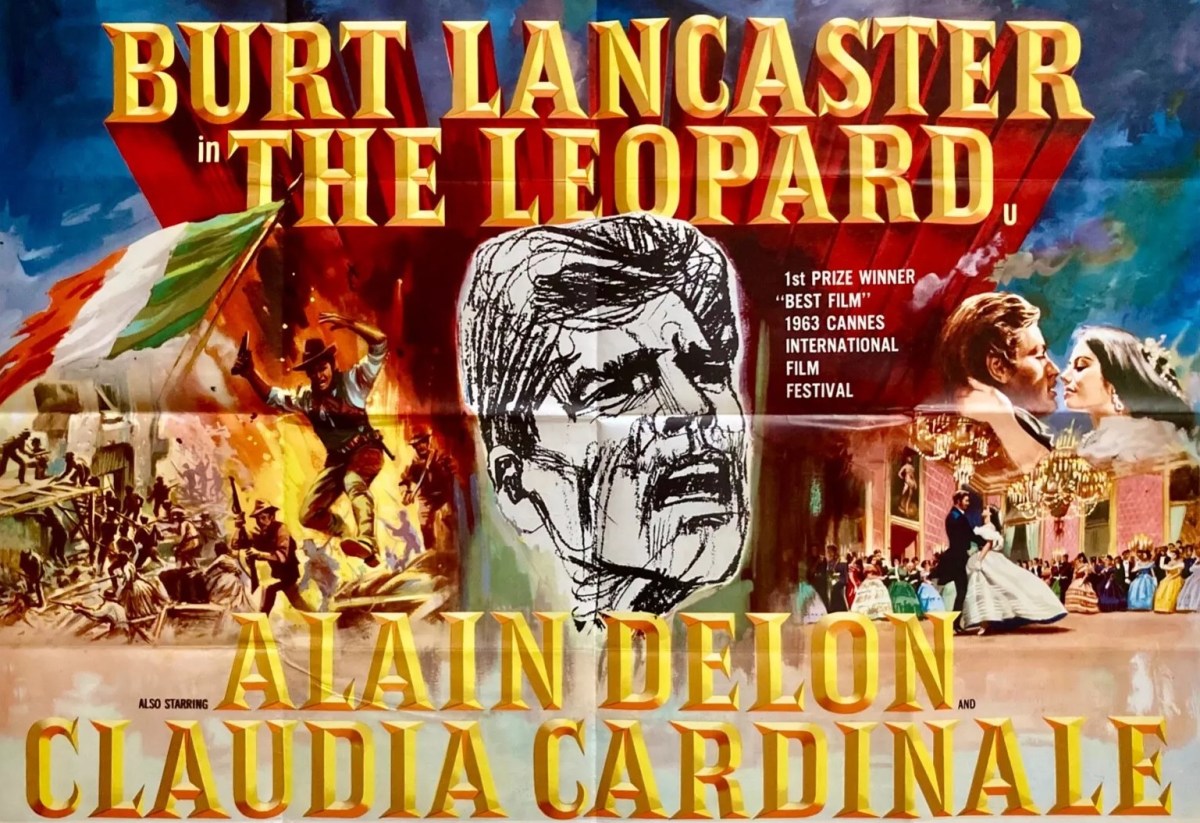
Masterpiece. No other word for the way director Luchino Visconti commands his material with fluid camera and three terrific performances (four, if you count the wily priest). An epic in the old-fashioned sense, combining intelligence, action and romance, though all three underlaid by national or domestic politics. And if you’re going to show crumbling authority you can’t get a better conduit than Burt Lancaster (check out The Swimmer, 1969, for another version of this), physical prowess still to the fore but something missing in the eyes. And all this on sumptuous widescreen.

Only a director of Visconti’s caliber can set the entire tone of the film through what doesn’t happen. We open with a religious service, not a full-scale Mass but recitations of the Rosary, for which the family is gathered in the massive villa of Prince Don Fabrizio Salina (Burt Lancaster). There is an almighty disturbance outside. But nobody dare leave or even react, children silently chided for being distracted, because all eyes are on the Prince and he has not batted an eyelid, worship more important than domestic matters.

Turns out there’s a dead soldier in the garden, indication of trouble brewing. Italy has been beset with trouble brewing from time immemorial so the Prince isn’t particularly perturbed, even if the worst comes to the worst an accommodation is always reached between the wannabes and the wealthy ruling elite.

There’s a fair bit of political sparring throughout but this is handled with such intelligence it’s involving rather than off-putting. Rebel Garibaldi is on the march, it’s the 1860s and revolution is on the way. But it’s not like the French Revolution with aristocrats executed in their thousands and when Garibaldi’s General (Guiliano Gemma) comes calling he addresses the Prince as “Excellency.”

The Prince is a bit of a hypocrite, not as devout as he’d like everyone to believe. He’s got a mistress stashed away for one thing and for another he blames his wife for the need to satisfy his urges elsewhere, complaining that she’s “the sinner” and that despite him fathering seven children with her he’s never seen her navel. Furthermore, the person he makes this argument to is the priest Fr Pirrone (Romolo Valli), who, knowing which side his bread is buttered on, doesn’t offer much of a challenge.

If you’re not going down the more perilous route of taking up arms, advancement in this society is still best achieved through marriage and the Prince’s ambitious nephew Don Tanacredi (Alain Delon), more politically astute, does this through marriage to Angelica (Claudia Cardinale), daughter of Don Calogeo Sedara (Paolo Stoppa).

Brutality and elegance sit side by side. You’re not going to forget the mob of women hunting down and hanging a Government police spy nor, equally, the astonishing ball that virtually concludes proceedings, showing that, whatever changes in society take place, those with money and privilege will still hold their own. But that’s only if they do a little bit of bending the knee to the new powers-that-be, something that Tancredi, by now a rebel hero wounded in battle, is more than happy to do, since that procures him even further advancement, but a step too far for the Prince, who at the end retreats into his study, as if this will provide sanctuary from the impending future.

Don’t expect battle on the scale of Lawrence of Arabia (1962), this action is a more scrappy affair, undisciplined red-shirted hordes sweeping through a town and eventually overwhelming cavalry and ranks of infantry.

But if you’re aiming to hold an audience for three hours, a decent script, romantic entanglement and camerawork isn’t enough. You need the actors to step up. Luckily, they do, in spades. Burt Lancaster is easily the pick, towering head and shoulders, and not just in physicality, above the rest, a man who sees his absolute authority draining away in front of his eyes. Alain Delon (Once a Thief, 1965) comes pretty close, though, not afraid to challenge his uncle’s beliefs nor point out his hypocrisy, and adept at picking his way through the new emerging society, his potential ascension to newfound power demonstrated by wearing a war wound bandage wrapped piratically around one eye, as though keeping a foot in both camps. Though American audiences never quite warmed to Delon, he was catnip for the arthouse brigade, courtesy of being anointed by Visconti and Antonioni in, respectively, Rocco and His Brothers (1960) and L’Eclisse  (1962).

Far more than U.S. cinemagoers could imagine, Claudia Cardinale (The Professionals, 1966) also easily straddled commercial and arthouse – Rocco and His Brothers, Fellini’s (1963) – and on her luminous performance here you can see why. You might also spot future Italian stars Terence Hill (My Name Is Nobody, 1970) and Giuliano Gemma (Day of Anger, 1967). Adapted from the bestseller by Giuseppe Tomasi de Lampedusa by the director and his Rocco and his Brothers team of future director Pasquale Festa Campanile (The Libertine, 1968), Suso Cecchi D’Amico,  Enrico Medioli and Massimo Franciosa.

I can’t quite get my head round the audacity of Netflix in attempting a mini-series remake. I’m assuming they’ve had the sense to buy up the rights to the Visconti to prevent anyone comparing the two.

One of the decade’s greatest cinematic achievements.

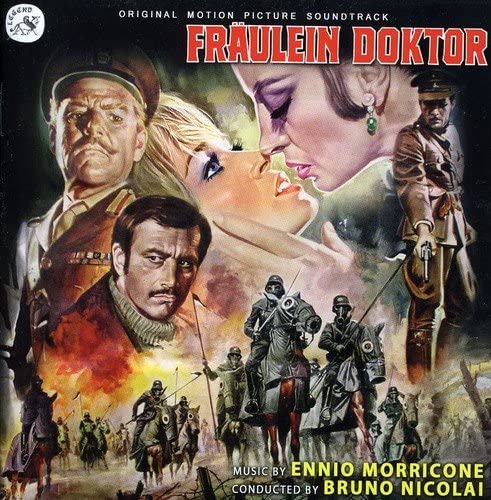
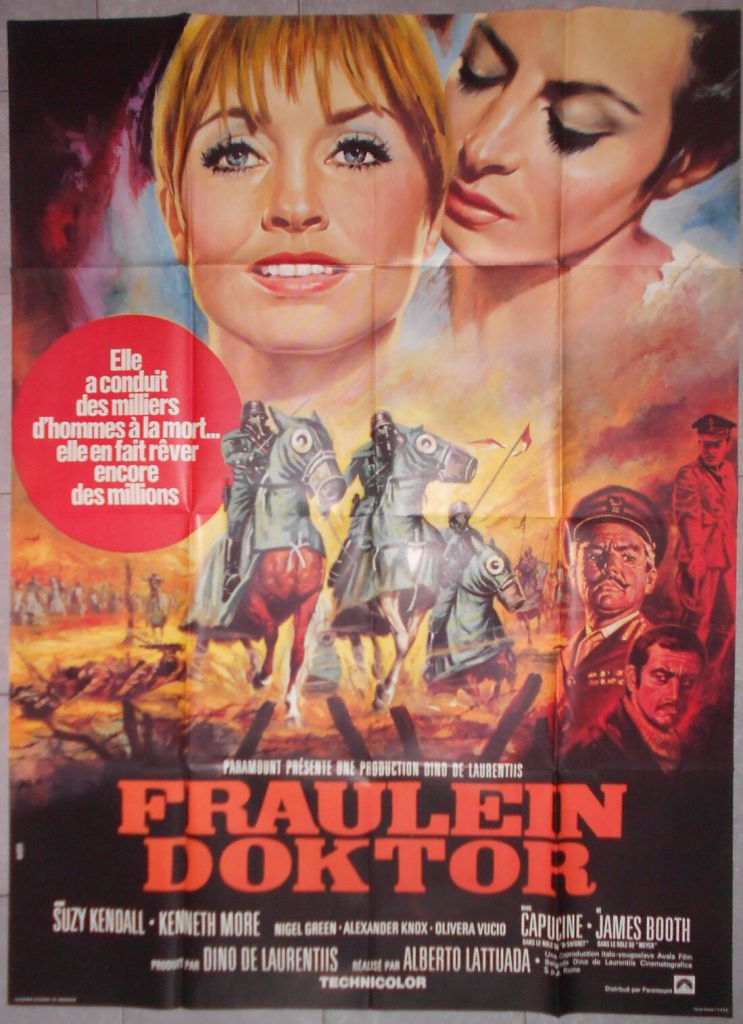
Fraulein Doktor (1969) ****

Surprisingly good World War One spy yarn full to bursting with clever ruses and pieces of deception and ending with a stunning depiction of carnage on the Western Front.  Loosely based on the life of Elsbeth Schragmuller, it fell foul on release to British and American hostility to the Germans actually winning anything.

The film breaks down into three sections: the unnamed Doktor (Suzy Kendall) landing at British naval base in Scapa Flow in Orkney to plan the death of Lord Kitchener; a flashback to France where she steals a new kind of poison gas; and finally on the Western Front where, disguised as a Red Cross nurse, she masterminds an attempt to steal vital war plans. She is hampered by her emotions, romance never helpful for an espionage agent, and her addiction to morphine.

Duelling spymasters the British Colonel Foreman (Kenneth More) and the German Colonel Mathesius (Nigel Green) both display callousness in exploiting human life. The films is so full of twists and turns and, as I mention, brilliant pieces of duplicity that I hesitate to tell you any more for fear of introducing plot spoilers, suffice to say that both men excel at the outwitting game.

I will limit myself to a couple of examples just to get you in the mood. Foreman has apprehended two German spies who have landed by submarine on Scapa Flow. They know another one has escaped. The imprisoned Meyer (James Booth) watches his colleague shot by a firing squad. Foreman, convinced Meyer’s courage will fail at the last minute, instructs the riflemen to load up blanks. Before a shot is fired, Meyer gives up and spills the beans on the Doktor only to discover that Foreman faked the death of his colleague.

And there is a terrific scene where the Fraulein, choosing the four men who will accompany her on her final mission, asks those willing to die to step forward. She chooses the ones not willing to die. When asking one of these soldiers why he stayed back he replied that she wouldn’t want to know if he could speak Flemish if he was so expendable.

But the Fraulein is always one step ahead of her pursuers, changing clothes and hair color to make redundant any description of her, and knowing a double bluff when she sees one. In France, disguised as a maid, she turns seductress to win the trust of scientist Dr Saforet (Capucine) and in the final section takes command of the entire operation. It’s unclear whether this is her motivation to turn spy or whether at this point she is already an accomplished agent.

What distinguishes this from the run-of-the-mill spy adventure is, for a start, not just the female spy, how easily she dupes her male counterparts, and that the British are apt just to be as expedient than the Germans, but the savage reality of the war played out against a British and German upper class sensibility. When a train full of Red Cross nurses arrives at the front, the wounded men have to be beaten back; Foreman thinks it unsporting to use a firing squad; a German general refuses to award the Fraulein a medal because Kitchener was a friend of his; and the Doktor’s masquerade as a Red Cross nurse goes unchallenged because she adopts the persona of a countess.

Far from being an evil genius, the Doktor is depicted as a woman alarmed at the prospect of thousands of her countrymen being killed and Germany losing the war. In order to cram in all the episodes, her later romance is somewhat condensed but the emotional response it triggers is given full vent. And there is tenderness in her affair with Dr Saforet, hair combing a prelude to exploring feelings for each other.

Apart from The Blue Max (1966), depictions of the First World War were rare in the 1960s, and the full-scale battle at the film’s climax is exceptionally well done with long tracking shots of poison gas, against which masks prove little deterrent, as it infiltrates the British lines. The horror of war becomes true horror as faces blister and, in one chilling shot, skin separates from bone and sticks to the barrel of a rifle.

If I have any quibbles, it’s a sense that there was a brilliant film to be made here had only the budget been bigger and veteran director Alberto Lattuada (Matchless, 1967) had made more of the suspense. Suzy Kendall (The Penthouse, 1967) easily carries the film, adapting a variety of disguises, accents and characters, yet still showing enough of her own true feelings. Kenneth More (Dark of the Sun, 1968) in more ruthless mode than previous screen incarnations, is excellent as is counterpart Nigel Green (Deadlier than the Male, 1967) but James Booth (Zulu, 1963) has little to do than look shifty. Capucine (The 7th Dawn, 1964)  has an interesting cameo.

Ennio Morricone (Once upon a Time in the West, 1969) has created a masterly score, a superb romantic theme at odds with the discordant sounds he creates for the battles scenes.

Collectors of trivia might like to know that Dita Parlo had starred in a more romantic British version of the story Under Secret Orders (1937) with a German version, using the same actress, filmed at the same time by G.W. Pabst as Street of Shadows (1937).

This is far from your normal spy drama. Each of the main sequences turned out differently to what I expected and with the German point-of-view taking precedence makes for an unusual war picture. I enjoyed it far more than I expected.

Squad 36 / Bastion 36 (2025) **

Netflix appears to be going through the gears – the wrong way. But that’s what happens when you’re so dependent on content – any content. But no different really from old Hollywood, always a bucket of stinkers in the days when studios had to each greenlight 20-25 pictures just to stay in the business.

I’d been encouraged by Toxic Town (2025) and my love of French policiers to take a chance on this one. It shouldn’t have been much of gamble. Even though French gangster/crime movies don’t travel all that well, for aficionados like me, growing up on the likes of Gabin, Belmondo and Delon (and intruder Bronson)  that doesn’t matter. Still lingering in my memory are Mesrine (2008) and 36 Quai des Orfevres (2004) with Daniel Auteil and Gerard Depardieu, for example, directed by Olivier Marchal, who helms this one.

This at least gets off to a good start, a blistering chase through a rain-sodden Paris, clever interchange of personnel in cars and on motorcycle, hounding target Mahmoud through the streets. Eventually, Antoine (Victor Belmondo) has him trapped. But in the first of a series of bizarre twists the criminal gets away. How? Well, it’s simple. It’s down to bureaucracy. Instead of putting a bullet through a guy armed with a gun, presumably a crime in itself, Mahmoud effectively reminds Antoine that he doesn’t want to be seen shooting an armed man in public.

What? Double what? Mahmoud might not be resisting arrest but he’s clearly armed and dangerous. But of course there’s another reason Mahmoud can’t be arrested. Because the cops don’t have evidence to link him to criminals – the tracking is in the hope he’ll lead them to the bad guys. However true that may be, at the moment of this confrontation Mahmoud is clearly committing a criminal act, unless he’s got a license to carry a gun in public.

Then it gets even dopier. The top cop is furious because the chase has generated complaints from the good citizens of the French capital. Ooh la la! Then Antoine gets busted because – wait for it – he put in hospital three guys who ambushed him. Guilty apparently of using excessive force. That seems a tad unhinged. Is there any way to combat an attack by three thugs without putting at least a couple of them out of action?

This might have been redeemed had Antoine capitalized on his early edginess. He’s in the illegal business himself, but only to the extent of participating in underground bare-knuckle boxing matches. At one point he takes a hell of a beating – we’re talking Clint Eastwood territory – so that should have set him up for the rest of the picture.

But instead he reverts to completely dull as six months later, having been shifted to another unit, he returns to, unofficially, investigate the deaths of two members of his original squad and the disappearance of a third, Richard (Soufiane Guerrab), who has gone loopy – possibly after reading the script – but then disappeared from a psychiatric clinic.

Antoine has various leads to follow and occasionally, in case the plot is too difficult for us to follow, we pop into the lives of the other cops involved so we know full well they are up to something dodgy. Meanwhile, as with the best cop pictures, there’s a cover-up, which may be because the top brass is implicated or because it would just harm public relations if the public were to even think (perish the thought!) that there could be corruption in the police force.

This just drags on and on. It could easily do with losing a good 30 minutes. But even then it would sag. None of the actors involved take it by the scruff, the way they used to in the good old days, not even when they are presented as an old-fashioned hard-drinking hard-smoking gang. You used to be able to rely of supporting actors to steal scenes, just for the hell of it if they were older and to put down a marker for the future if they were younger, but that doesn’t seem to have occurred to anyone here.

There’s an ironic twist at the end, the kind you used to get in the paranoia thrillers of the 1970s. Cracking start, good ending, but not very much to hook you in between.

Written and directed by ex-cop ex-actor Olivier Marchal from the book by  Michel Tourscher.

Goes through the motions without hitting the spot.

Toxic Town (2025) ****

We’ve become pretty democratic this side of the Pond when it comes to individuals taking on giant corporations. Usually, the whistleblowing kudos goes to an attorney – Erin Brockovich (2000), Dark Waters (2019) or a journo (The Insider, 1999) or a left-wing activist (Silkwood, 1983). But after the success of Mr Bates vs. the Post Office (2024) the focus has come back to the common man.

Or the very ordinary woman, as here. Susan McIntyre (Jodie Whittaker)  couldn’t be more down-to-earth as she (insert your own swear word) tells everyone. But she’s also very keen on booze and sex. But when she gives birth to a wee boy with a deformed hand, her partner skedaddles. She meets another woman Tracey Taylor (Aimee Lou Wood) whose child dies from complications after. Her partner sticks by her and they try again.

If the characters had been given the camera-eye view that the audience has – of lorries filled with bestial orange liquid driving through the town and dumping the waste not far outside it, you would have thought someone might take action sooner. But this is an industrial town, Corby, famous for the manufacture of steel – so the workers were used to the after-effects. We’re getting all this waste, and the dust clouds spread as well, because the steel plant has closed – putting 11,000 people out of work – and the factory is demolished to make way for some kind of barmy theme park.

An inoffensive council bureaucrat takes umbrage at the lack of safety on the demolition site. After his claims are dismissed by boss Roy Thomas (Brendan Coyle), he takes his evidence to councillor Sam Hagen (Robert Carlyle).

Given it’s Britain, you get plenty of politics, old-school Labour struggling to survive in the new harsh financial climate, the cosying up of cronies, the sneering at anyone with a degree, the eternal passing of the buck, and, more importantly, hiding the buck. Nothing to see here. Eventually a journalist Des Collins (Rory Kinnear) gets involved. But he really needn’t have bothered, for Susan McIntyre drives this case. Once she shakes off her self-pitying, her initial revulsion at the child, and gets rid of undesirable men, and has something worth fighting for  she’s full on.

Jodie Whittaker (Dr Who to you and me) is a revelation. This is a part that requires an actress to give her all and still find a way for nuance. There’s no shortage of cussed young women determined to self-sabotage their dreams – look no further than Wild Rose (2018) and The Outrun (2024) – but this is in a different league altogether and long before Mr Bates got his act together Ms McIntyre was shooting with both barrels.  

But it would be just another flag-waving exercise if so much wasn’t invested in the characters. Scenes of wives trying to beat the dust out of orange-sodden clothes, Susan playing games with her wee boy, kissing his antiseptic hands, her one-night-stand treating her with disrespect, the whistleblower twice rejecting bribes and tending his very ill father, even Roy seeing any issues as getting in the way of his dream of becoming council leader. You tend to think it’s just big business with all the upper-class camaraderie that that suggests that has an inbuilt exclusion zone for anyone attempting to tamper with the status quo, so it’s refreshing to know that the old boys network extends all the way through local left-wing politics.

Jack Thorne (National Treasure, 2016) put in the hard yards to stitch this all together so it wasn’t just another polemic but a character-driven drama. Minkie Siro (Pieces of Her, 2022) directs with occasional elan.

A must watch. Netflix at last comes up trumps.

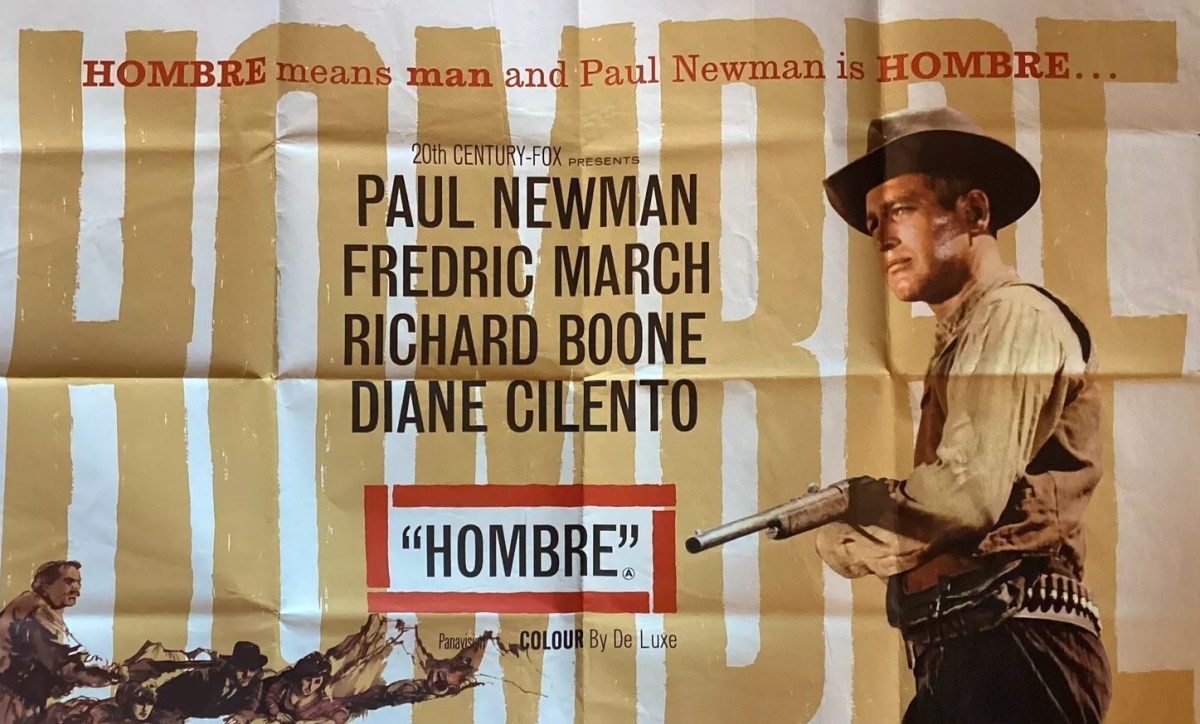
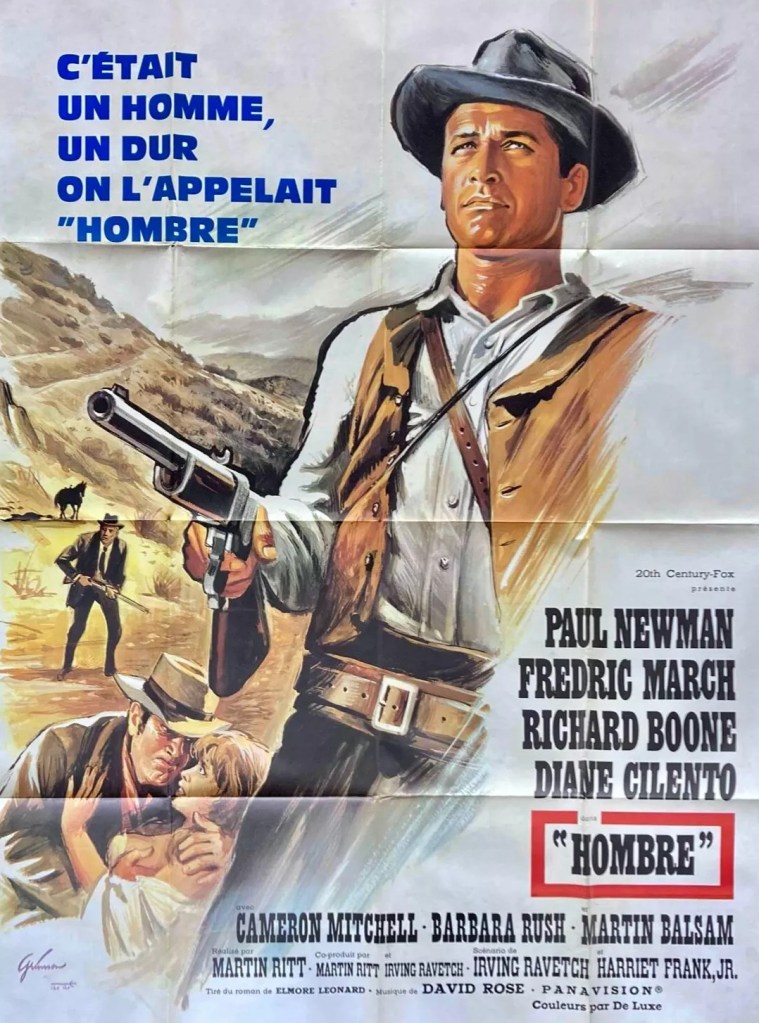
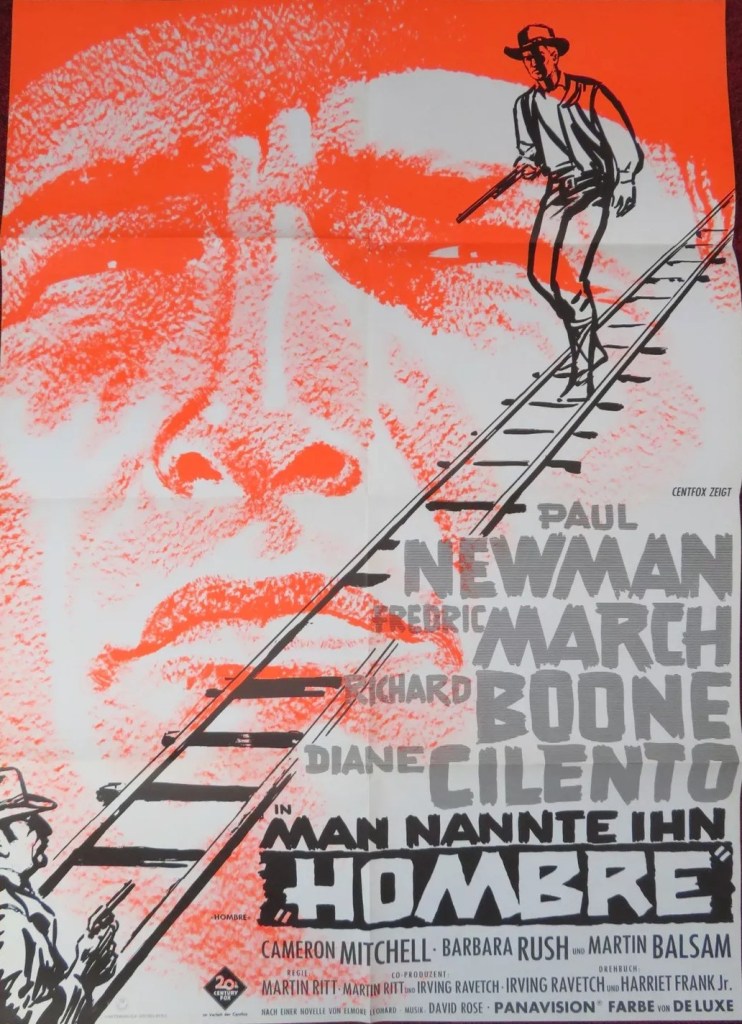
Hombre (1967) ****

Shock beginning, shock ending. In between, while a rift on Stagecoach (1939/1966) – disparate bunch of passengers threatened by renegades – takes a revisionist slant on the western, with a tougher look at the corruption and flaws of the American Government’s policy to Native Americans. Helps, of course, if you have an actor as sensitive as Paul Newman making all your points.

The theme of the adopted or indigenous child raised by Native Americans peaked early on with John Ford’s The Searchers (1956) but John Huston made a play for similar territory in The Unforgiven (1960) and, somewhat unexpectedly, Andrew V. McLaglen makes it an  important element of The Undefeated (1969).

This begins with a close-up of a very tanned (think George Hamilton) Paul Newman complete with long hair and bedecked in Native American costume. Apache-raised John Russell (Paul Newman) returns to his roots to claim an inheritance – a boarding house –  after the death of his white father. That Russell is a pretty smart dude is shown in the opening sequence where he traps a herd of wild horses after tempting them to drink at a pool. He decides to sell the boarding house to buy more wild horses.

That puts him on a stagecoach with six other passengers – Jessie (Diane Cilento), the now out-of-work manager of the boarding house, retired Indian Agent Professor Favor (Fredric March) and haughty wife Audra (Barbara Rush), unhappily married youngsters Billy Lee (Peter Lazer) and Doris (Margaret Blye), and loud-mouthed cowboy Cicero (Richard Boone). Driving the coach is Mexican Henry (Martin Balsam).

Getting wind that outlaws might be on their trail, Henry takes a different route. But the cowboys still catch up and turns out Cicero is their leader. He takes Audra hostage, though she appears quite willing having tired of her much older husband, steals the thousands of dollars that the corrupt Favor has stolen from the Native Americans, and, also taking much of the available water, leaves the stranded passengers to die in the wilderness.

The passengers might have lucked out given Russell is acquainted with the terrain but they’ve upset the Apache by their overt racism, insisting he ride up with the driver rather than contaminate the coach interior. And the outlaws, having snatched the loot, and Cicero his female prize, should have galloped off into the distance and left it to lawmen to chase after them.

But Russell, faster on the uptake than anyone expects, manages to separate the gangsters from the money, forcing them to come after it. Russell wants the cash to alleviate the plight of starving Native Americans as was originally intended, but he has little interest in doing the “decent thing” and shepherding the others to safety. Ruthless to the point of callous, he nonetheless takes time out from surviving to educate the entitled passengers to the plight of his adopted people.

A fair chunk of the dialog is devoted to Russell explaining why he’s not going to do the decent thing and giving chapter and verse on the indignities inflicted on his people, and that alone would have given the picture narrative heft, especially as the corrupt Favor is more interesting in retrieving the money than his wife.

But in true western fashion, Russell is also a natural tactician and manages to pick off the outlaws when they come calling, impervious to the cries of Audra staked out in the blazing sun as bait. Eventually, against his better judgement, Russell gives in to the entreaties of Jessie and attempts to rescue the stricken women only to be cut down by the gunmen. I certainly didn’t expect that.

So, it’s both action and character-led drama. Paul Newman (The Prize, 1963) is superb (though not favored by an Oscar nod), especially his clipped diction, and oozing contempt with every glance, and the whiplash of his actions which is countered by shrewd judgement of circumstances. But Diane Cilento (Negatives, 1968) is also better than I’ve seen her, playing the foil to Newman, sassy enough to deal with him on a male-female level, but with sufficient depth to challenge his philosophy. Strike one, too, for Martin Balsam (Tora! Tora! Tora!, 1970) in a lower-keyed performance than was his norm. Richard Boone (Rio Conchos, 1964) and the oily Fredric March (Inherit the Wind, 1960) are too obvious as the bad guys. Representing the more calculating side of the female are Barbara Rush (The Bramble Bush, 1960) and movie debutant Margaret Blye.

The solid acting is matched by the direction of Martin Ritt (The Spy Who Came in from the Cold, 1965). Prone to preferring to make picture that make a point, he has his hands full here. But the intelligent screenplay by Irving Ravetch and Harriet Frank Jr. (Hud, 1963), adapting the Elmore Leonard novel, make the task easier, offsetting the potentially heavy tone with some salty dialog about sex and married life.

Thought-provoking without skimping on the action.    

Discover WordPress

A daily selection of the best content published on WordPress, collected for you by humans who love to read.

The Atavist Magazine

by Brian Hannan

WordPress.com News

The latest news on WordPress.com and the WordPress community.