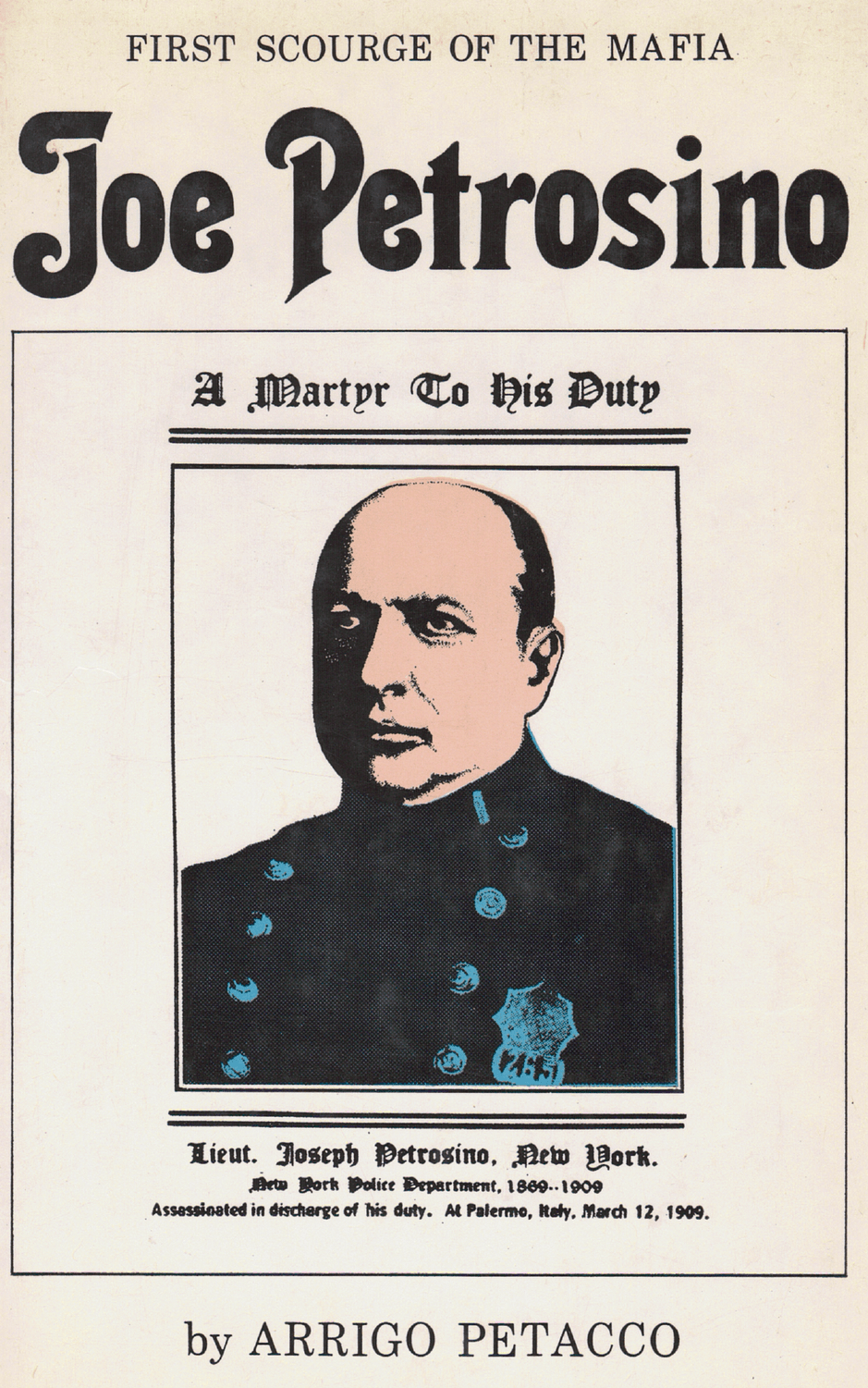
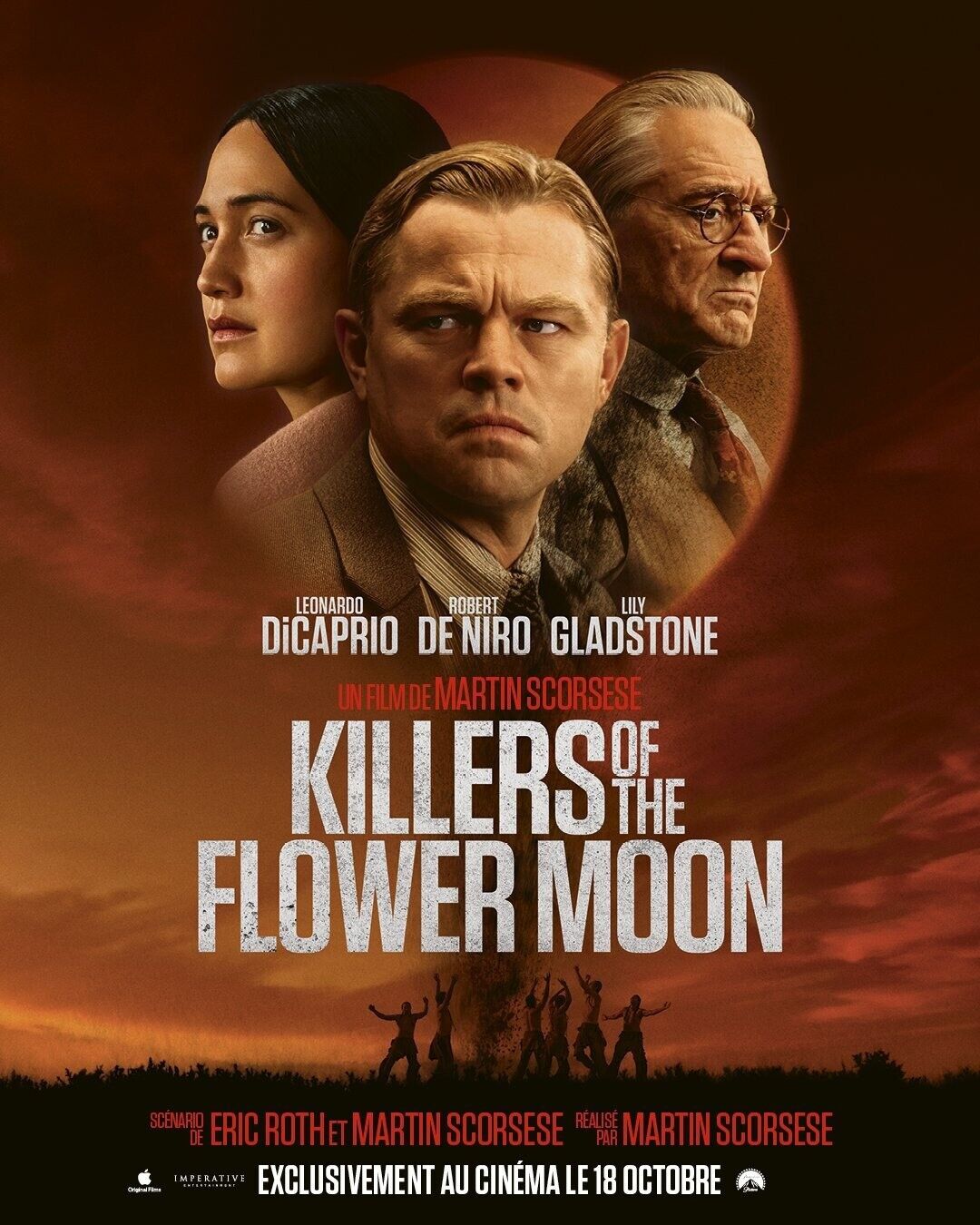
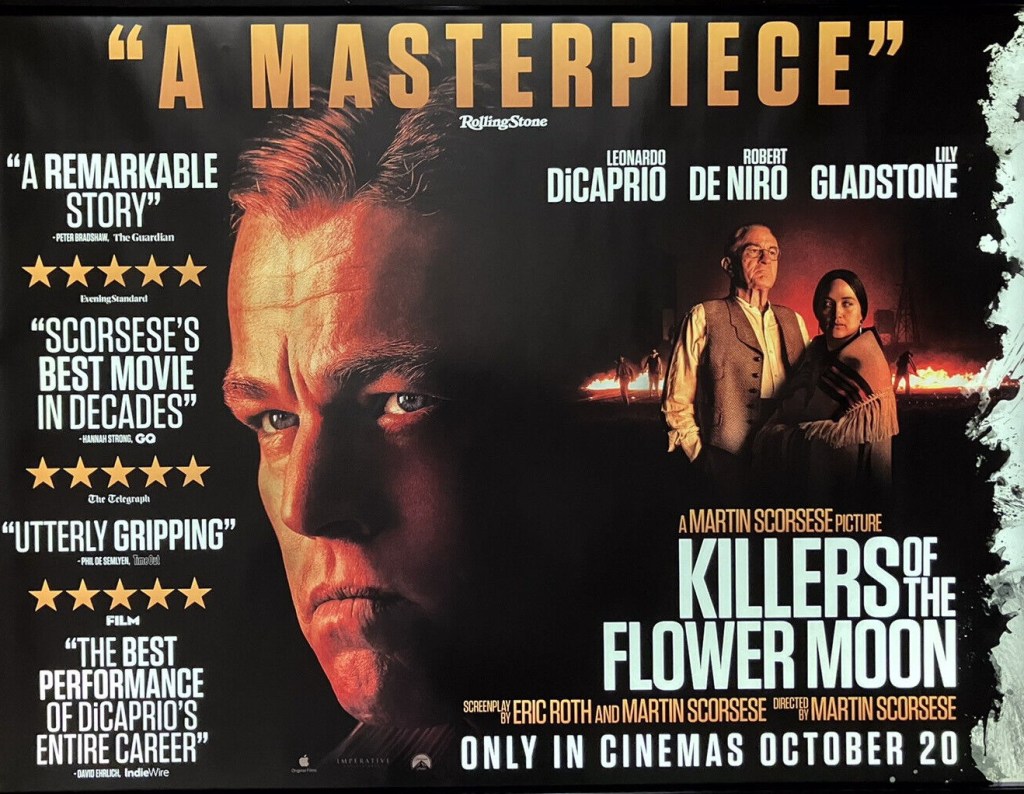
Should you be in the mood for atonement after a lifetime of deifying gangsters, Mr Scorses, you might wish to consider a biopic of the greatest cop, outside of Elliott Ness and Serpico, in American history. I’m sure Leonardo DiCaprio, who was at one time attached to a filmization of the bestseller The Black Hand (2017) by Stephen Talty, has brought the subject matter to your attention. Although Pay or Die (1960) covered similar territory, its budget and restrictions of length denied it the opportunity to properly explore the historical depth and social comment, for which in Killers of the Flower Moon (2023) you now seem more at home.
After the success of Oppenheimer (2023) audiences might be receptive to a true story about a cop who took on the Mafia a.k.a. the Syndicate a.k.a. the Cosa Nostra before it was known by any of those names and there is, to boot, a heart-rending romance that the Ernest Borgnine picture barely touched upon.

I’ve even dreamed up an opening.
A horse pulls a wagon laden with oranges and apples through a congested New York street circa 1883. As the driver pauses to make a delivery, a child, Claudia, watches from the window of her father’s shop – F. Fellini Jeweller. The horse collapses. The fruit scatters. Malnourished kids race to scoop up the merchandise. Claudia races out and strokes the horse’s mane.
We cut to a man in brown overalls striding towards the camera armed with a cleaver. The crowd parts. The child clings to her father in terror. The man raises the cleaver high over his head and slams it into the horse’s haunch. The child screams. The jeweller remonstrates with the man. The man removes his cleaver and says, “Not dead enough.”
As the credits roll, we see Claudia chasing away the flies that gather over the corpse, being pushed away by a man chiselling out the horse’s hoof, another sawing off its tail. Some days later as she is trying to pick off wriggling maggots, the man returns, this time driving a wagon. She hides behind her father.
His cleaver flashes in the sun as he hacks away at the horse. By now decomposition is so bad that the legs easily part from the body and the man is able to drag the horse bit-by-bit onto the back of his cart. Claudia watches as he leaves with the steaming carcass. We follow the wagon through the streets down to the river. A boat is waiting. The man heaves the meat onto the boat. The boat sets sail. Far out in the channels, the man begins chucking the meat overboard.
Back on dry land, the man cleans his cleaver and removes his brown overalls. Underneath he is wearing the uniform of a cop.
This is Joe Petrosino.
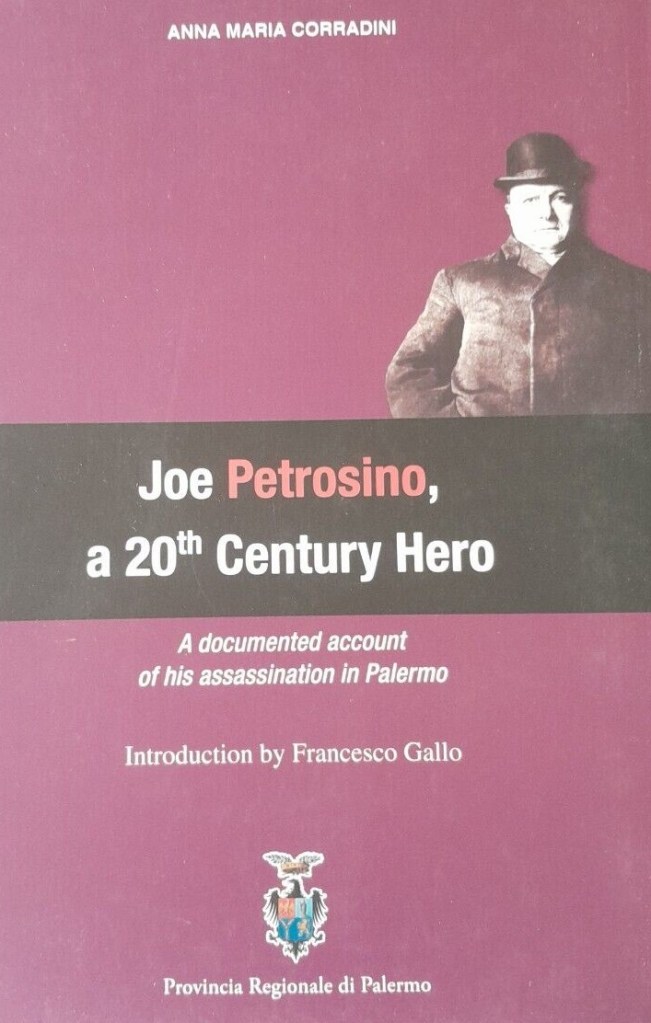
In those days cops also ran the Sanitary Dept in New York. Removing dead horses – they were too heavy to lift manually so you had to wait till the meat rotted sufficiently to fall from the bones – was a job for new recruits.
When Petrosino reaches the police precinct you’ll notice two things about him. He is short, well below the standard police requirement, and all the accents except his are Irish. In fact, he’s the only Italian cop on the force and only recruited because he can speak Italian and get information from all those immigrants who still can’t speak a word of English.
But he’s also very unusual especially to a contemporary audience because we’ve all been acclimatized to thinking that all Italians of this and successive generations accepted the Mafia rather than as Petrosino hating them and all they stood for. So this is effectively the tale of a silent majority who came from the same locale as the Mafia, understood their position in society in the home country, but loathed the fact that they had been allowed to infiltrate American society in part at least because they spoke a secret language (Italian) that few Americans understood or made an effort to understand with all the underlying racism that suggested.
But Petrosino’s not like a contemporary cop, forced to work within the tight constraints of the law and he’s not even like the cops of the 1930s-1960s who might have lawyers breathing down their necks and in the later decades accused by the media of breaching civil liberties. Petrosino was a good old-fashioned two-fisted cop, think James Cagney or Lee Marvin or Clint Eastwood but on the side of law and order. He thought nothing of beating up hoods, humiliating them in public as a way of showing that society was not going to stand by and let them terrorize the public.
Eventually, Petrosino was able to set up a specialist Italian-speaking squad to tackle The Black Hand/Mafia.
But he was also a superb detective. The Black Hand’s main line of business was kidnapping – little Claudia would come back into the story as a victim. Don’t pay the ransom and your business or your house would be blown up, the kidnappee killed. You may remember from old kidnapping movies that the kidnappers always cut out words from newspapers to write their demands.
Well, the only reason they ended up doing that was because of Petrosino. Prior to that, they just wrote out their demands in pen and ink. But he started to round up suspects by the hundreds and find an excuse to get samples of their handwriting. And then using the samples on file, whenever a new demand appeared he would scout the files to match the samples and go an arrest an astonished hood. So the gangsters wised up and started using newspapers.
He was also the guy who worked out that immigrants didn’t suddenly take up crime on arriving in America but they may well have criminal records back home and therefore could be extradited.
On top of that was the heart-rending love story. Petrosino had fallen for the daughter, Adelina, of a restaurant owner. Every night he dined in the restaurant. But she had been married before. She was a widow. Her husband had died young and she couldn’t contemplate marrying again to someone who was in such constant peril. So it took years of wooing, nightly meals, before she agreed to marry. The marriage lasted a year, ended by his death. He was assassinated while going into the lion’s den, the Mafia strongholds of Italy.
And all this is before you deal with the social issues of immigrant integration, of racism, of finding the new world as guilty of betrayal of trust as the old, of those complicit in murderous actions of the Mafia by turning a blind eye.
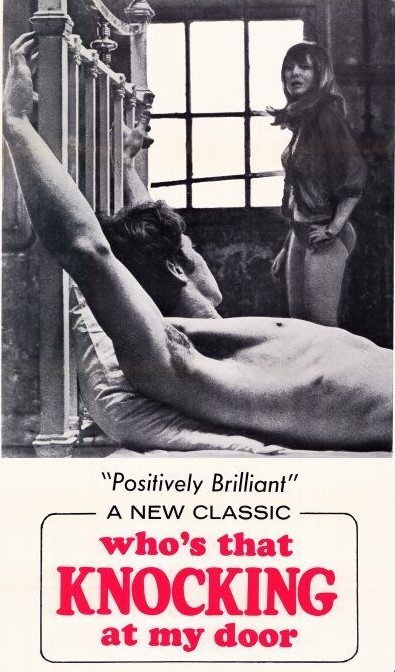
I’m suggesting Martin Scorsese because he’s covered this ground before but on second thoughts this might appeal more to the likes of Christopher Nolan who is comfortable with complexity and constantly seeks a wider perspective and who, whether through the Batman chronicles or Oppenheimer, is happy for his principal character to be in the main an upholder of justice.
 The Magnificent 60s