A Pocketful of Miracles (1961) ***

Frank Capra was yesterday’s man – one movie in a decade – and 15 years away from the consolation of knowing that his flop It’s A Wonderful Life (1948) was on its way to becoming, arguably, along with The Wizard of Oz (1939), America’s most beloved picture thanks to annual Xmas showings on television and subsequently in the cinema.

There’s nothing new here, either, it’s a remake of his Lady for a Day (1933) and it’s more of a fable lacking punch than some of his more famous pictures. And the main interest for contemporary audiences may well be that it marks the debut of Ann-Margret (The Swinger, 1966) who gets to sing but not shake her booty in trademark fashion. And it takes forever to wind up to a pitch. We’ve got to wade through three subplots before it gets going.

First of all Prohibition gangster Dave (Glenn Ford) meets up with the daughter Queenie (Hope Lang) of a deceased club owner who’s in hock for $20,000. Dave is much taken by the earnest Queen’s determination to repay the debt at the rate of five bucks a week. For no reason at all except narrative necessity, she’s turned into a nightclub singing sensation.

When Prohibition ends, big-time Chicago gangster Steve Darcey (Sheldon Leonard) plans to muscle in on the New York rackets and it takes all Dave’s suave bluster to keep him, temporarily, at bay. The end of Prohibition comes as a relief to Queenie and with the nightclub shut down she agrees to marry Dave with the proviso that he give up the gangster life and retire to her home town in Maryland and they become an ordinary couple.

Very much on the fringes of this is Apple Annie (Bette Davis), a street panhandler who sells “lucky” apples, one her most satisfied customers being Dave. When her illegitimate daughter Louise (Ann-Margret) returns from Spain to New York with rich beau Carlos (Peter Mann) in tow, Annie’s in a pickle, because she’s been keeping up the pretence of being a wealthy woman.
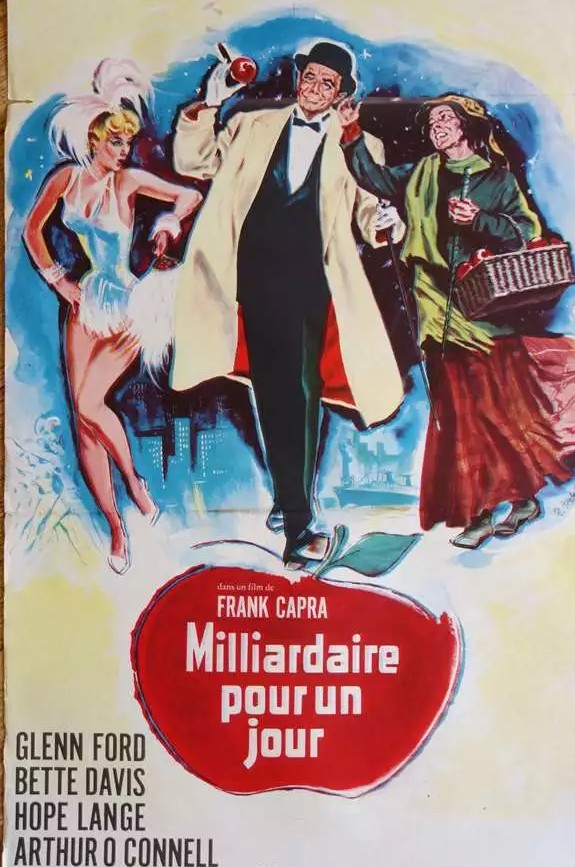
Queenie insists they help Annie to maintain her charade and Dave goes along with the idea because he’s worried his luck will run out. So Annie is turned into a sophisticate, manners polished, furnished with a luxurious apartment, including a butler, and fake husband Henry (Thomas Mitchell).

None of the stars seem to know how to handle the material, and for most of the time they act as if in a pastiche, like they were throwing winks to the audience. Glenn Ford (Fate Is the Hunter, 1964), generally adept at comedy, plays this all wrong. He wanted the part so badly he helped finance the picture. Bette Davis (Whatever Happened to Baby Jane, 1962) overacts, as does Peter Falk (Murder Inc, 1961), though the Academy didn’t think so and threw him a second Oscar nomination. Hope Lang and Ann-Margret, playing it straight, get it right, though the latter, vivacious personality to the fore, wins that battle by more than a nose. Might well have worked if original choice Frank Sinatra hadn’t ankled the project.

Hal Kanter and Harry Tugend wrote the remake, based on a Damon Runyon story. It was always a tricky business to capture the stylistic essence of Runyon, Guys and Dolls (1955) the most effective transition, Lady for a Day better than this and Little Miss Marker filmed three times.

Once the Bette Davis pretence enters the equation, the tale takes on some narrative drive and the quintessential Capra shines through. But it’s too little too late.

Not the swansong Capra anticipated, but he only has himself to blame.
Dear Brigitte (1965) ***

In the same year as his momentous turn in Shenandoah, James Stewart at his exasperating best has the time of his life in this throwback comedy that takes its time getting all its ducks in a row while taking a tilt at nuclear energy, computers and the eternal battle between the arts and science with a fair chunk of whimsy thrown in.

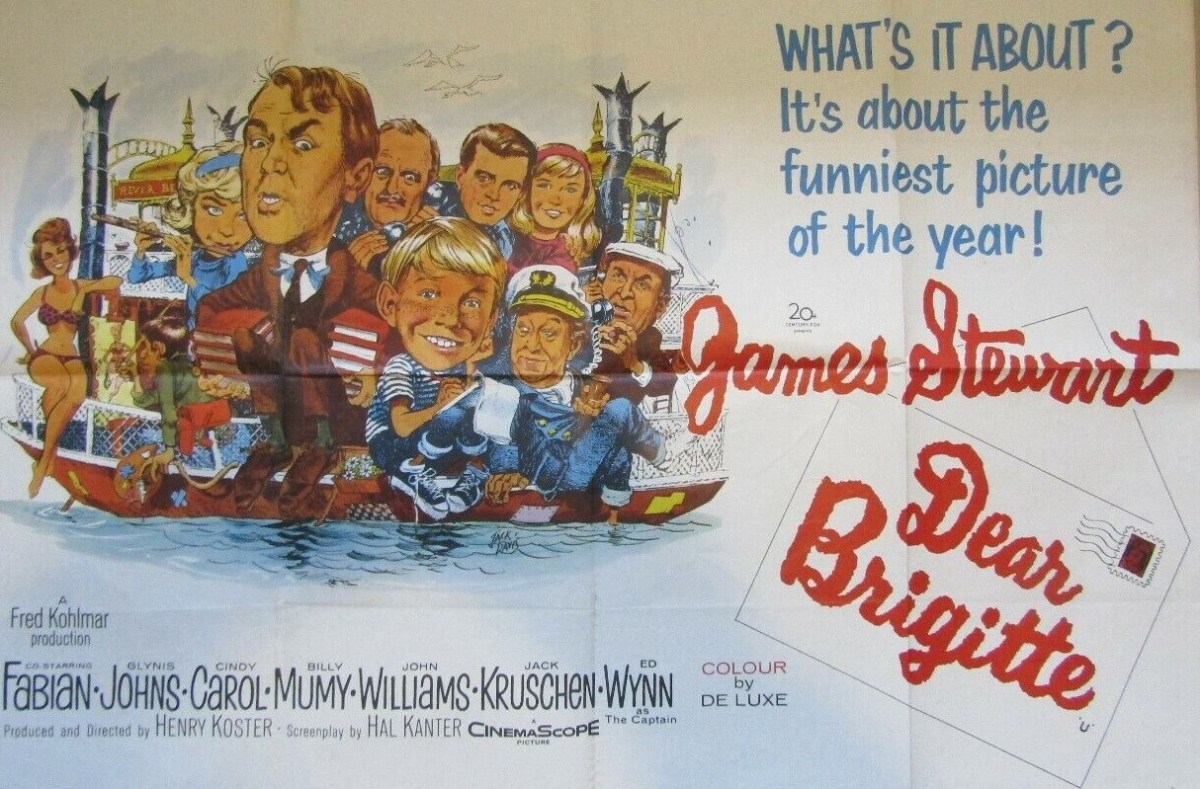
Surprisingly contemporary nod to this whole business of actors speaking directly to the camera, with the ramblings by the Captain (Ed Wynn) in this capacity constantly being interrupted by passersby in the vein of “you talking to me?” or “stop talking to yourself.” Professor Leaf (James Stewart), a distinguished poet constantly at odds with Dean Sawyer (Howard Freeman) at the local college where he teaches – on the few times when he’s not handing in his resignation – and which has a nuclear power station next door, tries to espouse the arts at every opportunity, including a family four-piece outfit playing classical music, only to discover son Erasmus (Bill Mummy) doesn’t have an artistic bone in his body.

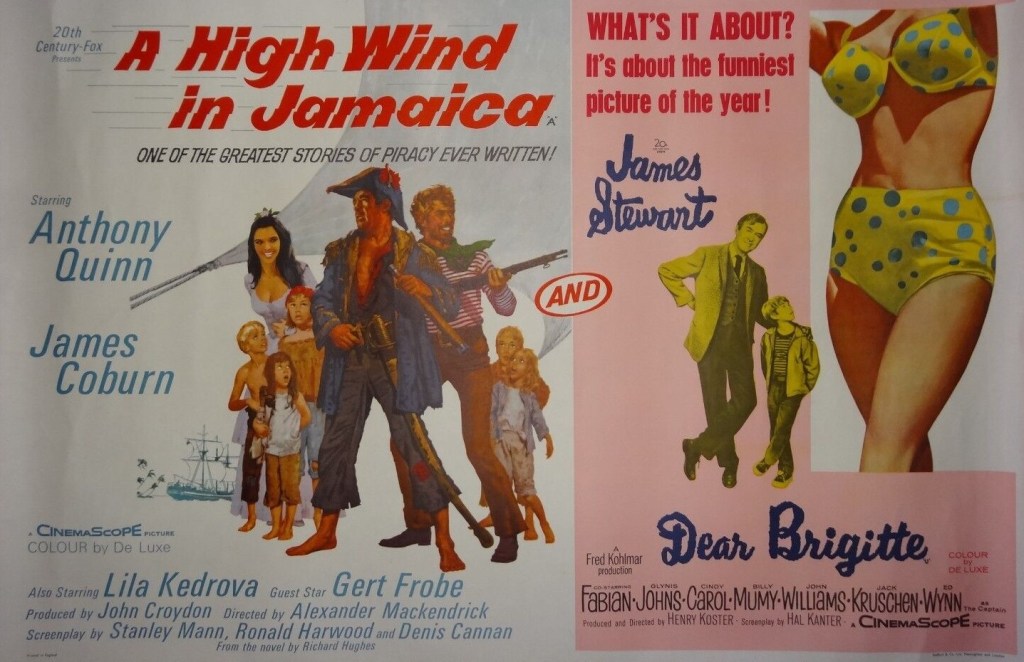
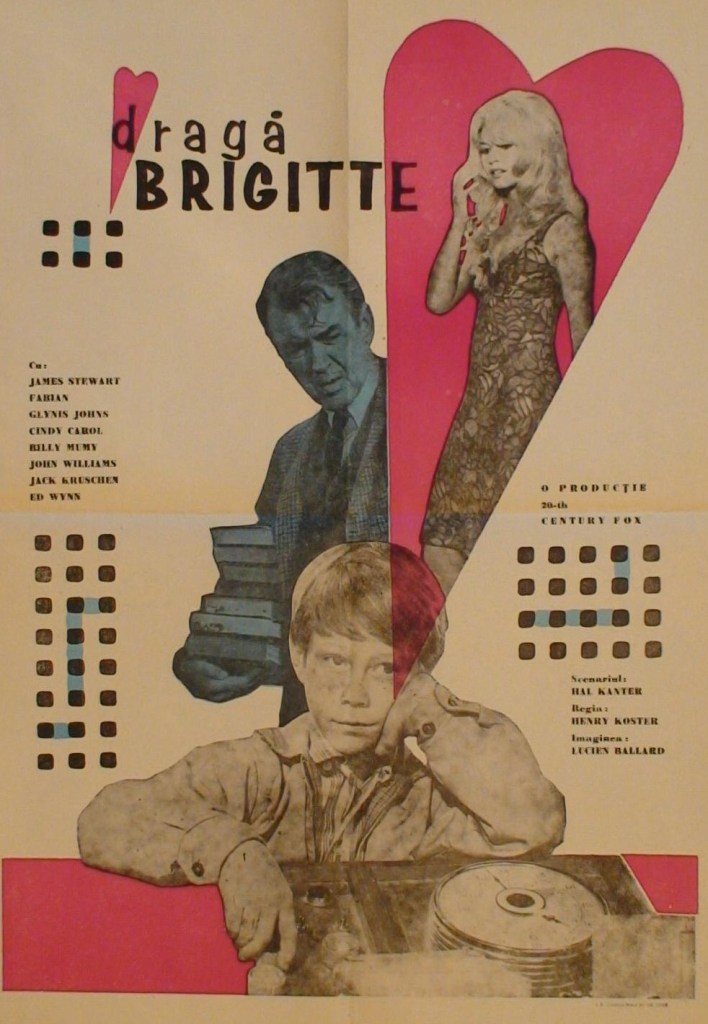
Surprisingy, in the UK down-graded to supporting feature in this kid-centric double bill. The marketing men pulled another fast one in the poster, leading audiences to believe that was BB in the bikini when it was only the usually-nude model of an artist neighbour attempting to be decent.

What Erasmus has, for some reason only now coming to the fore although he must be about ten or so, is that he’s a mathematical prodigy, able to work out complicated sums faster than a computer and pointing out errors in the calculations of the local bank. Leaf’s wife Vina (Glynis johns) doesn’t have a great deal to do except rein in the professor but she has a wonderful scene where she brings the local bank manager to book.

Anyway, eventually, Erasmus gets hooked into helping the boyfriend Kenneth (pop singer Fabian) of Leaf’s daughter Pandora (Cindy Carol) guess the winners of horse races as a way of assisting the couple in raising enough money to get married. By this time, Leaf has finally resigned and worked out he won’t pick up easy cash from the Government – another terrific scene – and is hoodwinked by con artist Peregrine Upjohn (John Williams) into setting up a charity to help disadvantaged students by employing his son’s skills.

Anyone familiar with horse racing will be aware how preposterous the conceit that anyone, no matter how scientifically skilled at working out the odds, can consistently pick winners. But this all flies by since it’s that kind of movie, one that not only defies belief, but basically sucks you into believing the whole thing, the way the untalented youngsters always managed in Hollywood times gone by to muster a great stage show or turned any kind of loser into a winner.

Still, all this goes on before we get close to the nub of the title. Erasmus has fallen in love with Brigitte Bardot and because he’s basically the family’s sole breadwinner eventually dad takes son to France to meet the real-life superstar who is far more charming than you would expect, the sexpot on hold for the occasion.

So, mostly, as I said, it’s an old-fashioned confection, the kind you could still get away with in the mid-1960s before the changing times demanded that comedies take on a harder edge. And with James Stewart in top form and husky-voiced English star Glynis Johns (who had her own television series in the U.S.) jumping in now and then to prevent him from making things worse it works a treat. Stewart exaggerates all those mannerism you might have thought mildly irritating before – he’s all limbs and sentences cut off in their prime and telling people to leave their own houses. But if he had toned any of that down, the air would have quickly escaped the balloon, for really he’s the only thing keeping it afloat.

But that’s stardom for you. A vehicle comes along that in total isn’t really worthy of the involvement of a marquee attraction like Stewart, who could be lending his talents to more solid fare like Shenandoah and The Flight of the Phoenix (also released the same year). While he’s crucial to both those other pictures, giving one of his best performances in the former, perhaps surprisingly, U.S. audiences, voting with their dollars, felt his performance here trumped that of the Aldrich picture.

Ir’s usually believable roles that attract the greatest critical plaudits for stars, but actually their most notable contribution is in making fly movies that should never work on paper but somehow with their magical injection not necessarily makes the screen sizzle but turns doughy material into something lighter and more easily digestible.

Henry Koster (Mr Hobbs Takes a Vacation, 1962) directs with occasional flair from a screenplay by Hal Kanter (Move Over, Darling , 1963) and Nunnally Johnson (The Dirty Dozen, 1967) based on the bestseller by John Haase.

As under-rated as The Trouble with Angels (1966) as lightweight comedies of the decade generally were, this is worth a look for Stewart alone.  

https://amzn.to/3RiMcjX

Discover WordPress

A daily selection of the best content published on WordPress, collected for you by humans who love to read.

The Atavist Magazine

by Brian Hannan

WordPress.com News

The latest news on WordPress.com and the WordPress community.