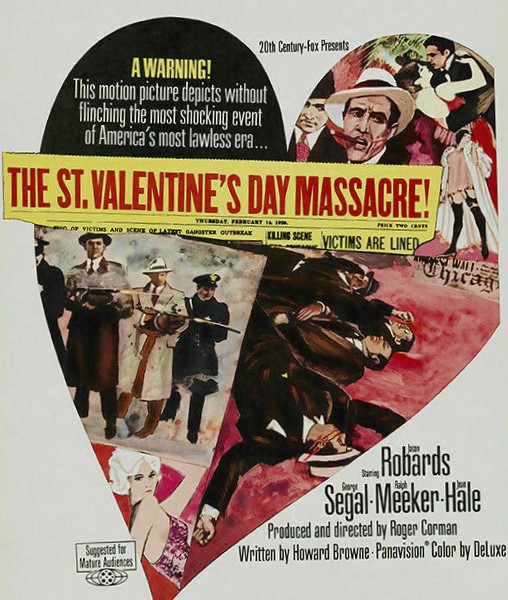
The St Valentine’s Day Massacre (1967) ***

I didn’t realise that the Prohibition gangsters who invented the drive-by shooting were perfectionists. Just to be make sure of completing the job, I found out here, they might send a dozen cars one after the other rolling past the chosen restaurant/cafe, machine guns spouting hundreds of bullets. Nobody could survive that, you would think. But there was a flaw to the idea. If someone just lay down on the floor, the bullets would pass over their head. Strangely enough, we never got a potted history of the drive-by shooting in this docu-drama because otherwise we found out just about everything we needed to know about the infamous massacre.

But I did wish that the narrator would shut up once in a while. I kept on thinking we were going to be examined afterwards. Every dumb schmuck that made even a brief appearance on screen got the full bio treatment, including when – and how (not always by violence) – they died. That annoying feature aside, it was certainly a forensic examination of the whys and wherefores of the infamous gangland slaying. Rival Chicago mobsters Al Capone (Jason Robards) and Bugs Moran (Ralph Meeker), both concluding that the other was not open to negotiation, decided instead to rub him out and the movie basically follows how each develops their murderous plan.
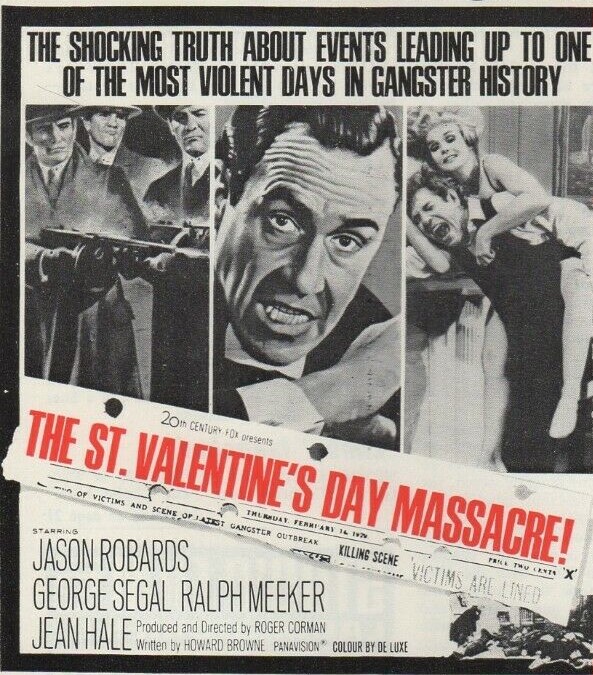
All the big gangster names are here – it’s like a hit man’s greatest hits – Frank Nitti (Harold J. Stone), massacre mastermind Jack McGurn (Clint Ritchie) and Capone enforcer Peter Gusenberg (George Segal) – and the movie reprises some of the classic genre tropes like mashing food (sandwich this time rather than grapefruit) in a woman’s face and Capone taking a baseball bat to a traitorous underling. And there’s the usual lopsided notion of “rules,” Capone incandescent that a ganster was murdered in his own home.

Capone’s plan is the cleverest, involving recruiting people with little or no criminal record including the likes of Johnny May (Bruce Dern in a part originally assigned to Jack Nicholson), renting a garage as the massacre venue, and dressing his hoods up as cops. The film occasionally tracks back to set the scene. And the ever-vigilant narrator makes sure to identify every passing gangster but come the climax seems to run out of things to say, a good many sentences beginning with “on the last morning of the last day of his life.”

Since there’s so much money washing around, it makes sense for the ladies to try and get their share. Gusenberg’s girlfriend (Jean Hale) casually, without seeking permission, swaps one fur for another four times as expensive. A sex worker as casually steals from her client’s wallet before demanding payment for services rendered.
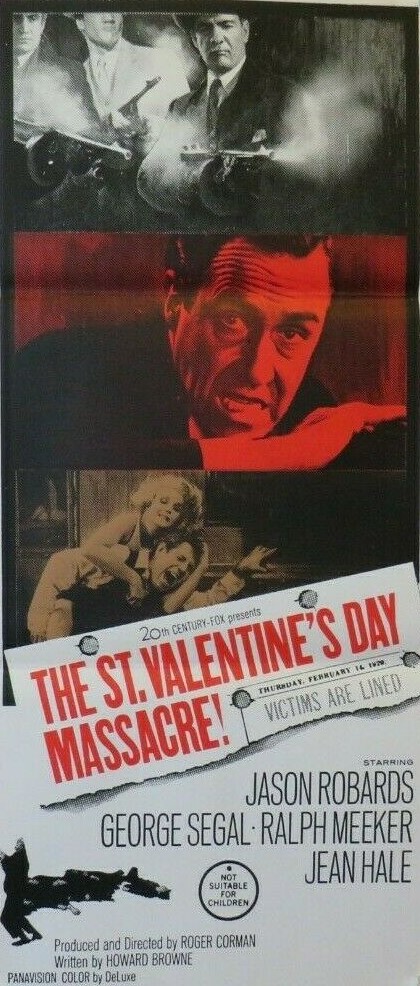
The only problem with bringing in so many bit characters – either those doing the murdering or being murdered – into play is that it cuts down the time remaining to cover Capone and Moran, so, apart from the voice-over, we learn little of significance, most of the drama amounting to outbursts of one kind or another. But it’s certainly very entertaining and follows the Raymond Chandler maxim of when in doubt with your story introduce a man with a gun, or in this case machine gun. The violence is episodic throughout.

Despite the authenticity, punches are pulled when it comes to the physical depiction of Capone. The man universally known as “Scarface” shows no signs of such affliction as played by Jason Robards (Hour of the Gun, 1967). Certainly, Robards shows none of the brooding intensity with which we associate Godfather and son Michael in the Coppola epic, rather he has more in common with Sonny. He delivers a one-key performance of no subtlety but since the film has no subtlety either then it’s a good fit. Ralph Meeker (The Dirty Dozen, 1967) has the better role, since being the junior gangster in terms of power he has more to fear. I felt sorry for Oscar-nominated George Segal (No Way To Treat a Lady, 1968) since although his character is there for obvious reasons there is no obvious reason why he should be allocated more screen time. And given more screen time, nobody seems to know what to do with it.

There’s a superb supporting cast including Jean Hale (In Like Flint 1967), Bruce Dern (They Shoot Horses, Don’t They, 1969), Frank Silvera (Uptight, 1969), Joseph Campanella (Murder Inc., 1960) Alex Rocco (The Godfather, 1972), future director Gus Trikonis and future superstar Jack Nicholson.  

After over a decade of low-budget sci-fi, horror and biker pictures, this was director Roger Corman’s biggest movie to date – his first for a major studio – and, excepting the voice-over, he does an efficient job with the script by Howard Browne (Portrait of a Mobster, 1961) who was presumably responsible for the intrusive narration.

CATCH-UP: This isn’t really a good place to start with the acting of George Segal and you will get a better idea of his talent if you check out the following films covered so far in the Blog: Act One (1963), The New Interns (1964), Invitation to a Gunfighter (1964), King Rat (1965), Lost Command (1966), The Quiller Memorandum (1966), No Way to Treat a Lady (1968), The Bridge at Remagen (1969) and The Southern Star (1969).

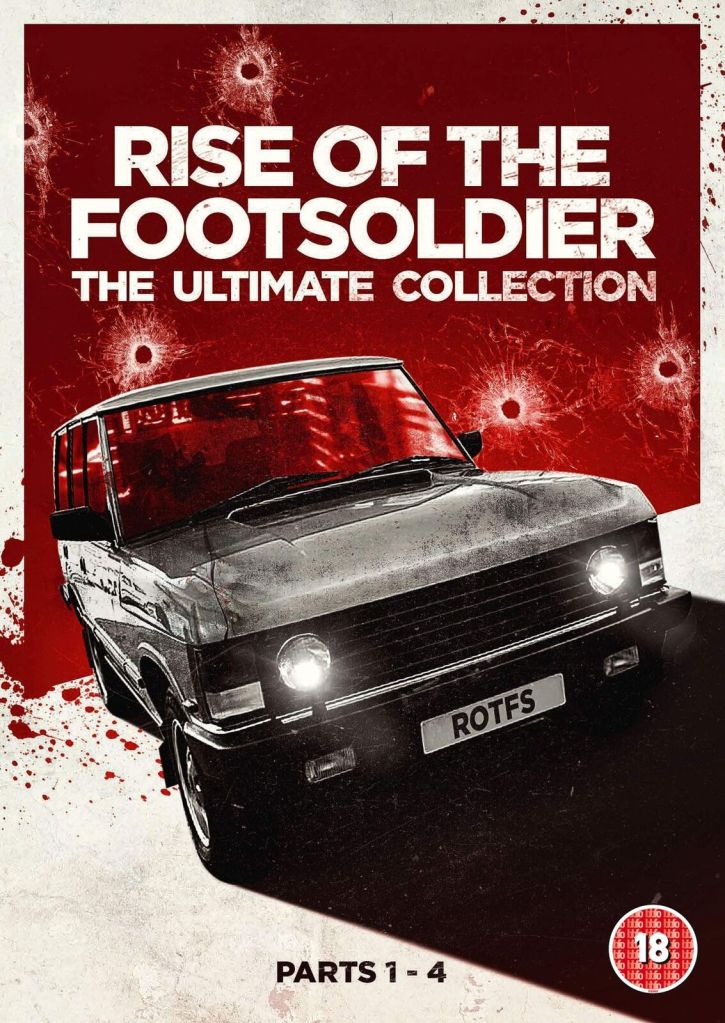
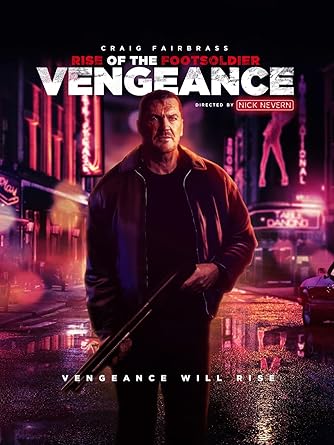
Rise of the Footsoldier: Vengeance (2023) *** – Seen at the Cinema

If a train strike hadn’t forced me to drive to the Bradford Widescreen Weekend and threat of a storm ensured I set off early in the morning, leaving me an afternoon to kill, and if my hotel wasn’t slap bang next to a multiplex, I might not have been tempted. And I guess you could add to this list of possibilities that if cinemas had not been so strapped for product, it might have gone straight to streaming or DVD. So I’m happy to report that the British B-picture is alive and kicking.

Revenge is the order of the day, no surprise there in a crime flick, but here’s the twist: while ostensibly it’s just Tate (Craig Fairbrass) seeking vengeance for the death of a gangster buddy, in fact he’s also got a target on his back, three figures from his past intent on payback.

Previous entrant to the series.

So, the plot is complicated to say the least, but here’s the other twist: it’s the family element that stands out. Not “family” Mafia-style where omerta rules and only women are allowed to shed a tear. But family as in, tough as they are, these criminals have emotions. One particularly hard-boiled specimen bursts into tears in front of his cellmates on hearing of the death of a loved one. A budding gangster, boxer and drag artist (take your pick at which he shows the most talent) Billy the Kid (Ben Wilson) – who, father foolishly uses the same moniker for his stage act as his boxing – is terrified of coming out to trainer father Fergus (Stephen McCole), relying on his aunt Margo (Tara Fitzgerald) for a shoulder to cry on.

Mental and physical scars are on greater display than normal. Every time it looks like the violence quotient is about to up the ante, in sneaks a moment of humanity, a hood with a baby, the aforementioned reactions.

Set in the 1990s drugs scene, the movie has a Point Blank (1967) sensitivity (if that’s the word), Tate constantly confounded by what’s going on. No matter how many people he kills, the situation just gets murkier. To be honest, I’m not surprised, I was confused.

The low-budget dictates we stay pretty well removed from any period detail. The cars and the gentlemen’s club – the movie’s virtually an advert for the real-life Platinum Lace – and the fact that the bright lights of central London conceal a lot, is as far as we go. Hazy backgrounds and longshot keep the past out of sight.The attractions in the club are such that the punters are not diverted by the entrance of  bloodied gun-toting gangsters and the first gunshots pass them by.

Neat touches abound. The young girlfriend Charlotte (Emily Wyatt) of chief crook Hexell (Phil Davis) is in reality a safecracker and at the first opportunity heading off to foreign parts with a hefty haul. When Tate makes the mistake of driving into Fergus’s breaker’s yard he has not taken into account how easily his vehicle, shades of Mickey One (1965), can be scooped up and crushed to oblivion. Faulty information results in a heist being a bust. There’s some comedy with an out-of-date grenade and a machine gun firing blanks. In a more horrific echo of The Long Good Friday (1980) a miscreant is trapped in a car and burned alive.

But the best scene, amidst the carnage necessarily for a revenge picture, is a dying man accepting his son’s right to live his own life. And there is some honor among thieves, or at least an old pals act to fall back on.

There’s plenty violence for your buck. Knife, bullet, gas, grenade, fire, the permutations are endless and would need to be because so many people require to be dealt with. In individual combat, of course Tate wins the day, but given he is constantly outfoxed his fists and guns don’t always achieve their long-term purpose.

While Tate is not in the John Wick/Rambo league, he could certainly sit on a second tier that might encompass the movies of Dolph Lundgren, Steven Seagal, Jean-Claude Van Damme, though he’s not as athletic as the last two.

The marketeers were handed an unlikely bonus in the shape of a three-star review from  normally morally upright British newspaper The Guardian, and my guess it would be for the same reasons as I was impressed, the refusal to toe the DTV line and invest the picture with some humanity.

This series kicked off in 2007 and this is the sixth. The services of original star Ricci Hartnett were dispensed with after the second film. Fairbrass was top-billed for the next pair but ceded that to Vinnie Jones. The original was based on a true-life memoir but has gradually evolved into a more wide-ranging gangster series. Most have gone straight to streaming/DVD.

Good performances all round. Craig Fairbrass (Villain, 2020) should get a shot at something bigger. Directed with some elan on a tight budget by Nick Nevern (The Hooligan Factory, 2014) and the screenplay by producer Andrew Loveday (involved in two others in the series) and Jason Maza, also incidentally a producer, in his screen debut, has left an opening for a sequel.

The Frightened City (1961) ***

Sean Connery in an early role as a gangster is not the only reason for watching this brisk British thriller about a London protection racket. Primarily told from the point-of-view of the bad guys, this explores how a ruthless Mr Big builds up a criminal empire. Waldo (Herbert Lom), a bent accountant, brings together the six major gangs involved in extorting money from pubs and stores into a democratically-run syndicate.  He then moves on to demanding bigger sums from bigger enterprises such as construction businesses. However, when the gangsters fall out they go to war.  

This film is way ahead of the game in presenting gangsters as displaying any intelligence. Generally, they were depicted as brutes who ruled by force. But criminality at the top level demanded as much organization as in a legitimate business. Personalities had to be harnessed to work together rather than shoot each other on sight. Such skills had to exist in order for gangsters to operate on any scale. This picture examines how this was done.

The cops led by Det Insp Sayers (John Gregson) are almost a sub-plot and the story would have adequately run its course without their involvement. Sayers sails close to the wind in hoping to “tilt the scale of justice in our direction for a change.” Paddy (Sean Connery) doesn’t appear until about 20 minutes as a karate-expert cat-burglar turned enforcer. Paddy’s involvement with the syndicate ends when his code of honor is breached and he turns on his employers. His code is not so sacrosanct that it prevents him cheating on girlfriend Sadie (Olive McFarland). But he does display the virility to fill James Bond’s shoes.

There’s far more violence that would be expected in a British crime picture of the era. Night clubs, shops and pubs are wrecked and there’s plenty of fisticuffs and when the gangsters go head-to-head they upgrade to grenades. There’s a bit more plot than the running time can deal with so director (and producer and co-writer, along with Leigh Vance of Crossplot, 1969, fame) John Lemont occasionally resorts to cliché devices like newspaper headlines. Canadian Lemont – most famous for writing the first serial on ITV, Sixpenny Corner – was an auteur of the old-fashioned (and unheralded) kind, and previously writer-director of The Shakedown (1960). 

Top billing was a step up for Herbert Lom (Gambit, 1966) and he made the most of it, delivering a suave villain among the thugs. John Gregson (Night of the Generals, 1967) Table, 1959) was a solid British star and ideal cop material (he was later British television’s Gideon). Yvonne Romaine, as Connery’s new squeeze, a nightclub singer exploited by Lom more for her looks than her voice, was known to audiences after Curse of the Werewolf (1961). This was a sophomore outing for Scottish television actress Olive McFarland (So Evil So Young, 1961). Unusually, for a British picture at this time, the theme tune written by Norrie Paramour was covered by The Shadows and turned into a hit.

At this point in his career, Connery had already had two bites of the cherry without much success – romancing Lana Turner in Another Time, Another Place (1958) and Disney’s Darby O’Gill and the Little People (1959). He would make another three films before his breakthrough with Dr No (1962) but the Pressbook showed signs that he was headed for the heights.  Co-star Yvonne Romaine (and her distinctive body measurements) were accorded three separate stories in the Pressbook, compared to one each for Lom and Alfred Marks, at that point better known as a comedian. While no articles about Connery were featured, when it came to the advertising campaign Connery (and Romaine) outshone their co-stars.  

Producers were contractually bound in relation to the size of credits that appeared on any advertising. But there were no such regulations regarding the visuals of an advert. Although top-billed, Lom is not shown on any of the adverts. Given greatest prominence was Yvonne Romaine. There were thirteen different ads and she appeared in them all. Although Connery was third-billed and she was two rungs below in the credit stakes, he was the junior partner when it came to the artwork. While, Connery appeared in eleven in only one did he overshadow Romaine and in another they were visually-speaking accorded roughly the same status. But otherwise, she hogged the adverts.  

The Pressbook was small by American standards, consisting of six A3 pages, the bulk of which was given over to adverts. But what it lacked in pages it made up for in taglines – of which there were six main types.

The picture was not seen much in the United States, sent out in first run as the lower half of a double bill in only a handful of big cities, so there’s a fair chance it’s completely unknown except to Connery completists. It later appeared on the reissue circuit when Connery was a bigger name.

Worth a look as an example of the British crime movie trying to break out of the confines of the genre, and even more so as an early example of the Connery screen charisma.

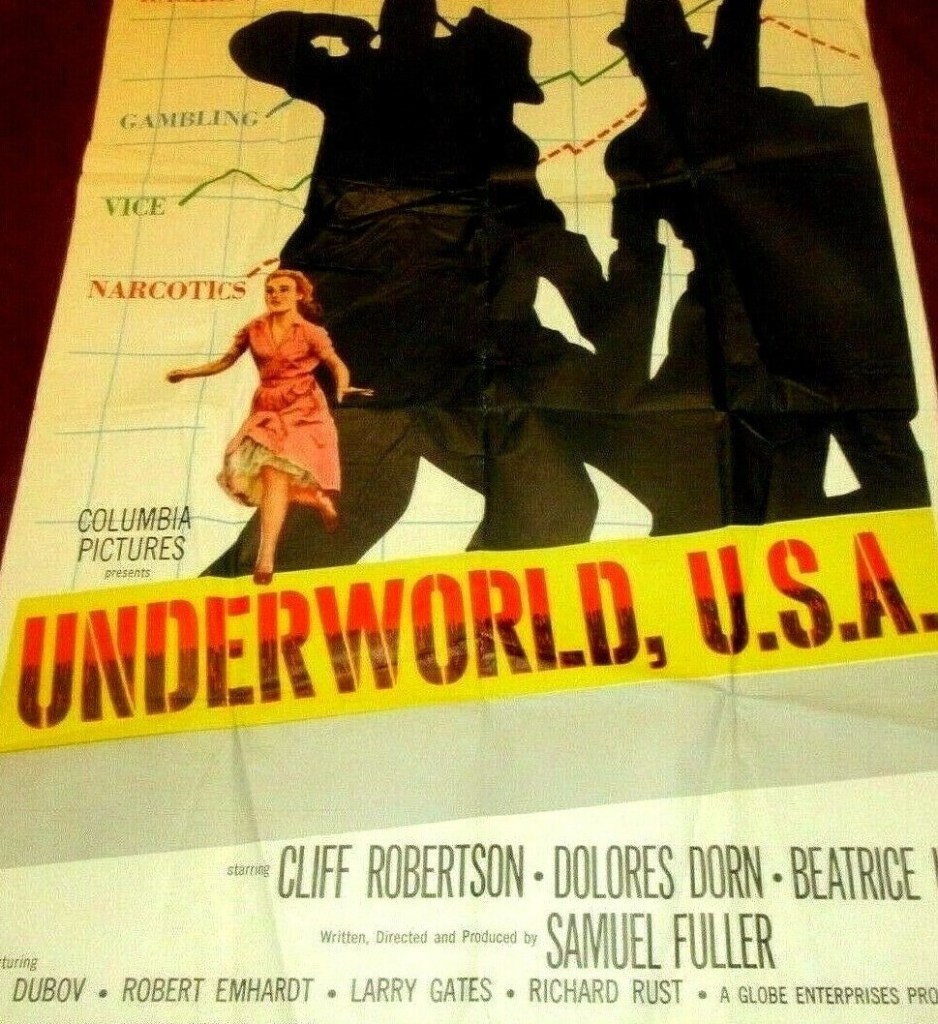
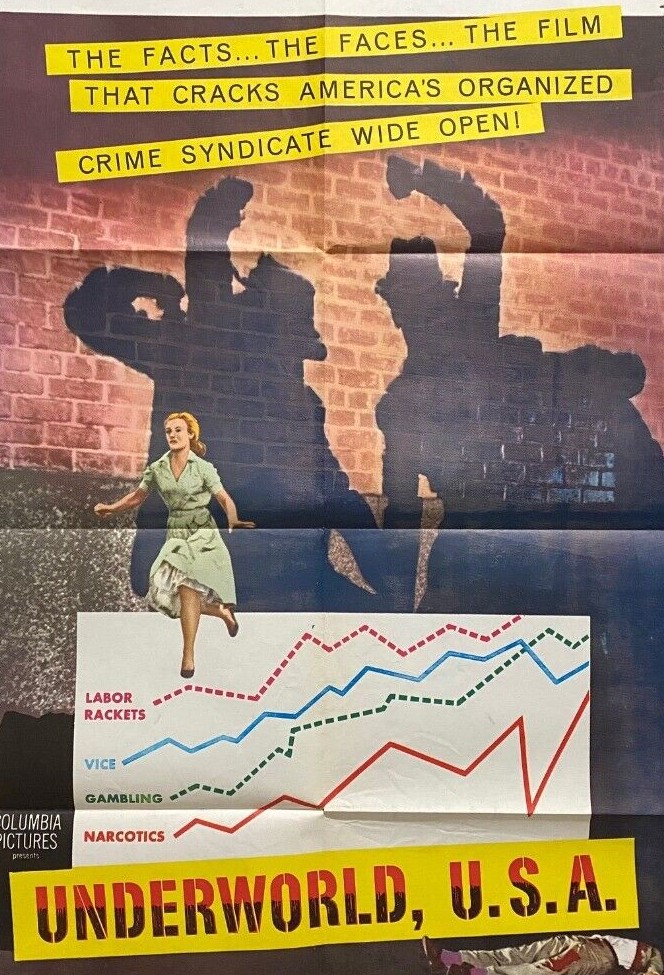
Underworld U.S.A. (1961) ***

Could be a companion piece for The Oscar (1966). Dumb punks with scarcely a redeemable feature. Treat women like garbage. Obsessed by an unachievable aim. In this case it’s revenge for the death of a no-good hoodlum father that provides an expose of the Mob. Sam Fuller opts for a documentary approach, rather than delving into the soap opera of The Oscar, and at times info dumps threaten to run away with the picture. While raw enough, lacks the emotional kick of The Naked Kiss (1964).

When habitual jailbird Tolly (Cliff Robertson) comes across one of his father’s murderers in gaol he tricks him into revealing the names of the three others – Gela (Paul Dubov), Gunther (Gerald Milton) and Smith (Allan Gruener) – who are now high-ranking gangsters. Having gained entrée to the hoodlum kingdom, he becomes an unlikely ally of top cop Driscoll (Larry Gates), devising a clever plan to suggest to Mob boss Connors (Robert Emhardt) that his lieutenants are so untrustworthy they should be rubbed out.

Along the way he enjoys a dalliance with a Mob runner Cuddles (Dolores Dorn) who draws the lines at handling drugs, and ruthlessly pulls her into his scheme. Motherless Tolly’s mother figure Sandy (Beatrice Kay) does her best to put him off his skulduggery.

When he’s not robbing or working on his scheme, he’s either seething or dashing Cuddles’s dreams of living together, not as his moll, put up in an apartment, but as an honest couple. He’s not remotely interested in doing the right thing or imagining himself as a public-spirited hero and would rather be executioner than laboriously bringing his targets in to face justice.

But the cops are equally ruthless, fully aware of the dangers facing informants, but so intent of catching the gangsters they do little to minimize the peril. Characters pop up in bit parts to make points about police corruption and when Fuller lurches away from Tolly to deliver lectures about the extent of the Mob’s tentacles it loses focus.

See what I was saying about stats. When did they ever sell a picture?

But all the statistics and operational details count for a lot less than venal assassin Gus (Richard Rust) cold-bloodedly running over a young girl to deliver a warning to others and Connors intending to turn schoolkids into drug addicts.

You can see why Fuller fell back on stats because there was hardly anything new to say about gangsters after a three-year crime biopic spree kicked off by Machine Gun Kelly (1958). Every major crime figure had been given the treatment – Al Capone (1959), Ma Barker’s Killer Brood (1960), Murder Inc. (1960), Pretty Boy Floyd (1960), The Rise and Fall of Legs Diamond (1960), King of the Roaring 20s: The Story of Arnold RothsteinMad Dog Coll (1961) and Dutch Schulz in Portrait of a Mobster (1961).

There wasn’t much new about Tolly except he believed his killings were sanctioned by a complicit police force and his own ideas about justice.

That said, Cliff Robertson (The Devil’s Brigade), before his twisted grin got the better of him, and he resorted to scene-stealing, is excellent as a driven dumb thug who lets anything worthwhile, namely the courageous Cuddles, slip through his figures. And Robert Emhardt has a ball running his empire from the poolside. But mostly, it’s tough guys talking tough, sometimes with the aid of a cigar.

You can’t not have seen most of this before. Sure, Fuller is a bit more stylish. The death of the father, all shadow, might be a homage to film noir. But, like all gangster films with the exception of Bonnie and Clyde (1967) and The Godfather (1972) and the Scorsese movies, it loses audience empathy because Fuller is unable to make likeable his unlikeable characters.

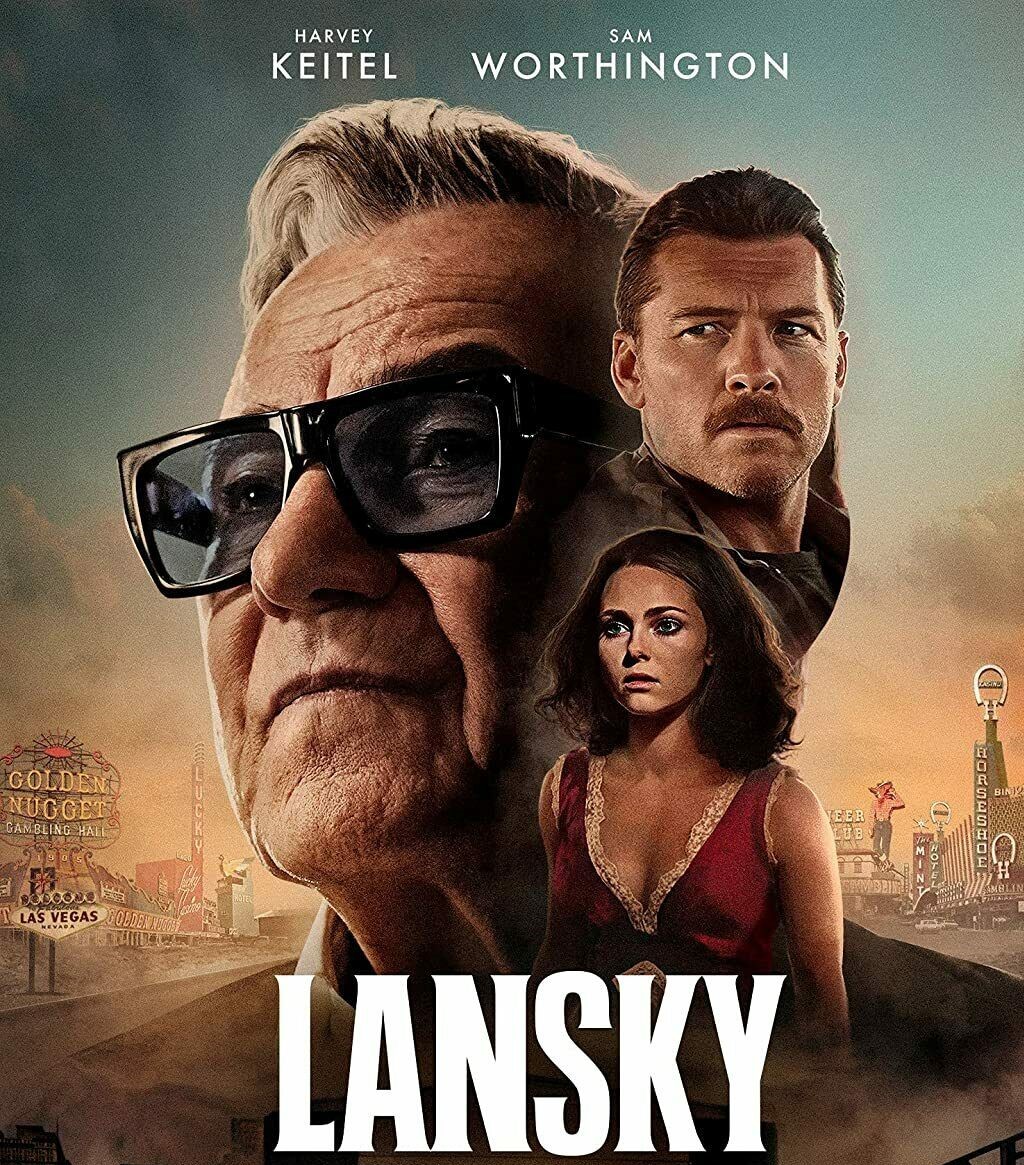
Lansky (2021) ****

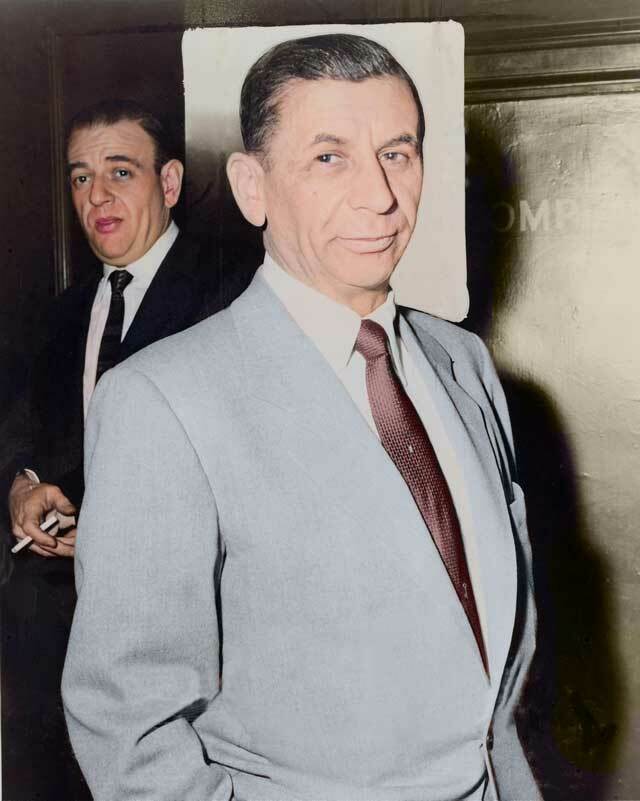
Murder Inc. gangster Meyer Lansky has featured in over a dozen Hollywood movies and television series from Lee Strasberg in The Godfather (1972) to Ben Kingsley in Bugsy (1991) and Dustin Hoffman in The Lost City (2015) so you could be asking why do we need another one? And it’s a good question because this part docu-drama, while recounting the well-known aspects of the mobster’s career, also examines less obvious areas as well as bringing the story up-to-date in a duel of wits between Lansky (Harvey Keitel) and the F.B.I. still chasing him for $300 million it presumes he has hidden away.  

The movie is framed by journalist David Stone (Sam Worthington) interviewing Lansky about his life. This turns out to be far more interesting than previously portrayed. Sure, there’s plenty of executions, but Lansky was also the most financially acute of gangsters, taking the business legitimate in the fashion of Michael Corleone in The Godfather, realising that rather than killing businessmen who could not pay their debts it was more sensible to take over their businesses and improve them, and in order to keep everything above board when contracted to oversee all the casinos in Cuba refusing to rig machines in the house’s favour.

Lansky in his heyday.

He’s also got a crippled son whose illness he perceives as a mathematical equation and is convinced he can beat the odds. In the course of his interviews, Stone falls for a honey trap and is blackmailed/bribed by the F.B.I.  So tension is raised by the government agency hovering in the background, the mystery of the missing millions, and Stone’s fears that Lansky will find out he is being betrayed.

Biopics succeed or failed based on what aspects of the subjects life they choose to cover. All the big names are here – Al Capone (Robert Walker Branchaud), Lucky Luciano (Shane McRae), Salvatore Maranzano (Jay Giannone), Bugsy Siegel (David Cole) – but we also delve into territory almost foreign to the gangster genre with Lansky’s patriotism leading him to root out Nazi spies and sympathizers during world War Two, in return for which he secures the release from prison of Lucky Luciano. His return to Israel is scuppered by U.S.-Israel relations. And, no matter his courtesy and manners, he’s also a scumbag of the first order, committing wife Anne (AnnaSophia Robb) to a psychiatric hospital because she has the audacity to blame him for his crimes.

Adding some depth is the “currency” of traded favours, that the U.S. government had little compunction in utilising his services at a time when it was trying to crack down on organised crime. Even the ageing Lansky is clever enough to outwit his pursuers.

But, of course, movie length works against the film. It would have been better as a limited series, exploring the man’s entire career. Even so, it certainly provides new insight into the mind of a gangster who was a businessman, in the correct term of the word, first and foremost. In another world, he might have been acclaimed as the man who pioneered a  gambling industry now worth $250 billion annually to the U.S. economy.

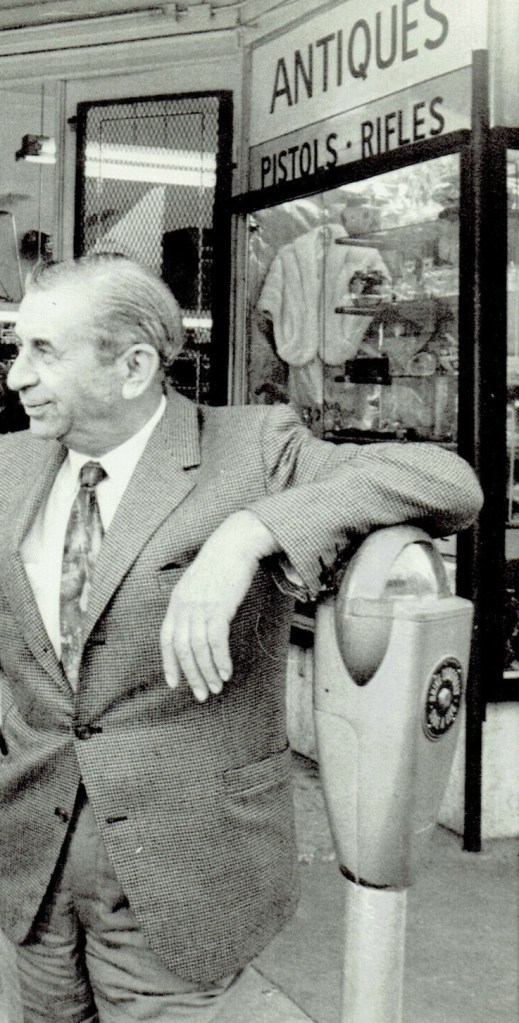
Just another elderly citizen.

Harvey Keitel (The Irishman, 2019) shows no sign of calling time on a career over half a century old and his bemused take on the gangster is solid work. Sam Worthington (Fractured, 2019) is excellent as the compromised journalist trying to keep family and finances together. Look out for David Cade (Into the Ashes, 2019) as Lansky’s lifelong buddy, Minka Kelly (She’s in Portland, 2020) as the deceitful girlfriend and AnnaSophia Robb (Words on Bathroom Walls, 2020) as the showgirl who realises marriage is not all it’s cracked up to be.

This was something of a personal project for writer-director Eytan Rockaway (The Abandoned, 2015) since his father was the journalist in the film. Rockaway’s approach is an interesting twist on the gangster film and he elicits strong performances all round. The final scene you won’t see coming.

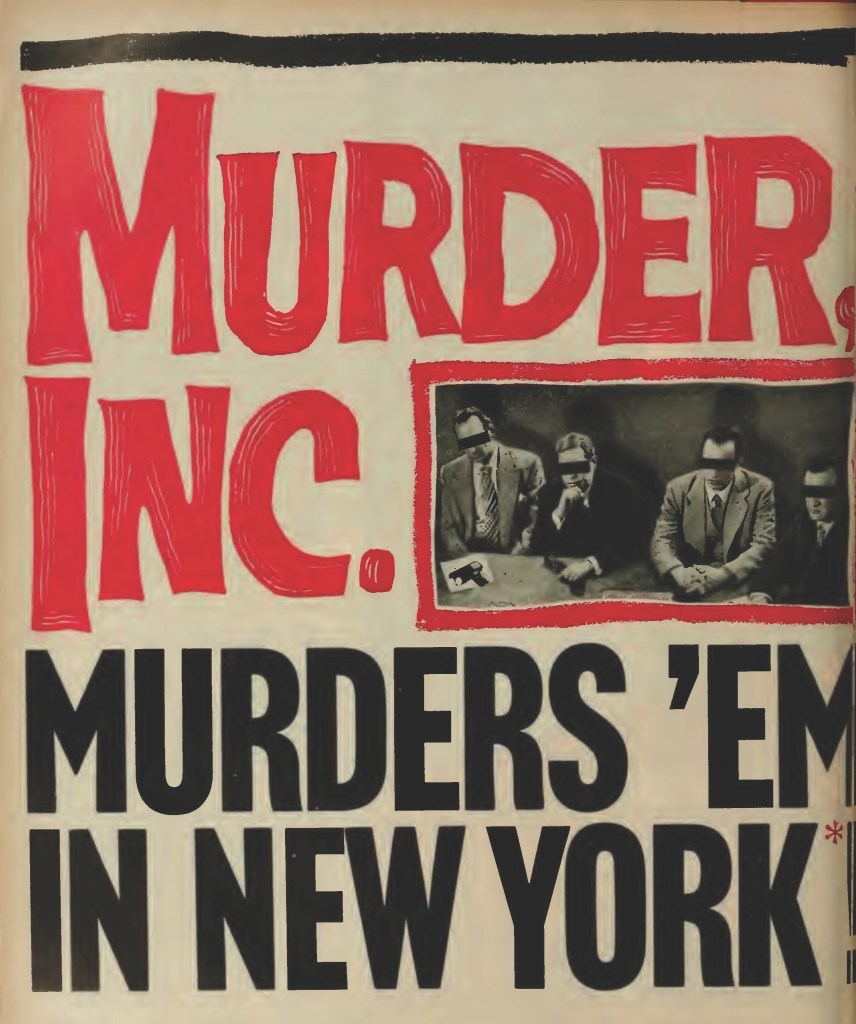
Murder, Inc. (1960) ***

A gangster trend hit the mean streets of Hollywood at the start of the 1960s. But in the absence of big box office hitters like James Cagney, Humphrey Bogart and Edward G. Robinson, these were all B films with unknowns or low-ranked stars in the leading roles. Whereas Little Caesar (1931), Public Enemy (1931), The Roaring Twenties (1939) and White Heat (1949) were fictionalized accounts of hoodlums, the gun-toting movie spree kicked off by Machine Gun Kelly (1958) and Al Capone (1959) was based on the real-life gangsters who had terrorized America’s big cities in the 1920s and 1930s.

By the end of 1960, moviegoers had been served up an informal history of the country’s best-known mobsters from Ma Barker’s Killer Band (1960) and Pretty Boy Floyd (1960) to The Rise and Fall of Legs Diamond (1960) and Murder Inc (1960). The infamy of the criminals was so comparatively recent that moviemakers assumed audiences had a wider knowledge of their exploits and the context of their crimes.

Murder Inc tells how underworld kingpin Lepke Buchalter – Tony Curtis played him in the more straightforward biopic Lepke (1975) – set up a system of killing dissenters in the ranks for the entire American Cosa Nostra (aka The Syndicate) in a way that prevented those ordering the murders being connected to those committing them, the same kind of protective cell operation used by terrorists. He created a separate organisation of hitmen.

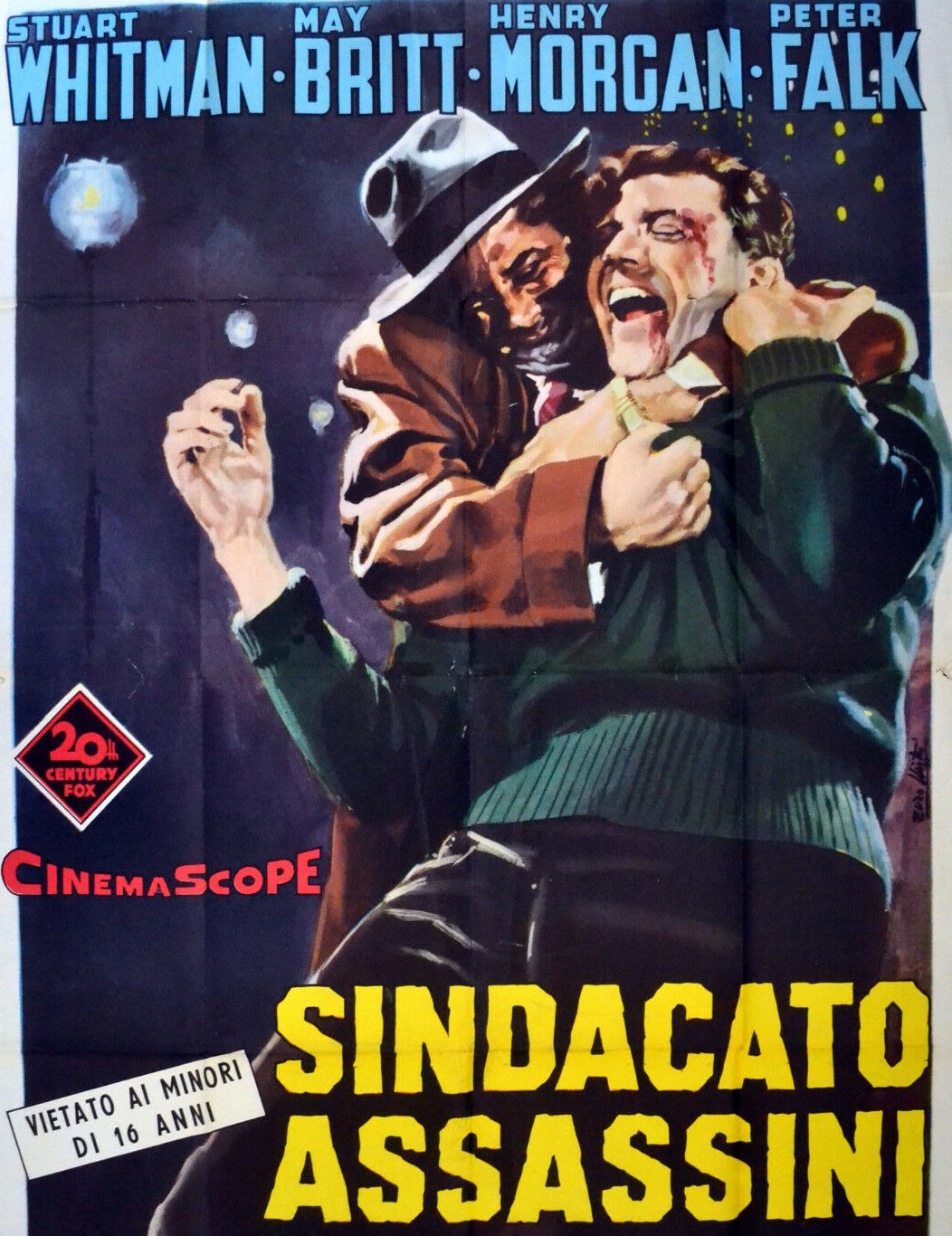
This quasi-documentary, with occasional voice-over narrative, focuses on three characters – the quiet-spoken Lepke (David J. Stewart), hitman Abe Reles (Peter Falk) and singer Joey Collins (Stuart Whitman) who becomes involved to pay off a gambling debt. Later on, the focus switches to Brooklyn assistant district attorney Burton Turkus (Henry Morgan), against a backdrop of massive police corruption, investigating the murder epidemic this deadly enterprise has created. The films jumps around too much to be totally engrossing but it is certainly an interesting watch.

The two main villains could not be more different, Lepke representing the new school, a businessman, ordering killings but never participating, and for such a tough character tormented by a delicate stomach. Reles is old school, relishing opportunities to murder, and raping Collins’ honest wife Eadie (May Britt) in part because she treats him as scum. It’s hard to muster much sympathy for Joey especially as his wife takes the brunt of the violence.

In an Oscar-nominated performance Peter Falk (Castle Keep, 1969) steals the show as the chilling, venomous killer, the kind of nonentity who rises to prominence only through his penchant for homicide. Swedish star May Britt (The Blue Angel, 1959) isn’t far behind with a portrayal of a strong woman saddled with a weak husband. As the milk-drinking hood, David J. Stewart (The Young Savages, 1961) was as scary in his pitilessness as his more overtly violent underling.

Stuart Whitman (The Commancheros, 1961) is almost acting against type for he was later known for rugged roles. Henry Morgan (It Happened to Jane, 1959) gave his portrayal of Turkus similar characteristics to Lepke, appearing as a quiet individual, concerned with details,  except that he was incorruptible.

You might spot some interesting names in the cast. Simon Oakland (Bullitt, 1968) is an honest cop, Vincent Gardenia (Mad Dog Coll, 1961) is a lawyer, comedian Morey Amsterdam (The Dick Van Dyke Show, 1961-1964) plays a hotel manager, Sylvia Miles (Oscar-nominated for Midnight Cowboy, 1969) has a bit part and singer Sarah Vaughan is a singer.

For some reason, this movie starred a number of actors in leading roles who made few screen appearances. This was the only movie of the decade for May Britt, David J. Stewart made only three movies during the same period, and Henry Morgan only made three pictures in his entire career, this being the last.

The movie boasted two directors. Stuart Rosenberg (Cool Hand Luke, 1967) was replaced  by Burt Balaban (Mad Dog Coll, 1961) when the threat of strike action by actors and writers in 1960 forced the 18-day shoot to be cut by 10 days so it’s hard to say who was responsible for which scenes, although the film does boast some unusual aerial shots.

You can catch this on Amazon Prime.

Discover WordPress

A daily selection of the best content published on WordPress, collected for you by humans who love to read.

The Atavist Magazine

by Brian Hannan

WordPress.com News

The latest news on WordPress.com and the WordPress community.