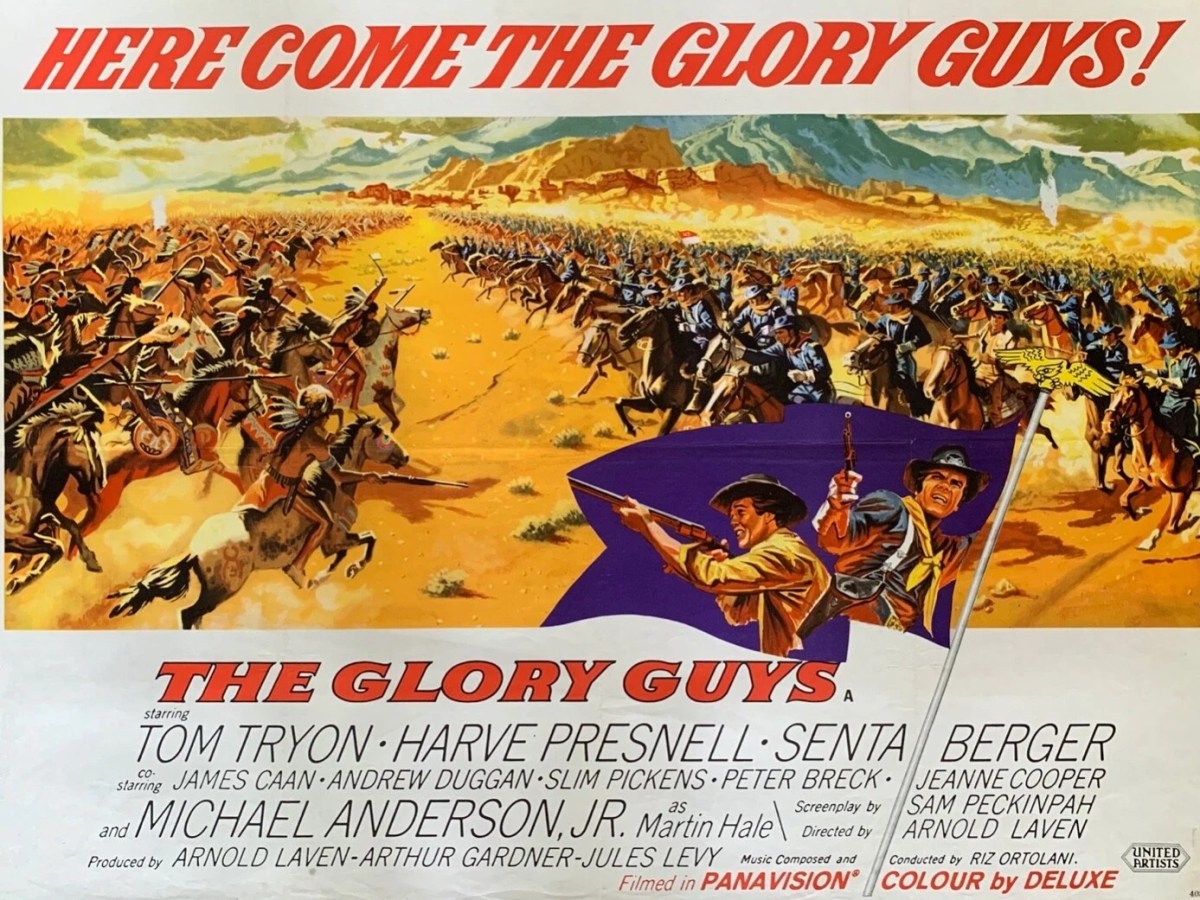
The dismissive verdict of Sam Peckinpah (he wrote the script) is the main reason this remains unfairly underrated. This came out the same year as that director’s over-rated Major Dundee and covers some of the same themes – the training of raw recruits and the woman requiring a protector.
But this is the first cavalry picture I’ve seen where training covers more than recruits falling off their horses, picking fights with each other and getting drunk and into scrapes. The main task of Capt Harrod (Tom Tryon), apart from teaching them to shoot, is to ensure they ride in formation and are ready to take part in action. There’s a brilliant scene where Harrod fakes an Indian attack where they are all in a flash knocked off their horses. And another superb scene where, having achieved an almost impossible goal in double-quick time, Harrod leads them in a ride-past in front of General McCabe (Andrew Duggan) and they ride in about ten rows six abreast, keeping time and distance. When the soldiers dismount during combat, how they arrange for the horses to get out of the way but not run off is also revealed. The scene of the whole detachment leaving the fort is also breathtaking. They are lined up in columns, five or six abreast, and you begin to see, for really the first time, how the U.S. Army operates as a trained unit.
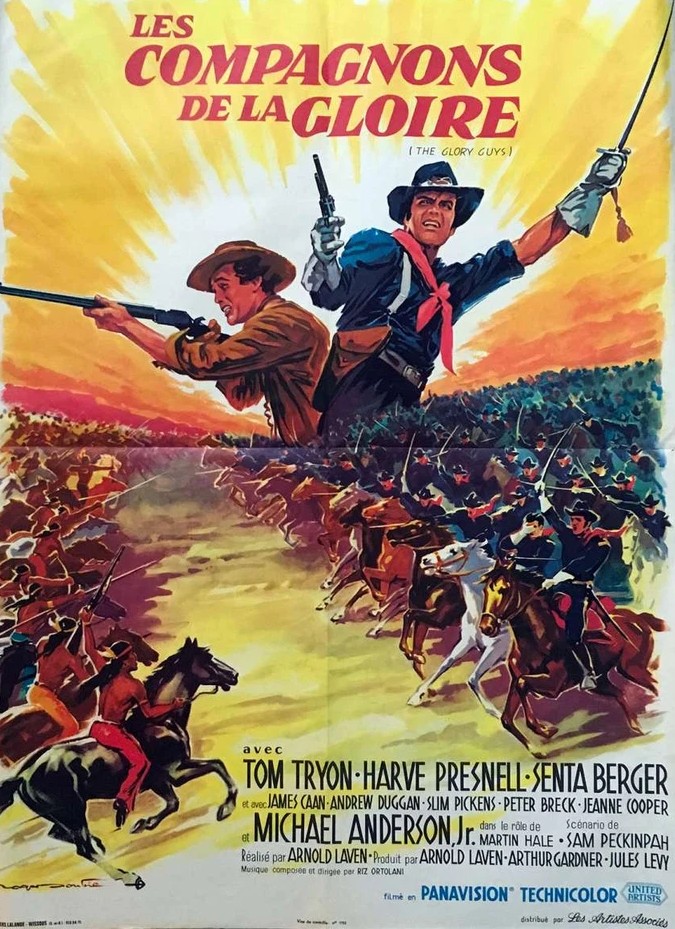
But that’s just the cream of a very finely worked crop. Harrod and McCabe are at odds because the captain’s previous company of raw recruits was virtually wiped out in a previous engagement when the general used them as bait. McCabe is the “glory guy” of the title, everyone else is just trying to keep alive. The only certainty of going into battle, Harrod reminds his men, is that they have a fair chance of not returning home.
Widow Lou Woddard (Senta Berger) pops up to wreak romantic havoc. She owns a gunsmith business, and responsible for driving up sales, so not quite the vulnerable woman. What’s most at stake is her standing in town, her honor if you like, and she can’t be seen to be playing the field. While hardly promiscuous, she has two men on the go, Harrod, who seems disinclined to take the romance beyond a fling, and Army scout Sol Rogers (Harve Pressnell) who is off earning the chunk of money it will take for them to settle down elsewhere.
She doesn’t let on they are rivals and when they discover this it triggers an all-out slugging match – you almost wince with the power of the blows. This ain’t a brawl but a last man standing punch-up where literally they trade blows, one at a time. And she keeps dithering between the two. She reckons Sol isn’t the settling down kind while Harrod’s not keen on commitment. So any time she’s spurned by Harrod she flaunts Rogers.
If she gets her come-uppance, it’s not from either of the men. Attempting to trade barbs with McCabe’s snippy wife Rachael (Jeanne Cooper) she is publicly humiliated. And there’s a terrific scene as the calvary is set to leave the fort and the physical distance between Lou standing on the sidelines with the wives waving husbands goodbye and Harrod on horseback stretches into an emotional chasm simply from the way director Arnold Laven lines up his camera.
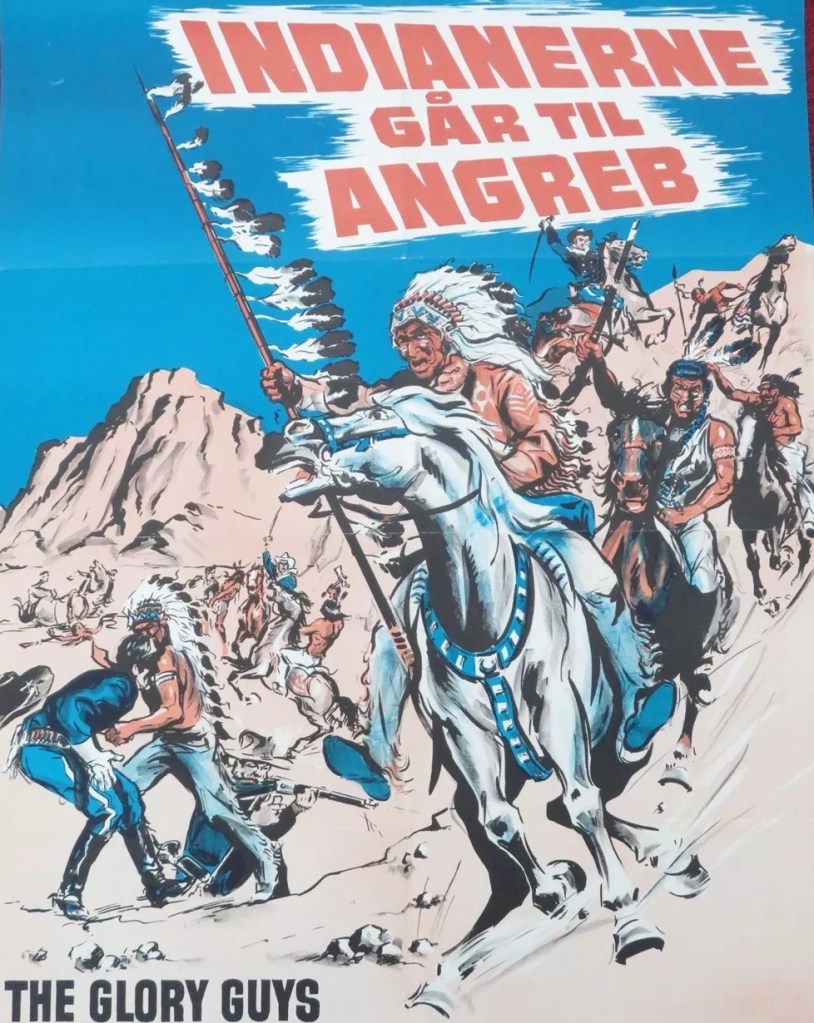
The action is clearly based on the Battle of the Little Big Horn. McCabe, instructed to form one half of a pincer movement, races his men ahead to beat his rival general into battle. True to form, he uses Harrod’s men as decoys, theoretically sent out to protect his flank, in reality to draw out the enemy, permitting the general to attack their unguarded rear.
The battle scene is just superb, hordes of cavalry charging towards the enemy, then turning tail when facing superior forces, dismounting to take up positions, then retreating again to the rocks, pursued but managing, mostly, to survive. The scene where Harrod comes across McCabe’s wiped-out army is like the beginning of Zulu (1964). (In fact, it’s worth bearing in mind that Little Big Horn and Isandlwana took place just three years apart and had there been instant global communication in those days the combined events would have sent shockwaves throughout the world.)
It is an excellent script regardless of how Peckinpah felt about the outcome. But it is also a very good western with sufficient changes rendered to the genre’s standard tropes. The compulsory saloon brawl is elevated by an ongoing comic element of Trooper Dugan (James Caan) being constantly defeated in his determination to smash a bottle over someone’s head.
Senta Berger completists should enjoy this far more than her performance in Major Dundee. She essays a more complete realistic character, not quite grasping, but not far short, and in chasing a dream coming close to heartbreak. Tom Tryon (The Cardinal, 1963) is better than I expected and hoofer Harve Pressnell (Paint Your Wagon, 1969) is a revelation. James Caan (El Dorado, 1967), playing a “miserable whining sugar”, is awful, a terrible Irish accent sinking all his attempts at scene stealing
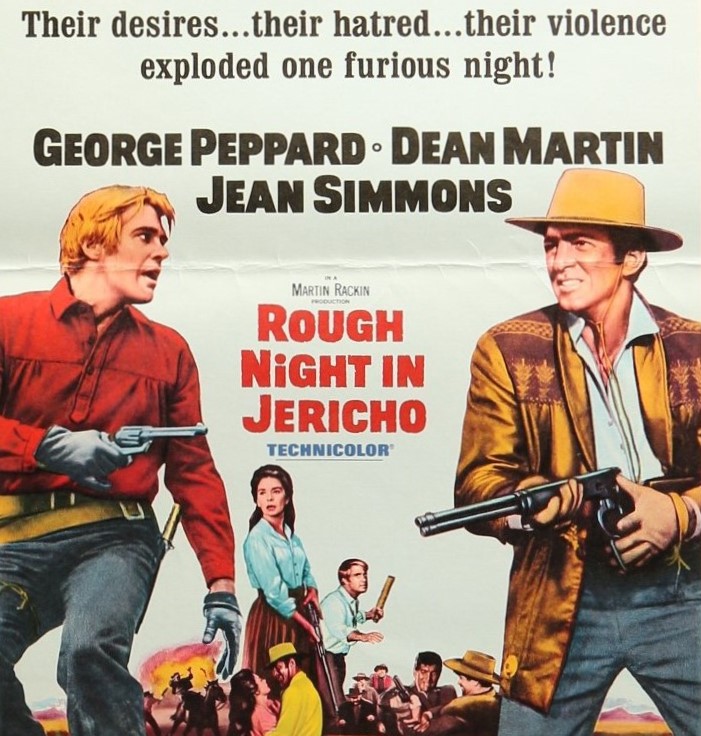
Arnold Laven might have felt hard-done-by in regard to Peckinpah, given the director, in his capacity as producer, had dreamed up The Rifleman television series on which Peckinpah made his name. While this isn’t quite in the same league as Rough Night in Jericho (1967) but better than Sam Whiskey (1969) it deserves reappraisal. Had it featured bigger stars in the two male principal roles it would have attracted more attention at the outset instead of demanding it now.
Well worth a look.


 The Magnificent 60s