Landman (2024) *****

The blue collar worker has not taken up much of Hollywood’s time. There was a movie  disdainfully called Blue Collar (1978) but the best pictures about people doing actual physical hard work was Five Easy Pieces (1971) about a fella who was putting in the long  yards to spite his old man and The Molly Maguires (1968) which was more about politics and anarchy. The British did it better, but concentrating on the monotony, in such ventures as Saturday Night and Sunday Morning (1960) and Gold (1974). though images of anyone  getting their hands dirty was fleeting

Generally, films about work are movies or television series about management (Wall St, 1989 or Succession, ) and/or a soap opera (Dallas). Most commonly, there’s a picture about farming – Grapes of Wrath (1940), The River (1984)– but there’s very little farming involved. You get a better idea of what it’s like to till the earth from the recurrent image in Gladiator (2000) when Maximus smells the soil.
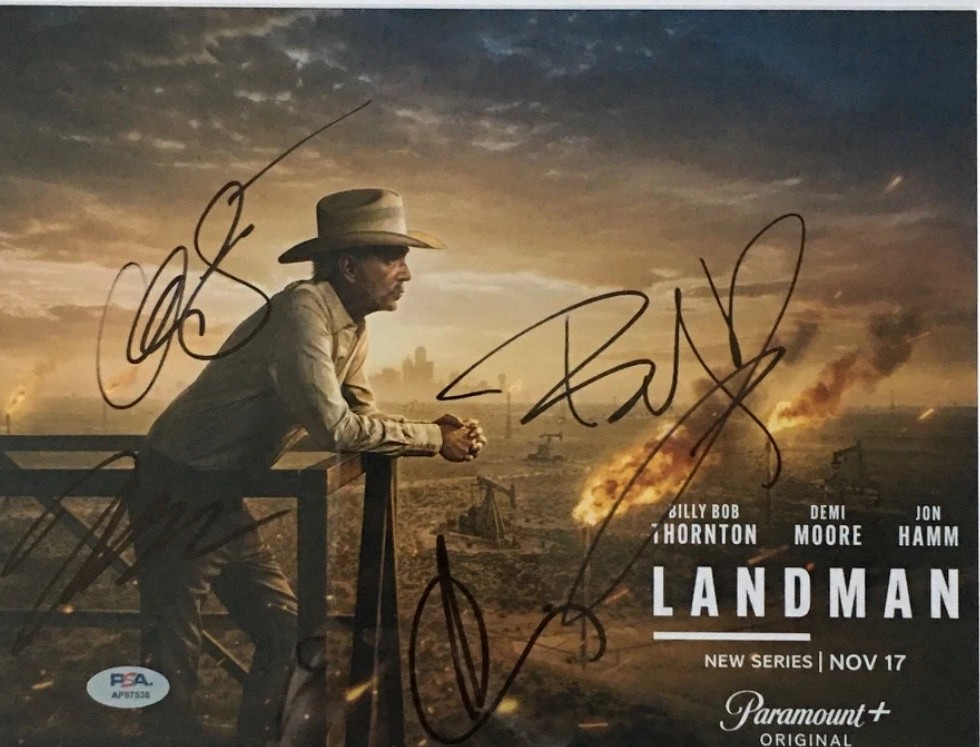
Until Taylor Sheridan came along and realized the immense dramatic potential of actual hands-on dirty work and rode Yellowstone (2018-2024) to enormous critical success and sufficient commercial endowment to be able to write his own ticket. I rarely buy DVDs these days, not because I’ve already got thousands of themd, but because that old impetus is long gone, the days when we desperately waited for a movie to turn up at the video rental store, one that you couldn’t otherwise get your hands on or missed on its cinema release, one that you wanted to own so you could watch it again and again.

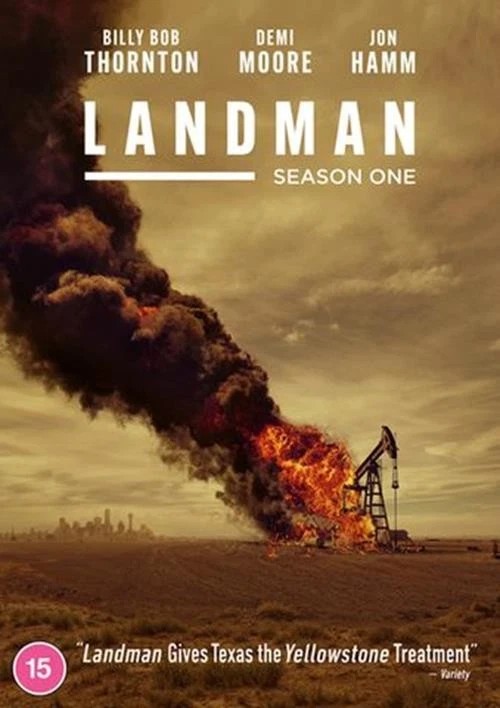
Now I tend to buy DVDs if I don’t have a subscription to a particular streamer. I did it for Yellowstone and I did it for this Taylor Sheridan enterprise Landman.

On the face of it, this might seem like another oil or big business venture where the emphasis is on wheeling and dealing and heirs fighting over money and how to spend it and everyone just the hell arguing because that’s instant drama. The element devoted here to wheeling and dealing is negligible, restricted to oil tycoon Monty Miller (Jon Hamm), one whisky away from a heart attack, at the other end of a phone getting agitated and taking out his frustration on anyone in sight.

Instead, it’s about very dirty work, the kind where workmen come home saturated in filth and the kind where you could in a flash lose your hand or your life. There have been four instantaneous deaths so far and I’m only at episode six of Series One. We’re not in the all-action Hellfighters (1968) business of quelling fires, but in the dull maintenance part of ensuring that wells with 35 years accumulated wear and rust are kept going.
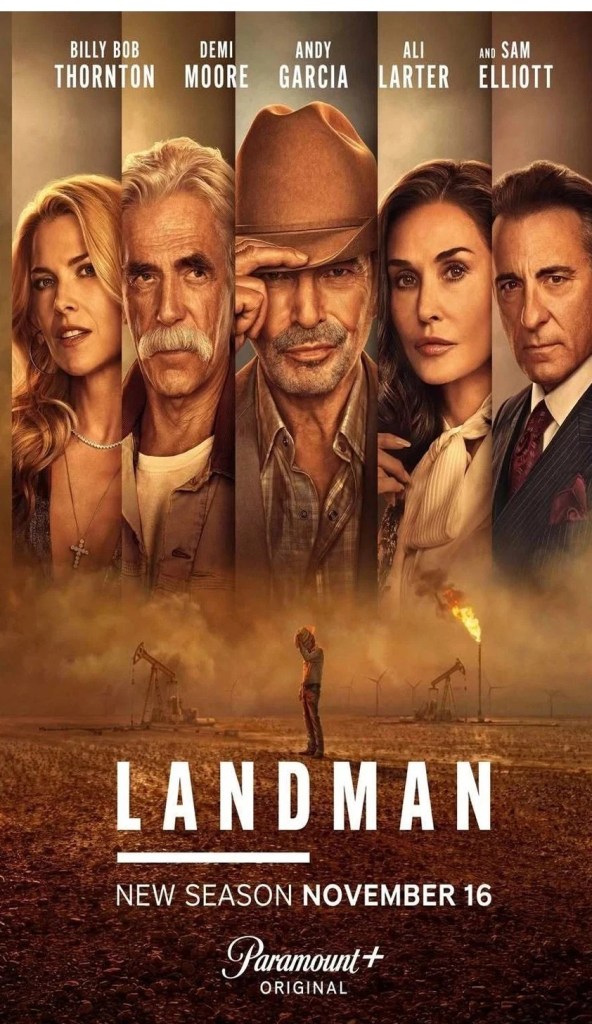
I might have to buy into Paramount+ to catch the second series.
Don’t think I could wait for the DVD.

It’s the job of Tommy Norris (Billy Bob Thornton) to make sure these wells keep producing and all it takes is a stray spark or a moment’s lack of concentration and the coffins are mounting up. Along the way, we are brought up to speed on how the oil business works – or doesn’t.

Exposition used to be a hell of an issue for screenwriters until those Game of Thrones dudes invented “sexposition” where acres of naked flesh kept the audience awake through the dull stuff. Here, however, Sheridan manages something of a coup by having Monty or Tommy gush like oil wells while setting others right about the business.

This series kicks off with an oil tanker tearing along at 60mph crashing into small airplane that’s parked on a road to disburse its cargo of drugs. And that triggers two increasingly fraught, sometimes thrilling, elements. First, we’ve got the drug dealers seeking revenge and recompense. Secondly, you’ve got legal repercussions in the shape of the all-time Jaws of a lawyer Rebecca Falcone (Kayla Wallace) and how Tommy has to snake through the vagaries of the law, not, for example, pursuing thieves who steal the company’s planes or tankers to shift their ill-gotten gains because the law will invariably impound such items of transport for the couple of years it takes to get a case to court and because the drug dealers are only borrowing them for a short period and return them after use.

On top of that, Tommy is trying to blood son Cooper (Jacob Lofland) into the business, starting off as a roughneck, while turning up out of the blue are glamorous ex-wife Angela (Ali Larter) and daughter Ainsley (Michelle Randolph), who views philanthropy as a tax dodge.

There’s some terrific humor from Tommy’s housemates Dale (James Jordan) and, mostly in reaction shots, Nathan (Colm Feore).

You won’t have seen any of these storylines before, not even the returning wife and daughter, because all the characters are so original and the performances so powerful. Billy Bob Thornton (Bad Santa 2, 2016) has eschewed all his acting tropes, dumped the sarcasm and temper tantrums, and instead plays a weary debt-laden foreman who fails to resist the lure of his trophy wife.

I remember Ali Larter from such unchallenging fare as the original Final Destination (2000) so she is something of a revelation. While Angela is as vapid as any other trophy wife, majoring on shopping and looking good, actually she’s an education in how an ageing trophy wife stays the course. She is a fabulous cook, for starters, and she puts in the hours at the gym to keep trim. But she’s also a manic depressive and so her emotions spin on the toss of a coin, extremely charming, not to mention endearing, one minute, a venomous snake the next. This is a performance reverberating with depth that should qualify for an Emmy.

Jacob Lofland (Joker, Folie a Deux, 2024) is Gary Cooper reborn. The stillness, the reticence, and yet when necessary, taking no prisoners. He’s way out of his depth not just with the crew he’s landed with, but in unexpected romance with young widow Ariana (Paulina Chavez). But that’s not the last of the star-making turns. Kayla Wallace (When Calls the Heart series, 2019-2025) is phenomenal as the ball-busting lawyer eating up misogyny for breakfast and heading for a showdown with anyone in sight. Sassy Michelle Randolph (1923 series, 2022-2025) has many of the show’s best lines.

And that’s before we come to Jon Hamm (Mad Men series, 2007-2015) and Demi Moore in a more believable role than The Substance (2024). And the simple earworm of a score by Andrew Lockington (Atlas, 2024).

Truly original and riveting.

Juror # 2 (2024) ****

Last hurrahs are rarely as sweet. But I’m beginning to wonder if the Warner Brothers very restricted U.S. domestic release isn’t a clever publicity ploy. You know the kind, attract the ire of critics who like nothing better than painting studios in a bad light and hope for a tsunami of social media outpourings. It’s now beginning to look more like a standard platform release, the kind employed to win Oscar favor.

Directors are often declared geniuses because they have a particular facility with visuals, can use the sweep of the camera or a particularly vivid composition, tackle controversial subjects, or build up a distinctive oeuver by returning again and again to a theme or genre. This is well outside Clint Eastwood’s comfort zone. For a start he’s not acting in it, it’s not a western and it doesn’t concern on-screen violence of any kind. His most common screen persona was of the man with a past trying to live a quiet life who is roused into anger and violence.

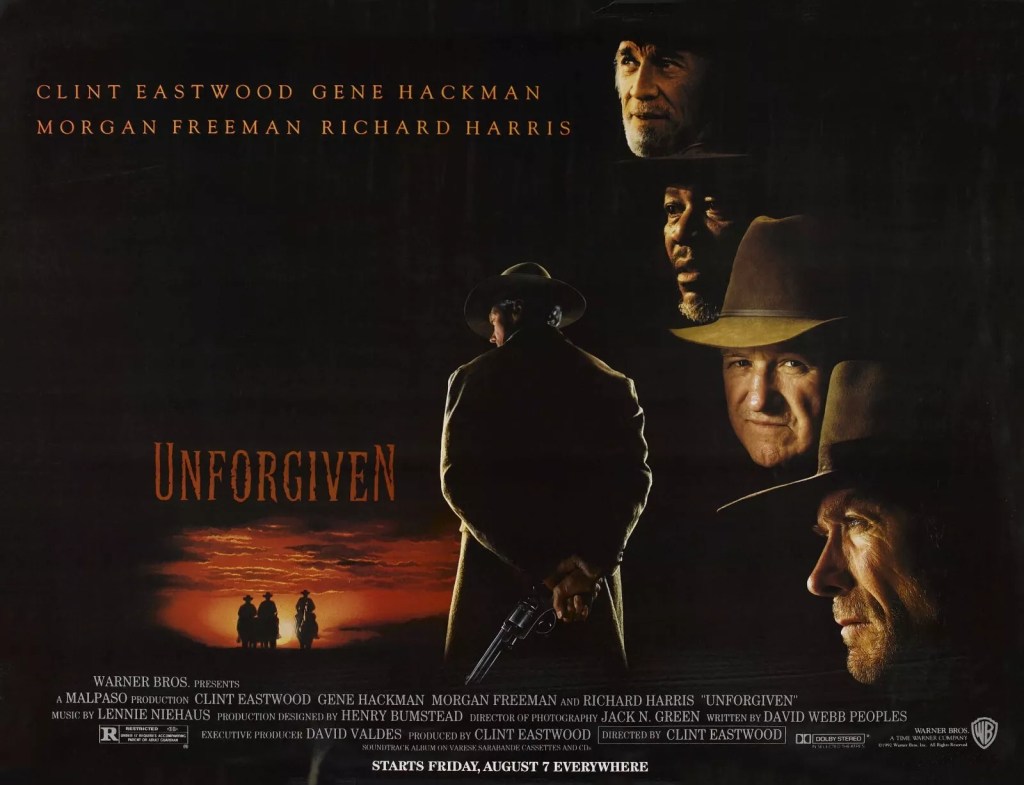
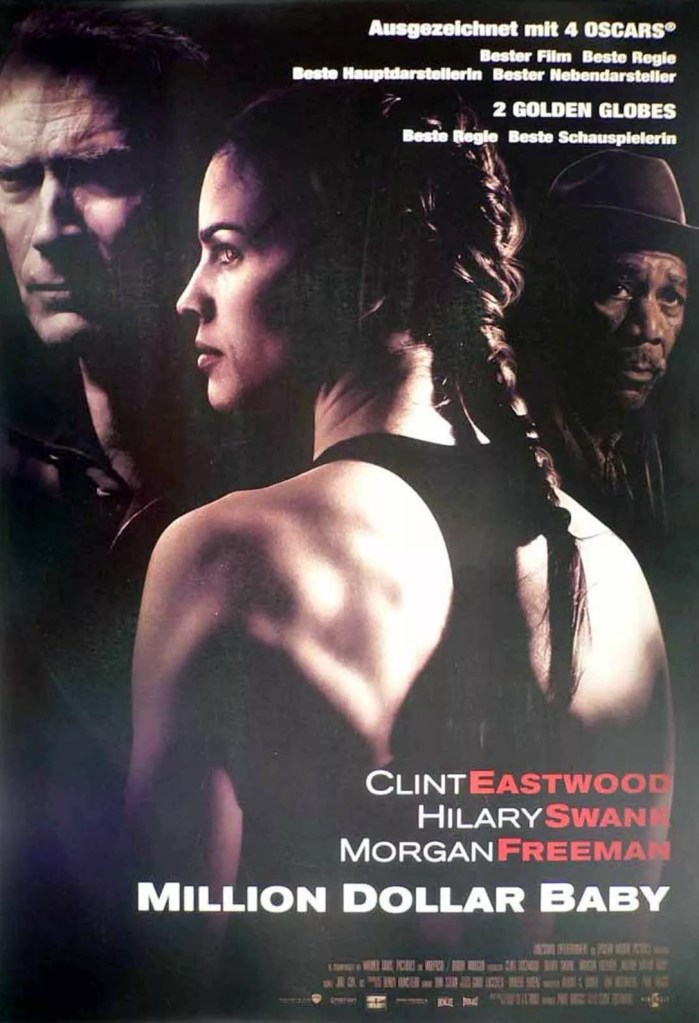
WB has been sparing on the poster front but you may notice a certain visual
similarity between this old poster and the new one.

There’s none of that here. In fact, this all seems deliberately damped down. The tale is not told in faux documentary style and there’s no grandstanding. And yet this is one of the best directed movies I’ve ever seen. With no scene-stealing, it flies, and when it lands it’s with a thoughtful air. Just when you think it’s going to head off in he direction of one of two cliches – the high-risk pregnant wife giving birth at a dramatic juncture in the trial, or some zealous cop undertaking an equally dramatic last-minute investigation that tips the trial ass over tip – it damps down on those two.

The set up is ingenious. Recovering alcoholic Justin (Nicholas Hoult) discovers in the course of the murder trial on which he is a juror that he not only knows more about the incident in which the girlfriend of accused is killed, he may even be the accidental cause of her death. On the night in question he was nursing a drink in a bar and noticed the couple having an argument. Driving home on a wild and stormy night, he has a recollection of hitting something, knows it’s not, as he told he told partner Allison (Zooey Dutch), a deer.

Because, after several years of sobriety,  he should never have been in a bar in the first place, and because there’s no evidence to the contrary – a field sobriety test should he have reported the incident – it’s automatically assumed that he would have consumed the whisky he bought in the bar. The hint of DUI would condemn him to 30 years in prison and not the new life as a father he has fought hard for.

Hello darkness would be the design theme.

So, in a ironic twist on Twelve Angry Men (1957), he’s the only person who stands up for the accused, but out of guilt rather than as with Henry Fonda an uplifted sense of morality. Guilt has certainly struck deep. For it’s insane for him to fight for the man’s innocence, to even raise questions of doubt, when everyone else is convinced he’s the killer.  If the man is convicted, Justin will be let off. A hung jury might be a better outcome. A second trial would likely still end in conviction, as the circumstantial evidence and the accused’s drug-running background count against him, but at least Justin will not blame himself for sending an innocent man to prison.

The thing is, we don’t want Justin to be guilty. It’s an accident. Could have happened to anyone. At worst, had he fessed up at the time he would be cleared of any accusation of DUI, given the benefit of the doubt, what with the driving conditions and the fact that the victim was inebriated. He’s turned his life around. He adores his wife and looks forward to fatherhood.

He’s not the only one conflicted. Some of the jurors just want the trial over as fast as possible to get back to more pressing domestic issues. One character is dead set against anyone with anything to do with drugs. Overworked prosecutor Faith Killibrew (Toni Collette) is more concerned with a political future, running for district attorney. Ex-detective Harold (JK Simmons) commits the grievous sin – for a juror – of doing a bit of investigation on his own and is chucked off the jury.

What little information he does collect ends up with Faith. As a prosecutor she wants people put away, not let off. And she’s amassed sufficient evidence against the accused to get him sent down. So she’s not inspired with a desire for justice, the kind of firebrand character that would turn up in any other courtroom drama, digging away for an eternity, refusing to accept guilt as presented. She’s not a beacon for doing the right thing. Rather, the kind of person who doesn’t like the idea of nagging doubt upsetting her well-ordered life.

Given how many Clint Eastwood pictures end in violent showdown, perhaps his biggest directorial coup here is finishing the picture without that episode, it’s more reminiscent of the scene in American Gangster (2007) where Denzel Washington emerges from church to be confronted by a battalion of cops.

Couple of flaws – forensics so derelict there’s no suggestion that the blunt instrument that killed the victim could be a car is explained away by overworked scientists. That Faith doesn’t notice the photos of Justin sprayed around the house of Allison during her investigation reveals just how cursory a box-ticking exercise the detection is in her eyes.

Most of this plays out in the tortured eyes of Justin and in the unseen mind of Faith. With Justin, conflict is upfront, with Faith buried deep, laboriously roused from slumber.

Apart from Toni Collette and Nicholas Hoult, reunited after over two decades from their mother-and-son turn in About a Boy (2002), there is some distinctive playing – though under-playing would be more appropriate – from JK Simmons (Whiplash, 2014) and Kiefer Sutherland (The Lost Boys, 1987).

The boldness of the narrative – debut from screenwriter Jonathan Abrams – takes your breath away, avoiding the obvious route of concentrating on the innocent man, or on devious counsellors (all is played straight here) and the usual courtroom theatrics.

Absolutely superb performance from Hoult, who virtually has to do everything through his eyes. Had he been more over-the-top, Oscar would certainly have come calling, but deprived of that it’s an even more convincing performance. The low-ball direction swings this into a different class of courtroom picture, putting the audience in the situation of wanting the “bad guy” to get off.

Go see. Let Clint make you day (for likely) one last time.

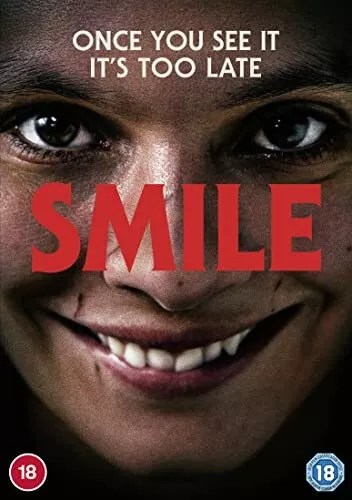
Smile 2 (2024) ****

Striking an original note in a sequel is tough. Especially if you’re not returning to the character that made the idea buzz in the first place. But Smile 2 overcomes every obstacle in spades and a quite brilliant climax sets up part three.

That it does so with such style is quite unnerving. The confidence of the direction by Parker Finn, who helmed the first episode, takes your breath away. Because pretty much this whole thing relies on star Naomi Scott whose movie experience is limited to the lightweight Jasmine in Aladdin (2019) and a flaccid Charlie’s Angels reboot (2019). Talk about rebirth. A more experienced actress would not have gone full-on from the outset. But without overacting, Scott does a superb job of a woman on the edge.

There’s a heck of a lot at stake. A record company’s millions for a start, and a helicopter mamma (Rosemarie DeWitt) only too conscious that failure to turn in a knockout performance on her upcoming tour will spell the end of daughter Skye’s (Naomi Scott) career.

We’ve already had plenty real-life evidence of pop star burn-out and Skye’s on the precipice. Not only is she ridden with guilt for causing the death of her boyfriend in a car accident, but she’s put far too much up her nose, and although clean now, with the pressure mounting there’s every chance she’ll crumble. She didn’t come out of the accident physically free, either, some awful long scars mar her body, and such injuries impede her ability to carry out the dancing that’s a requirement with every chanteuse these days. You can’t just sidle up to a mic like Ella Fitzgerald and scarcely move a muscle for two hours.

But when strange things start happening she’s headed for a nervous breakdown.

One of the problems with the horror overload we’ve had in the past few years is finding original ways for people to die. So if you’re going to run out into a street and not look where you’re going and be mown down by a vehicle, it’s no longer enough to expect sudden impact to carry the visceral weight. So here, we follow a trail of blood. Not merely a trail, the kind with aesthetically pleasing drops here and there, but what looks like a flood, as if someone had cleaned the road with blood. And along the way we see innards and the few remaining bits of a mangled body.

This piece is sometimes so gory I had to avert my eyes. And if it had just been full-on gory it wouldn’t have worked. But it’s full-on subtle as well. What disturbs Skye most turns out to be very disturbing.

She hears glass break. Her water bottle is in pieces on the floor, though it wasn’t teetering on a coffee table, and she’s alone in the apartment. She begins to freak out but then screws on her sensible head and goes to the cupboard to fetch a brush. Before she can clean up the mess, she realises there’s no breakage, no spilled water.

Someone is messing with her head. But you’d be a bit on edge if you’d just watched old buddy Lewis (Lukas Gage) commit suicide in front of you by beating his brains in with a metal weight. You can’t report the incident to the police because he’s a junkie and your visit would be interpreted as having gone over to snort some coke. So now you’re terrified you’ve left unusual evidence of your presence. So now you start googling – can the police detect your DNA from your vomit?.

There’s a terrific sequence where she’s invited to address pop hopefuls and the Teleprompter goes awry and she starts babbling on to a shocked hush about the pitfalls of the business. Her smile is lopsided because she smeared her lipstick trying to bat away a fly. Shame she didn’t give her talk the full works because music wannabes these days haven’t spent years on a tour apprenticeship, trundling around from town to town in a clapped-out old van, gigging their lives away and so, if they strike lucky, well acquainted with the grind of the road. Rather than plucked out of nowhere and thrown into an unforgiving industry.

Another great scene has her confronted by the sometimes freaky or over-friendly fans in a meet-and-greet. And those smiles. Step away now, Mr Joker, your trademark has been stolen. And, as I said, in considerable style, plenty inventive ways here where it goes beyond creepy and topples into threatening.

And I don’t know who invented what I think is going to be a future horror trope. Skye has a way of scuttling back like a scalded cat, with her feet hammering the ground, that makes you jump every time.

Only gradually does she come to understand that she’s been infected with a parasitical demon. The way to get rid of it? Die!

A wee bit heavy on the gore but otherwise a more than accomplished sequel. Writer-director Parker Finn in top form. Naomi Scott is mesmerising. She pretty much starts at 10 and then stretches up ways beyond 11. Plus she can actually sing.

Bring on Part III.

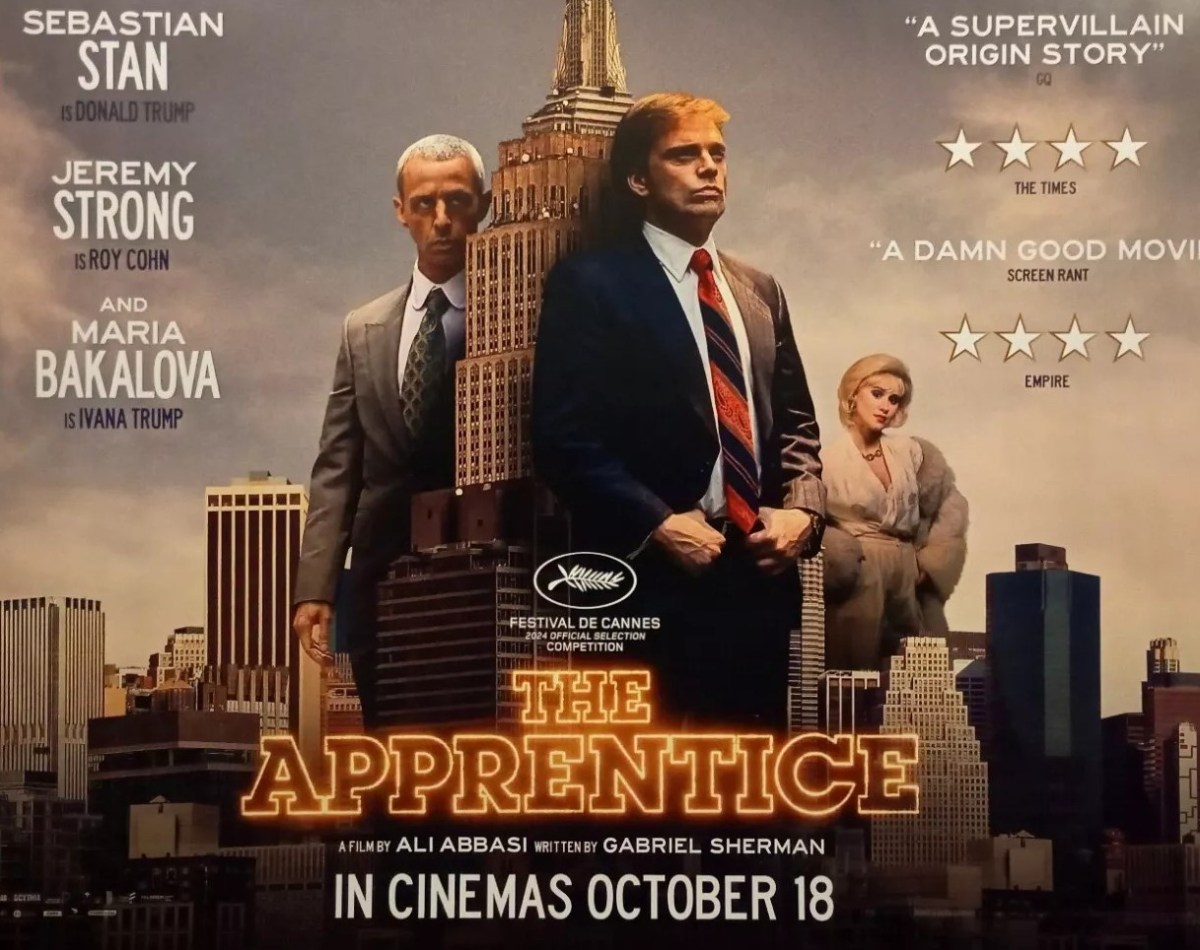
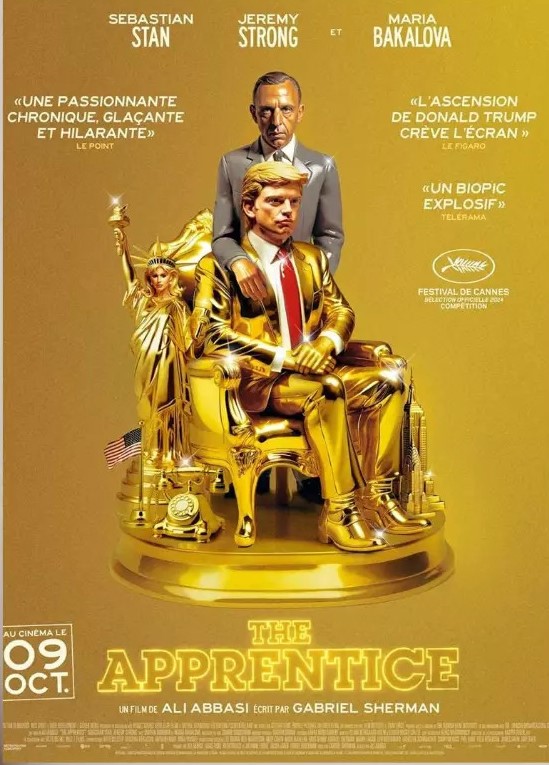
The Apprentice (2024) ***

Allow me a digression. Let me take you back to the 1950s-1960s and the construction of the Lincoln Center in New York. That was seen as a “good thing” because although it drove out an entire community, the end result was an arts center that helped redevelop a rundown area of Manhattan while at the same time driving up the price of what had now become prime real estate. Sure, thousands of poor people lost their homes, but what was that in relation to a haven for the arts? No counting how many made huge profits.

The Lincoln Center didn’t send a left-wing press howling for the blood of Robert Moses, the urban planner who reshaped pretty much the whole of New York for decades but ripped the heart out of a vibrant Puerto Rican community and a bustling jazz scene in the name of slum clearance. The 7,000 inhabitants and 800 business in San Juan Hill couldn’t afford the rent in the 4,000 apartments that replaced their homes and the promised urban relocation came to nothing. Nobody was knocking on the door of the Metropolitan Opera or the Philharmonic, among the Lincoln’s tenants, berating them for causing such catastrophic social damage. Middle-class values took precedence over working class need.

I’m familiar with Moses and the Lincoln Center story because I read Robert Caro’s scathing biography of him, The Power Broker. But the makers of The Apprentice appear to have no knowledge of how much political machination and corruption it took to get the Lincoln Center constructed and the damage it inflicted on thousands of lives.

So, the building of Trump’s first hotel, in an equally rundown area of New York, where, incidentally, no inhabitant was displaced, is apparently the opening gambit for a game of hypocrisy. I’ve no doubt Trump has a lot to answer for, but this picture doesn’t go anywhere near asking the right questions.

I’m not particularly convinced by Sebastian Stan’s (The 355, 2022) portrayal either. About the only thing he gets right is that moue he does with his upper lip. The thing that typifies Trump, the way it does hundreds of entrepreneurs, is energy. And that’s totalling lacking here, in a bid, I guess, to diss Trump. It feels like director Ali Abbassi (Holy Spider, 2022) has already made up his mind the character he wants to see portrayed.

But think of The Wolf of Wall Street (2013). To a man, these characters are heinous, but somehow Scorsese makes us want to watch them. Or Spielberg’s Catch Me If You Can (2002), a sleazy counterfeiter cast in a more interesting light by the playing of Leonardo DiCaprio.

I’m not saying Trump should be deified, far from it, but any business movie that’s attracted any decent box office has done so by investing a lot more in character and narrative structure. Wall Street (1987) comes to mind. This Trump doesn’t look as if he could win a prize at a state fair let alone have any chance of grabbing the golden ring.

All the best business films are able to show you the inner workings of business without boring you to death. This goes quite a way to boring you to death without going anywhere near the more interesting aspects of business.

There’s also an unusual narrative structure. Even if the portrayal of Roy Cohn (Jeremy Strong), Trump’s lawyer, rings true, it presents him as a more corrupt character than Trump. Sure, Trump uses him to get ahead, but that’s mainly because Cohn has so many corrupt politicians in his pocket.

I wasn’t convinced by Jeremy Strong (Succession) either. He came across as a Glasgow ned about to demonstrate the Glasgow kiss or one of those puppets with the wobbling heads you saw on British television series Thunderbirds.

For all the critics who felt this might just give Trump a bloody nose, my guess is he would revel in the portrayal, the buccaneering spirit, the win at all costs mentality.

Robert Caro would have got him spot on. Unfortunately, biography-wise, he’s too busy putting the final touches to his monumental biography of LBJ.

A missed opportunity.

Sweet Bobby: My Catfish Nightmare (2024) ****

If Netflix had secured the screenwriting skills of M. Night Shyamalan around the time of his breakout picture The Sixth Sense (1999) this would be close to the result. I know that Netflix had created a new sub-genre in true crime, in presenting unsolved mysteries that never get solved, not leaving the viewer irate and frustrated but in fact gulling them into wanting even more, kicking off a tsunami of podcast investigators picking over the story looking for potential leads.

Any subject dealing with internet scams or vulnerable woman dragged along in the wake of some clever male manipulator, usually losing a fortune on the way, usually struggles to maintain viewer interest. And, initially, that appears to be the case here. How often can we return to the weeping and wailing victim Kirat, a 31-year-old successful London radio presenter when her ordeal begins, without viewers throwing things at the screen and asking why didn’t she notice the obvious signs?

Well, for a start, much of the scam took place before such frauds entered public perception. Even so, no matter how desperate Kirat is to get married, have children and a settled family life, you’d think red flags would fly the minute her internet lover, the wealthy Bobby Jandu, has to go into a witness protection scheme after being shot during some do-goodery in Kenya. Hence, the legitimate-sounding reason why he can never post a photo of himself, just in case bad guys track him down.

And hey, he’s not entirely invisible. She can hear his voice, though it sounds suspiciously soft. But, hey, he’s got a good reason for that. He’s the king of good reasons.

He even has an explanation for why he got an old girlfriend pregnant. And soon Kirat’s snookering herself into forgiving him, even ending up sending him baby clothes for the new arrival, and he responds by posting photos of baby with the chosen attire.

But the deception just goes on and on – for eight years in fact. Any time she thinks she’s going out of her mind, her mother, fervently wishing for a happy ending, tries to keep the white wedding pot boiling. Her cousin Simran, who vouched for Bobby in the first place, is equally on hand to keep romance on track. And it helps justify her implicit confidence that she’s not being conned by the fact that he’s not bilking her for money. So it can’t be a fraud, can it?

Naturally, when Bobby does finally accede to her pleas and flies from New York to London, he finds other reasons to delay their meeting. When she loses all patience and turns up at his hotel, the reception has no record of such a guest. But, of course, still fearing for his life, he had told the hotel staff to deny his existence. However, by luck, she surmises that he’s in Brighton on the English south coast and heads there. She has his address, knocks on his door.

Bear in mind the entire movie has so far been seen entirely from Kirat’s point of view with only occasional intercessions by family or friends.

So the door of this house in Brighton opens. And we cut to Bobby. First time he’s appeared in person. He appears the genuine article. And says he doesn’t know her from Adam (or Eve, I guess). His wife of course is suspicious. Who’s this strange woman at my door?

And you think what else is the scam artist going to do but deny he’s ever met her?

But he turns out to be completely innocent – in legal terms a victim more than Kirat since it’s his identity that was stolen,

But who was the thief.

Step up someone imitating M. Night Shyamalan with one of the most devious twists you’ll ever come across.

The guilty party is – the cousin Simran.

So then like The Sixth Sense you’re feverishly backtracking, running the entire picture in your mind, to see where clues had been left.

But cousin Simran has been incredibly clever not so much in covering her tracks as being the one who invented the tracks in the first place, controlling the narrative from the outset. Even to the extent of the baby’s clothes. Simran knew already what the baby was wearing. She convinced Kirat to buy the same clothes and – voila – shows her a photo of the baby wearing said clothes.

If you’d run this as a movie the other way round, watching every step of Kirat’s torment but knowing Simran was behind it and wondering what she would do next and whether her victim would ever escape, you’d have the basis of a terrific suspenser.

Sting in the tail – police tells Kirat she has no legal case.

So. Wow.

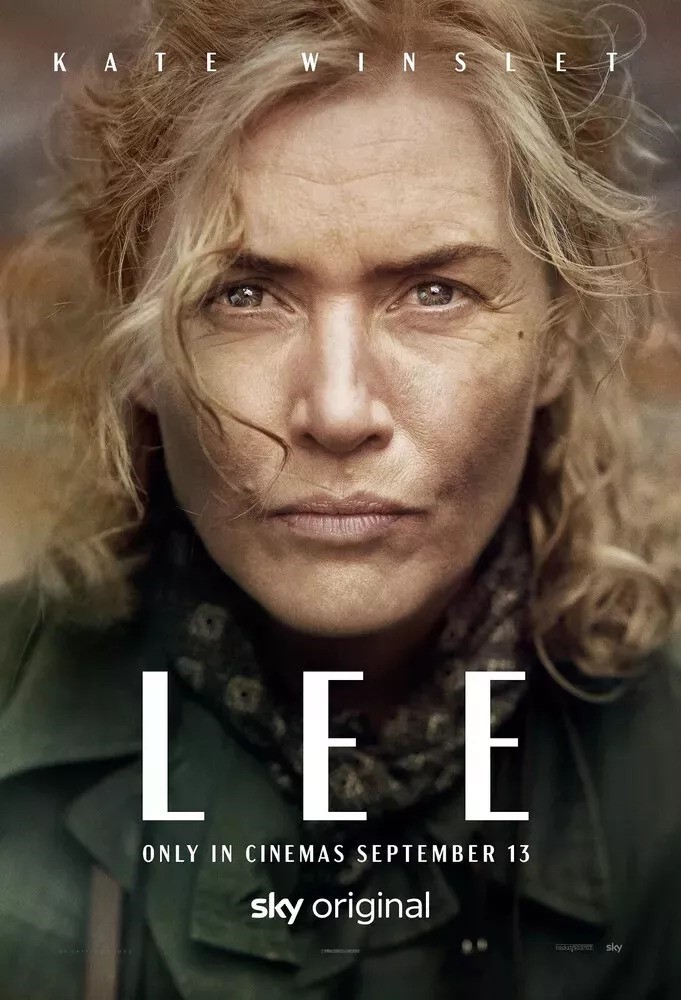
Lee (2024) *** – Seen at the Cinema

Would have worked better as a documentary. Bit puzzled too by the deceit of the structural device, flashing back from her war years to being interviewed by an apparent journalist in old age at her country cottage. Seems an interesting conceit that he turns out to be her son Antony (Josh O’Connor) and she’s able to turn the tables and ask what she was like as a mother (not good, apparently, Antony grew up feeling he was an imposition). But also a standard biopic trope as he uses her famed photos to stimulate memories. But then, presumably in the interests of honesty (or who knows what) the credits blow these sequences to pieces by pointing out that her son didn’t have a scoobie about her war activities until after the death a forage in the attic turned up boxes of her photos. What the heck, artistic license and all that.

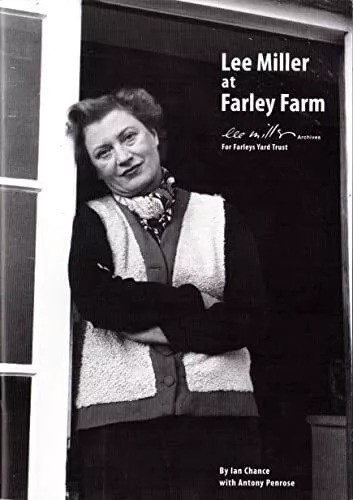
My other quibble, since I’m in that sort of mood, is that the ageing process seems to have passed our star Kate Winslet by. Sure, she’s dabbed on a bit of oldie make-up for her later years but the crow’s nest of lines around her eyes are noticeably prominent for a woman just turned thirty in the immediate pre-war year.

Still, on with the show, in which her pre-war fame as a surrealist is also ignored, as is her liaison with Man Ray, or that before she took up with another surrealist Roland Penrose (Alexander Skarsgard) she had been married to –  and not divorced from – an Egyptian businessmen. The thrust of the movie is her war years as Vogue correspondent. There’s a bit of falling back on characters skitting around in the background (Cecil Beaton, for example) and keeping us up-to-scratch on timescale, invasion imminent etc.

Misogyny is fairly rampant, the British squeamish about sending women unnecessarily to the front line, the Yanks less so. Though Lee Miller is treated, for dramatic purposes, as the only female war correspondent, breaking through the usual class ceiling, in fact the Yanks had squads of them including Martha Gellhorn and Mary Welsh, third and fourth wives of Ernest Hemingway, respectively, Kathleen Harriman, Dixie Tighe and Helen Kirkpatrick, and Tania Long, none of whom would be unknown to Miller since she posed for a photo with the gang in 1943.

There was nothing subtle about Lee Miller, she said it like it was, a hard-drinking what used to be known as a free spirit, an euphemism for embracing a love-‘em-and-leave-‘em mentality. But there’s some subtlety here, a scene of her peeling potatoes revealing more about male expectation than any verbal punch-up with any officious male, being covered with supposedly invisible paint by Roland more effective in catching sexual attraction than the rest of her let-it-all-hang-out persona.

The only problem is that the concentration camp scenario has been dealt with by any number of far superior films and her staggering back with shock at the sight of the piled-up corpses not compensation enough. I don’t know enough about war photographers to compare what she captures through the lens with the dozens of others doing the same job. By the time her photos of the Holocaust were printed in American Vogue, Richard Dimbleby and Edward Murrow had delivered radio devastating reports and anonymous military photographers supplied tons of evidence against the Nazis.

I’m not sure it actually helps her case that she took a bath, naked, in Hitler’s bath.

Kate Winslet (Ammonite, 2020) almost single-handedly keeps the movie on course, but it lacks impact as a war picture, and the idea that nobody other than Lee was taking note of the suffering of the British during the Blitz seems a bit of a stretch. Pick of the support is most definitely Andrea Riseborough as the doughty British Vogue editor, every bit as tough if not as outspoken as Miller. Josh O’Connor (Challengers, 2024) spends all his time looking soulful for no reason I can divine. Marion Cottillard (La Vie en Rose, 2007) is wasted.

Ellen Kuras directed from a script by Liz Hannah (All the Bright Places, 2020), Marion Hume (movie debut) and John Collee (Monkey Man, 2024).

Movie not as hard-nosed as Winslet.

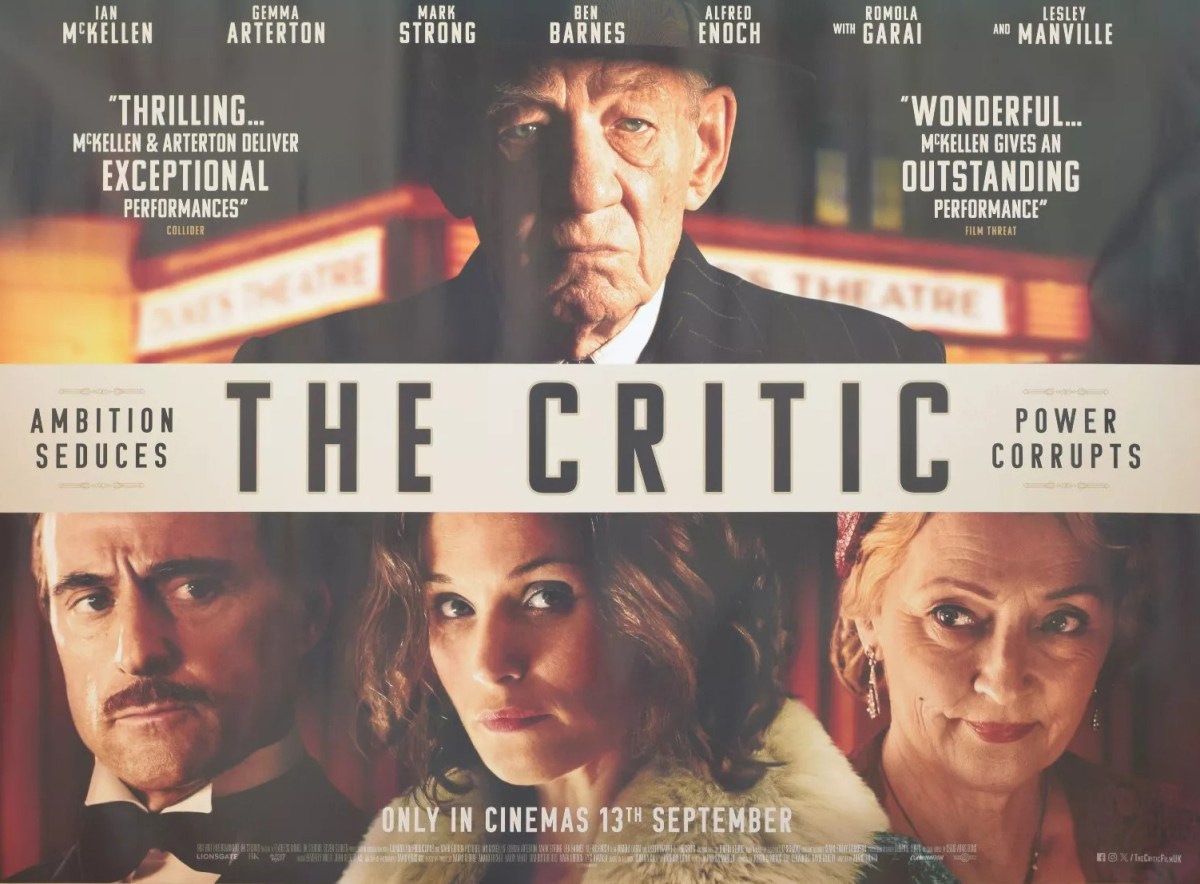
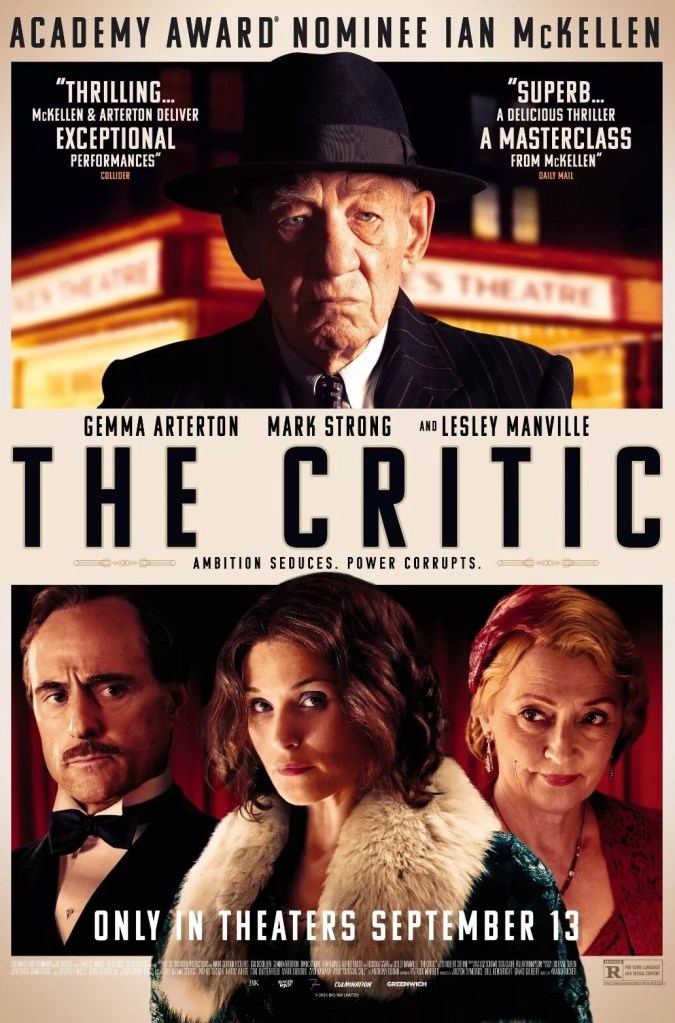
The Critic (2024) ** – Seen at the Cinema

Can we get over all this “national treasure” (a favorite of Britain) baloney, please? If we’re going to drag our esteemed acting knights of the realm out of their armchairs (you notice I didn’t say retirement because actors almost never officially retire, Kathy Bates and Gene Hackman to the contrary) could we please give them something more than an opportunity to overact and turn themselves into ripe old hams at the age of (in this case) eighty-five. Sir Ian McKellen (Gandalf and Magneto to you and me) deserves better.

Because there’s nothing at all in this beyond Falstaffian monster Jimmy (Ian McKellen), the eponymous theater critic, relishing his power and taking revenge when’s on the verge of losing it. Frankly, if this was called The Tie-Pin Killer, the serial murderer in the book on which this is based, and Jimmy, as in that book, was relegated to a bit part, albeit a juicy one, it might have been a lot more interesting.

While it touches upon 1930s London Fascists and the plight of the homosexual (a criminal offence to participate) these are kind of tossed into the scenario as if to placate an audience who might complain this is very thin gruel indeed. Presumably, we are somehow meant sympathize with this cruel, odious, character because from time to time he finds himself confronted by blackshirts, who take a dislike to his black companion Tom (Alfred Enoch), who acts as his secretary and presumably not anything else because Jimmy prefers “rough trade.”

In revenge for being fired, he sets up actress Nina (Gemma Atterton) to seduce his employer David Brooke (Mark Strong). Blackmail’s the tool of reinstatement. Apart from general actor insecurity, it’s not entirely clear why Nina should be so determined to keep in Jimmy’s good books. There’s some unbelievable stuff about becoming attracted to acting through reading his articles, which seems quite bizarre since his nasty reviews would put people off going, as he proudly explains is one his aims.

So Nina prostitutes herself for a good review. Yep, must happen all the time. And despite her supposed success – these are, after all, West End plays she is starring in – she lives in a bedsit where hot water is rationed. But she is, romantically, in a bind. She’s just dumped her married lover Stephen (Ben Barnes) whose wife Cora (Romola Garai) just happens to be the daughter of Brooke.

And although Brooke’s wife is “bonkers” (though that’s very much on the periphery) he’s that old-fashioned upper class English gent who only feels shame at adultery when he’s caught out and then of course does the right thing which is to blow his brains out. Which leaves Nina racked with guilt which drives her, as it would, back into the arms of Stephen only for him (another adulterer with principles) to reject her on the grounds that she slept with his father-in-law. When Nina begins to talk about confessing to her role in conspiracy, what’s an upstanding chap to do but drown her in the bathtub?

In the original book Jimmy was a minor character.

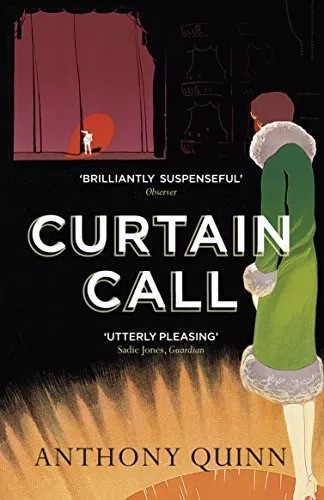
Crikey, and we complain about the plotting in the multiverse. This is just bonkersverse. Presumably, Oscar-nominated screenwriter Patrick Marber (Notes on a Scandal, 2007) happened upon Anthony J. Quinn thriller Curtain Call in which Jimmy exists on the periphery of the actual narrative though as a larger-than-life character and decided to forget the whole tie-pin killer thing and rearrange the tale so it revolved around McKellen in the hope nobody would notice, in the midst of McKellen roistering and boistering to his heart’s content, the lack of any sensible tale.

You could certainly have more easily hooked it on Nina, who falls into the Patrick Hamilton category of easily-led character on the edge with impulse inclined to cut her adrift.

If you want ham, McKellen’s your man, none of the subtlety which has impelled other performances. Gemma Atterton (The King’s Man, 2021) has a few moments tormented by conscience but the part is woefully underwritten. This is the reined-in Mark Strong (Tar, 2022) rather the one with the veins standing out on his neck. Lesley Manville (Mrs Harris Goes to Paris, 2022), potentially another future national treasure, has a brief role as does Romola Garai (Atonement, 2007).

Maybe wanting to burnish his artistic credentials, director Anand Tucker (Leap Year, 2010) is predisposed to the extreme close-up and for viewing a scene in extreme long shot through a corridor, window or door.

Jimmy would give have slated this.

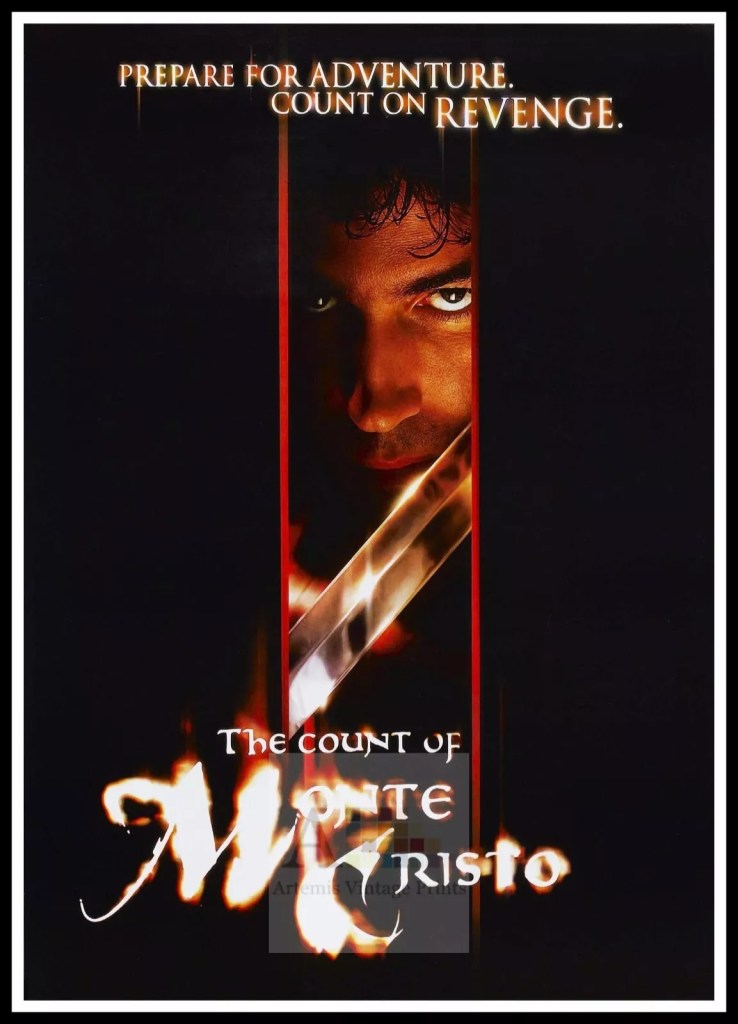
The Count of Monte Cristo (2024) **** – Seen at the Cinema – Twice

Napoleon, shipwreck, false imprisonment, baby buried alive, corruption, audacious jailbreak, the Knights Templar, hidden treasure: enough for a pulsating soap opera for sure but lifted way out of that genre by the driving revenge narrative, and the personal price paid for such unmitigated ruthlessness. I confess I’m not familiar with the Alexandre Dumas classic and I’m not sure I’ve even seen any earlier screen versions, but I did come to this expecting swashbuckling in the manner of  the recent The Three Musketeers. Whether it’s the 2023 double bill, or the versions from 2011, 1993 or 1973, those movies were swordplay heavy. So I was somewhat surprised to find this was lean on the old swash and buckle.

In fact, it’s better described as The Godfather of period adventure, three hours long, where the aspiring sea captain, much in the way of the gangster Michael, transforms from idealistic to  classy ruthless killer, with the idea in his head than his rampage is justified because, as with the Coppola classic, he is fighting corruption in high places. And it’s a three-act picture, coming perilously close to tragedy, for sure, and thoroughly engrossing.

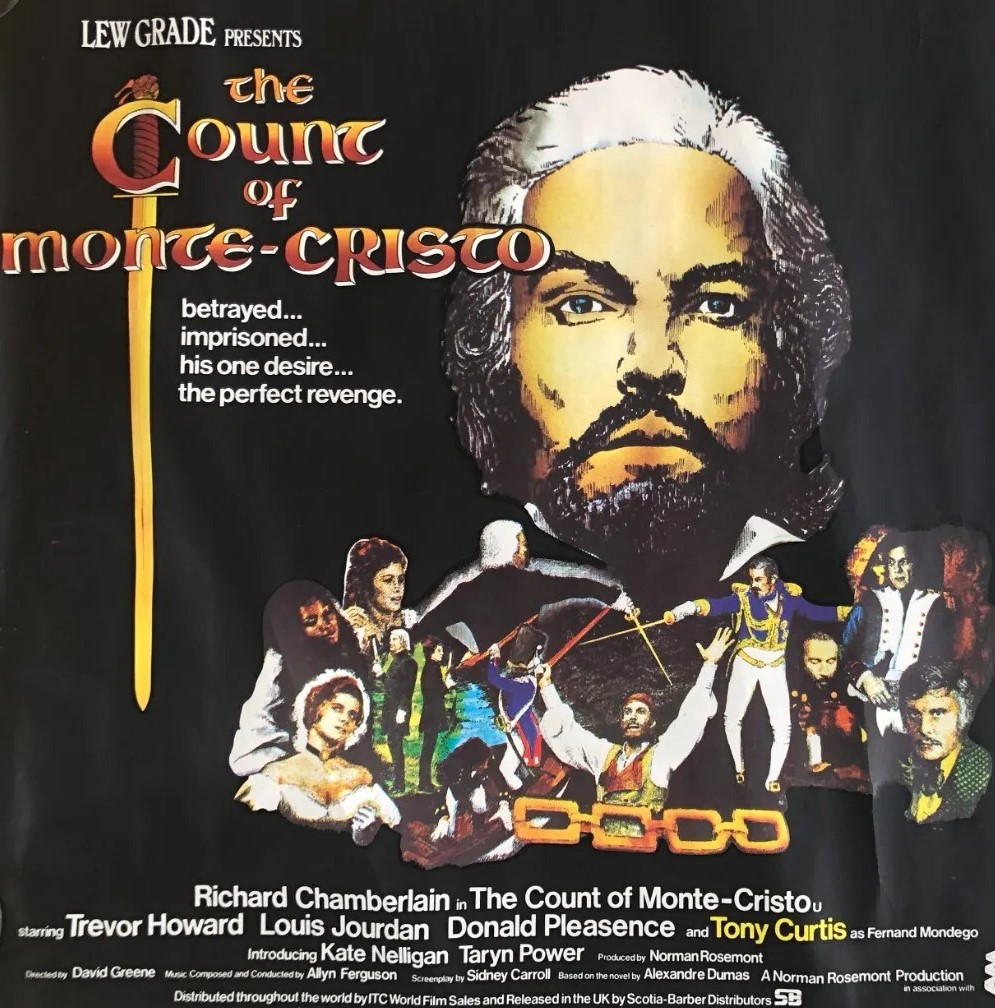
There were over 30 previous versions – this one starring Richard Chamberlain.

Seaman Edmond Danton (Pierre Niney) saves a young woman, Angele (Adele Simphal) from drowning only to discover she is a spy for Napoleon, just entering exile. Back home, this discovery prevents him from marrying his lover Mercedes (Anais Demouster) and with the connivance of ship’s captain Danglars (Patrick Mille), love rival Count de Morcef (Bastien Bouillon) and prosecutor Gerard de Villefort (Lauren Lafitte) he is arrested on his wedding day and sent to the notorious Chateau d’If  prison where everyone is in solitary. During his long confinement he befriends Abbe Faria (Pierfrancesco Favino), who turns out to have secreted a horde of treasure.

Using the clever ruse of pretending to be a corpse, Danton escapes, finds the gold, and returns to Paris as the Count of Monte Cristo to take his revenge on the three men. To that end he recruits a younger generation – Andrea (Julian De Saint Jean), bastard son of Villefort, and Turkish lass Haydee (Anamaria Vsrtolomei) whose father was betrayed by Morcef. The vengeance is all very clever stuff, ruses involving false news, stock market manipulation, and infiltration of emotion. Danton is dab hand with disguises, too, best of all his spluttering Englishman. Audience manipulation, too, reaches a high bar. Naturally, we are behind Danton in his quest for vengeance, we want to see the bullies brought to heel, and so we are sucked in to believing that, like The Godfather, any means is acceptable. And it’s only as we come to the end that Danton is brought up short by the realization of how badly he has infected the innocent with his malice.

I’ve not read the book so I’ve no idea how faithful it is to the Dumas. I’m more inclined to suspect previous versions slashed away at the story to concentrate on the incarceration and the swashbuckling. Given critical obsession with length – an odd preoccupation given that most people will happily binge on three or four episodes of a television series at one sitting – it seems that here it’s justified, each section given due space to develop, Danton shifting from elation to despair and then, supposing erroneously that revenge will return him to a rapturous state, takes most of the third act to work out that it won’t and also that, even when opportunity arises, he cannot replicate the original true love, allowing for a realistic ending.

All the acting is top-notch because the characters are so well-drawn in the first place. And the actors age. in the opening section, they all display the brio of youth. Two decades on, that has dissipated and they are more covert creatures, the prosecutor in particular has a suspicious eye. And they all face emotional reprisal, the narrative so well worked that every character has a high point. Some of the set pieces are just terrific – the telling of a ghost story at dinner, the trial.

Directors Alexandre de la Pateliere and Mathieu Delaporte are well established in this milieu, having written the screenplay for both parts of the recent The Three Musketeers. But if that was a dress rehearsal, they have certainly learned a lesson in how to ground a movie, depending more on genuine drama and character development than flashing blade and conspiracy. Some interesting camerawork, too, long tracking shots reversing back or moving in close.

I enjoyed it so much I went out and bought the book – all 1200 pages of it.

Update: it’s on the shortlist to be considered as the French entry for the Best Foreign Picture category at the Oscars.

Thoroughly absorbing.

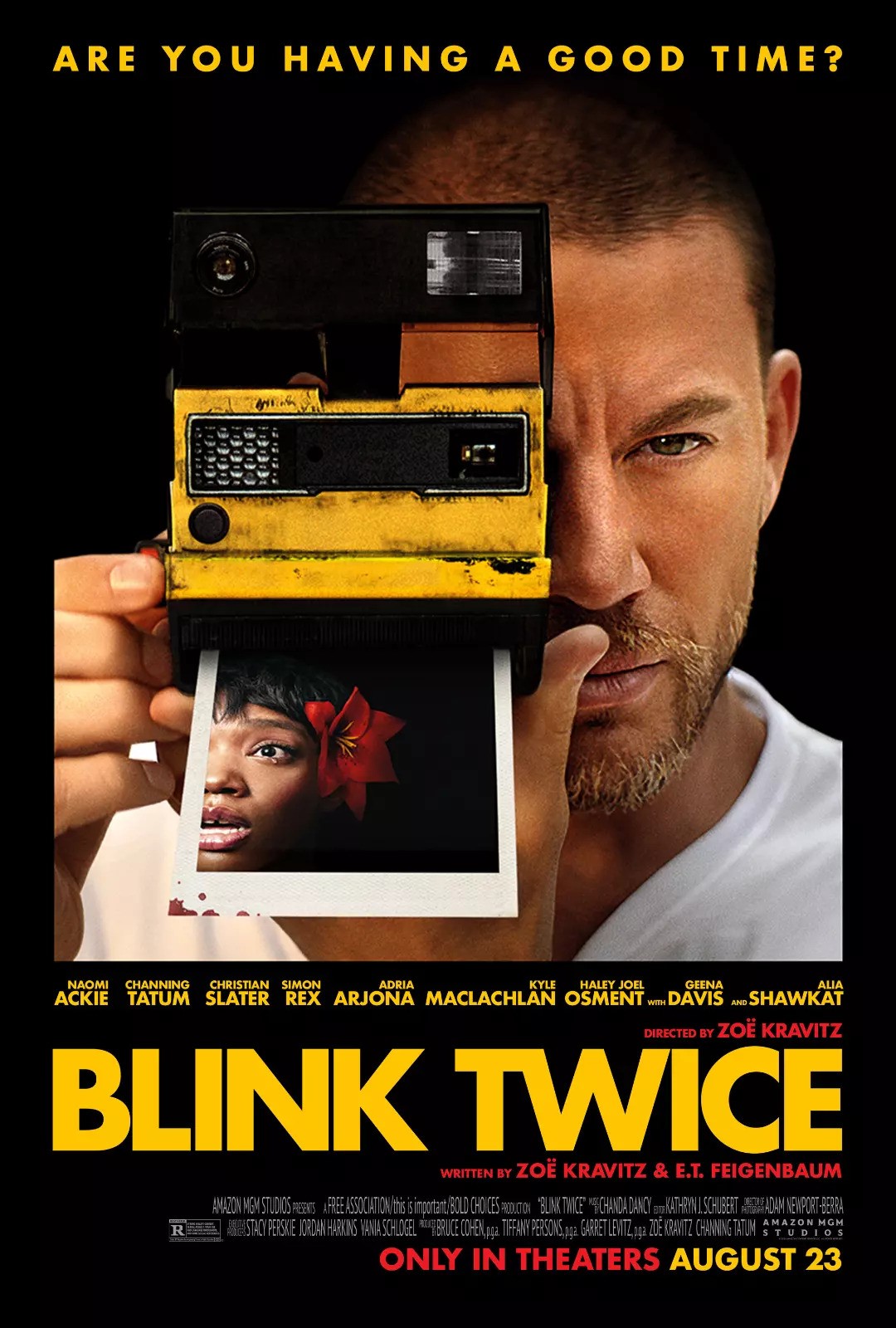
Blink Twice (2024) ** – Seen at the Cinema

Makes one good point about sexual abuse but takes forever to make it. Undone by two bizarre twists at the end and being more arthouse than horror, though that’s been a something of an annoying trend. And way too many cameos. Christian Slater (True Romance, 1993) is easy to spot. But, wait, is that Haley Joel Osment (The Sixth Sense, 1999) hiding behind that bushy beard? And Geena Davis (Thelma and Louise, 1991) as the klutzy personal assistant forever dropping bright red gift bags? And an immaculately spruced Kyle McLachlan (Dune, 1984)?

Buddies, for all I know, of star Channing Tatum, losing all the brownie points he accumulated for his cameo in Deadpool and Wolverine (2024) – although as with that picture he might just be showing an unwelcome predilection for the unintelligible. Or they could all be, out of the goodness of their hearts, just helping out novice director Zoe Kravitz. In general critics have been kind, possibly because it’s a movie debut, but more likely because the movie makes a point that sexually abused women and/or the victims of domestic abuse are likely to suppress or deliberately forget their experiences for the sake of keeping their relationship on an even keel or fear of not finding another.

It Ends With Us (2024) covered the same ground but at least took the trouble to fill it with properly-drawn characters. It’s not just that these people are ciphers and the set-up is fairy tale – poor woman meets billionaire who whisks her away to the holiday of a lifetime on a luxury  exotic island – but that ordinary logic doesn’t seem to apply. I don’t mean the kind of logic required to cover up holes in the plot. But really standard stuff. Like, as one of my readers pointed out of Trap (2024), would the cops really set out to ensnare a serial killer in a concert hall packed with teenage kids?

Here, the flaw is simpler. Would women decide not to communicate? Would, they, beyond a shallow surface skein, just not want to know everything about the lives of the women they meet on this island or, alternatively, can’t wait to bore them to death with every detail of their own lives. And if they are so sedated, what’s the drug that manages to switch off that chatterbox tendency because, forgive this sexist notion, you could make a fortune selling it.

So, rather than go to all the bother of writing real characters, we are not so much in blink twice territory as rinse-and-repeat. We are shown endless episodes of the same scene, women in billowing white Greek-style gowns running across the lawn, raspberries being popped into fizzing champagne glasses, some nutjob raving on about the exquisite meals.

At the end of course you try to unravel it to discover the visual clues you assumed the director has dropped. But still you’ve no idea. Are these women all sedated by something in the raspberries, or by the flashbulb of the instamatic cameras, or the food, or by the bottles of scent left in every room? Maybe’s there’s something in the swimming pool. Or could it be the supposed snake venom drained from local snakes by a housekeeper who takes the Channing Tatum approach to her lines so that her every word is unintelligible. The venom that has somehow been so cleverly diluted that although it looks like toilet cleaner that appears to be a selling point as does that it tastes so vile you need to mix it with tequila.

And is there really only one lighter in the place? That a magnificent house on a desert island replete with servants and everything you ever need has come up short on the one element essential to light up all the dope smokes in constant supply. But, wait, we need a sole lighter and some stuff about everyone stealing it from its owner so that said owner Jess (Alia Shawkat) has to write her name on it so when she goes missing that’s the only proof she was ever here.

So, when billionaire Slater (Channing Tatum) whisks off waitperson Frida (Naomi Ackie) to a desert island she discovers they’re not alone, they are accompanied by his assorted buddies  of varying ages and an equally assorted bunch of women all young and all gorgeous. You expect them to pair off and Frida is somewhat disappointed, even in this age of consent requiring to be expressly given not assumed, to find Slater making no moves beyond some old-fashioned hand-holding and neck nibbling.

So after you are bored rigid with the endless insight into how rich people live – drinking champagne, smoking joints, inhaling or swallowing whatever, eating food cooked to within an inch of its life – eventually, and that eventually is a hell of a long time coming, Frida smells a rat.

Spoiler alert – unknown to them because Slater has invented a forgetting drug – at night time  they are raped or tied up to a tree (presumably with silken cords that leave no mark) or beaten up (presumably with the bag of oranges from The Grifters, 1990, because beyond a rare bruise no physical traces are left) and the reason they race across the grass during the day is some memory blip because that’s what they do at night to escape their tormentors.

Anyway, spoiler alert, the women get to turn the tables on the men so it’s a slaughterhouse at the end, some clearly taking inspiration from The Equalizer (2014) and turning a bottle opener into a weapon, others making do with knife or gun or rock or whatever phallic object comes to hand.

Anyways, spoiler alert and big point, women treated badly always come back for more. In a bizarre twist, this is Frida’s second time on the island, and bereft on the miainland of whatever amnesiac drug they’re taking on the island, has managed to bury any memory of the experience although she must occasionally wonder how she got that scar on her temple. In an even stupider twist, instead of handing Slater over to the authorities, he’s somehow in her power and she controls his billions. Sweet revenge, apparently.

Clocks in at what felt like a bum-numbing epic length but turned out to be only just over 100 minutes. However, if you had trimmed the arthouse excess you’d scarcely have enough to cobble together a television episode.

Seems to me there was quite a good drama in there somewhere revolving around Frida and Jess about having some fun while making ends meet – their East-West routine scores points – but that didn’t fly with the studios so the two engaging stars were thrown into this heavy-handed horror.

Makes a point. But once would be enough, thanks.  

It Ends With Us (2024) **** – Seen at the Cinema

Doubt if I’m the target audience for this little number. In truth, I snuck it in between the excellent Alien sequel and the execrable Trap in my weekly cinema outing. They don’t make them like this any more in part because the straightforward romantic drama was overtaken by the quirky rom-com at which the likes of Tom Hanks, Meg Ryan, Julia Roberts, and Hugh Grant excelled. In the Hollywood Golden Age, Clark Gable would hardly have fashioned a career had he not been teamed with a host of top female stars and Spencer Tracy and Katharine Hepburn couldn’t keep their hands off each other.

But come the 1960s the superstar as loner did away with that popular genre. Apart from The Thomas Crown Affair, Steve McQueen scarcely had a screen romance worth noting, nor did Paul Newman, Lee Marvin or Clint Eastwood and although Charles Bronson ensured wife Jill Ireland had a role in virtually all his movies, romance was rarely on his mind. But cast your mind back to The Way We Were (1973), the incredibly popular pairing of Barbra Streisand (billed first you might notice) and Robert Redford and you can see what, for one reason or another, Hollywood tossed away.

Domestic violence wasn’t on the menu back then and while it plays a part here, that’s not to detract from a solid romance with an excellent meet-cute, two hunks, some terrific dialog, and a sparkling supporting cast. This could be dismissed as upmarket Mills & Boon, especially given the three principals are, respectively, a florist, chef and neuro-surgeon, outside of a fireman just about the sexiest professions abounding in the world of fiction.

Florist Lily (Blake Lively) has to choose between commitment-phobic top doc Ryle (Julian Baldoni) and childhood sweetheart Atlas (Brandon Sklenar), now a successful chef. Her shop assistant Allysa (Jenny Slate) warns Lily about her lothario brother Ryle, but eventually he wears her down and they embark on a relationship that ends in marriage. But when Atlas pops up again, the perfect marriage begins to wear thin.

The return of Atlas brings back memories of her father who abused her mother and beat up Atlas after discovering him in Lily’s bed. The movie skips over Lily’s failure to stand up to her father and, although Atlas was hospitalized as a result of the encounter with her father, she allows her first proper boyfriend to drop out of her life. Luckily, he bears no grudges and sits on the sidelines offering tacit support should her marriage go sour. Unfortunately, she’s tucked his telephone number away in her mobile phone cover and on finding it the already simmering Ryle kicks off.

We open with a great scene with Lily, called upon to give the eulogy at the funeral of wealthy father (Kevin McKidd), walking out without finding anything good to say. There’s a clever visual, the piece of paper where supposedly she was to write down the five things she loves about the deceased, but all she’s written are the five numerals, and it’s as cleverly reprised later on.

The domestic violence is artfully done, so that, at first, we are inclined to believe that he strikes her on the face or throws her down the stairs by accident, partly from seeing the incidents from her confused point-of-view and partly a mind-set that doesn’t want to accept that her chosen mate may be the  spitting image of her father. The bite on the tattoo on her neck accompanying attempted rape is a different story. While Ryle doesn’t per se have justification for his innate violence, his inhibition is partly explained by guilt over a devastating incident in his childhood.

The title comes from the final scene. Presenting baby to father, Lily asks Ryle what advice he would he would give his daughter should she ever confess she had been smacked around or thrown down the stairs. He’s shamefaced enough to give the correct answer and she’s smart enough to give him the boot. “It” meaning violence from men, “ends with us,” she whispers to the baby.

And although that’s the big supposed big takeaway from the movie, in reality it doesn’t pivot on that element, instead it’s a very satisfactory almost classical love triangle of the kind they used to make, with plenty good lines and packed with interesting scenes.

Blake Lively, as she proved in The Rhythm Section (2022), is very capable of carrying a picture but here she’s swamped by support. Justin Boldoni (Con Man, 2018) is in double-hyphenate form – he directed it (Clouds, 2020, his previous) – stepping up to the plate not just as a prospective candidate to become Hollywood’s next big male sex symbol but making an impressive movie, slow-burn to allow characters to find their feet and for the actors not to rush at scenes or bite off lines. Jenny Slate (I Want You Back, 2022) is superb.  Christy Hall (Daddio, 2023) adapted the Colleen Hoover bestseller. 

Thoroughly satisfying involving drama.

Discover WordPress

A daily selection of the best content published on WordPress, collected for you by humans who love to read.

The Atavist Magazine

by Brian Hannan

WordPress.com News

The latest news on WordPress.com and the WordPress community.