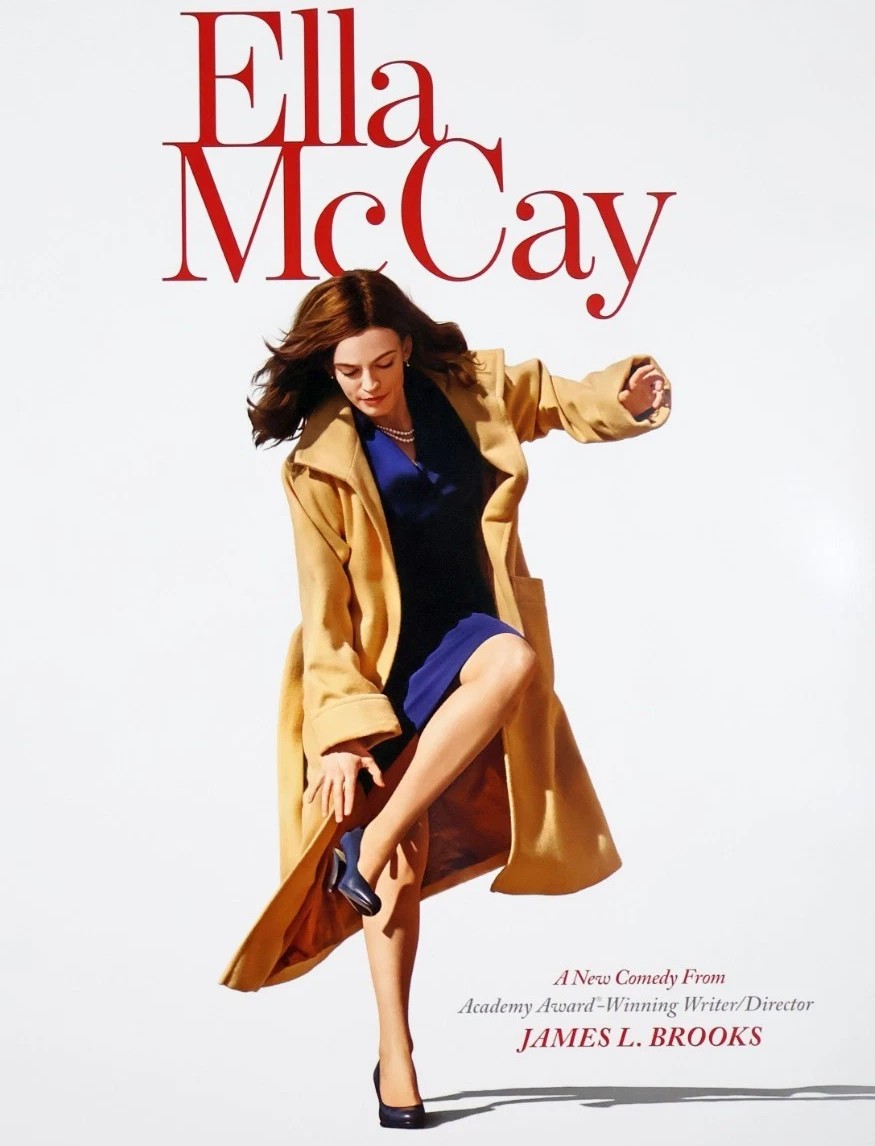
Ella McCay (2025) **

I should have taken notice of the horrific opening weekend for Ella McCay – just $2 million return on a $35 million budget. But it seemed unfair to ignore a new picture by the Oscar-winning writer-director of Terms of Endearment (1983), Broadcast News (1987) and As Good As It Gets (1997). Maybe I should have taken into account his cinematic rustiness, this is his first picture in 15 years, though that’s leavened by the fact he’s not exactly been prolific, including this a career spanning just eight pictures, so this could just be another gem a long time in the making.

Alas, no. It’s an unholy mess. From the set-up it presents as an expose of politics in the sharply satirical manner of Broadcast News. But all we learn about politics is the amount of time politicians spend drumming up money from sponsors in boiler rooms filled with begging employees working the phone and that be careful who you choose as a running mate because if the top person dies or – in this case – gets promoted, you’re left with someone nobody voted for and who has such little grasp of the humans she’s meant to be working for that in her ideological frenzy she bores everyone to death.
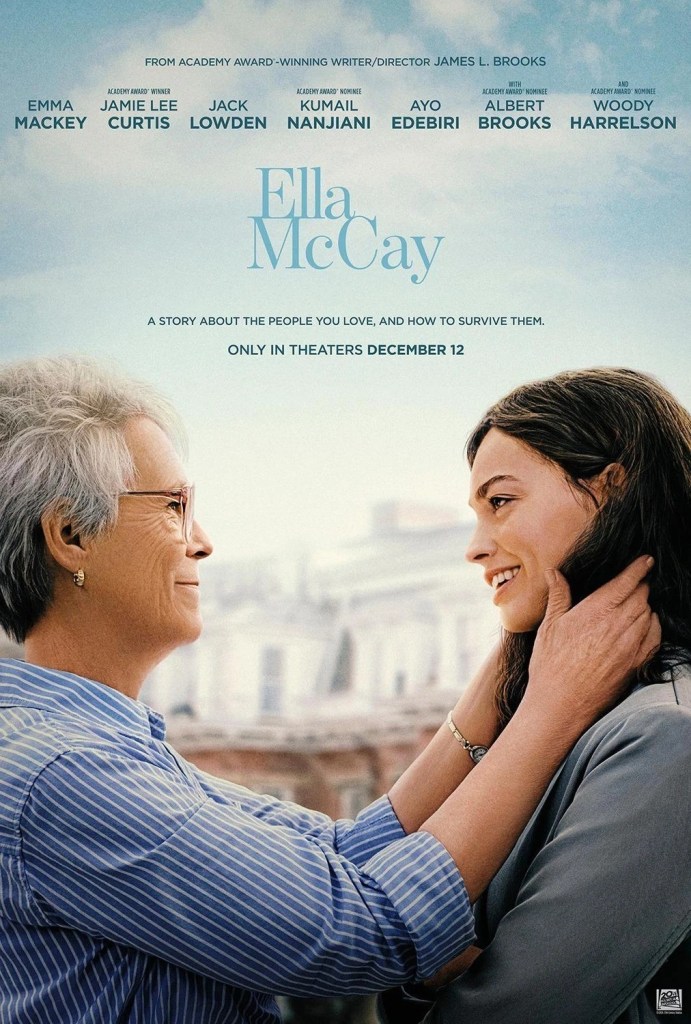
This looks as if it started one way and went another. A simple plot device could have been used to explore the problems of politicians squaring family lives with duty. Ella McCay (Emma Mackey)  – promoted to governor of an unnamed state because the incumbent, Bill (Albert Brooks), is promoted elsewhere – has been caught out using a room in the government building to have lunchtime sex with restaurateur husband Ryan (Jack Lowden).

This might have done wonders for her career, given she’s such a stuffy uptight lady, and the issue would have deserved no more than a mild slap on the wrist for illicit use of government property, and highlighted the problems of work-life balance in the business. Instead, it’s forced to do triple duty in a bizarre manner.

A journalist with so little grasp of politics is dumb enough to think this is actually an expose worth blackmailing someone over. And a politician with so little grasp of PR is dumb enough to think this poses a threat. And a husband with probably a very good grasp of how business works tries to pay off said journalist only for the whole farrago to explode in everyone’s face and result in a vengeful husband instigating divorce proceedings and blaming her for the bribery.

Oh dear, these bad men damaging a young woman’s promising career. Except the head of her political party calling her to book is a woman and it’s Ryan’s mother who puts him on collision course with his wife. Ella is just tone-deaf to everyone except herself. In her inauguration speech she fails to thank Bill or her husband and in her first meeting with her staff drones on for so long fails to notice they are falling asleep.
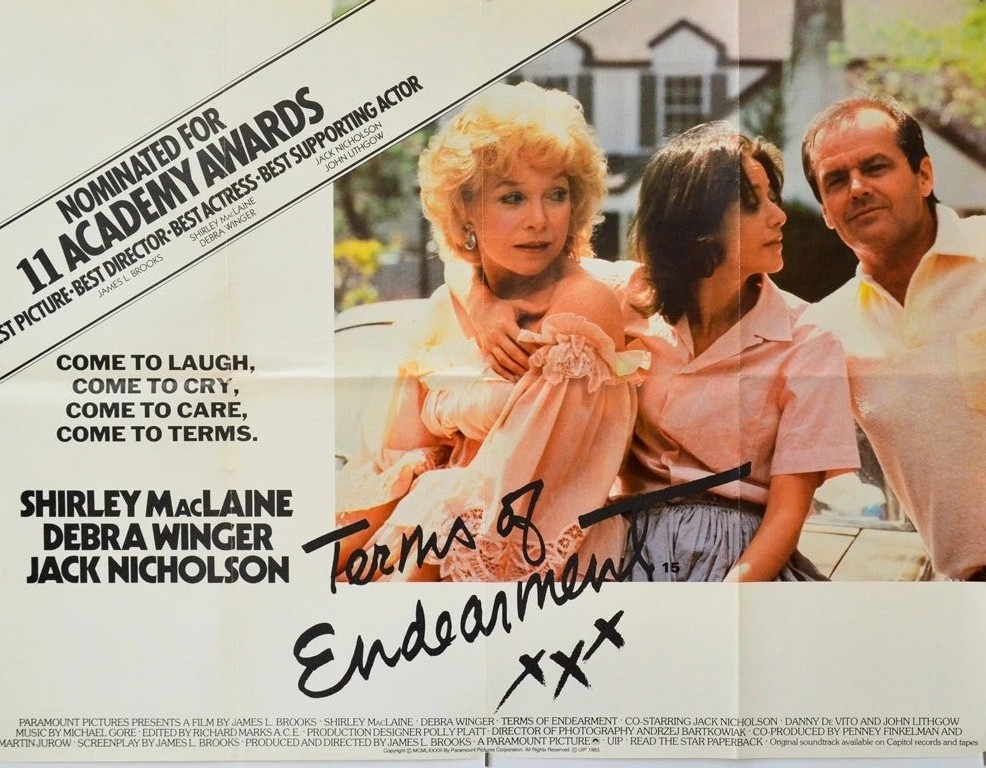
Reminder of just how good James L. Brooks could be.

It’s not just Ella who’s tone-deaf it’s the director. There’s a just terrible scene where having decided to spend the night at her brother’s apartment she fails to notify her police guard and then blasts them in the morning for watching over her overnight and wasting taxpayer’s money by clocking up overtime and this is presented as if in fact her anger is proof of her innate goodness.

Rammed into this bizarre concoction is estranged dad Eddie (Woody Harrelson) whom Ella refuses to forgive for his womanizing – and in fact the only scene that actually carries any heft is the one where as a teenager she refuses to play the happy family game when he’s been caught out in a misdemeanor.

Oh, and while we’re at it, her brother Casey (Spike Fearn), an agoraphobic computer geek who happens to pocket $2 million a year on a spread betting hustle, is on hand to  listen (unwillingly it has to be said) to her self-justifying rants and effort is put in to justifying his continued presence in the picture with a dumb plugged-in romance.

The main problem is that mostly Ella is on the verge of a nervous breakdown, constantly whining, bursting into tears (or screaming – the apparent alternative) and what sets out to show how women are constricted in politics actually instead reveals how someone constitutionally unfit for the hard graft of politics becomes a liability. But, wait, hooray, she does good in the end.

Everyone overacts. So there’s no excuse except directorial slackness for usually dependable actors like Woody Harrelson (Now You See Me, Now You Don’t, 2025) and Jamie Lee Curtis (The Last Showgirl, 2024) and for Emma Mackey (Emily, 2022), face in constant fidget, inexperience might mitigate. Jack Lowden (Tornado, 2025), done no favors by the script, and veteran Albert Brooks (Concussion, 2015), in his first movie in a decade,  are better, but that’s not saying much.

Just awful. American moviegoers were right to give this a body swerve.
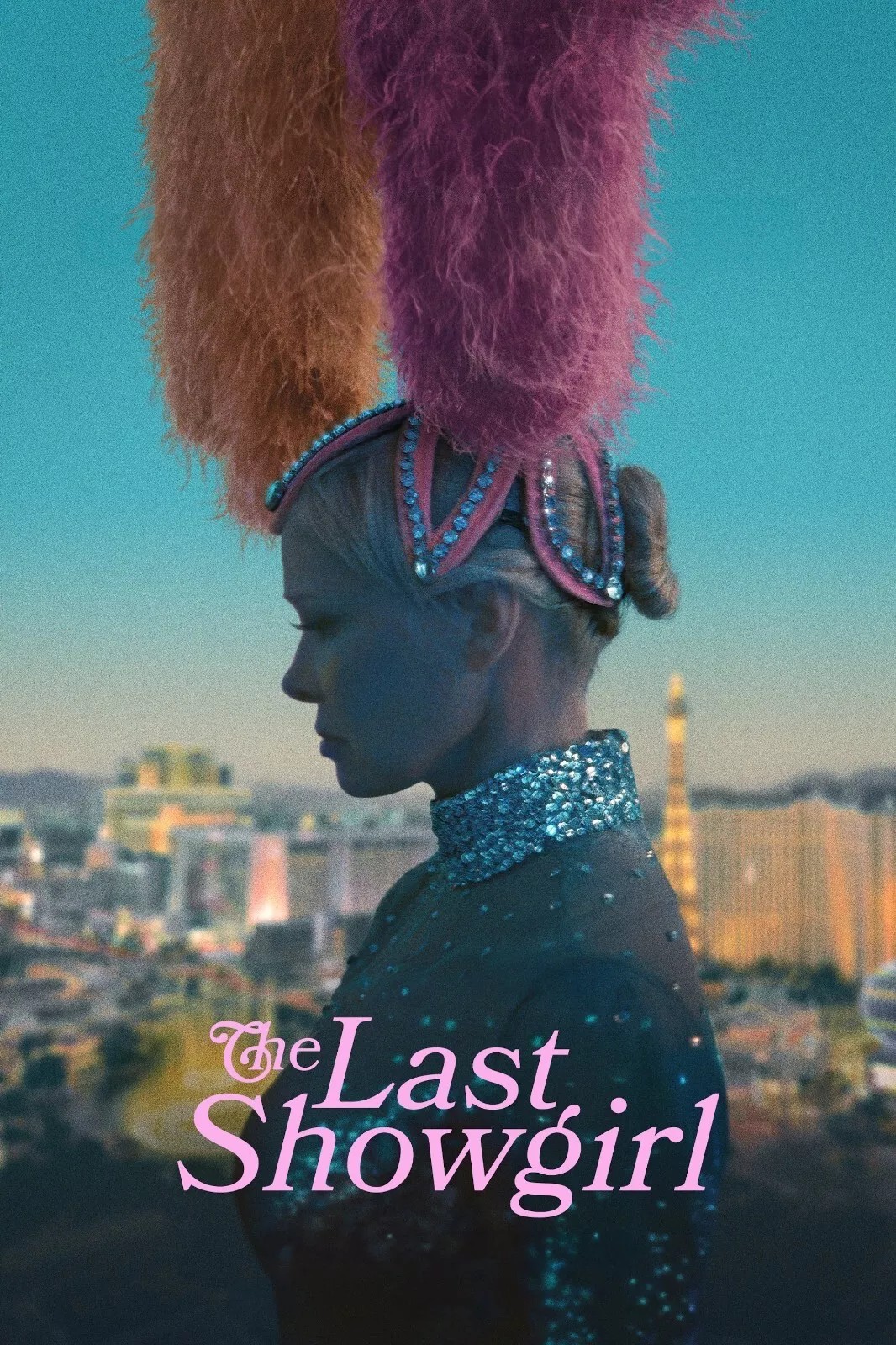
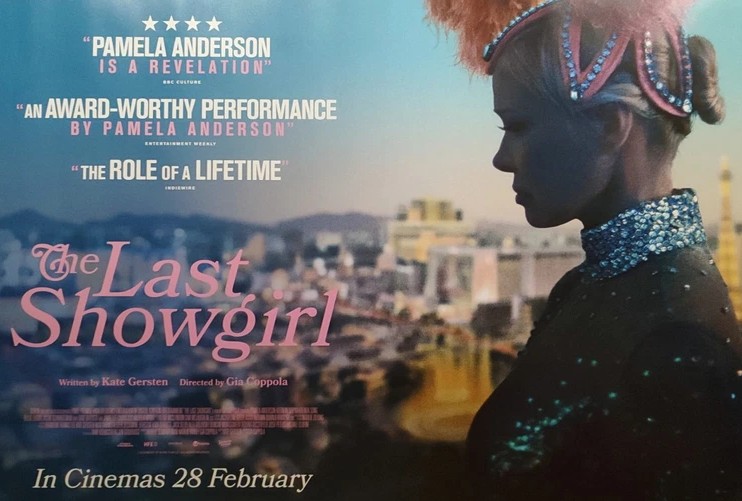
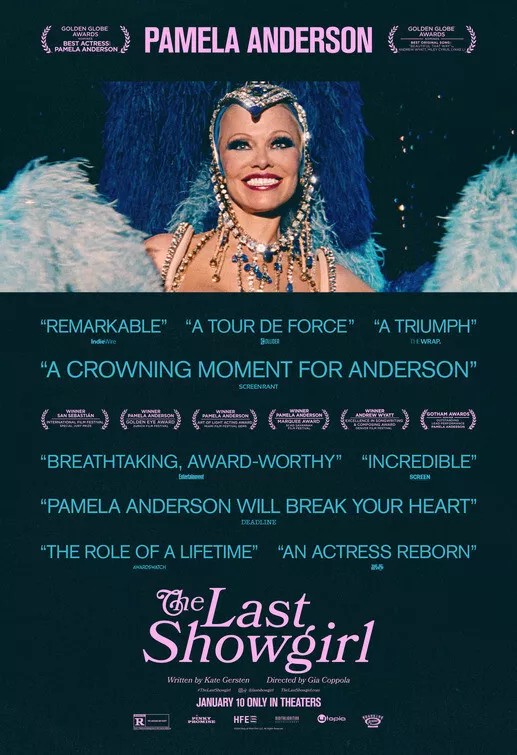
The Last Showgirl (2025) **** – Seen at the Cinema

I’m assuming this fell foul of Oscar voters because it lacked a woke agenda. In fact, it’s distinctly anti-woke, the subject matter of women flaunting their bodies for dough, and a heroine who revels in it, going against the contemporary grain. And I know Demi Moore put on a more showy performance in The Substance (2024) but Pamela Anderson here demonstrates significantly more substance. Everything you’ve heard about her performance is true and you do wonder, far more than with Demi Moore, why some casting director didn’t alight on such talent which would have been ideal for a rom-com or drama as a put-upon character.

I’ve scarcely come across a more well-rounded character – and yes the script by Kate Gersten was an Oscar shut-out, too, but scripts are more than fancy-dancy lines or setting up woke agendas. There’s a just fabulous scene where ageing showgirl Shelly (Pamela Anderson) slams the door in the face of one of the young dancers coming to her for emotional support. Shelly is too wrapped up in other personal dilemmas at that point to cope. Up to now she’s been maternal to a pair of younger girls, Jodie (Kiernan Shipka) and Mary-Anne (Brenda Song), and happy to offer a shoulder to cry on.

But it’s two-way. The girls help her fix bits of her costume. Following the door-slamming episode, Jodie takes the hump and refuses to assist pre-show and Shelly come a bit unstuck.

But not only is Shelly a willing participant in male fantasy, she’s also poster girl for a female fantasy, that her body and somewhat limited talent will carry her through to old age (older age, she’s 57 now) and she can dwell on career highlights such as being feted by the media and corporations who ferried her across the world as some kind of brand ambassador.

Frankly, she’s not ready to face up to much – certainly not the end of her career, the show (Le Razzle Dazzle) is closing and her daughter Hannah (Billie Lourd) is not only challenging her perception that she was a good mother but derides her occupation.

The script is cleverly structured in a kind of Christmas Carol fashion. We’ve got before – Jodie and Mary-Anne the eager beavers with stars in their eyes. After is represented by the jaded older hard-drinking gambling addict Annette (Jamie Lee Curtis), reduced to cocktail waitress (a rather grand term for what she does) in a casino with her cleavage on show as a possible repository for tips.

Shelly has more than enough shades of character. She’s daffy, hard-nosed when the situation requires, manipulative (also when required), selfish, unselfish, fulfilled, unfulfilled, friendly, lonely. Turns out there’s still room for the exploitative show as long as striptease can be performed in post-ironic fashion, throw in some slapstick and bizarre comedy, and there’s demand for the straightforward Vegas showgirl but they need a good bit more dancing training than Shelly can muster – brutally taken apart in that scene.

Thankfully, director Gia Coppola (The Seven Faces of Jane, 2022) doesn’t go down the sentimental route, nor is she out to curry pity. You’ll sympathize with Shelly for sure, but you’ll hold back because her problems are all of her own making and you know full well that she’ll find some solution, manipulative or not, to her immediate problems.  

If you’re looking to expend a bit of sympathy your better bet is Annette. The scene where, presumably as part of her job, she has to climb on to a mini-stage in the casino and gyrate to a tune with nobody paying the blind bit of notice resonates. Sharp-tongued though she is, Annette has the self-awareness to know she will always be broke, unable to kick her gambling addiction, even if it means losing her home and sleeping in her car.

Hannah’s really the only cliché, there as a scripting prop to make Shelly reassess her life (interestingly enough Shelly finds little to fault), and make her face up to her tawdry career. Though in a scene which makes some emotional sense – acceptance of parental failings, I guess, or pride at paternal skill – that I didn’t believe the daughter applauds her mother’s dancing having previously lambasted it.

This is old-school, from the time when you could make a whole film just about a character coming to the end of their career and facing up (or not, as here) to decisions made. It could be a football coach or a teacher or a politician. Here, it just happens to be a showgirl.

This would in any case have been the best performance of Pamela Anderson’s career because, frankly, that bar was set decidedly low. Demi Moore, by comparison, could at least point to some critical acceptance for roles like Ghost (1990) and A Few Good Men (1992). I don’t buy into the idea that box office stars are hard-done-by in not being offered Oscar-bait roles because as we’ve seen only too often any star can buy their way into a good role – by that I mean cutting their salary to the bone or spending their own dough to bring a picture to fruition, it’s what the term “vanity project” was invented for.

Still, with what Pamela Anderson presents here, shorn not so much of make-up but the glossy sleekness of her previous screen persona, and presenting a more realistic characterization, you could see her fitting well into a series of more demanding roles.

Yes, for once, the reviews are correct. Well worth seeing.  

Discover WordPress

A daily selection of the best content published on WordPress, collected for you by humans who love to read.

The Atavist Magazine

by Brian Hannan

WordPress.com News

The latest news on WordPress.com and the WordPress community.