
In the 1960s you could watch old films in the cinema in virtually every country in the world every day of the week. Except in the United States, television had not impacted so much on the availability for booking films made within the last decade, so there was generally plenty of scope to operate a picture house that specialized in old movies. They were called “repertory” theaters. Of course studios dipped in and out of the repertory business themselves, yanking out of the vaults old blockbusters, but on an irregular basis, that particular supply rapidly diminishing as old movies were sold off for small screen presentation.
Pre-television, in the United States in the 1940s a small industry had grown up, both in distribution and exhibition, either buying up the rights to old movies and recycling them as instituted by the Producers’ Releasing Corporation and Realart and PRC or establishing mini-chains of cinemas like the Academy of Proven Hits. But when television made such big inroads into old stock in the U.S. you were more likely to find old pictures turning up in arthouses, and even then that was limited to known attractions like Garbo and Bogart and occasional retrospectives of Bette Davis and Joan Crawford. Or arthouses would slip in a series of oldies one day a week.
In the 1960s “no cinema in the United States except the Thalia in New York and the Cinema Guild in Berkeley has ever made a serious attempt at presenting cinema repertory.” Occasionally, a U.S. distributor acquired a bundle of old pictures as the basis of an ongoing program distributed through arthouses, such as the 27-film series from Janus or Tom Brandon’s batch of 75. Paris, on the other hand, was a paradise for lovers of old movies.
The 1960s saw the beginning of the film studies phenomenon, so cinemas showing old movies found new custom. Prior to that, the most common way to view classics was via a film society, another booming sector. While boasting four million members worldwide, access was limited to one movie – in 16mm not 35mm – a week for one screening only and a program that ran for about half a year.
Surprisingly, Britain was at the forefront of the repertory industry. When I was growing up in Glasgow in the 1960s I was astonished to discover a commercial chain – the Classic – operating three cinemas in the city center. Two of the operations, the Classic Grand and the Tatler Classic, while retaining the company name gradually shifted into the sexploitation business, the latter as a private members’ club. But the flagship Classic, just down the road from the Odeon, one of the city’s most prestigious houses, ran a weekly program of old films.
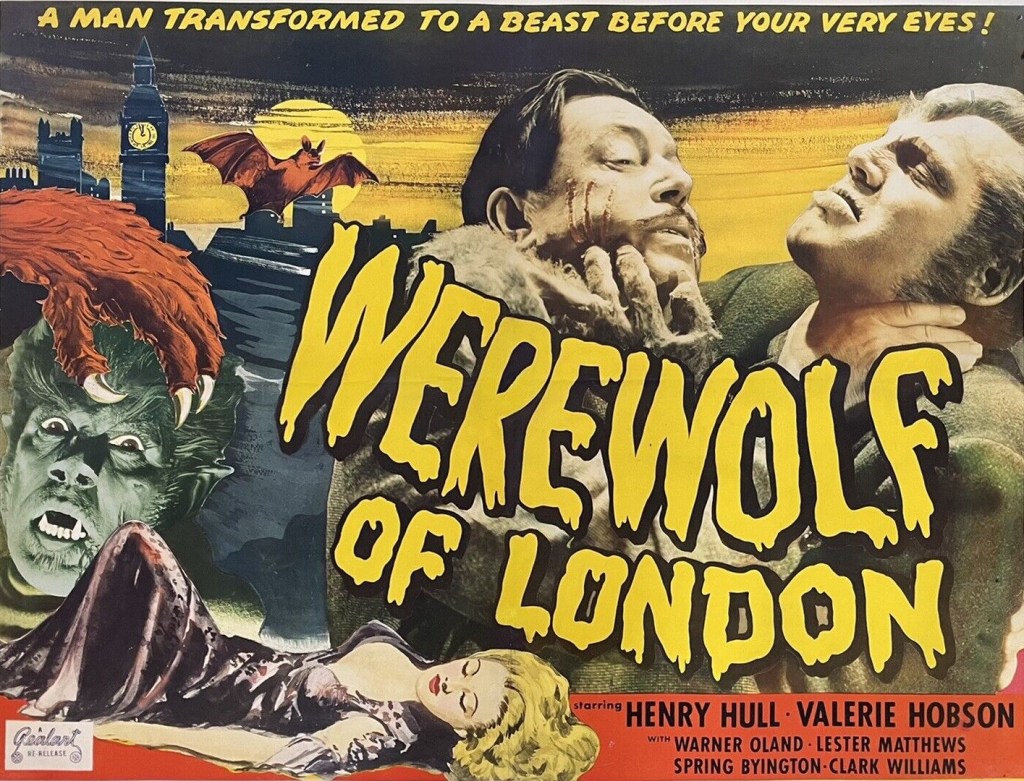
At the start of the decade, Classic operated ten cinemas in London and another 80-plus throughout the United Kingdom. Programmes changed midweek if showing just one film while a double bill would run a full week. Several cinemas ran late night screenings, usually on a Saturday, but these could also be found on a Wednesday or Thursday.
Sometimes the movies shown were foreign, other times there might be a short season of Marx Bros comedies or Hitchcock thrillers, but mostly they were British or American pictures whose quality or reputation suggested they deserved repeat viewing on the big screen. One print would be enough to feed the entire system, shunted from screen to screen.
Quite a few of the films would be hired on a flat fee basis, no sharing the box office with a distributor or studio. Older audiences, fed up with the sex and violence prevalent in current movies, took refuge in safer, older films. Younger audiences, wanting to catch up with great films, found the screenings an unexpected bounty, especially to see them projected in their original dimensions.
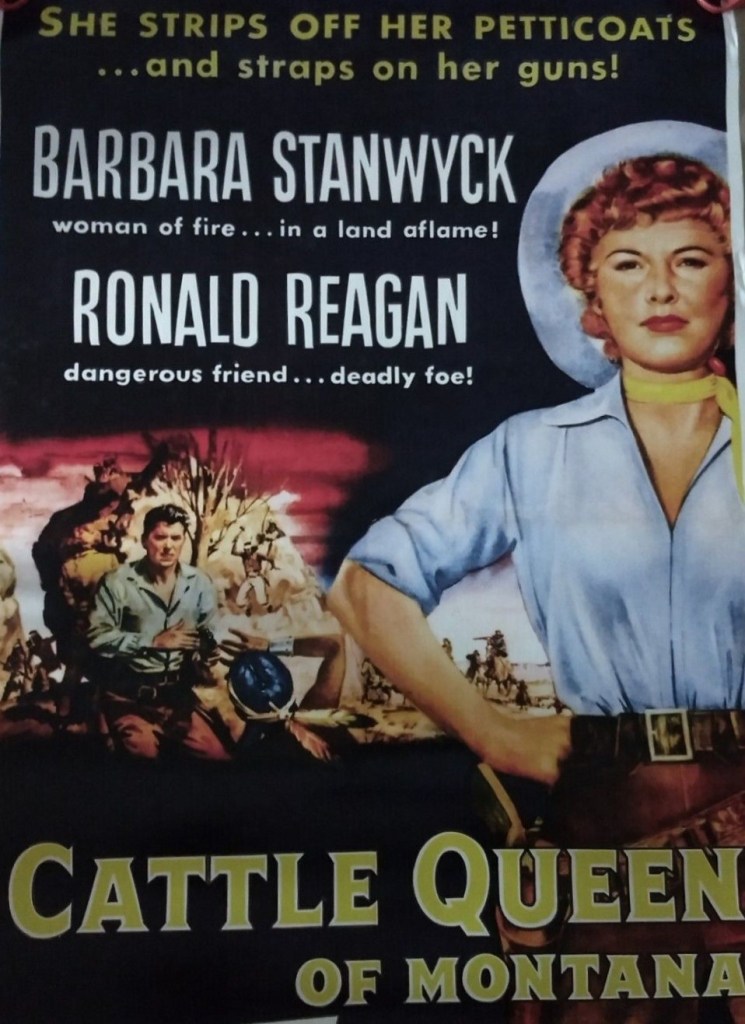
Just how old the offerings were varied. In 1968 over the period March 10-April 6 the youngest film presented on the Classic chain was Bonnie and Clyde (1967), the oldest Animal Crackers (1930), The Lady Vanishes (1938), Carol Reed’s The Stars Look Down (1940) and The Song of Bernadette (1943). In between you could choose between The Third Man (1949), Barbara Stanwyck as The Cattle Queen of Montana (1951), Viva Zapata (1952), The Brides of Dracula (1960), Billy Liar (1963), The Birds (1963), The Pawnbroker (1964) and Peter Sellers comedy After the Fox (1966).

On the foreign front, you could sample Vilgot Sjoman’s My Sister, My Love (1966), Godard’s A Woman Is A Woman (1961), offbeat French film Do You Like Women (1964) about cannibals owning a vegetarian restaurant, and Elke Sommer and Virna Lisi in Four Kinds of Women/The Dolls (1965). It was relatively easy to structure programs to cash in on a current picture by, for example, Peter Sellers or Marlon Brando or directors such as Alfred Hitchcock or Carol Reed.
By the 1970s repertory cinema was booming in America, 400 theaters in operation, major cities accommodating several, while in Britain the Classic chain was acquired by the Tigon production company.
SOURCES: Brian Hannan, Coming Back to a Theater Near You (McFarland, 2016) p48-49, 54, 63, 72-73, 77, 80-81, 72; Gideon Bachmann, “A New Generation of Critical Fans,” Variety, June 1, 1960, p5; Advertisement, Films and Filming, October 1961, p2;“One Night Revivals Add to Arthouse Profits,” Box Office, June 29, 1964, pA3; Gideon Bachmann, “International Film Societies Number 2,500,” Variety, April 20, 1967, p13; “Films in Repertory Set for Reade-Sterling House,” Box Office, February 8, 1965, pE5; “Brandon Lines Up Chain of 30 Arties for Medleys of Oldies and Offbeat Pix,” Variety, Septmeber 6, 1967, p5; “Repertory,” Films and Filming, April 1968, p23;“Squeeze More Coin on Last Run of Classic Films,” Variety, April 24, 1968, p7; “Classic Try Switch To Cinema Club,” Kine Weekly, February 8, 1969, p6; “Tigon Aims Complete Classic Deal by End July,” Kine Weekly, June 12, 1971, p3; Marianne Cotter, “Survival of Revival House,” Box Office, March 1, 1993, p24.
 The Magnificent 60s