Behind the Scenes: “King of the Action Thriller, Films from the Mind of Alistair MacLean” by Brian Hannan (i.e. me) – Out Now, Go Buy

He was the world’s best-selling author. He was the highest-paid screenwriter in Hollywood. He didn’t learn to speak English until he was six.

“I’m a businessman, not a writer,” claimed the self-effacing Alistair MacLean. While his narrative skills acquired readers in the millions, his understanding of the publishing and entertainment business made him the most business-savvy author since Charles Dickens invented the cliffhanging chapter ending and the author tour. MacLean had an instinctive understanding of synergy.

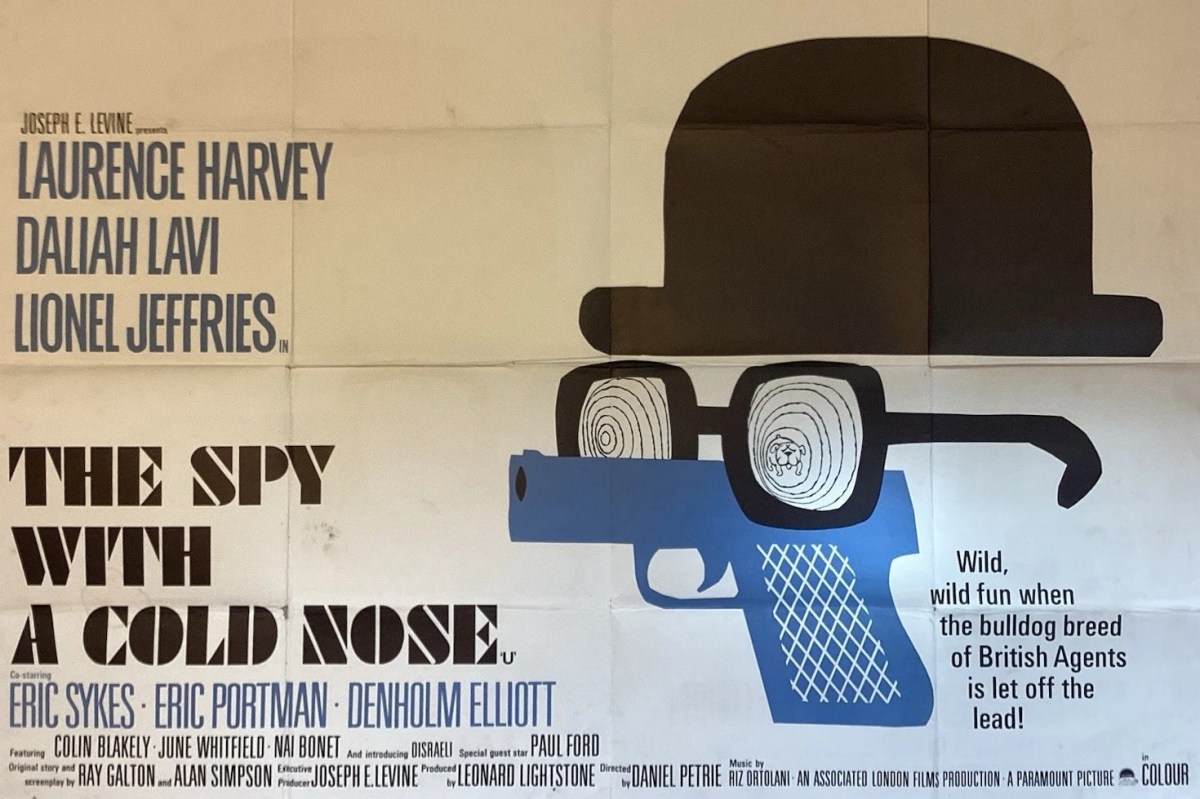
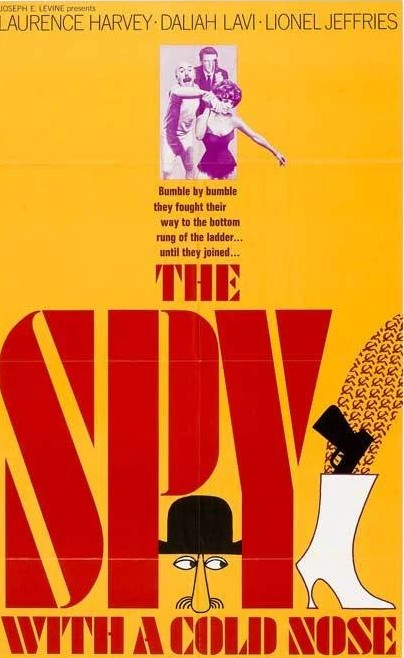
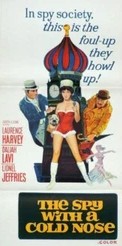
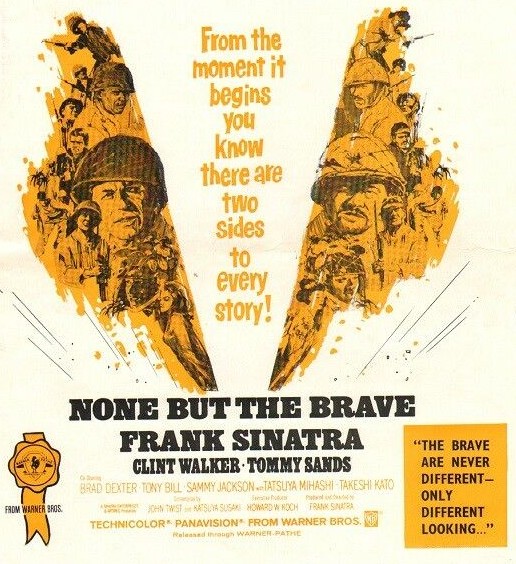
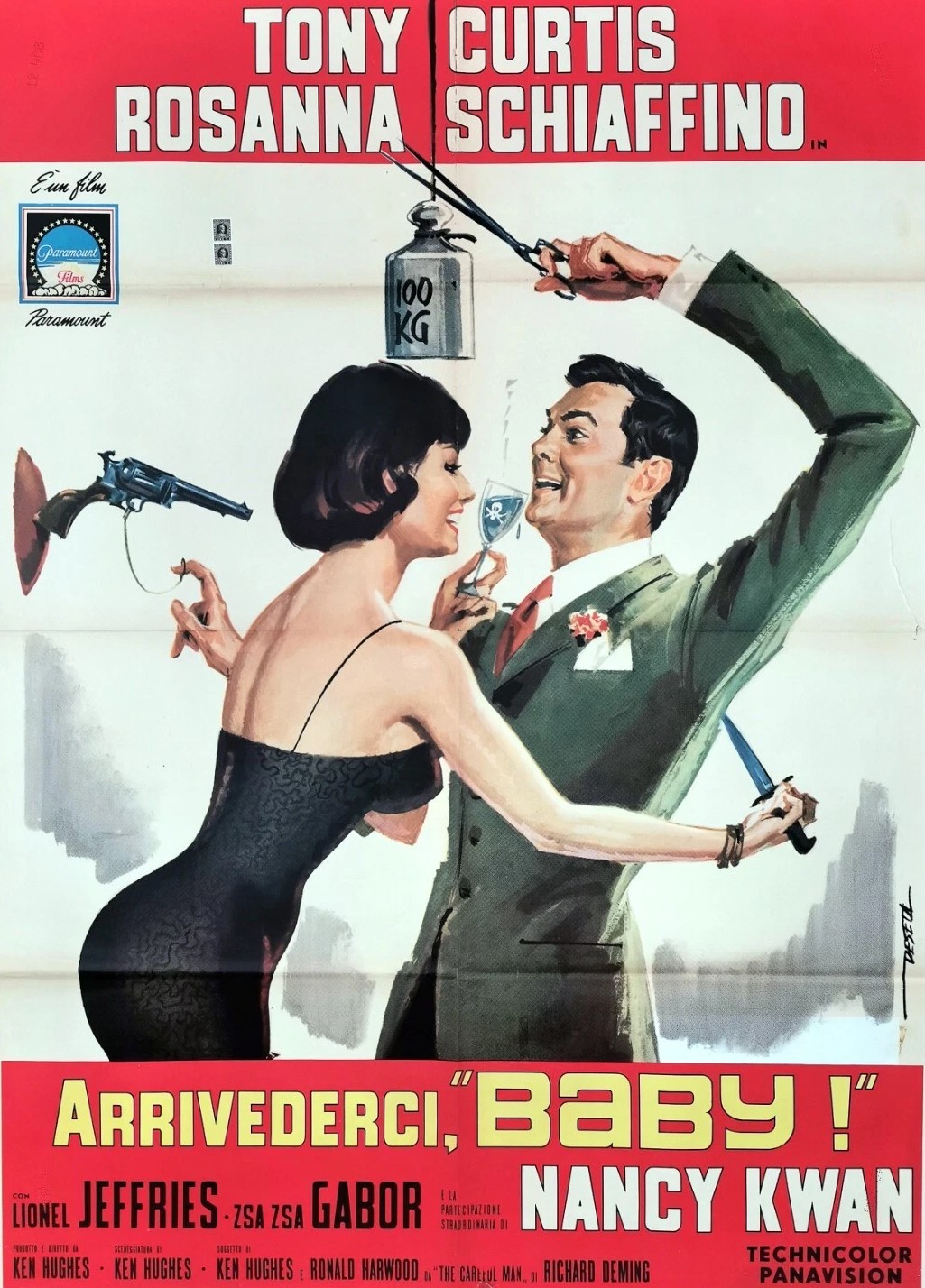
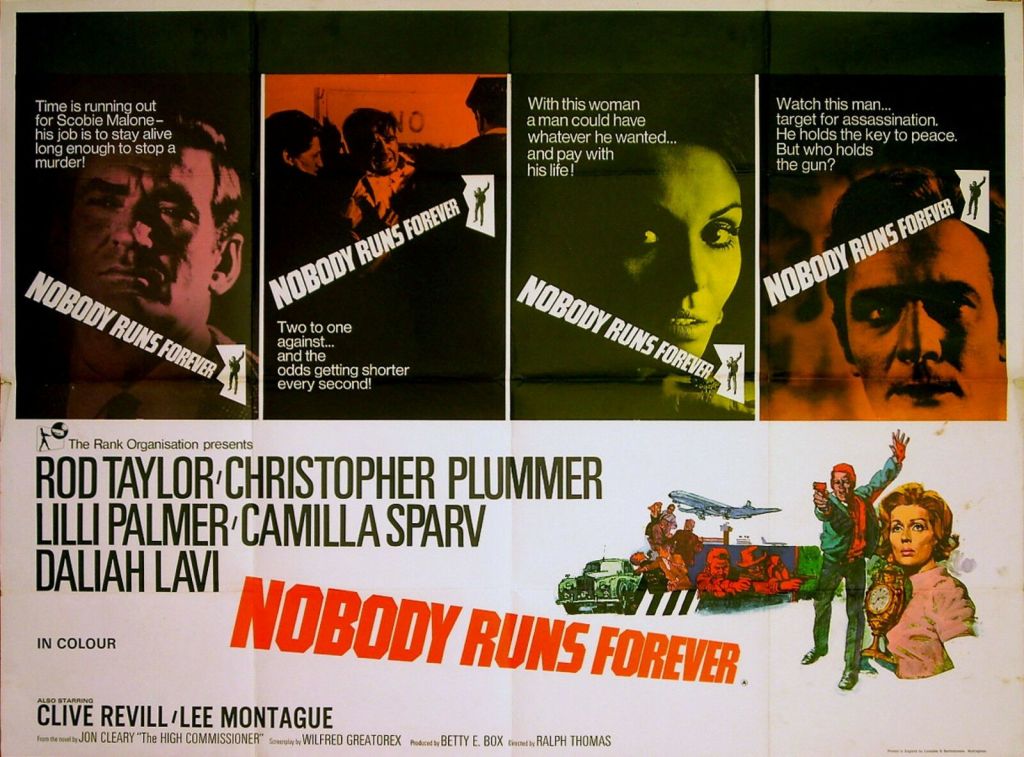
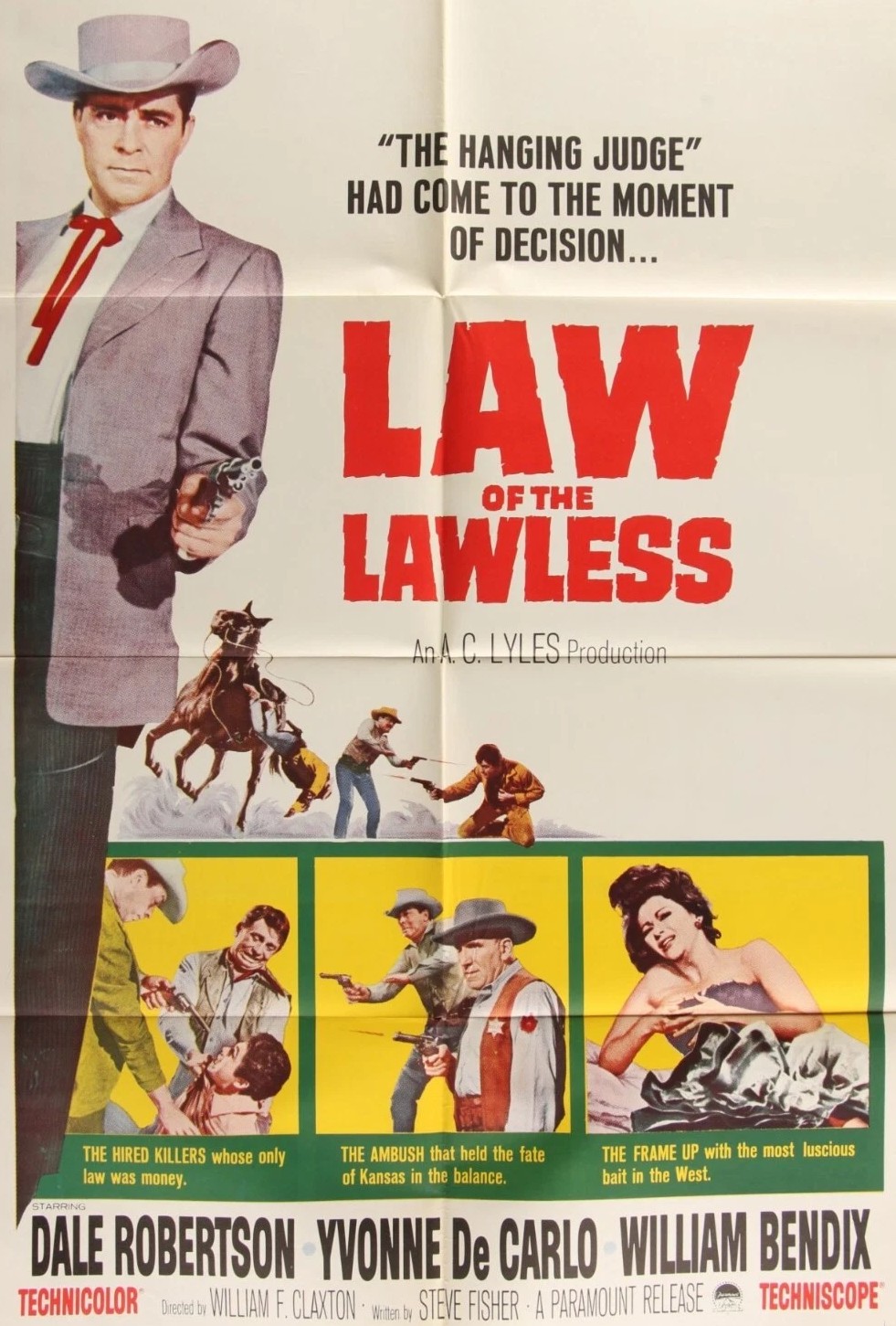
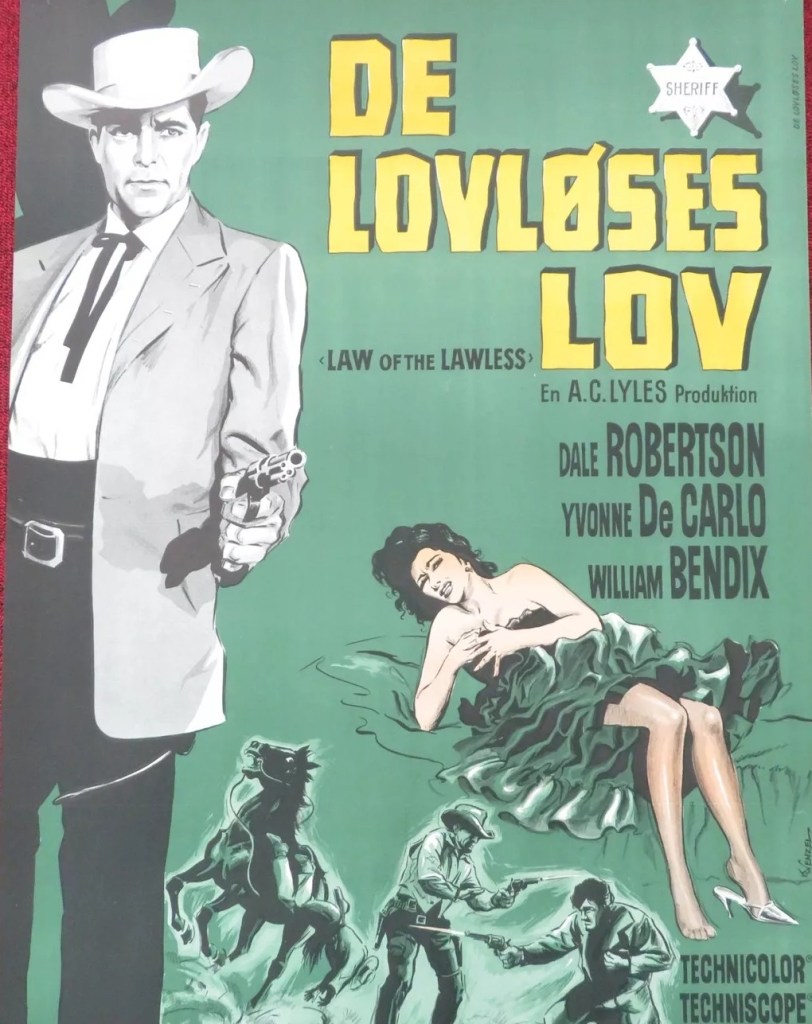
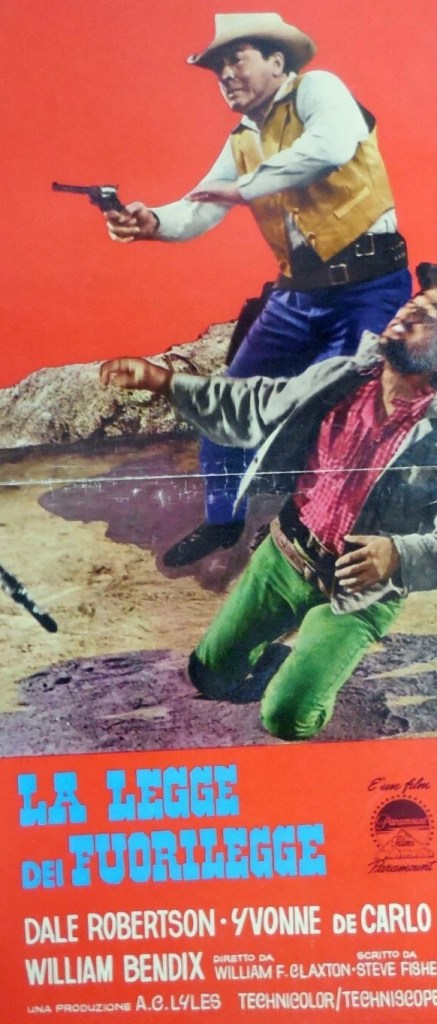
Standard style for trade ads. Unusually, movies made from Alistair MacLean books majored on the name of the author in the same way as they would for a box office star or director.

 In Hollywood, “property” was king. This was real estate of a different commercial kind, an item on which many fates depended, and which could be used to raise the millions of dollars required to make a movie. And, virtually alone among authors of his generation, and certainly unique among screenwriters, his name acquired marquee status, carrying above-the-credit status, often billed above actors involved, ensuring that  movies could be marketed as Alistair MacLean pictures, promising to deliver as certain an experience akin as those who embraced a Sherlock Holmes mystery.

Alistair MacLean was unique among the authors who rose to bestselling prominence in the 1950s and 1960s and 1970s in that his books were translated onto the screen at a startling rate, eighteen in total making the transition. Many became the biggest blockbusters of the day – The Guns of Navarone (1961) and Where Eagles Dare (1968) for example – while others like Puppet on a Chain (1970) and Fear Is the Key (1972) not only attracted a cult following but reinvented the chase picture. His books spanned World War Two and the Cold War, espionage often a consideration, but his gift for authenticity ensured he was as at home in the Wild West or a race track. 

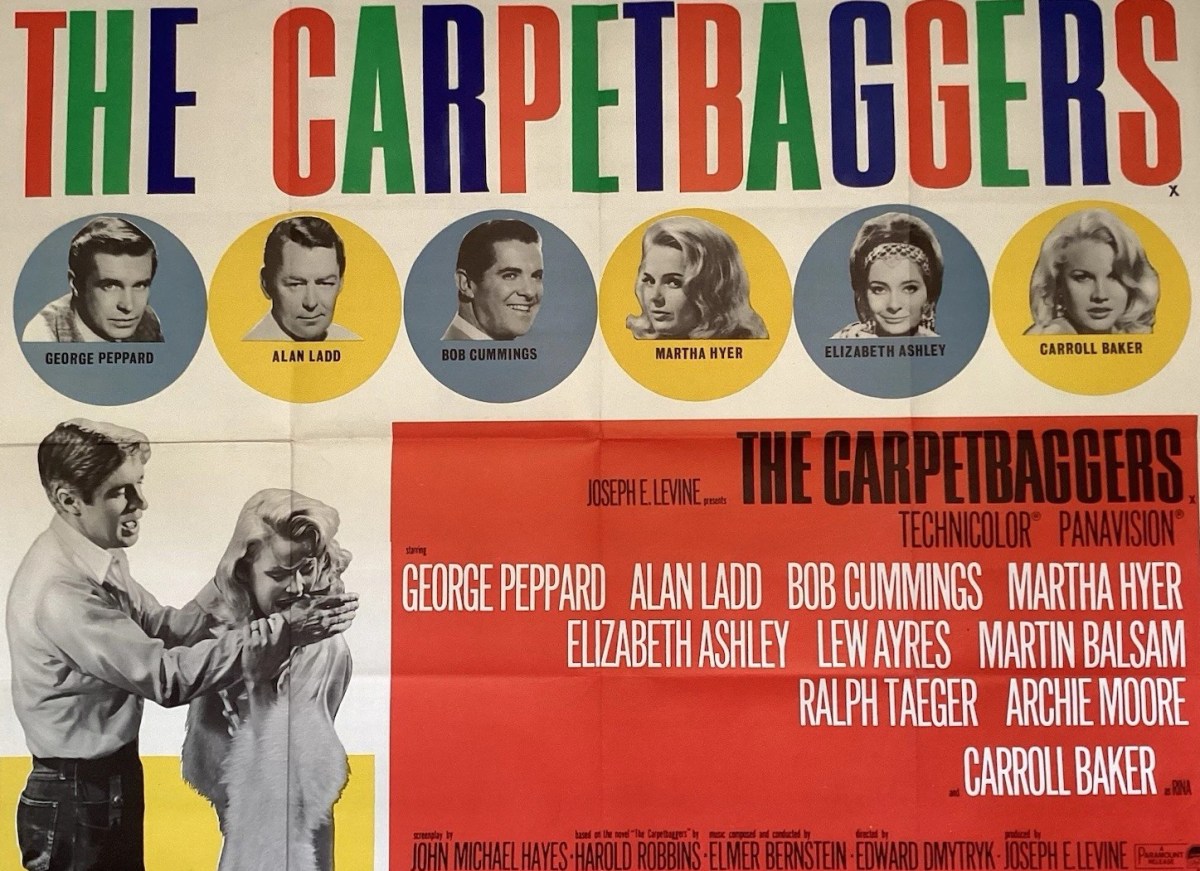
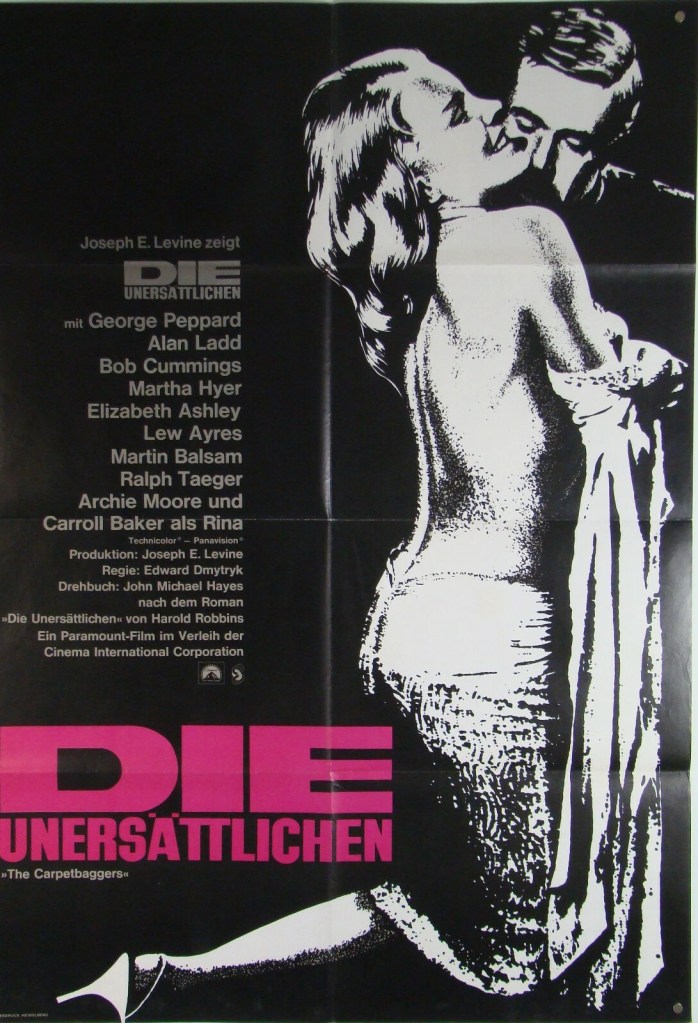
A number of elements made him stand out from the other big-time bestsellers of the day. For a start, he didn’t rely like Harold Robbins (The Carpetbaggers) on sex, nor a retelling of history in the vein of James Michener (Hawaii), nor reliant in exploring institutions in the manner of Arthur Hailey (Hotel). He wasn’t interested in contemporary issues. He didn’t have a series character like James Bond, which allowed his thrillers to be cherry-picked by a far wider range of producers and Hollywood studios. Although his main characters were loners, often with a disfigurement or major flaw, they were sufficiently different to be interpreted by a very diverse number of actors.

You could argue that he re-purposed the thriller and invented the mission war novel. By the late 1950s the former was polarised between the critically-acclaimed novels of Graham Greene and Eric Ambler and the sexed-up pulp of Mickey Spillane. MacLean narratives were defined by serious purpose, dedicated professionals rather than amateurs stumbling onto a conspiracy. The aftermath of the Second World War saw the advent of many mission pictures, which, mostly based on real events, were documentary or gung-ho in style. The Guns of Navarone ushered in a new type of mission book/film, short on exposition and training and overloaded with tension.

Authors rarely become brand names. They may become bestsellers, well-known to readers and within the book trade, perhaps appreciated by critics, and yet their fame rarely extends beyond the publication arena. Dickensian, Chandleresque, Shakespearian, Tolkienesque, as well as being shorthand for describing a type of character or a fictional world are, in fact, the biggest accolade that can be bestowed upon an author, that their work has transcended the specific arena of publishing and entered the vocabulary. You can be a multi-million-selling author and still the impact of your work will be limited – nobody has created adjectives around the door-stopping sagas of Leon Uris and James Michener or the thrillers of Lee Child. The contemporary ancillary opportunities available to the likes of Stephen King and J.K. Rowling have ensured they have become brands, their names above the titles of movies made from their novels promising a certain kind of experience and, in broader terms, creating a marketing goldmine.

For over two decades Alistair MacLean was a brand name. The only author whose sales came close was Agatha Christie and yet her mysteries, stewing away in an impossibly English landscape, lacked the full international penetration of the harder-edged thrillers of MacLean. Her two most famous characters, Hercule Poirot and Miss Marple, barely made a dent in her lifetime on the big screen. But the pull of MacLean was such that his name was not just above the title of the movies but emblazoned across the posters, as if that was all the marquee an audience required.

As Elliott Kastner, producer of Where Eagles Dare, put it, “Alistair MacLean is the first bestselling author equally talented as novelist and screenwriter,” said producer Elliott Kastner, “This puts him astride the entertainment industry like a golden colossus.” Peter Snell, producer of Bear Island (1979), concurred, “He’s simply an author everyone knows. The films have a guaranteed audience and that’s hard to beat, knowing you have an audience before you begin.”

Bestsellers had underpinned Hollywood from the outset, studios believing they were a safer bet because resulting films were pre-sold. But as directors became more demanding, their name superseding that of the author of the source material, to the extent that audiences often believe a movie has emerged from the imagination of a director rather than originating elsewhere (Poor Things, 2023, a case in point). So it is Martin Ritt’s The Spy Who Came in from the Cold (1965) and Francis Ford’s Coppola’s The Godfather (1972).

But after the first few adaptations of MacLean thrillers, it was never Brian G. Hutton’s Where Eagles Dare or Geoffrey Reeves’s Puppet on a Chain or Don Sharp’s Bear Island. These movies were identified with their author.  From the outset his films attracted variable budgets – very big for The Guns of Navarone, Where Eagles Dare and Ice Station Zebra (1968), the last two designated 70mm roadshows – but considerably smaller for The Secret Ways (1961) and The Satan Bug (1965).

In later films, it was apparent that the author’s name was as big a draw as any of the stars, and that you could make a film based on one of his books without going to the expense of recruiting a major marquee name – George Maharis, Sven Bertil-Taube, Anthony Hopkins and David Birney were virtual unknowns when cast, respectively, in the leading roles in The Satan Bug, Puppet on a Chain, When Eight Bells Toll and Caravan to Vaccares (1974).

Audiences knew what they were going to get and if a director added more exciting action sequences as with, for example, the speedboat chase through the canals of Amsterdam in Puppet on a Chain or car chase in Fear Is the Key, that was a bonus.

English was a foreign language for MacLean. Though born in Glasgow’s East End, in 1922, the son of a Church of Scotland minister, he was brought up in a small town in the Highlands of Scotland and spoke Gaelic until, aged five, he attended school. Drafted into the Royal Navy at 19 on what proved a five-year stint, seeing action in the North Sea, Atlantic, Mediterranean and Aegean Seas and the Far East, these experiences providing authentic material for several books.

Post-war, a schoolteacher in Glasgow, he tried his hand at short stories to generate extra income, and after winning a competition in a national newspaper was encourage to write H.M.S. Ulysses, the tale of  a doomed wartime convoy. A massive bestseller shifting an unprecedented 250,000 copies in hardback, the film rights selling for £30,000, the combined income allowed him to become a full-time writer, his prospects cemented by the publication in 1957 of The Guns of Navarone, 450,000 copies sold in six months and film rights purchased by Carl Foreman who planned a multi-million-dollar star-laden picture for Columbia.

However, the first movie to roll off what would become the MacLean bandwagon was a lesser-known smaller-budgeted affair, The Secret Ways (1961). Thereafter, films based on his works appeared at regular intervals. For an author MacLean was unusually involved in the film-making process. Most writers, perhaps attracted by Hollywood mystique and the hefty sums paid out for film rights, generally entertain some interest, at least initially, in participating in the movie machine, but, equally usually, become quickly disaffected by the ruthlessness of a business where the screenwriter is on the lowest rung of the ladder.

William Goldman is usually held up as the best example of someone who straddled both fields with equal success, but of his original works only Butch Cassidy and the Sundance Kid (1969) was a big movie hit, and his fame largely rested on adaptations – Harper (1966), All the President’s Men (1975) and A Bridge Too Far (1977). You could as easily argue that he learned from MacLean to write books that were cinematic and enjoy the financial triple whammy of book sales, selling the film rights and writing the screenplay.

American agent-turned-producer Elliott Kastner (Harper, 1966), who had set up an office in London. Kastner invited the novelist to write an original screenplay. It’s fair to say that MacLean in creating Where Eagles Dare plundered his previous mission opus The Guns of Navarone, but jacked up the suspense and action.  Kastner then signed up for another two original screenplays as well as novels.  

While The Guns of Navarone set MacLean on his way as a hot Hollywood property, it was the experience of Where Eagles Dare that created the legend of an author whose commanded such a global following that audiences were guaranteed to turn up for movies based on his thrillers. Over the space of 18 years, from The Secret Ways in 1961 to Bear Island in 1979, a colossal 13 of his books were turned into movies, an extraordinary strike rate.

These 13 movies plus another five made for big- and small-screen are covered in this book. Each chapter focuses on one film, detailing its production, casting, and filming and then analysing both the film and the changes made to the book. The final chapter is a big surprise, which I won’t reveal here, and there’s a chapter devoted to what happened to the other books bought by studios or producers but never made – such as the involvement of Lord Puttnam in an aborted effort to make HMS Ulysses – and there’s a section on box office.

I’ll be speaking at various book festivals if you want to come along and meet me. The first of these is the Boswell Book Festival at Dumfries House in Scotland which runs May 8-10, 2026.

King of the Action Thriller, Films from the Mind of Alistair MacLean (McFarland Publishing) by Brian Hannan and, as ever, with copious and often rare illustrations, is available from all good bookshops and online via Amazon and other such traders as well as on Kindle. 

Discover WordPress

A daily selection of the best content published on WordPress, collected for you by humans who love to read.

The Atavist Magazine

by Brian Hannan

WordPress.com News

The latest news on WordPress.com and the WordPress community.