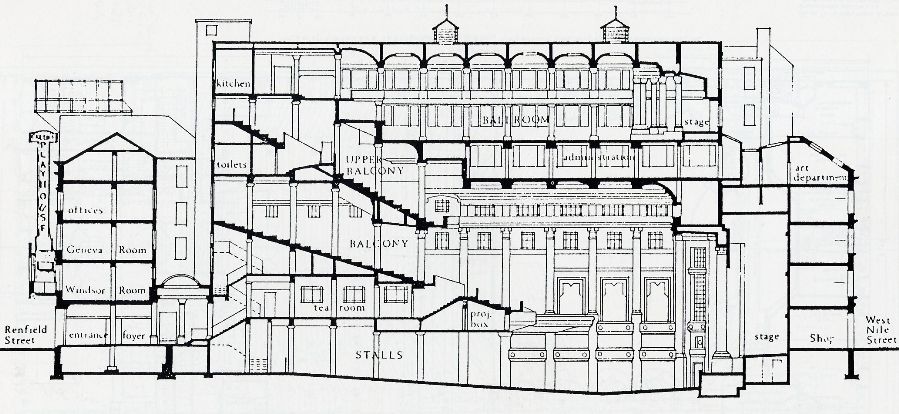
In theory by the time I discovered the cavernous Green’s Playhouse – the largest cinema in Europe with 4,368 seats and nearly double the size of any other picture house in the city – it should have been entering a cinematic twilight zone. Its glory days were long gone. Situated at the top of Renfield St, which itself sat at a 90-degree angle to Sauchiehall St (thus forming the L-Shape of the title), it had, on opening in 1927, been the epitome of luxury, built with remarkable foresight by the Green family, rather than one of the major chains, ushering in the era of the “super cinema” just in time to meet the demand for the Talkies.
Seats were color-coded according to price and there were “Golden Divans” in boxes for courting couples. It stood out at night through an electric-bulb vertical American-style sign. Business boomed until post-war the cinema began losing out to the major chains in the competition for the best films. By the time I made my first visit it was surviving on exploitation and horror. It was the shabbiest of giants, carpets torn, seats badly in need of reupholstering and a distinct lack of atmosphere.

The only time I ever witnessed anything approaching a full house was for a screening of a full-length showing of the European Cup Final of 1967 when Glasgow’s Celtic beat Inter Milan. But there was a light around the corner in the form of pop concerts and its size allowed it to take over from the Odeon as the venue of choice for touring bands. My best memories are not of seeing a great movie there but of watching a roster of the top bands, The Rolling Stones, The Who and Elton John. It’s the only city center venue which continued plying its trade as a movie merchant and eventually was turned into the Cineworld multiplex, the busiest cinema in Britain.
About 100 yards down Renfield St on the same side of the road was the 1314-seat Regent. Originally, in 1911 it was less than half that size, built for comfort over one storey with stadium seating. Remodelled in 1920 it gained an extra floor and partly by installing a balcony doubled the seating. It was very thrifty where the lobby was concerned. You were virtually at the ticket desk the minute you stepped through the frontage.
It was the only cinema I knew where the programme showed the times of the trailers and newsreels. Like the Playhouse its days of vying for top product with the Odeon, ABC Regal and La Scala were long gone. Now it was primarily a second-run establishment and virtually the minute a movie completed its allocated assignation at the Odeon it was shipped into the Regent. Once in a while, by local mandate, it showed a new film. As long as you were willing to wait a week or possibly two, you could see a top film for less money. It was very comfortable and well run.
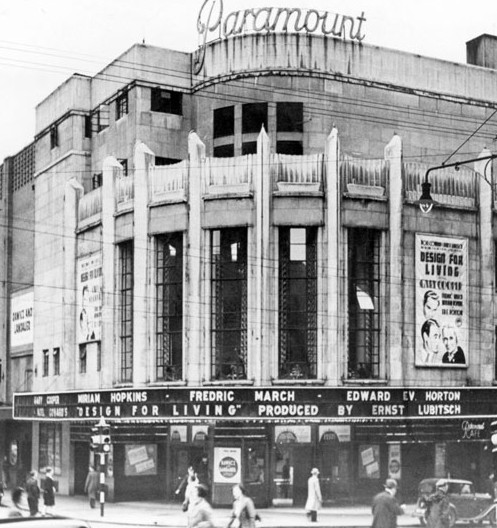
Less than 20 yards further down, on the same side of the road, was the majestic 2784-seat Odeon, certainly from the outside the most stylish of the city center houses thanks to its Art Deco design. Oddly enough, despite the Odeon chain’s association with Art Deco, it wasn’t built by Odeon. Instead it was commissioned by the American Paramount organization, at a time when studios also owned cinemas, opening on 31 December, 1934.
It was Glasgow’s first free-standing cinema built from scratch rather than being a conversion of an existing building. It was the size of a city block. As well as erecting the largest neon sign the city had ever seen atop the building, it also imported another American idea, a box office outside the cinema. At the outbreak of war Paramount sold the operation to Odeon and it became its Scottish flagship. This was the key first-run location for films by United Artists, Twentieth Century Fox, Disney and Columbia. Such was the demand for screenings that hardly any films during the 1960s – the Bonds a notable exception – were held over for a second week, in part because Rank had to feed movies into its suburban circuits.
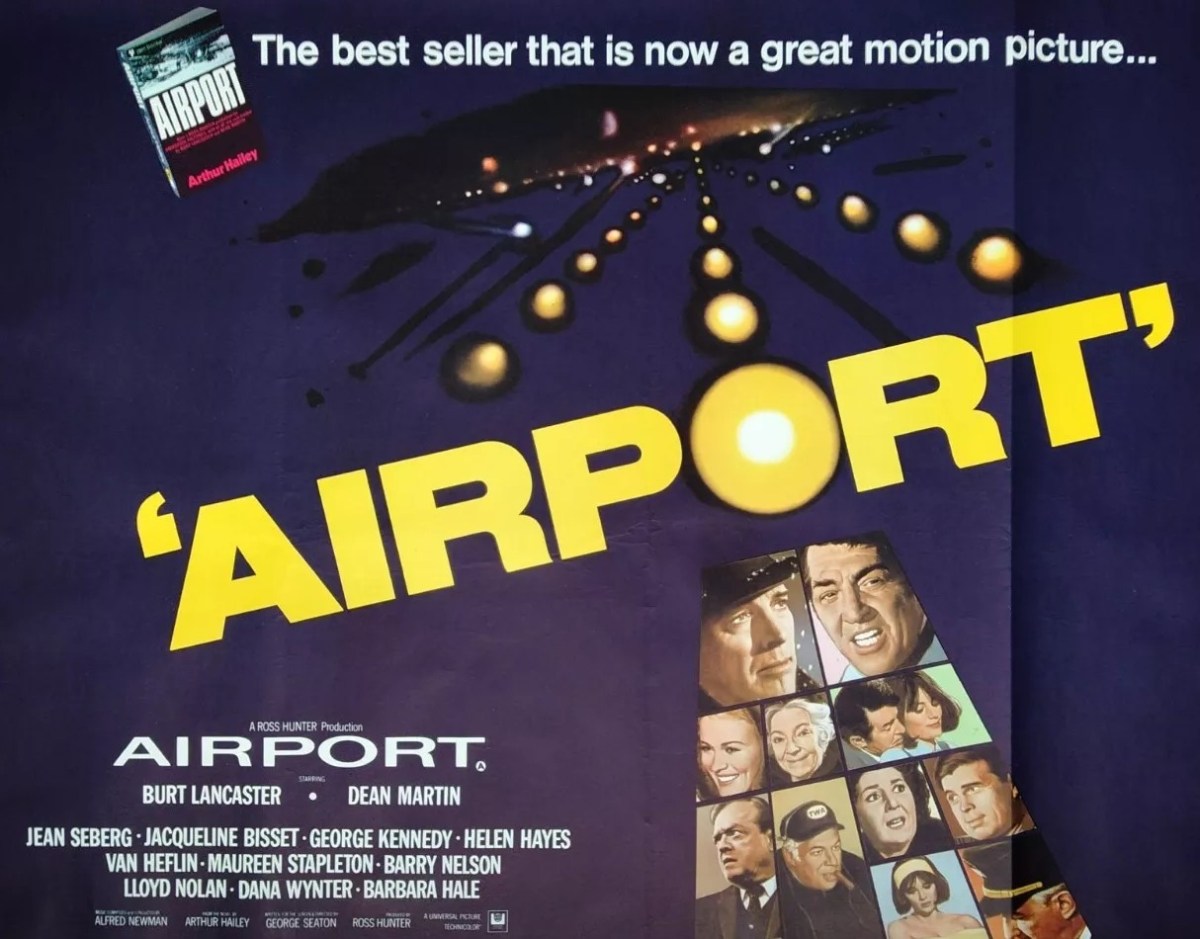
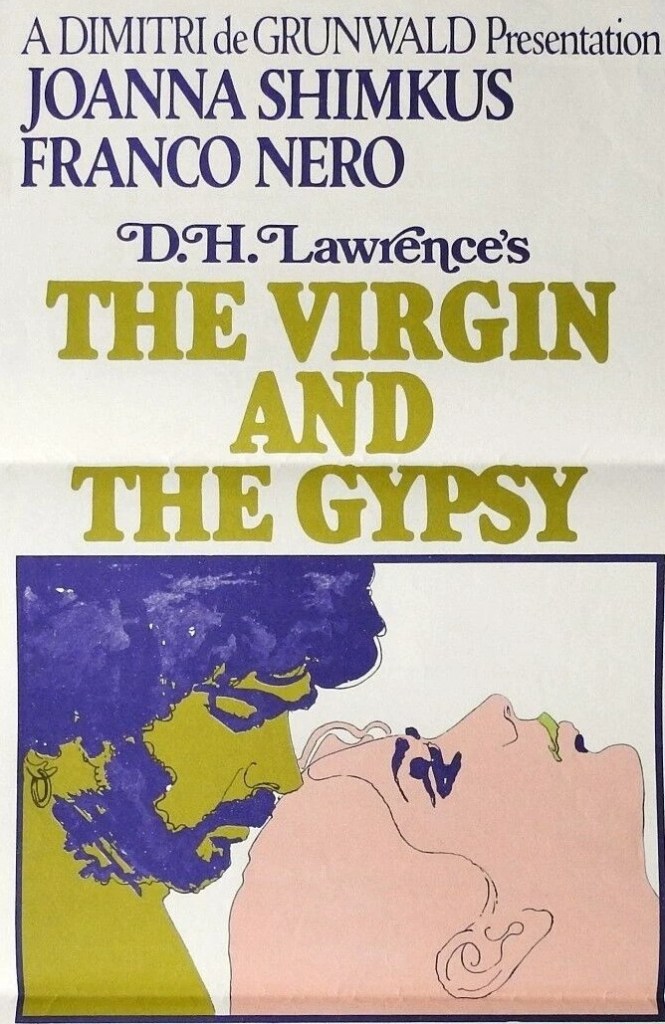
In 1970 the cinema was tripled, which allowed the cinema to double as a roadshow house, and operate more strategically, by switching movies from the bigger to the smaller cinemas to extend their city center runs. It opened with Cromwell in roadshow at Odeon 1, Airport at Odeon 2 and The Virgin and the Gypsy at Odeon 3. Theoretically this increased the flow of films through the Odeon operation, but in reality as often, when two or three long-runners came along at once, the system ground to a halt. I became very familiar with this operation when I had my first stint as a critic, reviewing films for the Glasgow University Guardian.
Another 50 yards down the street on the opposite side of the road was one of my favorite hangouts – the Classic – which, as the name suggests, specialized in reruns of old pictures. Much as I enjoyed spending time checking out the reissues, I would have loved to have been around for its initial iteration when it was known as Cranston’s De Luxe Cinema, an 850-seater opened in 1916 by the same Miss Cranston whose tearooms had been designed by renowned Scottish architect Charles Rennie Mackintosh.
It occupied the third floor of a stylish six-storey building and screened first-run movies in opulent fashion. When business declined after the Second World War it was sold twice, first to the Greens who added a newsreel cinema. Classic bought it over in 1960 and ran it as a repertory house, adding late night films. You felt like you were climbing to the stars, it was a long haul to enter but it was well upholstered inside and they ran a huge range of older films, often double bills and sometimes changing the programme midweek. It was far more useful in my movie education than the arthouse. In 1969 the venue added a smaller operation, the Tatler, showing sexier fare as a “members only” club. It only came into being because the Grand Central in Jamaica St had folded in 1966 (it reopened in 1973 giving Glasgow three soft porn emporiums).
That was the saddest decline tale of any of the Glasgow cinemas. Opened in 1915, the 750-seat Grand Central was an instant hit, classy enough to have an orchestra and technically the first city cinema to feature sound, which emanated from records playing simultaneously with the film. Even when it hit tougher times in the 1950s it attempted to go down the arthouse route but eventually succumbed to sexploitation
The connecting roads of Sauchiehall St and Renfield St should form the boundary for my L-Shaped Street of Dreams but if I had continued about a mile in a straight line from the end of Renfield St I would come to another palace of splendor, a roadshow kingdom, home to 70mm and Cinerama two-shows-a-day advance bookable productions which, like The Dirty Dozen (1967) and Where Eagles Dare (1968) enjoyed nine-month runs. The Coliseum opened in 1905 as a music hall seating 2893 over three levels. It became a cinema in 1925 and played host in 1929 to the first talkie The Jazz Singer which caused a sensation. In 1962, reducing eating capacity to 1300 after an expensive revamp, it reopened as the only cinema in Scotland showing Cinerama.

 The Magnificent 60s
Interesting comments regarding the Regent, a cinema I only went to twice during all my moviegoing trips to Glasgow. The first was in 1970 which was basically a reissue of It’s a Mad, Mad, Mad, Mad World’ which I recall retained all the now forgotten embellishments of the roadshow era (Overture, Intermission, Entr’acte and exit music). My second visit was more historically interesting and as a short preamble I should note that in mid ’71 I was visiting relatives in London and went to see ‘The Andromeda Strain’ which, being a sci-fi fan I had eagerly awaited due to a very ingenious advertising campaign on the London Underground. Rank had mysteriously relegated it to it’s more arty house just off the main drag, the Odeon, St. Martins Lane. Having thoroughly enjoyed it, I awaited it’s presence at the recently opened triple Renfield Street Odeon. Needless to say, because Rank didn’t seem to have much faith in it, the Regent picked it up and it was an unexpected surprise for me among this second run house. I don’t think it ever came to the provinces apart from possibly a few independents but the Regent definitely had the occasional gem.
LikeLiked by 1 person
The Regent used to get the cast-offs but sometimes they were good pickings. It would have been put in St Martin’s Lane in the hope in the smaller house it might get a longer run than if it went into the Odeon Leics Sq or the like. Not sure if it was deemed worthy of a circuit release. I’ll check that out.
LikeLike
Extremely high quality stuff, Brian!Always like people reminiscing about their past.Although I grew up in “Da Bronx” in New York City, there are things that I can directly relate to in these two pieces. Thanks so much,Peter
LikeLiked by 1 person
Glad you enjoyed it, Peter.
LikeLike