Roadshow, which was intended to alleviate the industry’s financial woes, caused chaos to the standard release pattern. The original system had been straightforward – new film is shown first in the biggest cinemas in the biggest cities, gets a repeat showing at a second-run house (and depending on the size of the city might move over to a third theater) and then spreads out into neighborhood venues and from there to the smaller towns. Depending on the size of the country and how long it lasts in first run it could easily take a year to complete its release.
Roadshow changed all that. Since first run, given the size of the cinemas and the elevated admission prices, accounted for as much as 60-70 per cent of a movie’s revenues, it made sense to find a way of keeping pictures in the most expensive cinemas. So roadshows did just that. Movies that opened in roadshow were not permitted to go out on general release until their roadshow potential had been exhausted. And precisely because roadshow movies sought out the biggest houses in a city they took up much of the space available for any kind of release.
That created backlog of two kinds: first, movies unable to enter the release system until played out at roadshow; and second, ordinary movies delayed – or denied – first run exposure because there were too few cinemas left. Which went part of the way to explain why your local cinema was apt to be running exploitation vehicles of various kinds.
In April 1970, for example, London’s West End – Britain’s prime premiere locale – was chock-a-block with long-running movies. In the previous decades, movies that ran for more than a week would be termed “holdovers” in America and “retained by public demand” in Britain. Now, they were retained for at least a “season” (twelve weeks).
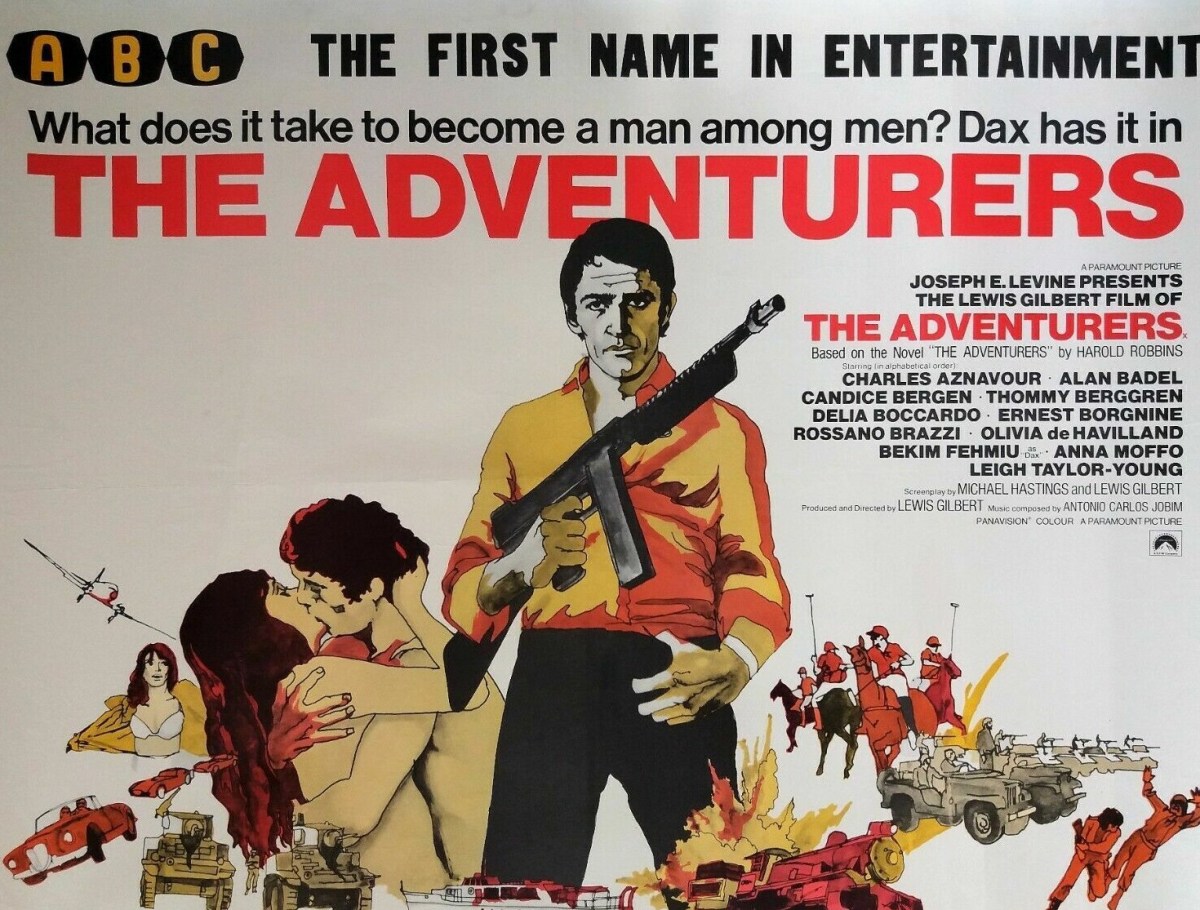
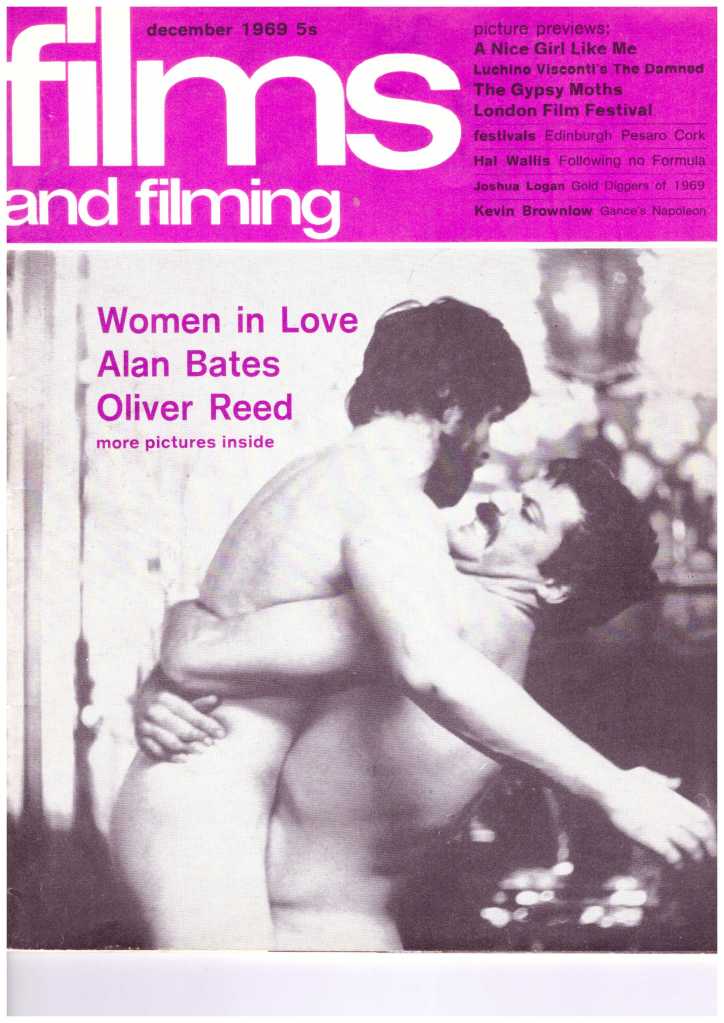
The capital’s biggest house the Odeon Leicester Square (1994 seats) was in the eighth week of showing Richard Burton historical drama Anne of the Thousand Days. World War Two epic Battle of Britain had completed its 31st week at the Dominion (1654 seats). Oscar-winning musical Oliver! had already played over a year at the Leicester Square Theatre (1407 seats) and was now into its 66th week. The Odeon March Arch (1360 seats) was in the 17th week of Hello, Dolly! It was also 17 weeks and counting for reissue Ben-Hur at the Casino-Cinerama (1127 seats) and Paint Your Wagon was in its 14th stanza at the Astoria (1121 seats). Making its debut – a 70mm print and in roadshow – was The Adventurers at the 820-seat Plaza (and in continuous performance at the 972-seat Paramount). Rounding out the roadshow contingent were Women in Love, 23rd week at the 631-seat Prince Charles, and The Lion in Winter, 68th week at the 600-seat Odeon Haymarket.

So, nine major cinemas tied up for roadshow. Outside of those, few cinemas that could match them in size and prestige, were left for non-roadshow items. Antonioni’s Zabriskie Point was in the sixth week at the 1366-seat Empire and the equally offbeat Entertaining Mr Sloane at the 1159-seat Carlton. The 1004-seat Pavilion presented the second week of the double bill Chicago, Chicago and Popi. The 760-seat Columbia was in the sixth week of Walter Matthau comedy Cactus Flower and the Odeon St Martins Lane (735-seats) offered The Last Grenade starring Stanley Baker in its fifth and final week.
The 570-seat Rialto hosted week two of the offbeat Mumsy, Nanny, Sonny and Girly while The Ritz was in the 10th (and final) week of reissue double bill Point Blank/The Cincinnati Kid. Arthouse the Curzon (546-seats) had been co-opted to help out, in its 6th week of Bob and Carol and Ted and Alice. And some holdovers had found unusual homes – Midnight Cowboy in its 12th week at the 154-seat Cinecenta 4 and Alice’s Restaurant in week ten at the 318-seat Windmill. And you might count the Classic Piccadilly in among the quasi-roadshows since Easy Rider had now clocked up 33 weeks and no end in sight.
Had it not been for the financial tsunami that engulfed Hollywood at the cusp of the 1960s/1970s the roadshow might well have continued eating up screens and causing further release chaos. Studios and those exhibitors who owned roadshow screens were delighted by roadshow, the rest of the industry not so much, except when a movie like Butch Cassidy and the Sundance Kid came out of nowhere and cleaned up.
SOURCE: Bill Altria, “Box Office Business,” Kinematograph Weekly, April 25, 1970, p10.

 The Magnificent 60s