The idea that Hollywood ever knew what it was doing can be seen not just in the follies of the 1960s when, let’s be clear, by the end of that decade everything was falling apart. The 1970s were meant to be different. Younger bucks were in chargr of studios, the Brat Pack was in control and movies could be both critically-acclaimed and become box office blockbusters. Witness The Godfather (1972), The Sting (1973), Jaws (1975) and Star Wars (1977). But, it turns out, chief executives, directors and stars could as easily commit to pictures that never saw the light of day – and from some of the industry’s biggest studios.
At one point, United Artists was as infallible as you could get. Box office gold oozed from its James Bond. The Magnificent Seven, Pink Panther and Rocky franchises, Woody Allen wooed away from the arthouse. And it had a highter batting average than most when it came to the Oscars – taking Best Picture for West Side Story (1961), Tom Jones (1963), In the Heat of the Night (1967), Midnight Cowboy (1969), One Flew over the Cuckoo’s Nest (1975), Rocky (1976) and Annie Hall (1977). So you’d think the studio had a lock on what would work and what wouldn’t. Not everything might be touched with genius, but you’d think it would have fair chance of getting made.
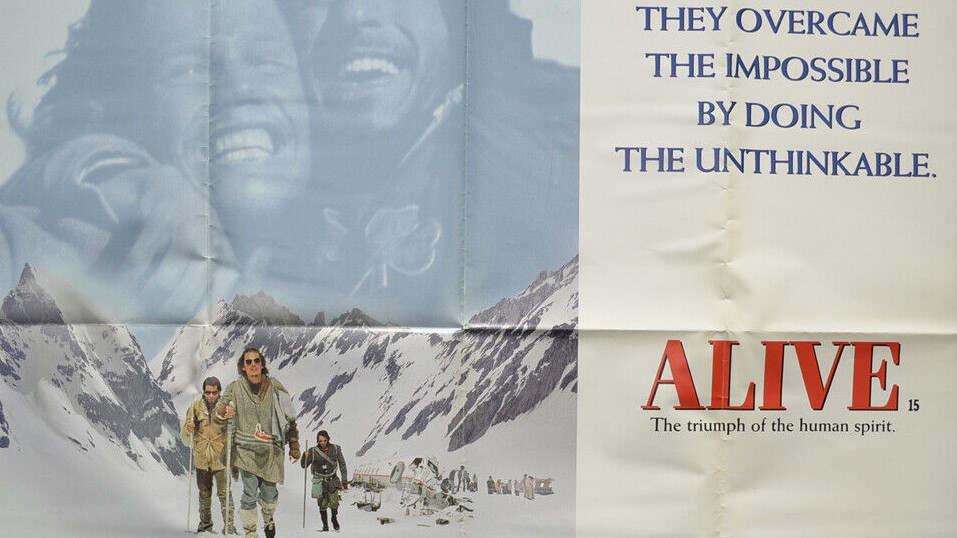
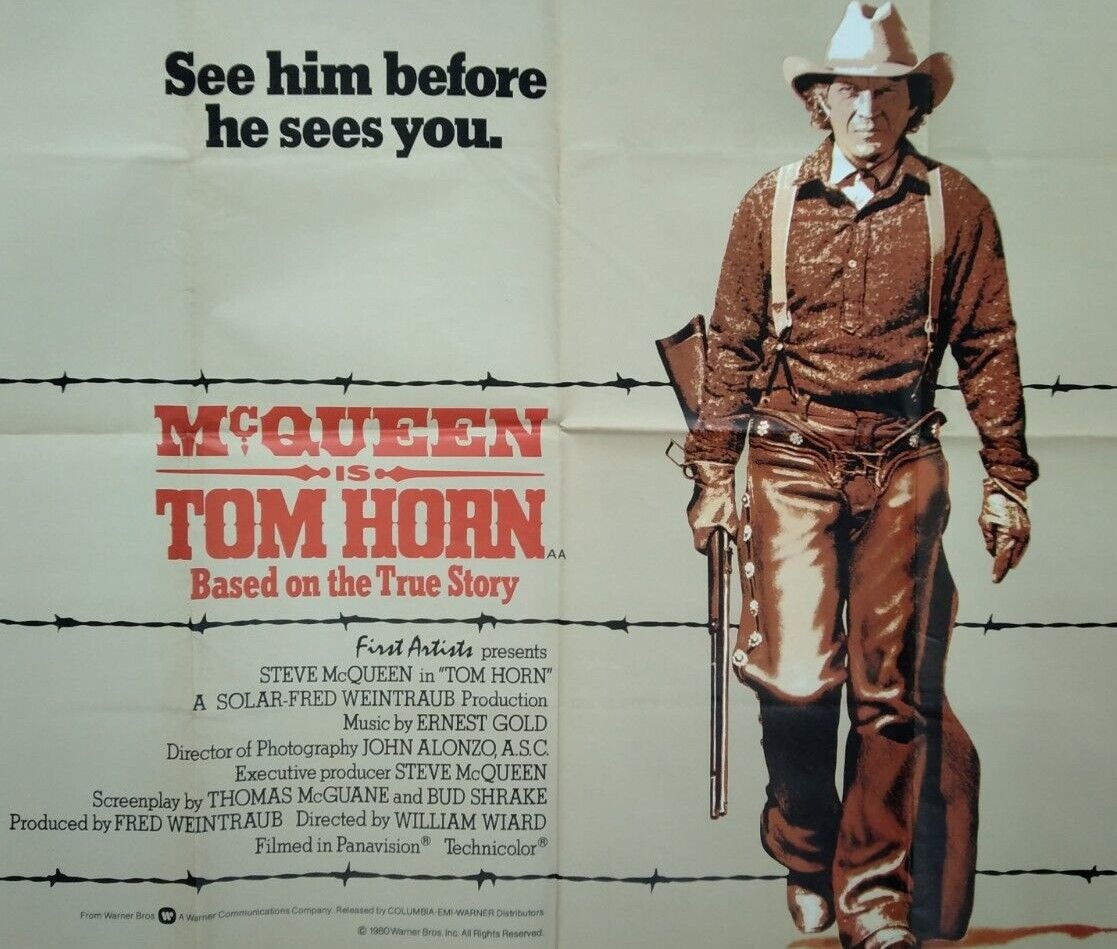
Well, yes and no. Some projects did end up being greenlit but at another studio and with a different director or star. Others just bit the dust. John Schlesinger had his eye on Alive (the story told recently in Society of the Snow), but that took nearly another two decades to appear, and across town at Paramount and with director Frank Marshall. Schlesinger didn’t have much luck – Coming Home had his name on it in 1975 but three years later it was Hal Ashby in the director’s chair. Screenwriter William Goldman of Butch Cassidy and the Sundance Kid (1969) fame had snagged producer Elliott Kastner to railroad Mister Horn but, sabotaged by a rival production Tom Horn starring Steve McQueen, it ended up on television.
Liza Minnelli was tagged to star in Ring Them Bells. No dice. Paul Newman was announced as star of The R Document, based on the bestseller by Irving Wallace. Dead end. Jack Clayton had Massacre at Fall Creek on his slate. No go.
Westerns had trouble getting off the ground at Columbia. Bury My Heart at Wounded Knee, based on the seminal book, to star Marlon Brando, a known champion of Native Americans, was dropped due to a “failure to agree on costs.” Fear of Flying, based on the sensational bestsller by Erica Jong, was canned after a spat between the author and producer Julia Philips.
How about family dream team of Henry, Jane and Peter Fonda? American Revolution was the title of this project. Father and duaghter eventually got it together in On Golden Pond (1981) but this stiffed at the start. Robert Mitchum and Raquel Welch? Now that’s what you call a potent combination. But The Bind stalled on the starting grid. James Bridges had a reimagining of Houdini and Sidney Lumet a picture called Devil Drives but neither went anywhere. Nicolas Roeg was in the driving seat for Out of Africa with Ryan O’Neal down as star but when it appeared a couple of years later, to box office and Oscar applause, neither was involved. Brian G. Hutton was working on Ghost Boat about a submarine that disappeared in 1943 and reappeared in 1975. Sound familiar? An aircraft carrier went missing in 1941 in The Final Countdown (1980).
But the King of the Never Was reigned at Cannon. Tobe Hooper was a perennial loser. He was associated with Spiderman, Pinnochio The Robot and King Solomon’s Mines, the latter made but minus him. Michael Winner was down for Captain America and Delta Force 2 but these were made without him. Charles Bronson was the denoted star of The Golem and a remake of Rider on the Rain (1970) but even his marquee pull couldn’t get these off the ground. John Travolta was teamed with Rebecca de Mornay for Crack and with Whoopi Goldberg for Public Enemies to no avail. Other proposed star turns were Al Pacino in The Investigation and Walter Matthau and Whoopi Goldberg in another remake, Born Yesterday (1950). Faye Dunaway was replaced by Julie Andrews in Duet for One (1986).
And sequels were no longer nailed-on for release. Whatever happened to Freebie and the Bean 2, Cobra 2 and Superman 5?

 The Magnificent 60s
I saw there’s a YouTube video about Superman 5, but never heard a peep about Freebie and the Bean 2? Are some instances just like Green Lantern 2 where the studio claim that a sequel is in the works to give the impression that the first fim was a massive hit? In Freebie’s Case, it was a success…
LikeLiked by 1 person
In cases where they are planning a series they often do that even if like Madame Web they put a lid on it. But Cannon was famous for announcing sequels. Used to be the dvd sals would be the reason for a sequel as with John Wick.
LikeLike